Loading summary
Transcript46 lines
- [00:00]
A
Foreign.
- [00:07]
B
Welcome back to the Bulwark Goes to Hollywood. My name is Sunny Bunch. I'm culture editor at the Bulwark and I'm very pleased to be rejoined today by Julia Alexander, one of my favorite guests, media correspondent at Puck. You can read her stuff there. You're a frequent guest on the the Matthew Bellany podcast, the Town, one of my favorite shows. So it's great to have you back on today. Julia. Thank you for joining me to talk about Romantasy.
- [00:28]
A
Thank you so much for having me. I love the show and I love being on it.
- [00:33]
B
So we are I want to talk about your latest newsletter item for Puck, which is about the burgeoning genre of romantasy, which is a portmanteau of romance and fantasy and is a subgenre that basically did not exist four years ago, or at least was not. Was not a huge, I mean it existed, but it wasn't a huge thing. What, what is Romantasy, Julia, as the
- [01:02]
A
Promonto would explain, it is effectively romance centric stories set within this very kind of elaborate world building setting. And so the way that I think about it as a difference from a fantasy novel with romantic elements is this idea that typically these books are multi novel iteration series. So that's similar to fantasy, but really it is heavy on what Gen Z, I guess, would call spicy content, what millennials would call smutty content, and what Gen Xers would just call erotica. And so it really is this kind of transitional audience, in my opinion, from the younger millennials who grew up on the Internet with fanfiction and have now translated that into this subgenre of storytelling called romantasy, which is doing exceptionally well over the last few years.
- [01:56]
B
Well, that's all right. How would you define true blood? For instance, does true blood qualify as romantasy? Is that, is that or is that just more fantasy with romantic elements?
- [02:08]
A
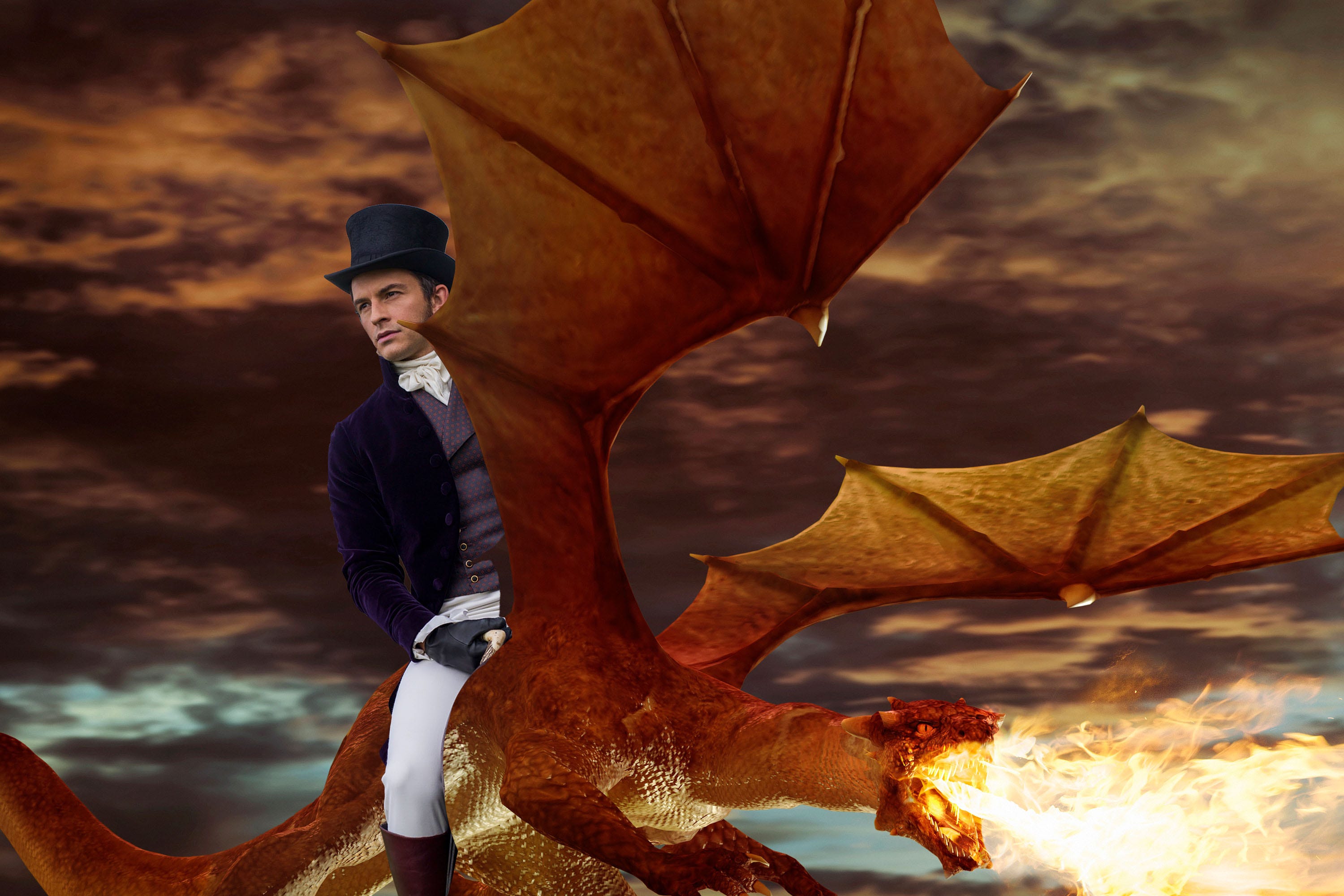
Because a precursor, I think if it had been written today, we probably would loop it into Romantasy. But though the joke I like to make about Romantasy is can you make dragons less lame by adding more sex kind of Game of Thrones, but, but more dragons. And it's clearly working in the book realm. I think the big question as I laid out in my piece, is whether it will work in the streaming TV and film realm.
- [02:37]
B
Yeah. So let's, let's dive into this because it is, it's huge in books. I mean every, every time I look at any story about the book industry, the news is men no longer buy books. Dad. Dad. Nonfiction is Disappearing. But Romantasy and that sort of thing is huge. And I will just say anecdotally when I go to Barnes and Noble, you know, the largest sections are, first of all, manga takes up like two walls. And then Romantasy, like, it is just like dragon porn as far as the eyes can see. So run us through the numbers here. How has this, you know, kind of stepped up over the last few years or so?
- [03:22]
A
Yeah, so I think something you pointed out that's a really important part of this conversation is that basically up until late 2022, early 2023, and I would argue late 2023, there is virtually no global interest in this sub genre as it pertains to the actual title. And so if you look at Google trends data, which not always perfect from a one to one perspective if we're trying to get a snapshot of what people are interested in. But I do think because that Google operates and it has more than 3 billion active users each month on its using search, it is a good snapshot of when people have started to kind of move over from the book talk part of the equation, which is TikTok's subculture dedicated to books, which is where Romantasy really took hold into kind of this global appeal. And so if you look at just the numbers, I mean, Romantasy specifically is behind the kind of percentage increase that we see in book sales over the last few years. Like for example, fantasy dropped about 8% last year and Romantasy increased about 3,4% in that same time. So people are moving into this specific sub genre. There are estimates from firms like Circana that say romantasy alone in 2024, 2025 would generate about $610 million in book sales. Romance is now the key driver of book sales, and Romantasy is the core part of where that growth is coming from. And I think what's really interesting about it, to your point, Sunny, is as we've seen the dad book disappear, I think supplanted, really. I don't say well, but. But decently by podcast and kind of docu series in this world in which people can get historic, historical, nonfiction or whatever it might be through podcasts and kind of that news commentary. There's also this empty space, there's this hole for young female audiences in terms of the type of content that they want because the streamers have not really focused on them until recently. And so I think you see the Romantasy genre in books pick up because there's actually nothing that has filled that space for these audience for a very long time.
- [05:34]
B
Is there, this is, I don't know if we have the numbers on this, but is there a breakdown on like digital, Kindle, whatever, sales versus physical? Because I, again, I am, when I go to Barnes and Noble, I'm always struck by like the romance section is enormous. And it's, it's, it's everywhere, but it does. I'm just curious if there is, if we, if we know if these are, you know, people reading them on their Kindle or the physical. Not that it makes that much of a difference anymore, I guess, but it
- [06:04]
A
is the biggest gap in the data we have. And part of this is just how firms collect data. And so the publishers still mainly look at physical sales or in terms of when we look at it from a public release standpoint. And so we still look at the New York Times hardcover bestsellers list. And so on the physical side, we know that between 2021, where there was just under 20 million a copy sold in the United States of romance books, to 2025, where it was over 40 million or double. A lot of that came from Romantasy on the Kindle side. Some of the data we do have suggests that more than 60% of Kindle sales in 2025 or Kindle books that were read because Kindle also has a subscription program were romantasy. I think a big part of the data that we're missing that I'm excited to dig into kind of throughout the year, is that Kindle also has the ability for authors to upload their own content. And so as Romantasy kind of moves from this world of online fan fiction on sites like Archive of Our Own to these kind of novellas or shorter novels or long form novels that are ongoing series that authors just upload and find communities within, kind of similar to what Wattpad was 10 years ago. I think that is where you'll see a lot of this Romantasy activity happen. And although that doesn't necessarily translate to adaptations that a company like Amazon or a producer like Michael B. Jordan might want to bet on, that's the recent news out of the upfronts a few weeks ago was that Michael B. Jordan and his company is taking on Fourth Wing by Rebecca Yaros, which is one of the foundational Romantasy books, we are seeing this kind of concurrent activity happening within the Kindle ecosystem that keeps that sub genre alive for, you know, five to 10 years.
- [07:55]
B
I want to. I'm sorry, did you say that 60% of Kindle books that are Read both, both in terms of purchases and via Kindle Unlimited, were romantasy romance romantasy.
- [08:06]
A
And that is, according to, that is not my own data, I should say. That is coming from these dedicated book researchers, many with substacks, of course, in 2026, who are going through monthly Kindle sales and downloads and then kind of doing these annual reports.
- [08:22]
B
That's wild. That's a wild figure. All right, we're gonna get into the data a little more in a minute because what Amazon is doing here is really interesting. But, but let's talk about, let's talk about what you mentioned with Michael B. Jordan and Fourth Wing, because the real issue here, for at least this show, for Hollywood Bull, where it goes to Hollywood, is none of these romantasy shows have really worked in the streaming age. You know, there have been some attempts, but it seems like they want to keep trying. But also they're very expensive. But also there is obviously a fandom there. What's, what's the state of play when it comes to streaming and romantasy?
- [09:02]
A
The only evidence that we have about the potential audience for this is unfortunately not perfect. And I outlined this in my piece. The closest thing we have is a romance romantasy, I should say adjacent series, which was Shadow and Bone from Leigh Bardugo. Shadow and Bone was released, God, at this point, I think more than a decade ago, really found an audience on BookTube, which is, you know, on YouTube. And then BookTok and then Netflix made this show into an adaptation in 2021. And the show did well for Netflix. Like to, to put this into context, you know, Netflix releases how many shows a year, how many movies? Shadow and Bone, when it was first released in 2021 and then into 2023, when the second season premiered, was one of the top 30 shows in Netflix's first engagement report. It was doing significant global views, but the problem was the cost. And so when you look at the Shadow and Bone reaction, which was canceled after two seasons, it was designed to be a franchise. They were going to do spin offs and they kind of canceled that as well. You then look at what some of the response to that has been. And so Hulu, for example, in Disney Studios were going to work on an adaptation of A Court of Thorns and Roses Acotar, similar to Fourth Wing. It is one of the foundational Roman texts that kind of languished in production hell for a few years. It was certainly not helped by the writers strike a few years ago. And then Hulu decided to not move forward with it so fourth wing from Michael B. Jordan, where those rights were optioned in 2023 and are now moving forward as a show at Amazon, is really going to be our first experiment in the space. And I think what's important to point out about the decision to bet on something like Shadow and Bone less than a decade ago into where we are now is that, you know, between 2018, 2019 and 2022, I would argue the idea behind a successful streaming strategy was creating high premium, high cost original content that was going to take on the HBO's of the world and really bring people in. It was on the success of Stranger Things and kind of looking at is this what people really want? And between 2021, 2022 and 2026, we've seen the broadcastification of television where all of that investment is now moving over to sports and medical procedurals and cop procedurals. And so there's just less of an appetite for big expensive shows that come with a higher opportunity cost of business.
- [11:38]
B
Well, let's. Because this does. This hits at another thing I think about and kind of write about sometimes is what is the what. Why would a streaming service like Netflix, which, you know, kind of famously joked that their, their biggest competitor is sleep. They are looking for hours consumed, right? They are. They want people on their app all the time. They want people in front of the TV watching Netflix all the time. An hour is an hour, regardless of the cost of the hour it takes to, to make it. Why would they spend $100 million on a sexy dragon show when they can spend, you know, when I. Or I guess, well, this is HBO Max, but HBO Max can spend much less acquiring a sexy hockey show. You know, like it's, it's, it's the, the hours to cost issue here seems kind of insurmountable for, for this specific subgenre.
- [12:39]
A
Yeah, in. That's such a good point. In the piece, I point out that if you look at, if we divide those two genres so we have romance and we have fantasy. To your point exactly. If you look at how Shadow and Bone, second season, its final season, also its most popular season, compared to other recent seasons of fantasy shows, it's kind of middling. It sits there with The Witcher Season 4, which Henry Cavill had departed by that point, and it was Liam Hemsworth that got brought in. It did a fraction of what one piece, the live action adaptation or Avatar the Last Airbender, the live action adaptation and certainly Wednesday did a fraction of what those shows were going to do, but had again that kind of similar high premium cost. And then if you look at how Shadow and Bone compared to traditional romance shows on Netflix, it was also, again, kind of in the middle, but costs much more than nobody wants this or Virgin river or whatever it might be. And so I think the reason if you are Netflix or, well, we'll get into why Amazon might want to do it. But if you're Netflix and you want to take the bet, the reason would be, to your point, either high intense viewership, which translates into high retention rates, meaning that customers are canceling less. And that could have been important five, six, seven years ago for Netflix. But you look at Netflix now and they have an average churn rate sitting at 2%, sometimes 1.5% each month. And to put that into perspective, you know, Peacock is routinely sitting at 9%, the average monthly churn rate, according to antennas, it's between 5 and 6%. So Netflix is far below. They have a really healthy business in the United States. And the other problem with leaning into Romantasy, specifically to your point, Sunny, is that it is sexy, it's erotic, it, there's a lot of upsmut involved, kind of what we saw with heated rivalry, but, but certainly not romanticy there just kind of traditional romance story. It's hard to get advertisers on board because advertisers would rather be on NFL games and procedurals and potentially family friendly content as opposed to taking the bet on the spicy erotic new content from Netflix. And so I think again, it's just the idea of romantasy made more sense as a bet for a lot of these services and especially Netflix, five, six years ago, when they might have wanted to court a younger female audience, when they wanted to increase retention rates, when they thought they could bring in new subscribers in the domestic market, but now they've tapped out in the United States, they're trying to get advertisers on board with live programming and sports. And so this becomes less of a priority, but certainly not one that they're walking away from entirely.
- [15:19]
B
Yeah, in your, when you, when you were writing about Shadow and Bone in your newsletter, you mentioned that it was, it was good on raw viewership but bad on efficiency. And I, I just want to, I want to explain that concept to folks because I am, I am only kind of vaguely under understanding. My, my understanding of efficiency is it's kind of tied to retention, but not precisely. What, what, what, when you say it's a less efficient title, what does that mean?
- [15:50]
A
So an efficiency metric is a very simple equation or Complex, depending on what company you're kind of working within. Every streaming company has it. It looks at the cost of investment on a title. So is it, you know, is it $2 million an episode? Is it $10 million an episode? It looks at the franchise potential. Is this something that we can expand into for. Into film, into merchandise? It looks at the investment opportunity cost, meaning that if we choose to spend here and not bid on other projects, is that going to be more harmful to our business? And then at the foundational level, it looks at engagement rates per minute or per hour, which then pertains to advertising. And then that looks at. Did it bring in the amount of subscribers that we expect to show like this, based on all the metadata around a show like this and industry comps we expect to bring in, and did it retain a percentage of customers, again, based on that same metadata, context, and other industry comps that we expect it to. And then you come out with a number. And depending on if it's a 1 to 5 scale, 1 to 10 scale, you might say that the efficiency, the efficiency rate of this show scored an 8.9 out of 10. And therefore, even if it's slightly higher costs, we're happy moving forward with it. Similarly, a show might have a 4%, you know, or 4 out of 10 efficiency rating, but it costs nothing. And so there's an audience that's built in and they think it's really good for the service. Or someone like Ted Sarandos just likes it and he's like, we're just going to keep doing it. I like it. What a lot of the content, Planning and Analysis, CP&A teams are focused on is hitting trends, but doing it in a way that makes that efficiency rating work more often than not.
- [17:36]
B
Gotcha. Gotcha. All right, so let's jump from Netflix to Amazon because this is, this is kind of the big reason I wanted to talk to you today, because this, this seems like a really interesting moment for Amazon. Right? Amazon says now Prime Video is profitable on its own, that it is making money. Sure. I, I don't know that we can. I, I'll take their word for it, I guess. But the, but the combination of increased advertising on the video service, subscription rates, and then, you know, the VOD stuff and sports, et cetera, et cetera, they say, they say they're making money. And it really seems like they have only begun to scratch the surface of how much money they can make because they still have not quite fully figured out how to integrate the. Oh, you're watching Jack Reacher, would you like to buy his outfit algorithm? Would, you know, and it seems like this specific thing, this very specific thing, huge sub genre of books that are very popular synergizes very well with a TV service. Particularly when Amazon owns both the video provider and the physical book sales provider and the digital book sales provider and the audible service that they can listen to if they want to listen to more. It just feels like this is this sweet spot for, for them, this specific sub genre and really the whole, the whole, I don't know, book adaptation thing for them, this seems like they're what they should be really leaning into.
- [19:15]
A
Yeah, I think I joked in the piece, although it might have been cut in the editing process, probably for good reason. More people should cut my jokes from columns.
- [19:24]
B
But more jokes. Hey, editors, don't listen to her. More jokes and pieces. People love jokes.
- [19:31]
A
I, I, I joke that this was always the end game for Jeff Bezos, who launched Amazon.com in the 90s kind of as a bookstore, then launched prime video in 2007, acquired Goodreads, which remains the dominant kind of social platform for readers and book lovers, and then really gets into Kindle in the late kind of 2010s, launches the kind of creator program to allow authors to upload stuff and then wham, you've kind of got this flywheel around text also included within that Comixology. Right. The ability to kind of own this, this digital comic book retailer. I think what's fascinating about Amazon is that if you look at what it does exceptionally well to your point about Prime Video being profitable, it's not on the content like, lord knows, just like every other media company, Amazon is taking a loss on having the NFL. The NFL is a loss for most media companies. You know, they spend 2 billion, they make 1.5 billion in advert. But it's important for customers, so they have it. What Amazon does spectacularly well is systems. And so if you look at why Prime Video is profitable, it's because they were the first streamer to say you have to opt out of ads. So now you've got 90% of Prime Video viewers who are watching with ads. It makes them one of the largest ad platforms in the world automatically, with no real initiative from them other than flipping a switch. Then you look at how Amazon approaches Prime Video channels and that is a significant driver of additional ad revenue and subscription revenue to Amazon without having to do anything but create partnership deals. And because Amazon Prime Video channels Now contributes about 25% of all new subscribers to these streaming services as as when it comes to kind of these, these markets to access streamers, it's become inevitable for almost all these platforms to then be on prime video channels. And so when you extend that idea of how net, of how, excuse me, Amazon thinks about its systems, you then get into how it perceives the potential for Flywheel. And so I gave the reference to how Jeff Bezos imagined owning the book world and kind of killing the publishing industry. Now Amazon has its own publishing imprint, of course, and so they publish their own books. And then you can see how they would look at something like Fourth Wing and go, we know from our own data that there's a lot, there are a lot of people buying this book and its sequel and the trilogy that it is now part of. We can see via Goodreads that there's a lot of heavy engagement with this, heavy recommendations, heavy comments, heavy positive words. I remember I did a story years ago about wattpad and Webtoon, which is a user generated content platform for storytelling. And the technology they were using to identify specific sentiment around specific words like werewolf, erotica or whatever it is, help them kind of figure out what they could pitch as a company to streaming partners and film partners, because they could see where the trend was going in a positive direction. And so then you look at the Amazon component and all of a sudden they have all this data and they go, we think if we take a bet on this expensive show, which in itself may not be profitable for us, it may not hit the efficiency rating that we want. We think it'll drive additional Kindle sales because people will, might want to dig into it. We think it'll drive additional sales of the book alone. We think that it will drive additional engagement for our other shows. And we think it also might just drive additional ad opportunities for us when it comes to kind of the way that people approach Kindle and the subscription opportunity within there. And so the Flywheel, which is a word that we all steal from Walt Disney, from his drawing from many years ago, kind of comes into play. The question is whether or not that happens. It's really hard to base the bet on a guarantee without knowing the full intent of that audience to move over to a show adaptation and for that show adaptation to then convert new audiences.
- [23:37]
B
Well, is it about converting new audiences or is it about mining those audiences for more revenue? Right. Like, is it, is it, you know, like Disney for Ex, for instance? Right? You have the people who have Disney plus and they go see the movies in the theater and then they go to the theme parks. And they enjoy seeing all the things in person. And those are often the same people. Is, is it, is Amazon just trying to extract more revenue from each individual?
- [24:07]
A
I think that's exactly right. And I, I think that's exactly right. And I think if you look at how the company is kind of boast about their power, it was very funny right before I wrote this column. A couple, I think maybe a few weeks ago, Netflix launched this kind of website dedicated to how good they are for global economies and partners. And one of the effects, the Netflix effects that they highlighted was the fact that people would watch Bridgerton and then Spotify, streams of those artists would go up or people would watch the Witcher and then game sales, the Witcher would go up. And so the downstream effect didn't exist for Netflix in terms of owned and operated opportunities from on the business side. But they could point to the fact that there were audiences who were locked into their programming who were now seeking out new opportunities to kind of explore this ip. I think on the Amazon front, you're exactly right. I think there is a component of Amazon that looks at the individual audience and fan who comes in and says, we assume they already read the book. We assume they're already talking about this book on Goodreads. We assume they're already a hyper Amazon user, especially in the domestic market. And so the question then becomes, how can we package this intense fandom and find ways to increase spend across all of our different platforms? Maybe they get an audible subscription to some premium content, maybe they buy more dog food on, on prime or whatever it might be, and then as well is really selling that audience with all this data they have as a unified kind of Amazon one platform to advertisers and saying like, you can now reach this audience and this fandom that is hyper engaged in eight different formats. And again, that speaks to how Amazon thinks about systems, including just consumer behavior. And then of course, on the technology side, you know, you joked about the Jack Reacher costume and I want to buy his outfit. Like that will come. Amazon is already introducing AI components to its retail business to do exactly, exactly that. To allow AI to kind of shop for it agentically and based on your interests. And so I think you'll continue to see them double down on these opportunities to forward that system. Again, I don't know if romantasy is the way to do it. We're seeing Amazon really lean into the romance side of the equation. They just launched off campus, which is reportedly doing pretty well for them. They've got partnerships with Wattpad to bring more romance centric stuff over the platform. But I do think, you know, from the company that said, let's try Rings of Power, there is an element where Amazon likes to take the big swing and like, God knows they can afford to do it for as long as they want.
- [26:52]
B
Yeah, well, I, you know, this is, it's funny, I was listening to, I was listening to Matt Bellamy's podcast with Rich Greenfield over at LightShed and, and he was saying, Rich was saying in the, at the upfronts last week or week before that all of the advertisers were kind of blown away by what Amazon has in terms of data. Their, their data is the best. You know, if data is gold, they've got the mother lode because they are a logistics company and a data, you know, centric company. That's what they do. They understand what people want and specifically what they have purchased. It's not just what they want, it's what they have actually spent money on that they, they know about. Which, which does, does give them a pretty big advantage here is, is, is that, I don't know how do, how do they monetize that? And if they like, look, here's, here's the other, the other kind of flip side of this equation. We're talking about all of these things that Amazon owns, all of these distribution platforms that they own, all of the different ways they can control and alter the market. I mean you, I, I want to, I'm sorry, I'm jumping around here. The, you mentioned that 25% of subscriptions to other services come through the, the Amazon video channels program. So that's when somebody wants to watch HBO Max, they sign and they sign up through Amazon. Right? Like that's what we're talking about their video platform or shutter or whatever. Like those.
- [28:26]
A
And the vast majority still comes through direct. Like people are still like 50% is still direct. But Amazon is the largest third party driver.
- [28:34]
B
Right? Well, that was, so that was one question I had. How, how much of that was direct versus. Are they. What's the next biggest driver? Is it like Roku? Is it.
- [28:43]
A
I think it's still itunes. It's still, it's still like an Apple. Yeah, it's. I think it's still an Apple product.
- [28:49]
B
Interesting. Interesting. But like again, that's 25% of the, the having a finger in 25% of all of the streaming market is not nothing. That is, that's a pretty big, that's a pretty, that's a pretty sizable thing here. So I guess My, my question is I like, I am not an antitrust guy. I am not, you know, our, our friend, the entertainment strategy guy is always saying we got to break up Amazon. We got a split, you know, Apple Video off of Apple. And I'm not quite there, but I am like getting closer to it because the amount, just the, the, the amount of different distribution platforms they control is kind of striking. It gives them not inconsiderable power to skew the market. And, and on top of that it does feel anti competitive in certain ways. But at the same time, like if you split Amazon off, would it be able to be profitable? Or would it just, would it, would it stripped of the data that Amazon has, does it become a less valuable, unsustainable project? Like I wouldn't want to, I'm sorry again rambling here, but I wouldn't want to like break it up only to kill it. But also there's a lot of power being amassed in this one thing.
- [30:09]
A
There's also. So I get really into ad tech. It's like the thing Rich and I geek out about together in part because he's the only person in my life who will geek out with me about it. Amazon also has this like very, I don't want to use the term nefarious. I don't think it's nefarious. I think it's just they have a dominance and they're exploiting it. And that gets to your point about our mutual friend entertainment strategy guys point about antitrust. They also are a DSP or an intermediary. They're a buyer and seller of ads across every major streamer. Mo. Most streamers work with Amazon's ad team. And so Amazon also collects data to an extent, to an extent that they agree in their partnership. And it could be very minimal for some partners and very big for other partners depending on the leverage that they have. I imagine for example, a Brit Box scenario that gets almost a hundred percent of its traffic in the domestic market from Amazon is going to have less leverage than when Netflix partners with Amazon on the ad side. And Netflix is not part of Amazon prime video channels, neither is Disney, but they also have that component. So as this, as the advertising business continues to grow in streaming, Amazon will just grow without very little effort on the Prime Video side. There will be effort on the AWS side, there will be effort on the Amazon tech side and the product engineering side, but there's not necessarily on the Prime Video side when it comes to generating additional revenue kind of for that division. And so I Think when you look at whether Amazon remains, well, Amazon Prime Video specifically remains profitable outside of Amazon, it's a hard question. I think if I think the fact that Prime Video channels is driving the vast majority of that revenue and profit at this point, it's not the content programming, it's certainly not the sports programming. It's a lot of the ability to act as a distributor and then bring in all these ads on that 90 of people who have not opted out, I think it might, you know, break even. I'm not a finance person. Like, that's a better question for definitely people who look at kind of these situations. But I think it's comparable to like, if YouTube separates from Google, another company where I was watching their conference earlier this week and going like, we should maybe break this company up. You know, if you look at YouTube like that becomes the biggest media company overnight and it's and is likely to be semi profitable. They would be more profitable if they weren't giving away 60% of revenue to creators. But you know, that idea that they're just that big and they have all this data and you hear the same question with YouTube that you hear about Prime Video, which is okay, but if YouTube doesn't have Google data, if YouTube is not plugged into the same SEO and geo optimization tactics that Google then allows YouTube to kind of create this flywheel effect of is YouTube as strong as it is? And I think the answer is probably no, which is a big win for the antitrust community. But I do think it manages to survive on its own. It does mean to bring it back to the beginning of this conversation that Amazon would probably do less bets on Romantasy if they don't have kind of this consistent flow of other revenue to back up what they're trying to do.
- [33:13]
B
Yeah, yeah, I know. It's just. I don't know. It's all. It's very interesting and I don't know what to make of it. And I guess the flip side of this coin is like, I was looking, I was reading your story and I was looking at, you know, the point you were making about Netflix, which is that they, you know, let's see, you, you mentioned that they drive all of this, all of this traffic to Spotify, to Audible, whatever, but they don't own those platforms. Those are not. Those are not Netflix. Netflix platforms. So it doesn't really do them any good. And I just was sitting there thinking, well, why don't they buy Chirp or some other audiobook platform? You know, if you're Going to have people on the Netflix app all the time anyway. If they're going to be there on their phone watching it, you know, they move over to the car. Well, maybe they switch to, you know, the audible adjacent. Whatever, whatever the audible competitor that they would want to build or buy or whatever. Like that feels like a much easier and cheaper win, frankly, for Netflix than buying, say, Warner Brothers. And trying to, trying to integrate all of that into the company and get through that. Is there any thought happening? Have you heard anything about Netflix wanting to do stuff like that too? Because they've tried to do this right? They've done video games. To some success. Not very much. It feels like in the video game front, they've got the live, the Netflix houses, they're trying different things. But it does feel like that this, you know, with the huge success of Bridgerton shows like the Three Body Problem, right, or the, the Romantasy show we were talking about up Top, Shadow and Bone, the. It feels like there is a, a lane there for them to expand in that kind of unexpected way.
- [35:11]
A
So I think about this a lot. This is kind of my big obsession within media. It's. It's so funny you bring it up. I'm of two minds. There's a line I think about a lot came from a pal of mine, Brian Morrissey, who writes a really great media newsletter called Rebooting. And he used this term and he said it's. We've moved over from the scale era, which we all know, into the fandom, not random era, which is this idea to your point, about your. About doubling down on an audience, saying like, okay, we think based on data we have, that this highly engaged audience on the limited amount of IP that drive that type of audience is something that we're going to invest a ton in because we think we can create opportunities for our own company in the way that we make money, which for Netflix is primarily content. And so I think when you look at the reasoning behind wbd, which we won't get into, we've talked about this at length, is the idea that there's just less and less of that IP to go after. And so that was something that Netflix could look at and say, there's a lot of fandom there. And, and we don't have to take bets on the random. The random is new programming, the random are creators. And saying, like, we hope that this translates to an audience, but we don't really know. And if we're going to spend, you know, a billion, 2 billion, $3 billion on NFL rights plus other things. We really need to figure out a stricter policy on how we're investing in kind of the original content, whether it's unscripted and whether, whether it's broadcast related or, or whether it's going to these high premium shows. Then there's also the question of is there a marketplace opportunity for this? So first year MBAs know about blue Ocean, right? Like we're going to have that moment where if Netflix is looking at and going okay, we really think we could do something with music. Ah, like Spotify exists and, and they're growing and they're kind of dominant in the space and, and they've got a 30% market share and Apple's next at 15%. You YouTube is growing on that side as well as premium grows and becomes a bigger music service. So that's probably not great. On the book side of the equation. Amazon dominates. Amazon is the sole between Audible and their own retailer and Kindle, like they are the sole player in that space. And so if you're Netflix, you go, not really a great opportunity for us to launch something. And so we could acquire small companies, but is that going to actually translate into meaningful profit margin growth that we're interested in at this point in our company's lifespan? And I think no. And so I think for them they start looking at okay, well what is the opportunity to invest in franchise potential and big IP that even if we're pushing out traffic to other players comes back to us through obsessive fandom. And so people who watch the Witcher on Netflix and discovered it go play the Witcher then might go read about, they might read the Witcher and then all of a sudden you've got an obsessive fan who will return for both the show and spin offs. And I think that's Netflix's bet, is that they can control through their own size the ability to develop hyper fans and double down on that audience as opposed to looking at these larger tech distributors, The Amazons, the YouTubes and the Spotify's and saying we're never going to compete with them on the distribution front. We don't want to invest in building a competitor even within our own app that's going to have the UI and easy UX capabilities that these platforms have mastered over the last 20 years. And so we're just going to look at content at the same time. I think one of my most, the most interesting companies right now, ironically legacy media company is Fox. I think you look at what Fox is doing with its investment In Red Seat Ventures, what Tubi is doing under Fox with its creator program and its shorts program, and even what Fox is doing with its creator incubator. Incubator. And finding ways to develop both new original content and invest in talent, but also allow creators, like through Red Seat Ventures, for example, to use that company as a distribution platform and as an ad platform as they kind of look at ways to expand their podcast audience. Fox is clearly thinking about how do we own some of that distribution side compared to a Netflix.
- [39:20]
B
Yeah, it's, It's. It's super interesting. The, the fandom. Fandom, not random thing is. Is also interesting. Like, right before the show, I forwarded you a press release from, from the folks at Alamo. They're. They're partnering with Sony to live cast the like, Sony state of play thing, which is their, you know, their big, you know, corporate announcement. I don't know, activity, whatever, whatever, not activation.
- [39:49]
A
What do you PlayStation fans unite to figure out?
- [39:52]
B
Yeah, it's. It's. Whatever it is, it's the place that you go to figure out what's happening next with PlayStation. Right. Which is interesting because I, for, for the last two years or whatever, ever since Sony bought Alamo, I have been trying to figure out what they're doing with it. Like, they, they have this thing. They have. They own Crunchyroll, right? They own like an anime studio that they could be putting things into the theaters. They. They could be. There's so much that they could be doing and they don't seem to be doing very much with it. And this is the first thing where they're kind of like, here we go. This is what, this is what we're doing. And I, I'm just, I'm just fascinated by it because it does seem like an interesting idea. I'm not. Again, I'm not 100% sure that it's. I, I don't. I, I just couldn't imagine myself going to this. So I'm having. I'm having theory of mind problems, I guess. But the, but the, but, you know, like, you could, you could use the Drafthouses as places to host, you know, national video game tournaments or whatever. Like, there's a lot of things you could do with that space that's not just showing movies. And this is, I know, going to be. I say this. All my Alamo junkie friends are like, ah, this is anathema. This is not what we do. But like, you know, changes, changes occurring. I don't know. It's just, it is interesting to see them finally doing something with this. I'm just not sure that that is specifically the thing they should be doing. I don't know yet.
- [41:18]
A
One of the strategic issues that I think about a lot for these companies who are trying to develop flywheels is the intent of behavior. And so if you look at everything we've been talking about with Amazon, the intent to behavior is almost one to one. I'm going to watch this show on my couch where I am also reading my Kindle on my couch and I'm going to buy the book or I'm going to buy dog food on Amazon from my couch. The intent of the behavior is the same. And so you're not asking people to do something that they wouldn't normally do. If you look at State of Play, State of Play is a live stream that a lot of people want to watch on their TVs powered by their PlayStations. They don't necessarily want to go into a big theater. And it's really interesting from a Sony perspective because I think that's mostly true for PlayStation fans in particular. I mean, for a long time PlayStation's slogan was like, living your world, play in ours. Like, it was very individual focused compared to like a Nintendo, which over the last 10, 15 years has really leaned into bringing people into its Nintendo stores and creating global community events and kind of saying like, come celebrate with us and play with us. And so when you look at what needs to work within a national theater chain like Alamo, the question becomes one of, okay, well, what is the intended behavior for these fan bases? Anime fans? We can probably get out. They're die hard. They want to see this with people. They have a lot of friends who want to see it. How many anime films are there that are going to get people out to theaters en masse for a national chain? Right. It is that strategic question of like, is this the best opportunity for Sony, which owns Funimation and Crunchyroll? It makes a lot of sense because you can get the audience who's watching 300 episodes of Demon Slayer at home and then into a theater with their friends. I don't think it plays true for a lot of other components of Sony's business. And so then you have to question if you're Sony, well, how do we run a theater chain? Like, what is the purpose of us having this other than to put in some of our anime attempts to maybe try and experiment with gaming? Even though we know that most gamers do not want to go and do this in a movie theater, they either want to watch a live video game competition live like we see happen in Korea all the time, or they want to watch on Twitch at home and kind of communicate via the comments. And so then the opportunity seems less and less fruitful. And I think that's why you're seeing in my opinion. I used to be an Alamo draft pass holder and the quality has just gone downhill. And I think if it was a really important investment for Sony, you would see it go uphill. And I think it's kind of a misplaced bet that the company seems to
- [44:07]
B
be realizing, yeah, I don't want to turn this into the Bash Alamo show, but I will say I have also heard from folks who have simply like, you know, have. Have moved on.
- [44:22]
A
Yeah, I don't go anywhere.
- [44:23]
B
Which is unfortunate. Which is unfortunate. But, you know, perhaps inevitable. All right, well, that was everything I wanted to ask. What did we not discuss about Romantasy or anything else in this kind of. In this whole space that we should have?
- [44:39]
A
The only thing I would add that makes book adaptations and specifically bets on sub genres really difficult and you know, this sunny, is that the book publishing industry can turn around on a subgenre pretty fast. Meaning, let's use Twilight. Great example. It's kind of the go to example. Twilight comes out boom, big deal the next year, ton of vampire books at Barnes and Noble. They can turn around things pretty quickly and say like there's an interest in this and we think there's an opportunity. And there's tons of authors who have already pitched us this stuff, which is only easier in the digital kind of direct to consumer age. But we're just going to publish it. Not true on the TV side, certainly not true on the film side. Certainly not true if there are dragons and elaborate costumes and sets involved, even with advances in generative AI from the production side of the equation. And so the question for a lot of these TV executives over at streaming services is we're going to take this bet now. Michael B. Jordan options the rights to 4th Wing in 2023, 2026. Amazon says we're going to do the show. The bet is that Romantasy will continue to be a genre that's interesting to people for the next five to 10 years because it's going to take two to three years to do the show to even get the show off the ground. And then if it's successful, it's going to take another year and a half, two years to do a second season. And so I think whenever we look at the conversation around Genre plays for streamers. I think we think of it the way the book publishing industry approaches it, which is, okay, this is going to still be big next year and we're going to be in a good spot. And, and with streamers. The question is, is this going to be big ten years from now and therefore, are we going to invest in it now?
- [46:18]
B
The season gaps, just to hit on this real quick before we go. The season gaps do seem like a real problem when you're, when you're, when you're writing about Shadow and Bone. You know, the drop in engagement between season one and two is, is kind of striking, but so is the two years it takes for season two to come out. And this is, look, this is an evergreen problem with streamers in particular, but really just all big TV shows outside of the pit, you know, which manages to exist like a real TV show from, you know, 10 years ago. Turns out, turns out you can still make a season of TV in a year if you, if you, if that's all you're doing. But the, but the streamers, they, they have to wait for data to green light the second season and they can't. They don't have all the data until they have all the, the viewing. And then the show itself takes a long time to make because these are, you know, 10 hours of feature film quality entertainment. You can't film that overnight. That does take a while. FX work takes a long time, too. Is there just, is there just an insurmountable problem here? I, I feel I, like, I keep coming back to this as like, the fundamental flaw in streaming is the inability to put things out on a regular, timely basis. I. Waiting two years in between seasons of the Boys is maddening, like, and I don't know, I don't, I don't blame audiences for kind of drifting away because they just kind of forget about it.
- [47:42]
A
Yeah, I think you could argue this is the big bet with Ted Sarandos and Greg Peters on Ben Affleck's AI company and acquiring that. I think they recognize this. I think their big hope is, as they say, and I have a lot, I have a lot of questions and big ifs around this, but that the advances in generative AI will help speed up production without impacting quality. That's where the big ifs and questions come in, as opposed to kind of taking writers jobs or whatever. It might be in part because of this. They want to do shows like this, but they also know it's going to take a while to do it at the same Time you look at HBO like they managed to put out Game of Thrones on a pretty regular cadence. There are ways to do it, I think if you've got the, if you've got the investment in and saying like, we're going to kind of commit to this for four seasons and, and we think that by that measure we can kind of plan out actors, timelines and we can kind of get ahead on, on some of the sets that we can reuse or whatever it might be. We've already established how to do dragons and CGI and we can kind of reuse some of those assets. And so it really becomes a question of logistics. And I think that the big hold up for any major fantasy sci fi romantasy show is this question of can we commit to two to three seasons so we can start putting the building blocks in place now? And then it might create spin off potential. Or is this something that we're going to have to look at after the first season and go, okay, we don't really know. Now we have to green light it now we have to get the actors on board again with terms of their scheduling. And now it's a whole complicated issue. And if you look at the performance, for example, of Shadow and Bone season two, you know, between the second and third week that it was on the global top 10 list, it drop 50% in its audience. And if you're Netflix, you're going like, how are we going to do two more seasons of this if we can't even maintain, you know, five, six weeks of steady engagement? In terms of looking at the top 10, obviously we don't have internal data. And so I just think there is a need to find ways, whether it's through technology, whether it is through logistical planning, to speed up the production of these shows and get seasons out sooner. Otherwise you just get what we're hitting right now, which is everyone doing the Pit, everyone going like, okay, we'll just do broadcast procedurals. Like Dick Wolf becomes the most sought after guy again. And it's like, can we do eight of the same shows just in different cities that take us no time at all to produce? And so that's the biggest factor, I think impacting romance is production logistics, lack of systems in place to handle it, and then just the cost of it compared to doing other genres at a lower fare.
- [50:15]
B
Yeah. Julia, thank you as always for being on the show. I really appreciate it.
- [50:19]
A
Thank you for having me.
- [50:21]
B
And again, my name is Sonny Buntram, culture editor at the Bulwark, and we will be back next week with another episode of the Bulwark Goes to Hollywood. See you guys then.