Loading summary
Transcript116 lines
- [00:00]
A
Foreign.
- [00:06]
B
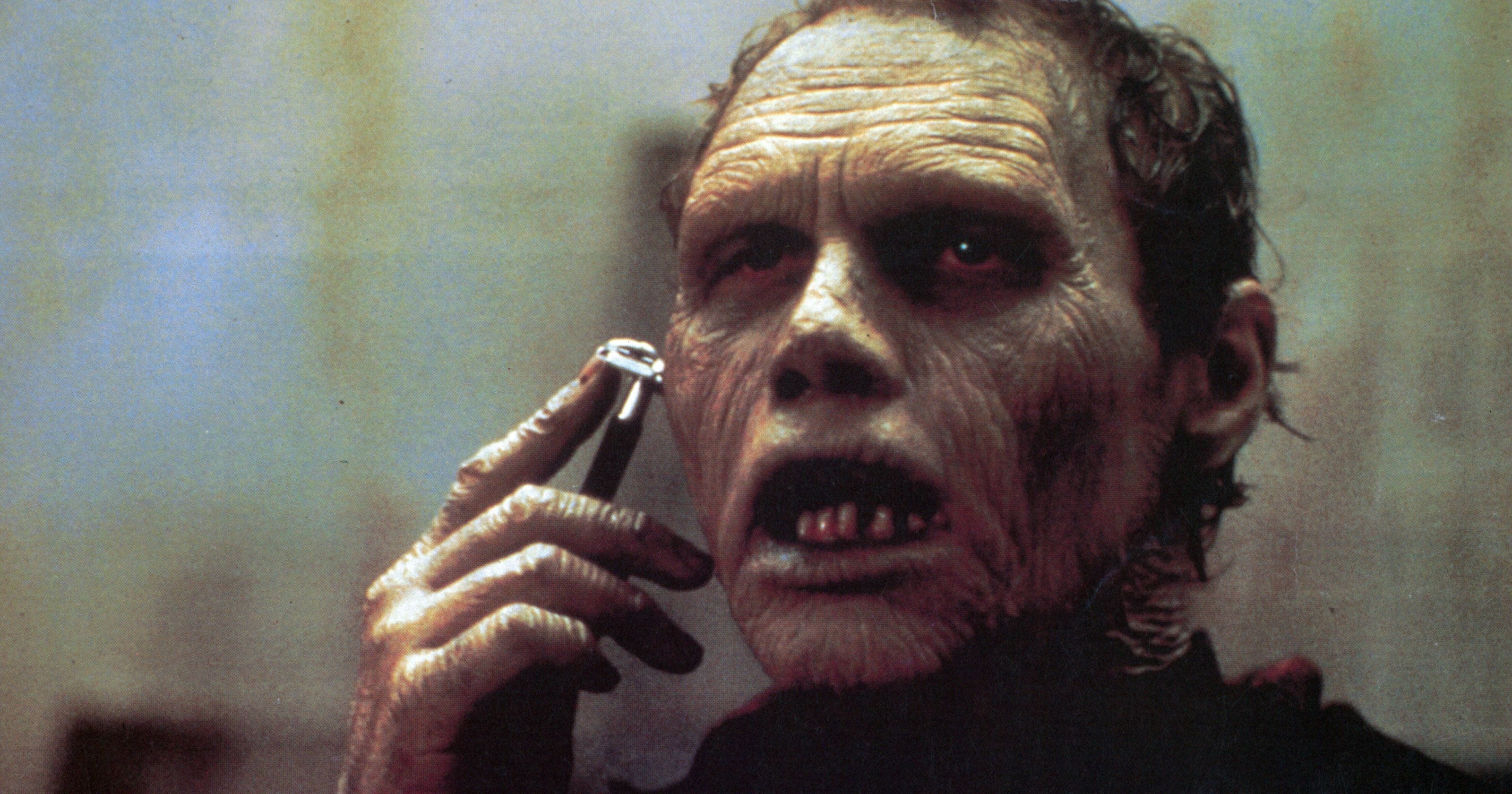
Welcome back to the Bulwark Goes to Hollywood. My name is Sonny Bunch. I am culture editor at the Bulwark. And I'm really excited today to be joined by two folks whose work has meant a lot to me over the years. John Harrison, who is the, who is the first AD and the composer, Big, big thing here. Composer for Day of the Dead, George Romero's third zombie movie, the end of his kind of original zombie trilogy. And Jeff Roland, who is a producer at Shout Factory, who has helped kind of spearhead this really amazing, comprehensive new Day of the dead set, new 4K transfer, tons of special features. You know, we were, we were just kind of joking before the show started here, Jeff, that the reviews haven't started coming out yet. And you were like, what's, what's the deal? But I will just tell you from personal experience, there's a lot of stuff. There's, there is, there is so much stuff on this, on this new set. Let me just, let's just start here. When you're sitting down and you're putting together kind of a checklist of like, okay, here are the people we need to talk to on Day of the Dead. Where do you start? And who do you, who do you go to first?
- [01:17]
C
Well, I mean, first of all, I'm a fan, so I've had this list in my head for a while. Who, you know, who would want to interview for this. I mean, that started the second I began looking for it three years ago. I was like, all right, so who, yeah, it's sit here and daydream like, oh, who would I get for this?
- [01:38]
A
Who would I get this?
- [01:40]
C
And I mean, I can tell you just from experience, like, these guys are a tight knit family. I'd always heard that. And I did not know to what extent. I mean, just the love that was coming from each and every one of them. I mean, it would get to the point where I'd be talking to someone like John and like, well, hey, have you talked to this person and everything? And like, oh, no, no, yeah, yeah, yeah, you know, yeah, that whole process was a lot of fun and I just constantly felt welcomed by them, which was. It was the best experience I've ever had, like working on one of these titles.
- [02:23]
B
I mean, it definitely. It's funny because you, if you, if you watch again, all of the special features here, there are, there's an archival documentary from the 2013 Shout Factory release, which, you know, I'm watching that and I'm like, I'm kind of seeing people, I'm Seeing people age in front of my eyes. It's, it's, it's an interesting thing. John, you're in, like, you're in all of these, these documentaries. You know, you're, you're, you're there at the beginning. I want to, Let's. I want to talk about the making of this movie because it is, it's a. It's a fascinating story. You know, there's the longtime. You know, horror fans know that there's a whole backstory here, but the, the version of the film that ended up being made, which, again is my favorite of the, of this, of this trilogy, is not the version that George Romero set out to make. It ended up being. Coming together in a slightly different form. Isn't that right?
- [03:20]
A
Yeah. George had a much longer script and a much grander vision for what Day of the Dead would be. The success of dawn was so startling to everybody. I mean, I guess you could say that the success of Night was startling to everybody because they made it on a shoestring and basically just wanted to make a movie, make a horror movie, and it turned out to be this phenom. Don continued that. So he had a much bigger vision for what he wanted to do with Day. And as George is, he had lots to say about the world that he had created and where it was going. Unfortunately, that meant that there either had to be a rather much larger budget or certain changes would have to be made. And. And at the time, the. The original deal was with Salah Hassaneen and UFD United Film Distributors. And Salah basically came to George and said, I mean, this is the brief version of the whole thing. Look, if you. George had a reputation of releasing his movies unrated because he felt that especially with the graphic violence of his movies, even though we all knew how they were created and they were just more fun than disturbing, I guess, or at least to those of us that were making it, that if he wanted an R rating, then he would have to have a. He could. He could possibly get the. The larger budget which would accommodate that script. George said, no, no, it's got to go out unrated because I don't want the Motion Picture Academy telling me, well, you could only have this many headshots and you can only have this much gore, and you can only do this, that, and the other thing. And Salah said, well, look, I. I'll release it unrated. But at that doing that, it has to be at this price point, which was virtually, as far recall, almost half the budget that we had Originally created. So George insisted and Sala insisted. And so we went back to the drawing boards and George came up with a different version of. A lot of it was the same. The whole idea of the military compound and the research that Logan was doing and so forth that remained. But the grand environment that he had imagined had to be curtailed. And frankly, a lot of that ended up in Land of the Dead. The whole Fiddler's Green environment, for example, was in the original. But a lot of it remained the same. The whole idea that it took place in a tropical setting, that remained the same, although we spent the entire time in a cave. So we didn't see that. We didn't see that much of the tropical setting. But the interesting thing for me was that I had been working on the music with George prior to all of this going down. So it was, well, what do I do? Do I change the musical themes and so forth? And we'd kind of fallen in love with the sort of the tropical, I guess you'd say, calypso. I don't really call it calypso, but that kind of theme music, which was indicative of the story. We wanted to keep that, and so we did, and that ended up being the score. Now, it's really interesting, Sonny, because. And I'll just say this real quickly, you know, when the movie came out, and I'm glad that you and Jeff and so many others loved this movie, George, I think, used to say that it was the favorite of his. Of that original trilogy. When it first came out, it was not popular at all. You might even say that it was kind of a bomb, that it took years to kind of percolate up through the fan base and become the icon. Icon that it is now. That was also true of the score. People hated the score. They didn't know what to make of it. Was not a horror score. And now it seems like people like it. So what?
- [08:00]
B
Now, it's so funny because, I mean, I came to these movies, you know, a little bit later. I was. I was. I think I was three years old when the first one came out. So I was not seeing. We got Day of the Dead in the theaters. That was not. That was not a, you know, an early family trip for me. But, you know, I come to it a little later and I. I, big fan of Night of the Living Dead. You know, obviously love dawn of the Dead, and I see Day of the Dead and it's. It is very different just tonally. It's very different musically. I'm so glad to have you on? Because the score of this film is so different from what you would expect from what is a fairly dark, you know, even in comparison to. To the first two here. A fairly dark, fairly, you know,
- [08:47]
A
grim.
- [08:48]
B
Grim. Grim is a good word for it, you know, zombie movie. And. And it's got this kind of lighter, more playful score. It's more of a, you know, hey, there. There's a little. There. There are people down here and they're. They're, you know, it. It. It is a little fun. But I, I've always loved it because it is so different because it just. It does jump out at you as like, oh, this is. This is an interesting choice. So when you guys were re. You were just like, we're going to. We're going to keep using this. This is still what we're going to do.
- [09:18]
A
Well, it. Yes, we decided that George loved the theme. One of the relation that one of the great things about our relationship was that. And Jeff alluded to this when we. Before the show started, that we have a. Had a family kind of relationship in Pittsburgh during this period of time. Everybody that wanted to be in the film business knew everybody else. We all worked together. And my relationship with George, both as his assistant director and as a composer, was kind of unique because I was there for the whole thing. So he and I could talk all the time. But what do you see in this scene? What kind of music do you want here? What's the feeling you're going for? And I want to make clear that George was. Was very insistent that his movies were really not about the zombies. His movies were about the human condition that was created by the zombies. The zombies were just there. They were the big bad. They were the thing that you had to escape. But what he was really concerned about was the drama of the human community. So while the score is kind of counterintuitive in terms of what you would normally think of a horror score, it was really meant to drive the human story. So that was intentional all along, that the score was really there to service the emotions of what the characters were going through.
- [10:51]
B
Let's. I, Jeff, let's talk about getting this film actually made or getting. Getting this film actually restored. Because, you know, there's a very. My favorite of the. Of the little kind of mini docs, the little interview docs that are on the. The last disc of this is your. Your kind of odyssey to. Toward. Toward discovering, toward. Toward finding the. The materials for this. I mean, I was a little bit surprised by that because again, there was. There Was a, there was a release. I think it was 2013. 2012, 2013. Which, which, which Shout and Scream Factory did, which is this. Are you, were you using different elements here or did they get lost in the, in the interim? Like, how, what are we, what was the search for? What were you looking for here? That was, you know, kind of different from, from that.
- [11:41]
C
Well, I mean, for the Blu ray, for the 2013 Blu Ray, we did use the inner positive, which is what we used for this. I mean, when I first started looking for this, I was originally looking for the negative, I mean, because that's, that's the highest you can get in terms of quality. But I, I hate to say this, like after a two year search, I, and I truly hope I'm wrong. I, I think it is just gone. It has just lost the time, but I hope I'm wrong. So at that point I was like, well, I got to get the inner positive because that's what was used in 2013. Unfortunately, sometimes what happens is films get passed along, they get licensed by other companies and such and such, and they are just passed back and forth. And record keeping is not the greatest. At least, at least back then. I mean, that was something that I really found because it was during, during that time where like, everybody was kind of, kind of switching over to digital records, for example, like where I started off when the search was, all right, let me go find some records from around 2012 that'll help, help me at least get a start. So I went to the accounting department and was just like, hey, do you guys have any delivery records from that time? So I had a place to start. They're all in the basement in boxes on paper, you know. So there I was down in the basement, just coughing, sneezing through all these dusty boxes. And that was sort of a starting point for me. I don't know. I just. What we did at the end of this was we made sure that everything was marked correctly, everything was logged correctly. So, you know, when we get to the point in the future where people are downloading movies to their brain, like they can have like the 16k version of it. So you're welcome. The future.
- [13:57]
B
I could just imagine going to the brain implant store and being like, all right, I want Day of the Dead and you get the 2008 one. You're like, no, that happened. That happened twice.
- [14:09]
C
That happened twice to me. Where there were many ups and downs during this, highs and lows, where I was just certain I had found it and ran over to the restoration house that we used, duplatech. And we were sitting there inspecting the film and all of a sudden there were just haircuts and clothing from 2008 and just, you know, deflated after that. But, you know, that sort of goes to my point where with records keeping, it just said date of dead. It didn't say the year. And that happened twice during, during the search for it, but eventually it was found.
- [14:55]
B
Yeah, that's. That's wild. And, and on this, on this extra, you spend a lot of time at Duplitech, which I like. So this is, you know, this, this disc obviously has lots of stories about the telling, the, the making of the movie, talking, you know, people telling stories about, you know, the, the shooting and all of Tom Savini's great gags, et cetera, et cetera. But again, this, this 30 minute, little like mini doc spends more time on the actual restoration of the film than any. Any extra I've ever seen on a disc like this. And I personally, as somebody who, as somebody who does not hoard, but collects physical media, I really appreciated this because it's a thing you don't actually get to see a lot of the actual process of looking through the film. The computer programs that are used to clean these up, not AI, but the actual. The color correction and all that stuff. When you were sitting down to make this. This feels like the sort of thing that you've wanted to show people for a long time. This is. That's the sense I got watching this, this, this bonus feature because. Spoiler.
- [16:06]
C
I.
- [16:06]
B
Well, again, I have not watched all of them. There are a lot. It's the only one, I think you appear on camera on it.
- [16:13]
C
It is my first time on camera and there was a lot of debate about it.
- [16:17]
B
Okay, let me tell. Let me. All right, let me ask. Were you, were you pushed into this or were. Because this self debate. Okay, okay.
- [16:25]
C
Because I was just like, this isn't. This isn't about me. Like, I don't want to be involved, you know, on camera or anything like that. Yeah, Like, I was trying to figure out the best way to do it. And we were doing a anniversary Screen Factory anniversary screening at Vidiot's last year, and I was asked to do a speech. So I just brought my cameraman with me. Me just kind of like, let's film this. Like, I kind of tell the story and there I'm done. But then as we were doing the beginning of the extra, or I'm sorry, the beginning of the documentary where the guy at the Film Vault Jeff Flam is. Is talking about, you know, the search for it and everything. I realized I was just like, oh, maybe it'd be fun if I put, like, some inserts in here where I'm just kind of like MST3King what he's saying. But, yeah, that was the extra that I was the most nervous about. And it's been nice to see a couple reviews that say that they actually like it because it was the first time we've ever told a story like this. Because I knew that there was going to be questions. I knew there was going to be a ton of questions coming from the collecting, from the collectors community, from horror fans. So I was like, why don't we just nip this in the bud and just tell. Tell them exactly what we did. Because there's a lot of misinformation on, you know, forums like blu ray.com and everything where people are talking about, like, the process of restoration, but it turns out, like, they don't know a heck of a lot about it. So I was like, well, why don't we. Why don't I always. Or excuse me, why don't I also use this as sort of like a tutorial in a way?
- [18:18]
B
I. And that's. Look, again, this is. As somebody who has. Has written about this probably more frequently than my writers or than my readers want to hear about, but, like, I find this really interesting and I think it's really important as archival, just. Just as a matter of. Of archiving, as a matter of keeping these things, you know, in. In the highest quality possible for the. The longest amount of time possible. I think it's really important, and I think this is a real service. It's a real service to people to. To have this on a disk and show them how it gets done. So, again, if you pick up, if you pick this setup, which you should, it's great. It's. It's out. It's going to be out on 4K shortly after this goes live. So preorder it now and you'll get it. You'll get it in your sweaty little hands as soon as possible. But if you do go to that. Go to that last disc and watch. Watch the. I think it's called Monster Mania is the title of it.
- [19:24]
C
That was. That was the code name for the film. I wanted to keep this very quiet because I knew that there were other companies that were searching for it. So, yeah, Monster Mania. It'll drive you Insania. It even had a tagline.
- [19:38]
B
That's great. That's great. John, when you, when you were sitting down for these, when you sit down for these interviews and you're, you're talking about the making of the film, one thing that always jumps out and you, you mentioned it here just now is the, the Pittsburgh connection. The, this, this kind of close knit filmmaking community that you guys had there that George Romero had built. You know, Tom Savin again in Pittsburgh. You know, he's got, he's got a school there now, you know, a makeup school there now. He's, he's, he's got his, his, his company out there. The, that, that seems like a very important part of all this. What, what was it about having that kind of more insular, um, community that was separate from what was happening in, you know, New York or Los Angeles, in particular Hollywood, that really helped give these things a sense of specialness?
- [20:33]
A
Well, I think that there was part of it, I think there was a little bit of us against the world kind of attitude. We were in Pittsburgh making these films completely independently. You got to remember back then there was no Weinstein company, no Focus Features, no Sony Classics. These things were done really independently financed independently of the studio system, eventually with luck being distributed by the system. But that was George's whole intention for himself. He wanted to be free of the influences that would come down, that would just strictly commercial influences which might dictate what he would do. So that was part of it. The other part of it was that because none of us really went to film schools, we didn't come out of that whole tradition. We had to all learn by doing. And it just so happens that Pittsburgh, at the time, in the 70s, early 70s, and then later into the 80s, was kind of a petri dish for people who wanted to learn how to make movies. Because you had to learn by doing it. That was the only way you could learn. And fortunately, George had had some success and gathered around him people who wanted to do it, if you wanted to do it. You know, that was an ultimate destination. And so it gave everybody, me, my partners, anybody that was in also we had places like Carnegie Mellon there with their fabulous drama school, so that costumers and set designers and scenics and carpenters and all kinds of people that were involved in that craft could all come together. And we actually moved from show to show. I had a small film production company with two partners of mine. We made a low budget feature called Effects that we made for like $55,000. Same crew, same guys. And so George was also with his partner Richard Rubenstein, they had a really great run there for a while where they had a deal with Salehosenin of UFD to do the Day of the Dead. Knight Riders, the Tales from the Dark side television show emerged out of all of that. So it was kind of like a group effort. Everybody who wanted to be in the business was kind of there. And so once you started working together over time on film after film, you kind of developed a shorthand among each other and it really. And then of course, we all hung out with each other all the time, so it just made it all the more enjoyable.
- [23:44]
B
Yeah, you mentioned, you mentioned Carnegie Mellon, I believe. That's where I think Lori Cardeel, who was the place lead, she went there and was, I believe, acting off Broadway, on Broadway, up in New York at the time when she was hired for the film. I think I remember reading that in one of the. Or seeing that in one of the. But there are a bunch of. Most of the people for this film, it seems, were pulled from the stage, which, you know, which again, makes sense. I assume it's easier to see there's more acting opportunities on the stage in. In Pittsburgh and kind of New York up there than there is on film. But that, that does give the. That does give the film a. A more heightened sensibility, maybe more there. There's a there. They were able to hit things that George Romero really wanted them to do, you know, in a way that does feel a little with. And this. Maybe this is going to come out wrong. A little more stagey, a little more heightened, which is one of the things that still stands out about it, you know, now 40 years later, just how intense it feels.
- [24:54]
A
Look at the movies that we were making. They were kind of hyperbolized. Right? I mean, this wasn't. Was it natural, naturalistic drama?
- [25:03]
B
Yeah, no, that's for sure.
- [25:06]
A
No, they were. Listen, all of the. George, first of all, George, like me, like others, we all love the theater and we kind of came out of some of that background. George is originally from New York and he spend a lot of time in New York and we'd go to a lot of shows and Laurie, as you pointed out, was from Pittsburgh, but she was in New York and that's where he saw her. Terry Alexander, the same. And so it was a matter of just finding, as George would say, the best actors, the best people that would come and be willing to really put up with a lot of crap to get these low budget independent movies made.
- [25:50]
B
Yeah, some of the stories, again, I don't want to spoil all the stories from the. From. From. From the documentaries. But there is just, you know, kind of one legendary one that has, you know, gone around a lot about the. The. That very terrible. The. The odorous day. Maybe we could.
- [26:09]
C
Oh, go ahead and. Go ahead and talk about it. It's fine.
- [26:13]
B
It's. It's. It is a. It's a. It's a. It's a heck of a story. John, I like you just. Maybe you could just give folks the very short version of what folks had to put up with on that. That kind of climactic zombie feast today.
- [26:27]
A
Well, the short version is when we were preparing for Rhodes's death, we had acquired quite a bit of awful, which is basically pigs, guts and slime and flesh and all the good stuff. But we had to head down to Sanibel island to Fort Myers to do the. The exterior shooting. And so my wife, who was actually production coordinator, had everything stored in the refrigerators back in Tom and Greg's shop, but somebody forgot to plug in the refrigerators. So by the time we got back from being down in Florida, these things had a chance to percolate a little bit. And. But we had to shoot. And so the idea was, well, okay, we're just gonna. We're gonna do it. And I will leave it to those of you who are game enough to watch the extras to find out all the different versions of this story. But let's just say it was a very pungent. A pungent day on the set. We were passing around Vaseline to wipe on our noses. We were wearing masks. The zombie extras had to sit there. And of course, you know, as you're making movies, setups take a long time. So Joe was in this platform where half his body was under the platform, the rest of it was trapped up here, so he couldn't go anywhere. And time came to shoot. All right, let's load him up. And we brought all the stuff out and loaded it up. And I'm amazed that he got through it because, man, he was gagging.
- [28:20]
B
Yeah. Again, watch the extras. You'll love it.
- [28:25]
C
Think of the dead.
- [28:27]
B
It's a hell of a story, Jeff. It's funny. The other day, just a couple days ago, somebody randomly asked me on Twitter, like, hey, why do so many new releases have commentary tracks by historians or, you know, critics for. For their discs? And I. And I, like, I have my own theories, but I figure since I have you on. This is a. This is a perfect chance to talk about this, because it's true. I had. I've actually noticed the Same thing. Lots of, lots of, you know, commentary tracks are, you know, folks who are fans, but also historians. This is not a new thing. I, One of the first commentary tracks I ever listened to was Roger Ebert on Citizen Kane. Right. Like, this is, you know, that's a, that's a, that's classic of the form. It's like film school in a box. That, that, you know, two hour, that two hour set. But the, but it is, but it is interesting to think about it. And I'm, you know, and I listened to the Drew McQueenie Daniel Krause track on this one. It's, it's really interesting. It's like watching a movie with your friends, which is nice and like, kind of a fun vibe, but they're also very smart and they have their own personal relationships with, with George Romero and the films, et cetera. But when you're, when you're sitting down to put these together, how are you thinking about the modern commentary track? Because it does feel like, again, it feels like there has been a slight evolution in how these things come together.
- [29:55]
C
You nailed it. Absolutely nailed it. For what? Exactly, exactly for what I'm looking for. Sitting down, listening to your friends talking about movies. But they're highly educated on the subject. I try to do that with every commentary. I loved listening to commentaries as, as like a teen, you know, going through film school and everything. It was, you know, just always listening to the film historians and all that. But as I got older, I was just kind of like, all right, this just counts. They sound kind of stuffy, you know, So I decided I was going to try and put like an entertainment factor into it. And you nailed it. I try to make it sound like you're watching a movie with your friends.
- [30:40]
B
Is.
- [30:40]
C
It is.
- [30:41]
B
And also. So also on this disc there is, I believe, an archival. It must be archival since George Romero's on it and he is no longer with us. But I assume it's an archival track from the 2013 release or maybe something else. But there's, there is that kind of making of commentary track that's, that's also on it, which is kind of interestingly complementary, I guess. I guess one of my questions here is do we just have so many of these archival making of commentary tracks that we almost don't need to make more of them? And, and that's why you can shift to the newer ones. I like.
- [31:19]
C
Well, my take, just to add to what I was saying, like, I think in this day and age, we have IMDb, we have the IMDb trivia page. Anyone can go to that. Anyone can go and look up facts about the film. So I try to combine both, like, some people that actually love it and are passionate about it and. But they aren't just throwing out, you know, IMDb facts. That's. That's usually what I try to go for.
- [31:47]
B
Yeah, yeah, no, it's, it's. It just, again, it was an interesting evolution that has jumped out at me over the years. And look, you guys are making. The work that you all are doing is, again, I think, very important for one kind of very specific reason that. So Drew McQueenie, in this commentary track, he mentions that the curation being done by you and everybody else at Shout Factory is its own form of criticism. This is kind of a modern leg of criticism. This. This ability to kind of point people in the direction of things they should be watching. In our endless sea of, for lack of a better word, content. We got all this content. Hate that word, but we got. We have all this content out there and we got to figure out what to watch, and we. We need people who can point us to the things that are worth watching. When you're sitting down and you're putting together your list of, okay, here's what needs to be in our archive. Here's what needs to be an ARA archive, Like, what are you looking. What are you personally looking for? And like, what are you professionally looking for? Because it's not just, I would like to have Citizen Kane on Shout Factory. Let's have that. You can't just do it that way. There are limits on what you can acquire and what needs to be done. So when you're sitting down to do it, what are you thinking of when you're like, this is all right, this is what we're up to next.
- [33:18]
C
Me personally, I just make a list of things, things that I love, things that I'm really passionate about, things where I know I'm just going to go nuts on with the extras and just make sure this thing is spick and span. But here's the thing. There are two other producers and we have, you know, different tastes, different in films. And so I think that's what really makes, you know, Shout and Scream and everything so vast in terms of the different genres that we do. Yeah, I mean, I still have a list of, like, things that I'm hoping
- [33:55]
B
to do in the.
- [33:56]
C
In the next. In the next couple years. But, yeah, it's mostly stuff that I'm passionate about, but we also go into it with. We know that even though we might not be the biggest fans of a movie that we're working on. We do know that that is somebody's favorite movie out there, and so we make sure that we put 100% into it every single time.
- [34:21]
B
Sure, sure. Is there a. I mean, there must be a commercial element that comes into play here at some point if we're going to be spending the resources to get this made. You know, we have to make sure that it is something that enough people, a critical mass of people will want to, you know, will want to pay money for. They're. They're not cheap. They're, you know.
- [34:45]
C
Yeah, I. I mean, I'm not gonna lie. The business element does come into it at times. There are a few films that I've wanted to do that we just realized, like, it's probably not gonna sell well, which I, you know, understand. Yeah, it's business, but. But, yeah, we. We try to get our passion projects and push for it, and hopefully they. Hopefully they go through.
- [35:08]
B
Jeff, you worked with Oliver Stone for a while. It's on your bio that I have here, which I. And you worked with him on jfk, I believe, which is another great Shout Scream or Shout Factory? Not Scream, it's Shout Factory Release, which I own and is great and is just immaculate. Oh, thank you. I. A big fan. Big fan of that movie. It is the best edited film I've ever seen. But the. But when you're. So. I. I guess my question here is, when you're working on these things, are. Do you. Are you bringing your own personal experiences to them? I don't know what that relationship is like. I don't. I don't want to. I don't want to, you know, make any assumptions here. But when you're. When you're. When you're putting, like, things like the JFK set together, which I believe you worked on, was that. Was that something that you're pulling from your personal life and experiences?
- [36:11]
C
Well, I didn't work on the film at the time, and I did not come on until Nixon with him. But for the JFK restoration, it was sort of getting the bands back together. We hadn't seen each other in a long time and everything, and, you know, I was just kind of like, I'm the captain now, you know, as we're working jfk. But no, Oliver is great. Super easy to work with. Most of the stories that you have heard are not true, I can tell you that.
- [36:47]
B
Okay.
- [36:50]
C
But no, it's been such a pleasure to get to work with him again. Like, after all these Years, Like, I mean, I started working with him when I was 20, and here I am at a age and we're working together again. It's been fantastic.
- [37:07]
B
You guys also put out Alexander, right? Not too long ago. That was a. Yeah, that one. I worked on that one. That's an interesting one because it feels like we're now in another sword and sandal cycle here. We've got the Odyssey coming out. You know, people are. People are excited for that.
- [37:23]
C
What was.
- [37:23]
B
What was? I don't know. Do you have any. Do you have any fun stories of working with Oliver Stone? I'll just put it that way. People love stories. People love to hear stories about the making of things. Do you have any good Oliver Stone stories? The horror stories are false. Let's hear some of the good ones.
- [37:43]
C
Oh, God, I have a million. I have a million stories. I can go into two books, but none I can really say out loud. I will tell you this. I'll tell you this. One of the highlights from working with him in that original block was a lot of people don't know that some of his favorite movies are comedies like Caddyshack and all that. And one day we were just sitting around the house and we just. I don't even remember how it came up. We just started talking about Mars attacks and we were talking about how much we loved it. And there. There was me and Oliver Stone sitting in his house, going
- [38:30]
B
to each other.
- [38:33]
C
So, you know. Yeah, that's. That's a part of him that I think a lot of people don't know. He's a big fan of comedies.
- [38:39]
B
That is interesting. Mart Stacks is great. I've always had a soft spot. That's when I did see in theaters. That's when I was the perfect age to see it. I think I was 14 or something. John, One of the things that comes up a lot in the documentaries about Day of the Dead is working underground for so long, which does feel like just a real nightmare on the circadian rhythms and the lungs and everything else. What was it. What was it like to not see the sun for eight weeks? How did that. How did that feel?
- [39:14]
A
It was actually longer than that. I mean, it was. It was almost an experience of being in a movie because you would wake up in the morning, it would be dark outside. You would drive to the set, you would go down into the mine, you'd be there all day. The temperature was a constant 53 degrees, never changed, kind of damp. And you'd come out and it would be dark because we shot It. In the winter, so it was. The days were shorter and you had to live down there. You ate down there, basically the whole thing. And of course, once you were in the mine, which were limestone caverns, the air was. You didn't see it a lot, but the air was full of dust. And so you would blow your nose and there would be all this black stuff. And there was a fun thing going through the crew. We'd all come down one after another with what we used to call minitis, which was kind of like a cold. I don't really know what it was. We had a physician on call who would come around and give B12 shots and. But so you were. You were always kind of a bit uncomfortable and maybe in some odd way that helped with the creativity because you were never able to kind of sort of lie around and you were always moving in. In those kinds of films, you know, you don't really have a lot of downtime. You try to move as fast as you can to get it done within the budget and the schedule that you have. And then, of course, when we got to the one period of time where we knew we were going to Florida, it was kind of like everybody was just. The first day we landed, we got to the hotel, we didn't have to be shooting, I think, for another day. And so it was like spring break. I mean, the clothes came off, everybody was in the pool. Everybody was completely tore up. It was just like, we've been released. We've been liberated.
- [41:30]
B
Oh, I bet. I bet. You know, the, The. The kind of claustrophobia and under of that whole underground section really contributes to the, the kind of a. I mean, I say oppressive vibe here, but that, you know, I.
- [41:47]
A
Absolutely. No, it does. You're right.
- [41:49]
B
Like, it's, it's got that, it's got that real the walls are closing in vibe. The world is coming to an end. The walls are closing in, which I, you know, look, I could only imagine if I had discovered this film during COVID for instance, you know, that would have been, you know, but it, but it does feel. It does feel eternally relevant. I, you know, you, you mentioned, you mentioned that George Romero always was putting these kind of ideas into his, his movies. When you sit down and re. Watch it now, what about, what about what was portrayed in, you know, this film that came out 42, 43 years ago still jumps out at you as like, okay, this is, this is definitely still relevant today.
- [42:33]
A
Well, I think it's just the way society has fragmented under that kind of stress. You have people who want to maintain a certain kind of order, which is natural. The human being needs order in order to survive. There's another group that just wants to figure out how to cure it, how to. How to fix it. There's a madness to that, which is represented by Logan, of course. And so you've got these two competing forces trying to. And, of course, realizing that you're really kind of, in a way, the last people on Earth. So it's a competition of how this is going to happen. What about the humanity which is basically represented by Sarah and Laurie's character? How do we balance the need for a working order where we can all work together to survive, but we also need to try experiments, and we don't really. She doesn't know, of course, how mad Logan is and what he's been doing to the other soldiers and, And. And trying to teach Bub how to behave like a human being, which is kind of a ridiculous enterprise. So I. I think that. And then, of course, you've got the environment itself, which is. We are trapped in this environment that really gives us no relief. And this is our world. These were all themes that I think George was playing with. And it basically is, well, this could be society. This is a microcosm of how society might break down.
- [44:24]
B
One thing, the film really. Again, just rewatching it several times this week in various iterations. One thing that does jump out, and I've always liked about it, so one of the reasons it's always been one of my favorites here is that they're. Look, there are. There are protagonists or antagonists, but the, you know, the antagonists in the military, the kind of crazy, you know, leader who just wants to be in charge of everything, is not entirely wrong. The soldiers are not entirely wrong to be horrified by what they see the scientists doing at the end of the day, because it is. It is. It is actually insane. It is. It is, you know, completely, completely nuts. And that kind of multivariate insanity is really. Is. Is there. You always have the temptation to go too hard one way or the other with these things. And I think Romero kind of perfectly split the middle here.
- [45:24]
A
Yeah. I mean, if you listen to Rhodes without seeing him, if you could just read his speeches, you sort of say, well, actually, the guy has a point. He just happens to be so over the top and so insane himself that it's kind of like, well, I. I sure don't want to follow this guy. On the other side, though, you've got Logan, who is willing to do the Most horrible, horrible things in, in the effort to find a cure, in the, in the process of science. Science, Right. So it. Sarah is really kind of caught in the middle and John is basically the one who has the 30,000 foot view of all of this, the helicopter pilot Terry Alexander's character. And he gives that really beautiful speech when they're out at the. At their trailer in the middle of the mine and Sarah visits him. And that. That's George. That's George Stocking. And it really is his view of. And you could say that it's a little bit pessimistic, fatalistic. On the other hand, you could also say it's very realistic. And when he says, well, I'm just going to go to an island and enjoy what time I got left, given the world as it is and the competing forces that are trying to take command or take control or even just survive, what choice do you have? I mean, I certainly don't want to be in Logan's camp and I certainly don't want to be in Rhodes's camp. Maybe the island is a smart. Is a sane choice.
- [47:11]
B
Yeah.
- [47:12]
C
Yeah.
- [47:13]
B
All right. Well, that was, that was pretty much everything I wanted to ask. I always like to close. Close these interviews by asking if there's anything I should have asked if there's anything you think folks should know either about the making of the film itself or the set that y' all have put together. John, let's start with you. Is there, Is there anything folks know about what did we not discuss that we should have.
- [47:33]
A
Oh, no, I think we covered it pretty well. I mean, I'm glad that people want to talk about sort of the. Not just the shocks and the scares of what George was trying to do in these movies, that what he was, the storytelling that he was. Because he was at heart a great storyteller. He was a great horror movie maker. But he really. And it's a shame that it's a shame in one way and not a shame in another way that somebody has that kind of success is really pigeonholed into a kind of channel for the kinds of movies that he could make. But having spent so much time with him and having been his. One of his close friends, I could really see the breadth of his artistic vision and appetite. And in a way it's kind of a shame that he never got to do some of the things that he wanted to do. On the other hand, he would say, listen, zombies have been very good to me. So I'm definitely ensconced in the horror genre.
- [48:37]
B
Yeah, well, that's for sure. Jeff, what should we have talked about?
- [48:42]
C
Well, people love the Day of the Dead score. John, do you want to talk a little bit about the process?
- [48:50]
A
Quickly. I can tell you, and I referred to this earlier, I had a really unique relationship with George because I was his assistant director also. We were good friends, so we spent a lot of time together. We'd always be out drinking with each other. The wives and all of us would all be getting together and having parties and stuff like that. So there was a great opportunity for me to kind of know aesthetically what he was trying to do. It didn't start as formalized as John Harrison's going to write the score. It was kind of like I was the guy with the piano and everybody did everything. And that started with Creepshow. But the great thing about it was as his assistant director, I was on the set every day and so I could see each scene coming together, how it was composed, what George was trying to do. We could talk about it. And I basically went back in the early days of post and I temped the entire movie. I came up to Pittsburgh, I was living in Los Angeles at the time. And I brought my gear back and moved into the basement of 247, which was George's offices. And while he and Pat Buba were upstairs cutting the movie, they would come downstairs and drop videotapes through my. Through the mail slot of my door, and I would put them up. And it was all analog back then. I don't have some of the gear here, but my profit 5 synthesizer and piano and other gear that I had. I had a four track tape recorder and a two track tape recorder. And I just bounced stuff back and forth and basically created the score that you've heard. I was able to take it upstairs, lay it up, see what worked, what didn't, revise it. So by the time I went into the studio to record the score for real with my producer, John Sutton, I had basically written the whole thing and done it all. Now, that's kind of unusual. Composers usually don't have that kind of relationship. I mean, there are a few that have really tight relationships. John Williams and Steven Spielberg, Bernard Herman, Hitchcock, that kind of stuff. But to be able to actually write the music while the movie's in post production, there's a lot of reasons why time, budget, so forth and so on. But I had that opportunity. It was kind of unique. And so I. I really felt that I was able to tailor, make the music to the movie.
- [51:22]
B
Yeah, it's Again, it, it's. It is great. I've always, I've always loved it and I was, I was kind of surprised to hear that people did not originally love it. You know, it's, it's always funny coming to these things slightly after the fact and seeing some of the original receptions of them and just being like, how did everybody get it so wrong?
- [51:41]
A
It's, you know, I think, you know, it just takes time. Like I said, the movie was not popular when it first came out. It took a while for it to. And then of course, stuff like what Jeff is doing has really helped people see it in all the different aspects of how it was made, why it was made, what it means. And of course timing is also great. I mean, we look at the world around us and there's a lot of Day of the Dead that is kind of referenced there.
- [52:14]
B
Yeah, yeah, that's. That is for sure, Jeff. Anything. Anything else?
- [52:21]
C
Actually, you know what? You have the director of Tales from the Dark side, the movie here also available from Screen Factory.
- [52:29]
B
Oh, that's true. That is. Well, okay, well, we're gonna have to do another.
- [52:35]
A
That might be a whole other show.
- [52:37]
B
Yeah, that's. That's another. That is another episode right there. That's. But now that I've got your guys. Now that I got your guys. Contact info. Don't worry, I'm going to be bugging.
- [52:47]
A
Let me, let me do a little shout out here because the Shop Factory version of Tales from the Dark side is. Everybody should buy it.
- [52:58]
B
Yeah, I say that about all their releases, but this is true.
- [53:02]
A
Absolutely. They're the best.
- [53:05]
B
It's great. We do live in a weird golden age of, you know, of physical media, particularly for these really nice sets. You know, it's, it's this. There's a strange thing that has happened that like as the, as the, you know, median. As. As the normie viewer has kind of gravitated towards streaming and whatever the. There. There are these just wonderful collections out there that for the, for the, for the real fans are unbeatable. Like just nothing, nothing like it in history. So it is a, it's a fun time to be a movie fan, which is.
- [53:42]
A
And they're good historical documents too. I mean, you know, we were talking earlier about the kinds of extras and stuff that go. I mean they are wonderful historical documents about this medium that we all love.
- [53:54]
B
I remember when I was in college and, and was like kind of going through the university library system. They had, they had the three disc DVD of Brazil that Criterion. That Criterion Put out, I don't know, back in. Back in the late 90s. And that was a revelation. It was just like, oh, here's all the different cuts of these movies. Oh, here's all the documentaries of people talking about them. And like, that sort of thing is just in invaluable. Like, you cannot. You cannot learn more about the making of movies than with that sort of thing. It's just.
- [54:30]
C
Oh, yeah, In. In film school or when I was in film school, it was like laserdiscs
- [54:36]
A
were starting to become popular.
- [54:37]
B
Sure.
- [54:37]
A
Yeah, sure.
- [54:39]
C
And, you know, none of us had any money to buy a laserdisc player. So what we would do is we would go down to a laserdisc shop in. In Boston, grab two VCRs from everybody's. You know, everyone had a VCR in their room. So we'd borrow two VCRs, go over to the college library, which had a laserdisc player, and then put that laserdisc on vhs. But we'd have to sit there all day because we would first get the movie, but then we'd have to do it again in order to get the commentary. And so all of us would then sit in a room and watch, you know, some of our favorite films with commentaries. And that was a film education in and of itself.
- [55:27]
A
Wouldn't it have been great that things like Shot Factory and Scream had been available in the 40s and the 50s? And so that some of these wonderful movies that we all grew up on that have influenced all the filmmakers we're talking about to be able to have that kind of documentation for the movies. And I mean, thank God for tcm. At least there's that.
- [55:51]
B
Yeah.
- [55:52]
C
Yeah. I also wish, you know, the foresight was there to really take care of some of these old.
- [55:59]
A
Well, digital changed at all. Right, Jeff? I mean, the recording and the availability of being able to do the kinds of things that you guys do, that's really made it happen.
- [56:09]
B
Yeah.
- [56:10]
A
The extras and the re releases and the collectibles.
- [56:14]
C
Thank you. Thank you so much for saying that. I mean, we. We really don't hear a lot of that. A majority of what we hear is negative, where it's like, why did you get this person? What? You know, why did. Why didn't you get this person?
- [56:28]
A
In the years to come, the. The kinds of things that you guys are doing will be the versions that everybody has.
- [56:35]
B
Yeah, yeah. Oh, no, I. They're. They're.
- [56:38]
A
Because it'll have all this stuff with it.
- [56:40]
B
Yeah.
- [56:40]
A
And people will want that.
- [56:44]
B
And it is. It is invaluable. And the naysayer, like, again, I hear. I hear the naysayers out there, too, and I'm just like, what do you people want? Like, I.
- [56:51]
C
You know, it's a question I ask myself every day.
- [56:56]
B
What do you people want? Like, it's like, this is. Anyway, that's a. That's. Again, that's a. That's a podcast for another day, too. The haters. The. All right, well, John and Jeff, thank you for being on the show today. I really appreciate it.
- [57:11]
A
Thank you for having me.
- [57:12]
C
No problem. If I could just say this at the end. The old saying is, never meet your heroes. And I can tell you that John and the entire cast and crew of Day of the Dead are the counterpoint to that. Some of the nicest people I have ever met in this business. So thank you, John.
- [57:33]
A
Well, thank you. It was great to be part of it.
- [57:37]
B
And again, thank you guys for being on the show. This has been a real treat for me personally. I hope everybody else enjoys it. Who is out there listening, too. And make sure you go pick up the.
- [57:46]
C
The.
- [57:47]
B
The movie again. It's. I keep saying this. It is my favorite of these early Romero films. And it's.
- [57:55]
A
It.
- [57:56]
B
It really does hold up today. Like, in a world of digital CGI AI shenanigans, it's nice to see, like, actual, real, physical filmmaking and see some of the ways that it got made in these special features.
- [58:10]
C
So I can tell you a lot of. Sorry. I can tell you a lot of love was put into this, not just from Shout, but from duplatech as well, the restoration company.
- [58:20]
B
Yeah, you can tell. It does look great. Okay. All right. My name is Sonny Bunch. I am culture editor at the Bulwark, and we'll be back next week with another episode of the Bulwark Goes to Hollywood. We'll see you guys then.
- [58:33]
A
Sam.