Loading summary
Transcript60 lines
- [00:00]
A
Foreign.
- [00:06]
B
Welcome back to the Bulwark Goes to Hollywood. My name is Sonny Bunch. I am culture editor at the Bulwark. And I'm very pleased to be joined today by Nate Jones, who's a feature writer at Vulture. We are here to talk about a mammoth undertaking, a ranking. A ranking of the most bankable directors, the most powerful directors. I don't know how would you actually describe. How would you delineate the system of ranking here that you have put together over the last few months and was published this week at Vultr? What would your definition of this ranking be?
- [00:42]
A
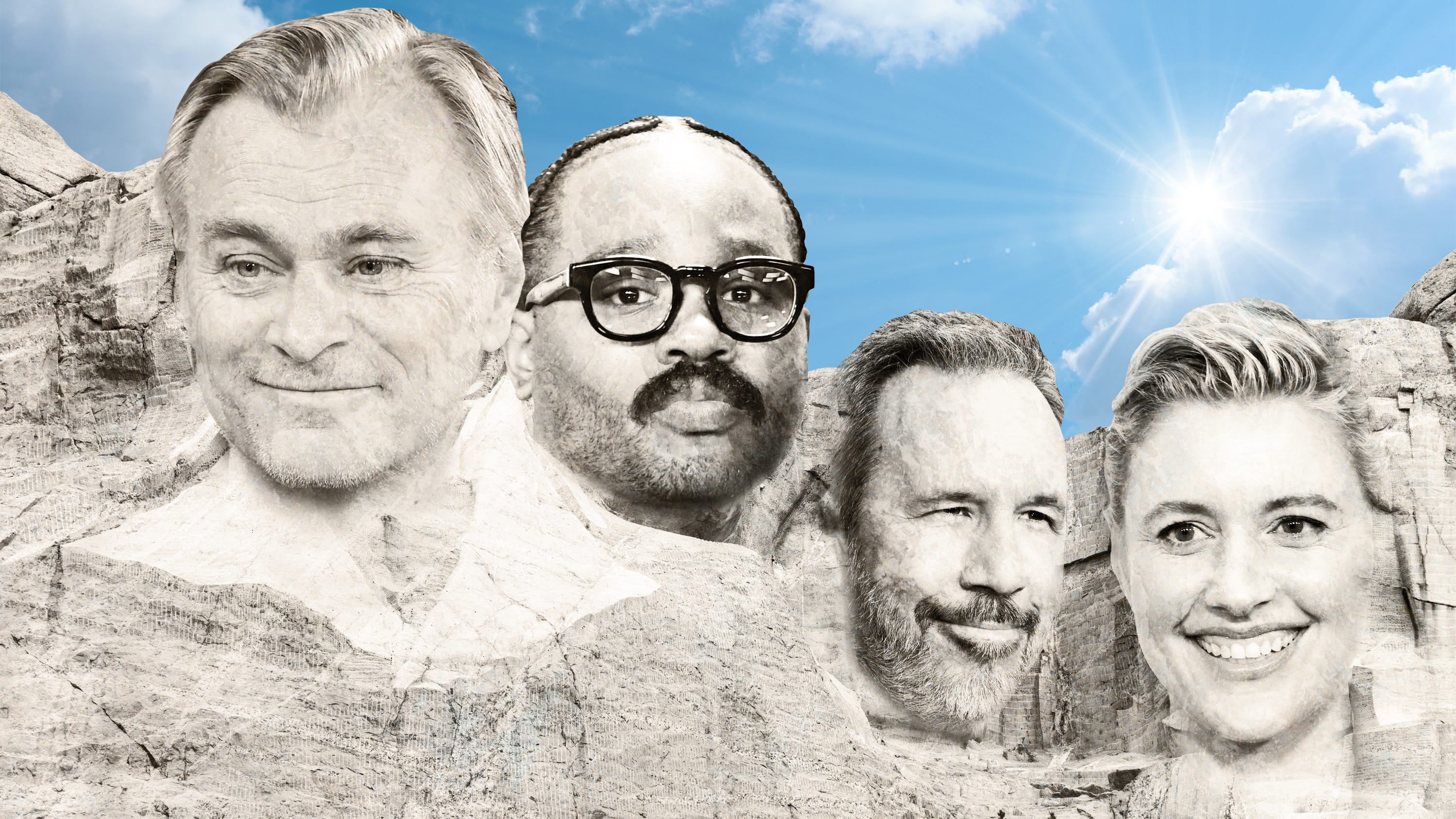
That's a very good question. That is something we took. We spent weeks trying to hammer out ourselves. I suppose bankability is part of it. It came from an observation that we made that Puck's Matt Bellamy put so eloquently to me, which is the new kings of Hollywood Are these what he called butts and seats, auteurs who also get awards. So someone like a Christopher Nolan, a Ryan Coogler, a Greta Gerwig, Denis Villeneuve, who coincidentally happened to be the top four, and they are. They are directors who at the same time are simultaneously able to make a lot of money for you, but also make projects that feel very them, right? Those projects are being sold on their name. They're not being sold as, you know, a superhero movie or, you know, any sort of cinematic universe movie, but then also that they have a veneer of quality to them. They are possibly nominated for Oscars, they are getting good reviews on letterboxd, they are possibly showing up in critics year end award year end lists. So it's sort of the three headed, the three spears of the trident, I guess you could say, which is bankability, which is, can a studio give you a lot of money and expect that you will make even more money for them? Two, it's sort of critical acclaim and prestige. And then three, it's like auteur vibes, which is a way of saying creative control, a personal stamp, you know, and then you look into some. You know, we also try to balance body of work, which is, you know, have people. Has someone been a consistent presence throughout their career or have they. You know, I talk to people in Hollywood who talk about, like, Ridley Scott is a good example of someone who is in every other film director, which is every other film he has a big hit and then every other film he has a big flop. Whereas someone, you know, like a Coogler or a Lord and Miller, you know, are much more consistent. But then we also wanted to look at potential which is, you know, this summer there's been a lot of talk about those guys Curry Barker and Kane Parsons who, you know, I think 21 and 26 years old and made, you know, just buckets of money and kind of lit, lit a spark under sort of these middle aged Hollywood executives that like, oh, there is, there is a way to win over Gen Z audiences that we kind of, you know, having been stuck in a thinking from, you know, the 2000 and tens kind of had been, you know, not as plugged into but now, you know, they've had their eye open moment. So yeah, so it was, it was a lot of balancing, you know, very competing projects. I mean, you know, one of the things about the list is that like they're probably, you know, there is maybe a level of fraudulence to a list that has both Sean Baker and John Levy on it. You know, in real life these people are not going up for the same jobs. But we wanted to try and you know, come up with a fun illustration that would come kind of incorporate all the various power structures, you know, into 1100 to 1 ranking.
- [03:30]
B
Well, I mean, it's interesting too because to run a proper studio you need a Shawn Baker and a Shawn Levy. Right? Like you need a Shawn Levy who can do the $100 million IP or high concept kind of action comedy sort of thing. And you need the, the Sean Baker who provides you. The Sean Baker of course is the, the director of Anora and, and the Florida Project and, and a bunch of other kind of smaller indie minded but still successful and critically acclaimed awards. Awards sort of things. Sean Levy director of the Deadpool movies and you know, Real Steel and a whole bunch of, whole bunch of other kind of bigger things. But to have a proper modern studio, to have something that can feed all elements of the distribution networks that you have, from theatrical to streaming to you know, whatever home video market still exists, you kind of need that full panoply of director types.
- [04:40]
A
Yes, exactly. And I think that's something that Hollywood is starting to recognize more and more. Like it was funny to look back on this list and realize that so many of the people in the list were people who had made Warner Brothers films in the past two years or so. And that comes from a very deliberate move by Warner Brothers to try and you know, in the golden age of Hollywood they had a reputation of being the most filmmaker friendly studio and they kind of lost that a little bit. And they lost Christopher Nolan who was their sort of crown jewel because he got upset because they put his movies on streaming. But so there was sort of a deliberate effort, like we need to refocus on auteur. So they started to give all these sort of big name directors these gigantic hundred million dollar budgets. And you know, it worked out a lot of the time, but then it also, you know, ended up with Maggie Gyllenhaal's the Bride and Todd Phillips, Joker, Foliado. But yeah, no, it is, it is. There is a recognition that audiences today see the director as almost sort of a brand name, as much as sort of a piece of IP or a movie star. Right. The, that audiences are very cognizant. You know, we've had 50 years or so of auteur theory filtering down to the wider public that, you know, general viewers sort of are able to talk about movies in the way that, you know, Andrew Sarris was talking about them in the 1970s.
- [05:59]
B
Well, let's talk about this a little bit about how audience perceptions of what is desirable have changed. Right. Because I feel like, you know, in the 60s and 70s, the new Hollywood, you did have this run of directors that were, I think, better, I think better known to the general population, but that was still really the age of stars. Right. And that, that kind of continues through the 80s and 90s with Stallone and Schwarzenegger and Will Smith and, you know, you, Bruce Willis. Right. Like there were the, the, the, the faces that everyone recognizes and then it, and then it changes to IP in the, in the period after that. I mean, how, how from, from your discussion with everybody in the, the midst of making this piece, what was, what was their feeling on how things have evolved in terms of how audiences think of directors?
- [07:00]
A
Yeah, I think it, part of it is like, because of the online conversation is that there's just, there are these now online communities built around film fandom. And obviously, you know, if you look at the raw numbers, it is much more niche than it was in the 70s. Right. And the only reason that, you know, numbers have stayed, have increased is because ticket prices. But, but there is sort of, there is an, an online community. There is an element of online community built around directors in a way. You know, you see it on letterboxd, you see it on Reddit, you even see it on Rotten Tomatoes. You can sort of quantify a director's critical appeal in a way that you kind of couldn't before. And I think that that is the thing that has kind of spurred much of this. And I think the other half is just kind of audiences falling out of love with cinematic universes. I Think that was the reason that the directors lost so much power in the first place, is because these franchises became so big that you couldn't trust one director to kind of handle it all. You needed this mega producer like Kevin Feige to be sort of pulling all the strings. And the directors, it became much more like television. Right. The directors became sort of a hired gun that you would bring on for one installment of the thing and then. But. But there was sort of a greater creative overlord who was masterminding everything. And I think that was. You know, that model was very successful. Right. Like you look at the Russo brothers who came from television and sort of just executed a bigger scale diversion of what they did on television for Marvel. And it worked astoundingly well. Those Avengers movies made billions of dollars, and it was a gigantic success. And then one, after the pandemic, things just kind of changed. People got out of the habit of going to movies. But then, two, I think the cinematic universes, this is something that plenty of people have talked about, but they just got so big and so intertwined, and suddenly you had to not only have seen every other movie in the series, but you also had to see every other television show that had been affiliated and punched, you know, pushed out on streaming. And it just became too much for people and became, you know, as unwieldy as the comics that they were based on, in a way. And I think that it's just. And also, you know, there's just sort of a natural trend cycle, Right. I think you think of, like, musicals and westerns kind of going in and out of style over the decades. I think for young audiences today, like the things that maybe if you were an elderly millennial like us, felt kind of fresh and exciting in 2008 and 2012. All this sort of cross referentiality that felt really fun and fresh and exciting to us. And now it's something that is 15, 20 years old at this point, and it's just not as fun and exciting and new.
- [09:39]
B
Yeah. The homework element is not to be understated. I want to drill down on something that you kind of hinted at and a word you use, niche. Niche. This. This. The fact that film itself has become a more niche pursuit in terms of. In terms of viewership and fandom. Now, film, still a very big industry. It's still $10 billion a year box office or so. You know, we'll probably get back over $10 billion this year according to all the projections. That's not small. But as you mentioned, the pure number of Tickets has decreased as the cost per ticket has increase. The move we've made, the move to the kind of premium large format auditoriums that, you know, hold fewer people but have bigger screens and cost a little more money. The, the very nichness of film now does seem to lend itself toward more kind of specialization of fandom, specialization of. Of interest. And that has paired pretty nicely Right. With things like Reddit or letterboxd, which, you know, is kind of up for sale right now. There's all a lot of questions about what's going to happen there. These communities have formed and they do a very good job of getting excitement going for individual directors in a way that, in a way that we haven't seen outside of the kind of IP fandoms before that, right?
- [11:12]
A
Yeah, I would say so. And I mean, I think part of that also has to, you know, you have to give a little bit of credit to places like A24 and Neon, which I think really do a good job. One of, you know, giving these directors creative freedom earlier in their careers so that they can kind of build. Build an esthetic early. Like you think of guys like the Daniels, Right. Who've really only made two and a half movies, but we have in our mind, you know, we know what a Daniels movie is. And because of a 24 sort of ability to market this movie, the Daniels have a massive hit that has won best Picture, you know, on their very short resume. So yeah, I think, I think that is kind of why this sort of new emphasis on directors as brands. Yeah. Has come about in the past.
- [11:52]
B
Yeah, it's, it's just really, it's really interesting because I remember, you know, I want a job that I, I had, I talked to somebody who was, was involved with bookings for theaters. He involved, he was, he was like a booker for, for a theater chain. And he showed us the spreadsheets of like here is what people say they are coming to see. And when he. And a point he made repeatedly over and over again was nobody goes to see movies for directors outside of Christopher Nolan, outside of Quentin Tarantino, even the like, you know, kind of well known popular filmmakers from the past, guys like Spike Lee or Steven Spielberg or whatever, much, much dodgier than, than, than that literal like those two names like everybody else is, is very, very tenuous. And that was six years ago. It was five or six years ago. And it feels like we live in a totally different landscape now. I really, I really, I'm. I, you know, I don't know that I could go to a man on the street and be like, hey, are you excited for that new Denis Villeneuve movie? They'd probably look at me like, what the fuck are you talking about, man? But if you are the. If you are the sort of person who goes to movies, if you are the sort of person who goes to movies, which again, is a smaller universe, and it really does feel like there's this new excitement and new energy around this kind of modern autourist retrenchment.
- [13:18]
A
Yeah, exactly. And I think you were seeing that also in sort of the. The deals that the directors are able to get from Hollywood. Like, look at Ryan Coogler's deal with Sinners, right? Like, he was able to get something that kind of only the Nolans and Tarantinos were able to get. But there was, you know, a sense within Hollywood that this is a rising star. He's the next guy. And so there was the huge bidding war and, you know, and for Warner Brothers to get Sinners, they needed to give him, you know, this Cadillac of director deals. Same with Greta Gerwig and Netflix.
- [13:47]
B
Right?
- [13:47]
A
Like, Netflix usually does not give people, you know, a full theatrical release with a big window. But she was like, hey, I'm Greta Gerwig. I'm making a Narnia movie. This is going to be big for you. Please do what I want. And, you know, and she had this way to do that in a way that, you know, plenty of gigantic directors have worked for Netflix, but she is the one who was able to flex her muscle and get that deal. And I think, Yeah, I think. I don't know about you, but I was able, like walking around on the street last spring when cinemas was coming out, you know, you would hear people talking about it, and you would hear people talking about Ryan Coogler. And obviously I live in, you know, New York City, which is, you know, maybe not representative of the rest of the country in that regards, but there it was still a sense that these movies were sort of occupying. You know, it's still a nice form of culture, but they. They were spurring public conversation in a way.
- [14:38]
B
Yeah, no, it's. It is. It's just so interesting because I can. I can mention to a. I can mention to a relatively wide swath of people, like, hey, are you gonna go see the new Jordan Peele movie? And they'll know what that means. They'll basically know who Jordan Peele is and what sort of movies he makes. And they may not like them, they may not. They may not be their cup of tea, but they none. They know who the guy who made get out and. And Us is right. Which is. Again, it just feels. That feels different. It's funny, we've mentioned, I think the top five or six already and. Or no, the top five we've mentioned. We'll break down some of these choices individually here in a minute. But I do. We should start at the end because this is Odyssey week. This is, you know, this is the big. The big story in the world of film. The Odyssey opening to a quarter billion dollars worldwide, you know, which I think exceeded most everybody's expectations. Christopher Nolan is kind of sui. Generous right now, even in this, again, autourist retrenchment. There is nobody like him in the rest of the filmmaking world. Right. Like, what are the folks you talk to? Was he. Was he number one on everyone's list? Was there anybody who was not like Christopher Nolan number one?
- [16:06]
A
No, I mean, in a sense, this. This. The whole idea of this list was. Was sort of backdated from the idea of putting Nolan number one is we essentially looked at Christopher Nolan and then put together the principles of the list by looking at the qualities that Christopher Nolan had. You know, and honestly, that was the way that was the inspiration for the list is if you. Last summer, they started selling tickets to the Odyssey a year ahead of time. And, you know, my editor looked at me and it was like this. This feels sort of, you know, like. Like another step in. In the process of sort of building the legend of Chris Nolan. So, yes, no, he was. He was always number one. The only debate was, does Christopher Nolan. The list is ranked into sort of tiers. It is a sort of blatant ripoff of Bill Simmons's NBA trade value column in that regard. But the only question was, would Nolan get his own tier or would he be sort of at the top of the top tier? And everybody I spoke to mostly was like, no, he's kind of one of one. Like, he is kind of the model that everybody else is judged against. And there's not really a competition. Like, in a sense, it is the least suspenseful list we've ever written because there was really no doubt about who would be number one.
- [17:19]
B
It's. I mean, and look that again, the numbers this week just prove that out. I don't think anybody. I don't think anybody would. Would dispute that. The question then kind of becomes, where do you. Where do you put folks after that? So as. As I mentioned, we mentioned the. I think everybody in the top five, number two, Ryan Coogler, the director of sinners who was able to negotiate, as you mentioned in his most recent contract, the, the rights to the, the copyright of the film 25 years hence. Denis Villeneuve, who is. Has another Dune movie coming out this year, Greta Gerwig, which I will talk about her in one second. And then Quentin Tarantino at number five. Greta Gerwig. In your write up of Gerwig, you mentioned she was the one that got the most pushback from, from folks. I'm curious what, what the thinking there was.
- [18:07]
A
Yeah, it's interesting because I feel like when I talk to, and maybe this is me being in my own media bubble or social media bubble, but it feels like when I talk to people, you know, in the media or who are just normal film fans, it feels like a no brainer that it's like, well, she's obviously top five, right? She deserves to be spoken of alongside Coogler and Villeneuve. And then so that was a big change. And when I, when I spoke to people in the industry, I got the sense that it was maybe a little less of a no brainer for them, you know, and part of it possibly was sexism, although some of these people were women as well. And I think what the divide came down to was really two things. One of it was track record and that like, you know, she's really only directed three films, you know, what, plus one other, you know, mumble core movie she co directed, you know, back in the day, but really only three films. So I think there was just kind of a sense of let's not crown her just yet. You know, like they, they've all done well, they've all made a lot of money and gotten Oscar nominations. I mean, obviously Lady Bird didn't make a ton of money, but did really well for an A24 film. But then I think the other thing was that I think they saw Barbie as less of an auteur project than maybe I did. I think they were kind of the sense. And no one said this directly, but this was so I could be misinterpreting. But the sense I got was that any good director who made a Barbie movie would have made a bunch of money because Barbie is just such a totemic brand. But I am sort of confident in my own judgment that Barbie was sold in a sense on Greta Gerwig's sort of name and Persona and personality at least. I think she put her kind of distinctive sense of humor in that film and just sort of a sense of fun and a sense of play and was able to Kind of balance the corporate demands of the IP with also a political message. But that also wasn't hammering home. Had an element of humor to it. I think she was able to sort of weave through these demands very skillfully. And I think that, that, you know, I thought that was worth recognizing.
- [20:12]
B
Yeah, it's. It's interesting to hear that. That sentiment about Barbie because I think we've had enough examples of other IP that has been made. Hasn't, as people would think, would very obviously be a success and has not been. And that the movie's also. Look, the movie was very well received. I didn't. Personally, I didn't love it. It didn't entirely work for me, but it was obviously a huge critical success, a huge commercial success. You know, it did four times its opening weekend. Legged out too, which, you know, would, would not be the case if it was just something everybody was kind of excited for and, and then they saw it and, and they were done. You know, there were, there were repeat viewings. There was, there was good word of mouth. Very obviously, I'm, I'm a little, I'm a little surprised by that. Which, which is. I don't know, maybe. Maybe, as you say, there's probably some, probably some sexism there. James Cameron is an interesting one. James Cameron at number six is an interesting one because I do think that he is the sort of guy who could probably do literally anything he wanted to, but is so stuck in his own head that it would be hard to make him do. It's hard to convince him to do anything.
- [21:24]
A
Yes. I mean, it's. That's what happens when you spend, you know, 20 plus years in a world of your own creation. And it's. Yeah, he's an interesting one. Right, because there is a sense where it's almost the bar for him is so high that when he, you know, when Avatar, Fire and Ash only makes, you know, one point whatever billion dollars and only wins one Oscar, that you're like, oh, well, he's kind of on a downward trajectory. Even though, you know, when you look at the actual numbers, you're like, it's kind of insane. Like, how many other people in Hollywood would be given this many resources in this many years to make an original, you know, fantasy epic that had no connection really to anything besides, you know, yourself. Yeah, it's. It's interesting. I mean, it's. This is also where we wanted to balance like potential versus versus track record. Right. His track record is amazing. He has never missed. But he's also, you know, in his 70s. How many more films does he have left in him if he takes, you know, 10 years to make a film? Yeah. A fun quote from a producer I got, which was someone was like, he is in, he's in the Vegas era of his career. You know, he's at the Celine Dion in Vegas era where, you know, you go to see it. It's. It's an astounding show. You know, it knocks your socks off, but it's not giving you anything that you haven't seen before. You know, it's kind of. You're playing the hits, which is, you know, maybe a little unfair in that like Avatar, Fire and Ash did give us, you know, a whale did things with whales that we haven't seen before.
- [22:57]
B
We'd seen them before. No, come on.
- [23:00]
A
Well, they had jewelry in this one, so that was, you know, we didn't know. That was a whole new thing.
- [23:05]
B
I mean, it's funny. Mentioning Vegas and Cameron in the same breath is funny because I could see him doing something original for the Sphere in a way that, you know, only really, Darren Aronofsky has managed to do. I don't know if you saw Aronofsky's film at the Sphere, but it was, it's, it's pretty stunning. It's, it's a, it's. It's functionally a nature documentary, but it was, it was pretty, it was pretty stunning to, to look at and certainly beat the, the wizard of Oz thing that exists. And I feel like that's like a new technology. He would be excited to play with it. Maybe not. I don't know. Yes.
- [23:43]
A
No, no. I think that's a perfect, That's a perfect example of like. Yes. A perfect match of form and artist.
- [23:49]
B
Yeah. I mean, I love Cameron. I wish he would. I, I love Cameron and I admire what he has done with the Avatar movies. Even if I don't always love them. It's, it's. I don't. I, you know, I'm not going to run through all of. I'm not going to run through all these names in order, but I am. I do want to do the, the. The one more just in. In order. Number seven, Steven Spielberg. Because Spielberg is a fascinating one who it seems like he can get for the last four or five years here at least, has kind of gotten whatever he wanted to make greenlit. And it doesn't always work commercially. And yet he is still so beloved in the industry that he could probably continue to get things greenlit as long as it's not $200 million, you know, sort of blockbuster, epic. But maybe not. I mean, is. Are things starting. Is he now kind of
- [24:44]
A
old?
- [24:46]
B
I don't want to. Like, is he. Is he seen by younger audiences as too old? That is kind of the hinting that I was taking away from your writing.
- [24:56]
A
Yes, yes, that is something that sort of market researchers have found. And this is. It was quoted in Puck. It wasn't my own original research, but yes, it was that sort of Gen Z audiences because he is so foundational in the history of blockbuster cinema, because his legend looms so large that it's almost like he, to them is a museum piece or a history piece and feels less current, even though, you know, and I think that's sort of one of the differences between him and Martin Scorsese, who is right below him. Whereas Scorsese still somehow, for whatever reason, maybe because he was never as inside, he was always, you know, somewhat of an outsider. He, you know, he sort of feels a little more fresh and more current. And maybe it's also just that sort of the sort of Scorsese's style has been ripped off so much by these sort of emerging auteurs that. That he feels a little more fresh and contemporary. But, yes, no, that is. That's kind of the thing. The thing with Spielberg, I think he. There was. I don't know if you saw this headline from a few months ago, but it was. Spielberg wanted to make a Call of Duty movie. And Activision, the. The video game company, declined, and they are going with Peter Berg and Peter Berg and Taylor Sheridan, to be fair, which is a little more. But in no universe is Peter Berg a more powerful director than Steven Spielberg. But in this case, he was more appealing. And this gets to sort of another aspect of the list, which is that, yes, Spielberg can still get things made, but there is. I think in this case, he was almost too powerful for his own good, which is to say that a Spielberg movie comes with the Spielberg package, which is, you know, complete creative control. You know, you have to give a lot of money to Steven Spielberg. And, you know, he sort of has. He has his fingers in sort of every. Every piece of it. And I think the reporting was that Activision kind of didn't feel comfortable handing over all of that to him. You know, they wanted a workman. They wanted someone who would work with the brand's needs, which in a sense, sort of, you know, I guess goes against our core thesis, which is, you know, here was a case where, you know, the brand would prefer the journeyman director instead of the auteur who put butts in seats. But yeah, I think there is a sense that, you know, younger audiences haven't sort of followed Spielberg along his sort of most recent, most recent past. And there is kind of a sense of, you know, because in a way, he is the most archetypal boomer, right? He was kind of the man who never grew up in the 70s and 80s. And then I think it is, it is very bittersweet about the passage of time, is now he's the prototypical boomer in the sense that 20 somethings don't want to see his movies. And when they do see them, you know, they complain about his sort of boomer sensibility and his, you know, trust in institutions and his optimism and things like that.
- [27:50]
B
Yeah, yeah, it's, it is, it's interesting. It's. It's very interesting to see. It's. It's especially interesting in that kind of like, letterboxd avenue of like, who gets to be. Who gets to be the. Oh, boy. What do you. I, I don't know. I don't know how to say this without being condescending, but who gets to be like the legend, the. The lovable legend, let's say, and who is like kind of the. Like. That's nice that you're still doing this.
- [28:21]
A
I mean, to be fair to Spielberg, he did get to make Disclosure Day, like a completely original thing. He made the Fabelmans. He still has all this credit built up. His name still commands a lot of respect. He is sort of the unofficial mayor of Hollywood, and I think he's still able to get things made because of that. And his movies don't do. They don't flop. They just don't, you know, make a billion dollars.
- [28:47]
B
They don't pop. All right, let's, let's, let's think about some of the, some of the kind of broad avenues out of which a lot of these directors are, are emerging, right? So there's obviously like kind of the horror branch of this, right? Like, horror is a great place for younger directors to work with a little bit of money, but not a lot of money, potentially make a lot of money and, you know, make a name for themselves that they can then, you know, use. Use to go other places. I mean, we've mentioned Jordan Peele. Of course, there's Zach Kreger, who is, who is pretty high up on the list, the director of Weapons and Barbarian. He's doing the new Resident Evil movie. You've got Osgood Perkins, who still, I believe Has Neon's highest grossing domestic film domestically.
- [29:39]
A
Yes, I think Parasite is. Parasite has the title internationally, but yes, Long Legs has the, has the belt domestic.
- [29:45]
B
Great, great, great movie. The, the young kids. The new, the new hot young guys on the, on the block came Parsons and, and Curry Barker. Thank you. Who made Obsession and Back Rooms and huge business there. I mean, look, you can keep going. You keep going back. You find more and more. Is that is. Did you find in your research that there was kind of this predominance of genre talent of like kind of younger people who came out of that world and, and could prove that they could do bigger things for the studios?
- [30:21]
A
Yeah, I mean, I think the way that horror works in the industry is it's almost kind of like a, a finishing school or like an internship, which is that, you know, you can give a young director with ideas and, and solid craftsmanship, you know. Yeah. As you say, you know, not that much money. You know, I think, you know, Back rooms, backrooms was maybe 10 million. I think, I think obsession was 1 million. And when they hit, they hit big. Right. Like Backrooms is now A24's highest grossing film of all time. You know, it beat Marty Supreme. But yeah, I think that studios have sort of cottoned onto this where it's, it's there. And I think, I think directors too. I think directors have kind of realized like, okay, I will make my low budget horror film calling card and then that will be the thing that kind of gets me in the door, you know, and it makes sense, right? Because cinema is. Cinema ideally is a collective experience. It is a visceral experience. It is something that, you know, touches us deeply on kind of a primal level. And I think horror is sort of an easy way to prove that. Right. You can say I can if I can scare all these people with my mastery of cinema, like, okay, that's, that's sort of the baby steps. And now what else can I do? And I think you even look at someone like Ari Aster, right? Like Ari Aster was very foundational for sort of establishing this idea of, you know, quote unquote, a 24 horror. And then now he has kind of attempted to sort of spread his wings and do sort of more broader, you know, either psychological dramedies, as in the case of Beau is Afraid, or you know, a sort of grand societal statement satire in the case of Eddington. But yeah, and you know, and I'm sure Zach Kreger will make the same, will make the same bet. And I mean, it is also Funny. If you compare Zach Kreger and Jordan Peele, you have directors who did not begin as horror guys, Right. They were sketch comedy guys. And I think what they were able to do is sort of marry the sort of skills that they learned in comedy, right. Which is tension, which is timing, editing, sort of constructing a scene. And I think both of them found that those skills, you know, ported very effectively over into horror. And I think that's the thing that's kind of made them, you know, rising stars.
- [32:30]
B
Yeah, the other kind of branch here, and this is a slimmer branch, a lot of these names get kind of pushed off into the, into the honorable mention categories, but is the kind of superhero IP Connected Universe finishing school, if you will, for these guys. Like, out of that group, really, you just have Ryan Coogler, of course, but, you know, he had made Fruitvale Station and Cree.
- [32:59]
A
Was Creed before Black?
- [33:00]
B
Yeah, Creed was before Black Panther. And you know, so he had, he had that under his belt. The Russos had made, were mostly TV guys. You know, they did Community and that sort of stuff. And then the Avengers movies or, well, The Captain America 2 and the Avengers movies were enormous, Enormous. I mean, like, mind bogglingly successful films. And then like, I, I think you can kind of slot Sam Raimi into this. I, I, he had a long career before that, but I, I think the SP, the Spider man trilogy in the the 2000s changed the industry forever and probably changed how the industry looks at him in particular. But then a lot of these other guys, you know, like a guy like John Watts, for instance, who I think is a very talented filmmaker, he made the three recent Spider man movies. They did very well. He made Wolfs with George Clooney and Brad Pitt, which wound up directly to Apple tv. Plus there was some drama there about how that all happened. It feels like he's the sort of guy who theoretically should be somewhere on this list. But I can, I totally understand why he is in the honorable mentions. I don't think anybody is like, I'm gonna go see the new John Watts movie.
- [34:13]
A
Yeah, exactly. And I mean, this is something that I wrote in the, in the Kugler blurb where it is Coogler is kind of the one guy who the model worked out for. Right. Like the model that we saw in the 2010s was you pick up the guy who made the best movie at this year's Sundance and then you say, okay, your second movie is going to be a big superhero movie, or I guess in Coogler's chance, it will Be a Legacyquel. Right. And then your third film will be a big superhero movie. But yeah, it is funny that it's. There's all these guys and yes, that was. You know, you have to make hard cuts. You have to put people in honorable mentions. But yeah, there are these guys who kind of. They did it and like, the John Watts, you know, those movies were very successful. You know, you look at Colin Trevorrow who, you know, has had some stumbles, but also kind of revived himself with the, with the Jurassic World movies. But yeah, it's these sort of stewards of ip. And I think it's. It's almost a thing we've learned is that, like, it's almost harder to make a great. And maybe this is not that, you know, strange of a message, but it's harder to make a great original film than it is to make a great IP film. Yes. And honestly, the reason, one of the reasons Jon Watts is not on the list is you compare. You compare the movie Wolfs to a film like Ocean's Eleven, you know, which has the same stars. You know, it is a remake, but, you know, and you sort of look at, okay, like, this is the movie that Steven Soderbergh made with these guys, and this is the movie that John Watts made with these guys. You know, no shade to John Watts. But I think it's just that, you know, Soderbergh was able to bring, you know, a distinct rhythm and Soderberghness to his movie in a way that, that John Watts given, you know, comparable, you know, essentially the same stars and, you know, who know, not maybe not the same resources because it's 20 years later, but, you know, was kind of maybe not able to make it sing in the same way that Soderbergh was.
- [36:10]
B
Yeah, yeah, no, it's, it's, it's. It's interesting. I don't know. And then, you know, you have that kind of. Kind of tier of indie directors who have patrons kind of. But also, you know, like, Wes Anderson is the key here. Like Wes Anderson is. Has been funded by Indian Paintbrush, which is owned by Steve Rales, who also owns Criterion for, for a few years now, but his movies get distributed elsewhere. It's not like Indian Paintbrush is doing. Is doing distribution. You've got guys like Soderbergh who, Who's making two movies a year all the time. Like I, He. That man works in, in a. On a pace I don't think I've. I've ever seen before. Or Guy Ritchie. Right. Guy Ritchie is You know, out there making it, making a movie, or he's, he's also on this list. I was curious how you thought about slotting those guys in, because those are, those are guys who seem to be kind of doing their own thing and getting their money for it. But it's, it's on a. It's. It's at a level. It's. It's like there's a level that they do it at that is, is. I don't want to say they're trapped there. They obviously seem very comfortable, but like, that's, that's what they do. And everyone seems, seems happy with that.
- [37:25]
A
Yeah, exactly. I mean, that's where it comes down to sort of, you know, you look at someone's trajectory, you look at someone's consistency, you look at, did, you know, is someone at this level because this is the level that they want to be, or did they kind of, you know, were they higher and then kind of fell down to this level? And so, you know, I think Wes Anderson is kind of. Wes Anderson is the high strength of those three. And I think we sort of made the thing that like. Well, you know, I think it counts for a lot that, you know, if you're asking someone to name directors with recognizable aesthetics, like, Wes Anderson is number one, right? You watch one frame from a Wes Anderson movie, you know that it's a Wes Anderson movie, and, you know, that counts for a lot. And, you know, generally doesn't really miss. You know, he's very consistent, right? Like, his movies all kind of cost about the same amount of money. They all bake about the same amount of money. Weirdly, they don't really get the Oscar attention that you think that they should, but they, you know, and they all get pretty good reviews. Like, it's, he's. There's a metronome quality to a Wes Anderson film. So I think that he, that sort of is what gave him the highest rank. And, you know, generally it seems like he has an open invitation to play Cannes whenever he wants. You know, there is, you know, he's sort of swimming in this kind of, you know, very, very privileged air. You know, it's very nice to be Wes Anderson. And then Soderbergh is. Soderbergh is fun, right? Like, Soderbergh, I think, almost takes pride in not being consistent. Soderbergh is just going to do whatever he wants in the moment and not sort of, you know, he's not someone who you can tell has like a grand 10 year plan for his career. He's kind of just gonna do what he wants. And, you know, I had one agent say that he had sort of marginalized himself, but I think that that's kind of. That's. That feels like freedom to Soderbergh, I think. Right. Like, he just kind of wants to experiment and sort of tinker. And so he's sort of in. Ranked in kind of the middle of the list. And then, yes, as you say, Guy Ritchie, like, Guy Ritchie is a guy who works splendidly, but, you know, it works very prolifically. You know, as someone put it, like, it's very nice to have Guy Ritchie. You know, he lives in this Georgian manor house in the English countryside that he got in his divorce from Madonna. Like, the way it is put to me is that, like, it's so nice to be Guy Ritchie, that Guy Ritchie's commitment to the kind of everyday rigors of directing is maybe not what it used to be, that there is maybe there's maybe a level of senioritis with Guy Ritchie in this phase of his career. And so that's why he is ranked, you know, among the lowest. And also, you know, if you look like Guy Ritchie used to make movies for Warner Brothers and Disney, and now he makes movies for Apple and Black Bear. Right. Like, there is a kind of falling off in the kind of spheres that he's working in.
- [39:53]
B
Yeah, no, it's. It was, it was funny to hear the. That comment about Guy Ritchie, about him. Him kind of not being into the rigors of everyday directing because he, he. I mean, again, he's made like seven movies in the last eight years. Something like that. Like, I would every once in a while, I just look at his IMDb and kind of marvel at it. And again, I would not say that these are all great films. They're not all as good. They're not all as good as the other. But I, I would put Wrath of Man and the Covenant up there against, you know, a lot of. A lot of the other movies made by folks on this, on this list. All right, so we, before we were. Before the show started, we were talking about some. You, you know, you hit send on this thing, you send it in, it's published, and then you immediately have regrets. What was your first immediate one immediate regret after you were looking back on the list? You're like, ah, God, I should have gotten this in there.
- [40:48]
A
Yeah, it's something that, like, this is something I've been considering and then just never pulled the trigger on it. But it's James Wan. Like, James Wan is ranked Too low. I think he's number 66. I could be wrong, but there is a little bit of poetry in James Wan, who directs so many Satanic possession movies that he is, you know, just, you know, 66. So there, you know, there's a little numerology there. But no, he is too low. I mean, you think about it, he. It's hard. It was one of the difficulties was sort of balancing people's extracurriculars, right? Like, James Wan has a ton of power as a producer. You know, he produces three, four different, you know, horror franchises that he, you know, helped originate. And, you know, how do you marry that with his directorial output, which is, you know, occasionally he'll do a kind of low budget, you know, trashy late night horror movie like Malignant, you know, and he'll balance that with the Aquaman sequel, which will make a billion dollars. But, you know, most of his power now comes from being a mogul. And how do you balance that? And so I kind of slotted him in with kind of the sort of low, what you would call the kind of trash auteurs in a way. You know, he's with the guys who make the John Wick movies, et cetera. And you know, he's, he's a rank above the people who do, you know, the Jurassic movies. But I think in retrospect I should have sort of bumped him up to the kind of the A list IP guys, you know, like the John M. Chews, the Shawn Levy's. I think, you know, in retrospect, he probably belongs, you know, 20 points higher. And I, and I got some emails from people to that effect. You know, James, James Wan ranked below Sam Raimi, like, how could you. Which is, you know, very fair point.
- [42:29]
B
Yeah, I think that's so.
- [42:31]
A
I think that's the one. Like I'd. So if James Wan, if you're listening, like, yes, you probably should be hired.
- [42:36]
B
Apologies to James Wan. All right, well, you've opened this can of worms. Now. Who else did industry types complain about when this list came out? Was there anybody who. They were like, this person. Was there anybody who was very consistently, aside from James Wan that was like, this person is way too low or this person is way too high?
- [42:59]
A
Let's see. I mean, yes, a good example is someone, someone who fell a lot over the course of me doing a reporting was, was Edgar Wright. To me, Edgar Wright had seemed kind of like a classic, you know, middle class auteur in that, you know, he has a very definable style. He has a You know, a pretty intense fan base. He's had some hits. You know, Baby Driver did really well. And then when I. And, you know, and still working regularly. Right. He made the Running man with Glenn Powell just this year. You know, I think he has something else set up, but. But he was one that, you know, originally was probably in. In the 40s, 50s. And then from talking to people, I think there was kind of a sense that, you know, one. If you look at the actual box office numbers for great films, they're. They're a little bit less than you think. And it's. It's been a while, right. It's been nine years since Baby Driver, and the ones since then, you know, have not hit the same way. So. Yeah, that was kind of a one where there was kind of a consistent message from everyone I spoke to. It was like, right's too high. Edgar writes too high. And so now he's down. Now he's down somewhere, I think in the 80s, which, you know, maybe that's too low, but, you know, it's. You're balancing. Right. You're balancing various different things. And so the kind of personal brand, the OTUR stamp also has to sort of be balanced against the lack of bankability at this point.
- [44:18]
B
Yeah, that's fair. Again, Edgar Wright's another guy who I love and I look forward to everything he does, but I think it's hard to argue.
- [44:27]
A
Yeah, I mean, I think. Right. It also helps that, like, as a guy on the Internet, I am kind of in the Edgar Wright sweet spot for fandom where I'm like, well, of course he's a major director. And it's like, well, if you weren't in high school when Shaun of the Dead came out, you know, you maybe have a different feeling about Edgar Wright.
- [44:42]
B
How dare you. Our personal biases and our upbringing have. No. We are objective observers of all of these phenomenon. I will not. I will not. I will not listen to any of this. No, that. That seems about right. Well, that was. That was pretty much everything I wanted to ask. I always like to close these interviews by asking if there's anything I should have asked. If you think there's anything folks should know about the state of filmmaking and the nature of auteur theory in. In 2026, the year of our Lord.
- [45:16]
A
No, I mean, I think it's. I think these are. This is a very exciting development. I think it's. It's a. It's making me more optimistic for the future than I think I was five years ago. You know, I think everybody who cares about movies, especially coming out of the pandemic, there was kind of a sense like, oh gosh, like, is this it? And yeah, like, you know, as, as we mentioned, like ticket sales are down and there are, you know, there are still very, very, very valid reasons to fear for the future. But, but there is sort of a, some optimism that you can find, I think. And I think the fact that, that younger people actually do care about this, you know, I think that's a very exciting takeaway that, that, you know, it's not something, you know, it's not, as Timothy Chalamet said, it's not ballet or opera, you know, that this is a vibrant, vibrant art form that, you know, young people are invested in.
- [46:09]
B
I, a thought that just occurred to me as you were, as you were talking about the excitement here is that it does feel concurrent also with a dip in the attention paid to television prestige. Like it feels like prestige television is over. It's not to say that good television is not being made. It's not to say that streaming is not obviously like where the, all the money is and all and lots of the energy is. It's. I'm not saying that you can't make a good movie for Netflix or a good TV show, or whatever, but it, it does feel like the, the, the pendulum that had swung to TV with Sopranos in, in the late 90s has, has, feels like it has swung very much back toward film as the place where excitement is in terms of the visual filmed arts.
- [47:03]
A
Yeah, I mean, yes, I remember I was for a brief period I was Vulture's movies editor in like 2017. And that felt like a very low time to be the movies editor compared to be Vulture's TV editor. It felt like all the juice was on the TV side. All the buzzy projects were tv. And yeah, I mean there's, there's a whole host of factors going in that like, honestly, I think one part of it is that like the Chinese box office for American films drying up. So you know, has honestly probably done some, has, has some credit to sort of, you know, Hollywood, big budget films being a little more good in a way and that they're no longer sort of chasing this idealized non specific global audience. They are actually chasing a very specific audience. But yeah, no, I mean it's, I think it's a very heartening development that
- [47:52]
B
is, look, that's music to my ears. I've been making that argument for like five years that the drying up of the Chinese box office would in the long run, be a much better thing for the industry than. Than. Than people seem to think at the time. But that's, That's. That's a podcast for another day. That's all. That's a whole nother. That's a whole. Another kettle of fish. Nate, thank you for being on the show today. I'll link to. I'll link to your piece in the. In the newsletter that goes out with this. People should read it. It's fun. It's. It's a. It's a fun. It's like a fun thing to argue about. Send it to your friends and be like, who do you put on this list? Because that's how. That's how it got me. And, like, I'm a subscriber to New York Magazine. I would have found it eventually in the next day or two here when I got my copy of the magazine. It's in the magazine? Yes, It's.
- [48:37]
A
It's in next week's copy of the magazine. Yes.
- [48:40]
B
So I would have gotten it eventually, but. But I got it immediately because my friend Peter Suderman was like, hey, we should talk about this. I was like, we should talk about. About this.
- [48:48]
A
This is.
- [48:49]
B
This is a fun thing.
- [48:50]
A
And I should say people have been very nice. I was. I was lying awake in bed last night, or, you know, the other night, dreaming of all the haters that were going to come out and all the angry emails I would get. And for the most part, I should say people. People have been very kind and, you know, all the kind of arguments about, you know, who's too low, who's too high, who should be on it. Like, it's all been in good fun. People are sort of taking the list in the spirit that it was intended to. So. Yeah, no, I've been very heartened by those months.
- [49:15]
B
Well, just don't. I was about to make a joke here. I don't even want to. I don't want to speak this into the world. So I'm not going to make the joke. Nate, thanks for being. Nate, thanks for being on the show today. I really appreciate it.
- [49:25]
A
Yeah. Thank you for having me.
- [49:27]
B
My name is Sonny Bontran. I'm culture editor at the Bulwark. And we'll be back next week with another episode of the Bulwark Goes to Hollywood. We'll see you guys.