← The Business of Fashion Podcast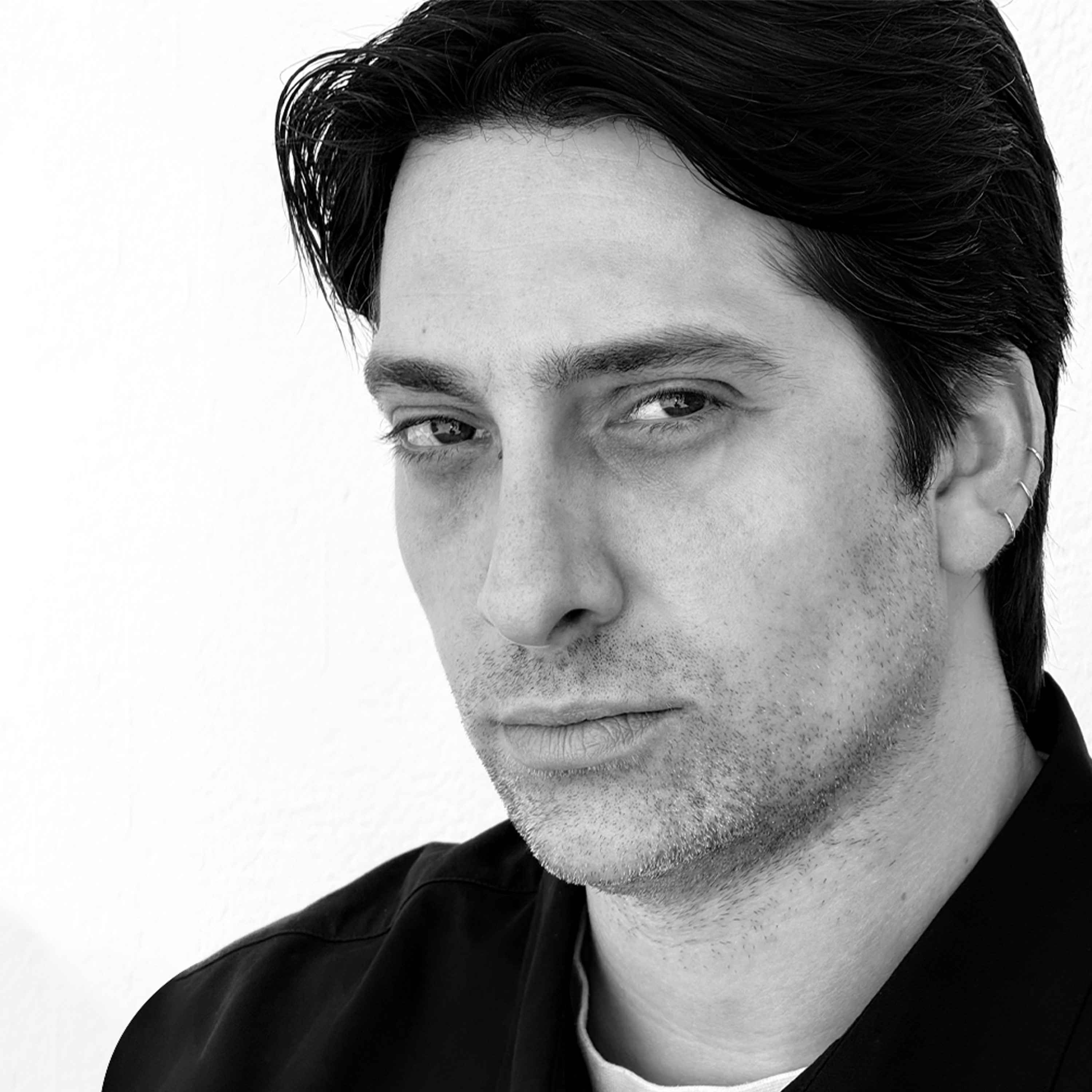
The Business of Fashion Podcast
Andrew Mukamal and the Rise of Method Dressing
01:05:57
elebrity stylist Andrew Mukamal tells Imran Amed how a childhood love of fashion as a “language” – and years apprenticing in editorial – shaped the storytelling behind Margot Robbie’s Barbie and Wuthering Heights press tours.
Loading summary
Transcript74 lines
- [00:00]
Andrew Mukomo
Foreign.
- [00:04]
Imran Ahmed
This is Imran Ahmed, founder and CEO of the Business of Fashion. Welcome to the BoF podcast. It's Friday, February 27th. Over the past two years, press tours for films like Barbie and Wuthering Heights have become strategic fashion narratives, moments that extend a film's story far beyond the screen. At the center of that shift is Andrew Mukomo, the stylist for Margot Robbie, who has become synonymous with what's known as method dressing, aligning a film's character, fashion history and brand partnerships into a cohesive red carpet story.
- [00:42]
Andrew Mukomo
Method dressing, honestly, like, to me, that really is just about like, putting a bit of extra thought and consideration into it. Now with modern marketing and the way that people consume media and the. The evolution of the super press tour, it's now kind of one of the options of. How do you approach this?
- [01:08]
Imran Ahmed
This week on the BoF podcast, Andrew and I speak about the rise of the super press tour, the business dynamics between stylists, studios and fashion houses, and how method dressing has reshaped celebrity marketing. Here's Andrew mukomo on the BoF podcast. Well, hello, Andrew. Welcome to the BoF podcast.
- [01:32]
Andrew Mukomo
Hi. Thank you for having me.
- [01:35]
Imran Ahmed
It's first thing in the morning here in London and it's getting to evening there in Australia. I'm really, I'm really grateful for having found a slot to chat with you in the midst of this global rollout of Wuthering Heights. And we're absolutely going to get to that topic, but I want to start with how you ended up here first. And I was doing a bit of reading and you didn't study fashion or anything. Where did the first inclination to kind of get into this business? Where did that come from growing up? I think you studied at uva.
- [02:15]
Andrew Mukomo
I studied at uva, History and art history. And, you know, my father was a history buff and a lawyer, an immigrant. He was born in Baghdad and moved to the US at age 10 and immediately kind of became obsessed with American history and world history. And that kind of was his entire personality in a lot of ways. So it was a very natural thing for me to kind of go into that route of education. But honestly, like, as long as I can remember, fashion was something that I was really interested in. And, you know, I think at a very young age I understood and learned that it can be a really powerful tool to speak for you without opening your mouth and can be used as a mechanism to infiltrate groups of people or have yourself stand out in moments or have yourself blend in in moments, you know, depending on exactly what you were looking for in that room or that moment in your life. And I was really fortunate to. You know, my father, being an immigrant, he actually specialized in immigration law in New York. And so much of his work was impacting immigrants from around the world and bringing them to the United States, to. A lot of them were, like, specialists in something, in chefs or models or different kinds of things like this, where they were coming to the US to do something amazing. And he was the person that, like, changed their life and brought them there or gave them the opportunity to do that in America, which, you know, ultimately it was kind of his education with me, showing me the world and introducing me to all different types of people that kind of led me into studying history, but also keeping an eye out on art and culture. And fashion was this language that I sort of just recognized at a really young age, through my teens and into my 20s. They're very much defined by stylistic periods where I was like a chameleon morphing into different versions of a. Like, you know, a preppy phase in college in Virginia, in a fraternity house. And then I went to Paris and studied abroad and kind of was exposed to a lot of the fashion industry, and suddenly was kind of like fashion goth, like Rick Owens, Ricardo Givenchy, Comme des garcons. Like, you know, I was. I was. Suddenly, I was this guy, and my hair was down to here, and I was wearing stuff, you know, and all of my fraternity brothers and friends in Virginia are like, whoa. Like, that came out of nowhere. But if you kind of knew who I was, like, that transformation was always part of, like, me finding myself in a different moment or chapter. Ultimately, my father had. Nick Sullivan at Esquire was one of my father's clients. And when I expressed, you know, an interest in fashion, my dad said, hey, well, like, I actually. This guy who works in. In the fashion department at this magazine at Hearst, I helped them with their immigration here to this country. And that was really my first internship in the fashion industry. And that was really the first time that I realized that, like, there even is a job for me. You know, again, like you said, like, I grew up in the suburbs of New York, and most of the parents around me wanted very safe, kind of, like, not basic, but very, like, standard jobs of, like, you should be a lawyer or a teacher or do this or whatever. And nobody ever said to me, there's this industry about fashion and clothing. And that was the first time that I was walking into a magazine and. And seeing myself in all of these, you know, Editors and people around me and thinking, okay, well, like, cool. Like, I definitely never thought I was going to be like a lawyer or an accountant or whatever. I was never that person. But I could actually see myself like in these guys here and going on my first photo shoots and, and the excitement around all of that. And obviously I was already a fan of the brands and loved the industry and all of that. But yeah, like, that was kind of, you know, my father was always, and my mother obviously were both like just incredibly supportive of me from day one. And they always told me, just chase after whatever you love and feel passionate about and worry about everything after that.
- [07:05]
Imran Ahmed
So tell me about Esquire then. You know, like, what was it like? You know, you said you were like walking around in there and you're seeing editors. I mean, what did you. Apart from gleaning that there's actually a whole industry around media and fashion media. You know, what else was it that because there were so many different things you could have done there, like how did you end up veering towards the styling side?
- [07:30]
Andrew Mukomo
Well, I honestly, like, that was kind of the first, like the fashion closet internship was the first job in Esquire, which obviously isn't that glamorous. It's a lot of like, you know, messing, picking up things, messengers or whatever. But the excitement around the photo shoots and the COVID shoot and you know, the Burberry gloves coming and like, you know, the gloves are like ostrich and they're gorgeous. And I'm just like obsessed, you know, like you're seeing these beautiful things also, you know, like, this is a, that was like Christopher Bailey Burberry, by the way. And these, a lot of these things like, you know, even though I was going into the stores, you're suddenly seeing samples, things that don't ever make it to the stores. Really exquisite things that are like, so, you know, beautiful and bespoke and unique. That like this is never for retail. And that was really exciting to me. And then essentially as soon as I graduated, I moved back to New York from Virginia and I had a few friends who had been going to school in New York at NYU or Barnard and Columbia, and some of them had like more kind of year round internships going on at Vogues and international Vogues and things. And it was a few of those friends who like that first summer said, hey, well I'm assisting so and so at Vogue or Vogue Russia or Vogue Tokyo or whatever back then. And we need extra hands. You want to come into the city on the train and be Part of this shoot and help us do it. And this was a dream to me. And, you know, I remember, like, very vividly, there was, like, Simon Robbins was one of the first stylists that I assisted when he was at Vogue Russia back then. And I was in, like, super kind of fashion goth era, with, like, all the studded bracelets and rings and Rick Owens and, like, you know, skirts and kilts. And I was walking around Virginia with, like, a comme des garcon kilt on and, like, shredded tights my senior year. But I arrived in Virginia my freshman year in, like, full, like, you know, J. Crew, Ralph Lauren, layered polos, everything. Like, that's how my, you know, my fraternity and all of my friends were introduced to me. And by the time I was leaving, I was ready to move back to New York, and I was ready to, like, move into this whole new direction. And I showed up for this Vogue Russia shoot, and I had been assisting Simon that week, wearing all my accessories, whatever. And the shoot was kind of, like. It was very, like, Madonna material Girl inspired kind of vibes. And Simon basically was like, obviously, we're doing all the new fashion, but he was like, andrew, literally, take off all of your jewelry exactly as you wear it and put it on the model. All of, you know, so four bracelets, five bracelets on each wrist. All the rings that possibly can fit on her smaller fingers, Pile them on. And the whole shoot, that was her character. She kept on the jewelry for the whole thing. And I remember my dad picking me up, you know, like, this was, like, the biggest honor in the world to me in that moment, because basically, my styling of myself was now gonna be, like, seen by thousands of people in the pages of Vogue. And my father picked me up from the train that day. And I remember, like, he just kind of recognized how genuinely, like, bright I felt, you know, in the car. And I remember him saying, wow, like, this is something that you really love. Like, you, like, are so excited about this. Like, And I could tell it was like, a moment of discovery for him, where it was almost an aha moment of, like, you know, he probably knew Andrew. Like, he didn't really fit in Virginia. He was kind of like a, you know, like, in disguise when he arrived there to fit into the culture. And now, like, here he is growing out of that phase, and, like, he's about to start this new chapter, and, like, he's finding his people and his thing, and he was so excited for me, and I'm so glad that I have that moment in the Car with him. My father passed away years ago. But, like, moments like that, you. You just never forget, like, that connection and, like, seeing, you know, he, like, saw me as an adult or something in that moment.
- [11:54]
Imran Ahmed
What a gift. What an absolute gift to have had that moment of discovery with your father where, you know, I think, you know. You know, I don't have kids, but.
- [12:04]
Andrew Mukomo
And he was part of that. You know what I mean? He knew at the time also that he was part of that by helping me with that internship and, you know, kind of like, almost like placing me in the mag, in the editorial world, or in the fashion industry in whatever way he thought he could. And honestly, like, thank God, you know, like. Like, I mean, so he gave me so many gifts, obviously, throughout my life, but to then. It's almost like the last piece of the puzzle when you have a child, I think, to, like, help them find where they're gonna fit in the world.
- [12:37]
Imran Ahmed
Beautiful. That's such a beautiful story. Thank you for sharing that. Because, you know, I was just saying I don't have kids, but I can imagine that just helping your child see and discover what their talent is and what their passion is and then helping to open doors, to help them kind of pursue and develop that talent is, like, really powerful. Okay, so you have this Esquire in the fashion closet moment. You have Vogue Russia, Simon Robbins moment. But you also spent some time with Kelly Coutron.
- [13:13]
Andrew Mukomo
Yes, so actually, I was assisting Simon. Well, I'm not even assistant. I'm interning for free. Right. It's 2009, and, like, there's, like, a crisis. Nobody could find a job, and I clearly am not going down any traditional career path. So I walked into people's Revolution one day, and they're filming the city, right, for mtv.
- [13:37]
Imran Ahmed
So you're ready to change your life and start something entirely new.
- [13:40]
Andrew Mukomo
I would never have taken this job if I wasn't serious about it. We have a new member of the team, Whitney. So the whole place is basically, like, lights. Like, it's not a real office. But I was there doing a pickup for a photo shoot happening the next day or whatever. You know, I'm a messenger, and I walk in rings, bracelets, kilt, shreds, layers, hair. And Kelly literally spotted me and, like, asked me 40 questions in five minutes. She was like. As she does.
- [14:13]
Imran Ahmed
Yeah.
- [14:14]
Andrew Mukomo
Grilled me in that second in front of everybody. You know, this is a very intimidating moment, but, like, I was never afraid or scared. And on the spot, she was like, do you want to be my assistant? And meanwhile, at the time, there's probably 40 interns back there who have been working like slaves for months, not getting paid anything, and would. Would all die to be her new assistant. And she's offering it to basically a complete stranger that just walked in off the street.
- [14:45]
Imran Ahmed
Wow.
- [14:46]
Andrew Mukomo
But little did I know that she had her Bravo show starting to film in two weeks from then. So she cast me. Ultimately, that's kind of what was happening.
- [14:56]
Imran Ahmed
She knew you'd be good for TV with your look.
- [15:00]
Andrew Mukomo
Yeah, she knew I had. She. She was like, oh, this guy would be great for this. A few days later, I was working at People's Revolution. And then a few days after that, Bravo was filming a reality show. And it was my first job, and I never really cared about PR or anything, but it was fashion and I knew who she was and I knew who People's Revolution was. And at that point in time, just having a paycheck and health benefits, like, my parents, they're gonna be thrilled. This is gonna make them so happy.
- [15:30]
Imran Ahmed
Yeah.
- [15:31]
Andrew Mukomo
So even though it was like, you know, I was. I was really on this styling path and already wanting to go in that direction, nobody was offering me a full time job and this woman was. So I dove right into that and, you know, just worked as hard as I possibly could. You know, you're a 21 year old, and apparently now they're gonna. Not only are you gonna be at your first job kind of shitting your pants, because it's like this new world and there's all this pressure and you don't know anything, but also there's like a full blown documentary film crew who's gonna film you from when you open. You know, I had to show up there at seven in the morning and open the door in the gate. And I was there until 8, 9, 10pm, you know, locking it down. At the end of the day, that's what you would do as, you know, her assistant. So I had basically like almost a year doing that. And then after that, it was pretty clear to me that, like, PR isn't really my niche. I really want to do something like, more creative and hands on. And at that time, I was kind of meeting a lot of people downtown New York in my early 20s. And honestly, it was through some of those connections that I ended up basically, like, getting jobs assisting other stylists and starting to grow, you know, that chapter of my life as like a freelance assistant.
- [16:57]
Imran Ahmed
Right. So there's this moment where you kind of go down more the celebrity styling route rather than the Editorial styling route. You know, I think we all. We all know who you are now because of all the work that you've been doing on red carpets. But, like, your initiation into fashion was through kind of Esquire and the editorial and, you know, Vogue, Russia, and all of that stuff. So at what point?
- [17:22]
Andrew Mukomo
Well, then for like 10 years, I was assisting Katie grand and Carl Templer. So, like, I went, like, I met one of Carl's first assistants at People's Revolution. And obviously this was like, Peak Interview magazine. Italian Vogue era as major as it could possibly ever get. And I was already, like, super fan, like, in college. Like, Interview was my favorite magazine. That whole era and moment was like, exactly, I mean, other than French Vogue. And I was like a total Korean obsessed person. Interview for New York was like, yes, this is my fucking place, right before I had ever, ever stepped foot in there. So then starting to work with Carl on his team. And then also Katie, when she was coming to the States, and this was kind of like Marc Jacobs Hogan love, like, peak love. And we were shooting, like, major covers back then, and that really was like, the foundation of it all, basically. Then I met my first celebrity client was Zoe Kravitz.
- [18:35]
Imran Ahmed
Okay.
- [18:36]
Andrew Mukomo
And, you know, I met her socially, but she knew that I was styling and she was developing her acting career. And that was kind of how I started working with her. And essentially my nights and weekends job, while I was still assisting Carl, Katie Interview and starting to do Carl was throwing me bones of, like, front of book interview, little shoots which were like celebrity portraits sometimes, which was cool, you know, like young musicians, actors who were just coming out. And nights and weekends, I was, like, doing fittings with Zoe and having it all sent to my house. And then I would go home and tear it all open, and she would be showing up at 10pm to try things on. And, you know, like, it was. It was this other, like, lane of the same, but, like, it had a totally different energy, but still felt really exciting to me. And I was doing it with, you know, a friend and somebody who I was like, you know, just had a really close connection with.
- [19:40]
Imran Ahmed
How important is that connection in the world of celebrity styling, that personal relationship, you know, is that. Is, you know, what was it about that connection you had with Zoe that that made it click?
- [19:55]
Andrew Mukomo
I think a lot of it was trust, you know, And I think that there's, like, an intimacy that goes along with it. You know, you're in and out of people's homes and you're texting with them, you know, pretty Regularly, especially when you're working on things, and you want to be somebody's friend in that, and they want to. They want you to know that, like, you know, you're not just, like, doing this as, like, a job, but you're really actually in their corner and standing next to them in whatever's going on. And obviously, there's kind of a first introduction and whatever, but then ultimately, like, it's the work that starts to speak for and. And that creates longevity in those relationships, you know? But I think especially early on when you don't have a big name, you know, and at the time, I wasn't styling any other celebrity, and my styling work for Editorial was, like, very minimal, you know, And I think a lot of it came from just, like, having that personal connection and trust and also taste. You know, she and I, from the very beginning, saw eye to eye, and you end up having trust with somebody's vision, and you say, okay, well, now, like, I could trust them, so I don't have to, like, micromanage it or stress as much about it. And it kind of takes a little bit off of their plate. And a lot of the time, you know, like, these creatives in any category, they have a lot going on, on their plate. So to let go of a little bit with somebody that they know they could trust is, like, a really important piece of.
- [21:35]
Imran Ahmed
Sounds to me like it's really collaborative, too. You were mentioning just now that you're in regular text contact. I mean, are you sharing references? Do they come to you with ideas? Do you lead? Like, how does that whole dynamic work?
- [21:54]
Andrew Mukomo
It's super case by case, you know what I mean? Like, every single moment and every job is a little bit of, like, a different approach. And every client, too, you know, like, there are clients who are a lot more, like, logged in, where they're, like, want to share a Pinterest board or want to share. They want to DM you references occasionally and whatever. By the way, clients change also. These are all evolving people. There are moments where they have the attention span to be much more involved in, like, concept, initial ideas, and all of that. And then there are moments where they have so much going on that they have to just sort of, like, let you take the wheel. And, of course, obviously, always have an opinion, but sometimes that opinion isn't really present until you're actually in fittings and trying things on. And it's really, like, in the moment of, like, this is great or this is not great, or, I feel good in this, or, you know, but it's all. It's all so case by case, you know, which is exciting ultimately, you know, for me, like, this job is like, changing by the second, and that's what keeps you on your toes.
- [23:06]
Imran Ahmed
So let's talk about this notion of method dressing. And now that I've heard your personal story about the characters that you used to incarnate when you were younger, you know, the Rick Owens Givenchy Goth or the preppy American kid or what, you know, it seems like this kind of method dressing was always part of who you were and the way you styled yourself and the way you expressed your own identity. So first, let, maybe let's define what method dressing is and then maybe tell us a little bit about how the whole idea of that character comes about and how you kind of separate the character on the red carpet from the character, say, in the film.
- [23:57]
Andrew Mukomo
Well, method dressing, honestly, like, to me, that really is just about, like, putting a bit of extra thought and consideration into it, you know, and you're not just like, grabbing something off of a rack. And it actually, it could be interpreted and it, to me, it means so many things, you know, and it also is on a dial, you know what I mean? Like, it could be at a 10 or it could be at a 1. I. I think there are a lot of people out there who are method dressing and would never think of themselves as doing that in certain moments. And honestly, most actors in the world right now are method dressing as an actor because they don't walk around their normal lives looking anything like what you see them on these public carpets. It's, it's there, of course, there are moments where you're doing it around a special project, but there was also kind of this ability to sort of like, channel or like, project yourself into a version of yourself that you're wanting to move towards or have people perceive you as. It's a tool, you know, like, that's what the image is. And obviously there are moments in projects where it's not really something that, like, you really just want your client to be the best version of themselves in that moment. And then, you know, now with modern marketing and the way that people consume media and the, the evolution of the super press tour, it's now kind of one of the options of how do you approach this? And, you know, it's. For me, it's something that, like, I don't know, I look back to, like, Audrey Hepburn in films and, you know, all of these amazing Hollywood stars through the decades where the costume designers for the films were Making their premiere gowns, you know. Yeah, that was method dressing.
- [26:04]
Imran Ahmed
Yeah.
- [26:05]
Andrew Mukomo
They just didn't have like a month long world tour to be doing it every day over and over again, you know, now that's kind of where we're at. So there's the potential to really tell a story and create a narrative and draw audiences in and give them something new. Almost like a daily reminder leading up to the release of something of. You know, at that point, most people, they've seen the poster, they've seen the trailer. Obviously there's always that excitement there, but there's not that much newness until they can actually sit in the theater and watch something. So the newness, I kind of like to approach it as like a living, breathing billboard or like, it's almost some kind of like performance art or something. Where of course, you always want your client to, like, still be themselves within that and connect to, like, who they are in that moment. And also what feels cool in that moment is always sort of like at the baseline. For me, even if we are gonna go there, like, I always want it to feel grounded in the now. But then, you know, certain moments you get to really go there. You know, honestly, Zoe with Batman was kind of the first time with her playing Catwoman, which was Michelle Pfeiffer's Catwoman. I'm a total Tim Burton head. This was like a huge, earth shattering moment for me for my client to be Catwoman, like, this is like the young Andrew could never even comprehend. So then obviously, you know, Zoe's a New Yorker. She wears a lot of black. Like, but still we were like, we're going to approach that and, like, you're just going to wear black the whole time, and we're gonna try to work in, you know, elements of PVC or latex or whatever. And, you know, there were like Selina Kyle cartoons that I was looking at and little things like that throughout all the years, the iterations of Catwoman that we were drawing inspiration from. And then I think most iconically, like, her cat dress, which, you know, had the cat on the bust, that Oscar de la Renta dress, which was really kind of a Helmut Lange reference, an early Helmut Lang reference that the team at Oscar reimagined for us into, you know, a stunning gown. And that was really like me getting my, like whetting my appetite and starting to play with this idea of, like, what if we take the character and everything that I could kind of compile and gather and then also take the client and everything that I know and understand about them and, like, spin that into this new version of them for this brief moment in time where that's their image for that period and for that promotion for those special moments. Now, it's kind of undeniable that it's a powerful tool when used correctly.
- [29:17]
Imran Ahmed
Absolutely. I mean, as you're describing it, I'm thinking about the skills required to be able to pull that off. And if I was just going to summarize, I think what you said, you have to have this, like, really trusted relationship with the client and really understand them. You have to have an understanding of this character that they're playing and who that character is. And then you also have to have the fashion knowledge and kind of relationships to be able to pull all of those things together to really create, you know, an extended moment over time where really there's almost a fusion of the character on the screen and the personality and talent that you're working with and the fashion that kind of brings it to life. And to see that happening over an extended period of time, you know, it really fuses together fashion, and it takes that red carpet beyond just a simple appearance on a red carpet that we see in photographs, and it creates a more of a marketing moment. It's, you know, it really embeds that character and that talent in the minds of people who are seeing a series of images over time, over a short period of time, that really cements this idea that I want to go see that character on the screen.
- [30:41]
Andrew Mukomo
Yeah. And for me, like, it's been really exciting to have moments that become, like, increasingly editorial. Honestly, with Barbie, for me, like, everything starts with dreaming. Rarely is it seeing something and being like, oh, that's exactly what it needs to be. It's kind of closing your eyes. And like, I say that I like to paint my own target and then try to aim as close to the center of the bullseye as possible. But when you're painting your own target, kind of anywhere on that bullseye is already going to be, like, a pretty special place. That's already what you are envisioning very specifically.
- [31:24]
Imran Ahmed
Okay, so let's talk about Barbie, because I would love to just get into your head, because that's, for me, when kind of you came onto my radar, just watching that whole thing come to life. And, like, the fusion of Margot Robbie as this, I mean, incredibly beautiful and very talented actress. And the character of Barbie, I mean, she was Barbie on all those red carpets. Like, you know, it came together. So how did you and Margot first start working together? And then how did you decide that that was the approach you were going to take with that film.
- [32:00]
Andrew Mukomo
Margot called me and asked me to work with her about six months before Barbie. Obviously, it wasn't very difficult for me to say yes, not only because of how incredible and talented she is, but also I recognized the potential also in this project. And quite early on, you know, it was really, like, very telling for me because there were early moments of, like, a Comic Con little moment where this is many, many months out before you're really in. Like, what's this press tour really going to look like? There are some long lead moments. And I was showing up to fittings, showing her lots of options, and she was really going for things that were, like, quite on the nose, really, like screaming Barbie. And I remember one of the earliest ones at Comic Con was, like, a Prada little gingham bra and skirt set. And I have. I hadn't seen the movie, but Margot had already shared with me, like, you know, just rudimentary fitting photos from her costumes that she was wearing in the film. And she said, oh, this is perfect. Like, at Comic Con or Cinemacon, it was. They're going to play the first section of the movie. And that whole first section, I'm in, like, a pink and white gingham dress that kind of looks like this print. So, like, I love that. And again, like, it's little moments like that that are, like, so telling and important for me because it's that decision and her, like, gut feeling and any client, it's those little moments that then kind of when I go back into my little bubble and I'm working and researching and developing ideas that I'm thinking, okay, well, like, that's the thing that they got excited about and really turned them on and put them. That was the direction they were wanting to go in. And that kind of informs me now to make a whole bunch of other decisions and ideas. And then several months before the press tour, when I was on set with Margot, I was showing her things on my phone ideas. And this is kind of like an important thing for me, always is, like, sometimes it is like, this is the one idea that I think is really amazing. But when I'm first getting to know a client and all of that, I want to sit there and show them a range of things. You know, there's a whole kind of variety. And I remember, you know, showing her some Barbie ideas, early ones, and some of them were just kind of like, oh, we can make this dress in pink. And I think it could be beautiful. And then There were ones where there's this day to night Barbie that has two different outfits. And what if we asked Versace because it had this sparkly thing underneath. What if we asked Versace to make something and use crystal chainmail or whatever and then maybe you'll like wear one outfit during the press day that day, and then you'll go on a premiere and wear the other outfit. And ultimately we ended up doing day to night Barbie and Korea on the same carpet because I thought it would be like, even more impactful for her to like show up on the carpet in the first look, the day look. We'll walk behind the stage with a little pop up tent, we'll do a quick two minute change, and then before anybody even realizes, you'll be in the same spot in the night look. But very early on, showing her these ideas and her eyes lit up and she's like, oh, she's like, I love that. And suddenly like, that kind of then gets me thinking, okay, well, you know, then I'm looking at like solo in the SP spotlight and it's this black dress with this spray of tulle. And I'm thinking about, you know, Daniel's work at Schiaparelli. And I'm like, like, if Daniel reinterpreted this dress, like, this could be so iconic and major and like, special, you know, and suddenly like, you know, I'm sharing all of these ideas with Margot and it was like, okay, well, now we like are sort of finding a formula here. And then, you know, obviously I'm doing just like hundreds of hours of Barbie research, which is like the most visually rich thing there ever was. I mean, it's a literally a fashion doll who was created to wear clothes. And then it really became a celebration of Barbie and her history. And, and Margot also, you know, she told me that Jacqueline Duran, you know, the costume designer. Incredible. Who obviously she worked again with on Wuthering Heights, she didn't actually use any of the real Barbie outfits in the film on Margot. There was one sequence in the very beginning where you see many of them kind of like in one of those swirling shots. But Margot never actually goes near any of like the more kind of on the nose, literal Barbie looks. So suddenly now it's like, okay, well now we have to look at like the, you know, the pantheon of Barbies of like, what are the most important Barbies in the history of Barbie? And which of those do I feel like would be, like, suited for Margot or could we turn into a modern version that could be hot for her to be wearing in summer 2023. And then also, what brand? I mean, then it became the question of, well, you know, the Mattel design team throughout all of these decades, these were all, like, incredible women living in California who were obsessed with fashion at a time when fashion was very elite and exclusive. And there was no imagery, but they were finding pictures from Paris and, you know, Italy and London and New York and cutting them all out. And all of those images from the designers and the runways were creating the mood boards for these Barbies. So it was basically putting myself back in their heads and saying, okay, well. And some of them are very obvious references, and some of them, you have to think, okay, well, like, who was doing that? What was the brand that they were inspired by for this Barbie? And now I need to go to that brand and basically, like, have a full circle, like, connect the loop almost. I don't know. It was kind of just magic.
- [38:27]
Imran Ahmed
It was magic. I mean. I mean, seeing that whole thing play out was, you know, I'd never seen anything like that before. I mean, it was just this. Such a powerful way of getting an image out there. But as you said, it felt really editorial, too. So it was almost like bringing editorial that you would have seen in the pages of a magazine and seeing that come to real life.
- [38:50]
Andrew Mukomo
Well, Grace. Alice in Wonderland.
- [38:53]
Imran Ahmed
Right, okay, okay. Grace Coddington, you mean? Yes, obviously.
- [38:57]
Andrew Mukomo
Okay. This was also, you know, part of my thinking of all of it. Right. And obviously that was, you know, Grace commissioned everybody to make the blue dresses, and Annie shot. You know, Natalia, and all the designers were all the characters. And, like, you know, these are editorials that had, like, enormous impact on me. So suddenly it's this moment, and I'm thinking, okay, like, you know, there's this iconic figure, and we're trying to bring it into the fashion industry where it stands at this exact moment in time. And basically, like, I'm just a single person working out of, you know, an apartment in New York City, but I'm basically gonna pretend like I have all the power and ability of Grace Coddington up in Conde Nast with teams of people helping her with these shoots. And I'm just gonna go with each brand and keep pitching them these ideas and get the ball rolling with everything. And honestly, there were a lot of them, that one brand saying no to this thing, and now we're pivoting elsewhere, and then who's gonna do this idea? And now this brand? And there was a lot of, like, jigsawing and puzzle pieces. This is never something that, like, is just smooth sailing. It doesn't just work that way. There's a lot of communication, negotiation. And I mean, at the time, I'm literally sending screenshots of, like, plastic dolls to these people.
- [40:31]
Imran Ahmed
Right.
- [40:32]
Andrew Mukomo
But also pairing it with references from each house. Right. It's not just sending them, like the Barbie reference. You have to spoon feed it and say, this is how I see it making sense also with your brand and the house's signatures, whether they're from the 80s or 90s or it's from a collection that just took place a year or two ago or right now. Ultimately it was, you know, asking Mr. Blahnik to make us the Barbie Mule and then being like, okay, well now each one of these dolls has a different shoe. Then he needs to make every single one of them. And the kind of like, you know, the levels of all of the, you know, the coordination, you know, you're looking at a Barbie doll and I'm counting how many pearls wrap around her neck. Because the exact same number of pearls, 15 pearls, need to go around Margot's neck. The proportions and scales are all, like, so important. And, you know, a lot of these people, like I'm saying to my, you know, now husband, but I was like, these people think I'm crazy. These people think I'm a lunatic.
- [41:41]
Imran Ahmed
How did things change when you started working on Wuthering Heights with those brands? Because now they. Now they saw the formula.
- [41:48]
Andrew Mukomo
Yeah, but like, the entire fashion industry changed in those two years.
- [41:52]
Imran Ahmed
Tell me more.
- [41:53]
Andrew Mukomo
I mean, we all know, like, there was, like, just a massive turnover. And when a creative director changes, it's not just like the clothing on the Runway or in a lookbook that changes. It's also who they want to work with, how they want to work, what projects they want to be a part of. So there was, like, a lot of navigating in between that. And obviously I worked on many other projects, you know, with Margot and other clients in that interim during those two years. But also, almost more importantly, like, Wuthering Heights was a totally different thing. Barbie is like, Barbie is universal.
- [42:35]
Imran Ahmed
So for Wuthering Heights, clearly it's a psychologically almost like, violent story. You know, it's very, very different, as you point out, from the maximalism of Barbie. You had to change the tone. What was your process for putting together or kind of clicking into that look?
- [43:01]
Andrew Mukomo
So last winter, Margot had me come to set, so I visited her on set, and that was obviously, like, tremendously exciting for me. I had never been on a movie set before, and I got to meet with Jacqueline Duran, the costume designer, who obviously, I had interacted with a little bit on the Barbie tour. But this was kind of, you know, more of, like, a proper introduction. Getting to walk into her incredible costume department. I mean, it's like, just so inspiring and beautiful to see the creation and the conception of all of these costumes that are gonna become iconic looks for this film. Mood boards, reference boards. And that was sort of the beginning of me downloading, like, as much as I kind of had already. I had read Wuthering Heights in school many, many, many years earlier, and to be completely honest, it wasn't ever, like, something that I was super connected to. But I remembered reading it, and it was like, okay, like, this is this new version that they're creating. And that was the very beginning of it, right? And seeing the mood boards, all the references that they were working on then, you know, upon, like, even during the filming, but especially at the end, I was shared, like, the, you know, master guide of every look that she wears in the film. So it's all, like, Margot's head chopped off and just the outfits and, like, you know, I'm staring at these things, understanding, like, how is all of this going? Just digesting it. How is all of this going to inform her look for this press tour?
- [44:49]
Imran Ahmed
And did you guys make the explicit decision to take this method dressing approach on Weathering Heights? Like, when did you make that decision? Yes, we're going to use that same approach we use with Barbie, and we're going to do it for Weathering Heights.
- [45:04]
Andrew Mukomo
I think pretty early on, Margot was like, yeah, this is going to be so much fun. I mean, I'm wearing corsets. This is all so, you know, like, she loves fashion, and it's major, and it's like, you know, there's almost like, a tone of the coolness and, like, darkness of it all that feels much more connected to who she is and who I am as, like, adults right now. But it was. It was definitely, like, something that we talked about very early on of, like, oh, yeah, this is, like, gonna be the project that we go there again and really, like, create a look and a narrative that feels super bespoke and tailored to this project. And, you know, honestly, then, like, that was. You know, I visited set in the winter and. And was digesting everything. And then it was really kind of the summer that I was in my, like, deepest research mode with, like, every version of Wuthering Heights that's ever taken place playing in the background on my TV screen while I'm sitting there doing my own research of kind of Emily Bronte and anything that I could possibly, you know, you just never know what click and search is going to take you to next. You know, then every time I'm seeing Margot in the fall, I have more things to show her. I have more ideas to show her. And then there were several, you know, times in the fall where we would sit down and I would say, okay, let's, like, look at these things. These are some ideas that I'm really excited by. And very early on, the bracelet of Charlotte became, like, my whole personality at the minute I showed Margot the idea of, like, this mourning bracelet at the Bronte Parsonage Museum, which is, you know, presumably made of Emily and Anne's hair for their younger sister Charlotte. Like, this is something that just feels, like, so special and incredible to me. And immediately I thought of Dilara Findicolu, who I actually have been. I was shooting her earliest graduate collections at Interview magazine for those front of book little shoots. I was paying hundreds of dollars to have her graduate collections shipped over from London. Hundreds of dollars out of my own pocket just because I really connected with her work. And obviously, you know, then she had a. She. We incorporated Dilara in the Barbie tour, and she had a tiny red mini dress that, you know, is still to this day one of, you know, our favorite moments ever with Margot. And now when you look back at that look, you're almost like this, like, really was kind of like foreshadowing our Wuthering Heights Margot.
- [47:58]
Imran Ahmed
In some ways, it was the precursor to that moment. Right?
- [48:02]
Andrew Mukomo
And none of us realized that at the time, but Dilara had just done a show where she had used Victorian morning jewelry with her hair and the jewels to create several looks that were basically, you know, the whole dress is this morning jewelry is now the inspiration for a full garment. And that was the kind of clicking moment of, well, what if we asked her to do a special gown version of one of these dresses, but directly inspired by the hair color, the garnet, the gold, the hardware of the bracelet of Charlotte. And again, showing Margot a lot of early ideas, kind of the way that, like, Day to Night Barbie and Solo in the Spotlight were early ideas that I saw her eyes light up. This one, I saw her eyes light up. And I was like, okay, cool. So now, like, she's into this idea, which also happens to be, like, my favorite idea. And it's daring and it's cool. And obviously it has, like, the reference and everything is all part of it, but also the look of it, it's really going there. Then shortly after that conversation, we were in London, and I had Delara send over those dresses, the ones that she had already produced for the Runway, because I said, okay, before we ask her to, like, make a whole one, let's just try on one of these existing mini dresses and see if we actually, like, love it on you, right? And tried it on. And she was like, whoa, this is amazing. So very quickly it was like, okay, how many premieres do we have? Because one of them is the bracelet of Charlotte. It, which then ultimately, you know, I contacted the Bronte Parsonage Museum and did several calls explaining to the museum how we really love this piece that I found online and essentially saying, how can we work together to make this piece of jewelry that is in your possession right now a part of our narrative? Which ultimately then resulted in, like, a manufacturer right next door to the museum up there in Northern England, doing 3D scanning of the bracelet, researching how they could create a replica for us. Because we said, okay, well, how are we going to wear this on the carpet? Because if you're going to wear the dress that's inspired by the bracelet, we need you also to wear the bracelet, but we don't want you to wear the real bracelet because it's like, you know, an artifact in a museum and very fragile. And then also scheduling ways for Dallara's team to go up and examine the bracelet and have hair dyed to match the hair color of the bracelet and document it so that when they go to do all of the work with the jewelry and the hardware and the vintage Victorian buckles and garnet and things that we're sourcing, that it's all, you know, perfect and connecting together when we're in that moment for the premiere. So ultimately, it was a lot of orchestration and communication that went into creating that moment.
- [51:27]
Imran Ahmed
We'll be right back with more on the BoF podcast.
- [51:34]
Andrew Mukomo
Before we had AT&T business wireless coverage, our delivery GPS wasn't the most reliable. Once our driver had to do a 14 point turn to get back on route. A 14 point turn, an influencer, even livestream the whole thing. Not good for business. Now with AT&T business wireless, routes are updating on the fly and deliveries are on time. The influencer did get us 53 new followers, though. AT&T business Wireless connecting changes everything.
- [52:05]
Sarah
Hi, it's Sarah. I'm the founder of Olive and June. And can I tell you the one thing that always makes my day better? A fresh manicure but who has the time or the money to go to the salon every week? That's why we created the Olive and June gel mani system. It gives you that same mani that you get at a salon for so much less. It comes with everything you need. A pro level lamp, salon grade tools, our damage free gel polish that lasts up to 21 days. All you do is prep, paint, cure and you're good to go. And the best part, it's super easy and so affordable. Each mani breaks down to $2. So let's get skip that $80 salon appointment and get the salon quality look at home for so much less. And on your schedule, head to OliveAndJune.com DIYgel20 and use code DIYgel20 for 20% off your first Gel Mani system. That's AllOfAndJune.com DIYgel20 code DIY Gel20 for 20% OFF your first Gel Mani system.
- [53:07]
Imran Ahmed
So as this is the business of fashion, I need to be a bit analytical here too about it. I mean, now that you've done a couple of these tours, you know, very successfully, are there metrics or ways that you can measure success? What is it that the studio is looking for? What is it that Margo's looking for? What is it that you're looking for? Personally that makes you, makes you understand that yes, this is working as you're going and, and you know, proceeding on
- [53:32]
Andrew Mukomo
one of those tours, I mean, for me personally, like, it's all just pretty instant social media and you know, you see it like as soon as, you know, a picture is released to her or she walks on a carpet or anything like that. And it's Margot or any client, like, you know, this is very instant now, but I'm not really doing it for anybody else like, you know, other than my client and myself. It is kind of about like having that idea, going for it like with every fiber in your being and making it like the most perfect version that you can possibly imagine and dream of. And yeah, you hope that people see like how much thought and energy went into it and you hope it sparks joy and you hope people respond to it and love it. Now we live in a world where everybody's connected so easily. So you feel it very instantly and clearly when people are responding to things.
- [54:36]
Imran Ahmed
I'm also curious, Andrew, about just like the business of styling and how it works. So like, you know, how does a stylist at your level, you know, make a living is your client, the movie studio is your client, Margot is your, you know, who Are. Who are the people that are compensating you? And how does that all work in this, in this huge system? The brands could also be compensated. Like, there's. There's this kind of whole styling industrial complex now, which I've never quite fully understood. Like, maybe you could just explain it to us.
- [55:09]
Andrew Mukomo
Yeah, I mean, like, the clients bring you on to the jobs because they, you know, they are the ones who decide who is their team and who they would like to work with. And then not always, but with big kind of press tours like this, there's typically the studio who is, you know, the one who's paying your salary for those jobs. And then there is, like, the element of sometimes, but mostly only if your client is also on a contract with a brand will then a brand kind of be paying you. But a lot of the time the brand is paying you and participating in your vision. Yeah, I do think that there is. There is a world out there where you can. Where decisions are being made based off of who might pay you. I've never operated in that way. Every client, you know, has a different circle within the fashion industry of people who are supporting them or friends. And, you know, like, each client is very unique in terms of, like, exactly like, who they're working with and makes sense in their universe at any given time. So, again, this is also something that, like, makes each approach to a project and a moment and a job very tailored and specific to not only the client, the project, and all of that, but also, like, we rely on the fashion industry. We're not given any kind of, like, budget to go shopping. So you have to kind of also utilize who is willing to support you. And those relationships are enormously important. And developing those relationships with the brands that I love and connect with is one of the most important parts of the job right now for brands.
- [57:14]
Imran Ahmed
What's the biggest mistakes they're making or they make when they're working with stylists like you? Like, what if you were giving them some advice on how best to work with stylists to get results that they'll be really excited about? What advice would you offer?
- [57:29]
Andrew Mukomo
Hmm. What advice would I give to the brands?
- [57:34]
Imran Ahmed
I guess my impression is that sometimes the brands are really controlling. Sometimes they're only able to see things through their own brand lens. Especially in this era where, like, they're trying to control everything when they. They can't control everything anymore. You know, brands are still kind of, especially luxury fashion brands that have kind of schooled in this era where they could control everything. About the way their brand was represented, how people speak about their brand. They used to be able to control everything. Everything. And I guess I'm seeking your guidance for those brands on how they can let go a little. And, you know, like, for some of these brands, like, taking a risk with you on Barbie, I mean, and the hesitance that maybe some of them had initially, I mean, I'm sure that they realize at the end of that process, they're like, wow, like, when we really trust a creative person who really has a clear vision for what they want to do, it can get us a result that we would never have gotten on our own.
- [58:34]
Andrew Mukomo
Yeah. I mean, it's something that is very case by case. A brand can't just say, okay, any idea that any stylist sends our way, we're just gonna say yes. Because it doesn't always make sense. And also, not every idea is fantastic. So they also need to, like, take it in, review it internally with their whole team and say, does this make sense for us? And honestly, even maybe it is a great idea, but maybe it's not really the direction that we're headed in right now. And as a stylist, you're very used to people slamming doors in your face, and you just keep trucking along. Like, that's just. That is really a name of the game, and you can't get down about it, and you can't hold it against anybody. And you honestly, you're probably going to email them in a few days about another job or another client. So you're also not trying to, like, freak out or burn a bridge or anything like that. You have to be understanding and say, thanks for letting me know. Talk to you soon.
- [59:42]
Imran Ahmed
And finally, you know, for someone just starting out now without the old magazine system that kind of immersed you in the world of editorial styling, because we know that whole glossy magazine world is really in shifting now. I mean, they don't have those Grace Coddington budgets anymore that, you know, those days are over. What advice do you have to offer to someone who wants to break into this world of celebrity styling? And what's the kind of training grounds available to young people who are interested?
- [60:15]
Andrew Mukomo
I mean, I obviously work with, like, incredible assistants and a network of them around the world. It still is sort of an apprenticeship sort of situation. Like, I learned so much of, like, how to navigate situations, personalities, changes in mood or ideas, or, you know, there is everything that we're talking about also, like, you have to also be very limber and flexible and ready for somebody to call you and say, hey, you know, like, I knew. I know that we were kind of going in that direction, but I actually feel like it might not really be right, and maybe we need to, like, pivot. And the only way to really learn how to deal with those things is to be part of a team where you're seeing all of that happen and you're learning through somebody else's career and decisions, and ultimately that kind of then will prepare you to be the decision maker. At one point, you know, there was, like, a lot of pressure with this job. So it's not easy to jump into it at a young age and think that you're just gonna, like, swim in this really intense current. And, you know, I think that, like, the way that I learned so much from the stylist that I assisted, it's being on these sets and dealing with different personalities and whether they're designers or talent or a photographer or any of it, you know, you learn how to, like, navigate and communicate and still keep yourself heard. There's a very fine line there. And I do think that the only way for you to really get to that place where you can stand on your own two feet in that position is to be standing next to somebody who you respect and can, like, connect with and also, like, then walk off set with and, like, talk through, like, what just happened and, like, why did we just do that? And, like, that was so crazy. And, like, I'm so glad it all worked out in the end, but, like, I thought it was all, like, going to shit for a second. And, you know, like, you have to have the sort of, like, calm within you of, like, oh, that reminds me. I have seen that so many times or that when I was an assistant once, like, it was way worse than that. And, like, you know, and to me, it's all of that, you know, walking out of a fitting and being in the car with my assistant and, like, I'm, like, basically giving them a TED Talk on, like, what just happened and who I need to call now, what brand's going to be upset about what and what brand's going to be thrilled about what and what the next step is. And, you know, like, how we're going to move ahead. And for me now, it's basically like an impulse. Like, I don't even think about making those decisions. The solutions and everything just start to flow, and it's a reflex. But, you know, that's from years and years of experiences where, you know, now it just moves very quickly. But I think, you know, for Assistance who work for me, you know, that that's also part of the education. And honestly I just, I think that the advice is like chase after what you love and feel passionate about and find somebody who is doing something that inspires you and just be next to them in whatever way that you can and learn everything you possibly can and stick around. Because you didn't learn everything in a year or two. Honestly, you really didn't. Even though you feel like you did and you're 25 or 27 and you're ready to fucking go and you know, it's your turn to take over, you're actually like still very, you know, and I was that guy too. I was the one who wanted it all before any of it was in front of me and was frustrated about it and wondering and self doubt and all of that. But you kind of also have to like take a step back and look at everybody else in the industry and say, whoa, Everybody's actually like 20, 30 years older than me and they're not even retired and they're still doing this. So like, I really am a tiny little tadpole in this pond and I should keep learning while I can, honestly.
- [64:56]
Imran Ahmed
Yeah, that's really such good advice. I think I remember being like this too. When you're younger, you want everything to happen overnight and when you get older, you realize that actually everything takes time. Especially now. Like there's, you know, it seems so easy on the surface to have a career like yours, Andrew. Like, people will read about it and they'll see the tours and they'll see the pictures and. But I hope from this conversation people have learned that it, you know, really, it's your life's work. You know, this is your, your recent success and you know, all the impact that you're having is a result of a life that's been led. Starting with what, you know, knowing and that moment of discovery with your dad and figuring out what really excited you and just really sticking with it and really finding a way to channel that instinct you had as a young person to transform yourself into all those different characters. And now you're doing it and that's your job and that's magic. And you know, it's been so, so interesting to hear your story because you and I don't know each other. We've never met before, we've never had a conversation. I've really, really enjoyed it. And one day, if you're up for it, I would love to, I would love to be your assistant for a day and just see the behind the scenes of how this all works because it's just, it sounds so interesting and you've been so innovative in doing.
- [66:16]
Andrew Mukomo
There is a lot of lugging things around and boxes and World Net pickups and you know, loading cars full of bags that weigh 80 pounds each and there is so much heavy lifting. But next time you're in California, I would love you could, you could come over and honestly like, you know, you'll come and assist me for a few hours and then we could just have Joe and the juice and you know, kind of you could chill for a minute and let my other assistants and myself, because I'm still super hands on, kind of take, take the wheel and keep doing our thing. Good.
- [66:51]
Imran Ahmed
Well, I will definitely contact you next time I'm in LA and safe travels back home from Sydney. Thank you again for staying up late so we could do this chat today. And yeah, best of luck with everything and I can't wait to see what you do next.
- [67:09]
Andrew Mukomo
Thank you so much. Honestly, it was my pleasure. It was really nice to chat with you and I'm just really honored to have been invited here. So thank you for hearing me out and having a Great chat.
- [67:24]
Imran Ahmed
The BoF podcast is edited and produced by Olivia Davies and Eric Brea.
- [67:37]
Andrew Mukomo
Par le tu francais hablas espanol parl italiano. If you've used Babbel, you would. Babbel's conversation based technique teaches you useful words and phrases to get you speaking quickly about the things you actually talk about in the real world. With lessons handcrafted by over 200 language experts and voiced by real native speakers, Babbel is like having a private tutor in your pocket. Start speaking with Babbel today. Get up to 55% off your Babbel subscription right now at babbel.com acast spelled B A B B E L.com acast rules and restrictions may apply. ADP knows anything can change the world of work. Like what if a blocked shipping port caused a worldwide coffee shortage? Suddenly, businesses are scrambling to manage an increasingly drowsy workforce. Productivity slips 20% just due to the extended time it takes to conduct a job interview while yawning. Anything can change the world of work. From HR to payroll, ADP helps businesses take on the next anything. ADP always designing for people.