← The Business of Fashion Podcast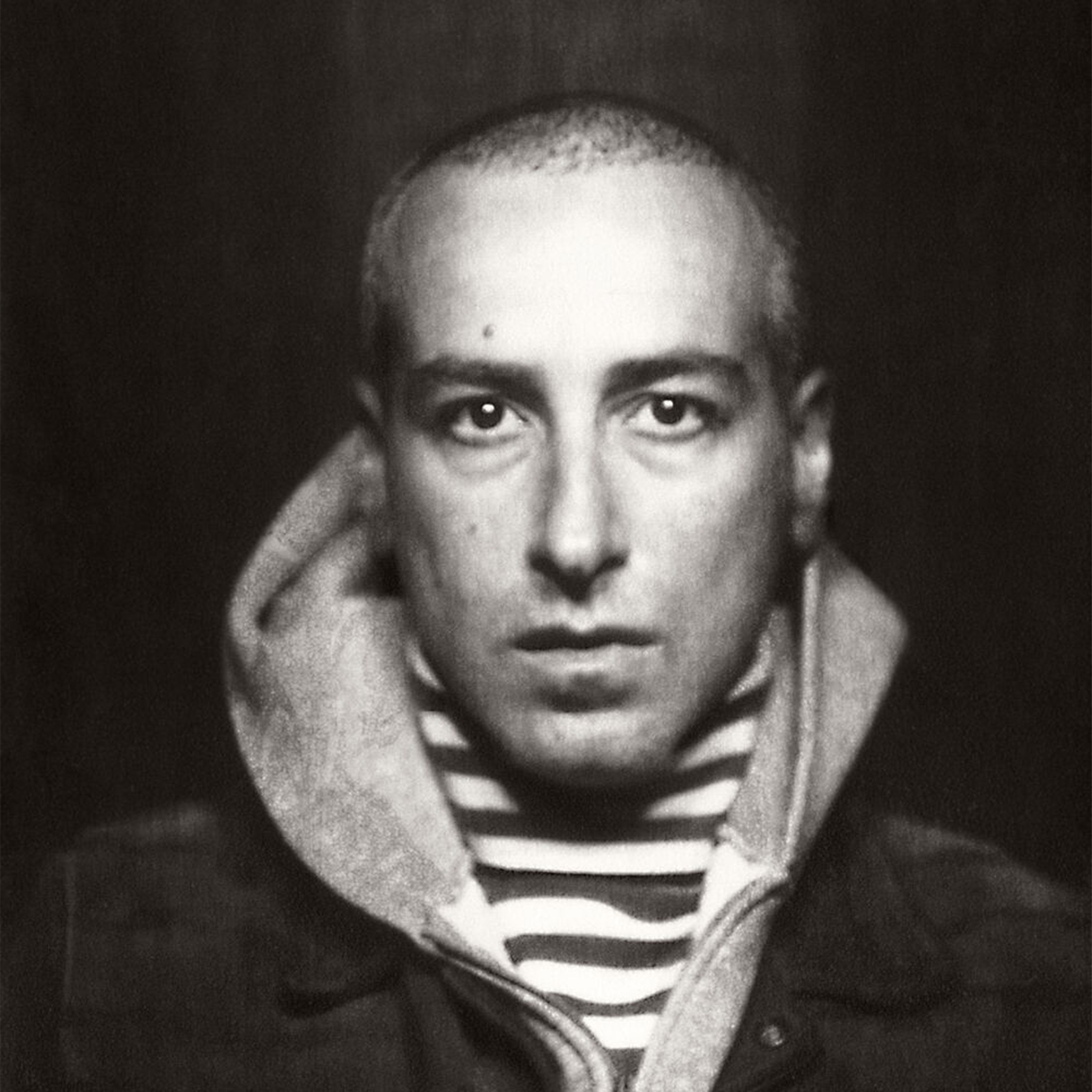
The Business of Fashion Podcast
Francesco Risso Says Fashion Should Slow Down to Find Its Magic Again
01:00:46
The celebrated creative director reflects on his unconventional upbringing, formative mentorship under Louise Wilson and Miuccia Prada, and why true fashion magic takes time and discipline.
Loading summary
Transcript97 lines
- [00:00]
Francesco Risso
Foreign.
- [00:04]
Imran Ahmed
Hi, this is Imran Ahmed, founder and CEO of the Business of Fashion. Welcome to the BOF podcast. It's Friday, March 7th. Francesco Risso was born on a sailing boat near Sardinia in 1982. He grew up in an environment that fostered independence, spontaneity, and a deep need to be creative. After formative years at Polymota, FIT and Central St Martin's he joined Prada, learning first how to use conceptual creative exploration to create products that resonate in everyday life. Now, as creative director of Marnie, Risso continues to embrace a method he likens to an artist studio, championing bold experimentation and surrounding himself with collaborators who push each other to expand their forms of creative expression. This approach stands in contrast to a fashion system that has become overly productized, commercialized and corporatized.
- [01:03]
Francesco Risso
The making of great clothes that stands for a long time in years. It's not a thing that can be made in a short span of a season, in a short spam of a click. I think we have pushed ourselves to produce massively and continuously and relentlessly and the demand has eaten its own animal. And I feel it's a great time to slow things again.
- [01:42]
Imran Ahmed
This week on the BOF podcast, I sit down with Francesca to explore how his unconventional childhood has shaped his unique creative approach, why making and craft remain vital to fashion, and how meaningful collaboration can expand the boundaries of what's possible. Here's Francesco risso on the BoF podcast. Hi Francesco. Welcome to the BOF Podcast.
- [02:10]
Francesco Risso
Hello, Imran. So happy to be here with you today. Finally we made it.
- [02:16]
Imran Ahmed
Exactly. We've been talking about this, I think, since your show in Tokyo a few years ago.
- [02:22]
Francesco Risso
True, true.
- [02:23]
Imran Ahmed
I'm happy we finally got this slotted in. And congratulations on your show last week in Milano. I want to spend some time talking about that show a bit later in the conversation, but I want to start with your personal story, which is kind of a fascinating one because I understand you were born on a boat in Sardinia.
- [02:47]
Francesco Risso
I did indeed. And you know, whenever people ask me this and I have to talk about this, I'm always thinking about that time and I'm so happy that I can't remember it, you know, my mom can, and it was the 30th of December, so it wasn't necessarily like a comfortable situation to be in. Also, like my father decided to live on a sport kind of boat, not a yacht, for few years and we were there.
- [03:24]
Imran Ahmed
Was it a surprise, Francesco? Like they weren't expecting you to arrive so soon?
- [03:31]
Francesco Risso
I think my mom and dad at the time were kind of very adventurous and they were just living by the day in a very spontaneous and kind of crazy way. So, yes, it was kind of a surprise for sure, but they weren't programming things as we would do nowadays, I think. Like, I see my friends that have kids and everything is like perfectly planned and like, you know, from the time to wake up to the times in the nights, it's like insanely well planned. Where I remember as a child, my dad was a bit of a hippie, I would say, and he would take me in the night from my bed, pushed me in the car, and suddenly I would wake up in the morning at the mountains. He would love to ski. He would dress me with, like, jeans and a bar and to ski. I guess that's why I got a bit traumatized when I was really young. And it took me a while to get back to ski, which I love. But, you know, this was the type of thing that he would do. Like my crib was. Was tied between the two trees of the boat. I remember many, many, many situations where I found myself in this unexpected adventures. And I think that was the nature of my dad. And my mom followed him up. However, my mom was like such an incredible worker, but he was. He was a tornado. So.
- [05:13]
Imran Ahmed
So how do you think that kind of very unconventional upbringing shaped you as a person when you were growing up?
- [05:22]
Francesco Risso
I mean, I feel the most incredible gift was that I was just simply an adventurer from the start. And I decided that, like, from When I was 13, I planned my escape, which happened when I was 16. When I was 13, I was to really get away from my family and try to go somewhere far and build my own thing. So that made it easy for me to just, like. I don't know. When I was 17, I moved to New York. I'd never been in New York, and it was very easy for me to immediately, like, blend in, you know, and. And I guess that was that adventurous side that was imprinted in me since I was very young. My family was incredible. However, I come from a collage of families and I was the youngest, So I have four sisters and one brother, and they were 10 years older than I am and very attached, in a way, to the assets of a great wealth. And I was quite lucky to see all of this from a very far point of view. And that's why I escaped my family, because I. I needed to kind of become my own thing. And so When I was 16, I went to Florence and then I went to New York.
- [06:55]
Imran Ahmed
So first before we get to Florence in New York, I want to get into your 13 year old head, plotting your escape from, you know, your existence at that time. What were like, what was. What was the plan?
- [07:08]
Francesco Risso
Yeah, so actually it's funny because I have never spoken about this with anyone. There was this lady that was working at my house and she was kind of a rebel. And we would literally write down all the things that I had to do in order to distract them and then go. And the good thing is that on one side, my mom and my dad, however, we all had great lives. They were very much taken by their own jobs, their own things. So it wasn't necessarily like a typical family management, I would say. So it could have been even easier to escape, probably. I just found the real courage when I was a little bit older. You know, 13 is quite young.
- [08:05]
Imran Ahmed
Yeah, that might have been a bit too young to go and fend for yourself.
- [08:08]
Francesco Risso
Yeah. However, I was like. When I was 14, I was like literally departing for days and going away for days outside of the house and pretending that I was at a friend. And then I was maybe in the south of Italy or I was maybe surfing around the club scene. My friends were all older than I was. And even now we remember it, some of them, they were here after the show and we're like, oh my God, you were so young. I mean, I was like, I was 14. Sometimes I. At 16, I didn't have a driving license, but I knew how to drive because my father taught me. And I would steal cars from the garage and just go. And I think I had probably a guardian angel because if I had to do it now, I would never be able to do such a thing right now, you know, and at the time I was like, literally I was driving a car at 15, which, 16, 15, which was illegal, obviously. And I would just go.
- [09:25]
Imran Ahmed
So you've always been a rule breaker?
- [09:27]
Francesco Risso
A little bit, yeah.
- [09:29]
Imran Ahmed
Tell me, what drew you to ultimately drew you to Florence?
- [09:32]
Francesco Risso
I applied to Polimoda and so that was my first encounter with fashion.
- [09:40]
Imran Ahmed
Why did you choose fashion? Like, had you developed an interest in it already?
- [09:44]
Francesco Risso
Good question. Yeah, I mean, I would say from 8, 9 to 15, because I was very silent. I developed this curiosity around clothes, but especially around the wardrobes of my family. After the boat, we went living in this big house all together. So there was my brothers and sisters from the two families, then my grandfather, my grandmother, this like rebels sort of maids. There was like a person who was taking care of me because my parents were always kind of here and there. And my dad would bring so many people every time. And I started developing this need to make with my hands. And I think that was my. My means to communicate because they were so loud, in a way, they were really loud people and like, in a very Italian kind of way. And I maybe from my perspective, everything felt a little bit overwhelming. And so my way of communicating was through making things. And then I started to try things on my body. And then I would find like, this like, secret thing in the closet of my grandmother. And then I started to disrupt it and collage it to a thing from the word of my sister. And here we go, we have a new piece that. It was really driving me so much excitement, you know, And I think that almost became like a. Almost like an addiction for me to. To kind of like, create these things to put on myself and. And be this creature around the house. And I wasn't sure that that was like my fashion call until quite some time. I mean, I was very lucky to know my mission from the start because I knew always that my mission was to make with my hands some kind of way. That's why I started to draw. And I rebelled to the classical studies. I did classical studies for a few years, which I loved. But then I rebelled with my family and I said, I really need to draw. I really need to make, to sculpt. And that's when I went to the art school. But it took me a while to understand that fashion was a thing, or at least for my being. It took me a little bit. Yeah. So I think that was the thing. And I realized after so many years, and maybe even when I was at Marnie, that when I started at Marnie or maybe few. Few times at Prada, that. That thing that I was doing back in the days when I was nine was really part of the way I. I viscerally apply my own lens towards beauty, you know, and it's almost like I need to break to. To find like a new beauty out of it. And then I resemble it. And that. That is it, you know. So that took a long time for me to realize that, oh, I was actually doing this, this and that when I was so young.
- [13:29]
Imran Ahmed
It's so interesting. Right, because sometimes the things we're drawn to as children, before anyone's really told us or put any ideas in our head about what we should do with our lives.
- [13:41]
Francesco Risso
Exactly.
- [13:42]
Imran Ahmed
You already have this, like, innate kind of attraction to something that just comes from a visceral place.
- [13:49]
Francesco Risso
Exactly. And that's the most beautiful thing you.
- [13:54]
Imran Ahmed
Were talking about going to Polymoda. So, like, why ultimately did you choose to go to Polymoda?
- [14:01]
Francesco Risso
I think it was like the easiest escape. And then after some months. Months, it wasn't enough. And. And then. And then I need to go further away. And so I. I applied. I had applied to FIT already before Polymoda, but my application work got lost in the. In the mail, and so I had to wait. And finally I reapplied it at the right time. And. And so I did not even a year at Polimota. And then I flew to New York and I did two years in New York.
- [14:40]
Imran Ahmed
And you were saying as soon as you got to New York, albeit as a complete newbie, having never spent any time there, maybe your experience growing up being in this, like, really uncertain, very fluid, independent environment really prepared you for being in a completely new place.
- [15:00]
Francesco Risso
Yeah, I remember I got out the first night I arrived.
- [15:05]
Imran Ahmed
Do you remember where you went?
- [15:07]
Francesco Risso
I remember I went to see Cuxi. Yeah, I remember that I walked out of this house that I was somehow renting with some other people, and I bought a timeout. And I saw at the time was, you know, I mean, even though was the end of. The end of the end, but of Suki.
- [15:32]
Imran Ahmed
But you mean Sushi and the Banshees?
- [15:34]
Francesco Risso
Yeah, yeah, yeah, Sushi and the Banshees. And I thought she was performing in a club. And I went. But then, like in New York as it is right now, it's so easy to. To meet people one after the other while you're in the streets, while you're walking. And one thing led to another and I was. I don't know in how many clubs, in how many scenes, blah, blah, blah, blah. That was like so immediate and so fast. However, New York is not easy at all.
- [16:06]
Imran Ahmed
No.
- [16:07]
Francesco Risso
To really bond with people. It takes time in New York. And I remember that that was like. Almost like a continuous flow. But then the time I had bonded with people, like then was the time I had to go away and I moved to London, where I started an MA at St Martin's and then there was like a completely different experience as well. But this is what I'm grateful for. It's actually. I have managed to compact also like three completely different approaches in three completely different schools. These three schools, at the time, they were complete opposites. Fit was so extremely technical. And creativity kind of like came after that. And where St. Martin's had nothing technical, people didn't know how to make clothes. But creativity was like the pillar. And actually Louise Wilson was My teacher and she taught me so much. And actually, even nowadays, she's one of the people that had me learn how to fight for your creativity and how to never lose the confidence in your blockages and how to search and to study and to learn more. She was very, very good at that.
- [17:44]
Imran Ahmed
Yeah. As I was reading your educational background, I thought, well, you couldn't have three more different schools than Polymoda FIT and Central St Martin's but it seems like that kind of varied educational experience plus studying under someone specifically like Louise Wilson, who was always such a champion for creativity. She pushed designers really hard, sometimes to the point of tears.
- [18:13]
Francesco Risso
She hated me. She was so mean to me because I was coming from America and my English had this slight American accent and she couldn't bear with it. Like she was like, she literally, she would start the conversations, having me talk and then she was like, why the do you talk like that? I wouldn't even know how to answer to that to that, you know, but yeah, so she was really tough. But the fascinating thing to me is that she couldn't bear with any work that was auto referencing to fashion. So that to me was like, you know, opening the gate to what the real job needs to be and how even nowadays, I think young people should approach their creativity, their way of making. And she would give you these missions about like, you know, make your collection. But before we do that, you have to develop the creativity around, I don't know, a packet of cigarette or a chair or whatever art piece or whatever concept you have in mind. Just develop it for one month. But if I see clothes, I'm going to get you out of the course. So for one month it was about really nurturing this bubble and studying and making it leave without clothes and then you would push the clothes out of it. And so that was really a strong training that didn't require to look on what was happening in the fashion shows or what was happening with the fashion designers. No, that was. You have to rely on your own strengths and your own capability to go and study, to go and research, to go and, and find your things. And that is key to me to become a designer with a voice.
- [20:28]
Imran Ahmed
Yeah, I mean, I think that's one of the, you know, St. Martin's has like all schools, its strengths and weaknesses. But yeah, one of the strengths is this real nurturing of finding your own creative voice. And Louise was, you know, had a few, had a few tough meetings with her myself, even though I never, I wasn't a student. I remember one day she I was taking some notes. Maybe it was my first meeting with her, and my handwriting was very, very neat. And she commented on how anal retentive my hand, my. My handwriting was. And she said, you. There's something wrong with you, you know?
- [21:07]
Francesco Risso
Yeah.
- [21:08]
Imran Ahmed
I think she'd be happy to know that today my handwriting is much freer and messier. But I was thinking just now, I wonder what Louise would make of the fashion industry today. And I wonder what your thoughts are. You know, as someone who. Who is trained by this person who was so focused on driving creativity, I mean, what do you think she would think of the fashion industry today?
- [21:35]
Francesco Risso
I don't think she would be very happy, if I can be honest. I think she would probably think that we were cutting through. We're trying to find shortcuts to great outcomes, but that is actually folding upon itself.
- [21:56]
Imran Ahmed
What do you mean, Francesco?
- [21:58]
Francesco Risso
You know, the making of great clothes, that stands for a long time in years. It's not a thing that can be made in a short spam of a season, in a short spam of a click. I think we have pushed ourselves to. To produce massively and continuously and relentlessly. And the demand has eaten its own animal in a way. And I feel it's a great time to slow things again. Sometimes I feel this is like the age of creativity. You know, it's like if you're not creative, it's almost like you're out of this society in a way. And creativity, though the word creativity, it's even used in such a diminished kind of way. And it's not because creativity entails to be strange or entails to be artistic or it's just that creativity is also in the service and in the way we give love to the things that we make and then we give to people. So I feel I don't see so much of that love around. I don't see so much of that service. When I go to an amazing, like, I don't know, Marchese or I come from Genova, and there are at least four or five incredible places, like one called Romanengo. It's been like that since the 20s. And it makes candies. You know, those jelly candies with the sugar outside, the way it's all placed and the way this person is gonna serve it to you, package it for you. It's so fulfilling and makes me dream. And fashion has lost a little bit of that. I mean, there's no place that actually you go inside and you feel, oh, wow. I'm like. I feel like I am I am being cuddled, and I'm buying the most precious object that actually cost so much, but it's given to me, like, it's the most. I don't know, like, precious. And designed. A design that requires years to be made? No, it's the opposite. Maybe it's a design that takes two minutes to be made, and that I think Louise would be very disappointed about.
- [25:01]
Imran Ahmed
The other person who's really shaped you as a designer is Mrs. Prada.
- [25:07]
Francesco Risso
Absolutely.
- [25:08]
Imran Ahmed
And so after Polymoda, you went over to Prada at some point, and you worked there for a long time. Can you tell me what did you learn from working with Mucha Prada?
- [25:20]
Francesco Risso
I've learned so many things. And first thing I learned when I was very young, I was 20, 22, I think. 22, 23. And one day I was called in her room, and I was kind of shocked. And suddenly, you know, there's like, a few circle of people that at the time, I don't know how is it today? But at the time could work with her. And I was called, and it was this amazing table with amazing people like Fabio and Miuccia and few others. And, well, I've learned to be brave because you have to come up with your own ideas and talk. And that was, like, maybe a talk that would last for quite some time. And then the clothes we would make, like, in the spam of a very short time, like, you know, the company was so great and so prepared that there was a lot of conceptualizing, and then we would run to make the clothes for the show or whatever.
- [26:30]
Imran Ahmed
That's so interesting, right? Because it sounds quite similar to Louise Wilson's approach, which was spend more time.
- [26:37]
Francesco Risso
Absolutely, yes.
- [26:38]
Imran Ahmed
Spend more time on thinking about the ideas completely.
- [26:44]
Francesco Risso
There was such. I always like to call it surfing brains. You know, there was so much talking and so much analyzing about what was happening in the world, and either if we have to make some coats for the stores or some new things for a new store opening or the show, and that I'm very grateful because you had to be brave. She is incredibly intelligent and such a charming woman and very tough. And so that was the first learning. But then the one that, to me, was the most exciting to work with, and that's why I also wanted to work at Prada since so many years, even before, is that I always treasured this idea that there was, like, such a strong creativity, but also there was, like, such a strong conjunction between that creativity becoming a product that can live on the streets and on people, and that to me was always the key of learning, but also like my greatest passions and the designers that to me are mostly in my heart are people like that, people like Miuccia or, you know, same way Vivian. These are people that created, in a way, social movements and they weren't like stopping because they wanted their clothes designed and be locked in a glass box in a museum. These were all people that kind of made waves in the streets and that I love. I'm obsessed about so much. I was very, very in love about that.
- [28:37]
Imran Ahmed
Yeah, I mean, it's really interesting because, you know, sometimes the narrative in fashion is that there's this like conflict between kind of pure creativity and design and then commercial outcomes. But real fashion magic happens when both are successful. When you're like creating things with genuinely deep and thoughtful creativity, but also something that people can actually wear and integrate into their life. Otherwise, you're right, it just, it's a piece of like visual art that sits on a mannequin in a museum.
- [29:14]
Francesco Risso
Yeah. And somehow fashion has become also about stunts lately. So you make a stunt and then somebody wears it and so then you have a wave of, let's say, exposure. But to me, the most exciting thing that have happened, for instance, like even with Marnie, is this mirroring of what we do that happens on the streets. If you think about these like crazy Mohr sweaters that were considered evil at times and then have become the uniform for a big amount of people. So that would make what makes me happy when, when I design and when I make.
- [30:09]
Imran Ahmed
We'll be right back with more on the BoF podcast.
- [30:15]
Francesco Risso
Today's episode is brought to you by Nordstrom. If you're on the hunt for fresh on trend spring fashion that won't break the bank, then look no further than Nordstrom. They've curated the best of spring styles, all under $100. So you can refresh your wardrobe and grab the latest must have sneakers and bags, all from top brands like Levi's, Skims, Nike and more. What's even better, Nordstrom makes shopping effortless with free shipping and free returns. Plus fast options like buy online, pick up in store and free two day delivery. So you can shop confidently without any risk. Whether you're updating your workwear or searching for that perfect weekend outfit. Nordstrom is your go to destination this spring.
- [30:57]
Imran Ahmed
Explore more in stores or online@nordstrom.com or download the Nordstrom app. It's 2025 and you're wondering, how can I make this year different? How can I turn my business idea into reality Shopify is how Shopify makes it easy to launch your brand, get your first sale and manage everything from shipping to payments all in one place.
- [31:18]
Francesco Risso
Don't wait.
- [31:19]
Imran Ahmed
Start building today and make 2025 the year your idea becomes a reality. With Shopify, your first sale is closer than you think. Established in 2025 has a nice ring to it, doesn't it? Sign up for your $1 per month trial period at shopify.combof all lowercase go to shopify.combof to start selling with Shopify today. Shopify.combof.
- [31:47]
Francesco Risso
When you're a forward thinker, the only thing you're afraid of is business as usual. Workday is the AI platform that transforms the way you manage your people and money today so you can transform tomorrow. Workday moving business forever forward.
- [32:03]
Imran Ahmed
Will full coverage make me look cakey? Is my undertone neutral? Or is it cool? We get it. Finding the right foundation is hard.
- [32:10]
Francesco Risso
But with Il Maquillage, it's easy to.
- [32:12]
Imran Ahmed
Find your perfect match online, customized for your unique skin tone and coverage needs. Plus, with Try before youe Buy, you can try your full size at home for 14 days. With over 600,000 five star reviews, this best selling foundation is going viral for a reason. Take the Power Match quiz now@ilmaquillage.com Quiz I L M A K I A G E.com Quiz Foreign let's talk about Marnie. What motivated you to take that job? Because you're ensconced in a very senior role at maybe the most important Italian fashion brand in terms of shaping culture and contemporary art and you know, everything that Prada is connected to, like why make the jump to Marnie?
- [33:01]
Francesco Risso
Well, first of all, I thought I have had my cycle at Prada and so I needed to jump into something new. And then when the opportunity came and that was Marnie, I couldn't think about a better place for me in a way. And I was also like a huge fan of Marnie in the years before. Since they started, I loved and I still have this image in my head of this family, the Castiglioni that built this brand. And I imagined them on Formentera, all dressed in toiles, hand stitched with maybe a fur trim. And I thought that was quite culty in a way. However they did it with their own family. I, I was very intrigued by that, you know, and for them it was not to commit to any like fashion kind of wave their strength. For instance, like in the first years were these incredible stores, you know, it wasn't about, oh, we're the best in the fashion shows. No, we make the best stores on the planet. Let's see. And I thought even that was such a genius decision at the time.
- [34:27]
Imran Ahmed
I remember those rails they had in the stores that were. You still have them in those stores?
- [34:34]
Francesco Risso
Yeah, we still have them. God forbid, until I'm going to be there. That's going to be the one thing that I'm going to protect with my nails. And now, of course, it's the one most amazing thing that has been created for Marnie. And this, like this roundness, you know, that kind of envelops you kind of as a. As a womb, you know, so when you. When you go inside a store, it always feels like you're softenly enveloped and then you find treasures along the way, and I love that. And, yeah, I couldn't think about a better place for me to express myself, but also to, you know, combine myself with the codes of a house that it's not radically different from what I am inside. And that is the hardest fine line in a way, you know, and it takes time, obviously, to build that up. And I was never clone of Consuelo since the first day, and everybody knows and. And I could never be and. But certain things, I think they're part centrally of the house. I have, let's say, in different cycles, I have pushed along the way and within my own vision, you know, as.
- [36:02]
Imran Ahmed
You'Re speaking about it, Marnie under Consuelo had such a clear signature. I remember all of those shows she did with Lucinda Chambers, and it had such a specific, really identifiable aesthetic. And you're right that when you took over, you didn't try to mimic or ape or develop that aesthetic. You created your own point of view. But I think what you've kept is that bold spirit, that kind of feeling of just like pushing things creatively. So when you think about what you've kept from the Marnie DNA and what you've injected into Marnie, that is. Francesco, like, how would you. That was my perspective. But how would you describe it?
- [36:50]
Francesco Risso
You know, it's so funny because sometimes I do these exercises also with my team, you know, and the secrets are in the layers and in the details. And I know the history, and I'm almost a historian when it comes to. When it comes to fashion and also about Marnie, me. And there are, for instance, there are shapes, there are finishings, there are details that I have literally propelled from the past to my future. And yet you see it in a different material and it's like, oh, my God, Francesco. Oh, my God, what an evil person. He disrupted the Almighty. The old Marnie DNA. No, actually, it's. You know, there's people who. Who sees it, and there's people who doesn't. It's almost like when you see a movie and then you see the sequel and the prequel, like, and you feel detached or. Or more detached or less detached from it.
- [38:01]
Imran Ahmed
What.
- [38:01]
Francesco Risso
I think it's. It's. Yes, boldness, for sure. It's the most visible then, for sure. This continuous, everlasting kind of clashing of things that almost collides on its own. That was also very typical of the way things were combined together then. I think this sense of, like, freedom and experimentation, like, has been taken on onto a next level. Where there was a family before now is a chosen family, let's say, where still the people that are part of my entourage, let's say, they inform what we do as a family. And I, despite the word community, it's not about community. It's about people that look at the same objectives with different points of views, and we all collide together in multiple ways. And then. I never like to actually define fashion as art, but I think our method is very, very much close to an artist studio. And I think it was like that even before. And in that sense, we have propelled that energy and we have expanded it, and we have pushed it even more so on that I'm proud. And there are moments in which you. I've had. I think I've had, you know, it's almost a decade that I am at Marnie, and. And in 10 years, things in fashion change, like, so much. And so I've had cycles in which, you know, I had to push for the integrity of my vision, that I had moments in which I had to also, you know, reconnect with the. With the fine lines of the house. It's. It's, you know, it's a learning curve. And a learning curve. It's part of also, like, the sort of organism that you are working with and you talk and people. With time, people start learning, and I can learn also from the people talking. So it takes time. So it's been an incredible journey. Yeah.
- [40:47]
Imran Ahmed
Yeah. I'm curious about this group of people that you consider kind of your chosen family.
- [40:54]
Francesco Risso
Yeah.
- [40:55]
Imran Ahmed
You don't like to call it community. I'm curious about that as well. But tell me a little bit about the people in that entourage. Are you talking about people like Dev Hynes and, you know, some of the artists that you worked with recently on this recent show Soldier Boyfriend and Olalu Slaan. Like, are these the people in your entourage? And why. Why does having that kind of group of people around you kind of help propel your creativity?
- [41:24]
Francesco Risso
I think in terms of. Yeah. Regarding this last question is just that I am. Since I was young, I think I was always looking for create within a body of. Of multiple bodies, and it's almost like multiple hands become a bigger brain. And with that, you break limits and you go beyond certain boundaries. You know, with Dev, for instance, who's my godfather of. Of cello, I have even started playing cello myself, like, years ago, after. After him, I think, after, you know, trying to understand more. And, you know, I work with him from the start of a collection. It's not that he comes and he's like, oh, I'm gonna. I'm gonna make this. I'm gonna play these three songs. No, it's really not the way we do it. We start talking together about what we would like to do, how, where are we at? What's happening out there? What's happening with fashion, what's happening with the world? How do we want music and clothes to be combined together? What emotions we want to give to people? And that composition, it goes along with the clothes that we make.
- [42:55]
Imran Ahmed
Wow.
- [42:56]
Francesco Risso
In a way, it's almost like we create a little movie. And yes, it is about rhythm, really. And me learning also about music has helped me open my synapses towards new landscape where I didn't even know it was possible before. So that's one example. And Soldier and Sloan has been another incredible, very recent example of two friends that I have met through Alex, my boyfriend, at a coffee two years ago, probably maybe more. And we were, like, so drawn to each other, and we're like, we have to make something together. And then you have no idea the amount of troubles that we got into. And yes, you think that it's easy to make something together. But then they are. Both of them, they're Nigerian. They live in London, uk, has great agreements with Nigeria. The rest of the world. No. So I was, okay, let's make an artist residency, which was supposed to be in Milan in our studio, and then nothing. They got their passports. I don't know. Like, I mean, apart from the requests that took, like, months to happen. And then their passport were being on hold in the consulate for more than three months as prisoners almost, and nothing happened. So there was a point in which I was like, this is gonna happen over my dead fucking body. So I moved myself Everything that we have set up. And I'm talking about. I don't know if you've been to my house the other night, but there were like, you know, canvases that are like 12 meters long by 4. And it wasn't an easy operation to move all of that to London. And I was like, I'm going to come to London. And so it was draining, but it was so important for me that to happen, because apart from this Italian horrific system that with however many guarantees you have, doesn't really allow you to make beauty.
- [45:45]
Imran Ahmed
You're referencing the Schengen Visa system. That's basically it in terms of. Yeah, I mean, it's a nightmare.
- [45:51]
Francesco Risso
Yeah, yeah. And the governments and also the attitude in general. I'm now with Alex, who's half French and half African. And you know that I have had a 15 years relationship with Mr. Lawrence Steele and who's American, who's American and also half black. And I know, I've seen what it means for them to go to the airports and it's not nice. And, you know, this, this was very dear to me and to my heart to make it a reality. So whatever was needed to happen. So once I managed to move everything to London, they dragged me in, into painting, which was something that I wasn't doing. Yes, maybe I do sometimes for Marnie or for some prints or for some clothes, but I haven't been painting since the art school, like, so we're talking about like many, many years now. I'm 42. So, you know, when you do something without any end commitment or without thinking that that needs to go anywhere, like, I was thinking, oh, I'm just gonna paint and if it's not okay, I'm just gonna throw it out of the window. Who cares? That was such a liberation. And in that moment, being all of the three together with this feeling, with this just like, oh, let's make an artist residency and what's gonna happen is gonna happen. Otherwise we just did it. You know, it propelled so much energy and so much love. And we danced together, we slept together, we painted together. We've learned so much from each other, from our different techniques, from our different beings, from our different backgrounds. I was listening to their music, they were listening to mine. You know, it was very visceral and yet the most fun body of work came out. And I think we all need a little bit of that in our life at times in different ways.
- [48:22]
Imran Ahmed
You know, it's interesting that you use those words like energy and happiness. I mean, because you could really Feel that energy in the show the other day. And, like, there was clearly.
- [48:34]
Francesco Risso
Yeah, I'm glad.
- [48:35]
Imran Ahmed
So much life that was put into it. And it sounds to me like part of your creative approach with working with these other artists or creatives is not to kind of get inspired by each other, but to kind of almost combine your creative processes together.
- [48:51]
Francesco Risso
Yes. Also, there's one thing that I hate in terms of, like, fashion and art together when, like, oh, it's about a brief or a PDF where start sending email and say, oh, let's print this on a T shirt. No, no, no, no, no, no. This is not the way we do it with artists. We work together. Processes are about learning from each other, and that generates a body of work that then becomes either art or clothes. But maybe nobody knows because we don't necessarily share that so much, but with the world, because it's part of our process and it's good now I hope that we can share it more with the world. And maybe doing this artist residency was part of making it more disposable for people to see that process. In fact, in those days in London, like, so many people came through. So many people came by to see, to explore, to visit and understand what we were doing. But this is key to me. I hate the idea that we take a piece of art and it's just, like, splashed on a shirt. It's killing it. It's killing the shirt and it's killing the art. So with all the artists that I've worked since I met Marnie, it's always been about for them to have a platform, because it is a platform to them. Once their art, it's every store in the world. You know, we have 110 store in the world, plus all the wholesale. So kind of it's an opportunity for them to. To explore their hands through another system, you know, but it's also an opportunity for us to. To learn about Marnie through a different eye and a very eventually intellectual one, a very artistic one, a very bold one. So this is why I do it, and this is why, you know, the company is sustaining it. And that has brought fire and has brought numbers and has brought a great amount of deals.
- [51:20]
Imran Ahmed
I'm glad you raised that because, you know, I think one of the key success factors of doing interesting, creative, challenging fashion is that you also, especially in today's environment, need to make that somehow work. As a business, as an industry, we've had a tendency to become, like, really focused on product design and business metrics and all of this stuff. So like, how do you find that balance between pushing for this creativity and then answering the questions of your CEO and Renzo Rosso and stuff about the growth of the business? Like, how are you finding that balance?
- [52:05]
Francesco Risso
Well, I am a big fan of seeing my clothes in the streets. So those clothes have to be good and they have to be expressive. And Marnie is for people who want to express themselves. So in a way we're very lucky because we have a brand in our hands. And when I talk, we. It's me, Lorenzo, of course it's his brand, but me with him and Stefano. And we have this, this great pearl that when you try to make classicisms and blended things, clients get confused. So in a way the great things is that when it's very expressive, when it's very loved and when it's very daring is the wrong word. But I would, I would say when it's, when that balance between creativity and reality, it's at the right, in the right spot, things really, really push through. And this comes from the creative energy of the company. It doesn't come from, let's say, a company who has, let's say, built on.
- [53:36]
Imran Ahmed
Beige sweaters, you know, not naming any names. Right?
- [53:41]
Francesco Risso
Absolutely not. And, and, and, and trust me, I love a beige sweater also for myself. But, but you know, it's, it's. This is also what Consuelo has built with those stores and with those crazy dresses that she was making. They weren't easy even back in the days, you know, they weren't necessarily the easiest object to. For all the women of the planet. It was quite specific. So, so the world is bigger, the, especially in the fashion scheme. So I think that that balance is, is an interesting balance, sorry. When it comes to, to numbers. Also something that you have to consider that has become for us like a great deal is the fact that in the years with Rento and an otb, there's been a progressive growth on to the making of bags and shoes thing that was completely like a little thing. When I started I was making the bags like in a little room downstairs with an 80 years old man. And then little by little, Renzo has developed one of the most beautiful factory where you know, it was difficult, it takes time. And so our business is also based on, on great bags, great shoes. And at the end of the day also what Marnie was and what Marnie is, it kind of like expanded also like on many more categories and many more products where before was maybe less.
- [55:33]
Imran Ahmed
Yeah. Just today, Francesco, we announced on BoF this new collaboration between Marnie and Hoka, which I think caught a few people by surprise, you know, because Hoka's not really known for its fashion aesthetics. It's known for performance and comfort. Like, you know, that's a really interesting commercial proposition too. I saw images of the sneakers this morning. They're really cool, they're really nice. They look like Hoka, but they've got a real fashion edge. For Marnie, it's a really interesting merger. Like, how did you create that?
- [56:11]
Francesco Risso
Well, first of all, the team of Oka is like the best team to work with, I have to say. There is such a great company. And one thing is that they have this strong consistency on the technicalities of their product and they do not compromise on that. That is the number one rule of what they make. And in fact, when you wear those shoes, it's literally you're walking on clouds. And I kept seeing the shoes, like, while, you know, walking in the mountains and kind of being intrigued because I saw that it was already like a wave in. In around people, you know, normal people trekking in the. In the mountains, not fashion people. But the. The fascinating thing is that I was like, I just want to cancel all the lines from it, you know, because it's a very intricate shoe. And one of the things that it's very much part of the way I like to design is this almost like this intuitive designing. Almost like, you know, when you look at an old Andy Warhol sketch of a shoe and there's no actually details, but you can kind of feel the energy of it. That to me is like intuitive design. You know, it's like, it's almost like you take off all the cuts, but you still have an incredible piece that express, like color, shape, three dimensionality. So the shoe is in itself quite three dimensional. And so our collision, in a way, was to take off all the informations out of it. And yet that coloration made it bold. And so I think it was a great combination. And I am mostly fond of this type of collaborations because we learned so much from each other and, and that I think it's the fascinating part of collaborating. Nowadays. There's nothing new in a collaboration, really. How many have we seen? But still, it's about what we miss and what they miss and how we can merge our knowledge together to make something that kind of goes through other, other ways. And I'm actually waiting for a pair I can't wait to wear.
- [58:55]
Imran Ahmed
Seems to be like a running theme through our entire conversation is this kind of really collaborative creativity. Right. That's kind of been key. I heard the bells tolling a few minutes ago in Milano, and I think that's our sign that we need to wrap up soon. But before we go, I have two questions for you that are about advice for some of the people listening. The first thing, like, as a creative director, when you're hiring for your team, this very, like, super creative, collaborative approach that you take to creativity, what do you look for when you're hiring designers into your team?
- [59:34]
Francesco Risso
Very good question. I absolutely look for people who are obsessed with something specific. I do not look for people that aim to become art directors, creative directors, directors of any sort. Even me, I'm like. I don't even like that definition. I do appreciate a lot people that can nurture, like, a very strong talent and very much based on the making. So in my team, there's people who can paint from Renaissance to pop with not even thinking about it. There's people who's obsessed into making tailoring in the most, like, detailed, and they can make it with their hands, the designers. And there's people who are. Each one has different qualities. So I dare young people to be more focused on. Engage with. With the making rather than just projecting in the future or projecting for something that is random collections, we have to inject in the product a sense, a strong sense of the making and a beautiful one. So that requires craft, it requires skills, it requires a lot of fatigue. It requires discipline. When you, for instance, you learn music and you play classical music from the saxophone or to the cello or to a violin, there's no shortcut. You have to learn music and music and music for so many years that you might drop before. Before. Before you get to the place where your sound is great. So I dare designers to get inspired by that, because we need more of that.
- [62:04]
Imran Ahmed
You actually ended up answering my second question, too, which was on advice for young people, fashion students like you, who may be at Polimota or Fit or St. Martin's or wherever. So that's really, really good advice. These things do not happen overnight. You know, creativity is a lifelong pursuit of excellence and focus and discipline. Yeah, absolutely. And, Francesco, you are a real example of that.
- [62:32]
Francesco Risso
Thank you so much.
- [62:32]
Imran Ahmed
It's been so nice. There are so many things I learned today that I know about you before, even though we've known each other for a while. So I'm really. I'm really grateful, and congratulations on really respecting and finding this ability to express your pure creativity while also creating something that people want to wear. That's. That's Fashion magic.
- [62:53]
Francesco Risso
Thank you so much. It's been a pleasure to speak to you.
- [62:57]
Imran Ahmed
The BOF podcast is edited and produced by Olivia Davies and Eric Brea.
- [63:10]
Francesco Risso
When you're a forward thinker, the only thing you're afraid of is business as usual. Workday is the AI platform that transforms the way you manage your people and money today so you can transform tomorrow. Workday moving business forever forward. And now a next level moment from AT and T Business. Say you've sent out a gigantic shipment of pillows and they need to be there in time for International Sleep Day. You've got at and T5G so you're fully confident, but the vendor isn't responding and International Sleep Day is tomorrow. Luckily, AT&T5G lets you deal with any issues with ease so the pillows will get delivered and everyone can sleep soundly, especially you. AT&T5G requires a compatible plan and device coverage not available everywhere. Learn more@att.com 5G Network.