
Podcast
The Caring Economy with Toby Usnik
Hosted by Toby Usnik · EN
Looking for purpose-driven career or business advice? Want to match your personal brand with a values-aligned organization? The Caring Economy is your destination. Join us weekly for insightful discussions with influential leaders sharing how they balance purpose, profit, and legacy in today's challenging business landscape. Topics range from corporate social responsibility to brand stewardship and beyond.
Discover how to transform your career or business through caring principles. Engage with us on LinkedIn (Toby Usnik) and Twitter (@Tusnik) using #TheCaringEconomy.
25episodes
Episodes
Newest firstAll episodes
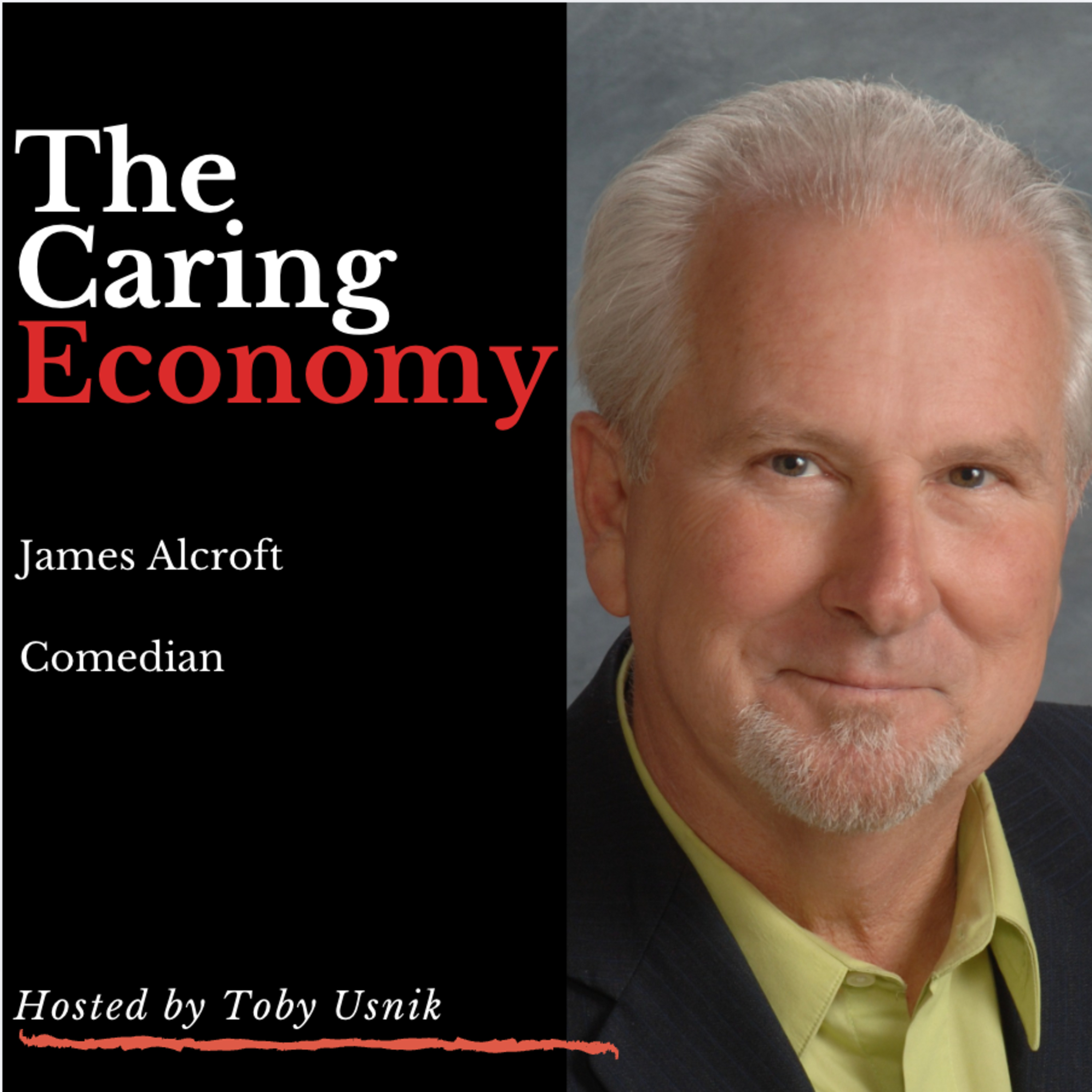
Jamie Alcroft, Organ Donation, and the Part of the Healthcare Conversation That Still Depends on Public Trust
4w ago00:42:13Tap to summarizeIn this episode of The Caring Economy, I speak with comedian, writer, and organ donation advocate Jamie Alcroft about the life that led him from comedy stages to transplant advocacy. Known for his years as part of the comedy duo Mack and Jamie, Jamie reflects on his career in entertainment, his experience living with severe heart failure, and the heart and liver transplant that changed the course of his life.The conversation focuses on the realities of organ donation in the United States, the myths that still keep many people from registering, and why public trust remains such an important part of the issue. Jamie also shares the story behind LAFF4LIFE, his program with Improv and Levity Live comedy clubs that offers free admission to registered organ donors as a way to raise awareness and encourage more people to say yes.It’s a conversation about survival, public education, and what it means to use your own story to make a difficult subject easier for others to talk about.
Transcribe →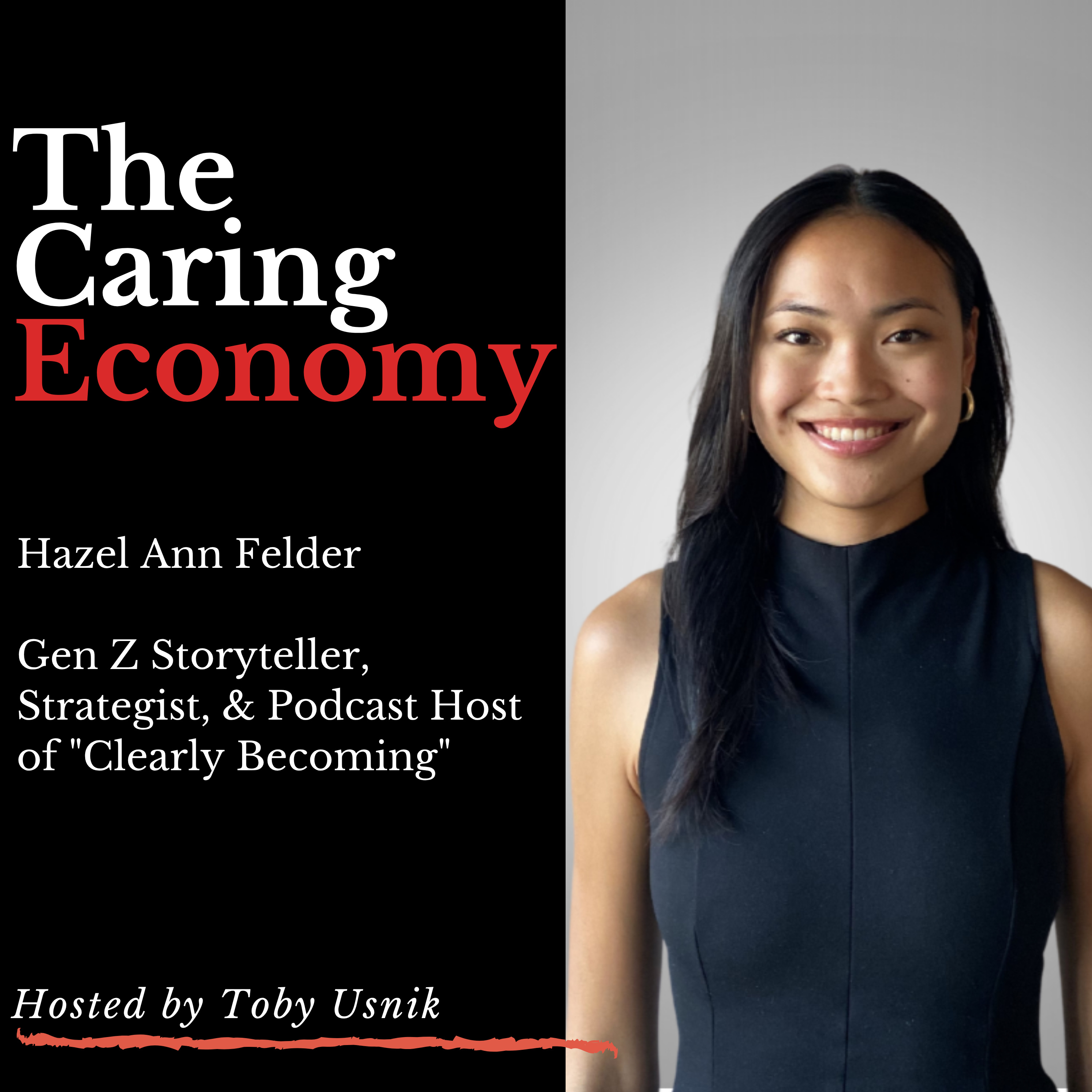
Why Hazel Ann Felder Is Paying Attention to the Messy Middle
May 1200:35:11Tap to summarizeIn this episode of The Caring Economy, Toby Usnik sits down with Hazel Ann Felder, a Gen Z storyteller and strategist whose work bridges fashion, business, and social impact. Hazel shares how being adopted from China and growing up across the U.S., Singapore, and the U.K. shaped her sense of identity, leadership, and belonging. The conversation explores her podcast Clearly Becoming, her perspective on career transitions and personal evolution, what frontline retail and brand work taught her about human behavior, and why Gen Z is approaching ambition, work-life balance, and AI differently from the generations before them. Hazel also reflects on networking, mentorship, and what it means to build a career while still figuring yourself out.
Transcribe →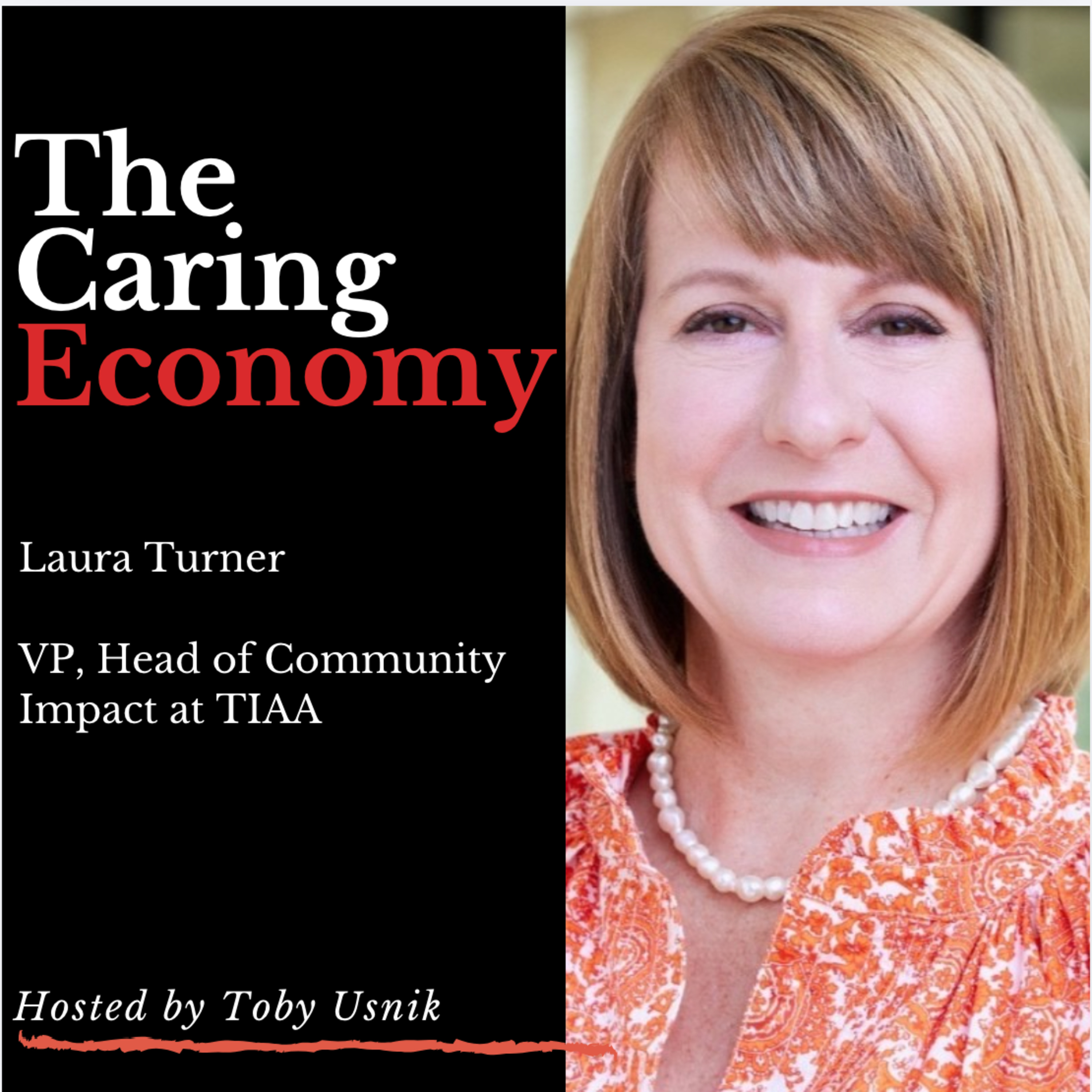
Laura Turner on Financial Security, First-Gen Students, and the Pressure Points Showing Up in 2026
Apr 1800:33:17Tap to summarizeIn this episode of The Caring Economy, Toby Usnik sits down with Laura Turner, Vice President and Head of Community Impact at TIAA, for a conversation about financial security, first-generation student support, and what community impact looks like inside a large institution. Laura reflects on her path from an entry-level HR role to leading community impact at TIAA, and discusses the company’s work on financial literacy, retirement education, scholarships, emergency funds, and partnerships that help students stay on track to graduate. The episode also touches on parenting, special needs advocacy, mentorship, and how TIAA is thinking about AI as a tool for upskilling and reducing repetitive work.
Transcribe →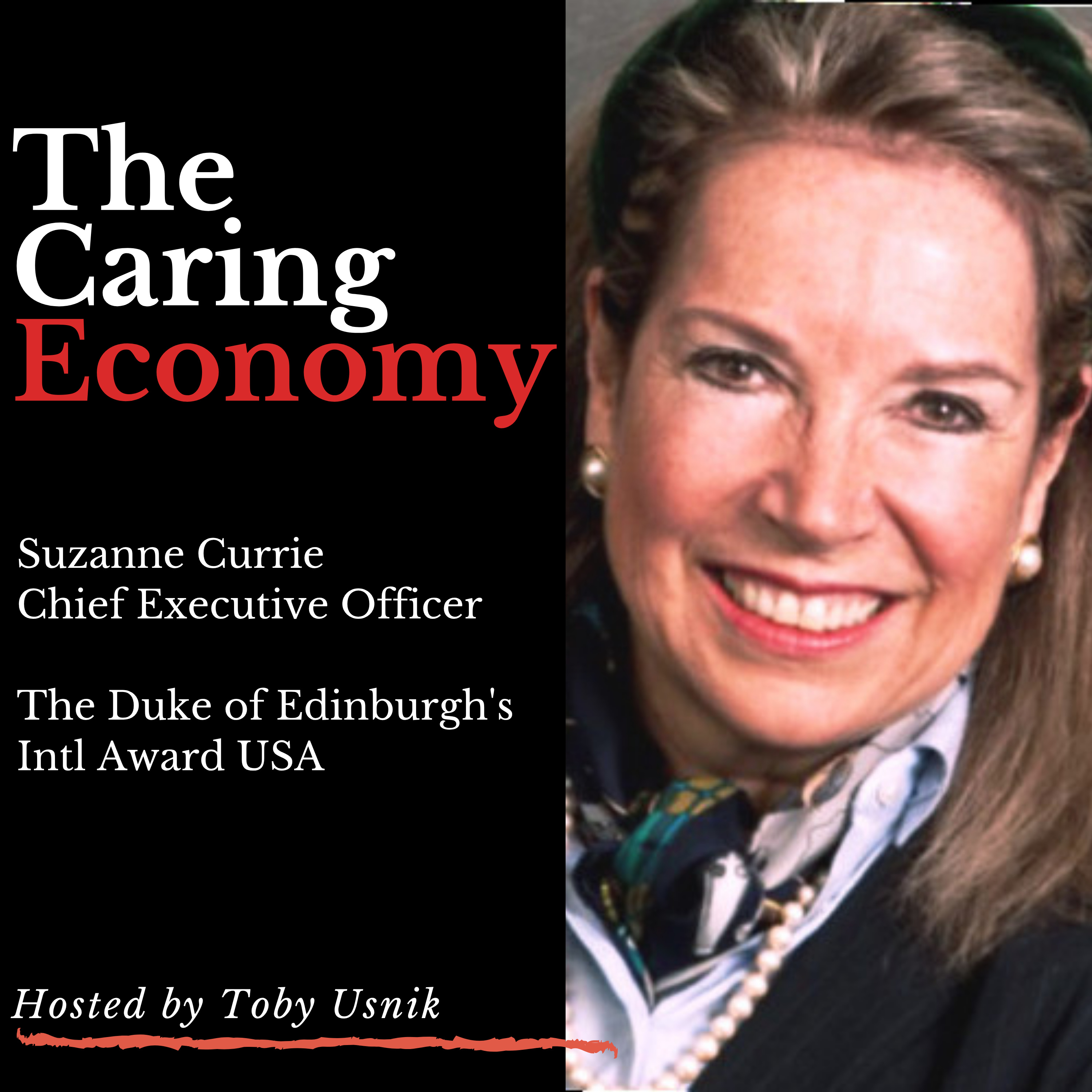
What Suzanne Currie Sees in Young People That Institutions Often Miss
Apr 400:37:36Tap to summarizeIn this episode of The Caring Economy, Toby Usnik speaks with Suzanne Curie, CEO of the Duke of Edinburgh International Award USA, about what young people actually need in order to build confidence, direction, and a sense of responsibility in the world. Suzanne reflects on her own path from finance and philanthropy into youth development, then walks through how the Award works across volunteering, athletics, skill-building, and adventurous journeys for participants ages 14 to 24. The conversation also looks at what it takes to expand opportunity in the U.S., especially for students who may not already have access, support, or exposure, and why that matters now more than ever.
Transcribe →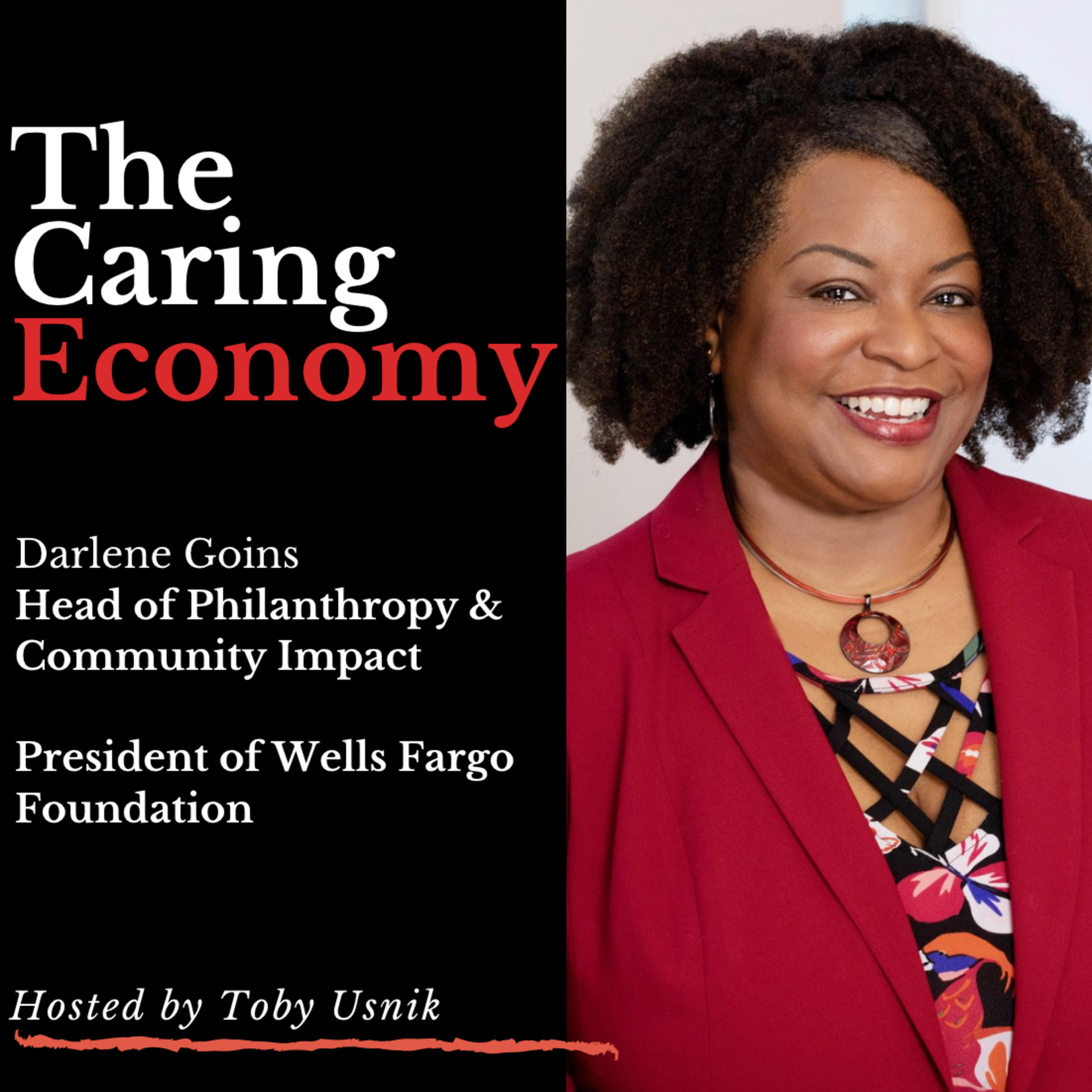
Darlene Goins, on Funding Decisions That Don’t Make Headlines
Feb 2000:21:15Tap to summarizeIn this episode of The Caring Economy, Toby Usnik sits down with Darlene Goins, President of the Wells Fargo Foundation.The conversation focuses on housing affordability, access to banking, and how philanthropy operates inside a large financial institution. Darlene talks about her background in engineering and data, the realities of financial inclusion, and why stable housing plays such a central role in community outcomes.This episode stays specific and grounded, covering how programs are designed, how partnerships work, and what leadership looks like when decisions affect people far beyond the room they’re made in.
Transcribe →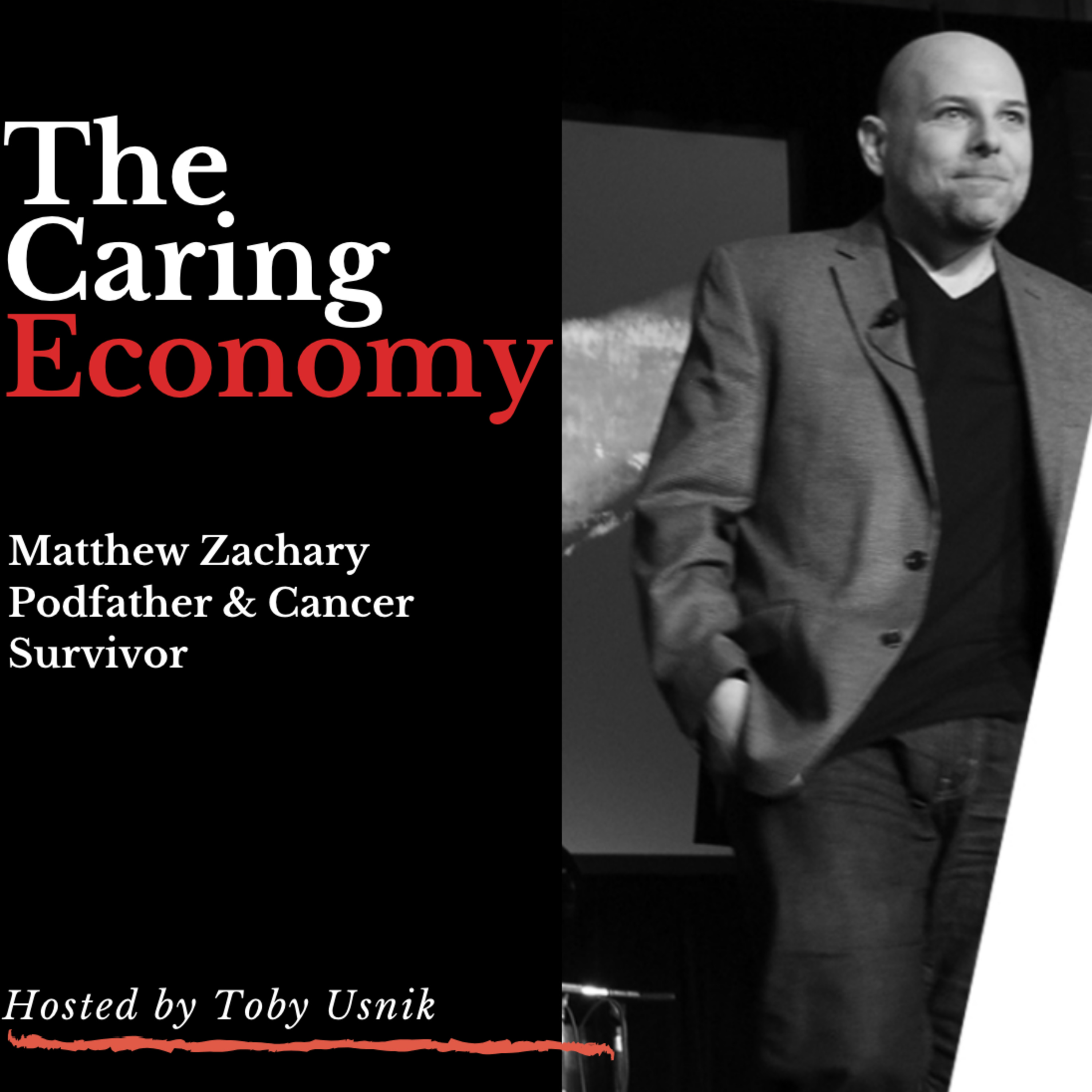
What If Cancer Survivors Were Organized as Power, Not Just Stories?Conversation with Matthew Zachary
Feb 1400:36:19Tap to summarizeWhat happens when survivorship turns into strategy?In this episode of The Caring Economy, Toby Usnik sits down with Matthew Zachary—30-year brain cancer survivor, founder of Stupid Cancer, and one of the most unfiltered voices in American healthcare.Matthew shares how a cancer diagnosis at 21 reshaped his life and led him from patient to founder, media creator, and advocate. Together, they unpack what’s broken in how the healthcare system treats survivors, where “patient-centered care” often falls short, and why oncology medical debt and nurse navigation remain urgent, unresolved issues.The conversation goes deeper into a bold idea: organizing cancer survivors and allies as a political and cultural voting bloc. Not as a slogan or moment, but as a real force capable of shaping policy, behavior, and accountability.This episode isn’t about inspiration. It’s about power, culture, and what becomes possible when lived experience stops being isolated and starts being organized.
Transcribe →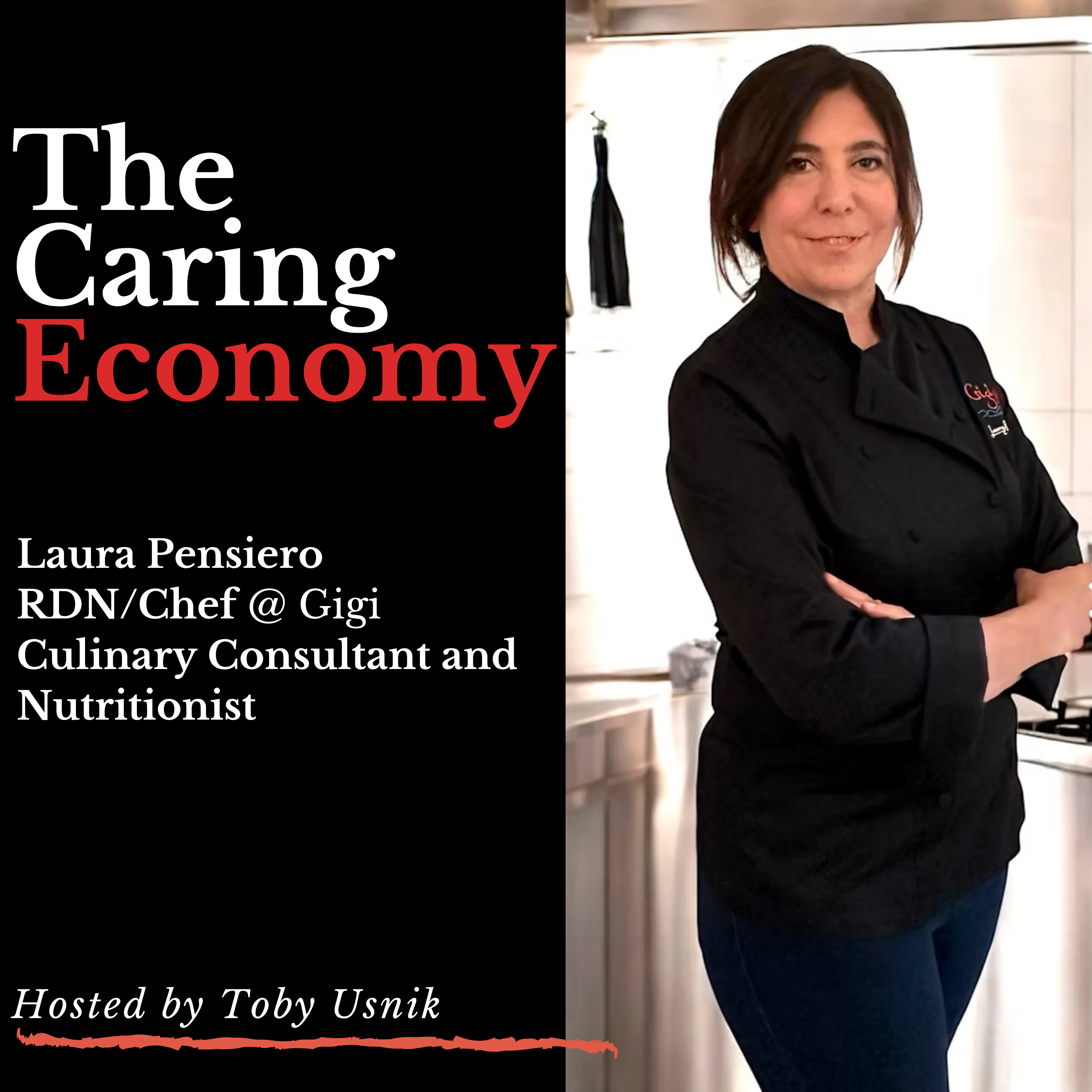
Food, Care, and the Rebellion Against a Broken System with Laura Pensiero
Jan 2800:30:13Tap to summarizeWhat if food were treated as care, not convenience?In this episode of The Caring Economy, we sit down with Laura Pensiero, a registered dietitian, chef, and leading voice in the Food Is Medicine movement, to unpack how nutrition quietly shapes nearly every outcome we care about, from long-term health to workplace resilience to healthcare costs.Laura shares her journey from the Hudson Valley to professional kitchens to collaborating with physicians at Memorial Sloan Kettering, where she helped translate clinical research into practical, everyday nourishment. We explore why dietary patterns like the Mediterranean diet continue to outperform trends, what precision and personalized nutrition could unlock next, and why food remains one of the most underutilized tools in modern healthcare.At a moment when health systems are strained, burnout is widespread, and prevention is finally entering the policy conversation, this episode asks a deeper question: what would it look like to build a system that supports care before crisis?This conversation is about food, but it’s also about leadership, systems, and rethinking what we value in a caring economy.
Transcribe →
Raising Humans, Not Expectations: Conversations with Leland “Lucky” Vittert
Dec 1200:32:09Tap to summarizeWhat does it take to build resilience when the world isn’t built for you?In this episode of The Caring Economy, host Toby Usnik sits down with veteran journalist and NewsNation anchor Leland “Lucky” Vittert to talk about his deeply personal new memoir, Born Lucky: A Dedicated Father, A Grateful Son, and My Journey with Autism.This is not a conversation about labels or diagnoses. It’s a conversation about parenting, perseverance, character, and what happens when a parent refuses to give up on a child. Lucky shares stories from his childhood growing up with autism, including bullying, isolation, and the intensive “training sessions” his father designed to help him navigate a world that wouldn’t bend for him.Together, they explore what resilience really looks like, why adversity can’t be edited out of life, and how discipline, love, and accountability shaped Lucky’s path from a misunderstood kid to a national news anchor reporting from conflict zones around the world.At a moment when conversations about neurodiversity, mental health, parenting, and polarization are front and center, this episode offers something rare: honesty without victimhood, and hope without platitudes.
Transcribe →Faith, Identity, and Public Trust with Father Patrick Ryan
Nov 2400:35:16Tap to summarizeToby Usnik speaks with Father Patrick Ryan about what leadership looks like when institutions face pressure.Drawing from his childhood in a working-class Staten Island neighborhood, Father Ryan shares how community care shaped his early ideas about service. Together, he and Toby explore themes that mirror many of today’s cultural and political dynamics: the search for transparency, the need for inclusive spaces, immigration and community advocacy, and the tension between institutional authority and lived experience.The episode stays close to the human side of leadership — listening, supporting, mentoring, and acknowledging complexity rather than rushing to certainty. In a moment defined by global conflict and shifting public trust, Father Ryan’s reflections offer a steady, practical view on what it means to lead with responsibility.
Transcribe →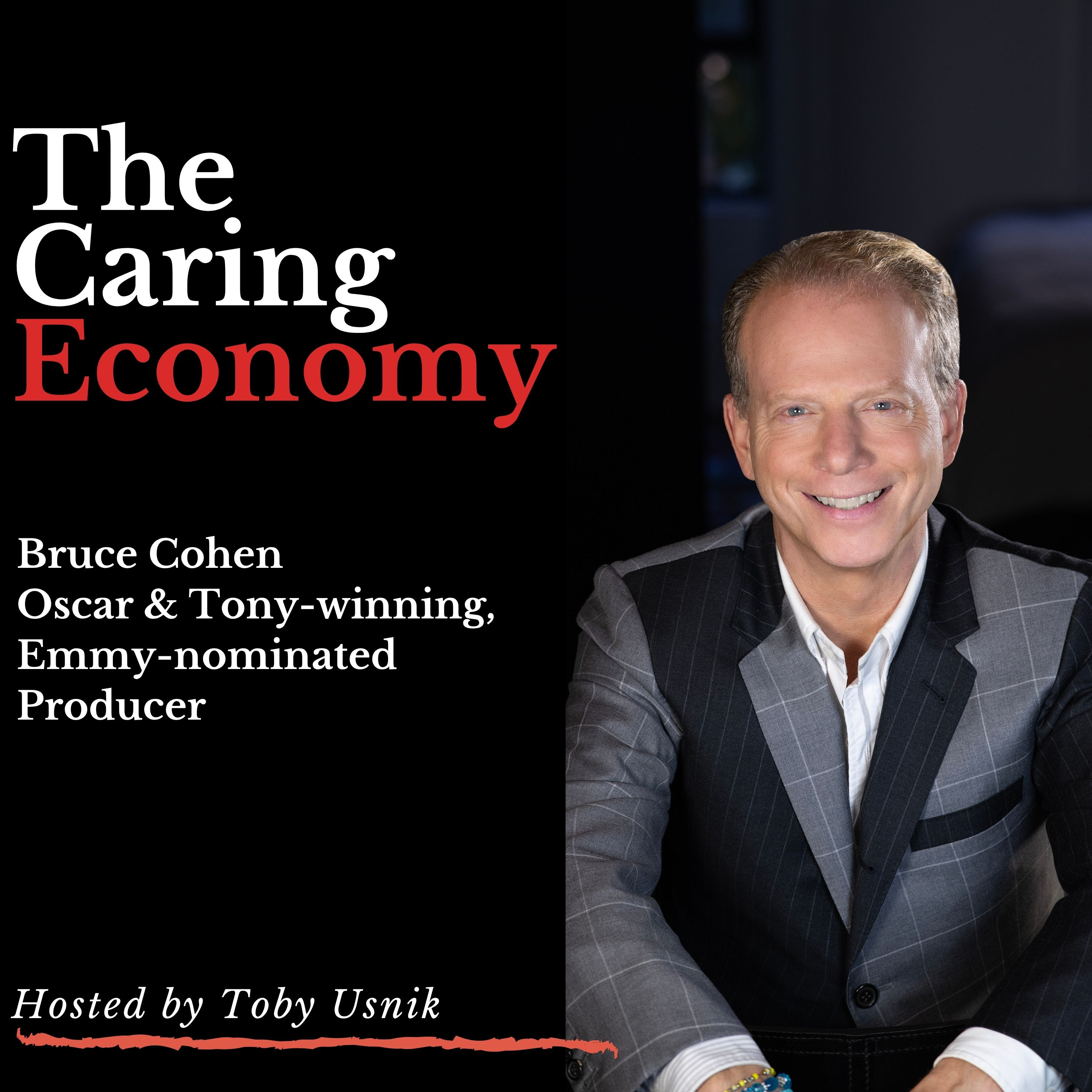
The Art of Listening Without Ego: Bruce Cohen on Storytelling and Democracy
Oct 1600:45:53Tap to summarizeHow do we tell stories that bring people together when everything else is pushing us apart?Oscar and Tony-winning producer Bruce Cohen, whose credits include American Beauty, Milk, Silver Linings Playbook, and Big Fish, joins The Caring Economy to talk about storytelling as an act of public service.In conversation with Toby Usnik, Bruce reflects on his life’s work — from mentorship under Steven Spielberg to receiving the National Medal of Arts from President Biden — and why he believes the arts are essential to democracy.Cohen shares lessons from decades in Hollywood and on Broadway about collaboration, empathy, and the courage it takes to create something that matters. He also warns of what’s at stake as the arts face renewed political scrutiny and funding threats.Tune in for a rare conversation on leadership, creativity, and how culture can still connect us in an increasingly divided world.
Transcribe →