← The Centaur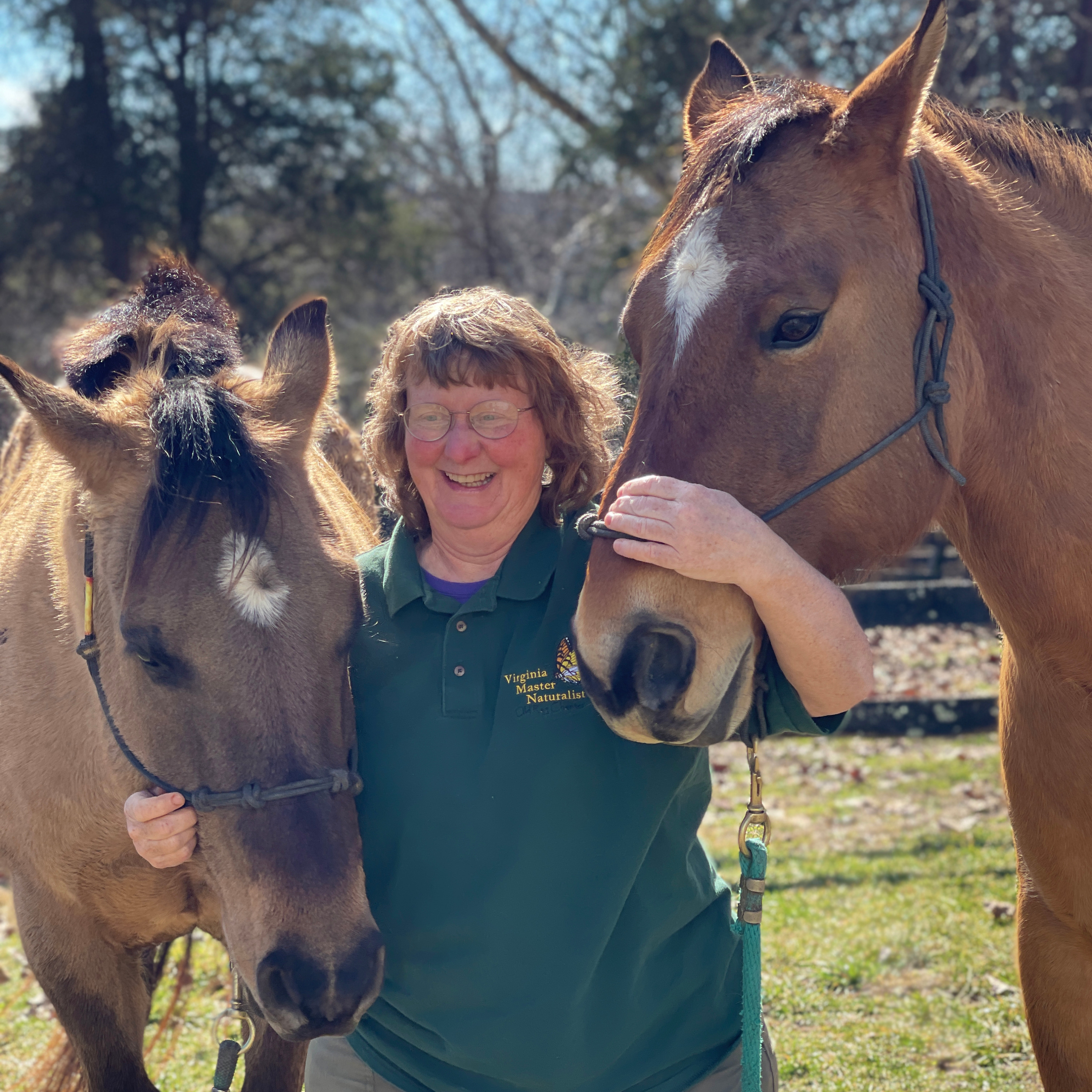
The Centaur
Integrative Equine Health with Joyce Harman
00:48:20
Dr. Joyce Harman is a retired veterinarian who holds certifications in acupuncture and chiropractic care, and has received advanced training in homeopathy and herbal medicine. She created Harmany Equine Clinic, a holistic equine practice where she...
Loading summary
Transcript95 lines
- [00:00]
Interviewer
Foreign podcast.
- [00:07]
Cameron Adibi
I'm Cameron Adibi, and together we will explore the fascinating world of horse human communication and the extraordinary connections they develop between our species. Join me as we delve into the unique ways humans and horses connect and understand each other. Through discussions with true innovators, we uncover the subtle cues, bonding techniques, and emotional connections that enrich our relationships with these remarkable animals. Whether you are a seasoned equestrian or simply curious about the language of horses.
- [00:40]
Interviewer
There'S something here for everyone.
- [00:42]
Narrator
This interview with Dr. Joyce Harmon was beneficial for two reasons. One, there's a shortage of veterinarians, and two, there are not many who specialize in integrative care. Joyce is a retired veterinarian who holds certifications in acupuncture and chiropractic care and has received advanced training in homeopathy and herbal medicine. She created Harmony Equine Clinic, a holistic equine practice where she treated all types of horses from backyards to Olympic caliber. She served as the past president for the American Holistic Veterinarian Medical Association. She currently offers Horse Healthmanship, an online holistic nutrition course. She is a nature photographer and a master naturalist. Sit back and enjoy the show.
- [01:30]
Interviewer
Hey, Joyce, thank you for agreeing to speak with me. Thank you to our friend Karen Tappadin, who connected us and she's been giving you high regards. That's no. And she's no slouch, so you've got quite a track record. You've been doing this for a lot of years. And I just, you know, read your bio a little bit and it. It sounded like you started in traditional practices and kind of quickly shifted into more holistic. Can you explain a little bit about that?
- [02:04]
Dr. Joyce Harmon
Thanks. Thanks for having me on. It's. I started, really got interested actually in acupuncture before I even went into vet school, and. But to become a vet, you have to go through the traditional kind of pathways. And so I went through the traditional pathways, but I always had this little question in the back of my mind, and so I got out of vet school and did some conventional work, but I just always felt like I wasn't really doing what I was meant to be doing.
- [02:39]
Interviewer
THEY INTERRUPT what year was that you got out of at school?
- [02:43]
Dr. Joyce Harmon
1984. Back in the dark ages.
- [02:46]
Interviewer
It wasn't cell phones.
- [02:47]
Dr. Joyce Harmon
There was no, no, no cell phones.
- [02:50]
Interviewer
Barely, barely Internet, you know.
- [02:52]
Dr. Joyce Harmon
Yep. Yeah, I got one of the early cell phones that was like a box this big.
- [02:58]
Interviewer
Yeah. Your computer was the size of a, you know, a couch, you know. Yeah. You actually had to look and read in books.
- [03:06]
Dr. Joyce Harmon
Yeah.
- [03:07]
Interviewer
It's incredible to think about that. So that's. That's. That's a long time. So, okay, 1984, that was. Which school again?
- [03:15]
Dr. Joyce Harmon
Uh, it was Virginia, Maryland Regional College. That was the first graduating class.
- [03:21]
Interviewer
You were.
- [03:22]
Dr. Joyce Harmon
I was, yeah.
- [03:23]
Cameron Adibi
All right.
- [03:23]
Interviewer
All right. Yeah. So sorry to interrupt. So, yeah, you had. You already had something in the back of your mind that was. You were curious about.
- [03:33]
Dr. Joyce Harmon
So I was. You know, I did. I went to England for a while and worked over there, and then I came back here into a conventional practice and just decided that that wasn't the place for me to be and started looking where I was going to relocate and came down to Virginia. And I had spent a lot of time in Virginia. I was raised in Washington, D.C. and set up the practice and found myself. Within a year, I took an acupuncture class. And that was the beginning of the end of Western medicine.
- [04:14]
Interviewer
So even then, there wasn't hardly any choices for acupuncture.
- [04:19]
Dr. Joyce Harmon
There was not a lot. There were a few of us doing it.
- [04:21]
Interviewer
Where'd you go to get your acupuncture class?
- [04:24]
Dr. Joyce Harmon
The International Veterinary Acupuncture Society. And they teach around the world, still teach veterinarians acupuncture. And then I. I studied chiropractic and homeopathy and herbal medicine and just kept. Just kept learning. Basically. I probably spent as much money on my alternative education as I spent on vet school, but I never. I refused to actually ever add that up.
- [04:57]
Interviewer
I hear you there as an educator. I hear you. We spend a lot of money. It's not necessarily a financial reward all the time. All the time.
- [05:06]
Dr. Joyce Harmon
But.
- [05:07]
Interviewer
Yeah, yeah. So you've. You're. I mean, I'm gonna dare say you're. You're kind of one of the early pioneers, at least in this part of the world.
- [05:14]
Dr. Joyce Harmon
Yes, I was definitely. I was kind of the beginning of. Of the wave of. Instead of having a class of, know, eight or 10 people, we had a class. Our first acupuncture class. I don't remember. We might have had 30 or 40. Not everybody has stayed with it, but those of us that did in those early 90s were. Excuse me, you can edit that part out. In the early 90s, many of us really became the pioneers.
- [05:53]
Interviewer
Yeah, you know, I'm just gonna have. Because I, you know, I. I do want to. I do want to. I'm always here to learn. You just yawned and that's, you know, that's a great sign. It's just like when a horse releases. Right. You're just kind of Relaxed there. That's. I don't take that personally, paying attention to what these horses have to offer us. And you seem like you do this so well, so. But we have to. You have to work with the humans, which, you know, this is that my experience is. That's the harder part for me personally. I don't know about you, but. So what kind of. What are some of the misconceptions that you. It's 2025, and we're still, like, working through some misconceptions about holistic equine care. What do you. What are some of the big ones you encounter?
- [06:36]
Dr. Joyce Harmon
It's what. What I find interesting, having been in it for so long. Back in the early 90s, I had people paying me in cash because they didn't want their spouse to know that they were spending money on a horse. Chiropractor definitely didn't want me to tell their veterinarian, God forbid that they had an. Another veterinarian.
- [07:00]
Interviewer
Oh, you're cheating. You have a mistress at this point.
- [07:05]
Dr. Joyce Harmon
Yeah, so, yeah, so I was. I was the shadow vet for quite a while, and that's pretty much gone. Most of the big practices now have an acupuncturist or a chiropractor on the staff, but it isn't all of what they do. It's just part of what they do. And for me, it was 100% of what I do. And so I. I just. Just got back from the gym, so my body's kind of settling down to relax.
- [07:39]
Interviewer
Good on you. You're already teaching me a lot of lessons right now. That's something I have to incorporate in my life.
- [07:44]
Dr. Joyce Harmon
And I. Yeah, yeah. You know, it's good to. To exercise the body and then the brain can relax and. But with the. The changes that are happening back in sort of the 2000s, I think many of us thought that what we like to call integrative medicine, which is really the integration of everything, because there are some really good things that Western medicine can do. When I had a ruptured appendix, I wanted that Western medicine hospital and the surgery and everything else that went with it, because we do have things that are useful. So integrative medicine, we thought would become the, you know, kind of mainstream. And it's kind of interesting because lately it's last 10 years, 15 years, when it. I would have thought it would really, truly be taking off. The next generation of the veterinarians, the next generation of the horse owners. I'm not sure exactly what it is, but in some ways it's Almost receding, or at least the people who are interested are very, very interested, but the rest of the world just doesn't seem to be as interested. The small animal world, they're doing a lot. They're doing a lot with rehabilitation. They're getting really advanced pain management and some very creative things in the very conventional side and at the same time incorporating some more acupuncture. But in the horse world, it seems a little bit more static.
- [09:39]
Interviewer
Yes. It's shocking and a little bit sad. It makes me sad. But, yeah, you know, again, I honor you and people like you that are doing this work and I. Because I found. I have found the value very quickly and the horses appreciate it. So you know how, you know, when you get a. A client that comes to you, I'm, you know, I'm sure, you know, people. Is it mostly. How do people find you? Mostly in word of mouth or.
- [10:10]
Dr. Joyce Harmon
There's a. There's a lot of word of mouth. I've done a lot of writing, have a lot of publications. So people heard about me there and I've maintained a website and I still maintain it. That's an educational place. So people who are looking for information often find me because there's a lot of information on the website.
- [10:33]
Interviewer
There is. You have a great website. Harmony Equine. That's a H A R M A.
- [10:39]
Dr. Joyce Harmon
N Y. H R M A N.
- [10:42]
Interviewer
Y Equinox com dot com. Yeah.
- [10:46]
Dr. Joyce Harmon
And if you, if you mistype it, it's play on my name. It's H M O N Y is the common way that people do it. I also think that is LinkedIn. Yeah, I think, I hope. Yeah.
- [11:01]
Interviewer
I'll put in the, you know, the end here too, as well, so people can find you. But, yeah, so somebody approaches you, you know, a client, new client approaches you. How do you. Who wants help with their horse? How do you. How do you start this process? You know, because a lot of these people, I'm guessing, are coming, you know, with more of a traditional mindset. What's. Yeah, what else. How do you, what do you. Prior to make a priority as you approach a new client and a new.
- [11:28]
Dr. Joyce Harmon
A new horse, the real key is to find out what's going on, what their goals are. Because everybody has different goals. You know, one person is goal is to try and qualify for the Olympics and they want absolute, you know, perfect performance from their horse. And the next person just wants their horse to be comfortable and happy and. And I actually did quite a few retired horses and the people just loved their horses and they wanted them to be comfortable in their later years and so. And then everything in between. Literally. I mean, many, many riding horses, performance horses at all levels, but in many ways, a lot of times the lower, lower level, I'm not sure that's the best word. But riders who are not headed for the Olympics, who are just riding and enjoying their horses, they may be competing and they may be doing it very seriously. They want their horses to be right. And many of those are very rewarding people to work with because they really just want the best for their animals and they want their horses to be comfortable. They want their horses to be happy. They don't want to be using a lot of drugs. And so my job is to find out what the, you know, what the goals are and then where the horse is and that how easy is it? What are we going to have to do to achieve those goals? You know, is it going to be a very simple two or three acupuncture, chiropractic treatments, or are we going to have to dive into health and nutrition and herbal medicine or homeopathics to bring that horse to full health?
- [13:18]
Interviewer
Yeah. Thank you. Yeah. You know, I've, I, it's. It's still, I think, the two fundamental truths I found in my short career. You know, we all love these animals, we all want the best for these horses, but how we do it is another question. How we maybe even project. I've seen this over and over where they owners will project their diet onto the horse. That's what their horse should be doing. It's like, what you crazy? That's exactly. I've seen this. I don't know if you've seen this, but the other one is, you know, I've heard this from somewhere. I read a lot. And you know, that it's really like. When you look at it, it seems like there's three kind of fundamental things, and that is the tell me what your thoughts are. But, you know, one is the regular consistency of diet, you know, since, you know, that's what they're designed so how their feed schedule is. And the other one is toxins. But the other one. And the. But the one that I think everyone seems to overlook is stress. And in humans, that's the number one killer for us. Those three seem like. I. That's how I kind of look at. Because I, by the way, I love working with the older horses. They're my favorite because the forgotten ones. And I have one I've been working with. He's been just a joy in my Life. And I don't own a horse, I never have yet. But I find these ones that are just kind of valueless, you know, they no longer have value to anyone. And I try to work with them, give them better lives. But yeah, there's so many people I think, you know, are looking at these externals. So I mean, in terms, can you respond to like the, the stress, the consistency of diet or forage and the toxins?
- [15:07]
Dr. Joyce Harmon
Those are, those are really the, the big issues that we deal with and people don't. And when I do, even my nutrition course, stress is actually a little piece of a com. Of a. It's an important piece of the component of understanding what we have to do for the horses. Because horses in Nature live in 10,000 acres and they migrate through the seasons, through the day, through the year, and they, they keep themselves healthy by doing that, by being active, by going up the mountainside to get grass coming down the hillside, to get water moving 20 hours a day. We take horses and we confine them. And even a 50 acre field is not 10,000 acres. It's confinement. And we bring them more and more and more confinement. Confinement is a huge issue that just adds that little bit of underlying stress. And then on top of that we have the stress of herd mates, which in nature, if you didn't like your herd mates, you'd kick them out, right? And here sometimes horses are stuck with horses they don't like, which can be a huge issue. And the, the confinement into paddocks and these days with horses that have so many issues with eating grass, we can't even turn them out in a five acre field. We end up keeping them in these small lots. So the amount of confined, what I call confinement stress is huge. And in many ways is not that different from people. What are we doing with ourselves? We're confining ourselves to our rooms and looking at our screens and we're confining ourselves to less activity. And so all the diseases and conditions that stem from that for any species, the cats and dogs, it's the same thing. And when people ask me how much I feed my cats, they're horrified at how much I feed them because. And these guys are not fat because they're out, they roam around, they're in the woods. And there are certainly people who feel that cats should always be inside. But my cats don't go out and eat birds. They go out and eat some mice and they roam around and so I feed them a tremendous amount. Horses are not roaming anymore. We're feeding Them concentrated food and basically a grass pasture that is grasses made for cows to eat and get fat on is the worst thing we can feed horses who are not working and we're not fattening them up for market. We want them to maintain their health. So back in the early 1900s, horses worked for eight hours a day and people rode for two and three and four and five hours a day. And out west, yes, there still are some horses that are on ranches and they're working eight hours a day. But the vast majority of horses are lucky to be ridden three days a week. And that's the only exercise they get. And if that exercise is in a flat arena, they're not getting any significant amount of exercise compared to what they would get in nature. So all of that piles onto the concept of stress and then leads into nutrition. Because most of the food we're feeding is genetically modified. Most of the food we're feeding is heavily processed. And much of it is. Even the hay that we're feeding has been sprayed or treated or the soil has been treated, and it is not very close to natural. In some ways, it's more natural than, say, processed dried kibble for a dog, but it's still been processed and it's all genetically modified. And that's leading to alterations in our microbiome. It's. It's leading to a lot of our poor health issues.
- [19:55]
Interviewer
I like how you said we, because it's. I would say, it seems like to me, we, humans and horses are in the same experiment right now. Look at the obesity rate in humans and look at the. Look how all these horses are all obese. At least where I live, they're all. And which leads to a lot of different health issues, which. And then like, just like us, then it gets harder and harder. But so, you know, I. Because I. I've had yelling matches and I've been not the one yelling, but about, hey, hay and grass and all this. But you know, you said over the phone when we talked first, you said something I love. It depends. And you know, come on. But you know, it, you know, obviously it's going to depend on what the horse's workload and their age.
- [20:46]
Dr. Joyce Harmon
But I mean, and their metabolism and their, Their history and. Yeah.
- [20:52]
Interviewer
So do you look. I mean, again, back to the externals. Do you look at. All right, let's keep this horse off grass. Or let's, you know, how do you look at this Hay. Grass. Because both are really, like you just said, are both human inventions for the horse.
- [21:09]
Dr. Joyce Harmon
Yeah, horses in nature eat a whole big variety of plants and they do not have a green grass pasture. They want grass in that variety, they have to work for it. And most places in the world that where horses are wild, there's not a lot of stuff to eat. And it may be that there's like you go out to some of the prairie lands and there might be a lot of grass in the summer, but there's nothing much in the winter. And so the horses are weight is regulated through lack of nutrition in the winter and then beautiful nutrition in the summer. So it's in looking at the horse that's you can often see kind of a lot of what's going on just looking at the outside, even before you've asked the history. But just the way the horses carry their weight and are they already obese? And then you know, is, is this person riding regularly and still has an obese horse or is this horse just hanging out and, or on the other side of the coin, we have horses that are really hard to keep weight on. And that can be, that can be age and it's okay to be skinny if you're old, but it also can be that their metabolic rate is higher. And we spend, we do spend a lot of time talking about the obese horse because that's way more common. But the people on the other side of the scale also struggle and trying to feed enough high quality food. And we're getting more organic foods, we're getting more availability of, of high quality foods. But if you want organic hay, that's a really hard thing to find. I was blessed all the years that I had my horses, that I had an organic hay farm. But that is not the case in many parts of the world. And getting organic or just clean non GMO feed is often incredibly expensive. And so the advantage to it, if you have one of these easy keepers, we call them, they aren't really easy to keep, but that's the, the name that, that came up back in the old days. We have an easy keeper. Then you only need to feed them. If you're going to feed them a little bit of grain or carbohydrate, you literally only need to feed them a handful. So a $40 or even a $50 bag of grain is probably going to last you a couple of months. That's not quite so painful as a horse that is either working really hard or requires a lot of food and you're going through that same bag in, in a week and then, then it becomes much more difficult and, and it's difficult to ship those kind of volumes and quantities around. So the challenges of feeding horses healthy food is very real. And it's probably in some ways even more difficult than it is when you have a 40 pound dog, you know.
- [24:39]
Interviewer
Yeah.
- [24:40]
Dr. Joyce Harmon
Or a 10 pound cat.
- [24:42]
Interviewer
Yeah, yeah, it definitely gets, it gets expensive very quickly as you pointed out. And it, you know, this is part of being a horse owner, but on the other side of it there's a way too many, I, I, you tell me, there's way too many non necessary supplements and, and added things. I don't know. There's the, the hay. You know, I get the hay tested, you know, I get one of the grain reps does it for free. Are there like certain things that are, are missing in a horse's diet? Thanks to our.
- [25:16]
Dr. Joyce Harmon
Yes, everything's missing in the horse diet, just about. I mean minerals are the biggest thing because most of our soil where our grains are grown are either treated with fertilizer which binds up the minerals because the soil is no longer healthy. And in order for minerals to be absorbed by the plants, the, the minerals have to be available in the soil, which means you need a nice mycorrhiza, which is the mushroom mycelium. You need, you need all the microorganisms that actually help bring the minerals into the plant. And so even if you're growing, even if you're getting good organic, heavy hay, there's a good chance that there's going to be minerals missing.
- [26:11]
Interviewer
And then seems like the top three are. What's what? Selenium, magnesium, calcium. Is that true or.
- [26:16]
Dr. Joyce Harmon
Well those are, those are common deficiencies.
- [26:20]
Interviewer
Okay.
- [26:21]
Dr. Joyce Harmon
But we're really needing, what we need is trace minerals. We need that whole big long list of trace minerals. Not in big quantities, but we need them. So we end up having to supplement to make up for the lack of trace minerals. The lack of, and you have the lack of trace minerals on one side and you have the genetically modified and heavily sprayed on the other side, which is affecting not only the microbiome of the soil, but the microbiome of the animal. And so the animals aren't necessarily absorbing what it is that you're feeding. And so you have to try and make that gut healthier and try and put better food in. And the big, the big, one of the biggest sort of elephants in the room in the horse world is a large percentage of the people who own horses in this country. And, and really around in the, in the sort of, I want to say civilized world where horses are not being Used for work. Most people board their horses at a stable where they don't have control over the food or the hay and, or even the amount that the horses graze. So we end up using muzzles a lot so that the horses can be out and graze some but have their feed restricted. And the whole process is, you add just this huge layer of complexity when you board your horse out. If you have your horse in your backyard, you can do all kinds of things. But if you have your horse boarded and they feed a certain feed, maybe you can buy your own feed on top of the boarding cost and have them feed it. But then you've just increased your costs enormously and many places won't do that because they've got a lot of horses and they, they've got a routine and, and many times the staff doesn't care too much. And so you try to give supplements, you try to give herbs, you try to treat them and that even that can be complicated. So we end up needing to supplement horses. If the horses are basically healthy, you feed them good quality forage of some sort and you feed them maybe a limited carbohydrate if they need it. And then you have to, once you've, once you have fed them that if they are really healthy, you leave it. That's it. Minerals. Yeah, keep minerals.
- [29:29]
Interviewer
Go ahead.
- [29:30]
Dr. Joyce Harmon
Porridge is the foundation of horse and, and horses in the wild will go find those mineral licks and, and eat the dirt. Yeah, we have to provide that.
- [29:43]
Interviewer
Oh, and I thought I've, I, I watched some of the horses, I love watching what they do. And they dig. I've seen them dig for, down in, in the pasture here in Massachusetts where I live. All right. Two fundamental things I heard you just say and you know, one, I think, I just want to tell me, you know, keep it simple, you know, don't over complicate it. But also it depends, you know, you gotta really listen to what that horse needs. That kind of. You follow those two?
- [30:10]
Dr. Joyce Harmon
Yes. And, and it depends on what stage of life they're in, what stage of growth, what stage of aging, level of activity. Maybe you're home for summer vacation because you're a teacher, you're going to ride all summer long is a whole different plan than if you, and then you go back to school in the fall and you ride on Saturdays.
- [30:35]
Interviewer
Right.
- [30:35]
Dr. Joyce Harmon
So you've just taken, you need a completely different approach to feeding for those two scenarios. You have a fox hunting horse, you ride them hard all winter, and those guys do get ridden a fair Bit. But in the summer they stand out in the pasture and have no activity. And we have lots of, with our year round horse shows. A lot of times horses don't get that break, which I think is a bit sad because I think horses need break from hard, you know, day after day competition or riding or whatever it is. That many sports don't have good seasons anymore. They can, you can keep going all year long. And that goes back to the stress factor 100%.
- [31:24]
Interviewer
I mean, yeah, this is back to the whole emotional, behavioral, you know how, you know that can be a big impact. But so I got to put a plug in too for your course, which I am very interested in taking the horse healthmanship online course you have off on your website, I believe.
- [31:46]
Dr. Joyce Harmon
Yes.
- [31:46]
Interviewer
Yeah.
- [31:47]
Dr. Joyce Harmon
And what I did with that and the healthmanship is kind of a play on words because people are always talking about horsemanship. And that's fine in the whole training side of things, but we need to look at the health side of things. And so what I've tried to do is that keep it simple, break down the whole concept of natural nutrition. And what I also did with it was take, break it down into bite sized pieces. Because the reality is who has time to sit down and listen an hour a day or three hours binge listening on the weekend? You don't, we don't. And the science shows that we don't learn that way. You listen, you take it in and you forget it next week. So what I do with that is a seven to ten minute session is one lesson and then you have an exercise to do with that lesson. And when you learn like that, you learn something, one piece of information and it's pretty intense. Some of these seven minute sessions you get a lot of information, but then you have to go out and look at your feed bag or look at your horse or measure something and see what it is that you need to do to apply it to your horse's situation. And in that way, you know, if you only see your horse, say on the weekends, you can save up all your exercises and still listen each day, but you only have to put in 10 minutes during the day. 10 minutes of sitting there looking at the screen. And we all do way more than that. But it's usually just scrolling through stuff.
- [33:42]
Interviewer
We are all addicts. Come on, let's be honest. These things, they're just so intrusive. But that's a great. You are an educator. I, I'm the same way. I get, I want to just give, get enough information so that People get curious and keep going on their own or on their own deep dive instead of, you know, force feeding. But yeah, so. All right, cool. Yeah, so that's definitely. I'm, I'm very interested in your, your online course, Horse Health Healthmanship. Very good. Clever. But yeah, so you are, I think as we speak going on right now, you've been participating in this equine vaccine holistic care conference and you know, big, another big topic, you know, vaccines, you know, and I did listen to one of your other interviews. You know, you asking, you know, you get guilted if you even, even try to attempt to ask your vet about should I vaccine? And, and people in the barn will guilt you such, you know, such a, a big time, so heavy, so emotionally charged. But you know, you did say, you know, in your interview with this other person, you know, maybe instead of asking their vet, should I vaccine, should I vaccinate, maybe ask them how many cases of X, Y and Z in your area. So you're really starting again, ask the questions, start getting curious. But I just have to ask the bold question. How do you, how do we need to rethink vaccines?
- [35:14]
Dr. Joyce Harmon
Definitely turn up at that conference. There's all kinds of different people that are going to be speaking, but there is what we need to do instead of automatically vaccinate for everything under the sun is step back. What is present in your area? I live in an area where rabies is a reality. And we have had some years or some two or three year periods of time where rabies has been a serious problem. We don't hear too much about it right now, but it will probably cycle back. Rabies is life threatening to the horse. It's life threatening to the human who handles the horse. So that becomes a vaccine to be very interested in in an area like I live in. But there are parts of the country where rabies just doesn't exist. So there's no point in vaccinating for it. And that is true for almost every disease. Go out to the coast here in Virginia and we have, we have eastern encephalitis and we have West Nile. You come into the mountains where I live, Eastern encephalitis is pretty much gone. Unless this is where you have to be thinking and learning. If we've had a hurricane come up through from the south and the coast, which has encephalitis in their mosquito population and that comes inland, we could have encephalitis inland, at least for the next few years. So depends. And so I had a client that went to the Rocky Mountains every summer. And so we would check the vaccine titer for western encephalitis. The area she went to had some history with western encephalitis. We don't have western encephalitis in the east and they don't actually have much of it out west, but they do have it. So for the, for her that was an important piece of information because she went to an area where that can be a problem. If you're up in the north, you're probably not going to have too much. There are some pockets of western of West Nile in some odd places. But if you're not in one of those pockets, I think New York State has a pocket of it somewhere. If you're not in one of those pockets, but you're going to ship down to Florida for the winter season, you are walking right into an area where west Nyland encephalitis can exist. And if they're having a even semi warm winter, you can actually have that mosquito activity. And so maybe you want to look at the titers that your horse had instead of just vaccinating them. But a lot of vets don't know how to interpret the titers and so they don't want to do that. So they'd rather just vaccinate them because they understand that part of it.
- [38:39]
Interviewer
Yeah, they, this definitely the common theme in my area is, you know, springtime, time to vaccinate. And you know, hey, anyone who's making a living, it's a, it's a hard job to make a living in the equine world. But the vets, you know, they just make their money with the vaccinations. They're this jab, jab, jab, jab. And they don't even, they don't, you know, and you can't, you can't question most of these guys. Most of these vets, not women too, by the way. So it's a, it's, it's a culture we were in.
- [39:11]
Dr. Joyce Harmon
It's a culture that, that we have created and we have as veterinarians, since I am one, I can say thank you. As veterinarians, we have created the culture that we build our practice based on vaccination, not on physical exam and our brain. And so people are going to take their dog into the vet for shots. You're not, you don't take your dog into the vet for a physical exam. That's not the words we use. We are going to have the vet out to vaccinate Our horses. We're not saying, I'm going to have the vet out to do physicals on everybody. And by the way, we'll vaccinate, you know, whatever we need for. And so we have created this vaccine culture and we are, we live in it with our. On the human side.
- [40:13]
Interviewer
Absolutely.
- [40:14]
Dr. Joyce Harmon
Quite a few years ago, I think I counted it up. 44 vaccines that a kid gets before they go to school.
- [40:19]
Interviewer
Exactly. Yeah. It's, it's again, it's. Can we start asking questions? That's the one. And I think you're really pointing that out, you know, and really like ask, what does your horse need? Like, so I, so I work with, I work with minis. Oh, boy, I love the minis. I didn't know much about them until I started where they are. I find the most misunderstood horse in my short experience. But I'd like to hear your thoughts. So I have three minis I work with. They're all. Yeah. And guess what? Two of them are overweight. One's an older one who's just, you know, maintaining because, you know, he struggles mostly because he has troubles eating, but he has Cushings and the shots come out, you know, and so first of all, is. Cushions a death sentence. And second of all, I want to hear a little bit about the Minis.
- [41:09]
Dr. Joyce Harmon
In your experience, Minis are really cute and they're, they're being. Technically, they are horses that are not. Not ponies. Don't you dare call them ponies. But they do have some of the pony characteristics in that they, they are very easy to get. They're very efficient with their eating, very easy to get fat, and very prone to the, the disease conditions associated with obesity. And many of our more desirable pleasure horses have the same types of genetics that they're just easy keepers and, and prone to insulin resistance and laminitis and all those complications. Cushing's itself is. I don't even like the word. I think the PPID is a better acronym for it. But Cushing's is what is in the vocabulary and it will probably stay for at least another 20 years.
- [42:12]
Interviewer
Is that because there's probably some, some guy who invented or just first found it? Is that why it's Cushing's? Why is it Cushing's?
- [42:18]
Dr. Joyce Harmon
I. I can't even remember. Probably. Probably.
- [42:22]
Interviewer
So when you get, you go to the vet, you do ask for a PPID blood test, correct?
- [42:27]
Dr. Joyce Harmon
Yes. And, and there is, in the literature, people are talking about PPID instead of Cushing's, but it takes 20 years to change. So it took 20 years for Cushing's to get into the literature, and it'll take 20 to get it out. But a lot of that is a hormonal imbalance. And what do we have in our soils and our feed is we have herbicides and pesticides, which are all estrogenic compounds. They're all hormone disruptors. So we are helping create these hormonal imbalances. And if you look at the pituitary gland, which is the easy way to think about the pituitary gland, which is what's involved in Cushing's, technically, it's the grandmother of the hormonal system. And so it does the reg, a lot of the controls, a lot of the regulation of the hormonal system. For one thing, when. When it gets old, grandma gets old and doesn't supervise quite so well. And for many horses, that's the main issue. And all you have to do is support those systems, which we can do herbally in many, many cases. And I use both Chinese herbs and Western herbs for things like that. So it's not a death sentence. Conventionally, the drug that's used doesn't correct the problem. So eventually it just continues to get worse. You're just maintaining. You're helping with either symptoms or with the blood numbers, but you aren't necessarily reversing or supporting the rest of the horse.
- [44:26]
Interviewer
And this is where traditional seems to kind of go off track.
- [44:28]
Dr. Joyce Harmon
They.
- [44:29]
Interviewer
They look at the sim, they treat the symptoms, not the cause. And so, yeah, this mini is getting a shot every five weeks, you know, and it's not looking at the cause.
- [44:39]
Dr. Joyce Harmon
Right, right. And not supporting the rest of the body.
- [44:43]
Interviewer
Yeah. Yes. So, yeah, I think it's, again, it's education, getting curious, asking and, you know, hopefully finding people like you. So we just kind of finish up here, really. Thank you so much. I'm learning. I'm learning a ton. I do. I do want to get. And you have books, you have a great. You have a shop on your website as well, from different products. But looking forward, I mean, where. Where we just. You did touch upon it earlier, it's kind of regressed. But where do you see the field, the integrative health, equine health field kind of heading in the next, you know, five, five, ten years.
- [45:21]
Dr. Joyce Harmon
I'm not really sure. I. I think it's going to probably remain fairly static in numbers of practitioners as many of us older ones retire, the younger ones, you know, they. It takes time to learn all this stuff, and. And we do have this generation of those of us that started in the 90s that are retiring. And it's hard sometimes to find a person to mentee and pass that information on. So I'm hoping that it continues to grow. I suspect it's going to stay a little bit more static with, you know, some good practitioners, but not, I don't think it's going to infiltrate. The true holistic thought process is not going to infiltrate veterinary medicine as. Or equine medicine as much. I think it'll just be a piece of it. Acupuncture and chiropractic getting very. A lot of press and, and used a fair amount. But the holistic approach to health is still. It's going to be driven by the horse owners.
- [46:45]
Interviewer
As usual, the horses are just waiting patiently for us to kind of pick it up. Pick up. You know, there are teachers. There are teachers. Yeah. You no longer. I think you said your last horse. You, you no longer horse. I have any horses in your life?
- [47:01]
Dr. Joyce Harmon
Don't. Don't have any horses directly in my life, but there's plenty around if I need a horse fix.
- [47:07]
Interviewer
Good. Well, Joyce. So, yeah, I'm gonna, I definitely want to talk to you more. I'm gonna talk to you more about the, the horse healthmanship. I think that'd be very, very cool. And it is.
- [47:19]
Dr. Joyce Harmon
It's.
- [47:19]
Interviewer
To me, it's not an option. It's. It's a necessity. You know, these horses need this kind of attention. So I'll be talking to you more. But yeah. So again, Harmony Equine. H A R M A N Y Equine dot com. Correct.
- [47:35]
Dr. Joyce Harmon
Yes.
- [47:36]
Interviewer
Okay, good. And. And then. Yeah, the conference. Yeah, and then the conference. Equine vaccine and holistic care conferences. I think you can go on right now. Thank you.
- [47:46]
Dr. Joyce Harmon
All right, thank you.
- [47:48]
Cameron Adibi
Thank you for joining the episode, this episode on the Centaur Podcast. I'm Cameron Adibi again and please check out my website to learn more about what I do@cameron.com that's C-A M R O N D Adibi.com. i hope you enjoyed this discussion and gained some valuable insights. Don't forget to subscribe and tune in next time for more engaging conversations. Until then, take care.
- [48:20]
Interviewer
Of.