Podcast
The Charlotte Ledger Podcast
Hosted by The Charlotte Ledger · EN
We talk with Charlotte leaders about important and interesting issues, with an eye toward making you smarter, telling you things you don’t know and introducing you to people with insights about trends in Charlotte.
www.thecharlotteledger.com
www.thecharlotteledger.com
14episodes
Episodes
Newest firstAll episodes
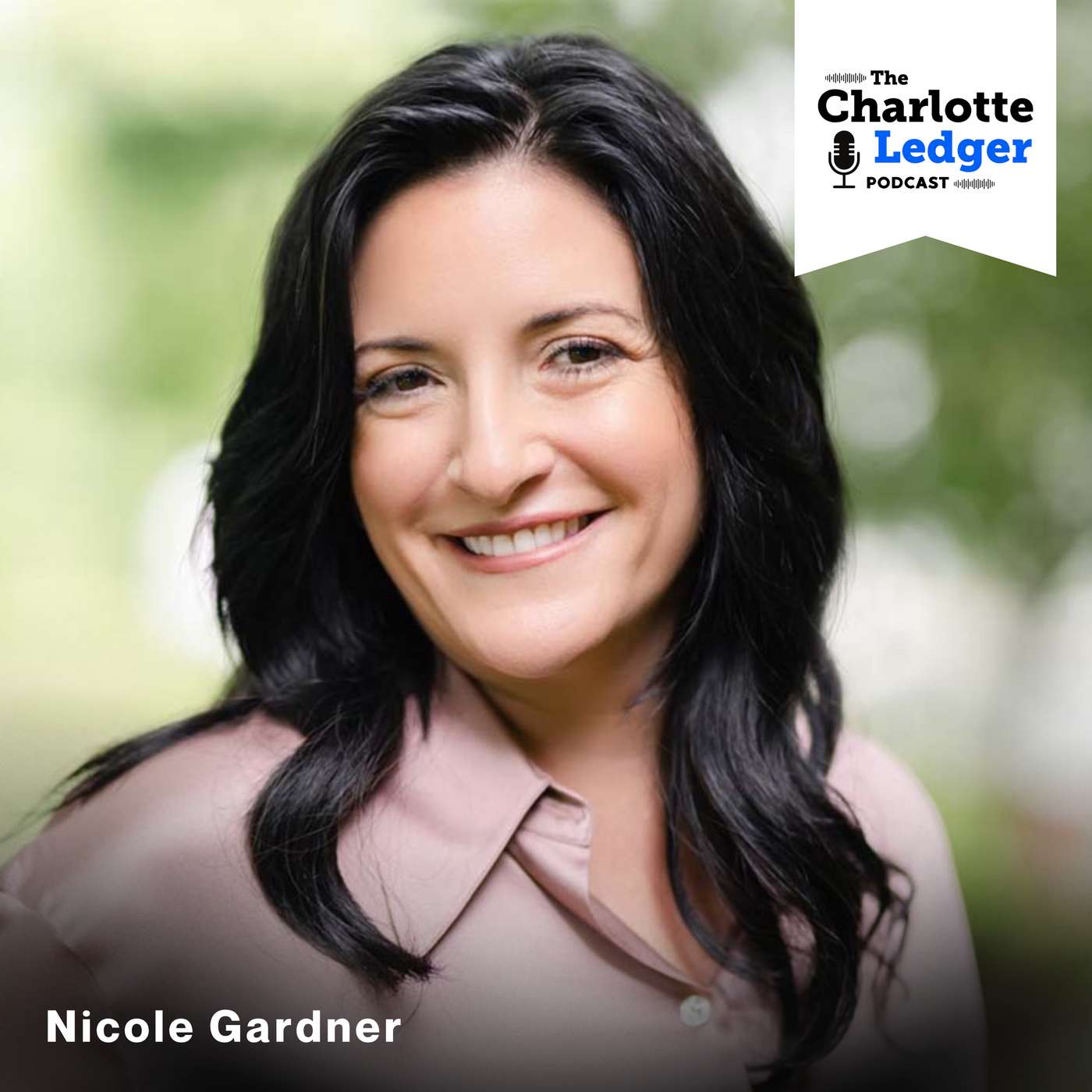
Rethinking what a law firm can be, with Nicole Gardner
1w ago00:34:55Tap to summarizeWhat if a law firm looked less like a traditional office and more like a creative studio?That question helped shape Gardner Skelton PLLC, where colorful murals, collaborative workspaces, office dogs and a renovated former chocolate factory reflect founder and CEO Nicole Gardner's belief that better environments create better lawyers. Gardner says fostering creativity, supporting mental health and building a strong workplace culture ultimately leads to better outcomes for clients. But the conversation goes well beyond office design. In this episode of The Charlotte Ledger Podcast, Gardner discusses the evolution of her legal career, mentoring young attorneys, balancing leadership with client work, giving back to the Charlotte community and why she believes the city's entrepreneurial spirit continues to make it an exciting place to build a business.Nicole Gardner was recognized as one of The Charlotte Ledger's 40 Over 40 honorees. This episode of The Charlotte Ledger Podcast is hosted by Steve Dunn of Miles Mediation & Arbitration. This episode was produced by Lindsey Banks. For more information on The Charlotte Ledger, go to TheCharlotteLedger.com.
Transcribe →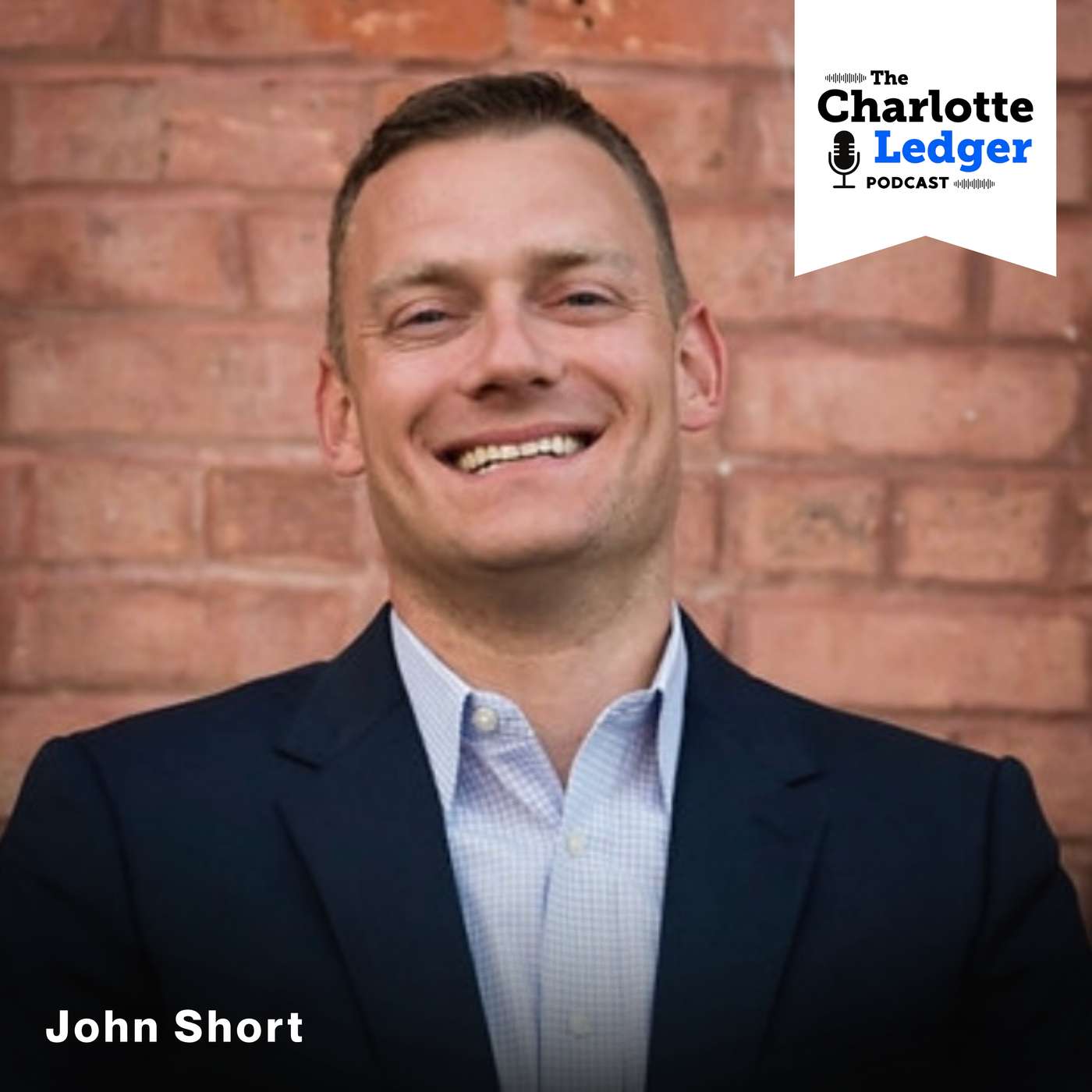
The hidden history of Charlotte's neighborhoods, with John Short
2w ago00:33:12Tap to summarizeCharlotte is often criticized for not having much history. Old buildings have given way to new development, neighborhoods have transformed and many longtime landmarks have disappeared from the skyline.But according to local history writer John Short, Charlotte hasn't lost its history — it's simply hidden in plain sight. From Eastover's origins as the city's first automobile suburb to the remarkable story of Grier Heights, one of Charlotte's oldest Black communities, the city's neighborhoods reveal how transportation, housing, race and economic growth have shaped the Charlotte we know today.In this episode of The Charlotte Ledger Podcast, Managing Editor Ashley Fahey talks with Short, the author of The Ledger's new "Love Thy Neighborhood" series, about why neighborhood history matters, the surprising stories hiding around Charlotte and how understanding where the city has been can help residents make better decisions about where it's headed.This episode was recorded live at The Sharon at SouthPark on July 13, 2026. This episode of The Charlotte Ledger Podcast was produced by Lindsey Banks. For more information on The Charlotte Ledger, go to TheCharlotteLedger.com.
Transcribe →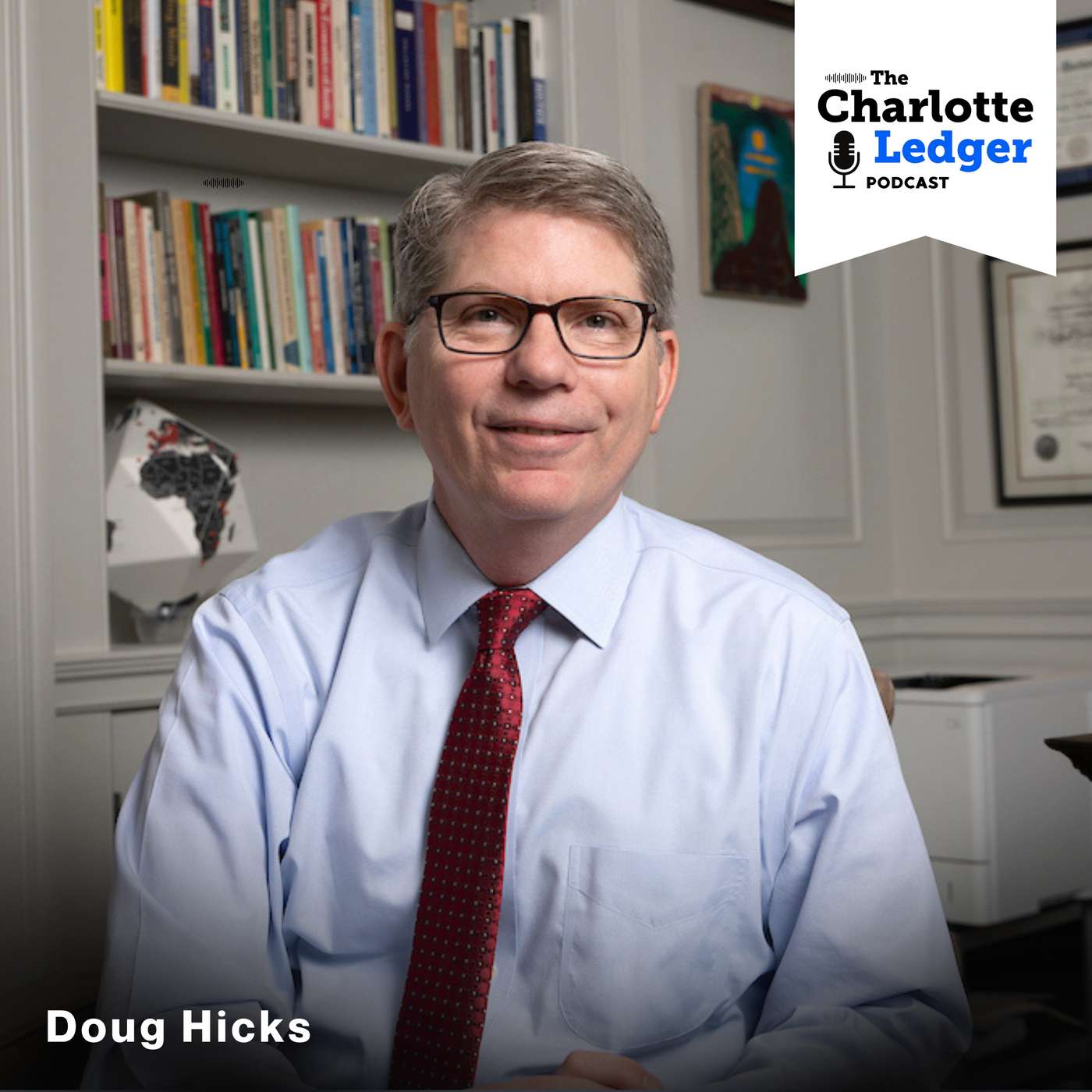
How Davidson hopes to make college more affordable, with Doug Hicks
3w ago00:28:07Tap to summarizeFor years, the rising cost of college has led many families to question whether a four-year degree is worth the investment — and whether elite private colleges are financially out of reach altogether.Davidson College hopes to change that perception. The school recently announced one of the most generous financial aid programs in its history, promising that students from families earning less than $85,000 annually can attend at essentially no cost, while many middle-income families will qualify for free tuition. College President Doug Hicks says the goal is simple: make Davidson more accessible to talented students who may never have considered applying because of the price tag. But affordability is only one challenge facing higher education. Colleges are also navigating demographic shifts, skepticism about the value of a degree, the rapid rise of artificial intelligence and questions about how to prepare students for careers that may not yet exist.In this episode of The Charlotte Ledger Podcast, summer reporting intern Cooper Hall talks with Davidson College President Doug Hicks about the college's new financial aid model, why he believes liberal arts education remains relevant and how Davidson is positioning itself for the future. This episode of The Charlotte Ledger Podcast is sponsored by Crimson Park Digital. Get your brand seen, capture demand, and turn attention into revenue, now. Visit CrimsonParkDigital.com to get started.This episode of The Charlotte Ledger Podcast was produced by Lindsey Banks. For more information on The Charlotte Ledger, go to TheCharlotteLedger.com.
Transcribe →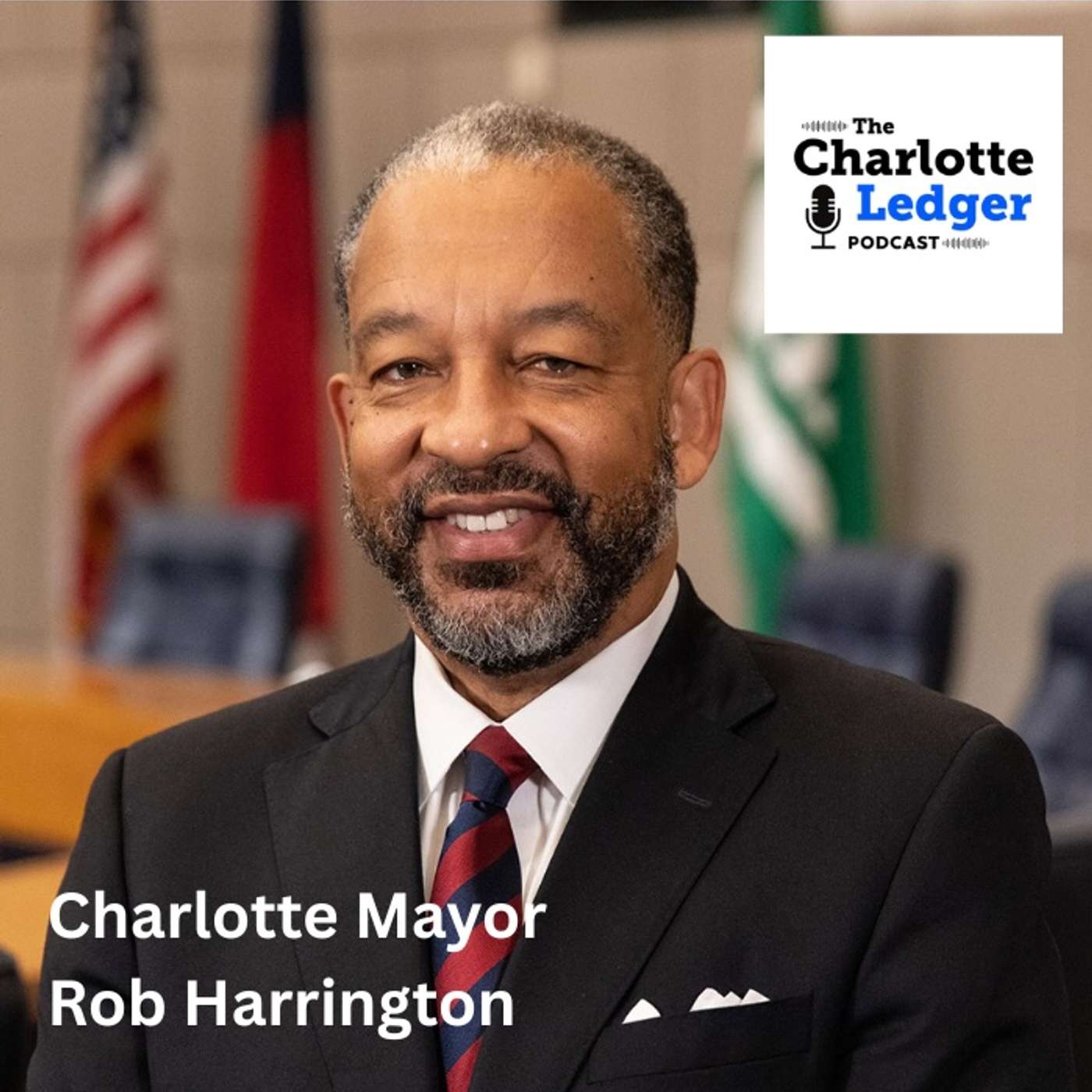
A chat with Mayor Rob Harrington
4w ago00:12:43Tap to summarizeCharlotte has a new mayor at a pivotal moment. The city is closing in on 1 million residents, wrestling with questions about growth, affordability and transportation, and navigating political divisions over how to shape its future. Just days after taking the oath of office, Mayor Rob Harrington sat down with The Charlotte Ledger's Ashley Fahey to talk about how he plans to lead through those challenges — and what kind of city he hopes Charlotte will become.In a wide-ranging conversation, Harrington discusses his first days in office, why he believes business and community interests shouldn't be viewed as opposing forces, and how Charlotte can continue to grow while creating opportunity for longtime residents. He also shares his views on building trust within City Council, the importance of Charlotte Douglas International Airport, investing in affordable housing through the city's Housing Trust Fund, and why partnerships among government, businesses and nonprofits have long been one of Charlotte's greatest strengths.The interview wraps up with a lighter round of rapid-fire questions: Harrington reveals the Charlotte institutions he'd show a first-time visitor, the cities he admires, what he thinks leaders don't talk about enough and why he wants Charlotte to become a national model for how fast-growing cities can thrive without losing what makes them special.This episode of The Charlotte Ledger Podcast was produced by Tony Mecia. For more information on The Charlotte Ledger, go to TheCharlotteLedger.com.
Transcribe →
Charlotte's new political era
Jun 2600:22:12Tap to summarizeCharlotte's political landscape is shifting.Mayor Vi Lyles is preparing to leave office after nearly nine years, a new mayor is stepping in and City Council is wrestling with some of the biggest issues the city has faced in years — from I-77 toll lanes and airport negotiations to data centers and the future direction of city government.On this week's Charlotte Ledger Podcast episode, Tony Mecia is joined by WSOC-TV reporter Joe Bruno and WFAE reporter Steve Harrison for a wide-ranging conversation about what this moment means for Charlotte. The trio breaks down why City Council selected lawyer Rob Harrington as mayor, what kind of leadership style he is expected to bring and how his relationship with an increasingly independent City Council could shape major decisions over the next 18 months. They also discuss Mayor Vi Lyles' legacy, the possibility of future leadership changes at City Hall and the political dynamics that could define Charlotte's next chapter.Whether you closely follow local politics or just want to understand what's happening at City Hall, this episode offers an inside look at one of the most consequential moments in recent Charlotte government.Today’s episode of The Charlotte Ledger Podcast is sponsored by Child Care Search, a service of Child Care Resources Inc. Looking for child care? Our team provides guidance every step of the way! Search online at www.FindChildCareNC.org or call 1-888-600-1685 for live assistance and free, customized referrals.This episode of The Charlotte Ledger Podcast was produced by Lindsey Banks. For more information on The Charlotte Ledger, go to TheCharlotteLedger.com.
Transcribe →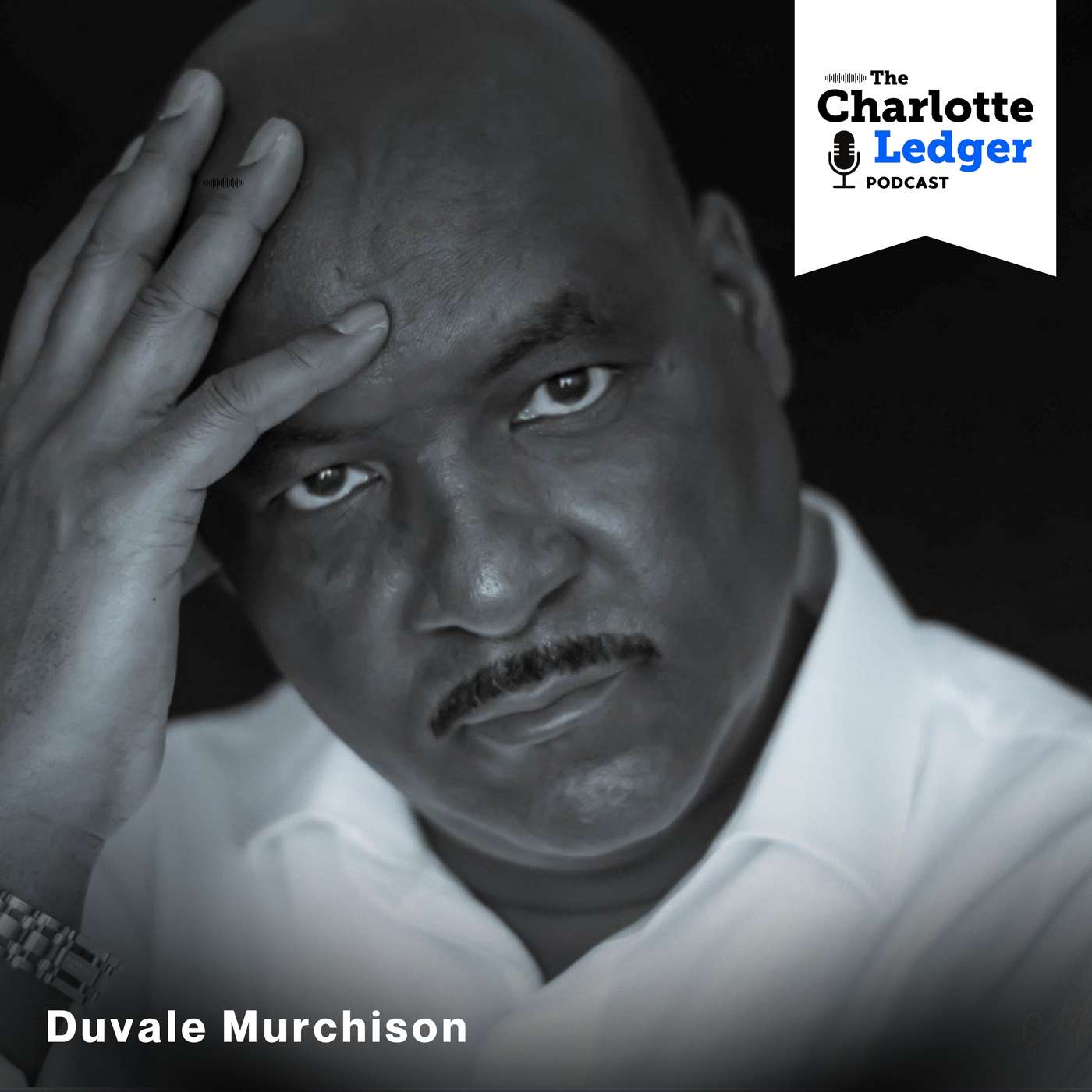
Everybody's moving to Charlotte, with filmmaker Duvale Murchison
Jun 1900:33:51Tap to summarizeThe Charlotte region adds roughly 150 new residents every day, but beyond the statistic are thousands of individual stories about why people choose to make the region home.In this episode of The Charlotte Ledger Podcast, Ashley Fahey talks with Charlotte filmmaker and videographer Duvale Murchison about his new micro-documentary series, "150+ A Day: Everybody's Moving to Charlotte." Inspired by the region's rapid growth, the project captures candid conversations with transplants from across the country — and around the world — about what brought them here, what surprised them and how Charlotte has changed their lives.Murchison shares how a chance visit to Charlotte in 2014 convinced him to relocate from Michigan, why he believes the city offers a unique blend of opportunity and quality of life, and what he's learned from interviewing dozens of newcomers. From New Yorkers who say Charlotte helped them slow down to international residents discovering the Queen City's culture, the conversations paint a portrait of a region that continues to evolve.Check out "150+ A Day: Everybody's Moving to Charlotte" on Murchison's YouTube channel. This episode of The Charlotte Ledger Podcast is presented by PBS Charlotte's Unspun program. Wondering what politicians are thinking but not saying? Watch PBS Charlotte Fridays at 8 p.m. as former Governor Pat McCrory delivers no-spin answers. Stream anytime on demand at wtvi.org/unspun.This episode of The Charlotte Ledger Podcast was produced by Lindsey Banks. For more information on The Charlotte Ledger, go to TheCharlotteLedger.com.
Transcribe →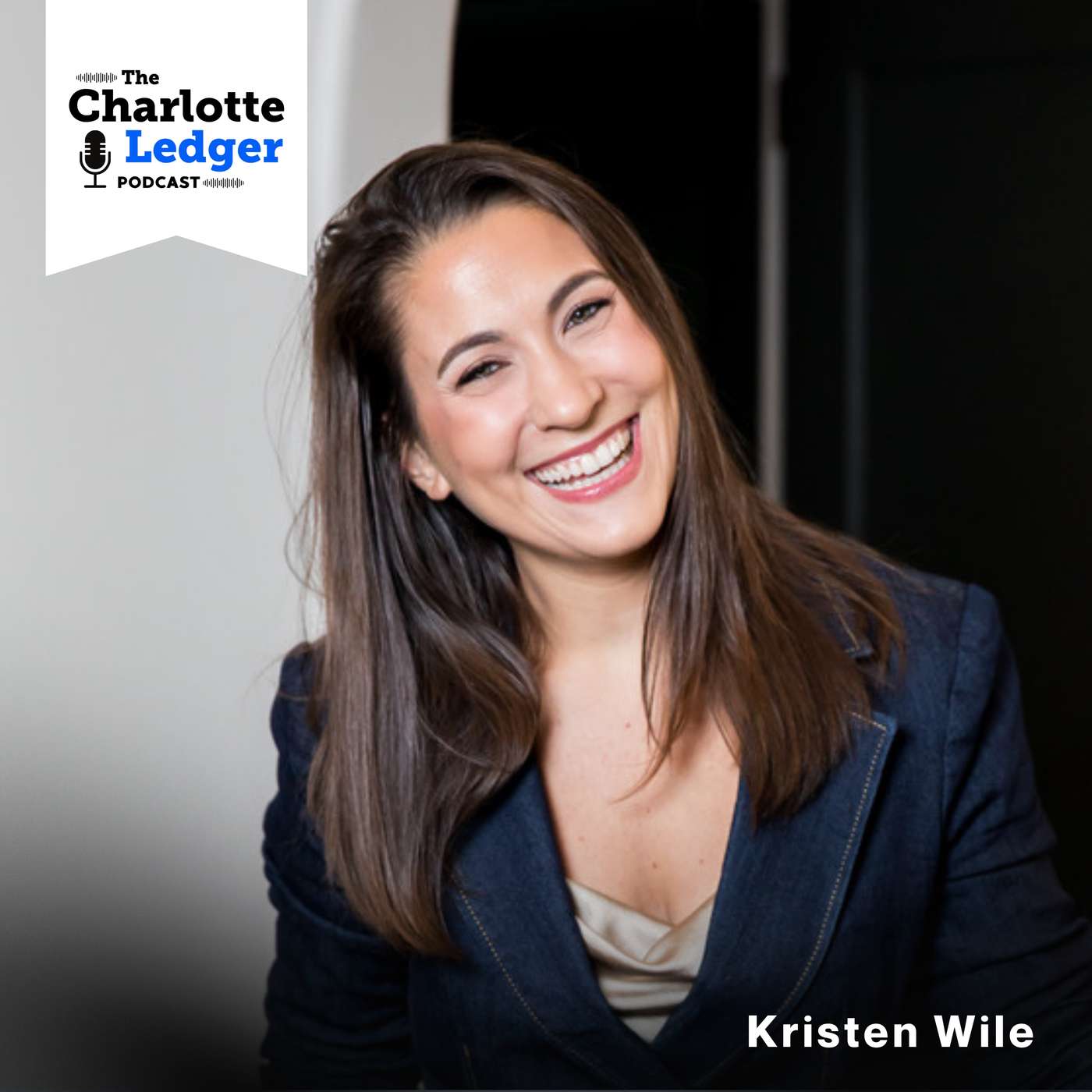
Charlotte's moment at the table, with Kristen Wile of Unpretentious Palate
Jun 1200:36:08Tap to summarizeKristen Wile has spent more than a decade documenting Charlotte’s restaurant scene, and in that time she’s watched the city transform from a place searching for its culinary identity into one drawing national attention. Michelin stars, Top Chef contestants and James Beard semifinalists may dominate the headlines today, but Wile argues Charlotte’s rise didn’t happen overnight. Instead, it’s the result of years of growth, local talent, ambitious chefs and a dining community that has steadily built something worth noticing.In this live episode of The Charlotte Ledger Podcast, recorded at The Sharon in SouthPark, Wile — founder and editor of Unpretentious Palate — joins Ledger managing editor Ashley Fahey for a conversation about the forces shaping Charlotte’s food scene. They discuss:How Charlotte evolved into a city chefs increasingly want to build careers in The growing challenges independent restaurants face from national chains and rising costs How takeout, changing drinking habits and labor shortages continue to reshape the industry Why the “regular” restaurant customer has largely disappeared The surprising rise of chicken tenders and other comfort foods during economic uncertainty Whether viral food trends actually help restaurants build lasting success How Charlotte diners can better support local restaurants Wile's favorite restaurants, dishes and hidden gems around Charlotte Why she believes Charlotte should stop looking to outsiders for validation of its food scene➡️ Find out more about Unpretentious PalateToday’s episode of The Charlotte Ledger Podcast is sponsored by Child Care Search, a service of Child Care Resources Inc. Looking for child care? Our team provides guidance every step of the way! Search online at www.FindChildCareNC.org or call 1-888-600-1685 for live assistance and free, customized referrals.This episode of The Charlotte Ledger Podcast was produced by Lindsey Banks. For more information on The Charlotte Ledger, go to TheCharlotteLedger.com.
Transcribe →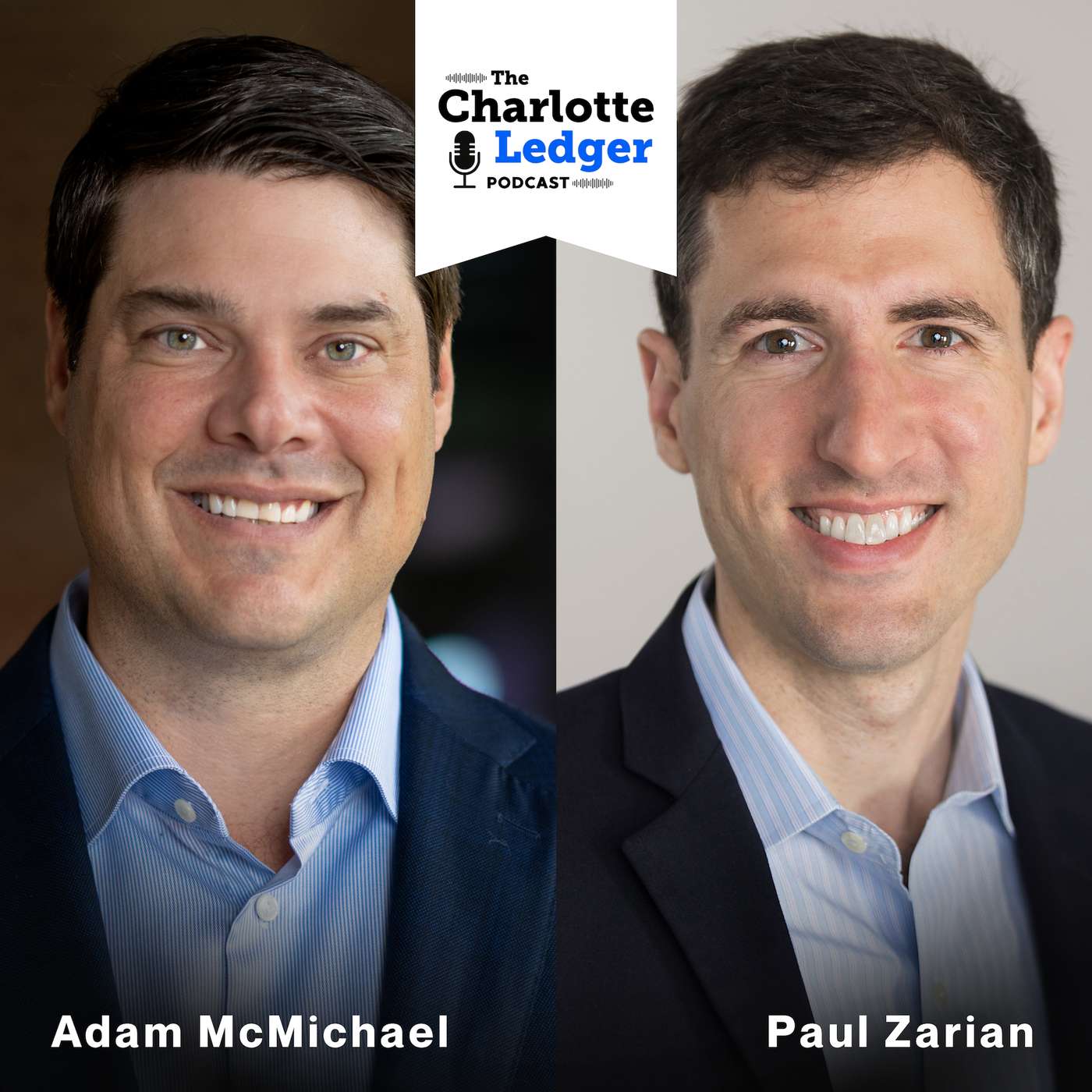
Charlotte through a developer’s eyes, with Adam McMichael and Paul Zarian
Jun 500:37:58Tap to summarizeCharlotte’s growth has made it one of the hottest real estate markets in the country. But what does the city look like through the eyes of the developers betting millions of dollars on its future?In this episode of The Charlotte Ledger Podcast, The Ledger's managing editor Ashley Fahey sits down with two industry leaders helping shape Charlotte’s next chapter: Adam McMichael of Republic Development Group and Paul Zarian of Hines. The conversation explores why their firms are investing heavily in Charlotte, how the city compares to other fast-growing Sun Belt markets and what opportunities they see as Charlotte continues to evolve. In this episode, they also discuss: Why Hines and Republic Development chose to expand their presence in Charlotte How Charlotte compares with peer markets like Raleigh, Nashville and other high-growth cities The opportunities and challenges facing developers in today’s market Why both firms are bullish on Charlotte despite economic headwinds The role infrastructure and transportation play in supporting future growth Why relationships and local partnerships matter in Charlotte’s development community The neighborhoods and corridors they believe have the most potential over the next decade Lessons Charlotte can learn from cities across the country Development projects they admire, from South Carolina to California and beyond Their picks for underrated cities worth visitingThis conversation was recorded as part of a partnership with the local chapter of the Urban Land Institute (ULI).This episode of The Charlotte Ledger Podcast is presented by PBS Charlotte's Unspun program. Wondering what politicians are thinking but not saying? Watch PBS Charlotte Fridays at 8 p.m. as former Governor Pat McCrory delivers no-spin answers. Stream anytime on demand at wtvi.org/unspun.This episode of The Charlotte Ledger Podcast was produced by Lindsey Banks. For more information on The Charlotte Ledger, go to TheCharlotteLedger.com.
Transcribe →
Reporters Roundtable: Charlotte's month of May in review
May 2900:35:09Tap to summarizeMay was one of the busiest months Charlotte has seen in recent memory. Mayor Vi Lyles announced her resignation, city leaders reversed course on the controversial I-77 toll lane expansion, data centers sparked heated debate at City Hall and the region continued grappling with a months-long drought. In this episode of The Charlotte Ledger Podcast, Ledger editors Tony Mecia, Ashley Fahey and Lindsey Banks sit down for a live Reporters Roundtable to unpack the biggest local stories of the month. Recorded via Zoom in front of a live audience on May 29, 2026, the conversation goes beyond the headlines to explain how these developments happened, why they matter and what comes next for Charlotte.Whether you've been following every twist in Charlotte politics or just need a catch-up on the month's biggest developments, this conversation offers context, insight and a behind-the-scenes look at the stories shaping the region. Also, discussed: Lake Lure's reopening after Hurricane Helene and what it says about Western North Carolina's recovery. Why affordable housing is becoming harder to find not only in Mecklenburg County, but across the entire Charlotte region. The rise of homeowners choosing major renovations instead of moving because of today's housing market. Reflections on the lives and legacies of Charlotte figures including Chris Thomas and media pioneer Ted Turner. The surprisingly competitive world of Charlotte birthday freebies. Some of the Ledger stories that stood out most to the newsroom this month, from neighborhood history to soccer moms and hospital oversight. Today’s episode of The Charlotte Ledger Podcast is sponsored by Child Care Search, a service of Child Care Resources Inc. Looking for child care? Our team provides guidance every step of the way! Search online at www.FindChildCareNC.org or call 1-888-600-1685 for live assistance and free, customized referrals.This episode of The Charlotte Ledger Podcast was produced by Lindsey Banks. For more information on The Charlotte Ledger, go to TheCharlotteLedger.com.
Transcribe →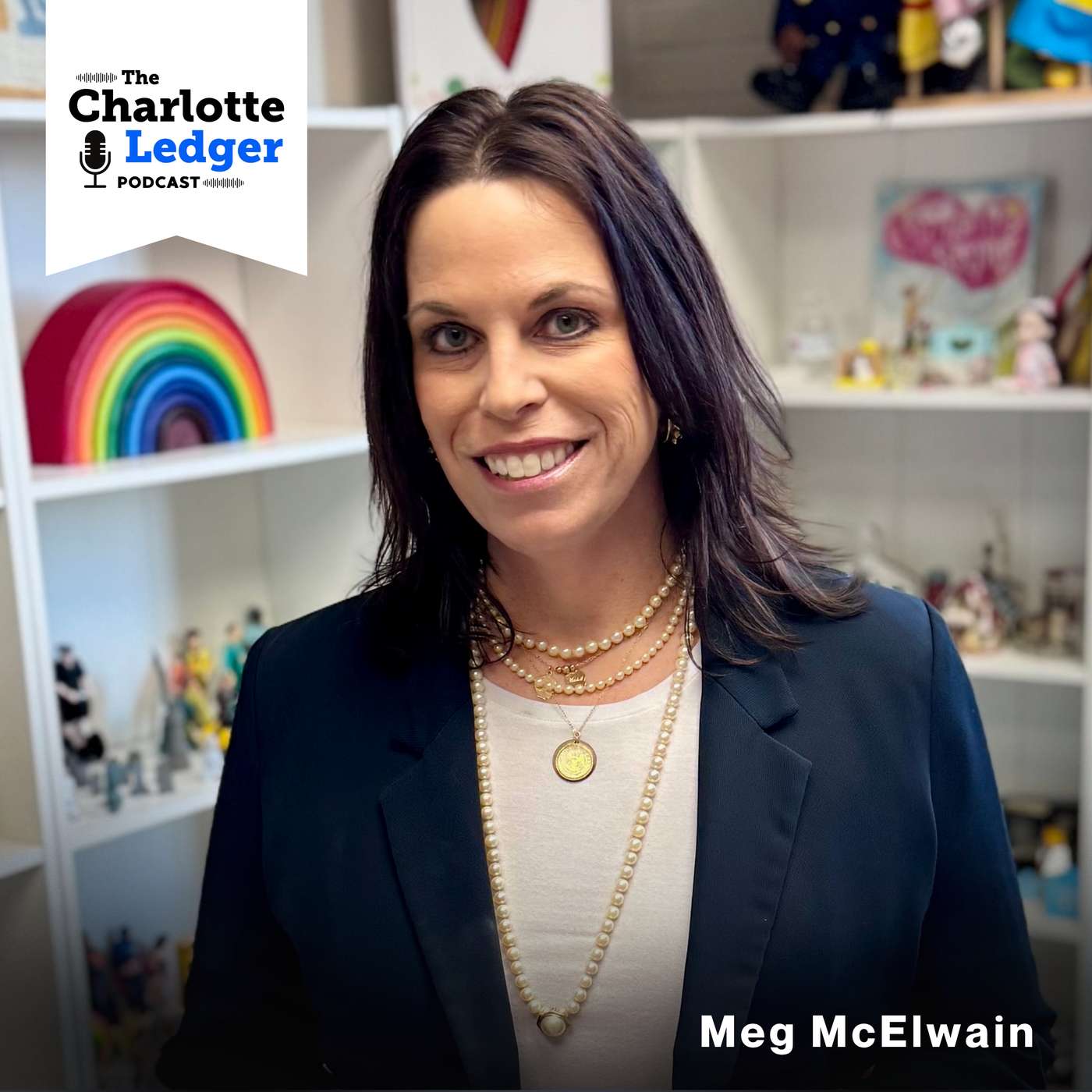
Turning tragedy into support for Charlotte families, with Meg McElwain
May 2200:37:05Tap to summarizeAfter losing her 2-year-old son Mitchell to leukemia, Meg McElwain found herself navigating unimaginable grief while also trying to help her surviving son process the trauma that had reshaped their family. What began as a donor-advised fund supporting other pediatric cancer families eventually evolved into Mitchell's House — now the first nonprofit counseling center in the country focused specifically on children, siblings and parents facing pediatric medical trauma.In this episode of The Charlotte Ledger Podcast, McElwain reflects on Mitchell’s life, the emotional toll of caregiving, and the difficult years that followed his death. She talks candidly about grief, divorce, parenting a surviving sibling, faith and rebuilding her life while transforming personal tragedy into a growing nonprofit that now serves families across the Charlotte region. McElwain also discusses: Why siblings of sick children often become “glass children” whose grief and trauma are overlooked The emotional and financial strain pediatric illness places on entire families Why the organization focuses on the entire family — not just the child receiving treatment The realities of anticipatory grief for parents whose children have terminal diagnoses How grief changes over time and what healing looked like more than a decade after losing Mitchell The challenges pediatric illness places on marriages and family dynamics What friends and loved ones often misunderstand about supporting grieving families This episode is hosted by Steve Dunn. For more information on Mitchell’s House or to donate, please visit MitchellsHouse.org. This podcast episode is sponsored by PBS's Unspun program. Wondering what politicians are thinking but not saying? Watch PBS Charlotte Fridays at 8 p.m. as former Governor Pat McCrory delivers no-spin answers. Stream anytime on demand at wtvi.org/unspun.This episode of The Charlotte Ledger Podcast was produced by Lindsey Banks. For more information on The Charlotte Ledger, go to TheCharlotteLedger.com.
Transcribe →