Podcast
The Cinematologists Podcast
Hosted by Dario Llinares & Prof. Neil Fox · EN
Film academics Dr Dario Llinares and Prof. Neil Fox discuss a range of films and dissect film culture from many different perspectives. The podcast also features interviews with filmmakers, scholars, writers and actors who debate all aspects of cinema.
dariollinares.substack.com
dariollinares.substack.com
12episodes
Episodes
Newest firstAll episodes
PTA's latest, Redford reflections and some big podcast news
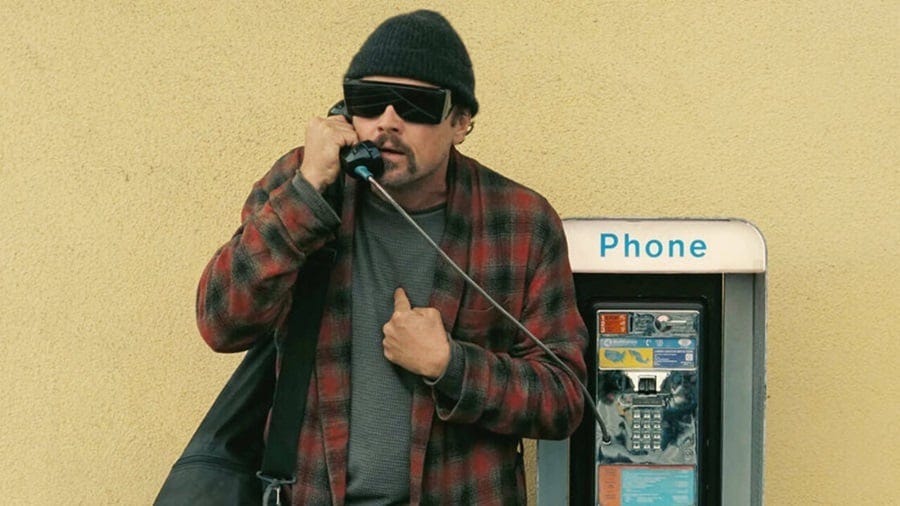
Oct 301:13:57Tap to summarizeWe are back! Season 22 kicks off with a stellar, loose, multi-layered, melancholic, heated and nervy, shambling odyssey of an episode, which befits the central discussion, centred as it is around the release of Paul Thomas Anderson’s One Battle After Another.The timing of the release of the new PTA is fortuitous as he is a filmmaker that we have circled around over the years, given my love for the filmmaker, as well as his place in contemporary American cinema. It’s also good timing as the film has found itself lodged at the centre of film discourse in so many ways since its release last Friday (September 26th).Before we get into it, looking in depth at the film and the conversations and reactions it has provoked, the episode starts with a bang, of an announcement about the future of the podcast (no spoilers here), followed by a short ode to one of the great screen actors of all-time, Robert Redford, and how we have marked his passing in terms of their viewing choices. Their chat covers what made Redford such a unique, enigmatic Hollywood star, his on and off-screen legacies, including a lovely anecdote from Dario about seeing his final film, David Lowery’s The Old Man & The Gun (2018) at the London Film Festival.The second-half of the episode is given over to One Battle After Another. We unpack my love of PTA and how that informs his viewing of his films when they are released and the film’s approach to form and how it relates to the original text that inspired it, Thomas Pynchon’s Vineland, which feels like a stronger source text than some reporting suggests. We go on to explore how Pynchon and PTA share a sense of juxtaposing zaniness with bone deep sadness at the way America is and has been, as well as what makes the cinematic spectacle and theatrical experience of the film so magnetic and rewarding.Then there’s the conversation around the film, that flows from the above but is contextual. They talk about the ‘takes’ and responses to the film, where critique feels valid and where it feels misguided. Much of this centres around the ideas of what a Hollywood film can and should do in terms of being revolutionary, and indeed what any film created in a capitalist structure can do, but also we unpack how the film might be read as a comment on revolutionary Cinema, what happens to revolutions over time, the ongoing revolution of resistance to white American control, and the impact of white revolutionaries in fights that they have the privilege of being able to walk away from to a large degree. And also, why this film, despite its incredible dynamism and grotesque operatic performances, is so damn sad.And if that whets your appetite for this season, we have you covered, this is just the beginning. From here, it’s one podcast after another. Sorry. Couldn’t resist. (NF) This is a public episode. If you'd like to discuss this with other subscribers or get access to bonus episodes, visit dariollinares.substack.com/subscribe
Transcribe →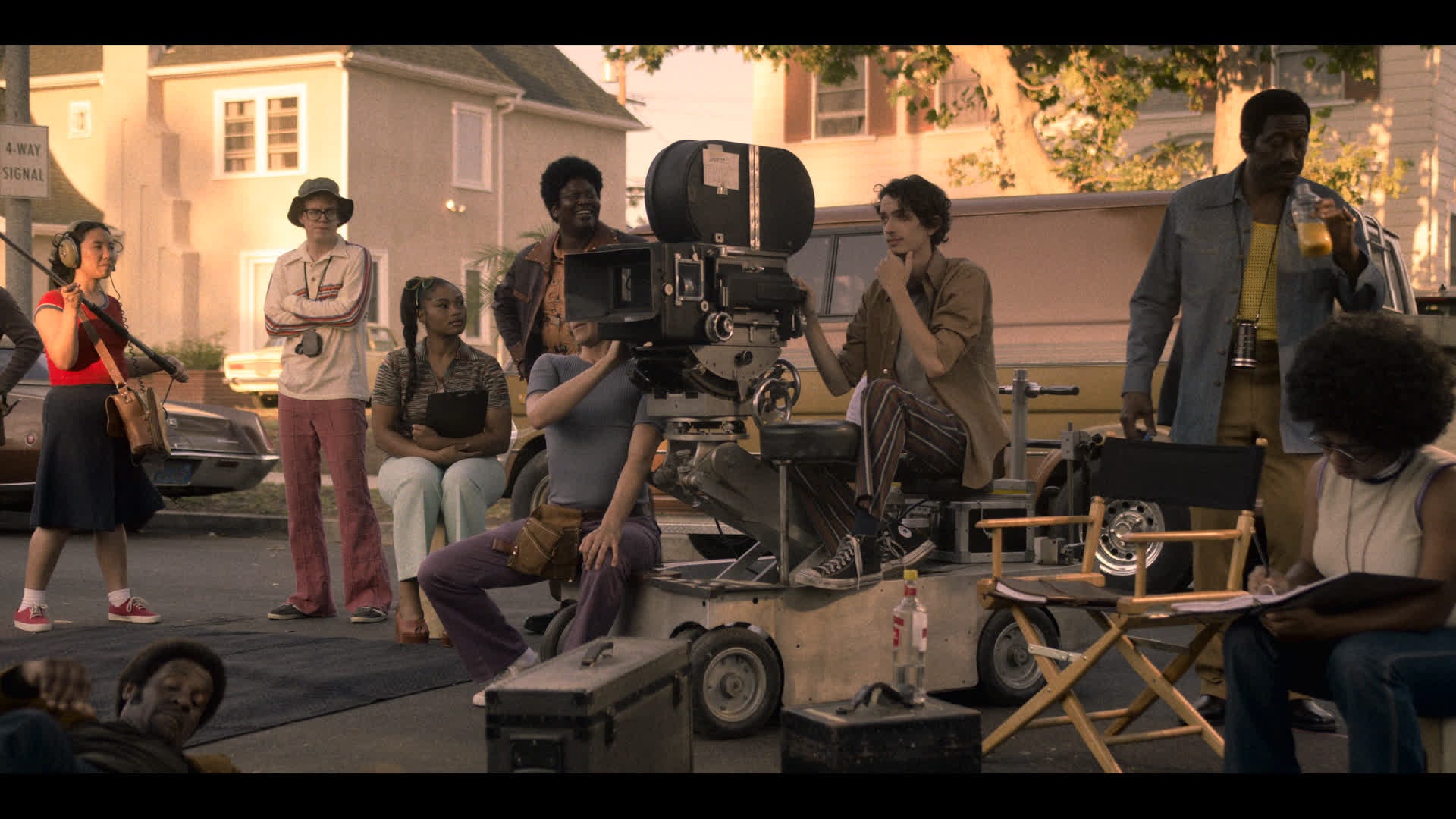
The Cinematologists Present: Students on Screen
Jul 31, 202501:51:39Tap to summarizeThis special episode of The Cinematologists is a contribution to the Students on Screen project convened by Dr Kay Calver and Dr Bethan Michael-Fox, to coincide with a special issue of Open Screens they have edited, which explores screen representations of students across a plethora of Global screen media forms.On behalf of The Cinematologists, Neil contributed a paper - drawing from his decade-old doctoral work - on representations of film students in anglophone cinema, and put together this episode, which is both a dissemination of and critical artefact of, the special issue.For this episode Neil talks to Kay and Beth about the Students on Screen project, as conveners and issue editors, as well as three contributors to the special collection. The contributors are Dr Sharon Coleclough, Dr Devaleena Kundu and Dr Oli Belas. The critical focus of all the conversations includes critical regard for the spaces where representations of students in fiction and non-fiction screen spaces can improve, address, or further address gaps in lived experience.Elsewhere in the episode, Neil and Dario discuss representations of students on screen, Neil’s paper, and in an extended analysis, a film that Neil doesn’t cover in his piece, but is worthy of discussion, 2014’s The Rewrite, directed by Marc Lawrence and starring Hugh Grant and Marisa Tomei.For more information on the Students on Screen project, click the link above, and for more information, on the journal Open Screens, click here.———Visit our Patreon at www.patreon.com/cinematologists———You can listen to The Cinematologists for free, wherever you listen to podcasts: click here to follow.We really appreciate any reviews you might write (please send us what you have written and we’ll mention it) and sharing on Social Media is the lifeblood of the podcast, so please do that if you enjoy the show.———Music Credits:‘Theme from The Cinematologists’Written and produced by Gwenno Saunders. Mixed by Rhys Edwards. Drums, bass & guitar by Rhys Edwards. All synths by Gwenno Saunders. Published by Downtown Music Publishing. This is a public episode. If you'd like to discuss this with other subscribers or get access to bonus episodes, visit dariollinares.substack.com/subscribe
Transcribe →