
Podcast
The Clear Mind Matrix
Hosted by Michael Iversen · EN
Unlock the power of clarity, organization, and productivity.
In The Clear Mind Matrix, we dive into practical strategies and powerful tools for creating a mental system that works for you. Whether you’re new to Personal Knowledge Management (PKM) or a seasoned GTD enthusiast, we help you find structure and flow in both work and life. With a mix of productivity tips, mind-mapping techniques, and the latest tools, each episode guides you in building a solid knowledge base and a clear mindset, empowering you to turn your ideas into action.
Join The Clear Mind Matrix and discover how to achieve
10episodes
Episodes
Newest firstAll episodes

Timeboxing: Mastering Time Management and Productivity
Jan 5, 202500:13:59Tap to summarizeThe episode presents timeboxing, a time management technique involving allocating specific time blocks to tasks. It explains the method's principles, including defining timeframes, focused work, scheduled breaks, and evaluation. The episode provides practical examples of how to implement timeboxing and highlights its benefits, such as increased focus, reduced stress, and improved productivity. Finally, it suggests combining timeboxing with other techniques and digital tools for enhanced effectiveness.
Transcribe →
Me.bot: Your AI-Powered Personal Assistant
Dec 23, 202400:17:47Tap to summarizeMe.bot is an AI-powered personal digital assistant designed to enhance productivity, learning, and personal growth. It functions as an all-in-one digital notebook, intelligently organizing and analyzing user data to provide personalized insights, proactive suggestions, and action plans. Key features include advanced search capabilities, connections between past and present ideas, and support for self-reflection. User testimonials highlight its benefits for personal development, emotional support, and career guidance. Ultimately, Me.bot aims to be a comprehensive tool for personal and professional success. Test Me.bot here: me.bot
Transcribe →
Tana: Revolutionizing Digital Work Organization
Dec 21, 202400:16:10Tap to summarizeTana is a revolutionary knowledge management platform designed to transform how users work and organize information. It uses advanced algorithms and AI integration to connect tasks, ideas, and data, creating a dynamic workspace. Key features include Supertags for advanced categorization, a flexible editor, and a knowledge graph for visualizing connections. The platform offers seamless collaboration tools and integrates with various apps, aiming to streamline workflows and boost productivity for professionals, students, and individuals alike. Tana promotes a holistic approach to knowledge management, acting as a central hub for all digital work. It promises to significantly enhance productivity and efficiency.
Transcribe →
Zettelkasten: A Revolutionary Approach to Knowledge Organization
Dec 15, 202400:29:01Tap to summarizeThe episode presents the Zettelkasten method, a knowledge management system developed by Niklas Luhmann. This system uses atomic notes, each containing a single idea, linked together to form a dynamic network. Key principles include unique identifiers for each note and an emergent structure that grows organically. The episode discusses modern digital tools for implementing Zettelkasten and highlights its benefits, such as improved learning, creativity, and productivity. Finally, it offers practical tips for using the method and encourages readers to begin their own Zettelkasten journey.
Transcribe →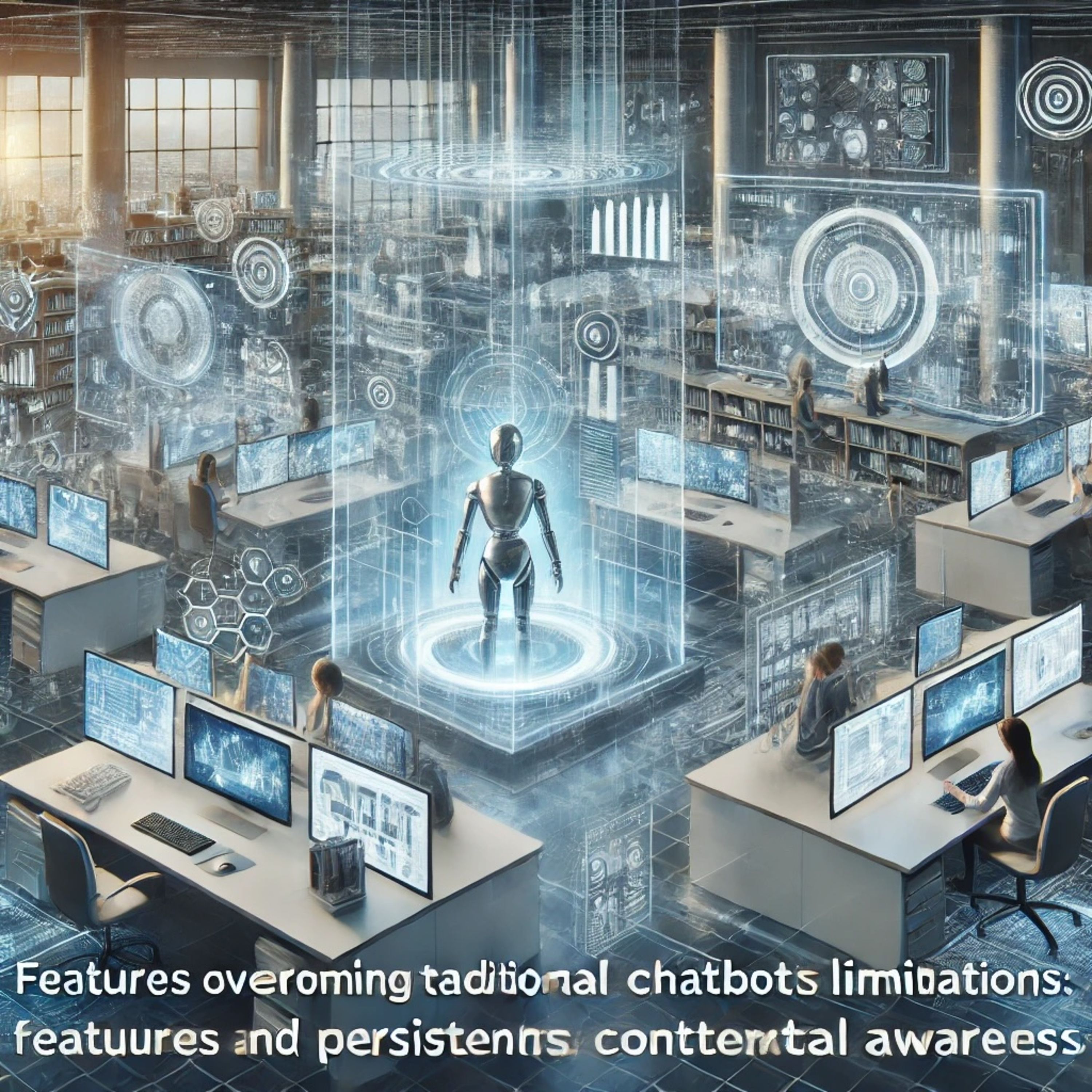
Cove: A Visual Workspace for Thinking With AI
Dec 7, 202400:12:15Tap to summarizeCove is a visual workspace for collaborating with AI. It is designed to address the limitations of traditional chatbot interfaces, such as being one-dimensional, temporary, not editable, unclear about context, and siloed
Transcribe →
The Two-Pizza Rule: Amazon's Secret to Success
Dec 1, 202400:07:05Tap to summarizeJeff Bezos's "Two-Pizza Rule," a management principle advocating for small, autonomous teams (ideally 5-7 people), is explored. This approach, implemented at Amazon, fosters faster decision-making, clearer communication, and higher accountability. The episode argues that smaller teams are more innovative and productive, leading to greater employee satisfaction and contributing significantly to Amazon's success with products like Alexa and AWS. The rule's core message is that maintaining small, empowered teams enhances efficiency and creativity within any organization.
Transcribe →
Unlocking Supernotes: Mastering Efficient Study and Note-Taking
Nov 19, 202400:30:13Tap to summarizeThe episode cover Supernotes, a collaborative note-taking app. The first excerpt highlights the many features of Supernotes, including notecards, graph view, offline capabilities, AI enhancements, a heatmap calendar, tagging, and universal search. The second excerpt focuses on Supernotes' benefits for users, emphasizing its revolutionary notecard format, efficient organization, intuitive collaboration, AI integration, speed, security, and support. Both sources showcase Supernotes' features and advantages over other note-taking apps, aiming to convince potential users to try the application.
Transcribe →
Memotron - The Personal Knowledge Management (PKM) app
Nov 15, 202400:04:27Tap to summarizeThe episode discusses Memotron, a new personal knowledge management app that leverages AI to assist in organizing and connecting information. Key features include AI-powered note-taking, knowledge graph and mind map creation, integration of different content types, and collaborative features for team knowledge management. The episode expresses excitement about the potential of Memotron to simplify personal knowledge management and compares it to other similar tools.
Transcribe →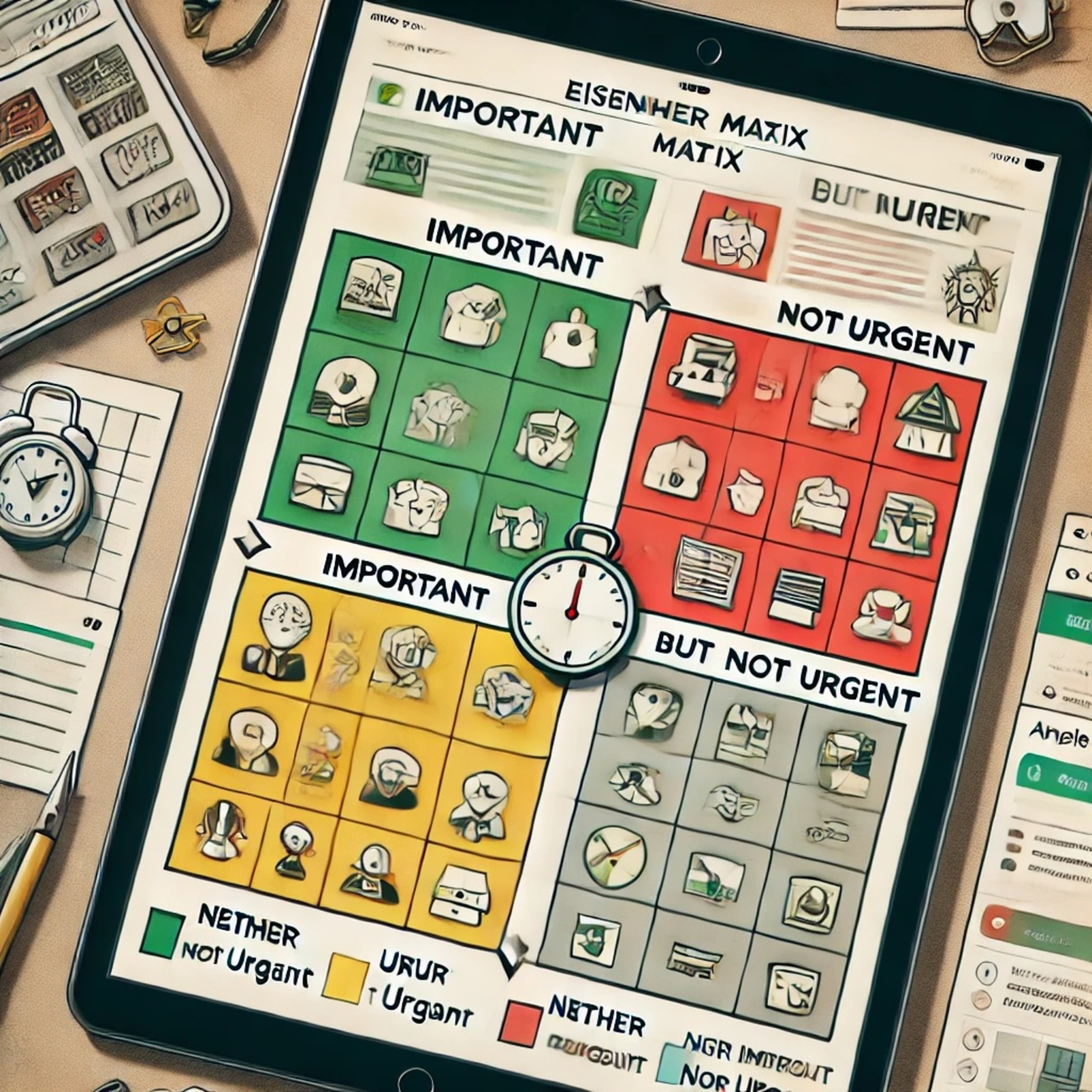
Eisenhower Matrix: A Tool for Effective Prioritization
Nov 14, 202400:09:19Tap to summarizeThe episode discusses the Eisenhower Matrix, a time management method that categorizes tasks based on their importance and urgency. The episode explains how the matrix helps prioritize tasks, reduce stress, and prevent procrastination by focusing on important but not urgent tasks. It also highlights the benefits of integrating the Eisenhower Matrix into modern productivity tools like Amplenote, which simplifies the process of prioritizing and managing tasks.
Transcribe →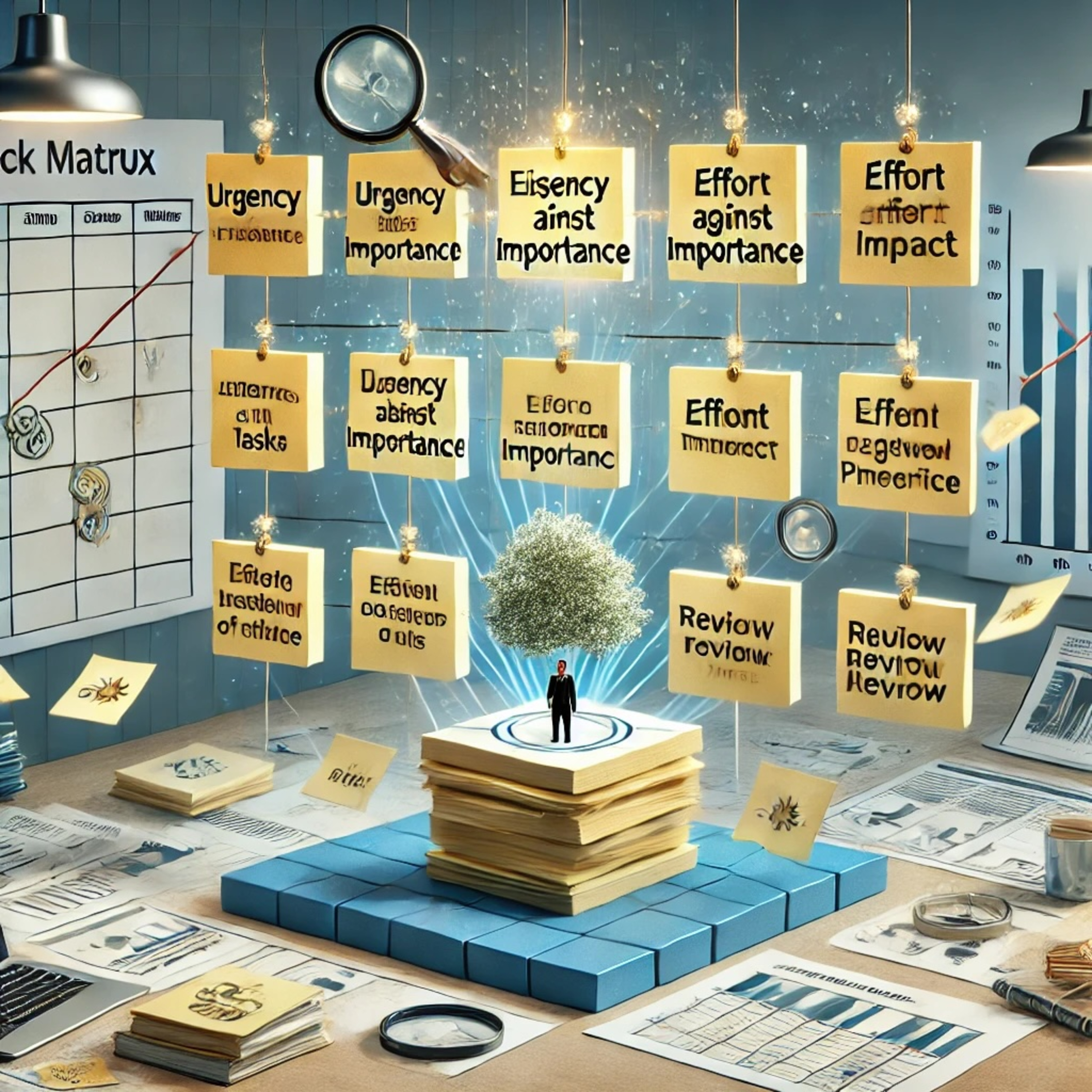
How to Prioritize Tasks Like a Pro | 7 Steps to Improve Your Workflow
Nov 13, 202400:05:57Tap to summarizeThe episode discusses a seven-step approach to task prioritization, aiming to improve workflow efficiency and productivity. This method involves collecting all tasks, categorizing them by urgency and importance, assessing their effort and impact, using the Eisenhower Matrix, breaking down large tasks, scheduling high-priority tasks during peak productivity hours, and regularly reviewing priorities. The author emphasizes the value of this systematic approach in reducing overwhelm and focusing on what truly matters.
Transcribe →