Podcast
The Close Read Podcast
Hosted by The Claremont Institute · EN
Associate editor Spencer Klavan phones up authors whose CRB essays have prompted deeper reflection and discussion. Over a drink, he'll chat with the leading minds on the Right about what's going on in politics and literary culture.
claremontinstitute.substack.com
claremontinstitute.substack.com
29episodes
Episodes
Newest firstAll episodes
Lane Scott on Stranger Things
Apr 1300:31:49Tap to summarizeLane Scott, author of the Substack Matriarch Goals, and editor Spencer Klavan sit down to discuss the Netflix hit, Stranger Things, one of the biggest television sensations in the last decade. In an era of “despair porn," the show illustrated why good defeats evil and gave viewers a way to reflect on the bittersweet significance of growing up. Its analog, 1980s world stands in contrast to our muted, digital one: the men are confident, the mainstream culture proud, American heroes permissible. What does this say of us now?Matriarch GoalsAnalog Kids This is a public episode. If you'd like to discuss this with other subscribers or get access to bonus episodes, visit claremontinstitute.substack.com/subscribe
Transcribe →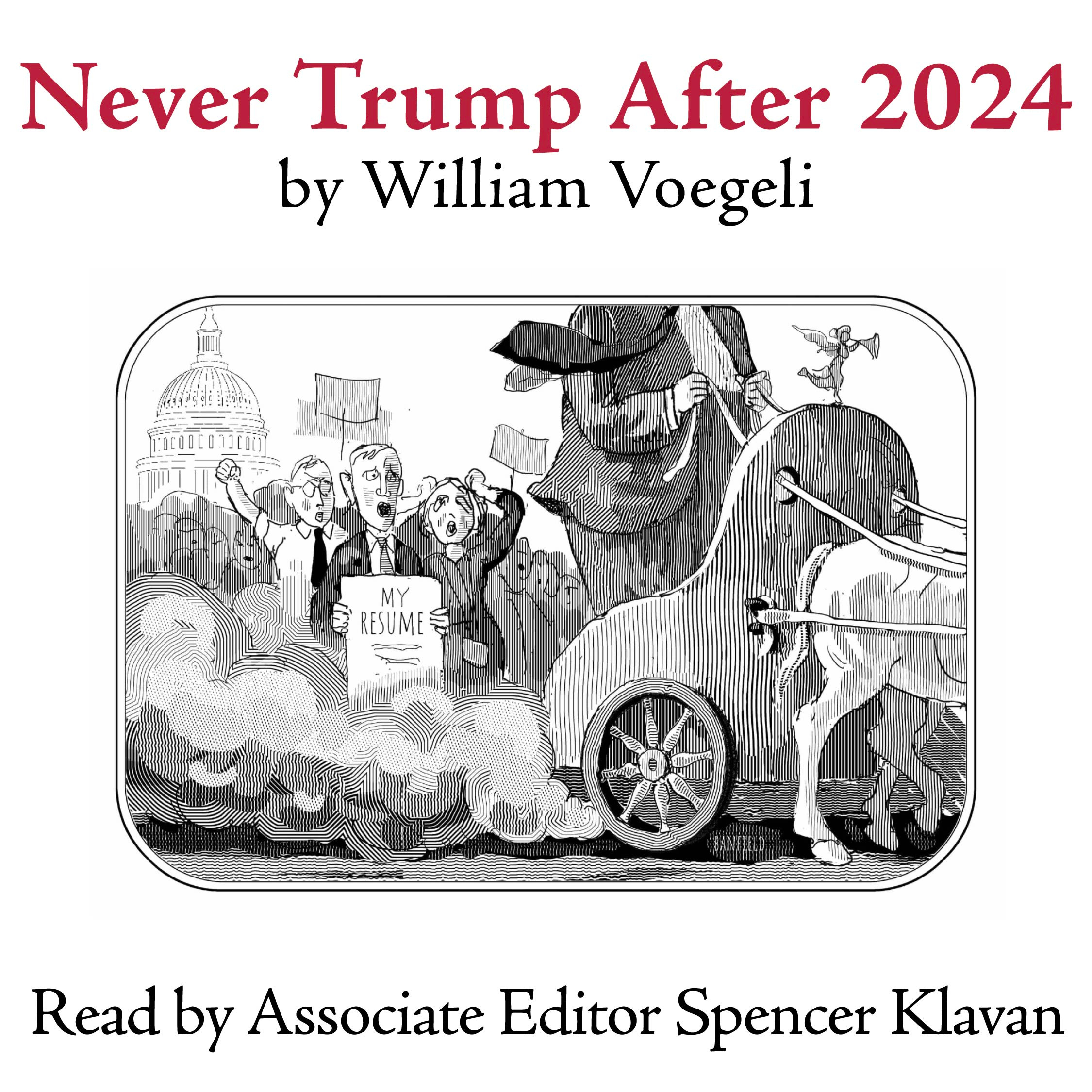
"Never Trump After 2024," by William Voegeli
Mar 2000:04:46Tap to summarizeThis is a free preview of a paid episode. To hear more, visit claremontinstitute.substack.comAssociate Editor Spencer Klavan reads “Never Trump After 2024,” William Voegeli’s review of Never Trump: The Revolt of the Conservative Elites and Shattered: Inside Hillary Clinton’s Doomed Campaign, featured in the Fall 2025-Winter 2026 double issue.
Transcribe →
Jeffrey Anderson on Parks and Desecration
Mar 1900:33:39Tap to summarizePresident of the American Main Street Initiative Jeffery H. Anderson joins associate editor Spencer Klavan to address a little-noticed assault on the Founding, the country, and its great men: the Woke takeover of our national parks. At hallowed ground across the U.S., activist curators have rebranded Washington and the Founders as “enslavers” and condemned America's icons—the Liberty Bell included—in a melodramatic racial reckoning. But ahead of America’s 250th anniversary, Trump and the Right stand to beat back the false narrative, and revive the spirit of the nation.Hijacking America’s Story This is a public episode. If you'd like to discuss this with other subscribers or get access to bonus episodes, visit claremontinstitute.substack.com/subscribe
Transcribe →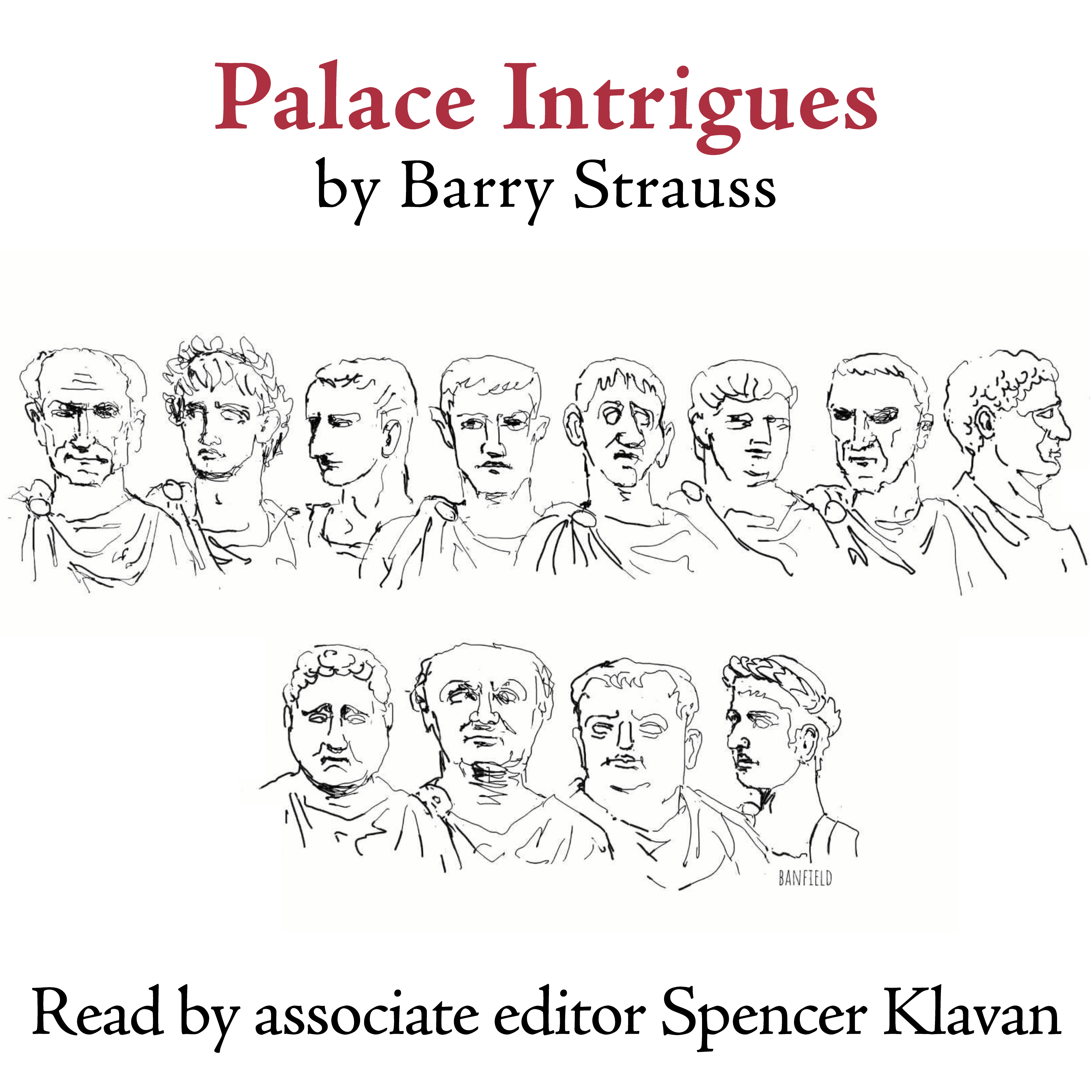
"Palace Intrigues," by Barry Strauss
Mar 1600:17:42Tap to summarizeAssociate Editor Spencer Klavan reads “Palace Intrigues,” Barry Strauss’s review of Kant: A Revolution in Thinking, featured in the Fall 2025-Winter 2026 double issue. This is a public episode. If you'd like to discuss this with other subscribers or get access to bonus episodes, visit claremontinstitute.substack.com/subscribe
Transcribe →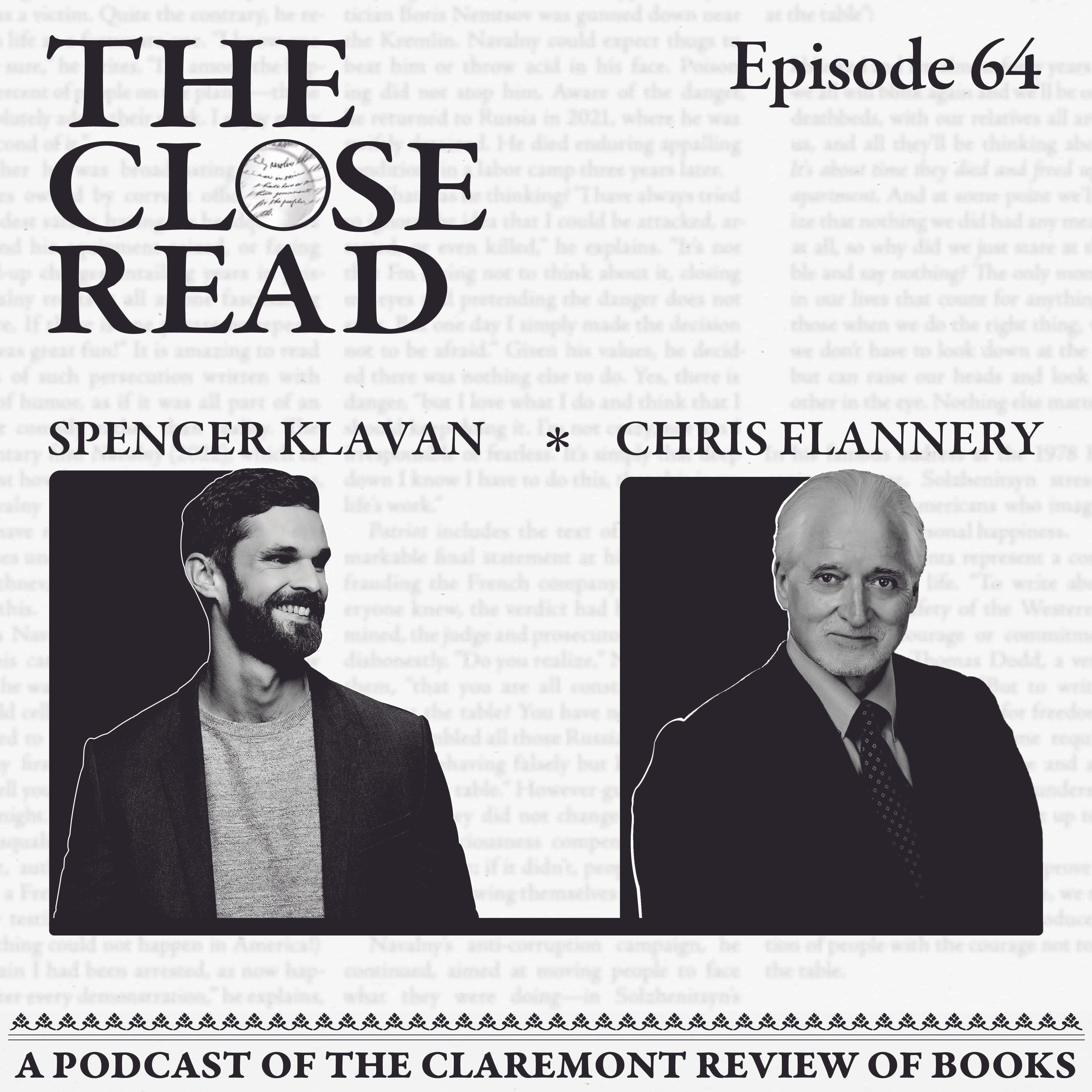
Christopher Flannery on the Extraordinary Life of John Quincy Adams
Mar 200:30:10Tap to summarizeJohn Quincy Adams, son of John, grew up amid the turmoil of the revolution. At just 14, he served as interpreter of French for America’s first minister in Russia. He grew into a diplomat, a secretary of state, a president, and a ferociously anti-slavery congressman—after leaving office. He saw deep into the heart of the Declaration’s logic and made it his guiding light. Browsing the diary of JQA, contributing editor Christopher Flannery and associate editor Spencer Klavan delight in the sixth president’s achievements, his towering ambitions, and his oddly relatable notes of self-reproach. Plus: a peek at CRBs to come!The Diaries of John Quincy Adams 1779–1848In Revolution, Thucydides This is a public episode. If you'd like to discuss this with other subscribers or get access to bonus episodes, visit claremontinstitute.substack.com/subscribe
Transcribe →
"Streaming Shakespeare," by Martha Bayles
Feb 2300:21:30Tap to summarizeAssociate Editor Spencer Klavan reads “Streaming Shakespeare,” Martha Bayles’s column featured in the Fall 2025-Winter 2026 double issue. This is a public episode. If you'd like to discuss this with other subscribers or get access to bonus episodes, visit claremontinstitute.substack.com/subscribe
Transcribe →
"Claustrophobic Metaphysics," by Edward Feser
Feb 1600:21:26Tap to summarizeAssociate Editor Spencer Klavan reads “Claustrophobic Metaphysics,” Edward Feser’s review of Kant: A Revolution in Thinking, featured in the Fall 2025-Winter 2026 double issue. This is a public episode. If you'd like to discuss this with other subscribers or get access to bonus episodes, visit claremontinstitute.substack.com/subscribe
Transcribe →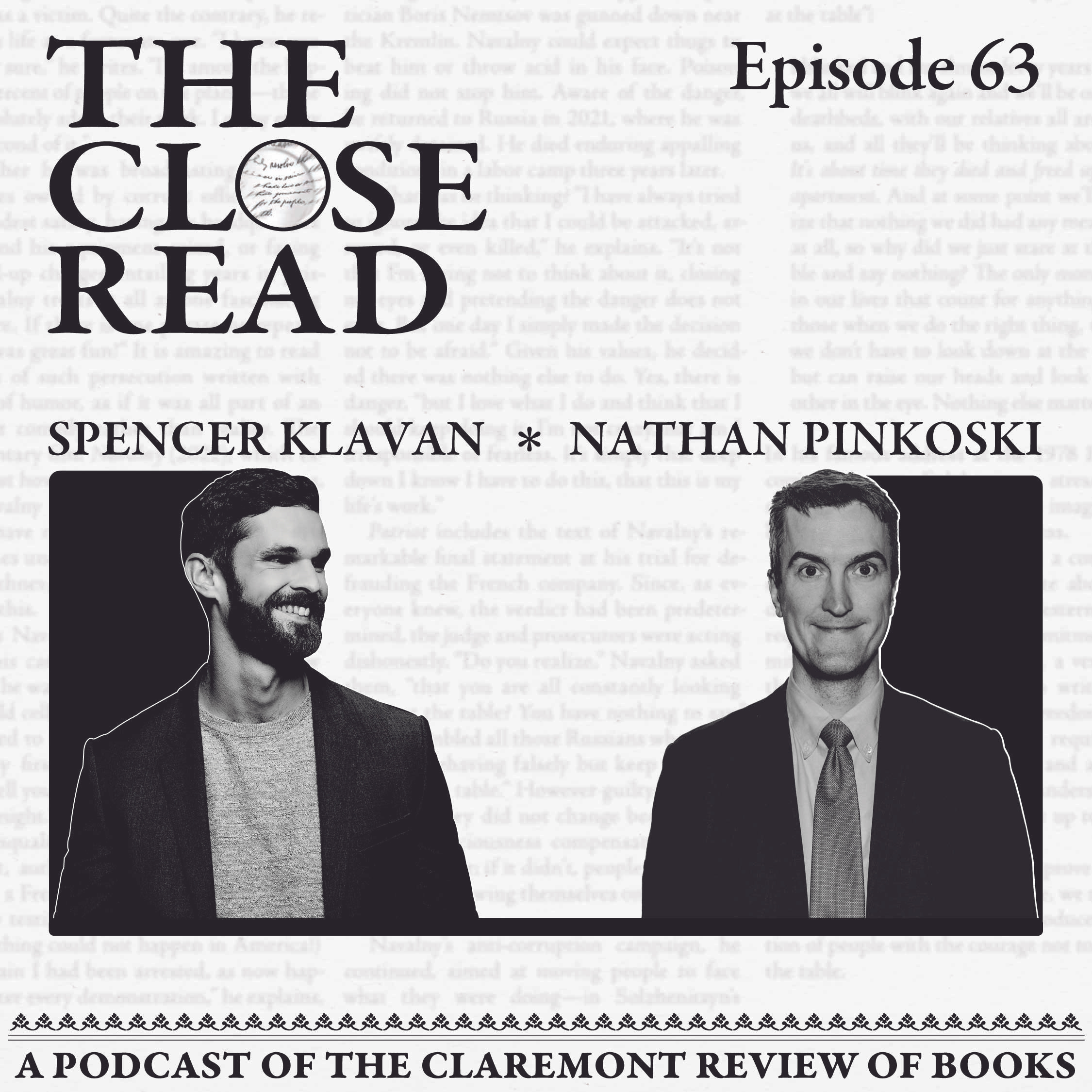
Nathan Pinkoski on Watergate Myths
Feb 200:36:31Tap to summarizeWhen Richard Nixon resigned as president in 1974, the Watergate scandal was officially logged in the public memory as a victory of the neutral press over an out-of-control “imperial presidency.” Now, after the Trump years have hightened mistrust of official sources and suspicion of the administrative state, the Nixon story is more and more open to revision. Senior Fellow at the Center for Renewing America Nathan Pinkoski joins Associate Editor Spencer Klavan to reassess the televised dethronement of Nixon, the failure of Trump’s antagonists to execute a similar crusade, and what it means for the future of the presidency. This is a public episode. If you'd like to discuss this with other subscribers or get access to bonus episodes, visit claremontinstitute.substack.com/subscribe
Transcribe →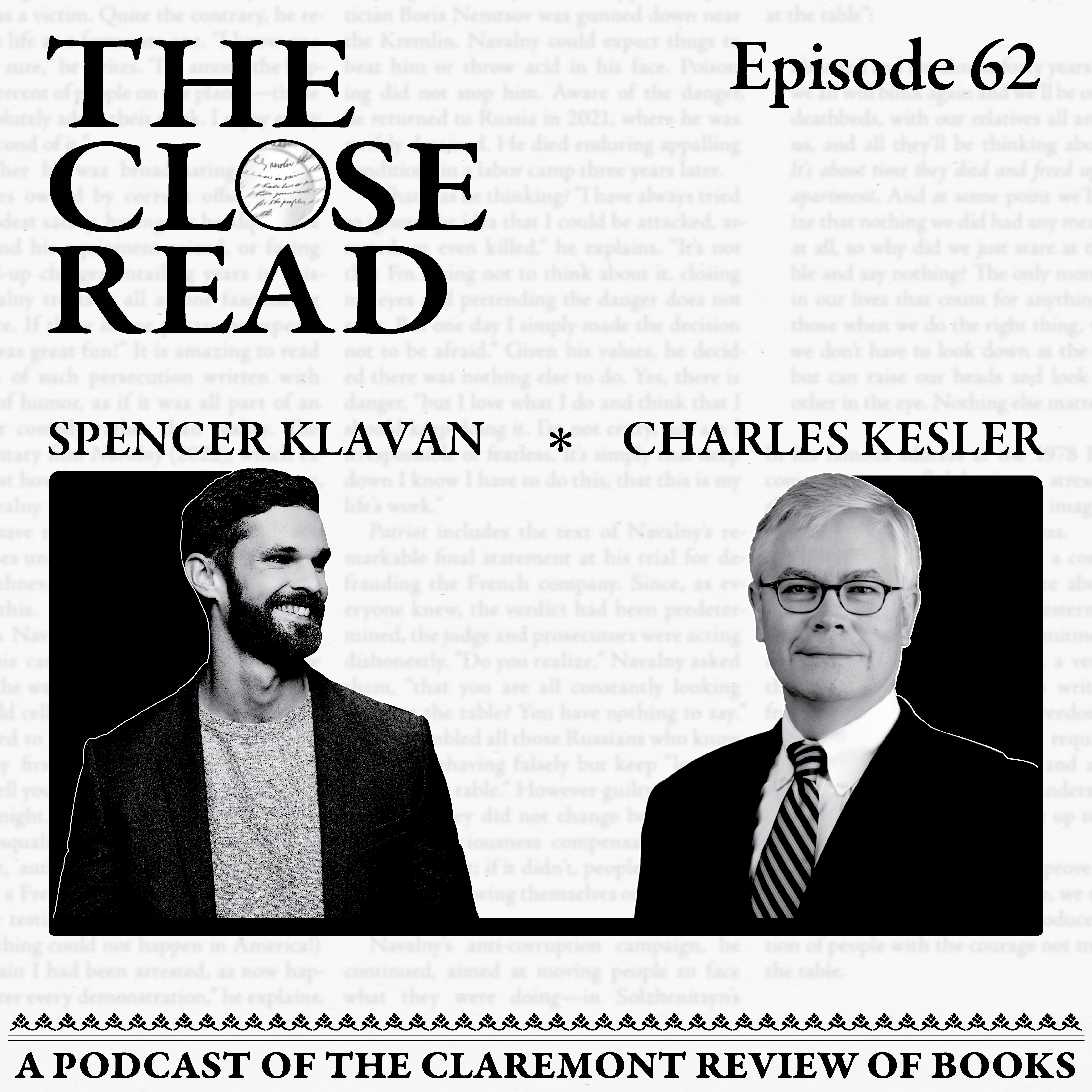
Fall 2025-Winter 2026 Review with Charles Kesler
Jan 1901:09:03Tap to summarizeEditor Charles Kesler is joined by Associate Editor Spencer Klavan to crack open the much-anticipated CRB double issue, released to celebrate the 25th anniversary of the CRB. Charles reflects on the Institute's principles, accomplishments, and prescience in his editor note. Paul Rahe equips readers to understand ongoing conflicts by exploring the history of Iranian revolutions. Christopher Caldwell tracks the rise of Zohran Mamdani and what it portends for both New York and Left politics. William Voegeli offers the definitive assessment of Never Trump. And much, much more! This is a public episode. If you'd like to discuss this with other subscribers or get access to bonus episodes, visit claremontinstitute.substack.com/subscribe
Transcribe →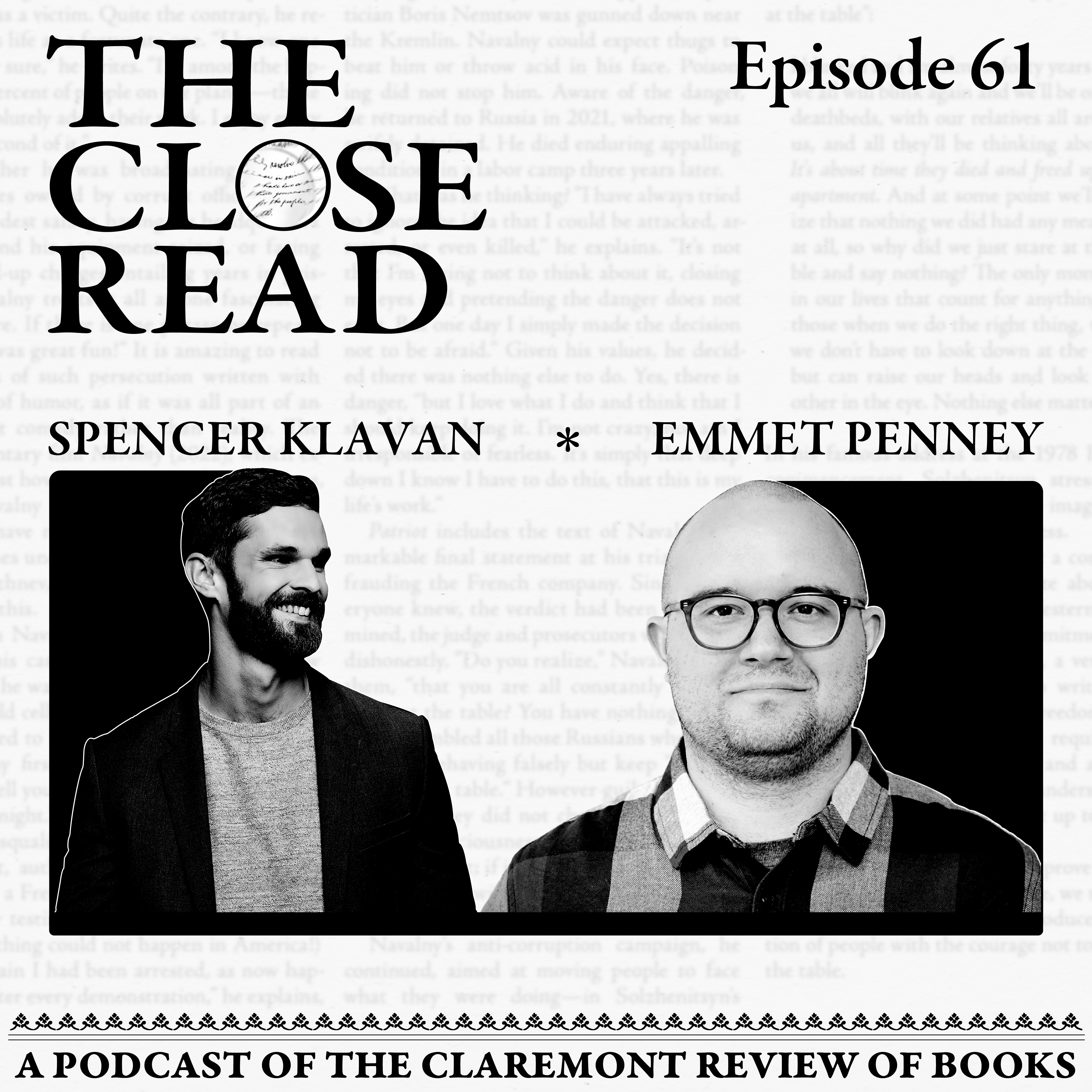
Emmet Penney on the Global AI Race
Nov 2100:32:46Tap to summarizeA pioneer of computing technology, Nvidia produces the chief component powering the AI revolution: the microchip. Having scaled the once-niche gaming hardware firm into an industry titan, founder and CEO Jensen Huang must now navigate global trade and politics. Associate editor Spencer Klavan is joined by Emmet Penney, senior fellow of the Foundation for American Innovation and contributing editor of Compact magazine, to explain this pivotal technology for the uninitiated and discuss growing concerns that a thin U.S. power grid could give China an opportunity to surge far ahead in the digital arms race. Plus: The Close Read is now on video! This is a public episode. If you'd like to discuss this with other subscribers or get access to bonus episodes, visit claremontinstitute.substack.com/subscribe
Transcribe →