Podcast
The Contractor Grow Show
Hosted by Mark Lamberth · EN
Are you a successful contractor, remodeler, or home service provider looking to elevate your business through smarter digital marketing? The Contractor Grow Show is your go-to resource for proven, actionable strategies to grow your business online.
Hosted every two weeks, this podcast dives deep into the digital marketing techniques that can help home service providers like you reach new customers, optimize lead generation, and boost revenue. Each episode features exclusive interviews with industry-leading experts, digital marketing pros, and high-performing contractors who are sharing their real-world success stories and game-changing strategies.
Whether you're already doing $1M in annual revenue or on your way, you'll learn how to leverage SEO, paid advertising, social media, and more to stand out in a competitive market. Get insights from entrepreneurs and contractors you’ve never heard from before—who are using digital marketing to push their business to the next level.
If you're ready to take your business to the next level with the latest digital marketing techniques tailored specifically for remodelers and home service pros, the Contractor Grow Show is the podcast for you!
45episodes
Episodes
Newest firstAll episodes
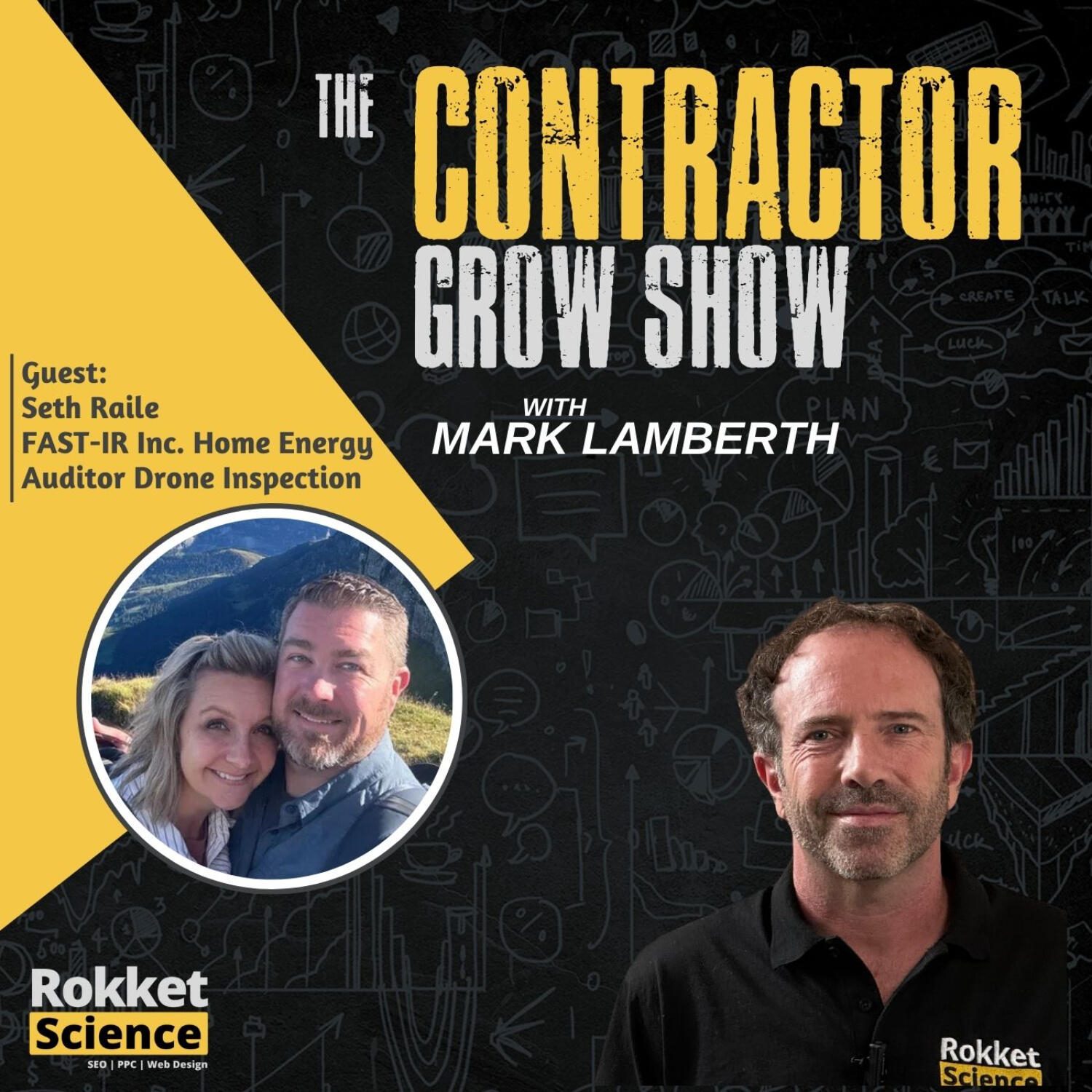
Drone-Powered Home Energy Audits: Cut Bills & Fix Cold Spots in Denver
3d ago00:12:35Tap to summarizeSeth Raile of FAST-IR Inc. shares how whole-home energy audits using infrared imaging, blower door testing, and even drones help Denver-area homeowners eliminate drafts, fix comfort issues, and lower utility bills without wasting money on the wrong upgrades. You’ll also hear how his lean, family-run operation adds recurring revenue with swamp cooler maintenance and commercial fire extinguisher inspections while serving Colorado’s mountain communities. Why most homes (especially pre-2008) are leaking money through hidden insulation gaps and air leaksHow infrared cameras, blower doors, and drones reveal problems without opening walls or tearing into finished spacesSimple upgrades that often beat new windows for comfort and 10–30%+ energy savings in older homesHow to tap into Xcel Energy programs and BPI “house-as-a-system” standards to boost credibility and close more jobsAdding recurring revenue with evaporative/swamp cooler startups, shutdowns, and seasonal maintenance across greater DenverBuilding a zero-overhead, owner–operator model that keeps prices sharp while delivering premium communication and serviceUsing fire extinguisher inspections to serve local businesses, stay compliant with NFPA 10, and fill your calendar year-roundA behind-the-scenes look at Seth’s multi-generational “big house” triplex and how living arrangements can support a resilient contracting business
Transcribe →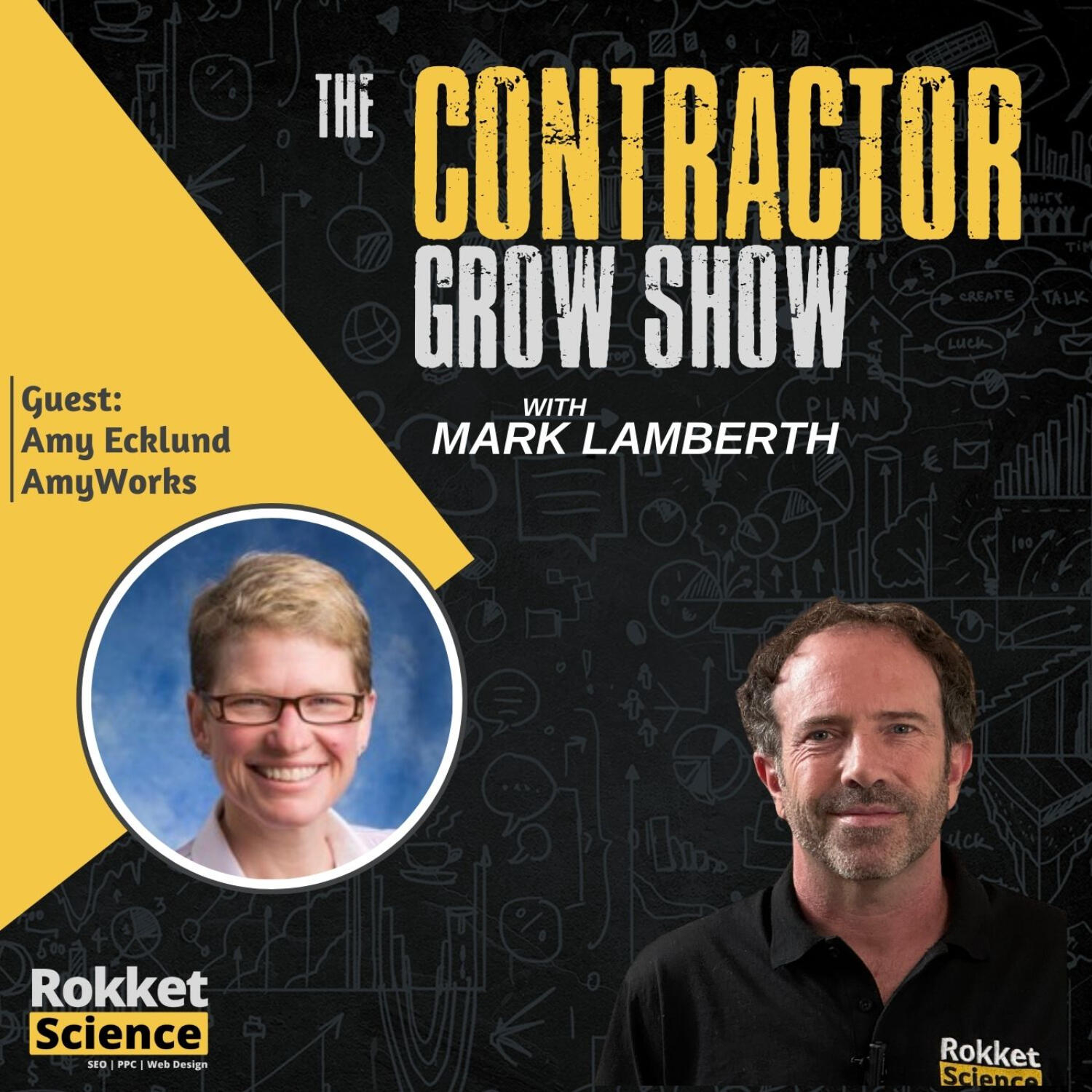
From Handyman Franchise to $3M Remodeler: Amy Ecklund’s VIP Home Plan Playbook
2w ago00:19:02Tap to summarizeIn this episode of The Contractor Grow Show, Mark Lamberth sits down with Seattle remodeler and AmyWorks owner, Amy Ecklund, to unpack how she went from a science career and a shaky handyman franchise to building a women- and queer-owned remodeling company on track for $3M–$5M in revenue. Amy shares how she navigated the 2008 crash, pivoted from handyman work to high-value remodels, and is now systemizing her company so it can run without her as she prepares for retirement. You’ll also hear how Amy is launching a VIP home maintenance subscription that brings a licensed home inspector and quarterly maintenance visits into homeowners’ lives, preventing costly repairs before they happen. Along the way, Amy and Mark talk about awards, community work, and what it’s really like to be a woman in the trades while building trust with remodel clients. Bullet points How Amy went from science professional to handyman franchise owner to founder of AmyWorks in Seattle.The decision to shut down, pivot from handyman services to remodels, and rebuild into a multi‑million dollar company.Why systemizing operations and tracking KPIs is key to scaling toward $3M–$5M in revenue and an eventual exit.The origin story and structure of AmyWorks’ VIP Home Maintenance Plan and why prevention beats expensive emergency repairs.How being a women- and queer-owned remodeling company helps build instant trust with many homeowners.The role of community involvement, tiny home villages, and awards like Master Builders and Inc. 5000 in brand building.Amy’s take on marketing “by the numbers” and how coaching shifted her view of marketing from vague to data-driven.Why trusted vendor relationships (roofers, specialists, and more) are a powerful value-add for maintenance-plan clients
Transcribe →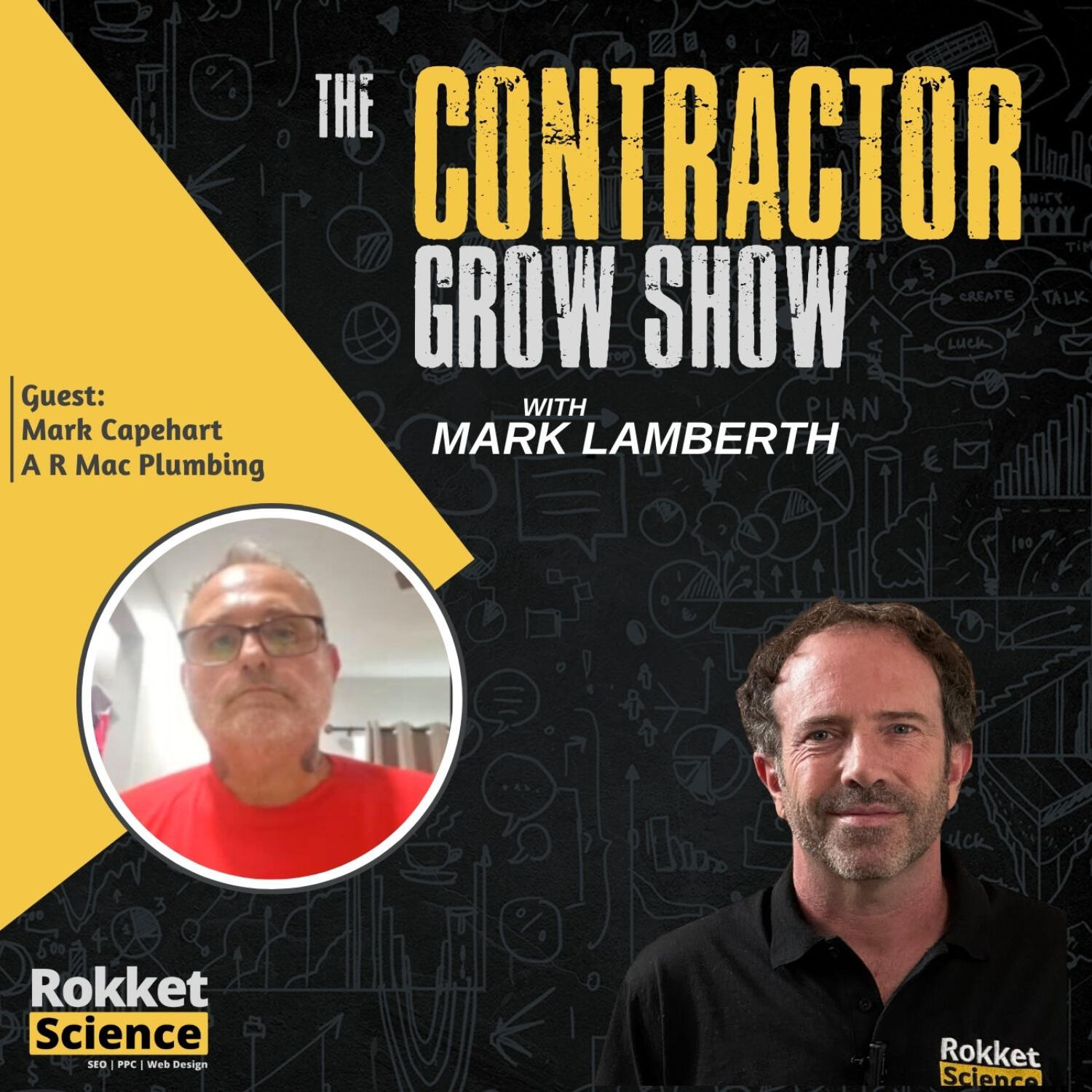
From One Truck to a Fleet: How AR Mac Plumbing Grows with Quality Over Volume
3w ago00:15:07Tap to summarizePlumbing growth without sacrificing craftsmanship. In this episode of The Contractor Grow Show, Mark Capehart of AR Mac Plumbing shares how he scaled from Arizona to Tampa, built a referral-driven business, and keeps standards sky-high while adding more trucks to the road. You’ll learn: Why Mark named AR Mac Plumbing for maximum visibility in old-school Yellow Pages and modern search.How storms and insurance work reshaped his Florida business from commercial-heavy to residential and back again.The payment terms and phased billing strategies he uses so GCs fund jobs without upfront deposits.How he finds and develops young talent through high school trade programs instead of overpaying mediocre “managers.”Why he refuses to compete on price, avoids track-home work, and focuses on inspectors complimenting his craftsmanship.The surprising reason national brands prefer his “non-local” LA number for Florida commercial projects.His plan to add more trucks, expand licensing into multiple states, and grow steadily without losing control of quality. If you’re a contractor who wants to grow 10–40% this year while staying profitable and proud of your work, this conversation is for you.
Transcribe →
From Startup in a Recession to Community Staple: Service Plus Garage Doors
3w ago00:14:44Tap to summarizeIn this episode of The Contractor Grow Show, host Mark Lamberth sits down with Alan Ruttencutter of Service Plus Garage Doors in Seymour, Tennessee, to unpack how he built a thriving garage door company by doubling down on community, culture, and customer experience. Starting in 2009 at the height of the housing crisis with just himself and his wife, Alan has grown the business to a nine-person team serving a 50–60 mile radius around Knoxville, Gatlinburg, and the surrounding areas. Alan shares the simple systems and mindset shifts that turned Service Plus Garage Doors into a highly reviewed, referral-driven business, including how they collect Google reviews, why they invested in the largest garage door showroom in their market, and the community events that now function as local family traditions. If you’re a contractor or home service pro looking to stand out in your market without pushy sales tactics, this conversation is packed with practical ideas you can swipe and deploy in your own company. Bullet Points (show notes / description bullets) How Alan launched a garage door company in 2009 during the housing crash and grew to a nine-person team.The “treat them like family” service philosophy that drives referrals without high-pressure sales.The exact review process they use with QR codes, tech business cards, and name recognition to consistently earn new Google reviews.Why they invested in the area’s largest garage door showroom and how it helps homeowners see, hear, and feel doors before buying.The community-first events (Christmas, Easter, Valentine’s, Mother’s and Father’s Day) that turned Service Plus into a local tradition.How involving employees’ families, company picnics, and Christmas outings has helped retain long-term team members.Simple mindset shifts contractors can use to build trust, earn referrals, and become a true staple in their community.
Transcribe →
From Accountant to “Elevator Chick”: Scaling an 8-Figure Elevator Company
Jul 900:24:32Tap to summarizeIn this episode of The Contractor Grow Show, Mark sits down with Loannie “Luan” Reyes, co-founder and CEO of Authentic Elevator Services Corp., an eight-figure, family-owned elevator company serving New York, New Jersey, and Puerto Rico—with eyes on Florida and Connecticut next. Starting as an accountant with zero field experience, Luan learned the trade side-by-side with her husband, picked up the tools, became an inspector, and now leads a 25+ person team in one of the most specialized, male-dominated construction niches. You’ll hear how she builds a high-performing, loyal crew through intentional training, matching techs to the work they love, and treating people like humans—not numbers—while still maintaining strict safety and code compliance standards. Luan also breaks down how Authentic Elevator strategically expands into new markets without sacrificing service quality, why she invests heavily in education even when it means people may leave, and how that culture actually brings top talent back. Watch or listen in if you’re a contractor or trades business owner who wants to grow beyond a single location, create a culture people don’t want to leave, and build a company that clients and employees trust for the long haul. Bullet points (6–8): How Luan went from CPA firm and admin background to hands-on elevator mechanic and inspectorThe moment she solo-fixed her first elevator and earned her place in a male-dominated fieldBuilding an eight-figure, multi-state elevator company with 25+ techs and strategic subcontractorsTheir in-house training “army” model and how they match mechanics’ strengths to the right rolesWhy they invest heavily in education—even when trained techs leave—and why so many end up coming backNon-union, people-first culture: respect on the jobsite, zero yelling, and unwavering safety standardsStrategic growth into New Jersey, Puerto Rico, and future branches in Florida and Connecticut without diluting service qualityHow Authentic Elevator gives back through industry associations, inspector certification, and developing women in the elevator trade
Transcribe →
Roofing Right: How Mile High Built 15 Years of Trust in Hail Country
Jul 300:13:14Tap to summarizeIn this episode of The Contractor Grow Show, Mark Lamberth sits down with Brian Huelsman of Mile High Roofing Services in Westminster, Colorado to unpack how a small, family-run roofing and exteriors company has stayed A+ rated and highly reviewed for over 15 years in one of the most competitive, storm-heavy markets in the country. Brian shares how a bad early experience in roofing sales shaped his “do the right thing” philosophy, why he built Mile High around honesty and referrals, and how he helps homeowners navigate hail damage and insurance without upselling work that isn’t storm-related. You’ll also hear how Mile High handles solar detach/reset, leverages Heather’s real estate background on timing and transactions, and plans to scale while keeping their hands-on, local reputation intact. If you’re a contractor looking to grow with integrity—or a homeowner in Colorado’s Front Range wanting a trustworthy roofer—this conversation is packed with practical, real-world insight. How Brian went from unpaid roofing salesman to launching Mile High Roofing in 2010 with an A+ BBB track record and long-term local presence.The “do the right thing” mindset that drives referrals, five-star reviews, and repeat business across Westminster and Denver’s north metro communities.Why every hail-damage homeowner should work with a general contractor who understands insurance language—not just a roofer bidding off the adjuster’s first estimate.How Mile High coordinates detach and reset of existing solar systems without getting tangled in the risks of full-blown solar installation.The role Heather’s real estate experience plays in nailing inspection deadlines, transaction timing, and communication with agents and buyers.Mile High’s flexible service area—from Westminster and the North Metro Front Range to occasional out-of-state commercial projects when the numbers make sense.Why Brian is shifting from a lifestyle business he largely ran solo into growth mode with more salespeople and managers, and what that means for future opportunities.
Transcribe →
From $1M to $195M: How AmeriTech Built a Veteran‑Driven Powerhouse
Jun 2700:33:03Tap to summarizeAndrew “Drew” DiSilvestro Jr., President of AmeriTech Contracting, joins The Contractor Growth Show to reveal how a 2‑person SDVOSB exploded into an $195M inks / $85M+ revenue federal construction powerhouse in just a few years. Key takeaways include: How Drew took over a fledgling company from a sick founder and turned it into an 86‑person veteran‑focused operation with a massive federal backlog.Why systems—not heroes—are the real engine behind stratospheric growth, and how he built processes that don’t rely on any single person.The smart financial strategy he used to scale: starting with low‑bond‑requirement service construction, stacking cash, and building banking and bonding credibility.Why culture and intangibles are non‑negotiable: hiring for attitude, training up, and firing fast when standards slip.How you can hire ahead of revenue—securing A‑player talent early, then creating a roadmap so they slot in at the right time.The role of veteran leadership in shaping accountability, adaptability, and execution across a 22‑state federal construction footprint.Drew’s vision for the next 5–7 years: moving into private healthcare and life‑science work, expanding outside the U.S., and targeting $500M+ annual collected revenue.How to reward loyalty without paying for it, and why true loyalty is earned through consistent culture, clear expectations, and leadership from the top
Transcribe →
High-performance HVAC growth story: Culture, service & complex institutional projects
Jun 2100:25:57Tap to summarizeDynamic Air president Brad Carpenter shares how an employee-first culture, A‑player talent, and a “run to the fire” mindset helped DAC become a go‑to independent rep for complex institutional HVAC and energy recovery projects across labs, healthcare, and high-end commercial buildings in New England. How Dynamic Air grew from a founders’ vision into a leading Boston-based independent manufacturers’ rep for complex institutional HVAC systems.The employee-first, work–life balance culture that keeps elite sales engineers and technicians on the team in a highly competitive HVAC talent market.Why Brad organizes the company like a pro sports team so A players can do their best work and self-manage around shared standards and accountability.Real stories of going “all stops” for customers, from cross-border COVID supply chain workarounds to same-day site visits when critical projects are at risk.How DAC’s Local 537 pipefitters and Local 17 sheet metal service branches became the missing link between complex engineered systems and reliable field performance.Why owning service on high-spec, energy recovery and lab systems protects decades of brand equity and eliminates finger-pointing when something goes wrong.The unique “cradle to grave” sales-engineer model that keeps one accountable point of contact from design through installation, startup, and ongoing support.How large healthcare, lab, and institutional owners should engage their engineers and DAC together to get the right custom HVAC and energy recovery solution for their next project.
Transcribe →
From 15 to 25 Lawn Clients: How Richard Built Nature’s Lawn Care in Denver
Jun 1500:13:58Tap to summarizeIn this episode of The Contractor Grow Show, Mark sits down with Richard Safo, founder of Nature’s Lawn Care in Lakewood, Colorado, to unpack how he turned a small COVID side hustle into a growing local lawn care business serving Denver, Lakewood, Littleton, and Aurora. You’ll hear how Richard quit his full-time job with just 15 clients, pushed through losing nearly half of them, and still managed to grow to about 25 recurring customers by focusing on relationships, word of mouth, and relentless hustle. We dig into his simple but effective sales process, why he insists on visiting every property in person, and how listening first (instead of talking over customers) has become his secret weapon. Richard also shares how he cobbles together marketing—Nextdoor ads, EDDM postcards, door hangers, and even putting cards on cars at the park—to keep his phone ringing. For lawn and landscape pros, his first winter going full time is a must-listen segment, from slow snow seasons to budgeting and saving enough in the busy months to make it through. If you’re a lawn care or landscaping contractor wondering when to go all in, how far to travel for jobs, or how to keep revenue coming in a seasonal business, this conversation will give you real-world insight from someone in the trenches right now. Bullet points: How Richard turned a COVID side hustle into Nature’s Lawn Care in Lakewood, COQuitting his full-time job with 15 clients, losing nearly half, and rebuilding to 25Simple, relationship-first sales process from first text or call to on-site estimateWhy in-person property visits and truly listening to customers set him apartGrassroots marketing mix: word of mouth, Nextdoor ads, EDDM, door hangers, and moreNavigating Colorado’s slow winter season with minimal snow work and smart savingDialing in service area to cut travel costs while still serving Denver, Lakewood, Littleton, and AuroraHow to contact Nature’s Lawn Care via phone, Instagram, and LinkedIn to book services
Transcribe →
Military Vet to Custom Home Builder: Sell Cost-Plus in Mountain Markets
Jun 900:15:47Tap to summarizeIn this episode of The Contractor Grow Show, Mark chats with Jacob Maupin, owner of Maupin Homes in McCall, Idaho—a second-generation custom builder blending military discipline, finance expertise, and real estate savvy to thrive in a high-end resort market near Brundage Mountain. Jacob shares his journey from Air National Guard crew chief to banker, back to family business, and how he and his wife now deliver energy-efficient luxury homes that outperform dated resales. Discover proven strategies for contractors: How military "service before self" and attention to detail build client trust in custom, high-stakes projectsFinance degree hacks for accurate cost-plus estimates, ROI on spec homes, and explaining premium pricingOvercoming "cost per square foot" objections by showcasing value like standing seam roofs and superior insulationVertically integrating real estate to help clients buy land, sell old homes, and build new for under resale pricesLow-cost marketing mix: radio ads, Facebook/Instagram, chamber sponsorships, and ski race support driving referralsPrioritizing local subs in tight geographic areas like Valley County to stay efficient and community-rootedGrowth mindset: from post-crash pivot to eyeing spec builds, developments, and commercial amid family life with 4 kids
Transcribe →