Podcast
The CPG View
Hosted by The CPG View · EN
The #1 CPG information source for Global Omni-Channel Leaders.
Empowering you to win in CPG!
30episodes
Episodes
Newest firstAll episodes
Commerce Intelligence & AI: Turning Data Into Competitive Advantage (Karthik Bettadapura , CEO & Co-Founder at DataWeave)
4d ago00:21:24Tap to summarizeCommerce has become significantly more transparent over the last decade, especially around pricing, assortment, promotions, and competitive behavior. From your perspective, how has that changed the way brands and retailers operate?Many organizations are collecting massive amounts of commerce data, but still struggle to act on it fast enough. Where do you think the biggest execution gaps exist today?One thing executives are increasingly worried about is competitive volatility, where pricing changes, assortment shifts, or marketplace dynamics can impact performance almost immediately. How should leadership teams rethink responsiveness in this environment?AI and predictive analytics are becoming deeply embedded in commerce operations. Where do you think machine intelligence creates the most meaningful operational advantage today?Looking forward, do you believe commerce analytics becomes a centralized strategic intelligence function, or increasingly embedded directly into everyday operational workflows across organizations?
Transcribe →
Winning Together: Building Retail Media That Works for Everyone (Molly Hjelm, Corporate Vice President, Head of Retail Media at Ace Hardware Corporation)
1w ago00:21:18Tap to summarizeYou’ve built your career at the intersection of sales, marketing, and retail transformation. what were the pivotal moments that led you to step into the Corporate Vice President, Head of Retail Media role at Ace Hardware?You’ve said you get energy from working with brilliant people and cultivating mutually beneficial partnerships. What is it about retail media that makes it such an exciting space for collaboration right now?Many organizations struggle to truly connect marketing strategy to sales execution. How do you design go-to-market strategies that genuinely unleash the power of marketing behind sales teams to drive measurable results?Ace Hardware has an incredibly strong brand and retailer network. What’s unique about building a retail media capability inside that ecosystem compared to other retail environments?Retail media works best when it creates value for retailers, brands, and customers simultaneously. What does a truly mutually beneficial partnership look like in practice and how do you structure teams and incentives to support that?
Transcribe →
Winning the AI Shelf: Why Product Experience Is the New Competitive Advantage (Simon Angove, Chief Executive Officer at Syndigo)
2w ago00:20:48Tap to summarizeProduct content used to be viewed as a relatively tactical function. Today, it increasingly feels like core commerce infrastructure. From your perspective, what changed?Many brands still underestimate how much poor product content impacts conversion, discoverability, and retail relationships. What are the biggest operational gaps you continue to see across organizations?AI-generated content is creating enormous new possibilities, but also a lot of noise and inconsistency. How should executives think about balancing scale, governance, and product experience quality?One thing becoming clear is that the digital shelf is no longer just about PDP optimization. It increasingly influences search visibility, retail algorithms, advertising efficiency, and even supply chain performance. How interconnected has this ecosystem become?Looking ahead, where do you think product experience infrastructure evolves over the next several years, especially as AI agents and machine-driven shopping behaviors become more common?
Transcribe →
Building What's Next: Leadership in the Age of Retail Media (Elizabeth Neubauer-Donovan, EVP, Head of Commerce & Retail Media Networks + Growth Monetization at Acxiom)
2w ago00:19:04Tap to summarizeYou’ve consistently been at the forefront of first-party data and omnichannel monetization/ What was an early moment in your career when you realized data would fundamentally reshape how media is bought and sold?Now as SVP, Global Head of Commerce & Retail Media Networks at Acxiom under Omnicom Group, what excites you most about operating at a global scale versus building a single network from the ground up?You’re known for building multi-functional teams and scalable organizations from scratch. What part of that building process energizes you the most the strategy, the talent development, the revenue acceleration, or the technology innovation?When you look back at that journey, what gave you the conviction that hospitality could become a powerful media channel?You spend a lot of time thinking about leadership and potential. What are you personally most excited about unlocking next in the industry and in yourself?
Transcribe →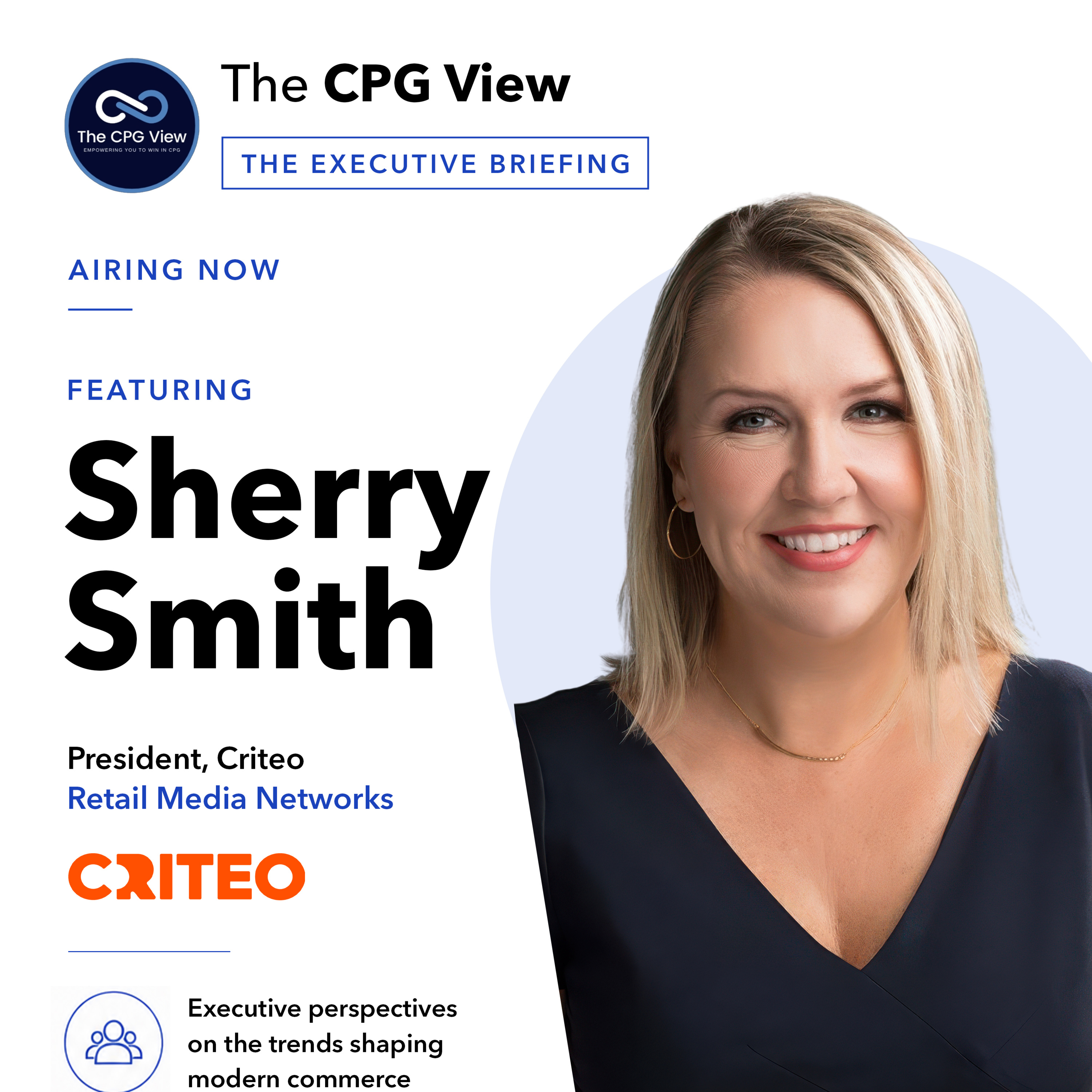
Winning the Next Chapter of Retail Media Networks: Relevance, Loyalty & Execution (Sherry Smith, President, Retail Media at Criteo)
2w ago00:20:47Tap to summarizeRetail media has evolved incredibly quickly over the last few years, but the conversation has also become far more financially scrutinized. From your perspective, what phase is the industry actually entering now?A lot of retailers rushed to launch retail media networks, but many are now discovering that building ad inventory is very different from building a scalable media business. What are the biggest structural mistakes you see retailers making today?Brands continue shifting budget into retail media, but many executives are starting to question incrementality, duplication, and measurement consistency across networks. What are brands asking for now that they were not asking for even 18 months ago?One of the biggest tensions in retail media right now is the relationship between trade spend and media spend. How do you think CFOs and commercial leaders should be reevaluating the role retail media plays inside the broader P&L?As Amazon, Walmart, and Instacart continue to scale, what does the future look like for mid-sized and regional retail media networks? Do you see consolidation coming, or are there areas where smaller RMNs can still build defensible advantages?
Transcribe →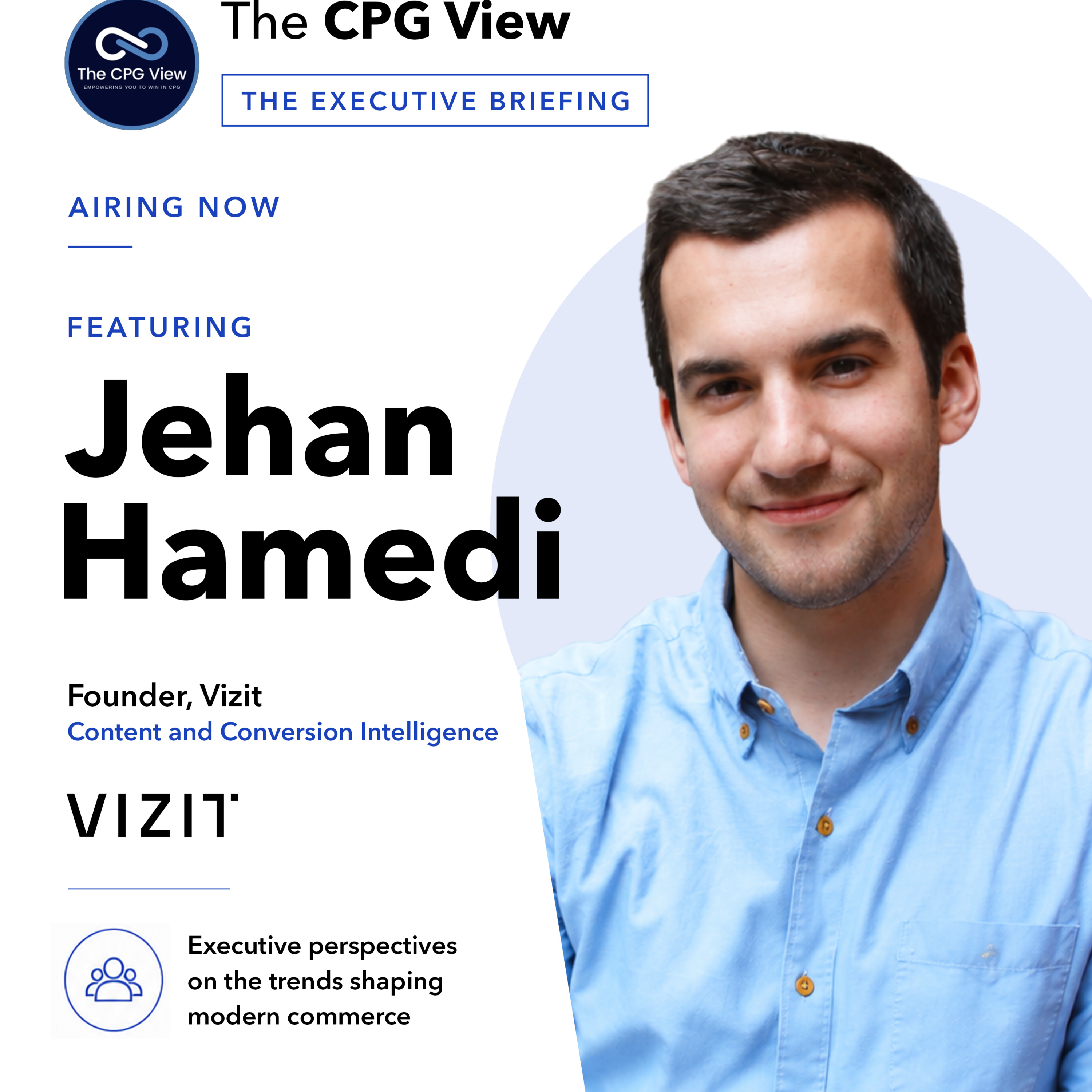
Content & Conversion Intelligence: The New Competitive Advantage ( Jehan Hamedi, Founder & Executive Chairman of Vizit)
4w ago00:35:12Tap to summarizeContent has traditionally been treated as a creative output, but increasingly it is being measured like a performance variable. From your perspective, what has fundamentally changed?Many brands produce enormous amounts of creative content but still struggle to understand what actually drives conversion. Where do you think organizations are getting disconnected from the consumer?One thing that stands out right now is the growing pressure to produce more content, across more platforms, at much higher speed. How should executives think about balancing creative quality, consistency, and operational scale?AI-generated content is accelerating rapidly, but it also raises questions around differentiation, authenticity, and performance saturation. What do you think separates effective AI-enabled content strategies from ineffective ones?Looking ahead, do you think content intelligence becomes as measurable and operationalized as pricing or media optimization, and how does that change the role of creative organizations inside brands?
Transcribe →
The Consumer Connections Playbook: Measurement, Media & Modern Marketing (Vinny Rinaldi, Vice President, Consumer Connections at The Hershey Company)
Jul 900:17:09Tap to summarizeVinny, the 'Trifecta' measurement strategy isn't a new concept, yet most brands still can't bridge the gap between brand and commerce. In your experience, what is the most essential first step to breaking down those organizational silos and finally unifying measurement?"How are you thinking about short vs. long term ROI when it comes to investing in brand vs commerce media networks? Especially as it relates to onsite and offsite digital media buys with RMNs. What’s your way to assess incrementality and how hard a dollar is truly working for Hershey’s bottom line?Vinny, you truly put the business first, always thinking about what’s best for Hershey. Can you share a bit about how you’ve thought about the economics regardless of funding source and the depth of your relationship with the Chief Sales Officer?As you think about the future, the rise of more sophisticated commerce media network offering, there is a temptation by many brands to think about 1;1 closed loop measurement. However your philosophy is quite different - embracing the need to triangulate decisions using ROI, signal-based data, and 'control vs. exposed' groups. How have you been able to convince your organization there’s a better way forward…and really modernize measurement with agentic AI Hershey is consistently at the cutting edge of measurement. How does this sophistication influence your media and commerce partnerships?
Transcribe →
The New Marketplace Playbook: Winning in the Age of AI, Agentic Commerce & Social Discovery (John LeBaron, Chief Revenue Officer at Pattern)
Jul 800:33:19Tap to summarizeWhat leaders must understand now 4 the shifts in market structure, regulation, or competitive dynamics that demand attention this week.What Leaders Are Getting Wrong? Default assumptions under pressure. The conventional wisdom that no longer holds and the blind spots that create exposure.What to change in the next days. Concrete, tactical adjustments grounded in what operators are actually doing. Planning Implications? How plans should adjust. Connecting weekly signals to annual planning cycles and budget architecture.Executive Close One operator takeaway. One board takeaway. Clarity that travels from the briefing into the boardroom.
Transcribe →
Scaling Digital Commerce at PepsiCo: Strategy, Transformation & Leadership (Avinava Banerjee, Head eCommerce Strategy & Tranformation GCC at PepsiCo)
Jul 200:25:18Tap to summarizeCan you tell us about your journey? What first drew you into eCommerce and analytics and how did those early experiences shape the way you approach digital transformation today?You’ve worked across so many countries and markets. What have you noticed about consumer behavior? Does it really change a lot or are there surprising similarities everywhere?At PepsiCo, you lead eCommerce Strategy and Transformation for the GCC. What has been the most exciting part of driving digital change for a global brand in that region?How do you approach connecting eCommerce with other parts of the business at PepsiCo, like marketing, supply chain, and overall business strategy, especially in a fast moving consumer goods environment?Looking forward, what excites you the most about the future of eCommerce and digital transformation at PepsiCo and beyond
Transcribe →
Marketing Beyond ROAS: Building Brands in an AI-Driven World (Tom Goodwin: Co-Founder, Digital & AI Transformation Agency at All We Have Is Now)
Jun 2500:23:16Tap to summarizeTo what degree is advertising slowly turning into short term, performance driven marketing, and are brands sacrificing long term equity for immediate return on investment?Retail media has brought advertising directly to the point of purchase. Does this represent the ultimate evolution of marketing efficiency, or the narrowing of brand building into pure conversion mechanics?Agentic commerce and large language model driven discovery are beginning to reshape how consumers find and buy products. How fundamentally will these technologies change the structure of commerce?If artificial intelligence systems increasingly mediate discovery and decision making, will brands need to optimize more for algorithms than for human emotion, and what does that mean for differentiation?Are we at an inflection point where technology is redefining the balance of power between brands, platforms, and consumers, and who stands to gain the most in this next phase of commerce?
Transcribe →