Loading summary
Transcript97 lines
- [00:00]
Citi
They're not writers, but they help their clients shape their businesses financial stories. They're not an airline, but their network connects global businesses in nearly 180 local markets. They're not detectives, but they work across businesses to uncover new financial opportunities for their clients. They're not just any bank. They are Citi. Learn more@citi.com we are city.
- [00:27]
Lulu Garcia Navarro
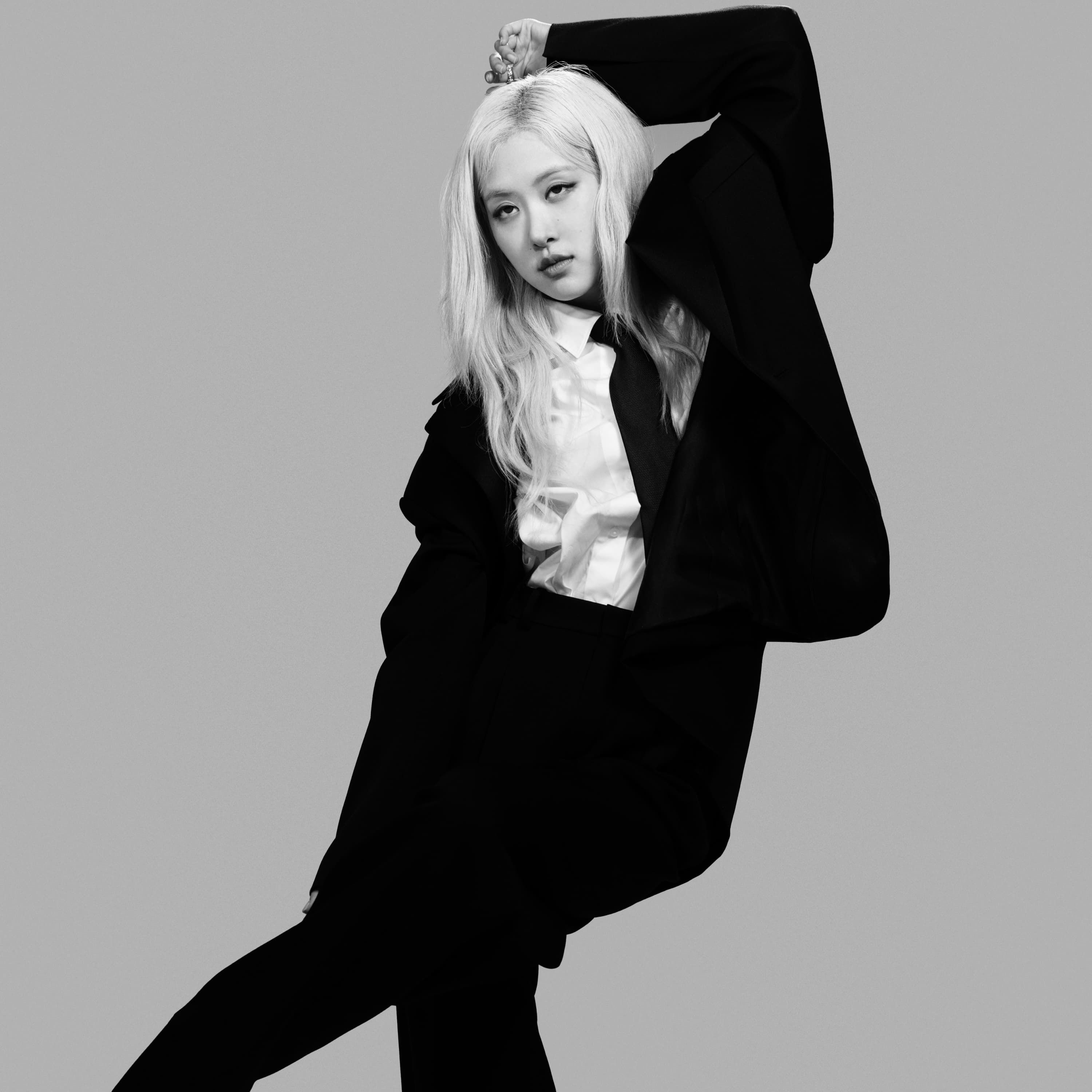
From the New York Times, this is the interview. I'm Lulu Garcia Navarro. I'd like to invite you into my refuge when it all gets to be too much. It's a world of bright color, incredible fashion, perfectly choreographed dance moves, and ebullient earworms that bop. Yep, I'm talking about K pop. If you know, you know. But for those who don't, South Korean pop, known as K Pop, is a highly stylized art form that has a massive global fan base, giving outsize cultural influence to the small country where it's made. The genre stars known as idols are trained, often for years, by entertainment companies. The companies then place the most promising trainees in groups, write and produce their music, and some would say obsessively manage their public image. It's a structure that works for the idols who make it big, but it also draws criticism for its grueling and what some critics call exploitative methods. One of the biggest stars to come out of that system is born Roseanne Park. She trained for years at one of K pop's largest agencies, YG Entertainment, eventually breaking through as part of the girl group blackpink. Now she's striking out on her own with her first full length solo album called Rosie. The lead single, apate, is a collaboration with Bruno Mars and has made history as the first track by a female K pop artist to break into the top 10 on the Billboard Hot 100. So's star keeps rising. Still, as she told me, writing her own songs has made her think about where she came from and who she is apart from the system that made her into a global phenomenon. Here's my conversation with hi, how are you?
- [02:20]
Rosé
Nice to meet you. I'm Rosie.
- [02:23]
Lulu Garcia Navarro
Hi Rosie. Is that how you prefer to be addressed or what would you like you can call me?
- [02:29]
Rosé
Actually, it's just become a habit lately. I usually always introduce myself as Rose, but you can call me Rose. Rosie, whatever you feel comfortable with.
- [02:38]
Lulu Garcia Navarro
Is there a difference between the two when you think of yourself as and when you think of yourself as Rosie?
- [02:45]
Rosé
Um, yes, I think there's a bit of a difference. But it's more like if Rose was some, you know, if you know, a Character that I really worked hard on as a trainee. And, you know, it's a part of blackpink. And I feel like Rosie is whatever is behind that. And what came before that, I would say Rosie is definitely the character that my friends and family know is more like, I have music on when I like to be a whole, like a diva and dance, you know? But then Rosie would just be, like, me at home, drowning in my bed.
- [03:31]
Lulu Garcia Navarro
So this is a huge moment for you. You're about to release your first solo album. Can you tell me, what are you feeling?
- [03:44]
Rosé
I feel like I've been waiting to release this album for my whole life. I would say just growing up, you know, I grew up listening to a lot of female artists. I used to relate to them a lot and used to really get me through a lot of tough times. And so I would always dream of one day having an album myself. But, like, I never really thought it would be realistic. Because once I started, like, being in the industry, I started noticing there is way more that goes into it than I expected. And I remember last year when I first begun the whole, you know, the process of it. I doubted myself a lot. And so I feel like. It feels really. It feels like a dream that I'm about to release this album. But I kind of lived in this album for the past year, like, every single day. And so I'm ready to be like, okay, get it out now. Time for me to move on as well from that chapter of my life.
- [04:45]
Lulu Garcia Navarro
You just talked about not having confidence in yourself to do this, which I think probably would be incredibly surprising to anyone who would look at, with all your success, with the enormous fan base that you have to know that you doubted yourself so much.
- [05:04]
Rosé
I was more afraid of because I don't think I ever learned or trained myself, like, to be vulnerable and open and honest. So that was the part I think I feared. Cause it was the opposite of what I was trained to do. And I really hoped that this album would be exactly that. To be vulnerable and very honest and something that just anyone could relate to. Yeah. And so that was the part I think I feared.
- [05:41]
Lulu Garcia Navarro
I think that's the perfect opening to talk about how you got to where you are today. You were born in New Zealand to South Korean immigrant parents, and then you moved to Australia when you were 8. When did you start playing music?
- [05:59]
Rosé
When I was growing up in Australia. There's really not much to do there. It's not like Seoul City or New York. It's like, it was just school and back Home, school and then back home and so I'd be really bored and I. My parents had, like, made me take like piano lessons and so I knew how to play a few chords and so I'd like end up just printing chords on paper and then I'd like sing along to it because it was like, form of entertainment, basically. And then I picked up the guitar because that's when YouTube started blowing up and all these, like, people would like, cover songs and I'd think, that's so cool. Like, I want to be that girl who knows how to play the guitar and sings. And so I, like, picked up the guitar and I practiced that at home. Yeah, it was really organic. It was a form of entertainment for me.
- [06:48]
Lulu Garcia Navarro
So in 2012, when you were 15, you auditioned for a slot in YG Entertainment's trainee program, which is basically sort of a boarding school, if you will, for becoming a K pop star. It was your dad's idea, right?
- [07:03]
Rosé
Yes.
- [07:04]
Lulu Garcia Navarro
What was it that made your dad want you to audition and did you sort of understand what you were getting into?
- [07:12]
Rosé
Um, yes. So, like, that's when, like, I was watching YouTube a lot. And if you would search K pop, there'd be like this whole world in Korea where, like, you know, there are trainees and they all train and become K pop stars. And so that was kind of like. There was this fantasy about it, obviously, and I think I would sometimes dream it and I'd be like, imagine myself actually doing that. And I'd be like, oh, that's ridiculous, it never happened. But, like, that would be so cool. But it wasn't much of a possibility in my head until my dad saw that MOIG was flying to Australia. And back then it was very rare that Korean companies would come all the way to Australia. My dad was like, rosie, you sing every night till past midnight and we have to drag you back into the room. You obviously like to do this. You should take the audition. And I was like, me? I really thought he was joking. I'm like, I don't even know how to sing properly. And he was like, well, you just gotta do it. And if it doesn't work out, then it was a fun experience. But you don't wanna be like 26 and regret that you never tried it. And I was like, oh, okay. So we flew to Sydney and I took the audition and I was already like, everyone's so good. And I remember being like, okay, that was fun. Bye. To my surprise, they called us back and then they asked us to pack up our bags and Come to Korea in two months. And so that's what happened.
- [08:45]
Lulu Garcia Navarro
I mean, you know, becoming a trainee is full time. It's based in Seoul. You had to pack up your life and leave in two months. It isn't something it seems that you enter lightly. I mean, what were the conversations like in your family when you were deciding whether to stay or go?
- [09:03]
Rosé
My mom was very against it at the beginning because obviously she worries about a lot of things, which she should. And it was like nothing was promised, really, but my dad won. And I think I was too young to really think about everything. I was more excited. I didn't even think I knew that I was going to be living in a dorm with the girls. I didn't understand the fact that I'd be apart from my family. I just thought I'd be going and ooh, I'm in dorm. Yay. And then I remember when I got there, my parents like, okay, we're going now. We're leaving. And I was like, where are you going? And they're like, we have to go now. We have to fly back. And I remember freaking out. And that's when it hit me, like, this is very real.
- [09:48]
Lulu Garcia Navarro
I mean, that's crazy, though, to just sort of arrive there and not realize that that's where you were gonna be living and staying there.
- [09:55]
Rosé
Yeah.
- [09:56]
Lulu Garcia Navarro
Did you know much about the Korean idol culture at that point?
- [10:00]
Rosé
I did, because that's again when YouTube started blowing up and we were like, they were releasing a lot in Korea about the trainee life, and it was a bit glamorized, for sure. It looked really like everyone was chasing their dreams and working so hard and. But I think I didn't understand the lonely part. Like, the loneliness that I would have to go through. That was a bit traumatizing. I mean, a bit shocking. But, you know, I survived it.
- [10:33]
Lulu Garcia Navarro
I think a lot of people outside of Korea don't quite understand how intense the process is to become an idol. What was a typical day like for you?
- [10:44]
Rosé
So for us, the schedule was like, we would wake up at. I had to wake up at like 9:30, I remember, because I needed to take a shower. And then we'd be at our dance hall that we all shared between us seven to eight girls. And we'd have like, vocal lessons and dance lessons and language lessons all set up. And then practice would end at 2am but for me, I used to want the whole to myself. So there are many days when you just stay back and use the whole after hours, and then it just. It would repeat like that every single day.
- [11:22]
Lulu Garcia Navarro
You were clearly very driven to want to make this work.
- [11:26]
Rosé
I think a big part of that was because I had traveled so far for it. For me, it's. If I failed here, then I would have to fly all the way back to Australia. And all my friends who asked me, where are you going? I don't understand what you're doing. I didn't want to have to explain to them this whole process of me, you know, failing and flying back. And so I could not let that happen. And it drove me to be more determined.
- [11:51]
Lulu Garcia Navarro
I mean, it says something about you that you had so much discipline and so much drive that you wanted to sort of.
- [11:58]
Rosé
Yeah.
- [11:59]
Lulu Garcia Navarro
Get to a place.
- [12:00]
Rosé
I think I learned that about myself when I got to yg. It wasn't something that I had before, and that got me there. It was more like I got there and then I was put in that situation. And that's when I learned so much about myself. And I'm very. Yeah, very, like, determined. And that's when I learned I was like, oh, this is the type of person I am.
- [12:23]
Lulu Garcia Navarro
I read you'd get only one day off every two weeks.
- [12:27]
Rosé
Yes.
- [12:29]
Lulu Garcia Navarro
What did you do on your day off?
- [12:32]
Rosé
Lisa is from Thailand as well. So Lisa and I didn't have friends or family there, so we would.
- [12:37]
Lulu Garcia Navarro
Another member of Blackpink?
- [12:39]
Rosé
Yes, another member of Blackpink. We were in the same room, and so we'd wake up and I'd be like, I'm going to church. And so I'd meet her after church, and then we'd go shopping and go to our favorite stores. Remember, there's this place called Myeongdong. Back then, we don't go there anymore, but we would go to Myeongdong and, like, go shopping. And then I remember we'd always pass, like, Jordans was like, a big thing. The sneakers. Nike Jordans, I remember. And, like, it was like, such a big hype back then, but it was so expensive. So we'd always go to the store and, like, look at all the shoes and be like, oh, it's so pretty. Like, this is so expensive. I really want these. And we would have be able to buy it. So I feel like maybe next time. And we would actually go shopping for the things that we had to wear for training. For training, we'd have to do these weekly and monthly tests. And so for that, we need to look good. And so we'd have to style ourselves. But we didn't know much about clothes. And with the money that my Parents would send us, we'd go out and try to look good. And so it was like a constant battle of proving to the company that this is who we are, this is the artist that I can be, this is the artist I am. And to be an artist is like fashion is a big part of it and how we present ourselves as an artist. And so we worked really hard on that.
- [14:04]
Lulu Garcia Navarro
The idea here is that they're training you to be this huge star. So in addition to singing and dancing, did you get instruction on like the public facing aspects of the job? Did they try to prepare you for what fame might be like?
- [14:17]
Rosé
No, not necessarily. I personally think that especially us for like blackpink, we're all smart enough to be. To navigate our way through and we're all very responsible. And so I'm guessing that's why we got selected. I don't know. I just believe that. But yeah, it's not like they told us anything specific, like this is what you're going to be going through mentally, et cetera. It was like. Yeah, it was more organic than that. I think if that was all taught as well. It seems a bit weird. It seems very like very planned. But we were there for music and so we just worked on music.
- [14:53]
Lulu Garcia Navarro
Well, you were at the academy for four years. Some of the people who trained there trained for six or seven years. Does it seem like a good system?
- [15:01]
Rosé
Well, me personally, I still talk about it sometimes and I say I'm like talking to my producer and I say I really miss the days where I was given all the time in the world to work on my music. And I said at the time it was like endless hours. And sometimes I was hopeful, sometimes it felt like, felt hopeless. But I think deep down inside I really enjoyed it. Being able to live in that with all the time. Like I think that was like a really special moment that I'm never probably going to be able to get back to just solely do that. And I tell, I say I'm like, when I look at trainees and the girls that are coming up, I really think I'm like, I envy that kind of. Because even though it was mentally challenging, I think the trainee days of me pushing through all those hardships has, you know, helped me, you know, do these things for myself even to this day.
- [16:07]
Lulu Garcia Navarro
Yeah, I mean it sounds like a lot to navigate. What was it like when all of a sudden blackpink comes out and it just becomes an immediate success? What was the transition like from being a trainee with all the time in the world? To do your music, to suddenly becoming an actual pop star.
- [16:28]
Rosé
I think that might have been the hard. Maybe the hardest part for me because I think being a trainee, yes, settling into this whole new world with people you don't know, that is challenging. But it was still off camera, and I got to make mistakes. But I feel like the transition of now having to be on camera and being an artist and presenting to the world who I am, that's something we just had to learn as we went. So I think the first few years was very difficult for me personally. But, you know, a few years in, I started picking it up and learning. Yeah.
- [17:11]
Lulu Garcia Navarro
What was hard about it?
- [17:12]
Rosé
I think it's still hard, actually. And it kind of never stopped since then.
- [17:17]
Lulu Garcia Navarro
I mean, what I'm hearing is that you had to find out who you were in the glare of this very big spotlight. And, you know, one of the things that is unique about K pop is that the fan culture is so specific and so enormous. Can you tell me a little bit about that relationship? I mean, how authentic did you feel like you could be? How authentic did you want to be?
- [17:46]
Rosé
I mean, I felt like we were trained to always present ourselves in the most perfect, like, perfect way. And so even when we were, like, interacting with them online, it was when I was ready to give perfect answers and give them people what they wanted and making sure that I'm a perfect girl for everyone. And so I think that's. That's kind of. That was the culture. And then that's why leading into this album, it was a little bit of a. It was more a personal want and need to be able to write an album that I grew up. Like, I had listened to music that I felt like I could relate to, but in order for that, I'm sure, like, artists had to be vulnerable, but, you know, we hadn't trained to talk about our emotions and feelings and experiences.
- [18:41]
Lulu Garcia Navarro
So it must have been scary.
- [18:42]
Rosé
Yeah.
- [18:43]
Lulu Garcia Navarro
To do this, because this is a very personal album. Let's talk about Rosie.
- [18:48]
Rosé
Mm.
- [18:49]
Lulu Garcia Navarro
When you had to sit down with yourself and write this album, what was that like? To have to dig deep, to be.
- [18:58]
Rosé
Honest, like, doing it, that was like breathing all the stories in. There are stories that, you know, anyone around me has heard more than 20 times. It was about time I wrote it in a song, but it was like, I had moments where I was like, wait, can we say this? Wait, maybe we shouldn't put that word in there. Maybe this is too much. Should we not? And then I think it was, like, the process of me Letting that go.
- [19:27]
Lulu Garcia Navarro
What's the fear, though, when you're saying, I don't want to put that in there?
- [19:32]
Rosé
Like, I guess at first, like, I mean, I'm talking. I'm talking about very normal experiences that a normal girl in their twenties is going through. And so, like I said, there's a whole world and a whole life behind, you know, screen where I experience things that my fans hasn't really heard about or seen and talked about. And so, like, sometimes it does scare me. It's like, yeah, can I show this side of me? And am I allowed to talk about this? Yeah, it's not even, like, crazy things, to be honest. It's very normal things. So it sounds like I'm gonna. I'm talking. I'm gonna be talking about some CR experience. It's not really that crazy. It's very normal things.
- [20:17]
Lulu Garcia Navarro
No, the themes are heartache, lost love, anger, sometimes at people. I mean, the range of human emotions.
- [20:27]
Rosé
Yeah. Romance. But even that is, like, it's scary for me. So that was. Yeah, it was like I could see, like, the faces in the producers and songwriters. They were like, so interesting. Rosie, why are you so nervous about this? And I'm like, you guys, you don't know.
- [20:46]
Lulu Garcia Navarro
Well, I mean, I've seen reporting that, you know, K pop agencies have strict rules when it comes to dating, and in part maybe because they want fans to feel like idols are in a relationship with them. Is that part of the fear that it's not normal for stars to necessarily share that?
- [21:07]
Rosé
Well, yeah, it was not normal. It isn't normal. But also, it's just not normal for me too. Like, I had never really spoken about it because I feel like there's no need for me to ever confirm anything or talk about it. But I think that's why, like, this album means a lot to me, because it's just like, these things are just inspirations for my art. So I do want to make sure that that's, like, very well addressed. The fact that it's not about the story of who Rosie has been with or whatever. It's really more about the art. And it's scary. It' kind of unfair that I have to think about that part of it, because really, again, it's just an element of inspiration.
- [21:51]
Lulu Garcia Navarro
I can hear you drawing a boundary. You know, that your personal life is your personal life, which I totally respect. I was really struck by one particular song off the album, which is called Number One Girl.
- [22:04]
Rosé
Oh, yes.
- [22:05]
Lulu Garcia Navarro
When I listened, it felt like it could be about a romantic relationship or About a relationship with fame and celebrity. One of the lyrics goes, tell me I'm that new thing. Tell me that I'm relevant. Can you talk to me a little bit about that song?
- [22:19]
Rosé
Yeah. That song was written after a terrible night of scrolling through the Internet till like 6am and I barely got any sleep. I walked up to the studio the next day, very cranky, and they asked me, how have you been? And I was like, very bad. I'm so exhausted. I'm exhausted. Trying to please everyone. I'm always just trying my best to be my best version. But I felt a little lost and I felt like I was never good enough. And I was a bit cranky, Cranky against the world and just the universe. And I was like, you know, I want to write a song that's just so disgustingly open and honest. Like, you know, things that I hate myself for, like thinking. I said like all those thoughts that's written in those lyrics are thoughts that I don't want to admit that I actually think because I think I like to present myself as a very positive girl who's like, who just. Who doesn't think about negative things, who's very. Just bright minded and whatnot. But I think that was honestly the day I was like, nope, I have these days.
- [23:27]
Lulu Garcia Navarro
What were you watching online? What were you seeing?
- [23:30]
Rosé
I was like, comments, you know, like just searching topics that were not going to necessarily satisfy me and just like go down like rabbit holes of negative comments and just. I don't think I knew. I didn't understand what I was searching for as well, but I was looking for validation and I felt like, wow, it was a lonely world that night on the Internet, on social media. It was a lonely world. And. And as I was writing the song, I felt there must be so many other girls who experienced this. And so I just want people to know that I'm no different.
- [24:16]
Lulu Garcia Navarro
What does Vampire Holly mean? Cause you've.
- [24:20]
Rosé
Vampire Holly was another day of those.
- [24:23]
Lulu Garcia Navarro
Cause it's your new handle on Instagram and one of the songs on the album and I can't let you break me. Like this is one of the lines.
- [24:31]
Rosé
Yeah, tell me about that. Yeah. Vampire Holly was my private Instagram account. It was just an account that I made so that I didn't have to be like. Cause my official account has a lot of followers and I always have to think about what people are gonna think of me. But I wanted an Instagram where I just felt. Just didn't have to be cool.
- [24:54]
Lulu Garcia Navarro
It's your finsta.
- [24:55]
Rosé
It's my finsta and it's what I just used. And then I remember, you know, a few fans found out about the Instagram and then I think they started getting. They would, you know, so there are certain people who want to be negative and they were trying to find all the ways to get to me and I guess they ended up getting to that account and then using that to like, cause drama and create actually trigger me. And they were, it felt like obviously they were obsessed with the thought of like, controlling me and you know that. But then I felt like I was obsessed back. But then I remember after I wrote that, I let it all go and I never went back to it again.
- [25:45]
Lulu Garcia Navarro
There is a big anti fan movement in K pop where there's a lot of bullying online, especially of female artists. And it sounds like this was part of that. You were experiencing that.
- [25:56]
Rosé
I think so. I don't know. I don't want to get emotional about.
- [26:00]
Lulu Garcia Navarro
It, but it's okay.
- [26:04]
Rosé
Oh my gosh. I think, like, I didn't think that because I would say I'm pretty strong minded as well. I'm pretty, like, I'm not that. Like, I am very positive as well and I like to be smart about, you know, how things affect me. But I think I remember when it felt like it actually did get to me that like, it felt pretty, pretty bad. I was like, oh, my gosh, I am going through this. I never, I never thought I would. I think I would see things online and I'd always think it's interesting. You just like, I wonder why they let that get to them, you know. But I remember when it did, I was shocked.
- [26:46]
Lulu Garcia Navarro
Yeah, I'm sorry that that happened to you. And I know you've talked about your own mental health and how demanding it can feel to protect yourself from this stuff. What do you do?
- [27:06]
Rosé
Well, in this case, now that I've found songwriting, we'll write it in a song. If life gives you lemons, you make lemonade. I think that was the only thing. It was kind of surprising because songwriting came to me as like a blessing at the moment. I really needed it and I was like, wow. I'd walk in with a big problem. I'd store it in a song and it would leave my mind, it would leave my heart. And so as cheesy as it sounds, that's the songwriting has helped me. Like, it actually like leaves my soul as I leave it in a song. But then there are some days where I don't like the song and I'm like, that didn't help. That didn't help. That song's not gonna be in the album. I'm still suffering now, so we better write. It's kind of. It was actually like that. I think I ended up. I was so addicted to songwriting at one point because I'd have these concepts that I wanted to write about and then would paint it, but it wouldn't be the right image. And I'd be like, no. Like, yeah, but that's not what I wanted to say. Okay, scratch that. Again, Again, Again. And then I'd get the song and I'd be like, yes. And I'd actually heal from it and I would never actually think about it again because it literally just lives in that song and it actually heals me.
- [28:35]
Lulu Garcia Navarro
After the break, I call Rose back and she tells me about what's next for blackpink as its four members pursue their solo careers.
- [28:44]
Rosé
I think we all have obviously love for blackpink, but I think we were, I would say, mature enough to come to a conclusion that in order for us to continue this in a healthy way, we also have to acknowledge that we all have all also individual needs and wants.
- [29:14]
Citi
This podcast is supported by Tomorrowist, a new podcast from shrm, the trusted authority on all things work. Disruptions like AI and automation, demographic shifts and geopolitical instability are challenging business leaders like never before. Each episode of Tomorrowist explores one of 12 critical trends impacting businesses, featuring practical insights you can apply tomorrow from guests like CNN's Van Jones, the Council on Foreign Relations, Michael Froman, and IBM's Martin Keen. Visit shrm.org tomorrowist to learn about the 12 tomorrowist trends and subscribe to Tomorrowist on all major podcast platforms.
- [29:48]
Billy Bob Thornton
This podcast is supported by Landman on Paramount.
- [29:51]
Lulu Garcia Navarro
Welcome to the oil business. Billy Bob Thornton, Demi Moore and Jon Hamm star in new Paramount plus original series.
- [29:57]
Rosé
The world has already convinced itself that.
- [29:59]
Billy Bob Thornton
You are evil and I am evil.
- [30:01]
Rosé
For providing them the one thing they interact with every day. You all right? Here we go. From Taylor Sheridan, executive producer of Yellowstone. Get everybody back. Go. You just put a giant bullseye on this place. We rolled the dice one last time. Landman new series now streaming exclusively on Paramount Plus. Hi.
- [30:27]
Lulu Garcia Navarro
Thanks for talking to me again. I want to start by asking you about the idea of the seven year curse in K pop, which refers to the trend of groups disbanding around their seventh year together. And that kind of coincides sometimes with record contracts expiring. But Blackpink just resigned with YG Entertainment in 2023. So you know, you have all gone off and had solo projects. Did you ever think about breaking up when you were going off to explore what the solo experience was going to be?
- [31:03]
Rosé
It was definitely a moment of all of us sitting down and thinking about what we wanted individually, all four of us. Because, you know, it's a group of four. Like, we all have to make decision on behalf of, like, what we really truly wanted. And so it wasn't, like, a quick decision. I think it was over a course of, like, a few months. Like, we kind of started thinking about it in advance. I think as we all, like, we communicated a lot and we decided we. I think we all have obviously love for blackpink and performing as blackpink, but I think we were, I would say, mature enough to come to a conclusion that in order for us to continue this in a healthy way and maintain that passion in the long run, we also have to acknowledge that we all have also individual needs and wants. And so we came to a healthy conclusion of, you know, making sure we all kind of got to do what we wanted to do for a good period of time and then get together. So that's what's happening. Next year would be blackpink's. We would probably be releasing music, and we're set for tour.
- [32:16]
Lulu Garcia Navarro
I do want to ask you another thing about the trainee system, because I heard you say that for you, your time as a trainee was basically pretty positive. You described it as a period where you really dedicated all your time to doing the thing that you loved. But, you know, I've read a lot about how the system has been criticized in the culture and also legally as being exploitative financially, maybe even emotionally. There have been allegations of abuse. And so I guess I was wondering, do you think that the system overall is a good way to help nurture young art and artists?
- [32:57]
Rosé
I personally, it. Because I started so late. I started at 16. This is just like a personal experience for me. But I had, like, a good system because we had, like, our producer, Teddy, and, you know, people looking out for us and taking care of us. So I personally felt like it really helped me quickly pick up on, like, because I had shorter time than all the other girls, and they really. They got me to train in such a short amount of time so I could be as good as the other girls. And that's how I got my career, and I get to do what I do today. And so, like, for me, it's been a pretty good experience.
- [33:42]
Lulu Garcia Navarro
But it might have been harder if you'd had to do it. Longer or started younger?
- [33:47]
Rosé
Uh, I wouldn't know, because I haven't. I have.
- [33:51]
Lulu Garcia Navarro
I guess I'm wondering, would you recommend that a teenage girl take the same path that you did?
- [33:56]
Rosé
I think if you have the dream and the determination, then go for it. It was, like, exactly what my dad said. I was like, me, like dad. I've never done, like, a vocal lesson in my life. I don't know how to do anything. I don't know. Never danced in my life. And I'm like. I was 16 and so. But he was like, rosie, if you. If you love it, you try it. And if you don't want to regret it in 10 years, you better try it now. And that was probably the best advice. And I went there and I discovered my, you know, my determination. And, you know, that's what I had. And I had the drive. And I remember my parents would be like, rosie, just, like. Because it was hard. It was not easy at all. And I'd call crying, and they'd be like, come home. And that would be the last thing I'd want to hear. I'd be like, no, going home is not an option. I'm going to make this happen. And we did it. We came out as Blackpink. And I'm here today. So I think it was the right thing. Mm. For me, it was.
- [34:58]
Lulu Garcia Navarro
Do you think it changed who you were, everything that you went through at YG and this whole crazy journey that you've just described?
- [35:05]
Rosé
Not really. I think who I am. Yeah. Like, inside, I think. I think if I talk to my mom and my sister and my, like, dad, like, I feel like this has always been me. Like, my personality. It was just, I guess when I went to Korea, that's when it opened up, and that's when I started to see, oh, this is me as a person. Maybe it has, maybe it hasn't, but I don't know if that's something I can say. I guess that's something we have to ask the people around me. I don't know. I don't know. I don't know about myself, really. I think that's why I asked a lot of my friends about. I was like, what do you think? Was I too nervous? Do you think I was this? Do I think I was that? You know, I like to ask around.
- [35:56]
Lulu Garcia Navarro
That's her album Rosie will be out on December 6th. This conversation was produced by Wyatt Orme. It was edited by Annabelle Bacon, mixing by Afeem Shapiro, original music by Rowan Nemestow, Dan Powell and Marian Lozano. Photography by Philip Montgomery. Our senior booker is Priya Mathieu and Seth Kelly is our senior producer. Our Executive producer is Alison Benedict. Special thanks to Dal Young, Jin, Rory Walsh, Renan Borelli, Jeffrey Miranda, Nick Pittman, Maddie Masiello, Jake Silverstein, Paula Schumann and Sam Dolnick. If you like what you're hearing, follow or subscribe to the Interview wherever you get your podcasts. To read or listen to any of our conversations, you can always go to nytimes.com the interview and you can email us anytime at the Interview. We're off next week for Thanksgiving, but we'll have an episode of Modern Love for you to enjoy and we'll be back in two weeks when David talks to actress Tilda Swinton. I'm Lulu Garcia Navarro and this is the Interview from the New York Times.
- [37:24]
Billy Bob Thornton
When it comes to hiring, don't search for great talent. Match with them. Thanks to Indeed. Indeed is your matching and hiring platform with over 350 million global monthly visitors, according to Indeed Data, and a matching engine that helps you find quality candidates fast. Ditch the busy work. Use Indeed for scheduling, screening and messaging so you can connect with candidates faster and listeners of this show will get a $75 sponsored job credit. To get your jobs more visibility at indeed.comthedaily just go to indeed.comthedaily right now and support the show by saying you heard about Indeed on this podcast. Terms and conditions apply. Need to hire you need Indeed.