← The Daily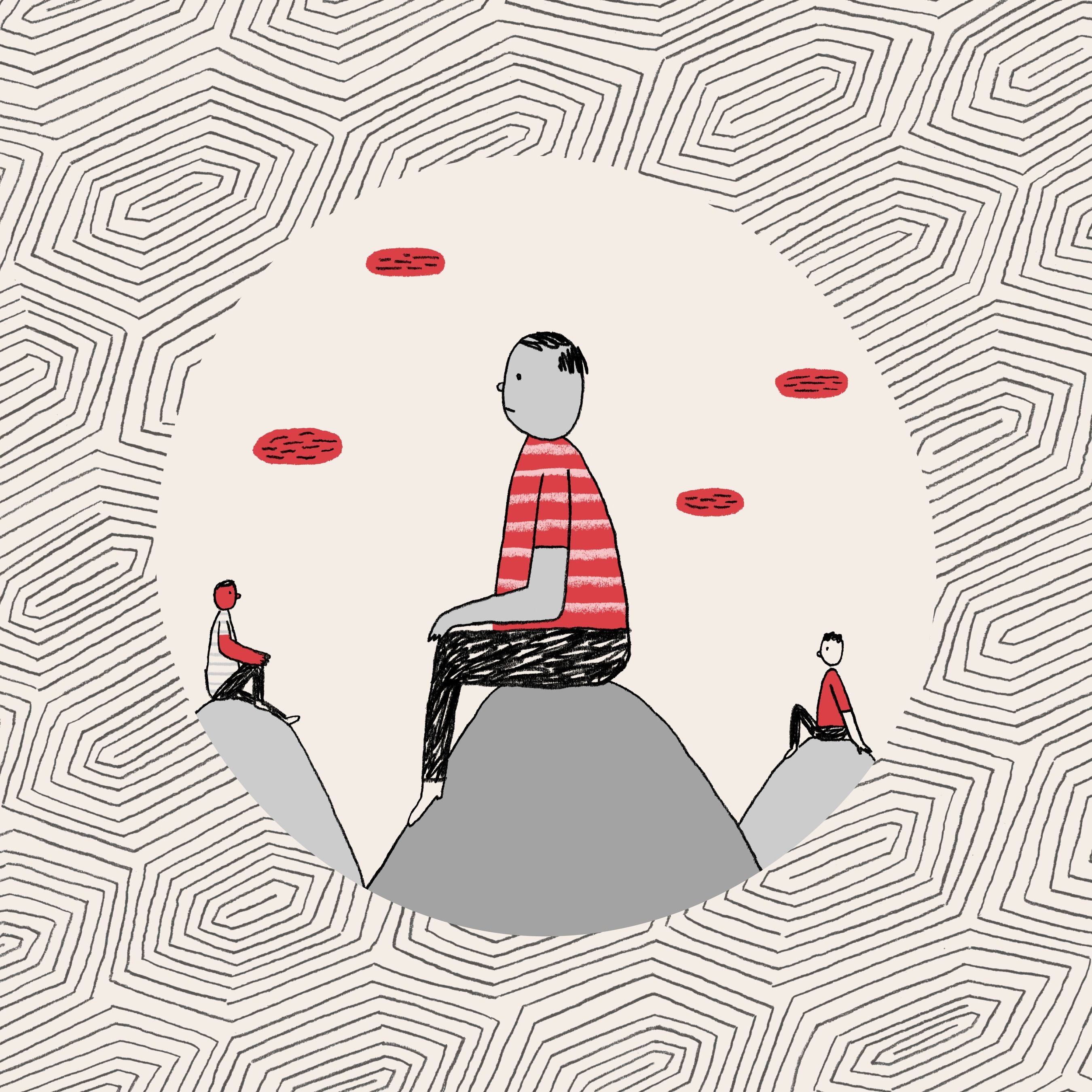
The Daily
‘Modern Love’: Where Did All My Male Friendships Go?
01:03:21
Sam Graham-Felsen never imagined being lonely. Throughout his childhood and as a young man his life revolved around his friends. But when Sam got married and then had kids, going out with his friends almost felt like a luxury. After years of focusing on everything in his life except friendship, Sam began to realize he was missing something essential, and he decided to get his friends back. On this episode of “Modern Love,” Mr. Graham-Felsen describes how he went from being a boy with a wealth of deep friendships to finding himself feeling lonely as an adult, and what he did to bring friendship back into his life.
Loading summary
Transcript198 lines
- [00:00]
Commercial Narrator
Hiring shouldn't be a hassle or a drain on your budget. Upwork is your one stop shop to find, hire and pay top freelance talent, saving you time and keeping costs in check all in one place. Posting a job on Upwork is easy with no cost. To join, you can register, browse, freelancer profiles, get help drafting a job post, or even book a consultation. Visit Upwork.com right now and post your job for free. That's Upwork.com to post your job for free and connect with top talent ready to help your business grow. That's upwork.com upwork.com hey everyone, it's Rachel.
- [00:37]
Anna Martin
As you know, every Sunday this summer we've been bringing you episodes of our colleague show Modern Love. We're doing that for just a couple more weeks and for this week, our host Anna Martin is here to tell us what's on the show. Hi, Anna. Hey, Rachel. So tell me, what do you have for us this week? Yeah, Rachel, I wonder what comes to mind when I say these two words. All right, here we go. Male loneliness. Men get lonely. I know, it's crazy, right? But no, but in all seriousness, certainly I feel like the societal wide problem of being lonely has certainly grown as a concern, at least in my periphery. Absolutely. Same. Yeah. And specifically for men, there is actually data that backs up this idea of increasing male loneliness. There's a survey I'm thinking of from last year that showed that 15% of men reported having zero close friends. Like no close friends. That's five times higher than surveys from 1990. So men have less friends these days. That is really genuinely quite sad. It is sad. And it's one thing to hear those statistics. But this week I talked to someone who realized he was actually becoming a statistic. I talked to the writer Sam Graham Felson. He wrote about his experience, his loneliness ultimately for the New York Times Magazine. Sam has this very moving, very sweet story about growing up with all of these close friendships with other boys, other young men. But then when he reached adulthood, sort of looking around and realizing he was deeply, deeply lonely. But the thing about Sam that I find so inspiring, really is that he decided to do something about it. I'm really excited for you to hear this story. I'm excited to hear it too. Anna. Thank you so much. And everyone, here's this week's episode of Modern Love. Love now.
- [02:26]
Sam Graham Felson
And did you fall in love last fella? Love was stronger than anything else. Can I love you more than anything? You're still love, Love.
- [02:39]
Anna Martin
From the New York Times. I'm Anna Martin, this is Modern Love. This week I'm talking to the writer Sam Graham Felson. He just wrote a piece for the New York Times magazine called where have All My Deep Male Friendships Gone?
- [02:52]
Sam Graham Felson
It wasn't like one day I woke up and was like, oh my God, I'm lonely. But it was kind of like that. But I always thought like, oh, well, that's something that applies to other guys. Cause I have a million friends. I can't imagine ever feeling lonely. And then like sometime in my 30s, and I'm like, wait a minute. I think I'm actually kind of feeling lonely. You know, my wife is a wonderful person, the best listener ever. That's why I fell in love with her in the first place. But like, at a certain point, she's basically like, dude, just go hang out with your friends. Just call them and hang out with them. And I'm like, you're right, you're right. Of course, then I didn't call them and hang out with them. And I did every single thing except for hang out with my friends.
- [03:42]
Anna Martin
Sam told me it felt difficult to just go hang out with his friends again. And to try to understand why it felt so hard, he decided to write about it. And full disclosure, his wife's an editor at the magazine.
- [03:53]
Sam Graham Felson
I was like, look, if I'm gonna write a whole thing about how, you know, I somehow let myself slip into loneliness despite having all a wealth of, you know, close friendships, I feel like I owe it to myself to try to actually do something about it.
- [04:15]
Anna Martin
I wanted to know what Sam did to get his friends back into his life, what it meant for a sense of well being, and how it changed what he thought it meant to be a man. Here's our conversation. Sam Graham Felson, welcome to Modern Love.
- [04:32]
Sam Graham Felson
Thanks so much for having me.
- [04:34]
Anna Martin
So we're here to talk about this piece you wrote for the New York Times Magazine. It's called where have All My Deep Male Friendships Gone? And we'll get into your story, but I want to start by asking, had you felt lonely before? Had you felt this kind of. Or was this a new.
- [04:49]
Sam Graham Felson
It was totally new. I mean, you know, my. My whole life until, you know, I became lonely. I saw myself as an extrovert. And one of my problems when I was younger was over obligating myself and making too many plans and then having to cancel on friends and having them get mad at me. And from a young age, I remember I found my report card from 4th grade and my teacher. It's really funny that teachers Wrote stuff like this. Back then she was like, sam, he's way too much of a social butterfly. I fear I may have to clip his wings. Oh, my God. First of all, what I know she literally wrote that, but that's who I was.
- [05:33]
Anna Martin
What did friendship mean to you when you were that social butterfly in fourth grade?
- [05:38]
Sam Graham Felson
Fourth grade was when I really remember having a friendship that was so intense, it almost felt like falling in love.
- [05:46]
Anna Martin
Hmm.
- [05:48]
Sam Graham Felson
There was a boy named Andrew in my class who. He was the first kid who I had ever seen comb his hair and put, like, gel in his hair. Oh, my God. God, that's cool. Like, before that, it was just like everyone woke up with bedhead and went. At least the boys went to school with, like, crazy bedhead. You know, like, Alexander's horrible. No, Good day. And that was me. And then, like, you know, there was this kid who, you know, put gel in his hair and he had these T shirts called Hypercolor where if you blew on them, they changed color.
- [06:19]
Anna Martin
Okay, hang on.
- [06:20]
Sam Graham Felson
This was a thing in the early 90s, and he had a Swatch watch.
- [06:23]
Anna Martin
And I remember, like, he's kind of swagged out.
- [06:25]
Sam Graham Felson
He was.
- [06:25]
Anna Martin
And by man, I mean boy.
- [06:26]
Sam Graham Felson
He was, yes, nine year old boy. But I remember vividly, like, I had no concept of what was fashion, what was cool or anything like that. And I remember seeing this kid and I was like, this guy. I want to be like this guy. And it ended up being this thing where I felt like I was at his house every single day after school. Right. We were just, like hanging out constantly. It's funny, I hadn't thought about this in years, but we had this thing that we called the Babe Olympics, where both of us had a crush on Christina Applegate from Married With Children or whatever, and Jennifer Connelly from the Rocketeer. And we would create these wacky competitions where the winner got to go on some fictional date with Jennifer Connelly or whatever. So some of it would be sports, like playing one on one basketball. But some of it would be who can drink the most water in one minute? Or these absurd competitions. And I just remember being absorbed in his world, introducing him to my world. And I just remember laughing all the time.
- [07:33]
Anna Martin
I mean, but what you're saying is, in addition to the worlds, you know, of him introducing you to his interests, right? His world, you introducing him to your interests, you are creating, as you're saying, the world of your relationship. Right. And I want to go back. You said this was a friendship, the first one with this guy Andrew, Right? Where it felt akin to falling in love. And you're so young, but do you remember, like, can you tell me more about that connection? Was it like, I want to be with this guy all the time, I trust this guy. Like, what was behind that?
- [08:03]
Sam Graham Felson
Yeah. So the reason why I compare it to falling in love is cause, like, I know what it's like to fall in love. I fell in love with my wife very quickly. And I remember just that feeling of like 9 out of 10 of my thoughts are about this person, you know, and all I want to do is hang out with this person. And I can't wait until the school day is over so that I have time with this guy, you know, to go do our thing and make, you know, prank calls to babe Olympics and go back to the babe Olympics for round nine to the baby Olympics. And it was also the feeling of, like, jealousy, frankly. Like, if he, if he was hanging out with other people, I started to be like, well, does he like those people more than me? And actually, like, what ended our friendship was that he got a girlfriend. And that was like, totally devastating. And it's an interesting kind of like, echo of what happens later in life when people get married and end up sidelining their friends. But he completely sidelined me after he got. I remember one day, like, and that.
- [09:09]
Anna Martin
Was when in middle school or.
- [09:10]
Sam Graham Felson
That was. That was in seventh grade. Okay. And I remember one day, you know, he. He wasn't, you know, answering my calls or whatever, so I just showed up at, at his door and I was like, hey, what's going on? Why are we, you know, let's hang out. And his girlfriend was there, unbeknownst to me, and he literally, it was like out of a movie. He did the thing where he shut the door in my face and he's like, go away.
- [09:32]
Anna Martin
Wow. Wait, stop. What did that feel like?
- [09:34]
Sam Graham Felson
Horrible. It was akin to being dumped.
- [09:38]
Anna Martin
Yeah.
- [09:39]
Sam Graham Felson
I do remember, like, walking home. He lived probably like a seven minute walk from my house and I lived on a hill. And I remember just like walking home up that damn hill and my legs would always be so tired. When I was a kid walking up this hill and just like feeling like each step was like, heavy. And the reason why it was so hard is because, yeah, again, like, the degree of closeness I felt with these friends was almost like. It almost felt like being in a monogamous relationship.
- [10:11]
Anna Martin
You're articulating a feeling that I think is that I resonate with. And yeah, I'm curious if, like, other people in your school or whatever Saw that intense connection. What do they think of it? How was it perceived, do you think?
- [10:25]
Sam Graham Felson
I think at that point we were young enough that the homophobia stuff hadn't started to really, like, you know, creep up yet. But certainly, like, by the time I was in seventh grade, eighth grade and beyond, like, it was. It was totally. It was constant hearing people make homophobic kind of like insults and. And, you know, some of it was teasing. Some of it was, like, worse than teasing, right? Because people saw, like, you know, how close I was to. To some of my male friends. People used to call me Sam Gay. And, you know, who is this guy with, like, who's so obsessed with his male friends, like, let's call him gay, you know, so, like, all of that stuff. But. But I remember, like, at one point there used to be this thing called a slam book where it was basically like a proto social media, where it was those old composition notebooks with the marble black and white cover. Someone would create one of these things and they would write a name on each page of the notebook and it would just float around school and people would write anonymously whatever they thought about that person.
- [11:45]
Anna Martin
Wow. It is a physical. It's a burn book. I mean, this is a reference to mean girls, I think.
- [11:50]
Sam Graham Felson
But, yeah, And I remember, like, seeing in that burn book, in the slam book, somebody, you know, wrote, sam and Rob, like, are swinging on each other's nuts like Tarzan. Rob was like, you know, one of my closest friends.
- [12:06]
Anna Martin
Tell me how you and Rob met. He plays a really big part in the piece you wrote.
- [12:11]
Sam Graham Felson
I think I was in sixth grade. I was 10 or 11. There was a kid who had invited me to a sleepover birthday party. I hated going to sleepover birthday parties. I'm really laying it all out on the line here.
- [12:26]
Anna Martin
It's totally endearing.
- [12:27]
Sam Graham Felson
I'm like, I get it. But I hated going to these parties because all the boys liked to watch horror movies, and I hated horror movies. And literally, like a month before, I had just been to another sleepover party where they had shown this movie called Child's Play 2, which. So stupid. And I'm like, how could I have thought this movie was scary? But it's basically like this doll who is possessed by a demon and then ends up stabbing everybody with a butcher knife.
- [12:56]
Anna Martin
To be honest, that sounds terrifying.
- [12:58]
Sam Graham Felson
Okay. But anyway, that's the movie they were watching. And there wasn't, like, another room that I could go into. So I just. I just, like, I found. I found his phone and I called my. And I Was like, I'm sick. Can you come pick me up? And, you know, I, like, you know, I'm sure they could tell I wasn't sick, and it was totally embarrassing. And I ended, you know, I remember crying in the car because I was so embarrassed. But I was also like, thank God I can go home, you know? So anyway, so I really didn't want to go to this sleepover party. And, you know, it was like, probably 11pm like, we'd eaten tons of pizza, made your own, make your own ice cream sundaes. And then everyone goes into the den in his house to start watching a movie. And before they even picked the movie, I'm just like, I gotta get outta here. I started panicking. And this other kid at the party, his name was Rob, was like, you know what? I don't feel like watching a movie. He's like, I just feel like playing Nintendo in the other room. And I was like, oh, that's my opportunity. Totally. So I just followed him in there. And he was playing a game called Final Fantasy. And I still remember it because it was. It was like the seminal moment in my life. And. And he's like, dude, do you want to play? Like, I've been playing for a while. I'm like, no, no, no, do your thing. Like, I. You know. And by the way, my parents were hippies, and, like, we didn't have video games, so I didn't even know how to play. I was just happy to watch him. And I don't even remember what we talked about, but. But we stayed up all night. And I remember really connecting to him, but also just feeling like he saved me. And I don't know if he was conscious that he'd done it, but I felt that he had saved me. And I felt this overwhelming gratitude towards him. And I quickly realized this guy is, like, unlike anyone I've ever hung out with before. He was really into, like, philosophy. Like, he was really into.
- [15:06]
Anna Martin
He was young to be into philosophy.
- [15:08]
Sam Graham Felson
It was young to be into philosophy. He also had similar interests. Like, we both were obsessed with the Boston Celtics and things like that, but he was intellectually and morally serious in a way that, like, none of my other friends were at that age. And I just remember, like, thinking, like, wow, this guy is operating on another level, and I want to be a part of that level. I was really concerned with being cool, right? Like, I was very concerned with, you know, trying to fit in. And he was the opposite. Like, he was wearing khakis. Literally nobody wore khakis except for him. And he looked like an old man. And I was just so impressed of, like, this guy doesn't care about being cool. I care deeply, but I wish I was the kind of person who didn't care about being cool. And that was part of the world that I wanted to enter into, is like his. His. His world of, like, just being a. An individual, you know, And I wasn't quite an individual yet, and. And he helped me to become an individual.
- [16:12]
Anna Martin
You know, you're doing something I think is very difficult, which is describing why you love someone.
- [16:18]
Sam Graham Felson
Yeah.
- [16:19]
Anna Martin
I mean, I wonder. You're having all of these. You're spending so much time with him, you're learning from him. What do you feel like you were learning about friendship at this. At this point?
- [16:30]
Sam Graham Felson
I think. I think Rob helped me see that, like, a friendship can be as serious emotionally as a romantic relationship. It can be as serious emotionally as a family kinship. It's a big deal. But I think the other thing I just learned from these intense friendships is, like, I was having the time of my damn life. I really did not like school. And all I could think about was either after school or the summer when I could spend all day, you know, playing basketball with my friends and chatting with them late into the night. They made me happy. They feel good. Yeah. That's the thing I learned most from it. It's just like, it feels good to be with other people and that. And it's. You know, it's funny that I have to, like, spell that out now, because it's, like, something I have to tell myself. Before, it was just intuitive. Dude. It feels good to hang out with other dudes.
- [17:39]
Anna Martin
I honestly feel, like, emotional when I hear you say, I'm having the time of my damn life. It's putting me back to places. It's like. It's so joyful and fulfilling, and your friends are the center of your world. And not only that, you know, that you're the center of theirs. I wonder, were you talking about feelings with. With Rob or with other friends? Like, were you going deeper on that level?
- [18:05]
Sam Graham Felson
It's a good question. I definitely, like most men who I've met and talked to historically, have found it difficult to talk about feelings, particularly with other men. So I would say the answer is yes. But I would say it would start with talking about something in a more abstract way, like a moral dilemma. What I remember is it was always, like, late in the night, just me and this other friend. I'll use Rob as an example. We'd be hanging out Watch a funny movie. Right. Eventually, we get into bed around midnight or whatever. I'm, like, lying on the cot on the floor, and we're joking around. And I guess the first stage of the arc is the joking around. The second stage, maybe, you know, talking about the girls we want to kiss. Whatever.
- [19:02]
Anna Martin
I think it's important to say it's dark. It's like you're not looking at each other. I actually do think that's important. Right. Because it's like.
- [19:07]
Sam Graham Felson
It's almost like being in therapy where you're, like, lying on a couch, looking up at the ceiling. Right. You're not looking at each other. You're both lying in bed. And just as one is starting to doze off, the other one's like, by the way, like, there's one other thing I want to talk about. And then it goes on for another hour.
- [19:21]
Anna Martin
Totally.
- [19:22]
Sam Graham Felson
So I remember it would be like, after talking about a lot of other stuff, then feeling, like, loose enough, that's when we would talk about the heavier, more emotional things, but insecurities and the things that I felt bad about myself, wishing that. I don't know, it sounds trivial, but wishing that I were better at sports.
- [19:49]
Anna Martin
Would you ever say I love you to your friends?
- [19:50]
Sam Graham Felson
No. No. No. And, I mean, even now, like, I would like to be able to say that, but. And I say that once in a blue moon, but, like, it's something that I struggle to do. And, like, my wife says she loves her friends all the time. It's not hard for her, but. Yeah, no, no, we wouldn't. We wouldn't say that.
- [20:16]
Anna Martin
Did you have, like, a way that you expressed your love for one another, if not in words?
- [20:22]
Sam Graham Felson
You know, there wasn't, like, hugging. There wasn't, like. Certainly wasn't, like, holding hands, hugging, any of that kind of stuff. It was because there was still this consciousness of, like, you know, the burn.
- [20:34]
Anna Martin
Book that you mentioned. Yeah.
- [20:35]
Sam Graham Felson
You don't want anyone to perceive you as being something other than friends at that age, you know, so even in private, you're gonna sit a little bit further away on the couch than you need to. So, yeah, that's just how it was.
- [20:53]
Anna Martin
But it seems like you knew. You knew that there was a deep friendship and, in fact, a love there between you all.
- [21:01]
Sam Graham Felson
Yeah. And the reason why, again, I think of it as love, is, like, just the amount of mental space these close friends occupied. It was really, like, spending a lot of time thinking, like, would Petey like this, you know, song? Would Benny like this pizza place that I just Discovered, you know, like, just constantly thinking, like in terms of my relationships, what can I share with a friend? You know, when can I next see this friend? Yeah.
- [21:39]
Anna Martin
Did you think you'd be friends with these guys forever?
- [21:43]
Sam Graham Felson
Yeah. Yeah.
- [21:49]
Anna Martin
When we come back, what happened to Sam's friendships? Stay with us.
- [22:08]
Commercial Narrator
Hiring shouldn't be a hassle or a drain on your budget. Upwork is your one stop shop to find, hire and pay top freelance talent, saving you time and keeping costs in check all in one place. Posting a job on Upwork is easy with no cost. To join, you can register, browse freelancer profiles, get help drafting a job post, or even book a consultation. Visit Upwork.com right now and post your job for free. That's Upwork.com to post your job for free and connect with top talent ready to help your business grow. That's upwork.com upwork.com your home is an active investment, not a passive one. And with Rocket Mortgage, you can put your home equity to work right away. When you unlock your home equity, you unlock new doors for your family, Renovations, extensions, even buying your next property. Get started today with smarter tools and guidance from real mortgage experts. Find out how@rocketmortgage.com Rocket Mortgage LLC, licensed in 50 states. Nmlsconsumeraccess.org 3030.
- [23:22]
Anna Martin
So, Sam, I really want to dig into what happened after college, because I imagine it wasn't like you graduated college and then all of a sudden, you know, your friendships disappeared. But something did change, clearly as you got older, more into adulthood. What were your friendships like in sort of your mid-20s, after you left, after you graduated college?
- [23:46]
Sam Graham Felson
Immediately after college, they were amazing because I was single, living in New York, so I had various apartments that I shared with different friends. And that was like, you know, basically an extension of college because it was, you know, staying up super late every night often, you know, with beers or weed or whatever, probably both, and tons of takeout. That was terrible for us. And, you know, just I remember like again, having the time of my life in my early 20s after college, like, and it was like somewhere around like 25, 26 that things began to shift. That was like when a lot of my friends and me started to be like, well, we need to get our shit together. Right? There was like, it was like this moment.
- [24:36]
Anna Martin
I know exactly what. Yeah, it's the get your shit together years.
- [24:39]
Sam Graham Felson
Exactly. So like, that started happening. You know, I had friends who were going to law school, friends who were going to med school. So this, this thing started Happening where everyone's getting their shit together, People are, like, leaving New York. And so that starts to happen. And then the bigger thing, of course, the biggest thing I would say, is people started. Their relationship, started to get more and more serious. So I had a girlfriend in college, and we decided to move in together. So now I'm going from, like, living with friends to living with my romantic partner and. And with friends, for the most part, like, you know, you don't really have to, like, check in with them about anything. You could do whatever the hell you want. Right. Also, like, with friends, it's like, none of the dishes are getting done, and we're both slobs, and, like, we don't care. But, like, when you're in a romantic thing, it's like, all right, now you got to take the chores more seriously. You have to, like, you're really sharing a space and, like, building a home with somebody. And, you know, so you're. You're running your plans by. By your partner. So. So little by little, you move in with your partner, you are going out less because you already are with your partner. And, like, a big part of going out is like, oh, well, maybe I'll meet the person tonight, you know, at the bar or whatever. And. And you don't have that.
- [26:10]
Anna Martin
There's less of a drive. Yeah.
- [26:12]
Sam Graham Felson
And, you know, when. When you're with, like, you know, the. The love of your life and you can see them whenever you want, this idea starts to creep in. Well, like, what do I even need my friends for? Like, I got everything right here. Right. I have, like, somebody who I love to talk to. I also get to do other stuff with them. Exactly. Right. And. And it's all in the same package. And, you know, can I.
- [26:34]
Anna Martin
Can I pause it before that? It's like, when this was happening, this moving in with. With your partner who becomes. Or your girlfriend, rather, who becomes your wife, and this sort of slowly. I don't want to say, like, the friendships becoming less and less central to your life, maybe less and less of a priority. Were you aware of that?
- [26:55]
Sam Graham Felson
I was definitely aware of it because some of my friends were giving me grief about it. Oh, look at Sam. Like, you know, now that he's got, you know, he lives with his girlfriend, like, he doesn't have time for us anymore, you know, that kind of thing. Um, I was. I mean, the honest truth is that at the time, I didn't consciously miss my friends that much. I was so excited about being with my romantic partner and, like, so focused on, like, Trying to crush it and getting my shit together, all that stuff. Yeah, I wasn't really, if anything, like, I was annoyed at my friends for guilt tripping me. I'm like, ah, just get over it, dude. And I e. Get your own girlfriend and like, leave me alone. Right? I didn't literally say that, but I was. I was thinking something along those lines.
- [27:39]
Anna Martin
Yeah.
- [27:41]
Sam Graham Felson
Becoming mature involved, getting a romantic partner and, like, not goofing around with your friends. Like, you're not really a man unless you, like, stop hanging out with your.
- [27:57]
Anna Martin
Friends or, like, hone in. Yeah. Or hone in on this person who you love. I mean, it's making me think about how, you know, we. We sort of talk about this on the show, but it's like you were getting all these different things from different people earlier on in your life. You're getting fun from your friends and emotional support from, you know, this guy and basketball with this other guy. And then it's like, it's just sort of your focus narrows and you meet this romantic partner who you love, you love deeply. And sort of the emotional and the physical and the fun gets narrowed to sort of one person. Does that feel accurate? It's like you're putting so much on this romantic relationship that friendship kind of seemed like a distraction. It's almost what I'm hearing you say.
- [28:37]
Sam Graham Felson
Yes. They almost felt like a luxury. Like, it's like, okay, if I spend two straight weeks not going out, eating healthy, not boozing late into the night and being a nice partner, then, like, I'll indulge. It's almost like having junk food or something, right?
- [28:55]
Anna Martin
Yeah. Yeah. Where was Rob during all this? Like, when you were moving in with your romantic partner, what was happening with him? Were you guys in touch with.
- [29:05]
Sam Graham Felson
So Rob also moved to New York City after college. At a certain point, he moved back to Boston, and we were still communicating on the phone and writing each other these long emails. We would write each other three or four or 5,000 word emails. Wow. Whoa. Yeah. And some of them were really emotionally mature. What were you talking about? In a surprising way, I was really hurt by this thing that you did. You know, I don't feel like you. You fully accounted for the way that you hurt me. Here's what my experience was.
- [29:43]
Anna Martin
Wow.
- [29:44]
Sam Graham Felson
And then writing back, I hear that. But, you know, stuff like, like stuff that is way more mature than, like, the way that I now interact with my male friends. But we were still doing that into our. Into our mid-20s. And no one sends emails like that anymore because now we're all just, you know, doing what obviously everyone does is whatsapping each other and, you know, short little things. But. But yeah. So Rob. Rob was. Rob was in Boston. And yeah, at that point, like, many of my best friends had dispersed by then.
- [30:18]
Anna Martin
And then life continues to happen. Tell me. Tell me what came next.
- [30:22]
Sam Graham Felson
Then get married.
- [30:26]
Anna Martin
Congratulations.
- [30:26]
Sam Graham Felson
Thank you. Marriage is just like the relationship thing, but on steroids. Because you're like, well, now I'm married. So, like, I mean, of course there were no, like, actual rules saying, well, you can't go see your friends now that you're married. But there's this internalized idea. It's like, well, you know, now that you're a husband, you should be. You should be spending a lot more time at home and not out with your friends.
- [30:52]
Anna Martin
Where did you learn that from? Like, where were you?
- [30:56]
Sam Graham Felson
Who?
- [30:57]
Anna Martin
Or what or where were you getting that message from? I'm just curious.
- [31:01]
Sam Graham Felson
I think the best way I can answer that is that it was just vibes. It was like vibes that come down from years and years and years of watching movies and TV shows and all kinds of messages about, like, this is what a boy does and this is what a man does. And a. A grown man who continues to, like, hang out with his friends is a man child, right?
- [31:29]
Anna Martin
Yeah.
- [31:29]
Sam Graham Felson
A grown man is supposed to be at home with his wife or out there crushing it, making a lot of money so he can be the breadwinner and bring home a lot. You know that, right? That's. That's the kind of message over and over and over you're getting from. From these various, like, cultural inputs. Right? Like, this is the way it's supposed to be. And then having kids, all of a sudden, now you actually are insanely busy.
- [31:56]
Anna Martin
Right? I mean, I say, right, Like, I know, but haven't had any kids yet.
- [31:59]
Sam Graham Felson
You get it. Yeah. You're insanely busy for the first time in your life. You actually truly cannot do whatever the hell you want.
- [32:07]
Anna Martin
Right.
- [32:07]
Sam Graham Felson
You kind of can't do whatever you want when you're married. Cause it's rude to your partner. But, like, if you do whatever you want when you have a kid, like, the kid will starve and die. You know, the thing I was not prepared for, among many things, was like, just the amount of dishes and laundry that I was doing. Just like, endless amounts of cleaning up. And then you're not sleeping for years. Sorry to scare you off from having kids.
- [32:33]
Anna Martin
No, that's good.
- [32:34]
Sam Graham Felson
That's good to hear you quickly. Well, I say you get Used to. You don't get used to it. So you really do have less time to hang out with your friends at that point. But what. What ended up happening was I was saying no to friends more or just, like, not reaching out to friends as much because I was genuinely swamped and I was. I was tired and I didn't want to go out at night. I wanted to try to get a good night's sleep or whatever. Right. But the part where it started to get truly, like, corrosive to my friendships was, okay, things start getting a little bit easier with the kids. Like, they get sleep trained now. I'm sleeping better. I'm in more of a routine where I know how to do the laundry faster and, like, I do have a little bit more free time on my hands, but, oh, it's been months since I hung out with a friend. Do I even know how to hang out with a friend anymore? Like, what are we even gonna talk about?
- [33:29]
Anna Martin
Okay, that's what I wanna focus on. It's like, was there a moment where you kind of looked up amidst the blur of children and obligations, all these legitimate things, of course, and said, like, oh, my God, it's been months since I've seen Rob or insert other friend here. Like, how did that realization come to you and what did it feel like?
- [33:49]
Sam Graham Felson
Well, well, I. I started joking around with my wife. You know, look at me. I'm, like, becoming one of these cliche data points of, like, the lonely American male. But it was still kind of a joke that I didn't quite take seriously. And then at a certain point, I just started feeling like, oh, wait a second, this is actually a problem. Like many, many new parents, I was arguing, you know, with my wife about our kids, you know, and, like, who did the. You know, who did less of this responsibility and who is owed more of this? And it was. It was exactly the kind of emotional moment in my life that I really should have reached out to other friends who were going through the exact same thing that I was going through because I had other friends who had kids pretty much at the exact same time as I did. And I wasn't reaching out to them. I just. I wasn't. I had no one to. Especially if, like, my wife and I were in a place where, you know, we had just gotten into an argument or something. Like, what am I going to do? Just, like, talk to my wife about how hard it was that I got into an argument?
- [34:57]
Anna Martin
Let's take that sort of example. Would you, like, go to your phone and think about texting or calling a friend, and then just be like, I mean, like, take me through that thought process. What would you do?
- [35:08]
Sam Graham Felson
I mean, it's funny. I would, like, go to my phone, be like, I. I'm gonna text my friend and see, you know, if he's around to talk. And then like, I would be like, ah, do I really want to get into it? And then I'd be like, ah, like, do I really want to, like, impose my whining on my friend who's also got his own shit going on? And like, you know, you know what? Oh, look, there's a new episode of this podcast. Click. And then I end up listening to a podcast, and I just ended up listening to a tremendous number of podcasts instead of calling friends. That is, that is actually like, it feels like the most cliched thing ever, but that is actually what happened to me.
- [35:55]
Anna Martin
Tell me what shows you were turning to. What were you listening to instead of calling a friend?
- [36:02]
Sam Graham Felson
So I started out actually listening to podcasts about meditation because I had heard that meditation was good for you and.
- [36:11]
Anna Martin
When you have small kids, certainly, of course.
- [36:14]
Sam Graham Felson
And then started going. I wouldn't call it a rabbit hole, but I started. Eventually I started listening to the Joe Rogan experience because he just has had everyone on his show and he's talking.
- [36:28]
Anna Martin
For like four and a half hours.
- [36:30]
Sam Graham Felson
Yeah, yeah, he's talking for a long, long, long time. But, you know, like, he'd have astrophysicists on his show. He'd have Michael Pollan, whose book I had just read and really wanted to hear more from Michael Pollan. On his show. He had this Stanford professor talking about dopamine and addiction science and, you know, so. So I would, I would listen to his shows just to, you know, try to pick up, you know, whatever, life hacks or whatever.
- [36:59]
Anna Martin
Totally.
- [37:00]
Sam Graham Felson
And. And you know, again, the reason I'm doing this is because, like, I'm feeling overwhelmed, lonely, all of these feelings. And instead of relating to, you know, other people and calling a friend, I'm like, well, I can just solve these problems on my own. I'll just listen to some podcasts and I'll get the answers from the podcast. Yeah, I can do this all on my own.
- [37:19]
Anna Martin
Yeah, I mean, it's this kind of rogue self sufficiency. Right. Like, I'm not feeling so good emotionally or whatever. And I want to address this, but, you know, I'm going to fix this myself by listening and learning and working on myself.
- [37:34]
Sam Graham Felson
There was something in the Rogan thing that appealed to Me, which was basically like, stop making excuses. Man up. You know, I'm using that in air quotes, but, like, man up. And basically the easiest thing you could do right now to change your life. All of these podcasts said this, go work out. Go work out. Stop. Get out of your head. Pump some goddamn iron.
- [37:59]
Anna Martin
Yeah.
- [38:00]
Sam Graham Felson
You know, and. And they all said this. And. And I was like, oh, that's interesting. Like, maybe I should try that. You know, like, if you just take care of your body, not only are you going to get healthier, but, like, everything else in your life is going to fall into place.
- [38:14]
Anna Martin
Yeah.
- [38:15]
Sam Graham Felson
I think in a way, part of the reason why it appealed so much, because it's like, I knew that even though it's really hard to exercise all the time and lift heavy weights, I knew that on some level it was easier than doing deep emotional work. So I was like, well, all right, I'll just try that. And it was like, what was I doing? In my late 30s and early 40s, every spare moment I had, I was exercising. I was going across fit. I was running outside in Prospect park through freezing cold rain because I had this idea that, well, at least if I'm doing this, I'll be able to basically conquer whatever lonely feelings I'm having.
- [39:00]
Anna Martin
Wow. Yeah. There's physical sublimation.
- [39:03]
Sam Graham Felson
Yes. And it was the idea basically that life was to be crushed, not to be enjoyed.
- [39:12]
Anna Martin
I mean, and it also is a. It's a solitary. It's like, go and lift this thing, and then when that gets easy, lift it heavier. The power is within you to change you. And it's still very, like, individual, focused, intrapersonal. So I can see why it would appeal. I mean, I guess, I wonder, like, was this a conscious choice on your end to. To turn, like, towards these podcasts or working out or whatever instead of friends? Like, were you aware that you were diverting sort of in that way?
- [39:46]
Sam Graham Felson
I don't think I was aware of it. I think I was still telling myself, you know, you don't have time for friends because you're so busy. I was also in denial about being lonely. Right. I just knew that I felt bad and I wanted to feel good. And I was like, oh, well, if I exercise, I'll feel good. And I did feel good, temporarily. There were the endorphins that they promised me would happen. They came totally.
- [40:16]
Anna Martin
I think that's a really important point. And I really think that there is still something very icky and we're allergic to self identifying as lonely because it's very Vulnerable to admit that not only to yourself, but also out loud. So, first of all, thanks for saying that, but I understand why it would be shielded in these layers of I'm not the kind of person that gets lonely.
- [40:42]
Sam Graham Felson
And also, like, look, there's this whole thing in the culture of the incel. Right. The involuntary celibate.
- [40:50]
Anna Martin
Totally.
- [40:50]
Sam Graham Felson
The lonely guy sitting in his mom's basement on his computer, like, that's the stereotype of the lonely man. I think every man who feels lonely is, like, terrified of being grouped in with that.
- [41:03]
Anna Martin
So interesting. Yeah.
- [41:04]
Sam Graham Felson
Like, if I. If I admit that I'm lonely, then, you know, are people gonna think I'm some kind of incel freak or whatever?
- [41:09]
Anna Martin
Yeah.
- [41:10]
Sam Graham Felson
So I think that's a part of it, and you're gonna use every adjective except for lonely.
- [41:15]
Anna Martin
What were you afraid of in calling? You know, when you went to call a friend and then diverted to the podcast, what were you. What were you worried would happen? Like, what was stopping you?
- [41:25]
Sam Graham Felson
I was afraid that my friends would think that I was needy. I'm not like a bro I grew up with in a super feminist household even. I had so deeply internalized the idea that showing weakness as a man is tantamount to not being a man. And I just didn't want to not be a man.
- [42:01]
Anna Martin
Yeah.
- [42:02]
Sam Graham Felson
I was afraid that if I called and said, hey, man, like, I'm really lonely, and it makes me sad to be alone and, you know, I just needed to tell you. I was afraid that they'd be like, oh, God, that's so soft. Like, are you kidding me? Because, you know, again, I've been conditioned to think that basically, like, the. The main ways to relate to other dudes. Unless it's 4am and you've been warming up a lot at a sleepover party.
- [42:29]
Anna Martin
Right.
- [42:30]
Sam Graham Felson
And the main way of just, like, emoting, generally, as a man, I find, like, there are two modes that are acceptable. Kidding around and anger. Right. Like, you're allowed to.
- [42:44]
Anna Martin
So interesting.
- [42:44]
Sam Graham Felson
You're allowed to fight other dudes, but you're not allowed to hug a dude. So either I'm allowed to be angry or I'm allowed to joke around. So if I call my friend and I'm just sincere and talking about, like, the sadness in my heart or whatever, is he gonna think that I'm like, you know, I could use many different derogatory ways to say less of a man?
- [43:04]
Anna Martin
That's so interesting, and I really appreciate you laying it out, but, you know, I'm thinking about how you talked about when you were younger, you had all these deeply emotional conversations with your friends. I'm thinking specifically about those emails you and Rob sent to each other. You said that Rob was one of your closest friends. Were you in touch with him at all? Like, how would your relationship changed over the years?
- [43:28]
Sam Graham Felson
At this point, Rob is doing a postdoc fellowship in North Carolina, so even further away than Boston, obviously. I am mostly communicating with Rob through basically, like, a group email chat that we've had going now for, like, almost 20 years. And so I'm communicating with him and other friends through this, through this group chat, calling him less and less and less over the years. A subset of this email list, there are, like, kind of what we like to call caucuses in the email list. There's the fitness caucus, the guys who, like, have. They're like, little side group. Totally. And there. There was a bike trip group. I actually, like, was one of the people that initiated this group. And I said, let's do a bike trip, you know, once a year. And. And that bike trip continued for many, many years, but I stopped going on it. I had kids, and, you know, I made all the excuses why I was too busy. And once, once my life started to stabilize a little bit when my kids got a little bit older, I told myself, like, I'm really going to go on the bike trip this year. And I would tell the biking group, I'm coming this year. I'm coming this year. And then I would, like, flake out at the last second and be like, ah, I can't. Sorry, guys, I can't do it. And then, like, in 2021, I was like, I'm definitely going this year. You know what? Like, I have, like, really at this point, sidelined my friendships to, like, a degree that is like, just way. It's gone way too far.
- [45:06]
Anna Martin
You could even recognize.
- [45:07]
Sam Graham Felson
Yeah. So it was like, it was Christmas break, and I met up with basically the crew that goes on this bike trip at a bar in Boston. And a lot of these guys were guys who had gone every year for the past decade, and I hadn't been on one for, like, eight years. And I basically kept trying to bring up the bike trip proactively because I really wanted to demonstrate I'm coming this year.
- [45:37]
Anna Martin
Right.
- [45:37]
Sam Graham Felson
I know I flaked out in the past, but I'm coming this year. And Rob basically was like, yeah, whatever, you're not coming. Like, like, you always say you're going to come, and you never come. And one thing led to another, and he brought up a particularly Egregious example of when I had flaked out. Right. On this trip, on the bike trip.
- [46:00]
Anna Martin
But Rob brought this up.
- [46:02]
Sam Graham Felson
Yeah. And he was just like, you know, like, you never fully accounted for what a dick move that was, frankly. And then I started getting defensive. I'm like, why are you bringing up some shit that happened nearly a decade ago? Like, you know, I'm in my 40s now. Like, you know, like, yes, it was kind of a dick. It was definitely a dick move. Let's just talk about the logistics of this biking trip. Can we please, can we just talk about this trip? And eventually, one thing led to another, and, like, the words got more and more heated. And I am not a violent person. In fact, like, I have actually never been in a fight in my entire life. And I don't know if it was, like, listening to too much of the Joe Rogan stuff or whatever, but, like, I just said to him at one point, I said he was getting really close to my face, and I said, if you don't get the fuck out of my face, I'm gonna knock every fucking one of your teeth out.
- [47:00]
Anna Martin
Whoa.
- [47:00]
Sam Graham Felson
And I meant it. I was so mad. And I've never said anything like that in my entire life. And this was something I was saying to, like, my dear beloved, one of my oldest friends, my most beloved friends. And it got broken up by the other guys before anything led to actual blows. We went our separate ways. And, like, I was. I was really pissed. And.
- [47:26]
Anna Martin
Can I ask you.
- [47:26]
Sam Graham Felson
Yeah.
- [47:27]
Anna Martin
When you were, like, leaving the bar, you were angry? Sure. Were you embarrassed? Were you sad? Like, what were the emotions in your brain immediately after?
- [47:37]
Sam Graham Felson
I mean, the. The emotions immediately after were just anger at him because it was easier to feel angry than to feel emotions. It was easier for me to just be like, it's all his fault. He picked a fight with me for no reason. He's bringing up some shit from a decade ago. What's wrong with this guy? I mean, truth be told, there was a point at which I was like, you know what? Fuck it. I don't need to be friends with this guy anymore.
- [48:01]
Anna Martin
Wow. Yeah.
- [48:02]
Sam Graham Felson
But just looking back at him, like, I can't believe that that thought even crossed my mind. But it was, like, it was actually easier for me to just. Just move on and not be friends than to, like, have a heart to heart conversation about the feelings that were involved in that exchange.
- [48:17]
Anna Martin
I understand that.
- [48:18]
Sam Graham Felson
And, yeah, and that's when I started reflecting on, like, the fact that I hadn't gone on any trip for eight years. And I started just thinking more and more, like about how much I had deprioritized friendship and then how much I had as a result of years of deprioritizing friendship, how much I had gotten accustomed to being alone and almost being intimidated by the idea of trying to rekindle my friendships. And so I would say that fight was the real precipitating moment where I was like, I have made every other thing that is supposedly good for your mental health a priority. Like I've done all of the things. I don't drink alcohol anymore, I exercise, I meditate, I was in therapy, you know, and yet I didn't do the number one most important thing, which was to hang out with real people in person and prioritize friendship and that I think that was like the tipping point for me where I was just like, I have to try to try to change it.
- [49:29]
Anna Martin
When we come back, Sam takes steps to reconnect with his friends. That's next.
- [49:45]
Sam Graham Felson
Today we'll attempt a feat once thought impossible, overcoming high interest credit card debt. It requires merely one thing, a SoFi personal loan. With it you could save big on interest in charges by consolidating into one low fixed rate monthly payment. Defy high interest debt with a SOFI personal loan. Visit sofi.com stunt to learn more. Loans originated by SoFi Bank NA member FDIC terms and conditions apply. NMLS 696891 hiring shouldn't be a hassle.
- [50:16]
Commercial Narrator
Or a drain on your budget. Upwork is your one stop shop to find, hire and pay top freelance talent, saving you time and keeping costs in check all in one place. Posting a job on upwork is easy with no cost. To join you can register, browse freelancer profiles, get help drafting a job post or even book a consultation. Visit Upwork.com right now and post your job for free. That's Upwork.com to post your job for free and connect with top talent ready to help your business grow. That's upwork.com upwork.com.
- [51:00]
Anna Martin
So you have this moment, you have this fight and it sounds extremely, it sounds clarifying for you, like I need to make a change and I've maybe needed to make one for a while but I'm, I'm going to be brave and try to make this change. What did that look like? Like how did you try to start to re prioritize and recenter friendship in your life? And also did you go on the bike trip?
- [51:26]
Sam Graham Felson
The, the bike trip that year ended up not happening and I think. I think in part because of that. That ugly experience at the bar.
- [51:36]
Anna Martin
Yeah.
- [51:36]
Sam Graham Felson
But I. What did it look like when I started addressing it? It's funny, you know, I found a podcast.
- [51:46]
Anna Martin
Not podcasting. Come on, Sam. We.
- [51:48]
Sam Graham Felson
But this was a totally different kind of podcast. This podcast has a very explicit purpose. Podcast is called man of the Year. It has a very explicit purpose, which is to offer advice to men who are struggling with loneliness.
- [52:03]
Anna Martin
Okay. Sometimes you find exactly the right thing for you.
- [52:06]
Sam Graham Felson
Yeah. And I needed to hear it said out loud in, like, very sort of like, bro, plain language. Right. So, like, one of the things that really resonated with me was be the friend. Be the friend means, like, don't wait for the other guy to call. You just call and ask them to hang out. Right? Yeah. And the beautiful thing about listening to this show is that, like, it's easy for guys to listen to who are not into the touchy feely stuff of, like, you know, get deep inside your vulnerability and this. Instead, they're just like, all right, guys, guys, guys. It's very simple. Here's some life hacks, all right? Here's some hacks for friendship, all right? Tcs, okay. Stands for text weekly, text weekly, call monthly, and C Quarterly.
- [52:58]
Anna Martin
Whoa. Tcs.
- [52:59]
Sam Graham Felson
So all you have to do is see your friends four times a year, call them once a month, and text them once a week. And, like, that's all you have to do. You set it in your reminders, and it's like. And then because it's in your reminders, you just have to do it, you know? So that was, like, one of the more kind of hack, hack based tips that they gave that I did kind of find helpful.
- [53:17]
Anna Martin
Yeah.
- [53:17]
Sam Graham Felson
And essentially this is the antidote to my fear of seeming needy or weak or whiny or whatever. And by the way, once I started calling my friends and, you know, it turns out, gee, who would have thought? They're totally willing to talk about emotions. Like, men do want to emotionally connect.
- [53:36]
Anna Martin
Yeah.
- [53:37]
Sam Graham Felson
Like, no one has been like, bro, like, sorry, I don't. I don't talk about sadness, bro. I only talk about sports. Sorry.
- [53:44]
Anna Martin
Do you remember, like, an early phone call or even an early hangout? Were you nervous? Like, you were re entering this place? You hadn't been.
- [53:52]
Sam Graham Felson
Yeah. There was a specific friend who was one of my college roommates, a guy who had lived abroad for a long time, and we fell kind of out of touch, who moved back to the city and lived not that far from me. And yet I still. And I loved this guy, but I still hadn't seen him in a really, really long time, even though he now lived near me. I'm making the effort. And then he's like, all right, well, there's this concert that I want to go to in Greenwich Village. And I'm like, okay, all right. Like, I really don't actually want to go because I'm, like, nervous because I'm out of. Out of practice basically, having, you know, being. Being a friend. Like, are we gonna have nothing to talk about? Is it gonna feel forced? Whatever. And it's the winter, and I'm like, oh, it's gonna be, like. It was, like, slushy on the ground. I'm like, do I have to take the train all the way in. I didn't really want to go, right? But again, because, like, I'm now, like, you know what? You're making an effort to do this. You're gonna. You're gonna go, you know, do it, man. You know, I had to, like, psych myself up, and I go. And, of course, it's totally easy and natural.
- [55:07]
Anna Martin
And did it feel forced?
- [55:08]
Sam Graham Felson
Not at all. It's totally easy and natural. I'm, like, asking him stuff about his work that I've never asked him before. And then, like, I started to tell him a little bit about, like, the struggles that I'd had in this period where I was. Where I was, like, feeling lonely. And also, like. Like, my loneliness was definitely affecting my creativity. And because I was in the creative dumps, like, it made me even less wanting to hang out with people because I was like, well, I don't want to drag them down because I have writer's block or whatever. And I started to tell them about all that stuff.
- [55:40]
Anna Martin
Wait, hold on. That feels like a big deal for you to say that out loud to someone that's not your wife. Like, that feels big to share that with another guy.
- [55:49]
Sam Graham Felson
And you know what's funny, though? Like, it didn't. It. It didn't actually feel hard to do it. And he was just like, listen, man. Like, this is. You're a creative person. Like, this is part of the path, and we all struggle. And, like, it's totally. It's okay that you were struggling here. It was so nice to hear. And we had such a great night. Like, we had, like, enormous, like, ice cream cones at Van Leeuwen with, like, best night ever. There's, like, way too many scoops of ice cream. And he orders the waffle cone. I'm like, all right, I'm getting the waffle cone, too. So we got the biggest ice creams ever. We go to this concert. It was such a great concert. We knew all the, like, all the words came back to us. I really didn't want the night to end, but, like, it was getting close to the midnight train. I literally had to get on that train or I was gonna be, like, stuck in the city. And I remember calling, calling my wife. I remember saying, like, I just had, like, the best night ever. She's like, well, what happened? Why was it so great? I was like, I don't know. Just, like, it was just so great. And I, like, I kept saying these general things, but it was the very act of just, like, being with this old beloved friend and even just getting, like, a little bit of validation and even just sharing a little bit of emotional stuff that just felt, like, so good. I remember, like, having this feeling of being on the train, looking out of the window and, like, seeing the, like, blur of the lights almost looking like, you know, ribbons of light. And I just, like, remember this feeling of, like, I'm standing in front of a door that is. That felt like it was closed for so long, and now the door is open, and. And I can see through the door, and, like, on the other side of the door are, like, my friends, and they're, like, waiting. They're waiting for me to come hang out. And, like, all I have to do is be the friend and, like, call them and go hang out. And. And I. And. And I remember, like, feeling really emotional, like, having that image in my mind and thinking, like, how did I. How did I let myself go for so many years without connecting to all these people who I love? And, like, how did I convince myself that that was, like, the. The right path after years of really grinding and, like, you know, doing, like, insane amounts of exercise, that didn't make me feel any less lonely after. After so long of that, like, finally, like, realizing, like, oh, this is it. This is. This is the answer. Like, all I have to do is hang out more. And, like, nothing. Nothing has ever worked in terms of making me feel happy. Like, being with the friends that I love and being in community and, like, this is the miracle cure.
- [59:00]
Anna Martin
Where's Rob? How are you two now? How did you walk through the door with him?
- [59:05]
Sam Graham Felson
We did exchange some. We exchanged some heartfelt emails. And then eventually, we. We got on the phone and had what I was worried was gonna be a really awkward, really hard conversation and was a totally wonderful conversation. And I really, like, it was the kind of thing where I Could have stayed on the phone for 10 hours, and I just had to get off because I was late to dinner and everyone was waiting for me. After. After that call, it is just. I already feel so much closer to him.
- [59:45]
Anna Martin
You have your friend back.
- [59:46]
Sam Graham Felson
Yeah, yeah, yeah. It does feel like that to me. I hope it feels like that to him, too.
- [59:50]
Anna Martin
We'll send this podcast to Izzy.
- [59:52]
Sam Graham Felson
Okay.
- [59:54]
Anna Martin
You've mentioned you have a son, right?
- [59:56]
Sam Graham Felson
Yeah.
- [59:57]
Anna Martin
Have you talked about friendship with your son?
- [60:02]
Sam Graham Felson
I think a lot about how to. How do I raise a boy who won't be limited in the way that I was? It's hard because I watch movies with him. Like, I've been introducing him to some of my favorite movies from when I was a kid. Like, one of my favorite movies was Bill and Ted's Excellent Adventure, which great movie.
- [60:28]
Anna Martin
It's a friendship comedy.
- [60:30]
Sam Graham Felson
It's a buddy comedy. And I showed that to my son because, like, part of what I love about that movie is that I think it models, like, what male friendship can be. Like. Like, they have all kinds of shared lingo, and they have shared hand motions, and, you know, and I'm watching that movie with him, and there's this moment that was, like, really discordant where it appears that Ted has been murdered by one of these knights that's been chasing them. And Bill stumbles upon his body, and he's like, oh, my God. Like, ted. What? No, please. Like, this can't be. And, like, he's, like, freaking out. And then, like, a second later, Ted emerges from a side door and is like, I'm still alive. And then Bill is, like, relieved and overjoyed. He's like, oh, my God. Like, I thought you were dead and you're alive. This is the best moment ever. And they hug, and they're like, you know, he, like, nestles his chin into, you know, Ted's neck, and they're like, you know, it's a moment of love. Yeah, it's a moment of love between two friends. And, you know, they hug for, like, a second, and then they, like, get startled and pull away, and they look at each other, and they say a word that I'm not going to say because it's an ugly word, but it's a word that starts with F. You know, that is a derogatory term.
- [61:42]
Anna Martin
Oh, my gosh.
- [61:43]
Sam Graham Felson
And I'm watching though my son, and, you know, he was confused by that. He was like, what happened there? And I just. I didn't want to explain it to him, but it was like, that's how I got to the point where I alienated myself from my friendships. Like, it's stuff like that, which, you know, my son. Like, I'm sure that my son got the kind of message that, like, you're not really supposed to get too close to your male friends if you're a guy. Like, you can't get that close because that could mean something, you know. And it was right around that time that, you know, my daughter, who's. Who's a couple years younger, you know, was talking about how she wanted to marry her best friend all the time. And. And. And my son was like, yeah, I want to marry, you know, my best friend too. And. And he. And he used to say, like, I love you to this friend. And he used to always give. Give a long hug and say, like, I love you. I can't wait to see you again. And I remember asking him, do you, you know, do you still wanna marry that friend? And then he's like, nah. Like. Cause I don't want him to think I'm sus. And I didn't even know that he knew the word sus, but. And I just was, like, so heartbroken by that. Cause I felt like he should be able to say he loves his friend. And if my daughter is allowed to say that she wants to marry her friend, and that's not. There's no stigma around that at all. Like, why can't my son say that?
- [63:19]
Anna Martin
But can I ask you, can you say I love you to your friend and do you now?
- [63:24]
Sam Graham Felson
I. I have said it more and more. I used to not be able to say it at all, and now I do say it, and I still kind of say it fast. I'm like, I love you, man. Love you right at the end of the phone call. But I say it, and it does feel good to say it. And I'm working on saying it a little bit slower. And I would love to be able to, like, look my friend in the eye and say, hey, man, I love you. Thanks for, you know, thanks for, like, coming out tonight. I really love you. Like, I'd love to be able to do that. I'm not quite the Jedi yet.
- [63:56]
Anna Martin
Can I say, I think you're gonna get there.
- [63:59]
Sam Graham Felson
I hope so.
- [63:59]
Anna Martin
I know you're gonna get there.
- [64:00]
Sam Graham Felson
All right, well, you're giving me some confidence. I'm gonna try it.
- [64:06]
Anna Martin
Sam Graham Felson, thank you so much. Thank you for this conversation.
- [64:11]
Sam Graham Felson
Thanks. Thanks. Foreign.
- [64:25]
Anna Martin
Thanks for listening, everyone. Like we said at the top, modern love is only in the daily feed for a few more weeks if you want to continue hearing the show, and I really hope you do. We've got links to subscribe to Modern Love in the description and we've got so much more Modern Love there for you to hear. Not only do you get Modern Love episodes a few days earlier than on the daily feed, but if you're a New York Times subscriber, you'll also get the latest Modern Love essays read aloud each week. Subscribers also get access to the full back catalog of Modern Love and there is a ton there to explore. I'm so excited for you to hear it. Just click the link to your podcast app in this episode's description the Modern Love team is Amy Pearl, Christina Josa, Davis Land, Elisa Gutierrez, Emily Lang, Jen Poyant, Lynn Levy, Reeva Goldberg and Sarah Curtis. This episode was produced by Amy Pearl. It was edited by Davis Land and Jen Poyant. The Modern Love theme music is by Dan Powell. Original music in this episode by Dan Powell, Alicia Pietup, Diane Wong, Marion Lozano, and Rowan Nimisto. This episode was mixed by Daniel Ramirez with studio support from Matty Masiello and Nick Pittman. The Modern Love column is edited by Daniel Jones. Mia Lee is the editor of Modern Love Projects. If you'd like to submit an essay or a tiny love story to the New York Times, we have the instructions in our show Notes. I'm Anna Martin. Thanks for listening.
- [66:04]
Sam Graham Felson
High interest debt is one of the toughest opponents you'll face unless you power up with a SOFI personal loan. A SOFI personal loan could repackage your bad debt into one low fixed rate monthly payment. It's even got superspeed since you could get the funds as soon as the same day you sign. Visit sofi.compower to learn more. That's sofi.com power loans originated by SoFi bank and a member FDIC. Terms and conditions apply. NMLS 696891.