← The Daily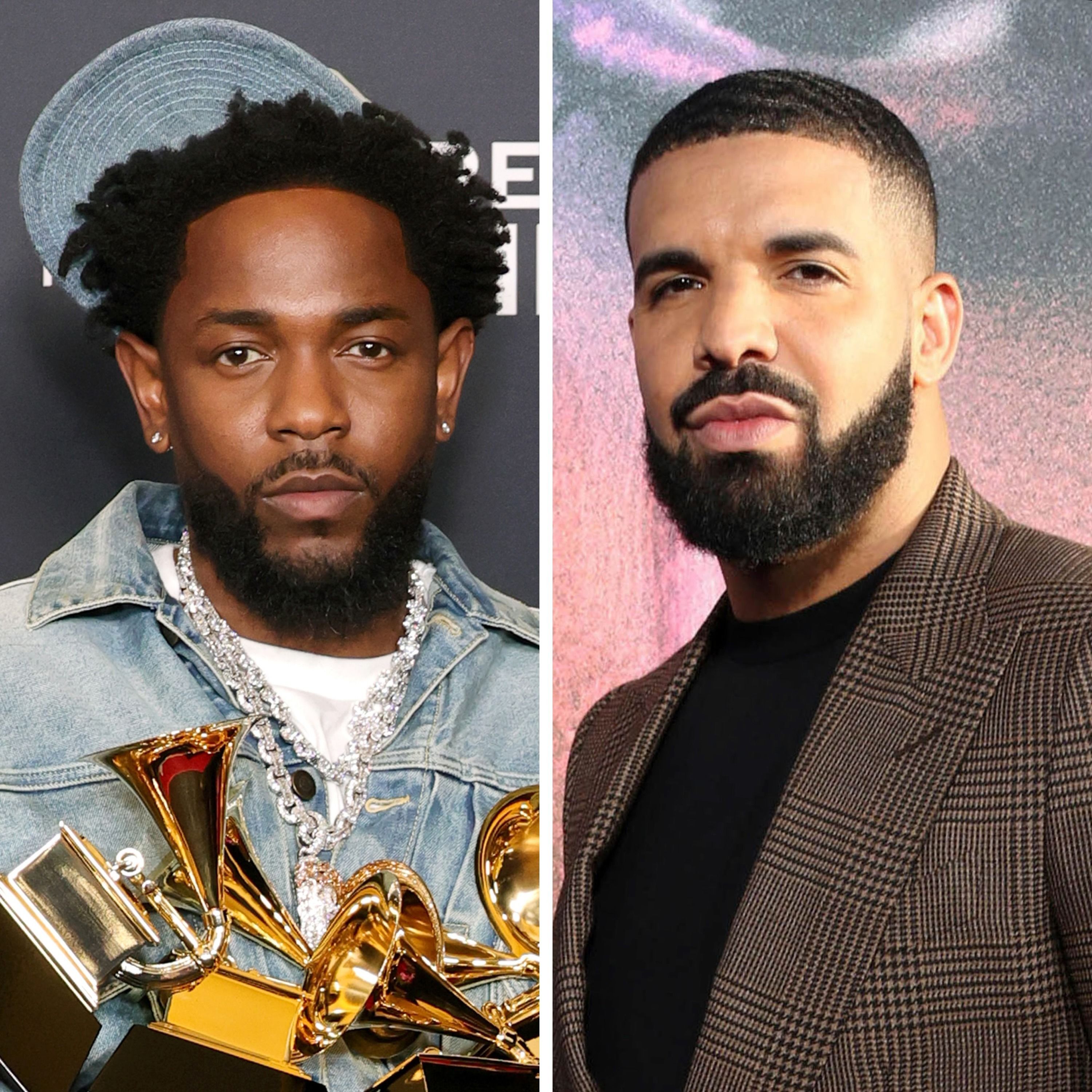
The Daily
The Story of ‘Not Like Us’
00:31:06
A battle between two major artists has been dominating the world of music. It’s a fight over one song — a song that may get its biggest stage ever at this weekend’s Super Bowl. Joe Coscarelli, a culture reporter for The New York Times, explains the feud between Kendrick Lamar and Drake, how Lamar’s “Not Like Us” ripped the music world apart, and why so many fell in love with a song about hate.
Loading summary
Transcript145 lines
- [00:00]
Joe Coscarelli
Nobody does selling better than Shopify, home of the number one checkout on the planet and shop pay that boosts conversion up to 50%. So if you're into growing your business, your commerce platform better be ready to sell wherever your customers are scrolling or on the web, in your store, on their feed and everywhere in between. Businesses that sell more sell on Shopify. Sign up for your $1 per month trial period at shopify.comnyt all lowercase go to shopify.comnyt to upgrade your selling today.
- [00:31]
Natalie Kitroeff
Shopify.comnyt from the new York Times, this is the Daily I'm Natalie Kitrowa. Today we're taking a break from the battles unfolding in Washington to talk about another battle that's been dominating the world of music. It's a fight between two major artists over one song. And that fight and that song may get their biggest stage ever. At this weekend's Super Bowl. My colleague Joe Coscarelli explains how a diss track ripped the music world apart and why so many of us fell in love with the song about hate. It's February 7th. Joe hi. Welcome back to the show.
- [01:31]
Joe Coscarelli
Hey, Natalie, thanks so much for having me.
- [01:33]
Natalie Kitroeff
This weekend is obviously the super bowl, and while I very specifically will be watching to see my Philadelphia Eagles play Go Birds, a lot of people will be tuning in to watch Kendrick Lamar perform at halftime. And not necessarily to hear him play his greatest hits, but to hear one song in particular. Let's talk about that song.
- [01:53]
Joe Coscarelli
So Kendrick Lamar is one of the biggest rappers in the world, both now and for the past decade. He's the first rapper to ever headline the super bowl solo. I think that's worth noting. But you're right, one big reason he's at the super bowl this year is because of the enormous popularity of one song that he put out last year called Not Like Us. Not Like Us was a number one hit. It is quickly on its way to becoming Kendrick's most popular and maybe defining song. And that's pretty weird.
- [02:27]
Natalie Kitroeff
Why? Say more about that.
- [02:29]
Joe Coscarelli
So this is a diss track, which is fairly normal in rap music. Two rappers, they square off and rap about how they're better than one another and who's richer and more popular. But diss tracks don't typically become pop hits, and especially diss tracks as venomous as this one, in which Kendrick is calling Drake, another rapper, a big fake, a total user of other people, and most specifically, a pedophile. And not only is he saying these horrible things about another artist by name, but that Other artist is Drake, probably the most popular rapper, if not pop star of the last decade. And all of this has led to probably the most unusual lawsuit in the history of music.
- [03:21]
Natalie Kitroeff
Okay, I'm gonna ask you to just take us on a little daily style journey here to explain how the world fell in love with this song, which ends up both in court and at the halftime show of the Super Bowl.
- [03:34]
Joe Coscarelli
Well, I think you have to start with these two artists. Who they are, where they came from, and what they've come to represent.
- [03:41]
Natalie Kitroeff
Let's do that. Tell me about them.
- [03:43]
Drake
This is not to get confused. This one's for you, baby. You made.
- [03:49]
Joe Coscarelli
Drake is one of the unlikeliest rap stars of all time. He's from Toronto. He's Jewish, biracial. He was a child actor in the show Degrassi.
- [03:59]
Drake
One warning, though. You stay away from my girl.
- [04:03]
Joe Coscarelli
He seamlessly blended rapping and singing in a way that very few artists before him had ever done before.
- [04:10]
Drake
Strength and guidance. All that I'm wishing for, my friends.
- [04:14]
Joe Coscarelli
And he's one of the great hit makers of all time. He compares himself very often to Michael Jackson. He has more than 300 entries on the Billboard singles chart like no other artist besides Taylor Swift even has 200. He's basically the blueprint for a modern day star. And he has a really long history of beefs. Fairly regularly he's squaring off with somebody in hip hop who is challenging his primacy. It's kind of his thing that he's willing to get down and dirty and fight with people who are not necessarily on his level.
- [04:57]
Natalie Kitroeff
Hm.
- [04:58]
Joe Coscarelli
Kendrick, on the other hand, is a bit more old school.
- [05:01]
Drake
I can see the evil.
- [05:02]
Joe Coscarelli
I can tell it.
- [05:02]
Drake
I know it's illegal. I don't think about it. I deposit every other.
- [05:06]
Joe Coscarelli
Kendrick is a very, very introspective, poetic, genre agnostic writer. I mean, he won the Pulitzer Prize for music in 2018, which no pop musician had ever done before. We gonna be all right.
- [05:21]
Drake
Do you hear me? Do you feel me? We gonna be all right.
- [05:24]
Natalie Kitroeff
Right, right. I mean, when I think about Kendrick, I think about a guy who's making really deep music with complicated rhymes that make you think and feel things hard, you know?
- [05:36]
Joe Coscarelli
Yeah. And he's been on this journey for years where he's really looking deep within his soul and his generational and family trauma, what it means to be a black man in America. And he's in this lineage of great artists and storytellers, from Nina Simone and Marvin Gaye to a rapper like Nas, who was really holding it down in the late 90s for the writers of hip hop, not the glossy hitmakers. But unlike Drake, Kendrick's not really one to get into these beefs. It's not his thing.
- [06:14]
Natalie Kitroeff
So obviously, two huge stars, they've taken different paths. One's a hitmaker, one is more of a tortured poet, if you will. When does their beef start?
- [06:25]
Joe Coscarelli
So what's really interesting is they started out as collaborators and maybe even friends. These guys come up together. Drake gives Kendrick his first hit.
- [06:35]
Drake
I really hope you play this, cuz. Oh, girl, you test my patience with all these.
- [06:39]
Joe Coscarelli
Poetic justice is essentially a Drake song with some Kendrick verses on them. And Drake takes Kendrick on tour, letting him open for him. And, you know, there seems to be a bond here as two guys who are trying to remake rap music in their own image. But as they get more and more popular and sort of end up at the same level, this symbiotic relationship, this collaborative friendship, starts to become much more of a competition. They start mentioning each other, sometimes by name, but often more subtly in raps. And you get the sense that Drake thinks Kendrick is self serious and pretentious. And Kendrick maybe thinks thinks Drake is a phony. And fans are always itching for it to really explode into public view. And they're like, is this happening? Are they really gonna fight? Are they going to war? These two defining artists of this generation. But for a long time, it was really much more of a cold war. And that went on for many, many years until last spring when it all explodes and gets super vicious super fast.
- [07:54]
Natalie Kitroeff
Okay, let's get into that. What did that look like?
- [07:58]
Joe Coscarelli
So it started last spring with a series of songs. Kendrick comes out of nowhere with this really aggressive guest verse on a song by Future where he says, big three.
- [08:11]
Drake
It'S just big me.
- [08:12]
Joe Coscarelli
Drake is a way worse rapper than I am, and we shouldn't even be mentioned in the same sentence.
- [08:17]
Drake
I'm really like that. And your best work is a light pack.
- [08:20]
Joe Coscarelli
Prince outlive m Jack boom calls him a bum. Drake responds by releasing a song, basically daring Kendrick to come at him directly and have this big fight that's been bubbling up for so many years.
- [08:38]
Drake
I'm the head maker y'all depend on.
- [08:40]
Joe Coscarelli
Drake's track is about how Kendrick is really short, has a bad record deal.
- [08:45]
Drake
Pip squeak, pipe down, you ain't in no big three Scissor got you wiped down.
- [08:50]
Joe Coscarelli
And that Drake is richer and more successful than Kendrick could ever be.
- [08:55]
Natalie Kitroeff
It sounds like this starts as pretty typical rap beef stuff, standard fare. I Mean, I'm a better rapper than you. I make more money than you. Par for the course in some ways, yeah.
- [09:04]
Joe Coscarelli
And Drake's feeling so confident that this isn't really something Kendrick does. Kendrick doesn't come out to play in this way that Drake is basically daring him to come back. And Drake goes so far as to release a song in which he pretends to be Tupac and Snoop Dogg using AI History.
- [09:26]
Drake
If you deal with this viciously, you seem a little nervous about all the publicity.
- [09:30]
Joe Coscarelli
These are two west coast rap legends. These are Kendrick's heroes. He's from Compton, California, and Drake is rapping in their voices, daring Kendrick to come back at him.
- [09:42]
Drake
Now's the time to really make a power move. Cause right now it's looking like you writing out the game plan.
- [09:48]
Natalie Kitroeff
Drake is basically trolling Kendrick, testing him, even, like, are you really gonna step into the ring with me?
- [09:55]
Joe Coscarelli
Yeah. And this is Drake's ring. Drake loves playing on the Internet. He loves memes, he loves speaking the language of young people, whereas Kendrick likes to float above it all. He's riding his bike by the beach with no cell phone, only popping in every five years with a concept album. And Drake basically doesn't think that Kendrick is ever gonna take his bait. And he's really high on that feeling that he's gonna dominate his rival on his own home turf.
- [10:25]
Natalie Kitroeff
But that doesn't happen.
- [10:27]
Joe Coscarelli
So Kendrick says, you wanna play? We're gonna play, and takes the bait. Euphoria comes back at Drake.
- [10:36]
Drake
Pathetic, master manipulator. I can smell the tails on you. Now. You're not a rap artist. You a scam artist with the hopes.
- [10:42]
Joe Coscarelli
Of being accepted with some pretty devastating psychological dissection, saying you're not authentic, you're a big faker and nobody likes you. And in fact, I hate you.
- [10:56]
Drake
I hate the way that you walk, the way that you talk, I hate the way that you dress. I hate the way that you sneak this.
- [11:01]
Joe Coscarelli
If I comes right out and says it.
- [11:03]
Natalie Kitroeff
Wow.
- [11:03]
Joe Coscarelli
I hate says it. And these tracks start flying back and forth between them. It was probably the most chaotic weekend of my life as a rap fan. And as it went on, it's just getting. Getting increasingly personal and specific.
- [11:18]
Natalie Kitroeff
Like, what are they saying on these tracks? Give me some examples.
- [11:21]
Joe Coscarelli
So Drake comes right out and says.
- [11:25]
Drake
There'S nowhere to hide. There's nowhere to hide. You know what I mean? They hired a crisis management team to clean up the fact that you beat on your queen. The picture you painted ain't what it seemed.
- [11:35]
Joe Coscarelli
I know you beat Your girlfriend and covered it up.
- [11:38]
Natalie Kitroeff
Whoa.
- [11:41]
Joe Coscarelli
And Kendrick comes back with a song addressed to Drake's parents and his.
- [11:46]
Drake
So I'm sorry that that man is your father. Let me be honest about how he.
- [11:52]
Joe Coscarelli
Should die because of how he treats women. These things are coming sometimes one after another. And then the knockout blow. Psst.
- [12:01]
Drake
I see dead people.
- [12:03]
Joe Coscarelli
Not like us.
- [12:08]
Natalie Kitroeff
Like everyone else. I have heard this song a lot, but why do you think it became the knockout punch? Like, what about it was so effective?
- [12:18]
Joe Coscarelli
I think it's the combination of what it sounds like and what it's about. It starts with this really bouncy west coast beat. There's these really catchy violins sampled by the producer Mustard. And Kendrick sounds really loose, which is not something you can always say about him. He sounds like he's having fun, but the things that he's talking about are not fun.
- [12:40]
Drake
And your homeboy needs subpoena. That predator moving flocks. That name gotta be registered and paste on neighborhood watch.
- [12:45]
Joe Coscarelli
What he's doing is saying some of the most audacious stuff of this entire beef in the punchiest package, the headline of which is that he's calling Drake a pedophile.
- [12:55]
Drake
Say, Drake, I hear you like, I'm young. You better not ever go to cell black one to any that talk to him.
- [13:02]
Joe Coscarelli
He says very early on in the song, you know, they don't treat pedophiles well in prison, so you better not ever go there. And then he culminates this first verse where he's dropping all these bombs with a pun that is also extremely catch says, hey, Drake, aren't you tired of trolling me? You're trying to strike a cord and it's probably a minor.
- [13:28]
Drake
They not like us.
- [13:29]
Natalie Kitroeff
Okay, where is this allegation coming from? I mean, is there any truth to it?
- [13:35]
Joe Coscarelli
No, not that we know of. Drake has never credibly been accused of pedophilia or anything criminal, in fact. But Kendrick was pulling on a narrative that did exist online. Drake is a massive celebrity, and like any celebrity, there are unfounded rumors that follow him around, one of which is about his relationship to teenage girls, whether he's too close with them. So Kendrick didn't pull it out of nowhere. He just put a melody to something anonymous commenters online were already saying about Drake.
- [14:11]
Natalie Kitroeff
Right.
- [14:12]
Joe Coscarelli
Kendrick did another savvy thing, which was pull on another long running thread of criticism about Drake, which is basically that he's a big phony.
- [14:20]
Natalie Kitroeff
Right. This is something that has dogged Drake for much of his career.
- [14:24]
Joe Coscarelli
Yeah. One of the things that's made Drake so successful and so beloved is that he is fluent in many, many different styles. He is very, very chameleonic. And this has been a boon for his career. But it's also been the source of a lot of criticism, especially in rap, where authenticity is valued. So, people, who are you? Who is this guy? Why are you continuing to put on these different Personas and these different voices? And Kendrick comes right out and says.
- [14:52]
Drake
You run to Atlanta when you need a few dollars. No, you not a colleague. You a colonizer.
- [14:57]
Joe Coscarelli
You're not a colleague. You're a colonizer. And you're using all of these artists who are cooler and hipper and more real than you, and you're taking their credibility.
- [15:08]
Drake
They not like us. They not like us. They not like us.
- [15:13]
Joe Coscarelli
And Kendrick puts it very simply in four. They not like us. He's saying, I'm real. Me and my friends, the guys I hang around with, the people I make music with, we're true to ourselves. You, you're on some other stuff. I don't even know who you are.
- [15:29]
Natalie Kitroeff
And that chorus is partly what makes this the song of the summer, right? Played in clubs and parties around the world. People literally screaming these lines out loud, screaming these accusations about Drake back to a dj.
- [15:50]
Joe Coscarelli
Yeah. This song hits the top of the Billboard charts. And because its chorus is so easily adoptable, this us versus them mentality, not like us is immediately everywhere.
- [16:03]
Drake
Are you all ready to see the vice President of the United States?
- [16:07]
Joe Coscarelli
It's at Kamala Harris rallies. It's in the clubhouse when the Dodgers win the World Series.
- [16:15]
Drake
That's a bar mitzvah, though. They don't like Drake.
- [16:18]
Joe Coscarelli
I talked to a bar mitzvah DJ in Los Angeles and he said there was no song last year that 13 year olds wanted to sing and scream and mosh and dance to on the floor of their party. Than not like us.
- [16:32]
Natalie Kitroeff
Unbelievable.
- [16:37]
Joe Coscarelli
And that, to me, is just baffling when you think about the specifics of this song.
- [16:42]
Natalie Kitroeff
And you have to imagine that Kendrick Lamar never thought he was going to be such a star of the bar mitzvah circuit. Is it a little ironic that the thing that propelled the artist's artist Kendrick Lamar to new heights was making a kind of poppy hit? Maybe it'd be fair to say, following Drake's playbook.
- [17:05]
Joe Coscarelli
Yeah, I think you could say that he took a page from Drake's playbook, for sure. He made a diss song that was also a pop hit, which is something that basically only Drake had ever done before. And I think Not Like Us is received not only as a killer Drake diss, but also as an instant smash hit. There's just no question that it wins Kendrick the beef. But if there was any doubt remaining, that disappears. When Drake takes a unprecedented step in the wake of something like this, he files a massive lawsuit.
- [17:58]
Natalie Kitroeff
We'll be right back.
- [18:02]
Joe Coscarelli
This podcast is supported by Comedy Central's Emmy Award winning series, the Daily Show. Jon Stewart and the Daily show news team are kicking off 2025 with brand new episodes covering a brand new administration and a not quite brand new president. While it may feel like we've all been here before, it's never been covered like this. With Jon Stewart behind the desk kicking off every week, Comedy Central's the Daily show new weeknights at 11 on Comedy Central and streaming next day on paramount.
- [18:30]
A.O. Scott
This is A.O. scott. I'm a critic at the New York Times. These days, there are so many movies and books and television shows and songs that it's hard to make sense of it all. At the New York Times, what the critics do is sort through as much of that as we can to come up with advice, with recommendations to guide you toward the stuff that's worth your time and attention. But we don't only offer guidance. Critics are here to help you make sense of things, to get you thinking about the way a movie connects with history or politics, the way a song opens up emotion, how a piece of art illuminates the world in the magical way that only art can do. Really, what I do and what the other critics here do is part of the same project that all of the journalists at the New York Times work on every day to give you clarity and perspective and above all, a deeper understanding of the world. When you subscribe to the New York Times, it's not just here are the headlines, but here's the way everything fits together. If you'd like to subscribe, Please go to nytimes.com subscribe.
- [19:33]
Natalie Kitroeff
Joe, tell us about this lawsuit.
- [19:36]
Joe Coscarelli
So just last month, Drake formally sues Universal Music Group, which is not only the biggest record label in the world, but it's the one that represents both Drake and Kendrick Lamar. And Drake sues the label for defamation.
- [19:49]
Natalie Kitroeff
Essentially, Drake saying, Kendrick called me a pedophile. I'm not one that's defamatory.
- [19:55]
Joe Coscarelli
Yes, they're saying that this rap battle went beyond some artistic spat and turned very real. In the days after Not Like Us was released, there was a shooting outside of Drake's house in Toronto. A security guard was seriously wounded and the police haven't said who did that or why. But then there was a break in a couple of days later, and Drake says he had to pull his son out of school because of security concerns. And the lawsuit is drawing a straight line directly to the allegations of pedophilia in Not Like Us.
- [20:30]
Natalie Kitroeff
The suit is saying some of the listeners to this song really believed what was in it. They took the allegations literally and then took it upon themselves to react.
- [20:41]
Joe Coscarelli
Right. The lawsuit calls it vigilante justice.
- [20:45]
Natalie Kitroeff
But why does Drake sue the record label and not Kendrick himself?
- [20:50]
Joe Coscarelli
So I think this is a complex question, and part of it has to do with how the song was released and promoted. Drake is basically saying that the label had a huge hand in making this song not only popular, but received as fact. He's saying that they're the ones who pushed it to the radio, who made sure it could stream heavily on YouTube and Spotify. They're selling it to television shows. And the legal argument is that universal UMG had the responsibility to know that these claims against Drake were not true. To prove defamation against a public figure, you not only have to prove that the information was false, but that they knew it was false. And Drake is saying, umg, this company that's given him hundreds of millions of dollars over the years, they should have known if one of their biggest, most valuable assets was a pedophile.
- [21:48]
Natalie Kitroeff
Right. The argument here by Drake's lawyers is that the label is liable because they wouldn't have invested in this artist, theoretically, if they knew he was a criminal.
- [21:56]
Joe Coscarelli
Yes.
- [21:57]
Natalie Kitroeff
And is that the main issue here, the question of whether the label was promoting a song they knew to be a lie?
- [22:03]
Joe Coscarelli
Yeah. I think that's what's at the heart of this lawsuit. And Drake is saying, look, the song is one thing, but, hey, look at the COVID art. The COVID art is an aerial photo of my home, and it has markers on it meant to indicate the presence of sex offenders. The music video has Kendrick Lamar hopscotching, you know, alluding to children. It has shipping containers, which people associate with victims of sex trafficking, that Kendrick and the label were underlining the fact that this was not just a joke, that these claims were very serious. Drake's lawsuit is making one more critical argument, which is that the label was incentivized to devalue him at this exact moment. They knew, he says, that his contract was almost up for renegotiation and that if they promoted a Kendrick Lamar song that chipped away at Drake's success and his Persona, that it would be Easier to sign him again for less money.
- [23:06]
Natalie Kitroeff
And what does that label UMG say to all this?
- [23:10]
Joe Coscarelli
UMG says that not only is all of this untrue, but why would we want to hurt one of our most valuable artists? They call it illogical. They say Drake has been in many rap battles, and we've put out his songs and promoted them heavily. They're saying he does this all the time, that UMG distributes his music in which he says outrageous things about other people and expresses his own feelings about other artists. They say he's now seeking to weaponize the legal process to silence an artist's creative expression.
- [23:44]
Natalie Kitroeff
Yeah, I've been thinking about this this whole time, Joe. The whole point of a rap battle is for people to be insulting each other. And obviously, sometimes that includes saying really horrible things. How beyond the pale is the pedophilia accusation? Just relatively speaking?
- [24:03]
Joe Coscarelli
Rap beefs in the past have gotten super nasty, but I think listeners have started to take them more literally. And Drake's lawyers are essentially saying that pedophilia is a red line, that it is a cultural dog whistle that means something very specific, and it's not part of the hyperbole that we usually get in rap songs. They gave me this new statement, and they say that UMG is hiding behind calling its actions entertainment, but that there's nothing entertaining about pedophilia or child abuse. They're saying that when people hear those words and those accusations, they take them seriously and they take them literally.
- [24:44]
Natalie Kitroeff
Do we know how likely it is that Drake will actually prevail in this suit?
- [24:49]
Joe Coscarelli
I don't think this is a slam dunk for either side. There's a lot of leeway for Kendrick and UMG to say, hey, this is just rap. But I have talked to people in the industry who think this is a real case. And Drake is being represented here by a real heavyweight, the lawyer Michael Gottlieb behind this lawsuit. He's won some huge defamation cases against Rudy Giuliani, for instance. He also repped the restaurant in Pizzagate that was shot up by somebody who believed there was pedophilia happening in the basement because of unfounded online rumors. He's won some enormous cases on this very subject. And if that winning streak continues, Drake could be seeing a huge financial payout.
- [25:33]
Natalie Kitroeff
But, Joe, even if he comes out on top legally, where does this leave his reputation as a rapper? Rap beefs don't typically end with, you're gonna hear from my lawyer.
- [25:43]
Joe Coscarelli
Yeah, look, I think a lot of people take this as confirmation that Drake is soft and Drake is weak. And I don't know how you come back from that as a rapper. I think this is something that's gonna follow him around for a long time and is very damaging to his reputation, especially as any sort of untouchable, tough.
- [26:05]
Natalie Kitroeff
So the lawsuit actually, as much as the song itself, is kind of the real knockout blow in all of this.
- [26:12]
Joe Coscarelli
Yeah, for sure. And in the meantime, Kendrick just can't stop winning. He put out a new album that builds off of the sort of fighting spirit of Not Like Us. It went number one. He's had multiple other hits, and just this past weekend at the Grammys.
- [26:28]
Drake
The Grammy goes to.
- [26:31]
Joe Coscarelli
The Grammy goes to. And the Grammy goes to.
- [26:35]
Drake
Kendrick Lamar.
- [26:36]
Joe Coscarelli
Kendrick Lamar.
- [26:37]
Natalie Kitroeff
Kendrick Lamar.
- [26:44]
Joe Coscarelli
Not Like Us was nominated for five Grammys and it won them all. Song of the year, record of the year, best rap song, Best music video, best rap performance.
- [27:01]
Natalie Kitroeff
Yeah. You know, one of the things that struck me watching the Grammys was how everyone was dancing to the song. Taylor Swift, Beyonce, and it looked like they were having a lot of fun. I mean, the viciousness of it, the kind of darkness of the song, it just seemed like that disappeared. The baggage wasn't there.
- [27:21]
Joe Coscarelli
Yeah, look, I was stunned. I mean, there's a shot on TV of Lucian Grange, the CEO of Universal Music Group, high fiving Dr. Dre Kendrick Smith, mentor, while everybody's singing along to the A minor line.
- [27:35]
Natalie Kitroeff
And what do you make of that?
- [27:37]
Joe Coscarelli
I think there's a lot of layers to it. I think people love Kendrick Lamar. I think Not Like Us can be a really fun song for people to listen to. But I also think there's some pent up frustration with just how dominant and teflon Drake had been for so long. I think there's some vindication to this moment where this guy who was so untouchable was humbled, and he was humbled by an artist who kept to himself and who was beating the drum for authenticity and truth and realness in a way that people always were a little suspicious of with Drake.
- [28:17]
Natalie Kitroeff
And now we have another opportunity to potentially see this play out again at the Super Bowl.
- [28:23]
Joe Coscarelli
Yeah, I think it's a really huge question for Kendrick Lamar. Do you take the biggest stage known to man, you know, 100 million people watching all around the world and again celebrate the downfall of your nemesis? Are we going to collectively, as an American people, dance on the grave of Drake one more time? Is not like us going to be the centerpiece of this halftime show? Or will he leave it to the side and say let's move on. But I think people are really pulling for this song, like they want to hear it on the super bowl stage. And I think that speaks to how catchy the song is and how it sort of warmed its way into culture and people really relate to its message, even if they don't hate Drake. But I don't think you can ignore the part of it that appeals to a sort of very American bloodlust. Like there's this sense of loving violence and winning and rooting for someone's demise. I think that says a lot about us as a culture, probably more than it says about Kendrick.
- [29:31]
Natalie Kitroeff
What you're saying, Joe, is that at the end of the day, yes, this is a great song. It is singable. It is an earworm. It is sticky. But maybe also we just love to hate.
- [29:44]
Joe Coscarelli
Yeah. Look, celebrities are built up to be torn down all of the time. We get sick of people. We like to see them humbled. The only thing we love more than watching arise is watching someone's downfall.
- [30:07]
Natalie Kitroeff
Joe, thank you so much.
- [30:10]
Joe Coscarelli
Thanks for having me.
- [30:23]
Natalie Kitroeff
We'll be right back.
- [30:26]
Joe Coscarelli
Hi, it's Alexa Weibel from New York Times Cooking. We've got tons of easy weeknight recipes, and today I'm making my vegetarian mushroom shawarma pitas. This recipe is just built for efficiency. You toss your mushrooms and red onion in your spices, throw them in the oven. By the time they're done, you've chopped your cabbage and you're ready to assemble. It feels crazy that this takes just 20 minutes of active time. It's just delicious. New York Times Cooking has you covered with easy dishes for busy weeknights. You can find more@nytcooking.com.
- [30:59]
Natalie Kitroeff
Here'S what else you need to know today. Just a day after administration officials walked back Trump's suggestion that the US take control of Gaza and displace 2 million Palestinians, the president reaffirmed his proposal on social media. In a post on Truth Social, Trump said that the U.S. would build, quote, one of the greatest and most spectacular developments of its kind in Gaza after Israel ceded control there. He promised that Palestinians would be, quote, resettled in far safer and more beautiful communities with new and modern homes. And the New York Times reported new details about the Trump administration's plans for severe job cuts at the U.S. agency for International Development, which delivers humanitarian aid worldwide.
- [31:45]
Drake
Well, it was. It's been run by a bunch of.
- [31:47]
A.O. Scott
Radical lunatics, and we're getting them out.
- [31:51]
Drake
Usaid, run by radical lunatics, and we're getting them out.
- [31:56]
Natalie Kitroeff
Those plans include reducing the workforce of the agency from more than 10,000 employees to fewer than 300.
- [32:03]
Joe Coscarelli
They take the taxpayer money and they spend as a global charity, irrespective of whether it is in the national interest or not in the national interest.
- [32:10]
Natalie Kitroeff
Secretary of State Marco Rubio, who took control of the agency this week, said it had become too unruly in its spending.
- [32:17]
Joe Coscarelli
They're completely uncooperative, so we had no choice but to take dramatic steps to bring this thing under control.
- [32:23]
Natalie Kitroeff
Rubio said the aggressive moves against USAID were not intended to get rid of foreign aid, but were necessary to reinvent the agency in Remember to catch a new episode of the Interview right here tomorrow. This week, David talks with Denzel Washington.
- [32:42]
Drake
I've taken every job for money. There's no job. I've taken where I went. You know what? You guys just keep the money. I'm just so glad to be an actor, I don't even want the money.
- [32:57]
Natalie Kitroeff
Today's episode was produced by Sydney Harper, Will Reed, Michael Simon Johnson and Stella Tan. It was edited by Brendan Klinkenberg and Mike Benoit. Fact Checked by Susan Lee. Contains original music by Rowan Nimisto and Elisheba Ituk and was engineered by Alyssa Moxley. Our theme music is by Jim Brunberg and Ben Landsberg of Wonderly. That's it for the Daily I'm Natalie Kitroleff. See you Monday.