
Podcast
The Davis Center at Harvard University
Hosted by The Davis Center · EN
The Kathryn W. and Shelby Cullom Davis Center for Russian and Eurasian Studies at Harvard University seeks to foster comprehensive understanding and multidisciplinary study of Russia and the countries of Eurasia. Founded in 1948 as the Russian Research Center, the Davis Center sponsors a master's program, seminars and conferences, targeted research, fellowships, undergraduate and graduate student support, and an outreach program. The center's more than 300 affiliates come from Harvard University, the greater Boston area, and around the world.
10episodes
Episodes
Newest firstAll episodes
The MapMaker: Episode 7 - The Black Sea in (Poly)Crisis
Jul 28, 202501:17:40Tap to summarizeDr. Kelly O'Neill sits down with Anastasiia Pereverten and Markus Vaher to learn more about the cascading effects of the war waged in the Black Sea that is reshaping the way we think about regionalism and international law.
Transcribe →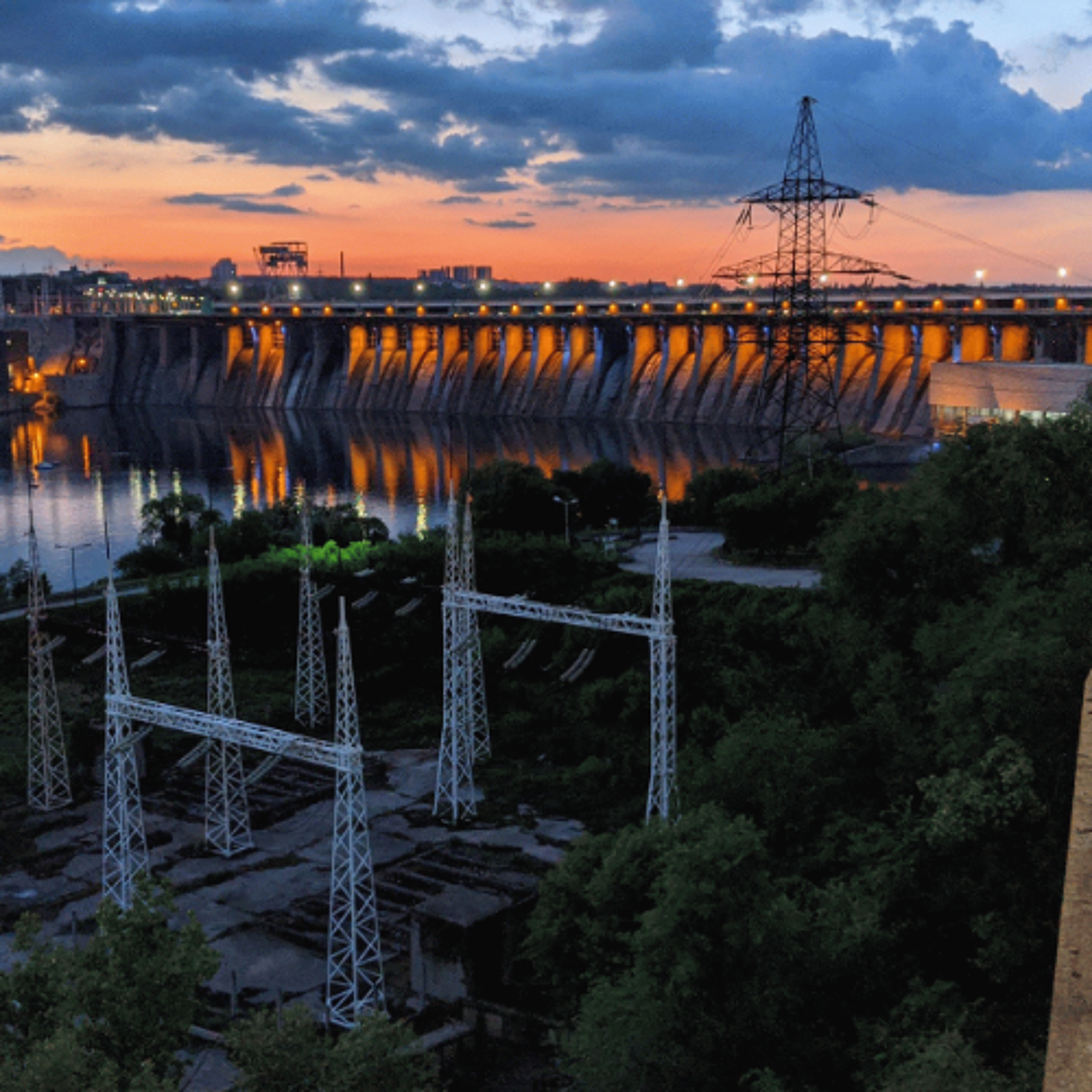
Eurasia from the East, 2024
Nov 20, 202401:35:10Tap to summarizeAs we approach the third year of the war in Ukraine, the ripples from the conflict go deeper and further into the fabric of international relations. This seminar brings together three scholars from Japan to analyze the war’s impact and meaning outside Eastern Europe. Their expertise includes not only Russia but the Middle East and Northeast Asia. Issues to be addressed include Japan’s policies, historical contexts, borderlands, energy security, and China’s perspective on the war.
Transcribe →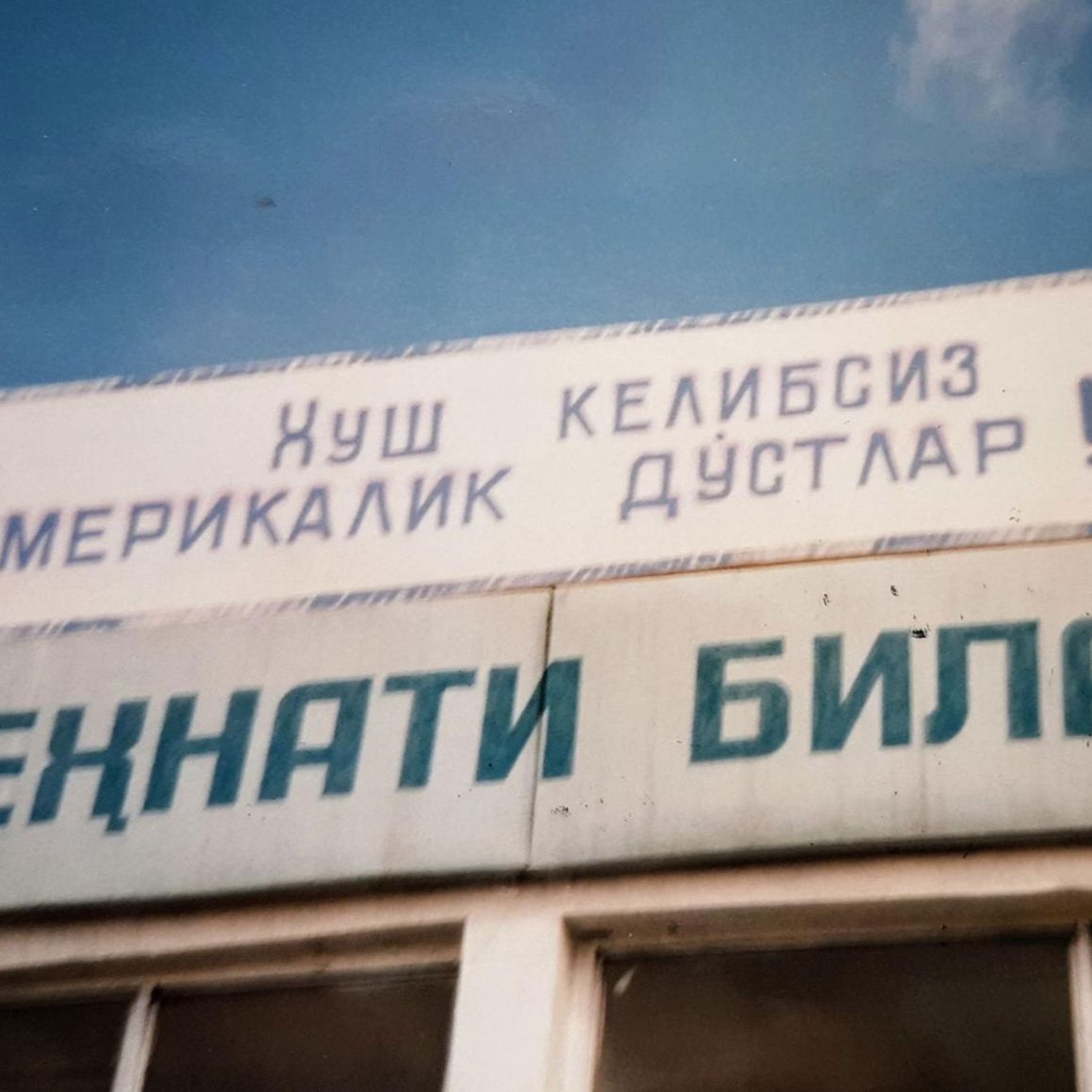
Amb. Krol (Ret): America Discovers Central Asia, Central Asia Discovers America
Oct 24, 202401:15:29Tap to summarizeFormer Deputy Assistant Secretary of State and U.S. Ambassador to Uzbekistan and Kazakhstan George Krol will discuss the development of relations between the United States and the Central Asian states from the inception of diplomatic relations in 1992 to the present time. Drawing on personal experiences and insights gained from his 36 years as a career diplomat, Krol will describe the American and Central Asian politics and personalities that have influenced relations from the collapse of the Soviet Union through the war in Afghanistan to the current conflict between Russia and Ukraine and China’s emergence as a dominant player in the region.
Transcribe →
The MapMaker: Episode 6 - The Day Watermelons Almost Toppled the Russian Empire
Sep 9, 202401:04:26Tap to summarizeDr. Kelly O'Neill recounts the convoluted events of the so-called Watermelon Rebellion, a little-known episode in Russian imperial history full of intrigue, deception, espionage, personal animosities, and… watermelons.
Transcribe →
The MapMaker: Episode 5 - Water, Memory, and the Steppe
Aug 26, 202400:34:05Tap to summarizeREECA alumna Jackie Erlon-Baurjan talks with Kelly about water: about how it was conceptualized and managed on the Kazakh steppe in the 19th century, and about how it (or the lack of it) shaped her own family's traditions near the Altai Mountains.
Transcribe →The MapMaker: Episode 4 - Shakespeare versus Stalin: Why Place Names Matter
Aug 13, 202400:29:23Tap to summarizeGraduate student Valerie Browne shares her research into the history of Crimean place names. She explains how Stalin attempted to remake the map after World War II and how Wikipedia allowed her to reconstruct the stories of lost, forgotten, and renamed villages.
Transcribe →
The MapMaker: Episode 2 - The Art of Map-Listening
Jul 18, 202400:26:14Tap to summarizeLily and Kelly dig into what it was like to live in Crimea as a subject of the Russian Empire. They explore power-relations, the survival of local practices, imperial ideology, and yes, the art of map-listening.
Transcribe →The MapMaker: Episode 3 - The Antidote to Misinformation
Jul 18, 202400:22:17Tap to summarizeLily and Kelly discuss an enterprising official of the East India Company and how he turned a dusty old Russian military map into a game-changing weapon for the British Army.
Transcribe →The MapMaker: Episode 1 - Crimea as Queen Victoria Saw It
Jul 18, 202400:23:33Tap to summarizeIn our first episode, Dr. O'Neill goes to the Harvard Map Collection with high-school student Lily Grodzins to investigate a map of Crimea produced in 1855 and dedicated to Queen Victoria. What they find is a map bigger than most kitchen tables, riddled with misinformation, and full of everything from mountains to mud volcanos. Who made the map? And where do the British fit in? Join us to find out!
Transcribe →
How to Kill a Superpower: Episode 5 - Scrambled Beans
Nov 2, 202100:20:54Tap to summarizeThe signatories of the Belavezha agreement believe it should serve as a consensus model for the world—an example of diplomacy, civil discourse, and nonviolent means of conflict resolution. The events at Belavezha are among the most momentous in modern history. But, unlike the fall of the Berlin Wall, most people have never heard of them. In the conclusion of How to Kill a Superpower, Dr. Yelena Biberman and Zachary Troyanovsky consider why this is the case and what term effectively describes what happened. For a transcript of this episode and more, visit https://daviscenter.fas.harvard.edu/insights/how-to-kill-a-superpower
Transcribe →