Podcast
The Death Readiness Podcast: Not your dad’s estate planning podcast
Hosted by Jill Mastroianni - Estate Planning & Probate Attorney/Lawyer for Women · EN
You’re the one prepping for your child’s IEP meeting while trying to talk your aging dad out of getting a puppy. You’re booking medical appointments, managing the money, juggling work emails during school pickup and still expected to keep the fridge stocked and know who has practice, rehearsal, or a field trip tomorrow.
Your parents are struggling, but they still insist they’re fine. You see the mobility issues, the memory slips, the unopened mail, but every offer to help feels like an argument. You’re scared to push. You’re scared to wait. And there’s no clear roadmap for how to do any of this without losing your mind or your family.
Hosted by Jill Mastroianni, an estate planning and probate attorney and trusted guide for women holding it all together, this podcast is your space to untangle the mess. With more than a decade of legal experience, Jill brings clarity to the hardest conversations most families avoid until it’s too late.
Each episode offers honest stories, practical tools, and bite-sized steps you can actually take, even if you’re overwhelmed, even if you’re grieving, even if you’re still waiting for your mom to give you the password to the computer. You don’t need a perfect plan. You just need a place to start.
Death readiness isn’t about control. It’s about love and the courage to face what’s next with open eyes and a steady hand.
41episodes
Episodes
Newest firstAll episodes
Why You Shouldn't Add Your Child to Your Deed or Bank Account
Yesterday00:19:26Tap to summarizeShould you add your child to your deed or bank account? It sounds like a simple way to avoid probate or make things easier if you need help later in life. But that estate planning shortcut can create risks you never intended, from exposing your home to your child's creditors to accidentally changing how your estate is distributed. In this episode, estate planning attorney Jill Mastroianni explains why the first question should never be, "What's the solution?" Instead, it should be, "What problem are you actually trying to solve?" Once you know the problem, you can choose the right estate planning tool. What You’ll Learn in This Episode Why adding your child to your deed or bank account can create unintended legal and financial risks The one question you should ask before making any estate planning decision When avoiding probate actually makes sense, and when it doesn't How revocable trusts help avoid probate while also planning for incapacity The advantages and limitations of ladybird or transfer-on-death (TOD) deeds in estate planning Why naming multiple TOD beneficiaries can produce surprising results How payable-on-death (POD) and transfer-on-death (TOD) bank account designations work Why your estate may still need liquid assets even if you've mostly avoided probate How financial powers of attorney differ from joint ownership in estate planning Why healthcare powers of attorney and advance directives are essential parts of a complete estate plan Resources & Links Watch this episode on YouTube: https://youtu.be/3tlGkQk1Sac Episode 19: Why You Need (or Don’t Need) a Trust: https://www.deathreadiness.com/podcast/episode-19-how-to-know-if-you-need-a-trust Episode 36: When Transfer-on-Death Deeds Promise to Avoid Probate but Create Chaos: https://www.deathreadiness.com/podcast/when-transferondeath-deeds-promise-to-avoid-probate-but-create-chaos Episode 68: Why Good Powers of Attorney Still Fail: https://www.deathreadiness.com/podcast/68 State-specific healthcare powers of attorney: https://www.caringinfo.org/planning/advance-directives/by-state/ Tennessee estate planning: https://www.deathreadiness.com/estate-planning-solution Connect with Jill: Website: DeathReadiness.com Email: jill@deathreadiness.com Learn more about Jill’s solutions Subscribe to the Death Readiness Dispatch! Ask a question for Tuesday Triage Did you enjoy this episode? Share it with someone you care about. This podcast provides estate planning guidance for women and discusses real, practical issues, from caregiving, pre-planning a funeral, how to avoid probate using beneficiary designations, planning for individuals with special needs (and special needs trusts), whether you need a professional fiduciary (trustee or executor), how the estate tax works and how to preserve your legacy. Tuesday Triage episodes answer questions from listeners like you, from powers of attorney, healthcare advance directives (and whether they work when you’re pregnant), what a Last Will and Testament really is, whether you need a trust, how Medicaid works and how to have senior and elder care conversations and how to care for aging parents. Disclaimer: This podcast and all related content are for educational purposes only and do not constitute legal advice. No attorney-client relationship is established here. Use of this information without careful analysis and review by your attorney, CPA, and/or financial advisor may cause serious adverse consequences. For legal guidance tailored to your unique situation, consult with a licensed attorney in your state.
Transcribe →Why Your Original Will Matters More Than You Think
1w ago00:13:49Tap to summarizeHave you ever wondered whether a photocopy of your Will is enough? In this episode of The Death Readiness Podcast, estate planning attorney Jill Mastroianni explains why the answer is often no. You'll learn what happens when an original Will can't be found, why courts may presume it was intentionally destroyed, and how that one missing document can completely change who inherits an estate. Along the way, Jill shares two real court cases, including a Tennessee probate dispute that became a true crime story, and explains the practical steps you can take to protect your own estate plan. What You’ll Learn in This Episode Why an original signed Will matters more than a photocopy or PDF. The legal presumption that can arise when an original Will is missing. What it means to die intestate and how state law determines who inherits. The difference between probate and non-probate assets. Why simply signing your Will isn't enough—you also need to make sure someone knows where the original is. A Tennessee probate case involving a missing Will, murder allegations, and the state's slayer statute. Why probate litigation often begins with one powerful emotion: the belief that something wasn't fair. A real client story demonstrating how honoring a loved one's wishes sometimes means receiving less, not more. Resources & Links Watch this episode on YouTube: https://youtu.be/RIdWNpQemLQ Free Probate vs. Non-Probate Assets Infographic Download the infographic referenced in this episode to understand which assets pass under your Will and which transfer automatically outside of probate. https://www.deathreadiness.com/probate-infographic Need help with your Tennessee probate or estate plan? Visit https://www.deathreadiness.com/solutions Connect with Jill: Website: DeathReadiness.com Email: jill@deathreadiness.com Learn more about Jill’s solutions Subscribe to the Death Readiness Dispatch! Ask a question for Tuesday Triage Did you enjoy this episode? Share it with someone you care about. This podcast provides estate planning guidance for women and discusses real, practical issues, from caregiving, pre-planning a funeral, how to avoid probate using beneficiary designations, planning for individuals with special needs (and special needs trusts), whether you need a professional fiduciary (trustee or executor), how the estate tax works and how to preserve your legacy. Tuesday Triage episodes answer questions from listeners like you, from powers of attorney, healthcare advance directives (and whether they work when you’re pregnant), what a Last Will and Testament really is, whether you need a trust, how Medicaid works and how to have senior and elder care conversations and how to care for aging parents. Disclaimer: This podcast and all related content are for educational purposes only and do not constitute legal advice. No attorney-client relationship is established here. Use of this information without careful analysis and review by your attorney, CPA, and/or financial advisor may cause serious adverse consequences. For legal guidance tailored to your unique situation, consult with a licensed attorney in your state.
Transcribe →How to Overcome Estate Planning Jargon and Overwhelm
2w ago00:14:48Tap to summarizeThe biggest obstacle to estate planning isn't procrastination. It's confusion and overwhelm. In this episode, Jill shares why she changed the way she practices law, the surprising lesson a surgeon taught her about communication, and why helping clients understand their estate plan is just as important as drafting excellent legal documents. Through stories about a graphic designer, AI, a 90-year-old client, and even her own financial planner, Jill explores how great professionals not only know their subject, they know how to explain it. What You’ll Learn in This Episode Why confusion and overwhelm, not procrastination, keep many people from completing their estate plan. How Jill's approach to estate planning has evolved over the past 12 years. The importance of translating estate planning legal jargon into everyday language. Why AI is a valuable tool, but a poor substitute for professional judgment. How Jill uses AI in her own estate planning practice and podcast without letting it replace experience or critical thinking. The unexpected communication lesson Jill learned after thyroid cancer surgery. Why excellent estate planning documents aren't enough if clients don't understand what they're signing. Why Jill charges flat fees for estate planning and encourages clients to ask questions without watching the clock. The reminder that we're all experts at something and beginners at something else. Resources & Links Watch this episode on YouTube: https://youtu.be/1Ivqf4_izD4 Jill’s Estate Plan Audit: https://www.deathreadiness.com/audit Jill’s Tennessee Estate Planning Services: https://www.deathreadiness.com/estate-planning-solution Connect with Jill: Website: DeathReadiness.com Email: jill@deathreadiness.com Learn more about Jill’s solutions Subscribe to the Death Readiness Dispatch! Ask a question for Tuesday Triage Did you enjoy this episode? Share it with someone you care about. This podcast provides estate planning guidance for women and discusses real, practical issues, from caregiving, pre-planning a funeral, how to avoid probate using beneficiary designations, planning for individuals with special needs (and special needs trusts), whether you need a professional fiduciary (trustee or executor), how the estate tax works and how to preserve your legacy. Tuesday Triage episodes answer questions from listeners like you, from powers of attorney, healthcare advance directives (and whether they work when you’re pregnant), what a Last Will and Testament really is, whether you need a trust, how Medicaid works and how to have senior and elder care conversations and how to care for aging parents. Disclaimer: This podcast and all related content are for educational purposes only and do not constitute legal advice. No attorney-client relationship is established here. Use of this information without careful analysis and review by your attorney, CPA, and/or financial advisor may cause serious adverse consequences. For legal guidance tailored to your unique situation, consult with a licensed attorney in your state.
Transcribe →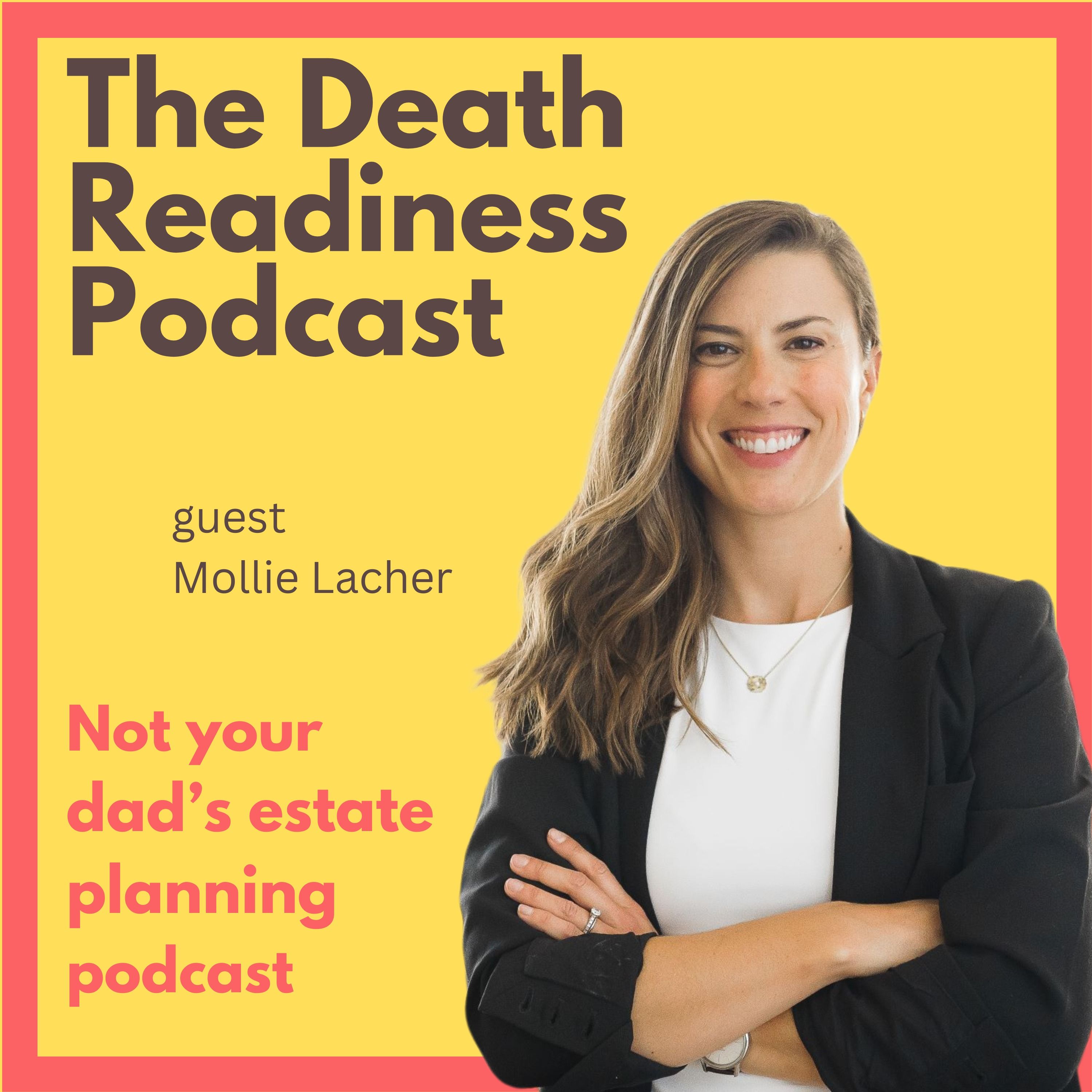
How to Avoid Costly Mistakes After a Death
3w ago00:36:14Tap to summarizeLosing someone you love is hard enough. Figuring out what to do next can feel overwhelming. In this episode, estate planning attorney Jill Mastroianni sits down with estate administration expert Mollie Lacher to discuss the practical realities of settling someone's affairs after death. From securing a vacant home and locating hidden assets to navigating customer service, digital accounts, and the responsibilities of serving as executor during probate, this conversation offers practical guidance for anyone facing the loss of a loved one or preparing to ease the administrative burden for their own family. What You’ll Learn in This Episode Why the first things you should do after a death probably aren't what you expect How to secure a vacant home and avoid costly insurance mistakes Why paying bills immediately isn't always the best first step How to gather financial information before making important decisions The “breadcrumb” clues that can help uncover forgotten assets Why estate planning documents alone don't tell the whole story How organized records can save your family countless hours of stress Strategies for talking with banks, utilities, and customer service representatives Why transferring utilities can become surprisingly complicated How to protect a loved one's digital accounts and avoid accidentally locking yourself out Steps to reduce the risk of identity theft after someone dies What it really means to serve as an executor Resources & Links Watch this episode on YouTube: https://youtu.be/AvkGEQNcMNY Learn more about Mollie Lacher and Sunny Care Services: https://sunnycareservices.com/ Mollie's course, What to Do After Losing a Loved One: https://sunnycareservices.thinkific.com/order?ct=e2fc8f07-c0fe-46b6-a9ee-5ad3b4302916 Set up your Google Inactive Account Manager: https://myaccount.google.com/inactive Add a Legacy Contact to your Apple Account: https://support.apple.com/en-us/102631 Add, change or remove your Legacy Contact on Facebook: https://www.facebook.com/help/1070665206293088?helpref=faq_content Listen to Jill's previous interview with Mollie Lacher, Episode 6: What to Know Before Choosing an Executor or Agreeing to Serve as One: https://www.deathreadiness.com/podcast/what-to-know-before-choosing-an-executor-or-agreeing-to-serve-as-one Connect with Jill: Website: DeathReadiness.com Email: jill@deathreadiness.com Learn more about Jill’s solutions Subscribe to the Death Readiness Dispatch! Ask a question for Tuesday Triage Did you enjoy this episode? Share it with someone you care about. This podcast provides estate planning guidance for women and discusses real, practical issues, from caregiving, pre-planning a funeral, how to avoid probate using beneficiary designations, planning for individuals with special needs (and special needs trusts), whether you need a professional fiduciary (trustee or executor), how the estate tax works and how to preserve your legacy. Tuesday Triage episodes answer questions from listeners like you, from powers of attorney, healthcare advance directives (and whether they work when you’re pregnant), what a Last Will and Testament really is, whether you need a trust, how Medicaid works and how to have senior and elder care conversations and how to care for aging parents. Disclaimer: This podcast and all related content are for educational purposes only and do not constitute legal advice. No attorney-client relationship is established here. Use of this information without careful analysis and review by your attorney, CPA, and/or financial advisor may cause serious adverse consequences. For legal guidance tailored to your unique situation, consult with a licensed attorney in your state.
Transcribe →Why I Won't Leave My Kids Cash
4w ago00:26:25Tap to summarizeIf your children inherited a million dollars tomorrow, would you want them to receive a check—or a trusted guide? In this episode, Jill pulls back the curtain on her own family's estate plan and walks you through exactly what would happen if she and Jeremy died while their children were still young. Using their own Wills, life insurance beneficiary designations, and testamentary trusts as real-life examples, she translates complicated legal language into plain English so you can understand how trusts actually work—and why they aren't just for wealthy families. Along the way, Jill explains why she intentionally chose to leave her children's inheritance in trust, how trustees make financial decisions, and why thoughtful estate planning is really about giving your family guidance when you can no longer be there yourself. What You’ll Learn in This Episode Why trusts aren't just for wealthy families. What your Will actually does if you have minor children. Why the person raising your children isn't always the best person to manage their inheritance. How life insurance beneficiary designations work alongside your estate plan. Why naming your estate as a contingent beneficiary can be intentional. What probate looks like when a life insurance policy is payable to your estate. The difference between specific gifts and your residuary estate. How testamentary trusts are created through a Will. What a trustee actually does. What “HEMS” (Health, Education, Maintenance and Support) means in a trust. Why “sole and absolute discretion” gives trustees flexibility rather than confusion. What a “disinterested trustee” is and why one may be the best person to make major financial decisions. How trusts can help pay for extraordinary opportunities like: buying a first home, starting a business, professional education, and wedding expenses Why trusts are designed to help beneficiaries enjoy their inheritance, not simply preserve it. Resources & Links Watch this episode on YouTube: https://youtu.be/AVXdVUB6_eg Episode 19: Why You Need (or Don’t Need) a Trust: https://www.deathreadiness.com/podcast/episode-19-how-to-know-if-you-need-a-trust Tennessee Estate Planning: https://www.deathreadiness.com/estate-planning-solution Tennessee Probate: https://www.deathreadiness.com/probate-solution Connect with Jill: Website: DeathReadiness.com Email: jill@deathreadiness.com Learn more about Jill’s solutions Subscribe to the Death Readiness Dispatch! Ask a question for Tuesday Triage Did you enjoy this episode? Share it with someone you care about. This podcast provides estate planning guidance for women and discusses real, practical issues, from caregiving, pre-planning a funeral, how to avoid probate using beneficiary designations, planning for individuals with special needs (and special needs trusts), whether you need a professional fiduciary (trustee or executor), how the estate tax works and how to preserve your legacy. Tuesday Triage episodes answer questions from listeners like you, from powers of attorney, healthcare advance directives (and whether they work when you’re pregnant), what a Last Will and Testament really is, whether you need a trust, how Medicaid works and how to have senior and elder care conversations and how to care for aging parents. Disclaimer: This podcast and all related content are for educational purposes only and do not constitute legal advice. No attorney-client relationship is established here. Use of this information without careful analysis and review by your attorney, CPA, and/or financial advisor may cause serious adverse consequences. For legal guidance tailored to your unique situation, consult with a licensed attorney in your state.
Transcribe →What You Need to Know Before Editing Your Will
Jun 3000:13:44Tap to summarizeWhat happens if you simply cross out part of your Will, write “VOID” above it, and initial the change? The answer is more complicated, and riskier, than most people realize. In this episode, estate planning attorney Jill Mastroianni explains why making handwritten changes to your estate planning documents can create confusion, trigger litigation, and ultimately change how your assets are distributed. Through two real Tennessee court cases, you'll learn why “just one little edit” can have consequences that last for years and why creating a fresh document is always the better solution. What You’ll Learn in This Episode Why handwritten edits to estate planning documents can create expensive legal disputes. The difference between modifying a healthcare advance directive and creating a new one. Why clean, updated estate planning documents are easier for your loved ones, and medical providers, to rely on. What happened in two Tennessee Court of Appeals cases involving handwritten changes to Wills. How revoking one provision of a Will can unintentionally change who inherits your property. What a residuary clause is and why it’s one of the most important provisions in a Will. Why assets may pass through intestate succession even if you have a Will. The risks of relying on DIY estate planning or making changes with a pen instead of updating your documents properly. Resources & Links Watch this episode on YouTube: https://youtu.be/DIie_NLlXto Free Healthcare Advance Directives: https://www.caringinfo.org/planning/advance-directives/by-state/ Related Podcast Episodes How to Write Your Own Will (and Why You Shouldn't): https://www.deathreadiness.com/podcast/50 What Every Parent Needs to Know When Their Child Turns 18: https://www.deathreadiness.com/podcast/episode-22-what-every-parent-needs-to-know-when-their-child-turns-18 Tennessee Cases Discussed In re Estate of Dye, 565 S.W.2d 219 In re Estate of Warren, 3 S.W.3d 493 Need to Update Your Tennessee Estate Plan? Learn more about Jill's flat-fee Tennessee estate planning services: https://www.deathreadiness.com/estate-planning-solution Connect with Jill: Website: DeathReadiness.com Email: jill@deathreadiness.com Learn more about Jill’s solutions Subscribe to the Death Readiness Dispatch! Ask a question for Tuesday Triage Did you enjoy this episode? Share it with someone you care about. This podcast provides estate planning guidance for women and discusses real, practical issues, from caregiving, pre-planning a funeral, how to avoid probate using beneficiary designations, planning for individuals with special needs (and special needs trusts), whether you need a professional fiduciary (trustee or executor), how the estate tax works and how to preserve your legacy. Tuesday Triage episodes answer questions from listeners like you, from powers of attorney, healthcare advance directives (and whether they work when you’re pregnant), what a Last Will and Testament really is, whether you need a trust, how Medicaid works and how to have senior and elder care conversations and how to care for aging parents. Disclaimer: This podcast and all related content are for educational purposes only and do not constitute legal advice. No attorney-client relationship is established here. Use of this information without careful analysis and review by your attorney, CPA, and/or financial advisor may cause serious adverse consequences. For legal guidance tailored to your unique situation, consult with a licensed attorney in your state.
Transcribe →Why Your Power of Attorney Can't Do Everything
Jun 2300:19:30Tap to summarizeWhen someone you love names you as agent under a power of attorney, it can feel like you'll be able to step in and handle whatever needs to be done. But what happens when the law says otherwise? In this episode, I share the story of a Tennessee woman who discovered that even a broad financial power of attorney has limits. Through a real-life example involving a conservatorship, a probate estate, and a Florida real estate sale, we'll explore what powers of attorney can do, what they can't do, and how thoughtful estate planning can help ensure the right people have the right authority when it's needed most. Along the way, you'll learn why caring deeply about someone doesn't automatically give you the legal ability to act on their behalf, and how one woman's careful estate planning may continue helping others long after she's gone. What You’ll Learn in This Episode Why a financial power of attorney gives authority over your affairs, but not necessarily over every role you hold. The difference between acting for yourself and serving in a fiduciary role for someone else. Why an agent under a power of attorney cannot automatically step in as an executor, conservator, trustee, board member, or other fiduciary. How courts determine who serves as a successor executor or conservator when the original person can no longer serve. What a fiduciary is and why fiduciary responsibilities are more common than many people realize. How revocable trusts can help avoid probate delays, especially when you own real estate in multiple states. Why funding your trust is just as important as creating it. The importance of confirming that a named successor trustee is actually willing and able to serve. How thoughtful estate planning can remove obstacles for loved ones and even help people you've never met. Resources & Links Related Episodes Watch this episode on YouTube: https://youtu.be/ZAUuZrrsot8 Episode 17: How Powers of Attorney Work, When to Use Them, and When It's Too Late to Get One: https://www.deathreadiness.com/podcast/episode-17-how-powers-of-attorney-work-when-to-use-them-and-when-its-too-late-to-get-one Episodes Featuring Kristen Lewis Episode 8: A Parents’ Guide to Special Needs Estate Planning: https://www.deathreadiness.com/podcast/a-parents-guide-to-special-needs-estate-planning Episode 9: How to Choose the Right Special Needs Estate Planning Team: https://www.deathreadiness.com/podcast/how-to-choose-the-right-special-needs-estate-planning-team Tennessee Estate Planning Services: https://www.deathreadiness.com/estate-planning-solution Connect with Jill: Website: DeathReadiness.com Email: jill@deathreadiness.com Learn more about Jill’s solutions Subscribe to the Death Readiness Dispatch! Ask a question for Tuesday Triage Did you enjoy this episode? Share it with someone you care about. This podcast provides estate planning guidance for women and discusses real, practical issues, from caregiving, pre-planning a funeral, how to avoid probate using beneficiary designations, planning for individuals with special needs (and special needs trusts), whether you need a professional fiduciary (trustee or executor), how the estate tax works and how to preserve your legacy. Tuesday Triage episodes answer questions from listeners like you, from powers of attorney, healthcare advance directives (and whether they work when you’re pregnant), what a Last Will and Testament really is, whether you need a trust, how Medicaid works and how to have senior and elder care conversations and how to care for aging parents. Disclaimer: This podcast and all related content are for educational purposes only and do not constitute legal advice. No attorney-client relationship is established here. Use of this information without careful analysis and review by your attorney, CPA, and/or financial advisor may cause serious adverse consequences. For legal guidance tailored to your unique situation, consult with a licensed attorney in your state.
Transcribe →What You Need to Know About Corporate Trustees
Jun 1600:19:49Tap to summarizeMichael thought he had done everything right. He created a revocable trust, avoided probate, and named a neutral third party to serve as trustee after his death. But when the corporate trustee declined to serve, his family spent fourteen years trying to untangle the consequences. In this episode, Jill explains what corporate trustees do, why they sometimes say no, and how to make sure your estate plan works not just on paper, but in real life. What You’ll Learn in This Episode Why avoiding probate shouldn't be the only goal of estate planning What a corporate trustee is and how it differs from an individual trustee Reasons a corporate trustee might decline to serve Why trust companies have minimum asset requirements and internal policies How certain assets, like closely held business interests and mineral rights, can complicate trust administration What silent trusts are and why some corporate trustees are hesitant to administer them Why some institutions decline to serve as trustee of an irrevocable life insurance trust (ILIT) How involving a corporate trustee during the planning process can help identify potential problems before they affect your family What happens when no trustee is available to serve after your death How state trust laws addresses vacancies in trusteeship The importance of naming backup trustees and creating contingency plans Resources & Links Watch this episode on YouTube: https://youtu.be/8yPS4NeTQng Episode 19: Why You Need or Don’t Need a Trust: https://www.deathreadiness.com/podcast/episode-19-how-to-know-if-you-need-a-trust Tennessee Estate Planning Solution: https://www.deathreadiness.com/estate-planning-solution Connect with Jill: Website: DeathReadiness.com Email: jill@deathreadiness.com Learn more about Jill’s solutions Subscribe to the Death Readiness Dispatch! Ask a question for Tuesday Triage Did you enjoy this episode? Share it with someone you care about. This podcast provides estate planning guidance for women and discusses real, practical issues, from caregiving, pre-planning a funeral, how to avoid probate using beneficiary designations, planning for individuals with special needs (and special needs trusts), whether you need a professional fiduciary (trustee or executor), how the estate tax works and how to preserve your legacy. Tuesday Triage episodes answer questions from listeners like you, from powers of attorney, healthcare advance directives (and whether they work when you’re pregnant), what a Last Will and Testament really is, whether you need a trust, how Medicaid works and how to have senior and elder care conversations and how to care for aging parents. Disclaimer: This podcast and all related content are for educational purposes only and do not constitute legal advice. No attorney-client relationship is established here. Use of this information without careful analysis and review by your attorney, CPA, and/or financial advisor may cause serious adverse consequences. For legal guidance tailored to your unique situation, consult with a licensed attorney in your state.
Transcribe →
How Creditors Can Delay a Probate Estate
Jun 900:19:11Tap to summarizeCan you open a probate estate, distribute the assets, close the file, and move on without worrying about creditors? Not quite. In this episode of The Death Readiness Podcast, Jill answers a listener's question about why probate sometimes feels painfully slow. Using Tennessee law as an example, she explains how the creditor claims process works, why executors can't simply skip legal formalities, and what can happen if beneficiaries receive their inheritances before all of the creditor deadlines have expired. What You’ll Learn in This Episode Why probate courts don't allow executors to rush through estate administration What it actually means to "open" a probate estate Why probate courts publish Notices to Creditors What "reasonably ascertainable" creditors are and why they matter How creditor notice deadlines work Why certified mail can play an important role in probate administration What happens if beneficiaries receive distributions before all creditor deadlines expire Why beneficiaries may be required to return inherited funds to satisfy valid creditor claims What it means for a creditor to formally "file a claim" against an estate Why a creditor can't simply call the executor and ask to be paid What documentation creditors must provide when filing a claim Why filing a claim doesn't automatically mean the creditor gets paid How executors decide whether to accept or object to a creditor's claim Why sometimes it makes financial sense to pay a small disputed claim rather than litigate it The importance of following legal formalities, even when they seem inefficient or unnecessary Resources & Links Watch this episode on YouTube: https://youtu.be/CikfGGHRNmQ Ask a question for Tuesday Triage: https://www.deathreadiness.com/tuesdaytriage Connect with Jill: Website: DeathReadiness.com Email: jill@deathreadiness.com Learn more about Jill’s solutions Subscribe to the Death Readiness Dispatch! Ask a question for Tuesday Triage Did you enjoy this episode? Share it with someone you care about. This podcast provides estate planning guidance for women and discusses real, practical issues, from caregiving, pre-planning a funeral, how to avoid probate using beneficiary designations, planning for individuals with special needs (and special needs trusts), whether you need a professional fiduciary (trustee or executor), how the estate tax works and how to preserve your legacy. Tuesday Triage episodes answer questions from listeners like you, from powers of attorney, healthcare advance directives (and whether they work when you’re pregnant), what a Last Will and Testament really is, whether you need a trust, how Medicaid works and how to have senior and elder care conversations and how to care for aging parents. Disclaimer: This podcast and all related content are for educational purposes only and do not constitute legal advice. No attorney-client relationship is established here. Use of this information without careful analysis and review by your attorney, CPA, and/or financial advisor may cause serious adverse consequences. For legal guidance tailored to your unique situation, consult with a licensed attorney in your state.
Transcribe →
What You Need to Know About Estate Planning at 30
Jun 200:18:06Tap to summarizeWhat estate planning documents does a healthy 30-year-old actually need? In this episode of The Death Readiness Podcast, Jill answers a question from a young listener who wondered what someone her age should be doing about estate planning. Using stories from her own life, including the loss of several young friends, Jill explains why estate planning isn't just for retirees. You'll learn why powers of attorney and healthcare advance directives may be more important than a Will when you're young, how the famous Nancy Cruzan case changed the conversation around end-of-life decision-making, and what a recent Michigan court decision means for pregnant individuals and advance directives. Most importantly, you'll learn why estate planning doesn't have to be perfect; it just has to start. What You’ll Learn in This Episode Why Young Adults Often Avoid Estate Planning Most people in their twenties and thirties aren't ignoring estate planning because they're irresponsible. They're avoiding it because no one has ever explained it to them. Estate planning feels expensive, complicated, and irrelevant—until life proves otherwise. The Four Core Estate Planning Documents Jill explains the four foundational documents that make up a basic estate plan: Last Will and Testament Financial Power of Attorney Healthcare Power of Attorney Healthcare Advance Directive (Living Will) She also shares which of these documents she actually had when she was thirty years old. Why Powers of Attorney Matter More Than You Think A financial power of attorney allows someone you trust to manage financial matters if you're unable to do so yourself. Jill explains the difference between immediate and springing powers of attorney and why she chose to put one in place long before she thought she would ever need it. Bad Things Happen to Young People Too Estate planning isn't just about death. Jill reflects on the loss of former teammates, friends, and family members whose lives changed unexpectedly due to illness, accidents, and catastrophic medical events. Those experiences taught her an important lesson: A tragedy may be unlikely, but it's never impossible. What Nancy Cruzan Can Teach Us Nancy Cruzan was only 25 years old when a car accident left her in a persistent vegetative state. Because she hadn't left clear instructions about her wishes, her family spent years in court, including a case before the United States Supreme Court, trying to answer one heartbreaking question: What would Nancy have wanted? Michigan's New Advance Directive Ruling A recent Michigan court decision struck down a state law that prevented patient advocates from carrying out certain end-of-life decisions for pregnant patients. Jill explains: What the law previously said Why it was challenged How the ruling affects Michigan residents Why pregnancy-related restrictions on advance directives still exist in many states This discussion also connects to the story of Adriana Smith, the Georgia nurse whose case sparked a national conversation about pregnancy and end-of-life decision-making. Do You Need a Will at 30? Jill shares her own situation as a 30-year-old attorney: Single No children Two retirement accounts A checking account A house She explains why she didn't have a Will at that stage of life and why beneficiary designations and account titling can sometimes accomplish much of what young adults need. Estate Planning Isn't a Pass-Fail Test One of the biggest mistakes people make is believing they need to do everything perfectly. Instead, Jill encourages listeners to think of estate planning as a series of small steps: Sign a healthcare power of attorney Complete an advance directive Create a financial power of attorney Add beneficiaries to accounts Organize key information for loved ones Every step makes life easier for the people who may one day need to help you. Resources & Links Watch this episode on YouTube: https://youtu.be/Nde4fFp5Hmk The Death Readiness Playbook: https://www.deathreadiness.com/playbook Important Information Sheets: https://www.deathreadiness.com/resources/important-information-sheets Michigan statutory financial power of attorney form: https://www.michigan.gov/ag/news/press-releases/2025/08/06/fillable-power-of-attorney-forms-now-available-on-department-of-attorney-general-website Access state-specific Healthcare Power of Attorney forms: https://www.caringinfo.org/planning/advance-directives/by-state/ Episode 17: How Powers of Attorney Work, When to Use Them, and When It’s Too Late to Get One: https://www.deathreadiness.com/podcast/episode-17-how-powers-of-attorney-work-when-to-use-them-and-when-its-too-late-to-get-one Episode 22: What Every Parent Needs to Know When Their Child Turns 18: https://www.deathreadiness.com/podcast/episode-22-what-every-parent-needs-to-know-when-their-child-turns-18 Episode 23: What Happens When a Pregnant Woman Is Declared Brain Dead?: https://www.deathreadiness.com/podcast/episode-23-what-happens-when-a-pregnant-woman-is-declared-brain-dead Episode 68: Why Good Powers of Attorney Still Fail: https://www.deathreadiness.com/podcast/68 Connect with Jill: Website: DeathReadiness.com Email: jill@deathreadiness.com Learn more about Jill’s solutions Subscribe to the Death Readiness Dispatch! Ask a question for Tuesday Triage This podcast provides estate planning guidance for women and discusses real, practical issues, from caregiving, pre-planning a funeral, how to avoid probate using beneficiary designations, planning for individuals with special needs (and special needs trusts), whether you need a professional fiduciary (trustee or executor), how the estate tax works and how to preserve your legacy. Tuesday Triage episodes answer questions from listeners like you, from powers of attorney, healthcare advance directives (and whether they work when you’re pregnant), what a Last Will and Testament really is, whether you need a trust, how Medicaid works and how to have senior and elder care conversations and how to care for aging parents. Disclaimer: This podcast and all related content are for educational purposes only and do not constitute legal advice. No attorney-client relationship is established here. Use of this information without careful analysis and review by your attorney, CPA, and/or financial advisor may cause serious adverse consequences. For legal guidance tailored to your unique situation, consult with a licensed attorney in your state.
Transcribe →