Podcast
The Diary of a CFO
Hosted by Wassia Kamon, CPA, CMA, MBA · EN
If you're currently a CFO or on the path to become one, this podcast is for you. The Diary of a CFO takes you behind the scenes of modern finance leadership through honest conversations about how real finance leaders build their careers, make tough decisions, and carry the weight of the CFO role. Hosted by award-winning CFO Wassia Kamon, each episode covers what it actually takes to lead finance teams, work with CEOs and boards, navigate capital decisions, and grow without burning out. To suggest topics, email ask@thediaryofacfo.com. To become a guest or sponsor, visit thediaryofacfo.com.
30episodes
Episodes
Newest firstAll episodes
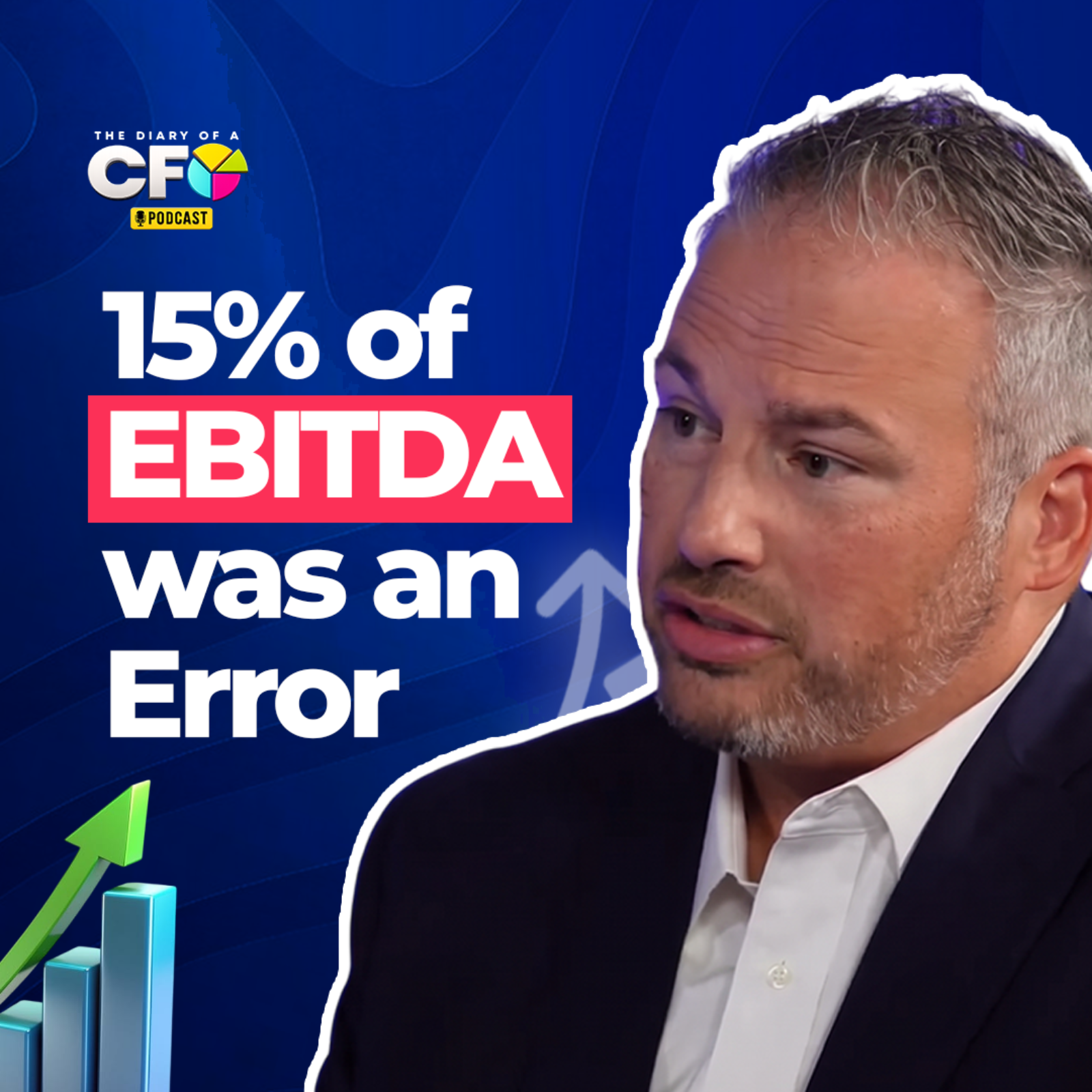
How to Evaluate a CFO Role in Private Equity Before You Say Yes - Chris Voudouris, 3x PE CFO
1w ago00:32:59Tap to summarizeMost finance leaders think about making the jump to a private equity backed company at some point. Very few know what they are actually walking into.In this episode, I sit down with Chris Voudouris, a 3x PE CFO who has been on every side of the table. He started at KPMG in audit, moved into transaction services analyzing deals on both the buy side and sell side, then made the leap into private equity. He has led finance at multiple PE-backed companies across different industries and moved his family to Atlanta for his first CFO role knowing nobody in the city.We talk about what nobody tells you before you take a CFO role at a PE-backed company. The three lenses he uses to evaluate any opportunity before saying yes: the investment, the business, and the people. What documents you should be asking for before you accept the role, from the confidential information memorandum to the quality of earnings report. How he builds trust with his CEO and why he says the foxhole relationship is everything. The budget error that wiped out 15% of projected EBITDA growth he had just presented to the board and what happened when he told his CEO immediately. Why he lives by the rule that relationship always trumps the issue. How to be the chief interpreter of your organization as a CFO. The difference between stress that motivates and distress that destroys. And his honest advice for anyone in public accounting thinking about crossing over into PE.Whether you are considering a move into private equity, already in a PE-backed role trying to navigate the pressure, or a first-time CFO figuring out how to evaluate your next opportunity, this conversation is the playbook.
Transcribe →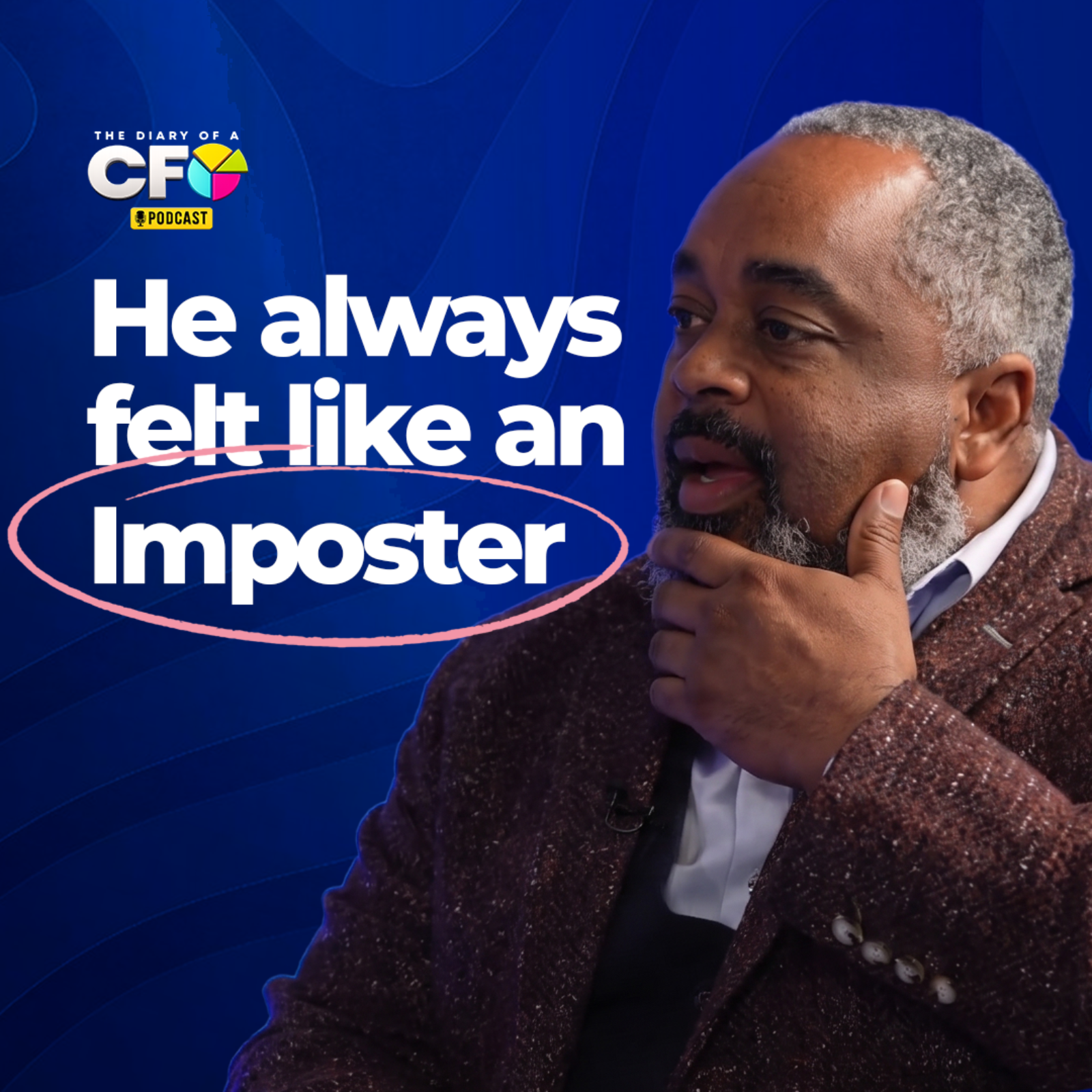
From Big 4 Auditor to CFO: How to Make People Want to Work With You in Finance - James White (Live in Atlanta)
4w ago00:49:29Tap to summarizeHe spent over 20 years at Ernst & Young. He did a secondment to Berlin, Germany by himself. He went back to Alabama to take over the CPA firm his father started 50 years ago. And then he made the leap to CFO of a Nasdaq-listed AI company.In this episode, I sit down in person with James White, CFO of ScanTech AI Systems. James is a multi-state CPA, an AICPA board member, and the son of one of the first Black CPAs in the state of Alabama.We talk about what kept him in public accounting for 20 years when most people leave in five. How he made himself easy to get to know in rooms where he was often the only one who looked like him. Why he believes being the smartest person in the room is not what gets you ahead. What he had to learn and unlearn when he moved from auditor to CFO.How he motivates people who are not as driven as the type A teams he came from in public accounting. Why he told a room full of AICPA leaders that he has always felt like an imposter and how that honesty actually helped him. The moment his daughter said she did not want to be an accountant because of how much he worked, and how that changed everything about how he leads. And the generational story that starts with his great-grandfather building a park in Alabama and ends with James sitting on the AICPA board.Whether you are in public accounting thinking about making the jump, already in the CFO seat figuring out how to lead, or trying to understand what it really takes to make people want to work with you, this conversation covers it.
Transcribe →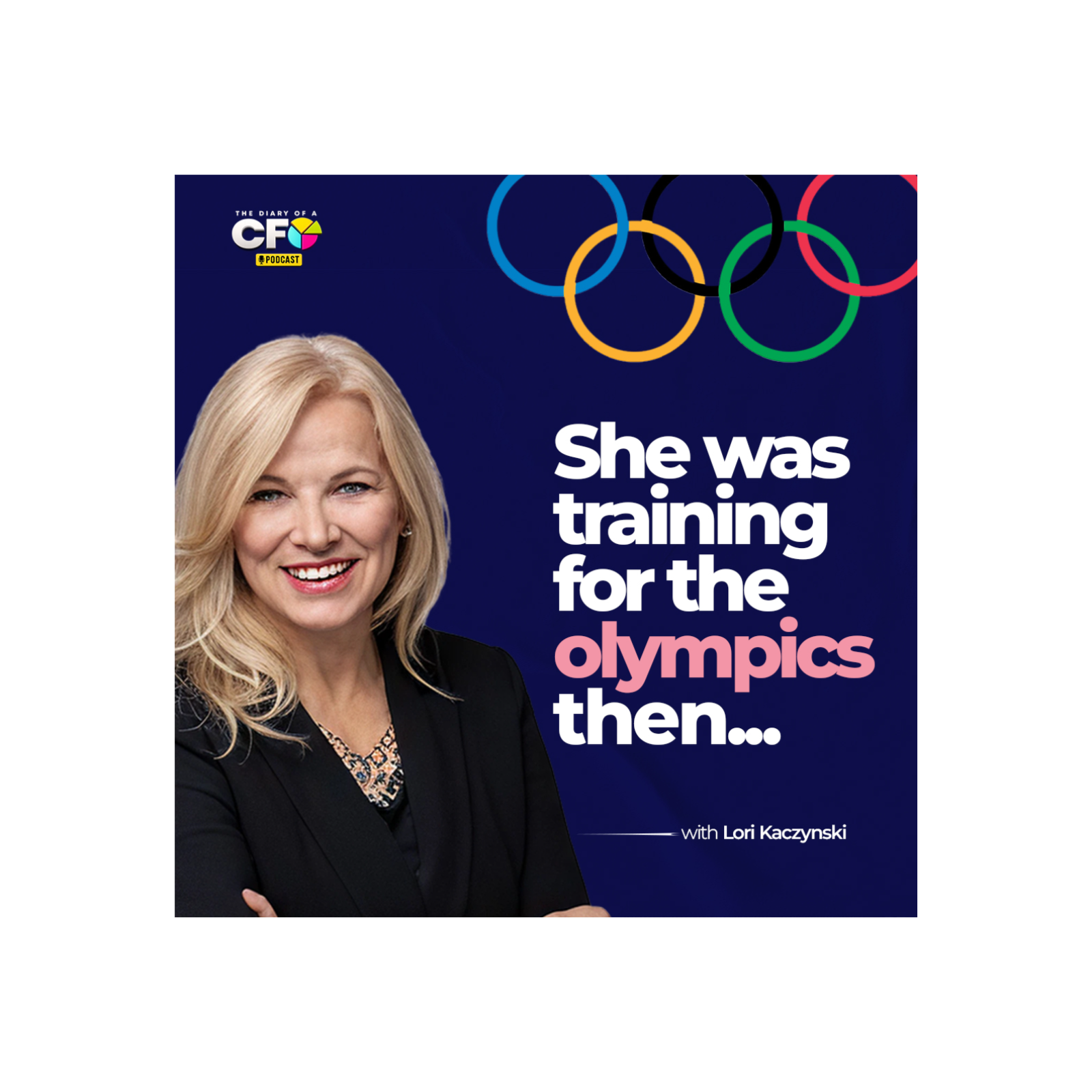
From 6x National Champion to Fortune 500 Chief Audit Officer - Lori Kaczynski on Leadership and Resilience
Jun 2500:49:37Tap to summarizeShe won six Canadian national championships in speed skating and was training for the Olympics. Then, had a car accident at 18. Four knee surgeries. Three years of rehabilitation.Today Lori Kaczynski is the Senior Vice President and Chief Audit, Risk, and Compliance Officer at Graphic Packaging International, a Fortune 500 company headquartered in Atlanta. She leads global internal audit, compliance, and enterprise risk management.In this episode, I sit down in person with Lori. We talk about what competitive athletics taught her about discipline and resilience that she carries into the boardroom today. How she moved from a small Canadian town of 5,000 people to building a career in Atlanta with no coaching and no roadmap. Why she hires internal auditors based on soft skills and culture fit before technical ability. The difference between leading audit with an enforcement mindset versus a business partner mindset and why one gets people to call you with their problems and the other makes them hide. The Von Mises framework she uses when people resist change. How a network of 60 Fortune 500 women chief audit executives became her most valuable career resource. What her husband accidentally taught her about networking. And why she is building what she calls a "portfolio career" for what comes next.Whether you are in audit, risk, compliance, or any finance leadership role, this conversation will challenge how you think about what it really takes to lead at a high level.
Transcribe →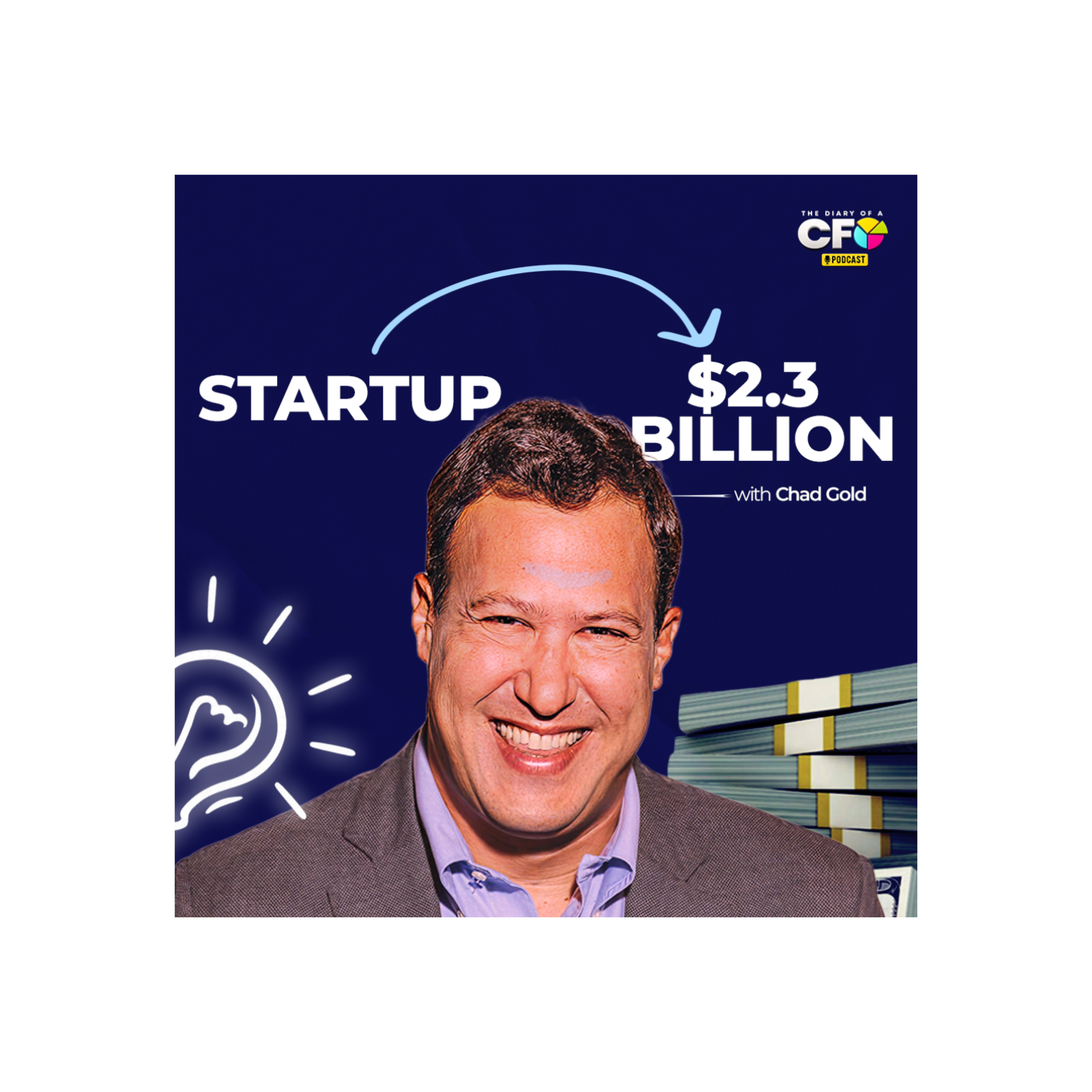
How Finance Teams Should Be Using AI Right Now, with Chad Gold, CFO of Fullstory
Jun 400:53:57Tap to summarizeHe started at Ernst & Young, moved to Home Depot where he had a front row seat to one of the most operational CFOs in the country, then jumped into high-growth startups and never looked back.In this episode, I sit down in person with Chad Gold, 2022 CFO of the Year by the Atlanta Business Chronicle and current CFO of Fullstory. Chad drove 10x growth in enterprise value at SalesLoft to over $2.3 billion and was the first CFO at G2.We talk about why he left the stability of Home Depot for startups and what his wife thinks about that risk. His "lines not dots" principle for building relationships that actually shape your career. His playbook for the first 90 days in a new CFO role and why most leaders make the mistake of trying to tackle everything at once. How to get the business to bring finance in early instead of after the fact. Why the CFO, not the CTO, should be leading AI adoption inside the company. How his team cut the close process by 50% using AI and is going for another 50%. The SEC agent they built that reviews contracts in minutes. How they automated daily cash reporting with Claude in five minutes. Why he thinks the finance org chart is shifting from a triangle to a diamond. And the whiteboard lesson from his Home Depot boss that changed how he thinks about success forever.Whether you are a CFO trying to figure out where AI actually fits, a finance leader navigating high-growth, or someone thinking about making the leap from big company to startup, this conversation covers it.
Transcribe →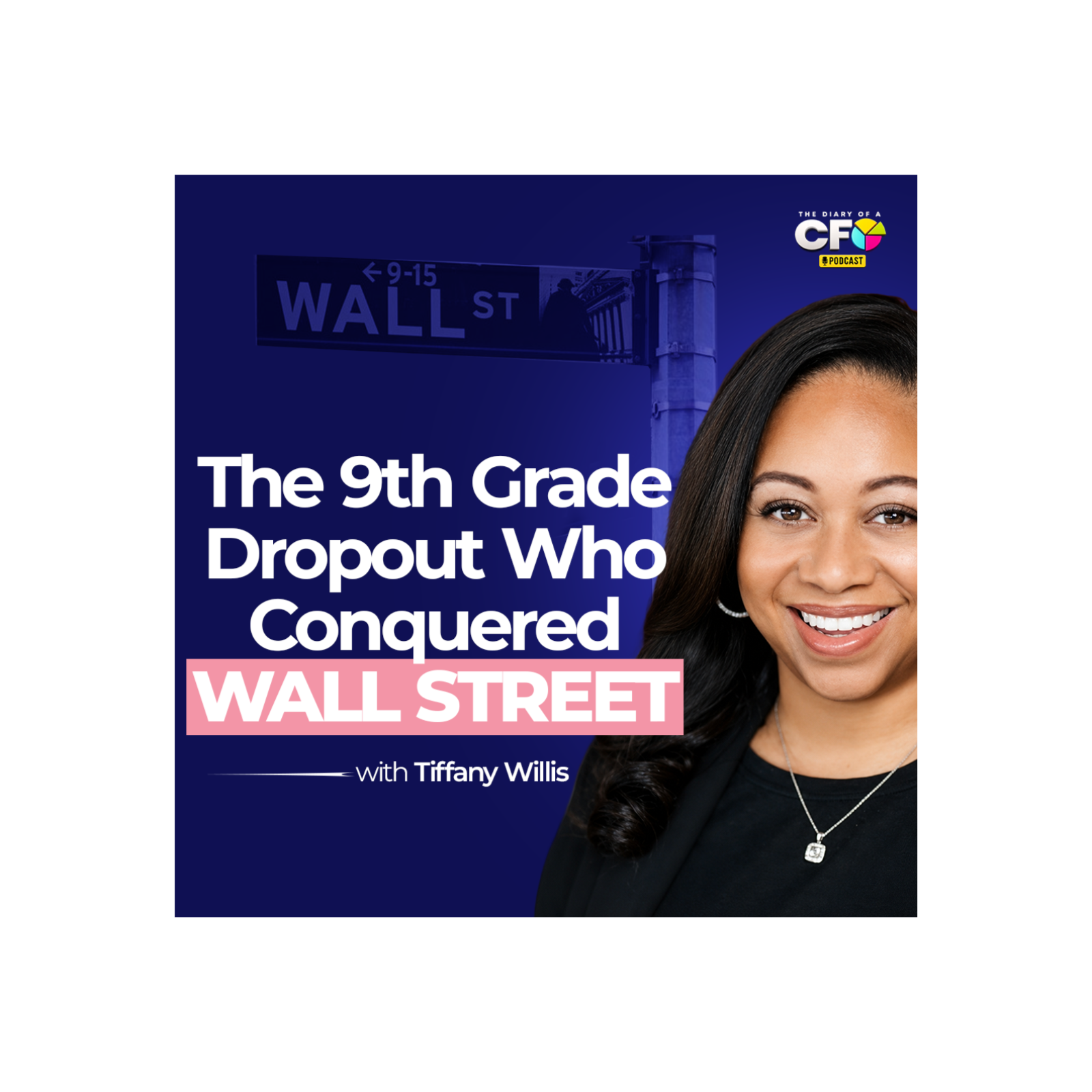
Former Starbucks IR SVP: How a Homeless Teenager Ended Up Managing $130 Billion Market Cap on Wall Street
May 2100:35:54Tap to summarizeIn this episode of The Diary of a CFO: Live in Atlanta, I sit down in person with Tiffany Willis. Tiffany is a global investor relations executive who recently served as Senior Vice President at Starbucks, where she managed nearly $130 billion in market capitalization. She is a Wharton graduate, an Adjunct Professor at Emory University's Goizueta Business School, a CPA, a Lean Six Sigma Black Belt, and a former Miss Black Georgia USA.Behind that bio is a story most people would never expect. Tiffany was pregnant at 14, dropped out of school in the 9th grade, and was homeless. She kept her baby's milk on a windowsill because she had no refrigerator.We talk about what carried her through that chapter and into boardrooms with Howard Schultz and Mellody Hobson. How she transitioned from public accounting into investor relations and why that shift required a completely different way of thinking. The art of storytelling as a finance leader and why most finance professionals struggle with it. Her swimming pool analogy for how to make numbers feel real to non-finance people. The WIFM framework she uses to get buy-in across every function. How being Miss Black Georgia USA gave her the communication foundation she uses in boardrooms today.And why she wrote her book Own Your Narrative to help leaders stop hiding from their story and start leading from it.Get Tiffany's book, Own Your Narrative: https://www.amazon.com/Own-Your-Narrative-Resilience-Restored/dp/1918077835/ref=tmm_pap_swatch_0
Transcribe →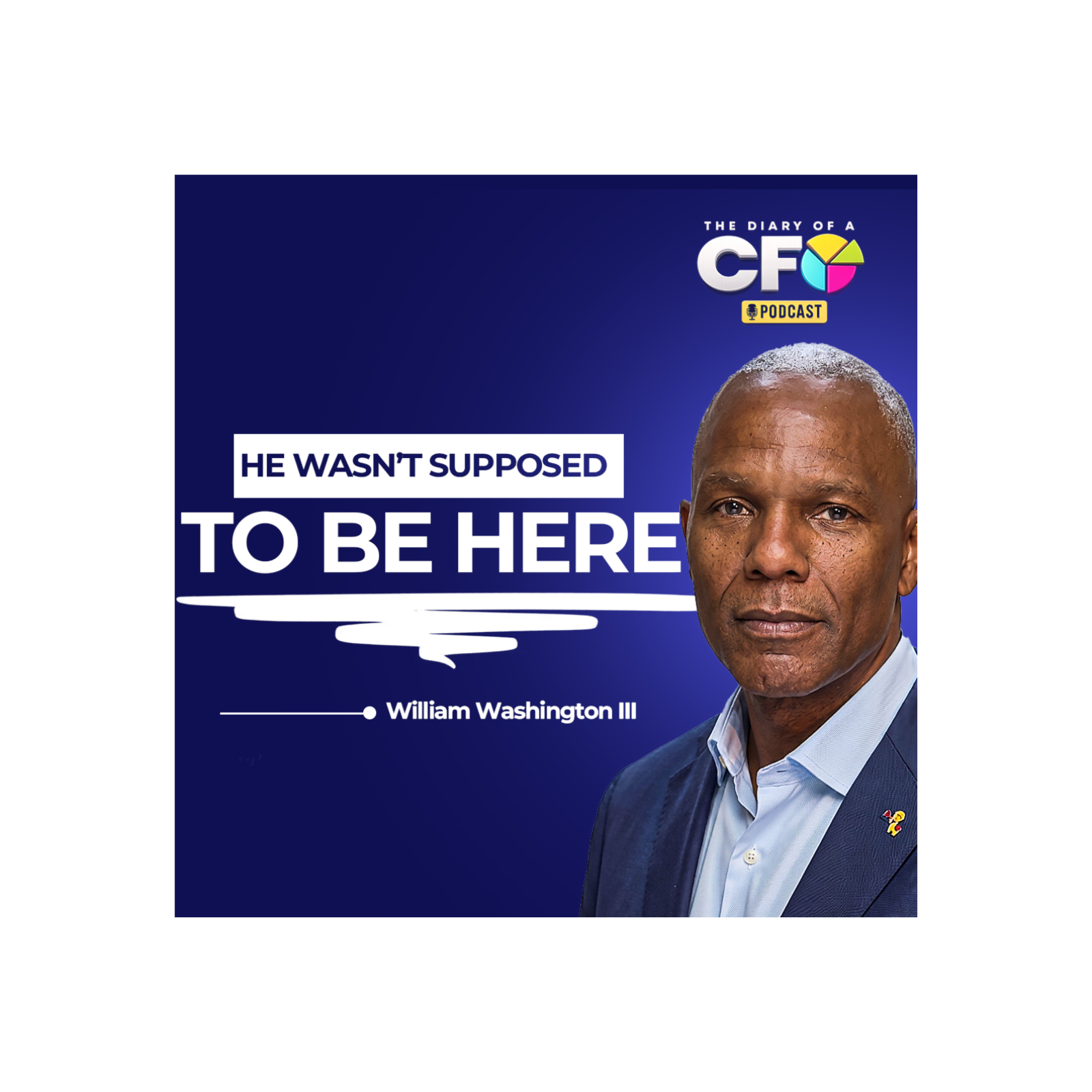
The Unlikely Journey of a $3 Billion CFO, William Washington III
May 700:47:30Tap to summarizeHe dropped out of high school. He was a single father. He started his career at a cottonseed company. Now he oversees $3 billion in annual revenue across 76 offices in 45 countries as the Global CFO of Baker McKenzie, one of the largest law firms in the world.In this episode, I sit down with William Washington III. William brings a rare combination of financial acumen and operational expertise shaped by senior roles at Hogan Lovells, Accenture, and Fannie Mae. He is a certified Six Sigma Master Black Belt and a Bloomberg New Voice on the future of finance.We get into what it actually looks like to lead finance across 45 countries and how he adapted his communication style for teams that speak different languages and operate in different cultures. How he evaluates a finance organization when he walks in on day one. The executive coaching session where a 360 review showed him something about his leadership he did not want to see. Why the drive that made him a great director was the same thing holding him back from becoming CFO. How he leads as a self-described introvert, including how he sets boundaries to recharge. Why he went back to school for a Master's in Law Firm Management just to understand his industry. And his philosophy on the three books every finance professional should always be reading.Whether you are a finance leader trying to grow into the CFO seat, already in it and figuring out how to lead at scale, or building resilience through a chapter that feels impossible, this conversation will meet you where you are.
Transcribe →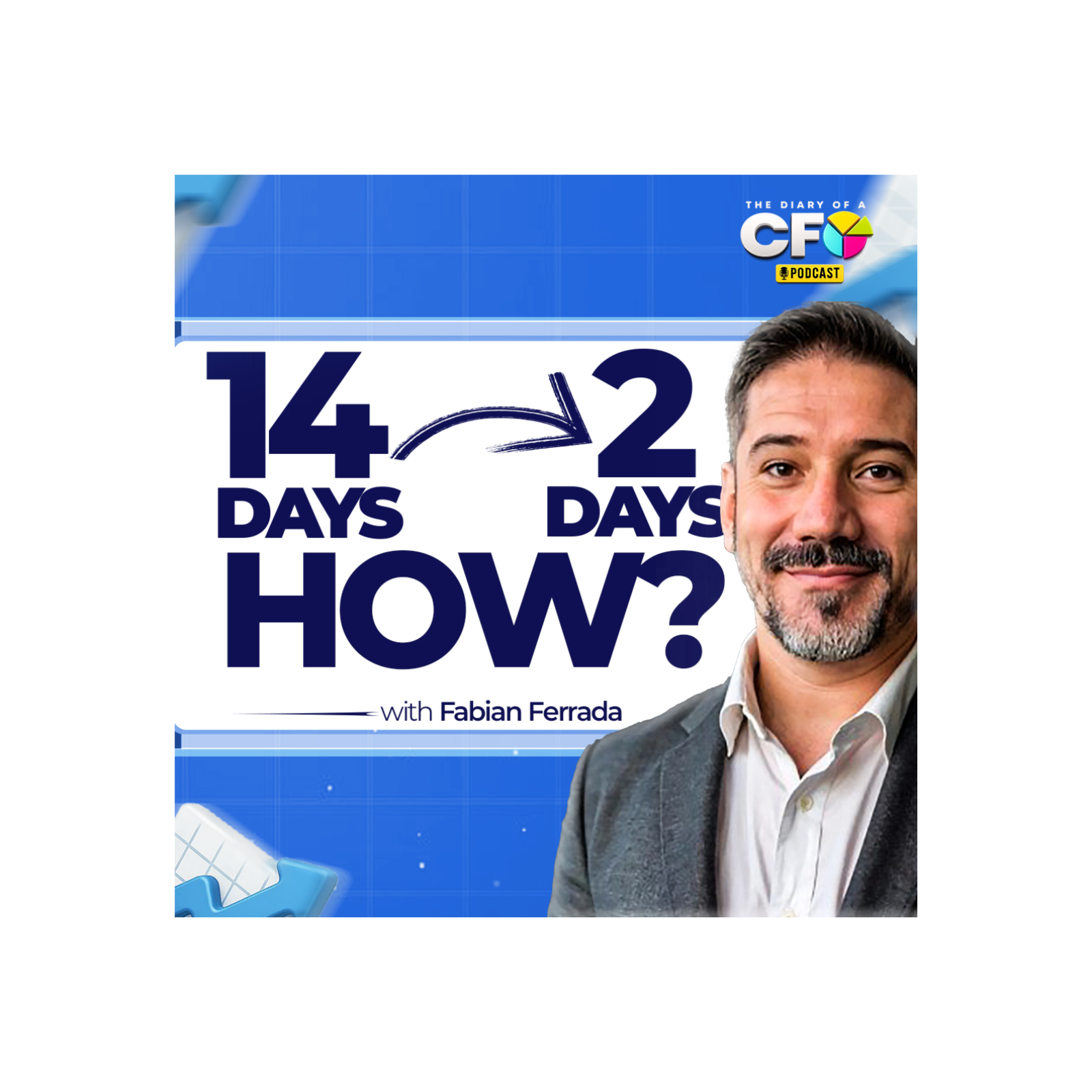
How to Cut Your Board Reporting Process From Weeks to Days (with Fabian Ferrada)
Apr 2300:32:43Tap to summarizeMost finance teams spend two weeks building a board report that gets reviewed in ten minutes. The formatting alone could take days. And if one number changes, the entire approval cycle restarts.In this episode, I sit down with Fabian Ferrada, Senior Solutions Engineer at Insight Software. Before moving to tech, Fabian spent over a decade in financial and operational leadership for a publicly traded company, carrying P&L responsibility on major projects across South America and the Middle East.We break down what a great board presentation actually looks like versus what most teams are delivering. Why three out of four manual disclosure processes contain at least one number appearing differently across documents. The real cost of broken reporting, and it is not just overtime. How to present bad news to a board and keep their trust. The difference between board reporting and investor reporting and why most manual processes can barely handle one. And a real case study where a company with 12 subsidiaries across 6 countries cut their disclosure process from weeks to days.If your team dreads reporting season or your board deserves better than what you are currently delivering, this episode will show you what the fix actually looks like.Brought to you by insightsoftware's Certent Disclosure Management (CDM). Visit insightsoftware.com/board-reporting to learn more.
Transcribe →
Excel vs FP&A Software: When to Make the Switch (with Paul Barnhurst)
Apr 900:35:36Tap to summarizeMost finance teams stay on Excel longer than they should. The hard part is knowing when it is actually time to switch.In this episode, I sit down with Paul Barnhurst, also known as The FP&A Guy. Paul has trained thousands of finance professionals, hosts three podcasts including FP&A Unlocked, and has tested almost every major FP&A tool on the market. He is known for his clear, independent reviews and helping finance teams make smarter choices about the tools they use.We break down when Excel stops being enough and how to know it is time to move to a real FP&A tool. The biggest mistakes companies make when buying FP&A software, including the implementation traps that quietly kill projects. How to spot red flags in software demos and what to ask before signing anything. Where AI actually fits into the modern finance team and where it is just hype. What Paul found when his team tested Claude on real financial modeling cases. The difference between deterministic and generative AI and why finance leaders need to understand it. How FP&A teams will look different in the next few years. And the one soft skill Paul says is now more important than the technical ones.If you lead a finance team or you are an FP&A professional trying to figure out when to upgrade your tools and how to actually use AI, this episode is the honest map you have been looking for.5UJlgIdbfhXeqC0FgeBJ
Transcribe →
Mistakes founders make during fundraising (from a cfo who has done 50+ M&A and Exit deals)
Mar 2600:38:05Tap to summarizeMost founders make the same fundraising mistakes and do not realize it until the cash is gone.In this episode, I sit down with Julianne Averill, a healthcare AI CFO, board director, and fractional CFO with over 20 years of experience helping life science and digital health companies scale through fundraising, M&A, and IPOs. She has been through over 50 transactions on both the buy and sell side and currently serves as a fractional CFO working with multiple founders.We break down how startup funding actually works from Seed all the way to IPO. What investors are really looking for at each stage. The difference between debt and equity and why getting that wrong can be one of the most expensive decisions a founder makes. The 9 mistakes she sees founders make during fundraising that kill deals before they start. What actually happens when a company goes public and why it is not the finish line most people think it is. How AI is changing the way investors discover and evaluate companies. And the ideal finance team structure as a company scales.Whether you are raising capital, sitting on a board, or leading finance at a growing company, this episode covers the full picture.FREE DOWNLOAD: Julianne shared her sample pitch decks during the conversation. Grab both here: https://drive.google.com/drive/folders/1GlZiV70W4zIulXhFgf1Z9TtkeLyyzR7r
Transcribe →
insightsoftware President Jennifer Warawa on How AI is Changing the Office of the CFO
Mar 1800:38:30Tap to summarizeIn this episode of The Diary of a CFO Podcast, host Wassia Kamon sits down with Jennifer Warawa, President of insightsoftware and a seven-time honoree as one of the top 25 most powerful women in accounting, to explore what CFOs must fix before implementing AI.Drawing on over 25 years of experience at the intersection of finance, technology, and leadership, Jennifer shares :Why systems and talent have not kept pace with the evolution of the CFO role,How AI amplifies what already exists rather than fixing broken foundations, What a successful AI implementation looks like and how to bring excited and skeptical team members along----------This episode is brought to you by insightsoftware. With Spreadsheet Server, you can spot trends in your data before they become problems and make faster, smarter decisions. Visit insightsoftware.com/reporting to see how it works.---------👉 If becoming a CFO is in your 5-year plan, get your free CFO Readiness Scorecard here:http://thecfo.scoreapp.com📬 Get InvolvedHave a question or topic suggestion?Email: Ask@thediaryofacfo.com
Transcribe →