
Podcast
The Digital Project Manager
Hosted by Galen Low · EN
The Digital Project Manager is the home of digital project management inspiration, how-to guides, tips, tricks, tools, funnies, and jobs. We provide project management guidance for the digital wild west where demanding stakeholders, tiny budgets and stupid deadlines reign supreme.
37episodes
Episodes
Newest firstAll episodes

How the Construction Industry is Laying the Groundwork for the Future of AI PM
3w ago00:42:35Tap to summarizeProject management in construction is often dismissed as traditional, but when it comes to AI and data, the industry may be further ahead than many people realize. In this conversation, James Garner, Head of AI and Data at Gleeds and founder of Project Flux, shares why construction is becoming a proving ground for AI adoption—and what project professionals in every industry can learn from it.From overcoming resistance to new technology to navigating career shifts and building AI literacy, James offers a refreshingly balanced perspective on the future of project management. Whether you're leading digital initiatives or considering a career pivot, this episode explores why judgment, curiosity, and creativity will become even more valuable in the age of AI.Resources from this episode:Join the Digital Project Manager CommunitySubscribe to the newsletter to get our latest articles and podcastsConnect with James on LinkedInVisit Gleeds and Project Flux
Transcribe →
Where AI Actually Fits on a Project Team
3w ago00:13:59Tap to summarizeAI is starting to reshape project management—but its biggest impact isn't replacing project managers. It's removing the operational overhead that keeps them buried in admin so they can focus on the work that actually moves projects and client relationships forward.In this conversation, Tim Fisher sits down with Bernarda Vrbat from Productive to explore how AI is evolving beyond chatbots into skills and autonomous agents. They discuss where AI is already delivering practical value for professional services businesses, what teams are (and aren't) comfortable delegating to AI, and why the future of project management is less about doing repetitive work and more about making high-value decisions.Resources from this episode:Join the Digital Project Manager CommunitySubscribe to the newsletter to get our latest articles and podcastsConnect with Bernarda on LinkedInVisit Productive
Transcribe →
How AI-Native Teams Deliver Creative Work Differently
4w ago00:42:32Tap to summarizeSome people see AI as a threat to creativity. Others see it as the next evolution of the creative toolkit. In this episode, Galen Low sits down with Tom Brown and Eric Oldrin, co-founders of Original Model, an AI-native creative agency, to explore what happens when creative thinking—not AI—stays at the center of the process. Together, they unpack how agencies can embrace AI without sacrificing originality, storytelling, or quality.Broadcast live from the Cannes Lions International Festival of Creativity, this conversation explores why so much AI-generated work falls flat, how thoughtful agencies are integrating AI across strategy, ideation, and production, and why the future of creative work may depend less on mastering tools and more on strengthening human judgment.Resources from this episode:Join the Digital Project Manager CommunitySubscribe to the newsletter to get our latest articles and podcastsConnect with Eric and Tom on LinkedInVisit Original Model Creative Agency
Transcribe →
The Collaboration Problem Most Remote Teams Ignore
Jun 3000:56:21Tap to summarizeRemote and hybrid work is no longer a temporary adjustment—it’s how many project teams operate every day. But while we've become better at working asynchronously and using AI to boost productivity, it's worth asking whether we've unintentionally lost some of the human elements that make collaboration truly effective.In this conversation, Galen Low sits down with Karen Chong to explore what remote teams are missing, why intentional collaboration matters more than ever, and how project leaders can recreate the trust, creativity, and learning that once happened naturally in shared office spaces. They also dive into AI's growing role in team collaboration—and why efficiency alone isn't enough to build high-performing teams.Resources from this episode:Join the Digital Project Manager CommunitySubscribe to the newsletter to get our latest articles and podcastsConnect with Karen on LinkedInVisit Abracademy & The Mind Blend podcast
Transcribe →
Why Project Management Is Becoming Everyone’s Job
Jun 2300:55:36Tap to summarizeProject management often gets framed as a career path, but increasingly it's becoming a skill that professionals across every function need to develop. As organizations navigate AI-driven transformation, cross-functional initiatives, and constant change, more people are finding themselves responsible for leading projects—whether or not "project manager" appears in their job title.Galen Low sits down with Stuart Taylor, founder of Influential PMO and author of Becoming The Project Manager, to explore what separates effective project leaders from accidental coordinators. They unpack common misconceptions about project management, the leadership and communication skills that matter most when plans don't go as expected, and why learning to lead projects may become a defining career milestone for professionals at every level.Resources from this episode:Join the Digital Project Manager CommunitySubscribe to the newsletter to get our latest articles and podcastsConnect with Stuart on LinkedIn and YouTubeVisit Influential PMOCheck out Stuart’s book: “Becoming The Project Manager”
Transcribe →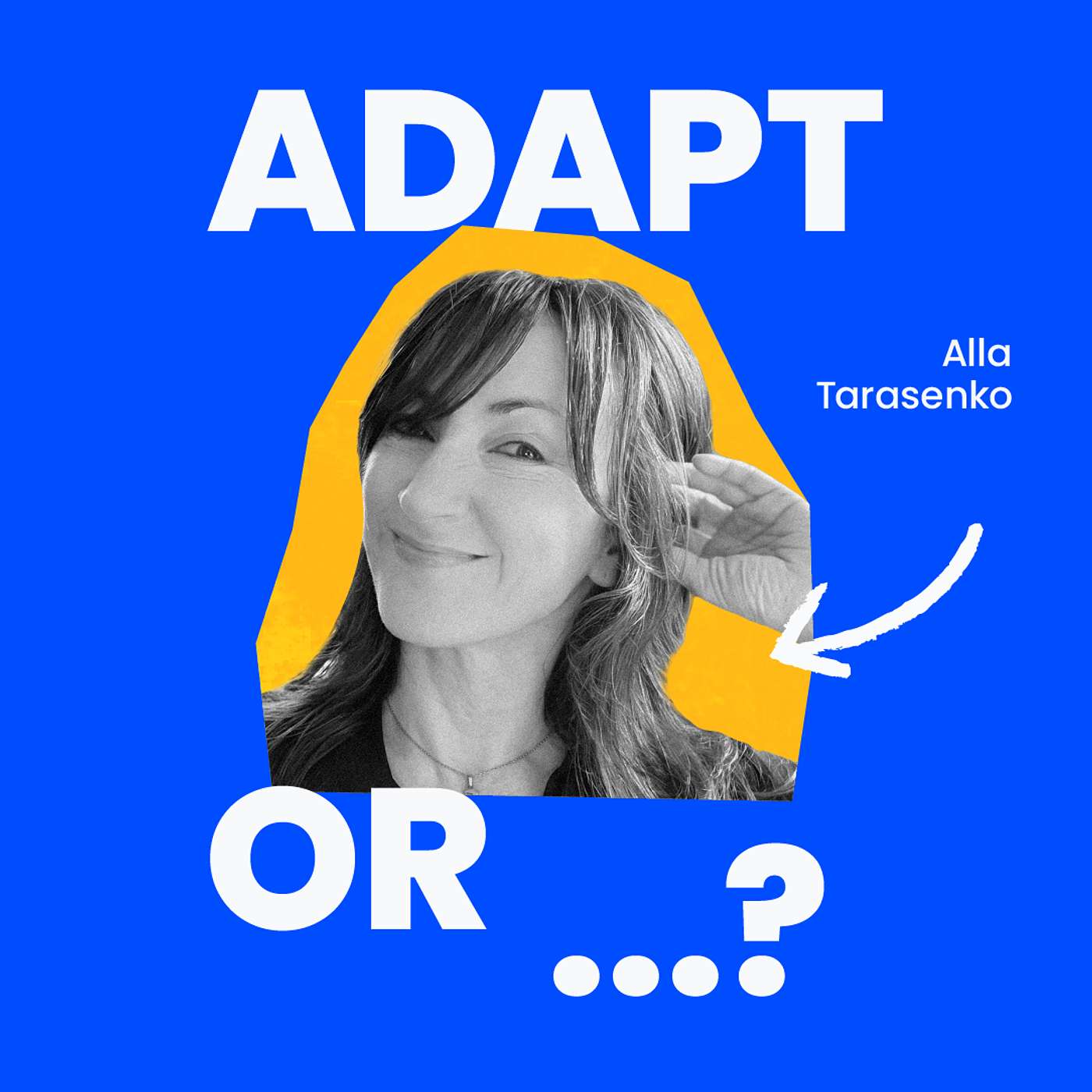
I’m Building A Digital PM AI Agent Whether I Like It Or Not
Jun 1600:59:29Tap to summarizeAI is forcing every function to reevaluate what creates value—and project management is no exception. In this conversation, Alla Tarasenko, Principal Technical Program Manager at Gusto, shares why building AI agents isn't about replacing program managers. It's about reclaiming capacity for the work that matters most: coaching teams, improving processes, and driving cross-functional alignment.Alla walks through the practical realities of building an AI-powered intake and triage system that serves more than 1,000 internal stakeholders, the unexpected challenges that emerge after the first successful prompt, and why change management may become one of the most important leadership skills in the AI era. More importantly, she offers a thoughtful perspective on how AI could break down silos and create stronger collaboration across technical teams—if leaders are intentional about how they implement it.Resources from this episode:Join the Digital Project Manager CommunitySubscribe to the newsletter to get our latest articles and podcastsConnect with Alla on LinkedInVisit Gusto
Transcribe →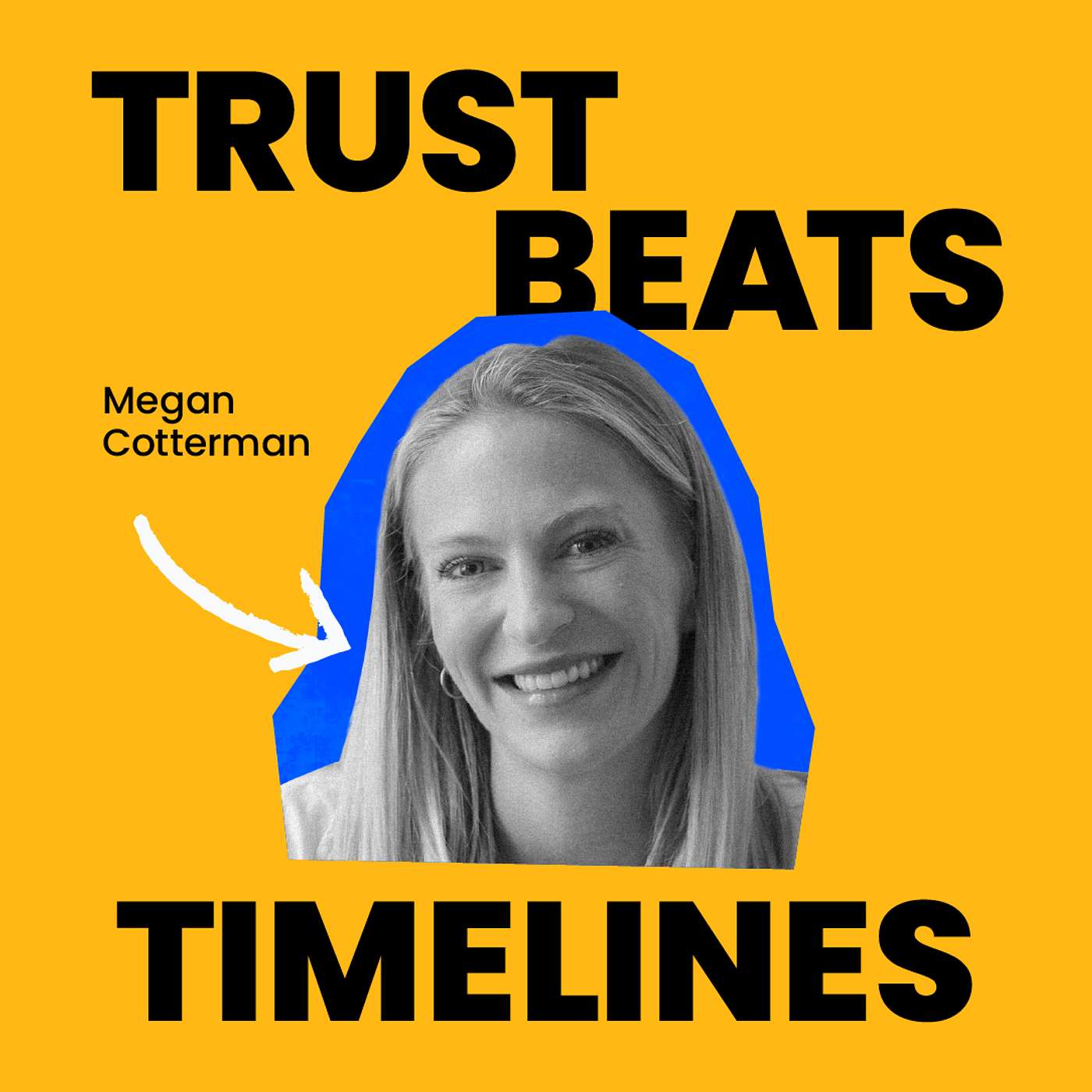
Why Public Speaking Is Becoming a Career Multiplier for Project Leaders
Jun 900:43:41Tap to summarizePublic speaking is often framed as a stage skill—but for project leaders, it’s really a leadership skill. In this episode, Galen Low sits down with fractional PM, consultant, and award-winning Toastmaster Megan Cotterman to explore how communication, audience awareness, active listening, and adaptability show up in the everyday realities of project work. From project kickoffs and stakeholder updates to difficult conversations and team alignment, they unpack why strong communication is becoming even more valuable in an AI-powered world.They also dive into practical ways introverted and ambiverted project managers can build confidence, develop resilience, and strengthen their ability to think on their feet—without becoming the loudest person in the room.Resources from this episode:Join the Digital Project Manager CommunitySubscribe to the newsletter to get our latest articles and podcastsConnect with Megan on LinkedInVisit Managed By Megan
Transcribe →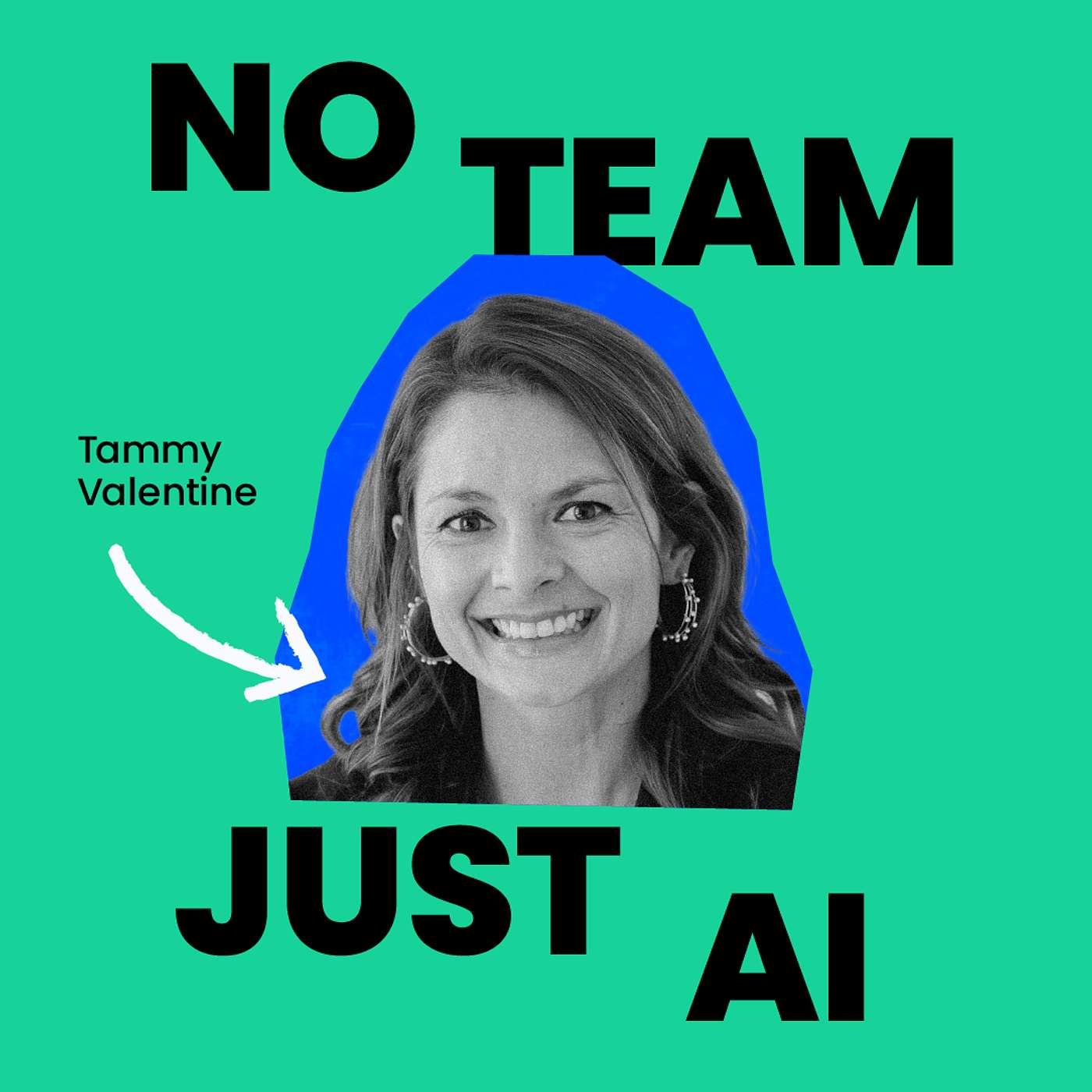
Why More Marketing Teams Are Choosing Boutique Agencies in 2026
Jun 200:52:07Tap to summarizeIn a marketing landscape shaped by lean teams, rising expectations, and an ever-expanding stack of AI tools, many leaders are asking the same question: do agencies still have a role to play? In this episode, Galen Low sits down with Tammy Valentine, President of LuckyTamm Marketing Group, to explore how boutique agencies are evolving in the age of AI—and why human expertise, trust, and collaboration still matter.Together, they unpack where AI genuinely adds value, where it falls short, and how marketing leaders can build stronger agency partnerships that help them achieve more with less. Along the way, they share practical lessons on experimentation, brand trust, onboarding, and the fundamentals that continue to drive marketing success regardless of technology shifts.Resources from this episode:Join the Digital Project Manager CommunitySubscribe to the newsletter to get our latest articles and podcastsConnect with Tammy on LinkedInVisit LuckyTamm
Transcribe →
Why AI Conversations Feel Fake (And How To Fix That)
May 2600:57:03Tap to summarizeWhat happens when AI stops being a tool you type into and starts becoming something you talk to? In this episode, Galen Low sits down with Oliver Shoulson, Agent Design and Engineering Lead at PolyAI, to unpack the surprisingly human problem at the heart of conversational AI: most AI conversations still feel weird.From clunky chatbot scripts to overly polite “LLM voice” personas that sound like they were trained by a committee of HR robots, Oliver explains why good conversational design is less about mimicking humans perfectly and more about removing friction. The conversation explores the psychology of trust, the mechanics of social presence, and why the future of AI interfaces may depend less on visual design and more on understanding how people naturally speak, interrupt, hesitate, clarify, and collaborate.Resources from this episode:Join the Digital Project Manager CommunitySubscribe to the newsletter to get our latest articles and podcastsConnect with Oliver on LinkedInCheck out Oliver’s websiteVisit PolyAI
Transcribe →
No One Cares About Your Deck – Here's Why
May 1900:52:23Tap to summarizeSlide decks aren’t going away. Despite years of corporate eye-rolls, overloaded bullet points, and “this could’ve been an email” energy, presentations still sit at the center of how organizations align people around ideas. And now AI is crashing directly into that workflow.In this episode, Galen sits down with Morgan Cornelius, Chief of Staff at Decky and founder of mrcantile, to unpack why presentations still matter, where most AI-generated decks fall apart, and how teams can use AI as a collaborative thought partner instead of a slop machine. They dig into the real purpose of slides—not transferring information, but creating resonance—and explore what happens when AI removes the production bottleneck but leaves humans responsible for the thinking.Resources from this episode:Join the Digital Project Manager CommunitySubscribe to the newsletter to get our latest articles and podcastsConnect with Morgan on LinkedInCheck out Decky and use promo code DeckyDPM for one month free of Decky ProVisit mrcantile
Transcribe →