Podcast
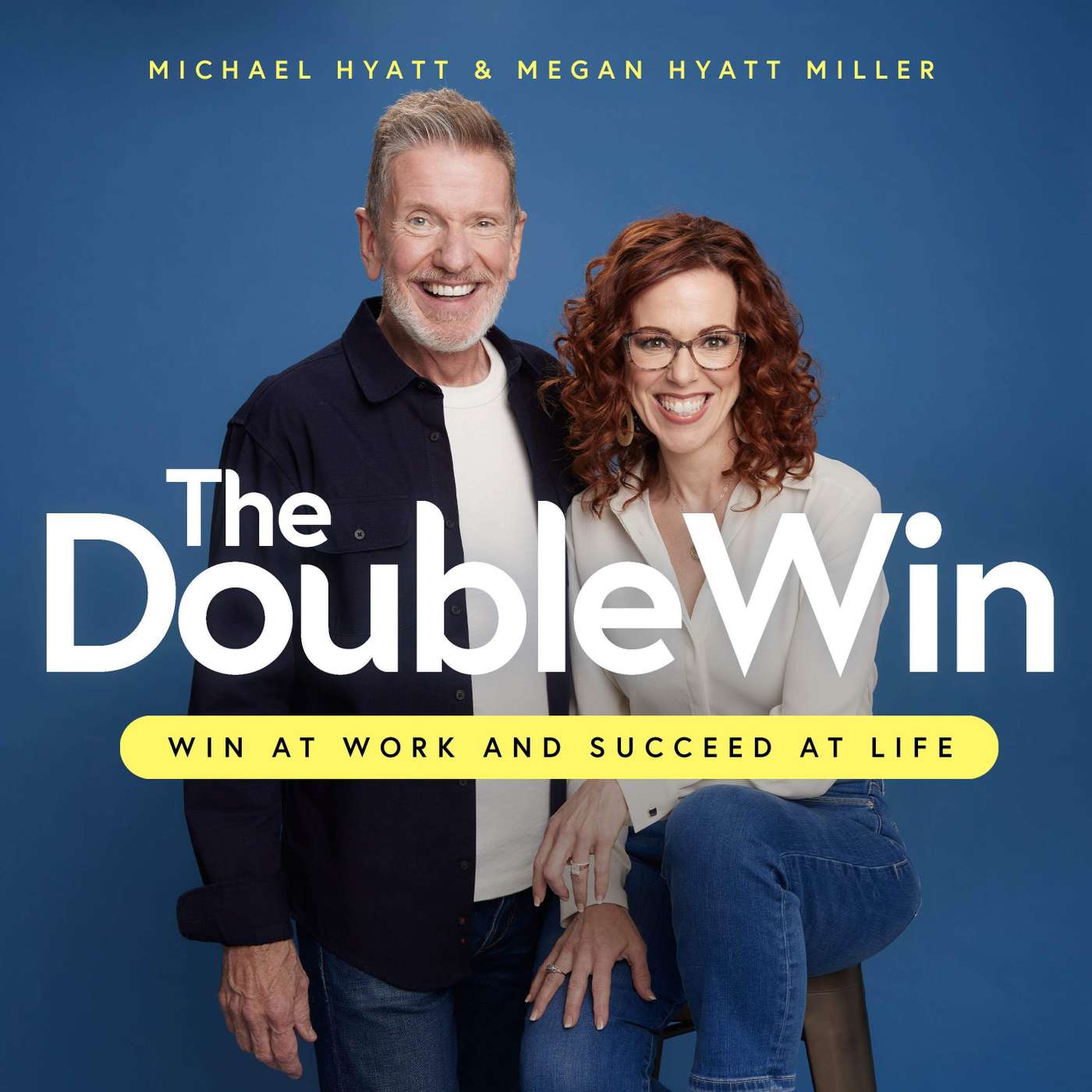
The Double Win
Hosted by Michael Hyatt & Megan Hyatt-Miller · EN
Work-life balance isn’t a myth—it’s a mission. At The Double Win Podcast we believe that ambitious, high-growth individuals can experience personal and professional fulfillment simultaneously. Hosted by the creators of the Full Focus Planner, Michael Hyatt and Megan Hyatt Miller, The Double Win Podcast is your go-to resource for unlocking secrets to productivity, wellness, and work-life balance.
The Double Win Podcast features insightful weekly conversations with thought leaders, executives, and entrepreneurs sharing fascinating personal stories and actionable ideas for balancing professional success with personal well-being. Whether you're looking for motivation to achieve your goals or strategies to harmonize your career and life, The Double Win Podcast provides the perspectives and tools you need.
Michael and Megan focus on the nine domains of life—body, mind, and spirit, love, family, community, money, work, and hobbies—offering practical advice to help you thrive. Discover how to integrate purposeful productivity and overall wellness into your daily routine, stay motivated, and experience a life of joy and significance. Hit subscribe and embark on your journey to winning at work and succeeding at life.
35episodes
Episodes
Newest firstAll episodes
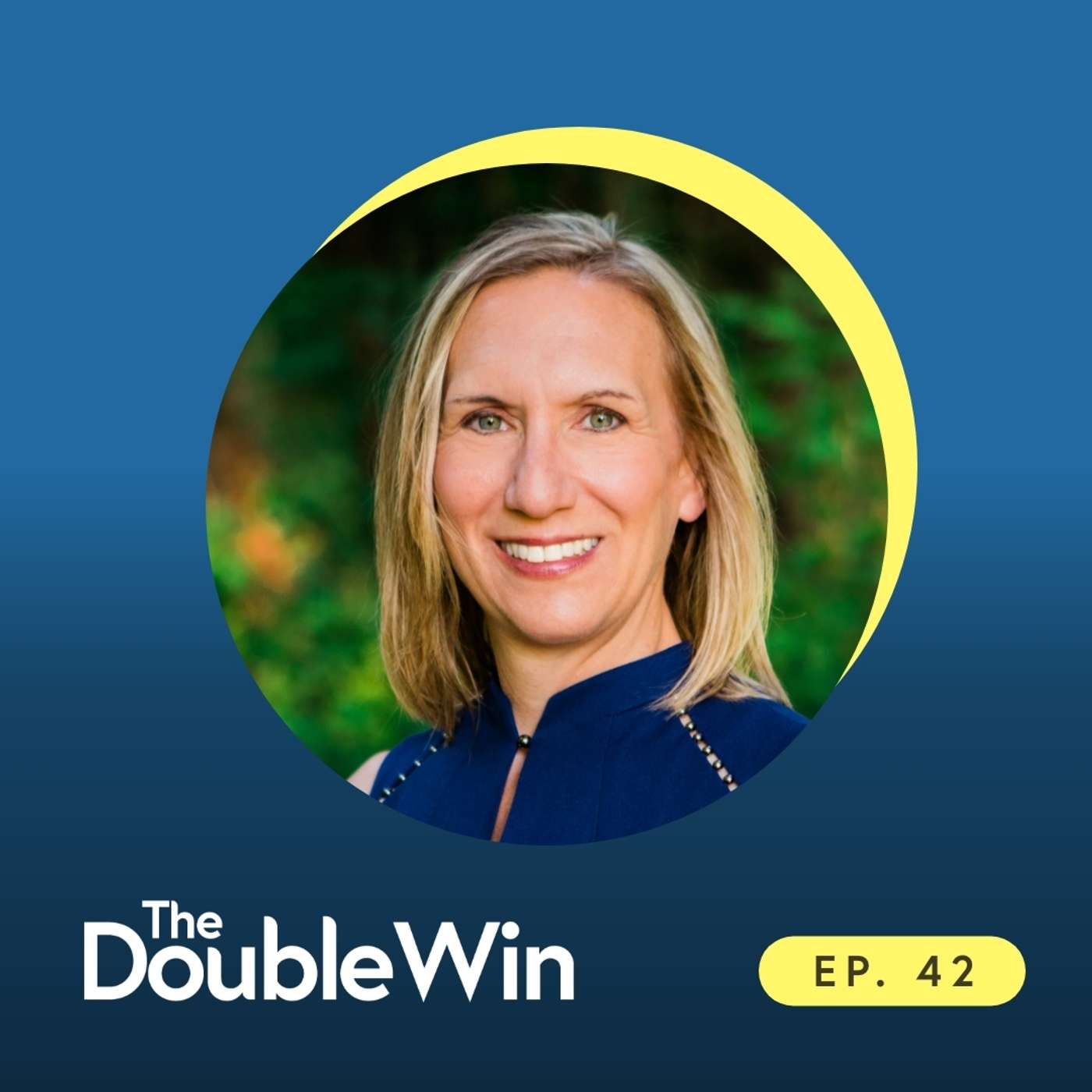
ELIZABETH STANLEY: The Biology of Resilience
Oct 2200:54:57Tap to summarizeWhy do so many high achievers secretly struggle with anxiety, burnout, and overwhelm? Dr. Elizabeth Stanley, Army veteran, Georgetown professor, and author of Widen the Window, joins Michael Hyatt to explain the hidden science behind stress and resilience. Drawing on her personal story of trauma, her background in the military, and her training in somatic therapy, Elizabeth reveals why talk therapy alone often falls short—and how body-based practices can change everything. This conversation is honest, practical, and deeply hopeful for anyone who feels stuck in patterns of stress.Memorable Quotes“We're all in it together and we're all experiencing the particular lawful ways that this human mind and body works in this particular poly-crisis world. Of course, people are struggling. It's kind of why it's my passion to help people understand ‘You're not alone in this.’”“We are wired organically to be able to mobilize the energy to manage a crisis or a stressful situation, and then recover. Our ancestors that shared the same wiring that we have did not have 24/7 constant activation and constant demands the way that we do in modern life today.”“The science term there is allostatic load, and the more our stress load grows, the less capacity we have in our mind and body to meet the next challenge, so that it becomes a bit of a vicious cycle, and we know that we're on the edge of our window or outside of our window of tolerance.”“We are built so that we learn the downregulation through the soothing we receive from our parents and other early caregivers. And that presumes that our early caregivers and parents were regulated enough to do that for us.”“If we're redirecting it somewhere that the survival brain perceives as safe, that actually starts conditioning. A process that makes the system move back in the way that we're organically built, which is to go through stress and recover naturally.”“When we don't perceive agency, when we feel powerless or helpless, that actually leads to higher levels of arousal and it really resolidifies the prior conditioning. So being able to access that choice point is really critical in beginning to shift it.”“If our parents had narrowed windows, if they were coping with a lot of stress and trauma, or if they were absent, if they had mental illness or they were incarcerated, they aren't able to help us wire those things. It's one of the ways that narrowed windows get transmitted intergenerationally and why trauma can become intergenerational.”Key TakeawaysYou’re Not Broken. Chronic anxiety and overwhelm are signs of dysregulation, not defects. They’re the evidence of what you’ve walked through—but don’t determine what’s ahead.Your Body Knows the Way. Healing starts by listening to the signals of your nervous system. The key is not to minimize our reactions, but to listen and practice strategies that help us return to baseline.Talk Therapy Isn’t Enough. True healing requires engaging the body and nervous system. Trauma-informed, body-based therapy can lead to breakthroughs when just thinking and talking isn’t enough.Agency Is Key. Learning to notice choice points rewires the brain toward safety. The quickest way out of powerlessness is regaining a sense of agency.Resilience Can Be Trained. Simple, repeated practices expand your “window of tolerance.” It takes time and intention, but you can widen your window.ResourcesWiden the Window by Elizabeth StanleyElizabeth Stanley’s Mindfulness-Based Mind Fitness Training (MMFT)Watch on Youtube at: https://youtu.be/Z607BPgbxi4This episode was produced by Sarah Vorhees Wendel of VW Sound
Transcribe →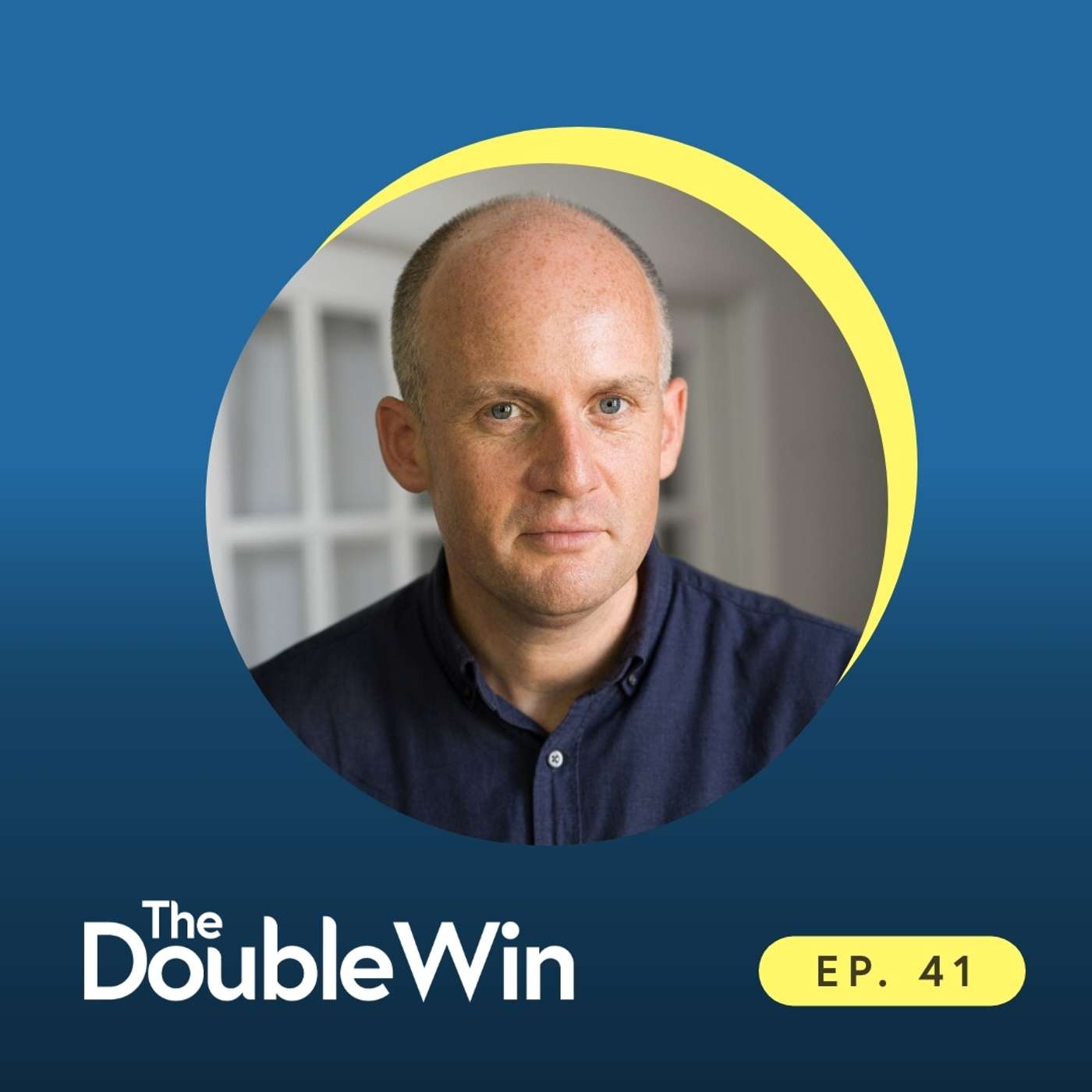
OLIVER BURKEMAN: Trading Control for Peace
Oct 801:03:46Tap to summarizeWhat if the key to a meaningful life isn’t doing more—but doing less, with intention? In this powerful conversation, Michael and Megan talk with Oliver Burkeman, author of Four Thousand Weeks and Meditations for Mortals, about the myths of productivity, the illusion of control, and why accepting our finite nature might be the best thing we can do for our peace, purpose, and productivity.Memorable Quotes“It's the relaxation of now I can just do the things that matter the most… I can just sort of dive in because I'm no longer trying to make all my actions feel like they are part of some process of eventually getting to total domination of my time and perfect optimization.”“You are being confronted again with this ridiculous thing that it is to be a human—which is to be capable of imagining basically an infinite amount of possibilities and eventualities, but ultimately being a sort of finite material animal and having to choose only some of them.”“Almost everybody who is trying to sort of optimize themselves into absolute control, you know, they're not succeeding. Life is miserable and they're letting people down all over the place.”“There isn't any system or philosophy or approach or sports nutrition drink that is going to enable you to sort of win the battle with human limitation… Now, we figure out how to flourish in absolutely fantastic and wonderfully meaningful and interesting and lucrative ways within those limitations rather than running away from them.”“There's a way of going with the flow that is actually more constructive and productive as well as more peaceful and meaningful.”“I really found that just sort of expecting discomfort from things that matter to me—whether that is a piece of work or an aspect of relationships or parenting—just knowing that it's going to feel uncomfortable sometimes because it's bringing me to my edge and my limitations makes a huge, huge difference.”“A lot of our productivity is the result of anxiety. And I would like to live a productive life for other reasons.”Key TakeawaysRadical Acceptance is Key. Once you stop trying to win the battle with your human limitations, everything changes.Distraction is Avoidance in Disguise. Most often, we’re dodging discomfort—and the way out lies in tolerating discomfort.Optimization is Not Salvation. We think we can problem-solve our lives, but tools and systems will always fall short. They’re meant to augment, not make us infinite.Meaning is Here, Now. The moments that build a life don’t happen when everything is done—but in the doing itself.Resources4,000 Weeks: Time Management for Mortals by Oliver BurkemanMeditations for Mortals by Oliver BurkemanThe Imperfectionist (Newsletter)Watch on YouTube at: https://youtu.be/571YmI5h_CsThis episode was produced by Sarah Vorhees Wendel of VW Sound
Transcribe →Summer Hiatus Announcement!
Jun 4, 202500:01:17Tap to summarizeNo description available
Transcribe →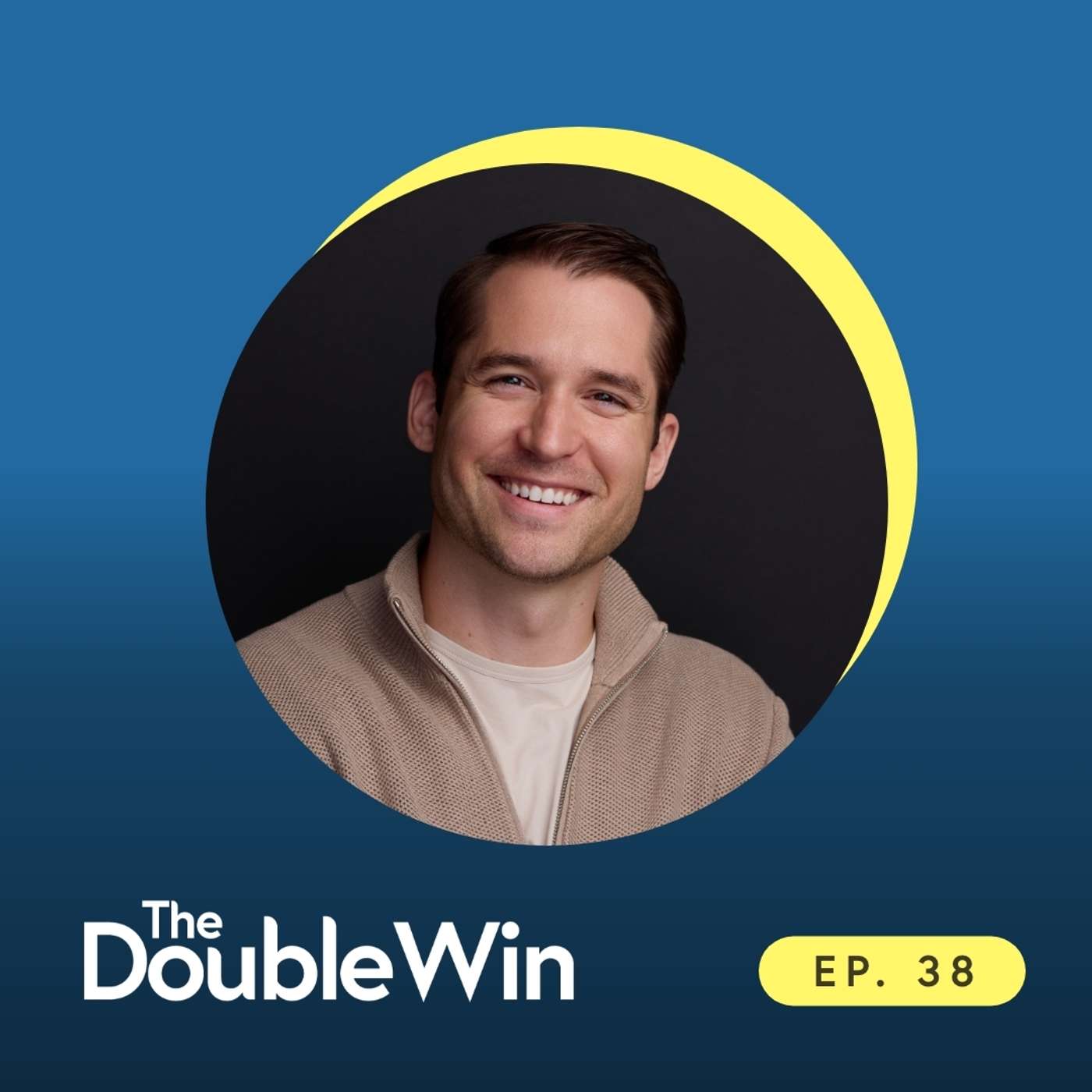
JEFFERSON FISHER: Staying Grounded When Tensions Rise
May 21, 202500:58:50Tap to summarizeIf your conversations are starting to feel more like combat, you’re not alone. In this powerful episode, Michael and Megan sit down with Jefferson Fisher—trial attorney, social media sensation, and author of The Next Conversation—to talk about the small shifts that create major breakthroughs in communication. From regulating your nervous system to choosing connection over triumph, this episode is packed with practical, actionable tools you can use today.Memorable Quotes“When you set out to win an argument, you often will lose the relationship. If you only see it as something to win, that means you’re going to lose a lot more.”“Who wants to be around the person who always has to be right? That is somebody who is lonely.”“Instead of seeing arguments as something to win, you see them as something to unravel.”“You don’t have to like it. You just gotta understand it.”“That’s the key with connection: I can disagree with you and still connect with you. I can still be unhappy, I can still be mad at you, and still connect with you.”“You are in complete control of the pace of the conversation.”“When you don’t say it with control, you end up reacting rather than responding. It’s just your natural fight or flight will take over and you’re going to start responding more emotionally.”“You gotta let them pour it all out before they’ll ever be willing to accept anything that you say.”Key TakeawaysArguments Aren’t Battles. If your goal is to win, you’ve already lost. Reframe arguments as something to unravel, not conquer.Start With Self-Control. Nervous system regulation is the key to effective communication—especially when things get tense.Use “Small Talks.” Short, verb-based phrases like “be still” or “practice kindness” can center you in high-stakes conversations.Connection > Agreement. We don’t always have to be on the same page to cultivate a meaningful relationship.Confidence Follows Action. Speak with assertiveness, not apology. Confidence grows as you use your voice.ResourcesThe Next Conversation: Argue Less, Talk MoreJefferson Fisher on InstagramThe Jefferson Fisher PodcastWatch on YouTube at: https://youtu.be/kJsQe3S3rw0This episode was produced by Sarah Vorhees Wendel of VW Sound
Transcribe →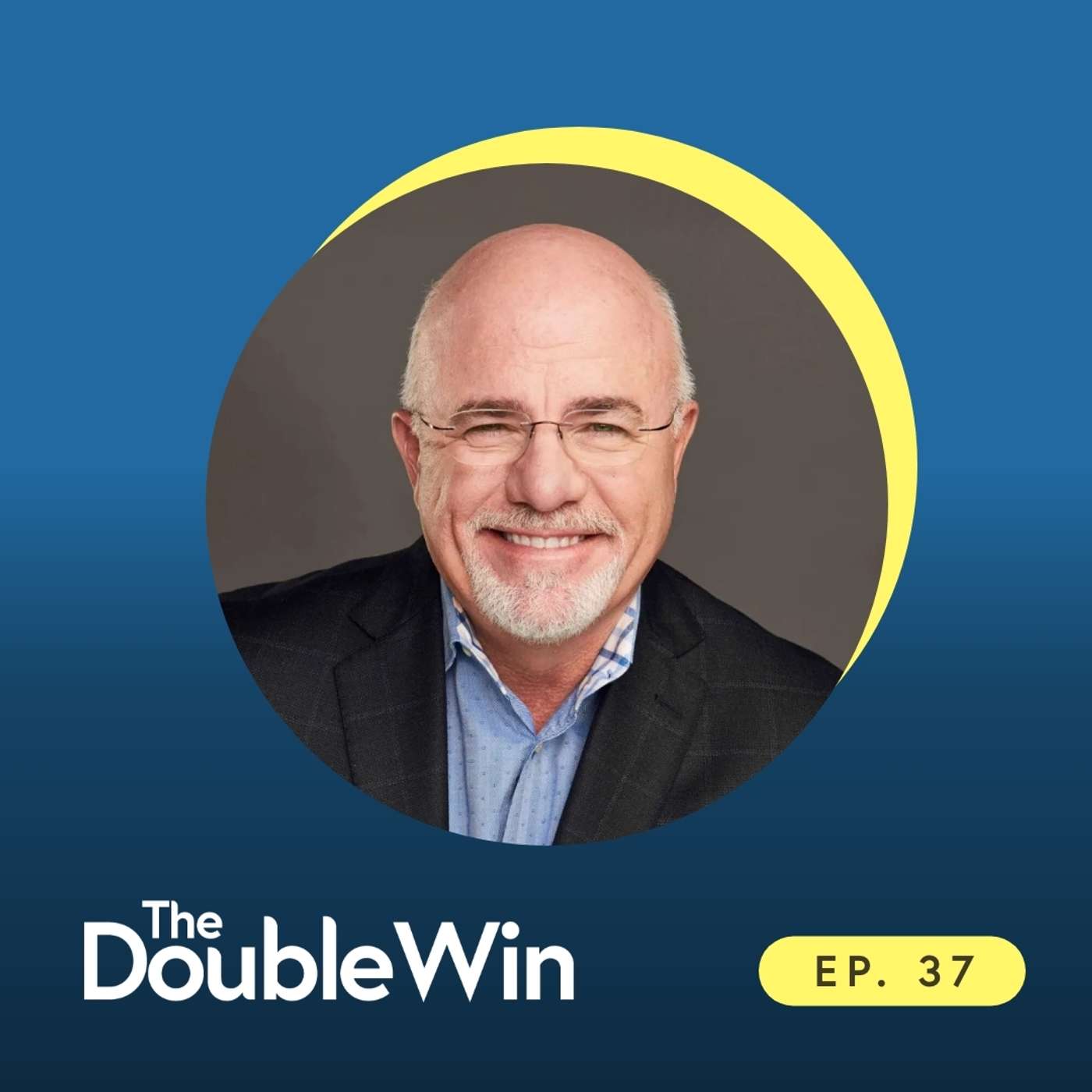
DAVE RAMSEY: Build a Business That Lasts
May 7, 202501:06:02Tap to summarizeWhat do you do when business feels hard—and you assume it’s your fault? In this raw and rich conversation, Michael and Megan sit down with Dave Ramsey to talk about what really goes into building a business that lasts. Drawing from his 30+ year journey with Ramsey Solutions, Dave shares stories of failure, clarity, succession, and the slow handoff of legacy—along with what most founders get wrong about growth. If you’ve ever felt behind, discouraged, or unsure how to lead your business into the future, this episode will show you the next light on the path.Memorable Quotes“The dirty little secret is: Everyone’s money is messed up.”“As long as I can clearly see the next step, it gives me tremendous energy and focus and hope.”“We’ve learned with all the bruises to look for the next thing but not to sell out to it.”“You gotta change the word. The word is: I experimented. I didn’t fail.”“You give other people the credit when things are right and take the hit when things are wrong. Because it is your job as the leader.”“People are our greatest blessing and they also give us the most trouble.”“I have to constantly stop and say: Let them do it. You did hand it off. Don’t take it back. They’re doing okay.”Key TakeawaysBusiness Is Hard. If you’re a small business owner struggling to make it all work, you’re in really good company. The struggle is normal, and you’re not alone.Cut Through the Fog. You don’t need to know the whole path. You just need enough clarity to light your next steps.Good News: You’re the Problem. If your business is stuck, look in the mirror. That’s not shame—it’s a solvable problem.Succession Starts Now. Planning for legacy doesn’t mean you’re quitting. It means you’re a good steward. Whether you have five team members or 500, the time to start is now.ResourcesBuild a Business You Love by Dave RamseyThe Ramsey ShowRamsey Solutions EntreLeadershipWatch on YouTube at: https://youtu.be/oOoV5G1Zi8EThis episode was produced by Sarah Vorhees Wendel of VW Sound
Transcribe →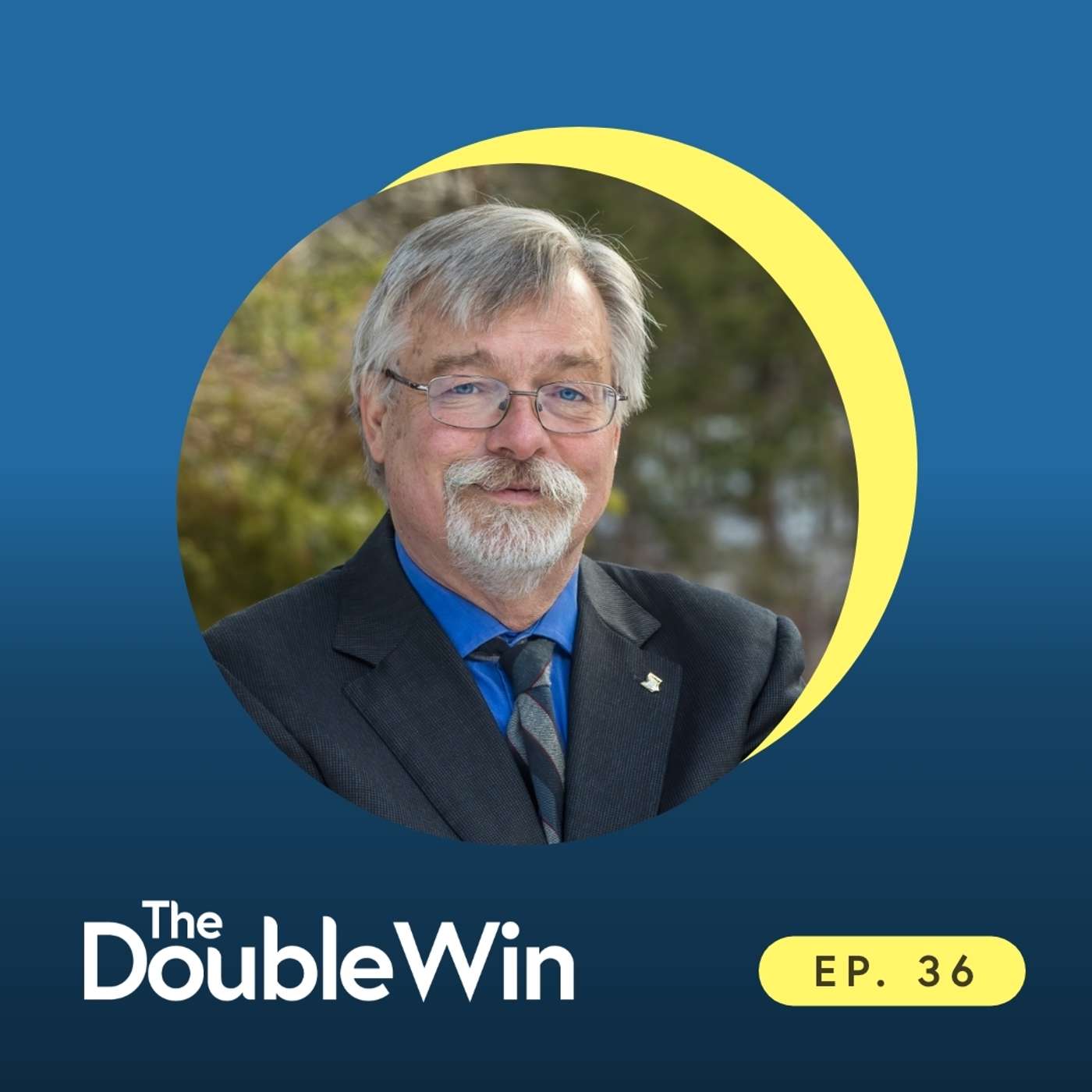
ARTHUR BOERS: A Path Back to What Matters
Apr 23, 202501:00:40Tap to summarizeWhat if the answer to your overwhelm isn’t a new planner or app—but a walk around the block, a shared meal, or a Saturday spent gardening? In this episode, Michael and Megan sit down with Arthur Boers, author of Living into Focus and Shattered, to talk about the kind of practices that help us resist the pressure of a hyperconnected world and even heal from generational trauma by reconnecting to what matters most. If you’ve ever longed to feel more grounded, whole, or present, this conversation will give you the language—and tools—you’ve been missing.Memorable Quotes“Technoloy itself is not the problem. Technology is human manipulation of nature for human priorities… The question is: Do we master technology or does technology master us?”“What we ought to do is raise the thresholds against things that are not the priority… And then the other thing is lower the threshold for things that are your priorities."“Focal practice is just helping us reclaim things that we knew or did before and helping us prioritize them, helping us have a different perspective on them.”“Compassion is the way forward. It doesn’t help to school people who are struggling with these things—but to listen to them with patience and kindness and compassion can, in fact, make a difference.”“Focal practices are about getting away from just acting automatically. That’s how I was raised: If you act automatically, it’s right. You’re justified… I’ve had to unlearn that.”“It means a willingness to live with ambiguity and to live with pain and to live with things that aren’t resolved and hold there—that’s a hard learning.”Key TakeawaysFocal Practices Are More Than Habits. Focal practices aren’t just routines—they’re meaningful rhythms that require intentionality, foster connection, and reorient us to what matters most.Technology Calls For Discernment. Technology isn’t going anywhere—but the way we engage with it should be thoughtful. The key to balance? Honest conversations in community.We Need Yellow Lights. In a culture of nonstop green lights (and plenty of red-light alarmism), we need more yellow lights—space to pause, reflect, and consider what’s truly right for the moment.Brake Your Enthusiasm. Eager to dive headfirst into focal practices? That’s your cue to slow down. Start small, stay consistent, and let the benefits build over time.An Unexpected Path to Healing. Focal practices don’t just bring focus—they can bring healing. By creating spaces of safety, embodiment, and rhythm, they can support recovery from trauma and help us move toward greater wholeness.ResourcesLiving into Focus by Arthur BoersShattered: A Memoir by Arthur BoersThe Way is Made by Walking by Arthur BoersArthurBoers.comWatch on YouTube at: https://youtu.be/ypJvOm0z8IUThis episode was produced by Sarah Vorhees Wendel of VW Sound
Transcribe →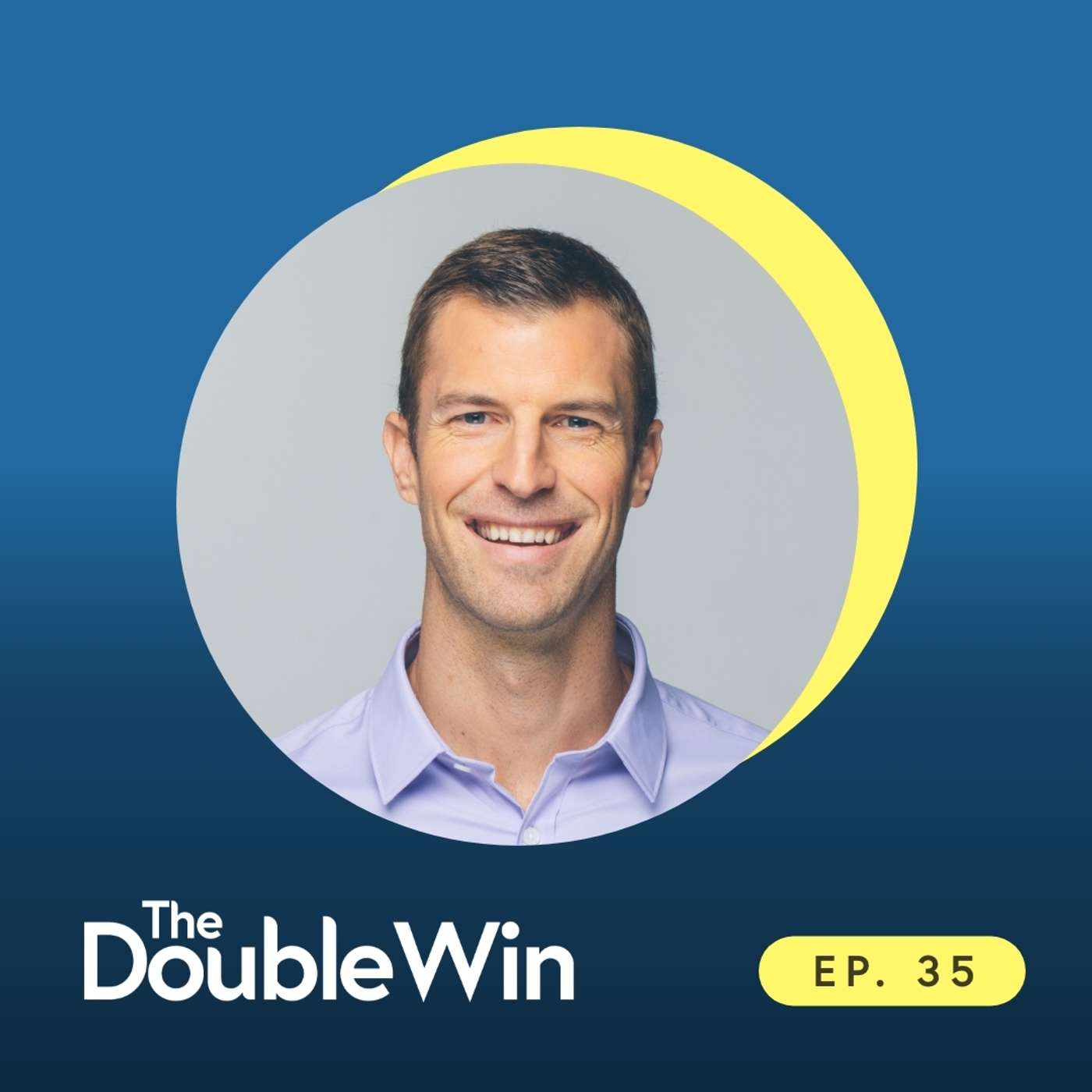
JOSH AXE: The Hidden Root of Healing
Apr 9, 202501:04:03Tap to summarizeWhat if your health breakthrough doesn’t start in the gym or the kitchen—but in your mind?In this powerful conversation, Michael and Megan sit down with Dr. Josh Axe to explore why so many people feel stuck in cycles of stress, illness, or plateau—and how to shift toward real, lasting wellness. Drawing from his background in functional medicine and personal experience with a life-altering spinal infection, Dr. Axe shares the most overlooked key to healing and how you can start applying it today.Memorable Quotes“The number one determining factor of longevity for you is having strong relationships.”“If you wake up first thing in the morning and get outside, it’s one of the single greatest things you can do for longevity and your microbiome.”“This is all about training your nervous system and encouraging your body that ‘This is going to happen.’”“There’s a lot of people that win at all costs, but they never end up winning. We hear all the stories. They’re never truly winning.”Key TakeawaysThe Biology of Belief. What you believe about your body impacts everything from gut function to recovery speed. Healing starts with mindset.The Root of the Issue. Many chronic health challenges are driven by unresolved trauma—and show up in unexpected places like digestion and fatigue.The Power of Visualization. Mentally rehearsing health and healing isn’t “woo-woo”—it’s neuroscience.Top Four Longevity Habits. Hear from an expert what four rituals can add years to your life.ResourcesThink This, Not That by Dr. Josh AxeDrAxe.comAncient NutritionYou Are the Placebo by Dr. Joe DispenzaWatch on Youtube at: https://youtu.be/2-dvOt-zcdMThis episode was produced by Sarah Vorhees Wendel of VW Sound
Transcribe →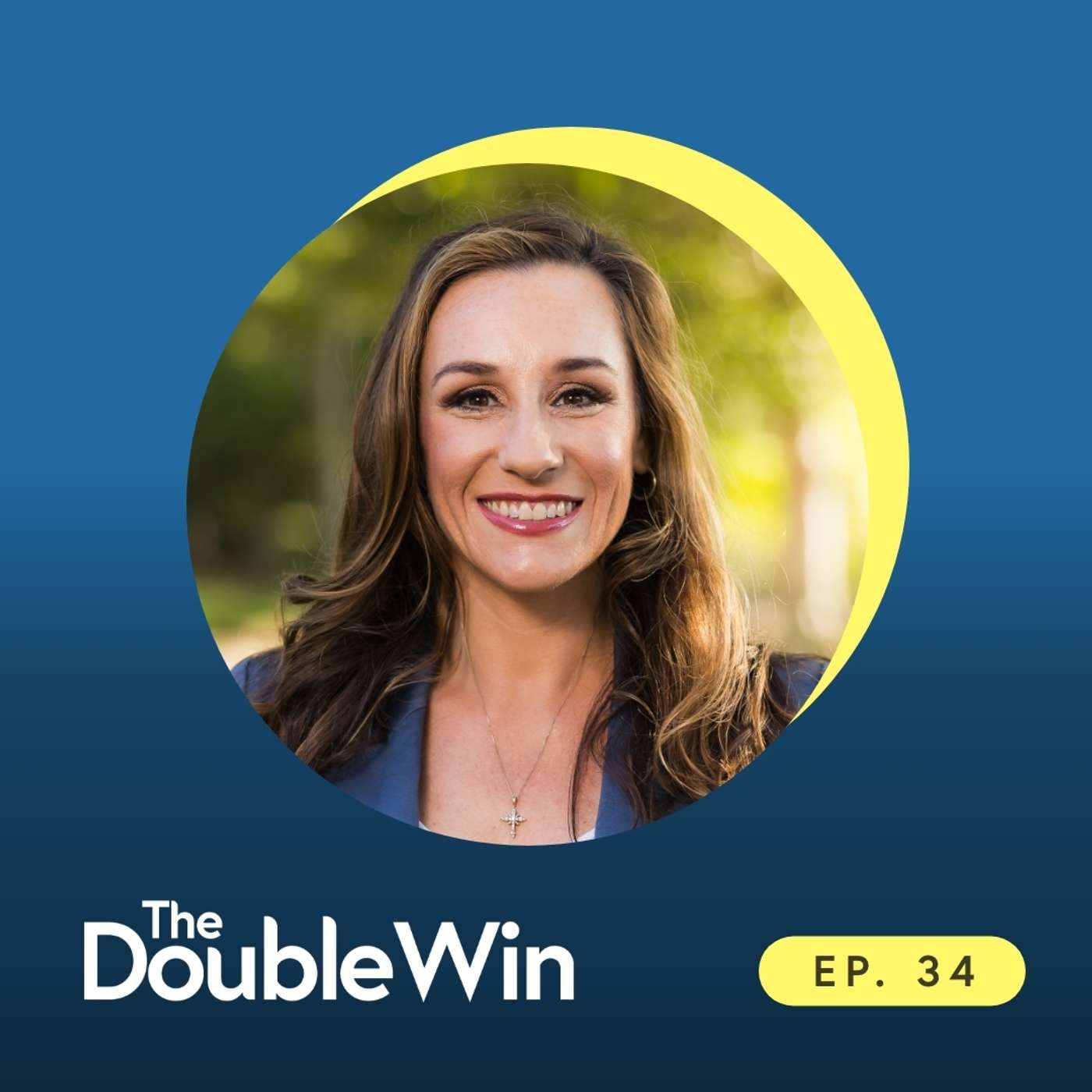
ARIANNA MOLLOY: How to Love Work—Without Burning Out
Mar 26, 202501:06:13Tap to summarizeWhat is a calling? How does it shape our work and life? What’s the hidden cost of pursuing it (and what can we do about it)? In this engaging, high-energy conversation, Michael and Megan sit down with Dr. Arianna Molloy—calling researcher, author, and professor—to unpack the power and pitfalls of purpose-driven work.Arianna reveals the four key elements of a true calling, practical safeguards to prevent burnout, and three concrete shifts anyone in any field can make to start experiencing a greater sense of purpose and meaning at work. She also explains why humility—not just passion—is the key to sustainable success. If you’ve ever struggled to balance meaningful work with a healthy life, this episode is a must-listen.Memorable Quotes“Burnout from a calling isn’t just, ‘I don’t know what I’m doing anymore.’ It’s, ‘I don’t know who I am anymore.’”“To learn how to rest well, to learn how to have good boundaries actually protects that healthy sense of your calling.”“It is so important that work is not all that you have and all that you are because, guess what? At the end of the day, [your work] is going to change and shift… If we hold that with a closed hand, it’s not going to go well.”“[Calling is] really relational. It’s a relationship with yourself, the caller, and it’s a relationship with the community that you impact.”“Most of the time, [calling] happens upon reflection… In the moment, it’s not so obvious. This subtle sense of peace, or just a feeling like, ‘I think this is right.’”“We don’t honor that need and importance of play as much as we could.”“The lynchpin is humility. Part of humility is the willingness to learn more, to know that you don’t know everything and that is not a threat—it’s actually exciting.”Key TakeawaysThe Bright and Dark Sides of Calling. A strong sense of purpose can fuel motivation, but without boundaries, it can also lead to burnout and identity loss.The Four Elements of a True Calling. Calling isn’t just about passion—it requires meaning, an identified caller, skill development, and a connection to community.How to Reframe Your Work. Even if your current job doesn’t feel like a calling, job crafting—adjusting your tasks, relationships, or mindset—can create a deeper sense of meaning.The Role (and Definition) of Humility. True calling requires both confidence in your strengths and an openness to growth and makes it possible to step away from work without guilt.The Power of Rest. Sustainable success isn’t just about doing more—it’s about recognizing your limits and practicing the right kind of rest to restore energy and creativity.ResourcesHealthy Calling by Arianna MolloyArianna Molloy’s WebsiteConnect on LinkedInWatch on YouTube at: https://youtu.be/upMwbYdyViwThis episode was produced by Sarah Vorhees Wendel of VW Sound
Transcribe →
BRYAN & SHANNON MILES: Leading Through Change and Loneliness
Mar 12, 202500:57:35Tap to summarizeEntrepreneurship promises freedom—but it also comes with a unique set of challenges that many don’t talk about. In this episode, The Double Win Show welcomes Bryan and Shannon Miles, co-founders of Belay and the nonprofit O’nr, to pull back the curtain on what it really takes to build a thriving business without losing yourself in the process.From hiring their first virtual assistant in 2011 (who later became CEO!) to navigating the emotional weight of selling a business, Bryan and Shannon share their hard-won lessons on leadership, transitions, and making decisions that align with your values.Memorable Quotes“Here’s the magic phrase: ‘In order to be faithful to my existing commitments, I have to say no.’”“I am responsible for myself and my leadership. And I know that if I extend myself too far, I’m not the best version of who I want to be.”“If I’m saying yes to everything and I’m overcommitting and my schedule is absolutely full, there’s no space for creativity. There’s no space for dreaming. There’s no space for new ideas or realizations.”“A lot of business owners are lonely, actually isolated.”“As leaders, part of our job is just kind of to help people settle and know they’re safe.”“Stewardship is just simply managing something for a season of time… While we’re there with our employees and leaders, we’re stewarding our relationships with them.”Key TakeawaysThe Loneliness of Leadership. If you’re feeling isolated as a business owner, there’s good news: You’re not the only one.The Skill of Saying No. Implement this mental shift to help you stop overcommitting without the guilt.Getting Buy-In For Change. What leaders get wrong when making major business changes—and what to do to help your team ride the wave.Living Your Priorities Today. Why Bryan and Shannon took a vacation nine months after starting a business—and the opportunity that followed.The Operator/Owner Difference. Are you owning a business or trapped in it?ResourcesBelay SolutionsO’nrNoFo BrewWatch on YouTube at: https://youtu.be/pGdaYmIJPHkThis episode was produced by Sarah Vorhees Wendel of VW Sound
Transcribe →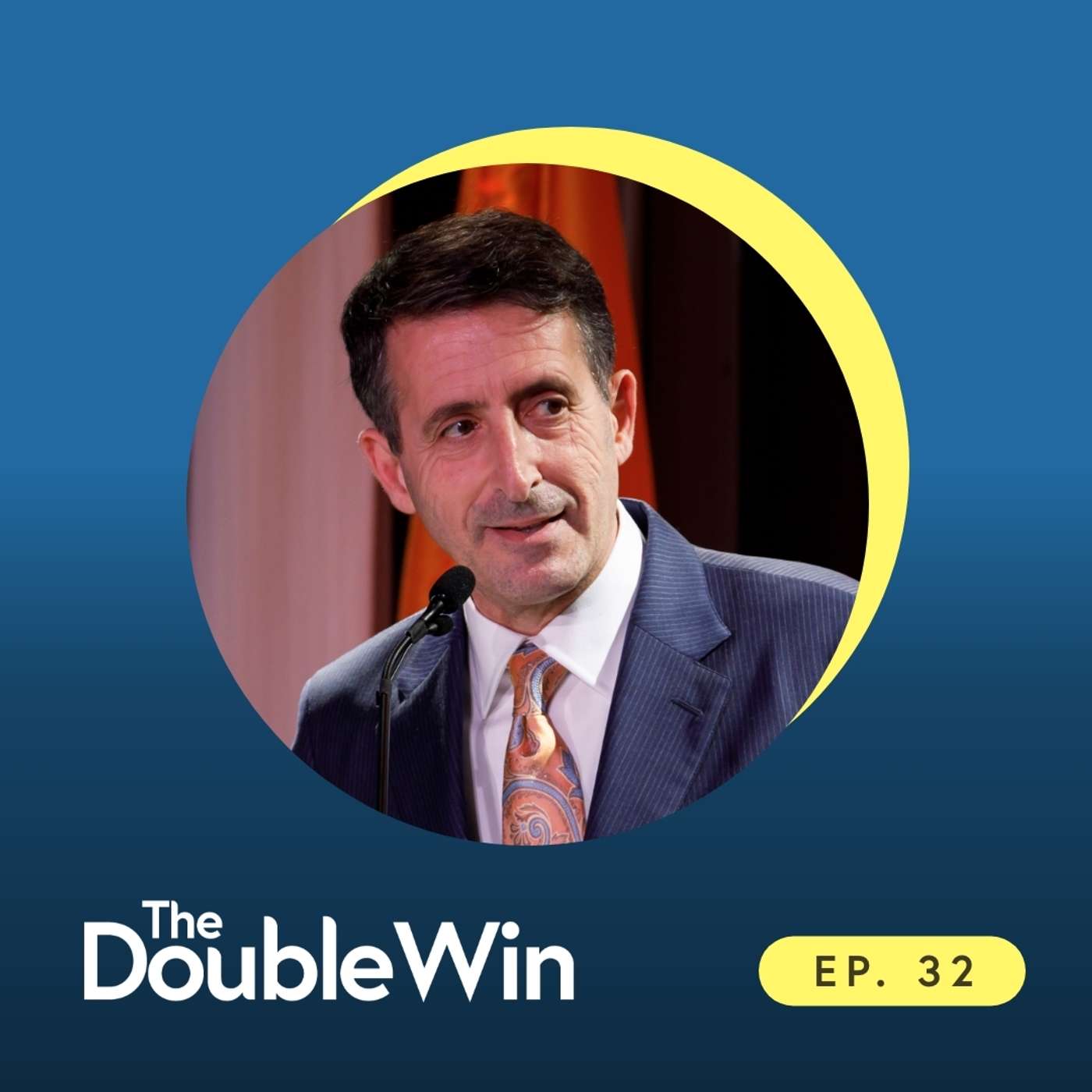
ANDREW ABELA: The Habits That Change Everything
Feb 26, 202500:59:43Tap to summarizeWe all know that habits shape our lives. But which habits actually matter? In this episode of The Double Win Show, Michael and Megan sit down with Dr. Andrew Abella, founding dean of the Bush School of Business and author of Superhabits, to discuss a framework for building a flourishing life. Andrew shares how ancient wisdom, backed by modern science, reveals the core virtues that drive success—and how anyone can develop them. If you’ve ever wondered where to start when it comes to personal growth, this episode is your answer.Memorable Quotes“Cultivating self discipline is not about stifling a desire. It’s about redirecting it gently into a more productive direction.”“There is a specific set of habits that is far superior.”“Vitrues are specific habits of excellence.”“Every [virtue] all of us have inside us. They just need to be activated… by practicing them.”“There’s a freedom that comes from growing in self-discipline, because instead of being a prey to whatever desire that you have, you’re in charge.”“For an adult who’s looking at harmless social media, the problem is you are wasting your desire to know on stuff that is not going to help you.”Key TakeawaysThe Four Pillars of Success. Prudence, justice, courage, and self-discipline form the foundation of a flourishing life, shaping how we think, act, and grow.The “Which Habit?” Problem. Most habit books focus on how to build habits, but the real challenge is knowing which habits will lead to lasting success.The Power of Restraint. Simple acts of restraint—like pausing before reacting or delaying instant gratification—build your no muscle for the other areas of life.The Role of Leisure. True rest isn’t about doing nothing—it’s about engaging in activities that refresh the mind and restore creativity.ResourcesSuperhabits by Dr. Andrew AbelaSuperhabits SubstackGrowVirtue (The SuperHabits App)The Anatomy of Virtue GraphicAndrew Abela’s LinkedInWatch on YouTube at: https://youtu.be/RAJeu68fIJ4This episode was produced by Sarah Vorhees Wendel of VW Sound
Transcribe →