← The Downfall Of Diddy | The Case Against Sean 'Puffy P Diddy' Combs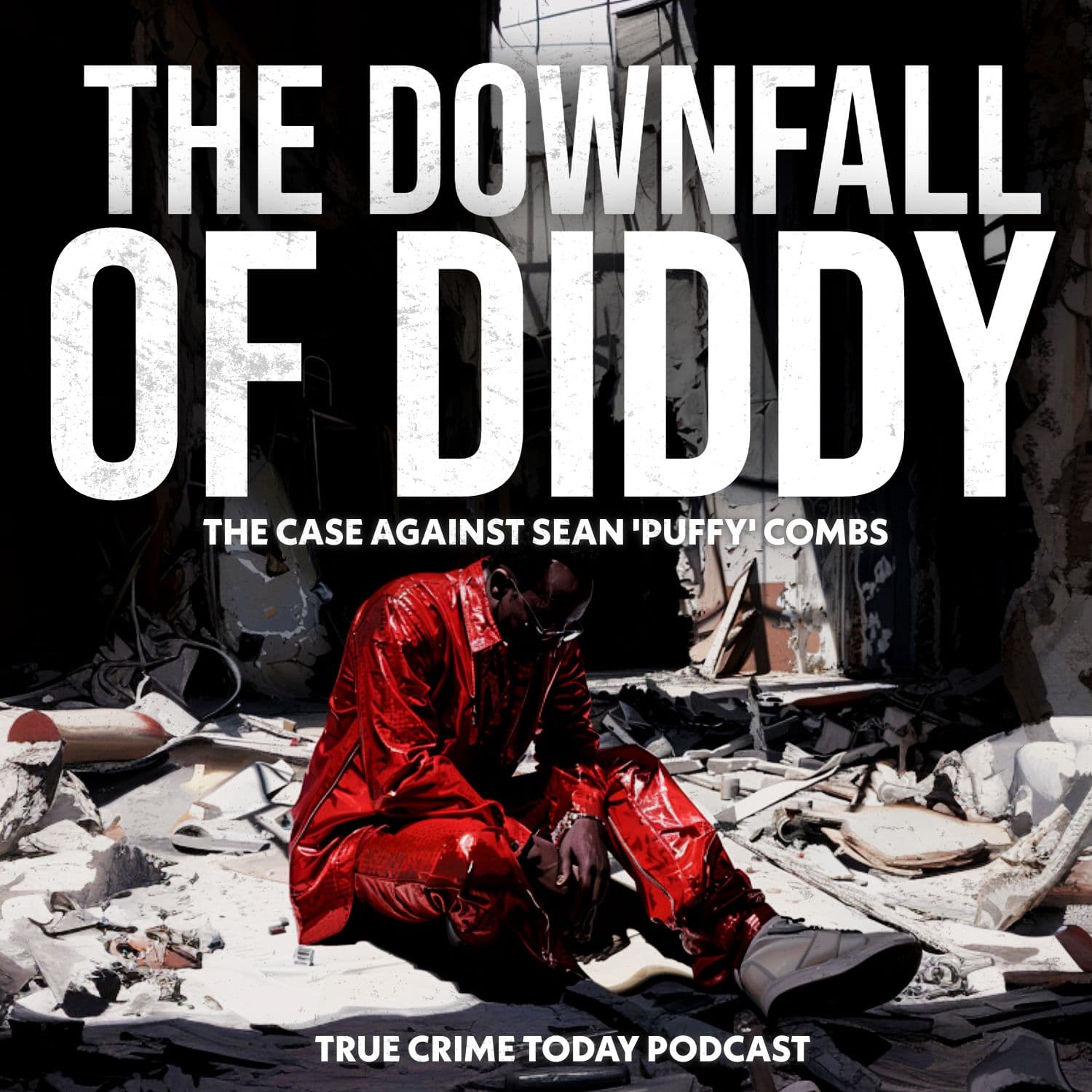
The Downfall Of Diddy | The Case Against Sean 'Puffy P Diddy' Combs
90 Terabytes of Evidence: What FBI Found in Diddy's Homes That Changes Everything
00:13:33
Loading summary
Transcript17 lines
- [00:00]
Tony Bruski
This is continuing coverage of United States vs Sean Diddy Combs from the Hidden Killers podcast and True Crime Today.
- [00:10]
Unnamed Legal Analyst
Judge Aron Subramanian has denied Sean Combs second mistrial request. And honestly, watching this defense strategy is like watching someone try to put out a five alarm fire with a garden hose. The most powerful music mogul of the last three decades is sitting in Brooklyn's Metropolitan Detention center, and his team of elite lawyers keeps swinging for the fences and striking out spectacularly. Here's what actually happened with that latest mistrial attempt because it reveals everything about how desperate this defense has become. A witness named Brianna Bongolin testified that Diddy allegedly dangled her from a 17th floor Los Angeles balcony on September 26, 2016. Sounds terrifying, right? Except Diddy's lawyers whipped out hotel receipts showing he was at Trump Hotel in New York from September 24th through 29th. They called it demonstrably false evidence and demanded a mistrial for prosecutorial misconduct. The judge basically said, congratulations, you caught an inconsistency. That's called cross examination, not grounds for a mistrial. This moment perfectly captures what Mark Agnifolo and his dream team are up against. They've assembled what amounts to the legal equivalence of an all star roster. Agnifolo previously defended cult leader Keith Renari, which is either perfect experience or a terrible omen. Alexander Shapiro clerked for Ruth Bader Ginsburg and specializes in appeals, which tells you they're already thinking about losing. Teeny handles sexual misconduct cases. And Brian Steele just finished defending young Thug in that massive Georgia RICO case. It's like they ask themselves who has experience defending rich, powerful men accused of running criminal enterprises. The federal charges include racketeering, conspiracy, sex trafficking by force, fraud or coercion, and transportation to engage in prostitution. The prosecution added additional charges in a superseding indictment. If convicted on everything, Combs faces life in prison with a mandatory minimum of 15 years just on the trafficking counts. The government isn't accusing him of being a bad boyfriend or throwing wild parties. They're saying he ran Bad Boy Entertainment like a criminal organization designed to facilitate systematic abuse. What makes this defense strategy fascinating is how they're not really arguing innocence. Instead, they're trying to reframe everything as consensual adult behavior that the government is criminalizing after the fact. When they cross examined Cassie Ventura Combs, ex girlfriend, and the prosecution's star witness, they pulled out years of text messages showing expressions of love and affection. Agniphilo has characterized what prosecutors call coercive freak offs as part of A swinger lifestyle that many people think is appropriate. It's like being accused of robbery and arguing, no, they gave me the money because they love me. Look at these thank you notes. The prosecution has brought over 16 witnesses so far, and the defense has gone after each one like they're conducting hostile corporate takeovers. When questioning Mia, a former assistant testifying under a pseudonym, Brian Steele repeatedly asked if she was part of a MeToo moneygrab against Sean Combs. They've highlighted financial incentives, civil lawsuit settlements, and payments from Combs to alleged victims. The strategy seems to be, if you can't attack the facts, attack the motivations. But here's where it gets legally interesting. The defense filed a motion to suppress evidence from searches of Combs Los Angeles and Miami homes, claiming the search warrants were obtained through misleading information. They're claiming the search warrants were unconstitutional and overbroad, arguing that prosecutors presented a grossly distorted picture of reality to obtain them. Think of it like if police want to search your house for evidence, you're running an illegal poker game, but they tell the judge you're manufacturing explosives. Any evidence they find might get thrown out even if you actually were running that poker game. The suppression motion targets 90 terabytes of seized data from 96 devices. For context, that's enough storage for about 18 million photos or 4,000 hours of video. The defense claims this involved searches that were overly broad based on misleading warrant applications. They're particularly attacking the credibility of an unnamed witness they call Producer One, whose accusations they dismiss as never credible. Meanwhile, the bail situation has become its own form of Legal Theater. Four different judges have denied release despite a $50 million bond package that included house arrest, 24. 7, private security, GPS monitoring, and weekly drug testing. The defense keeps arguing that Combs is one of the most recognizable people on earth, so he couldn't possibly flee. The judges keep responding that being famous and rich are exactly the reason someone might successfully disappear. The courtroom dynamics have been equally telling. Judge Subramanian had to warn Combs about vigorously nodding at jurors during testimony, threatening to remove him from his own trial. Imagine being so desperate to influence your case that you're trying to use head movements as persuasion. The judge called it absolutely unacceptable, which is judicial language for Stop that right now. The first mistrial motion in May centered on prosecutorial questions about destroyed fingerprint evidence related to allegedly firebombing Kid Cootie's car. The defense claimed prosecutors were deliberately implying Combs had corrupt influence over Los Angeles police. Agnifolo called the questioning Outrageous and prejudicial. Judge Sebrmanian rejected it immediately, saying there was nothing prejudicial about the evidence. It was like demanding a do over in chess because your opponent made a good move. What's really happening here is that the defense is stress testing the entire federal criminal justice system. Every motion, every objection, every cross examination technique pushes the boundaries of what's acceptable when defending someone facing life in prison. They're like scientists running experiments, except the lab is a courtroom and the hypothesis is whether you can create enough procedural chaos to avoid a conviction. The prosecution's evidence seems overwhelming. There's 2016 hotel surveillance video allegedly showing Combs assaulting Ventura, which is the kind of visual evidence that's hard to explain away with love letters. They've got testimony from multiple witnesses establishing patterns of alleged abuse spanning decades. Physical evidence seized during the raids apparently documents what prosecutors call a systematic criminal enterprise. But the defense has had moments of genuine success. That timeline inconsistency with Bongalan's testimony was what Judge Subramanian called a Perry Mason moment. They've highlighted memory gaps, delayed disclosures and contradictions between prior statements and current testimony. They've emphasized how drug use during alleged incidents could affect witness reliability. The question is whether these individual victories add up to reasonable doubt about the bigger picture. Expert witness Dr. Dawn Hughes, a forensic psychologist testifying about domestic violence patterns, faced pointed questions about her $600 hourly fee and the fact that she has never come into court. Taken the witness stand in defense of a man accused of a sex crime. The defense is essentially arguing that even the expert testimony is bought and paid for by prosecutors. The timeline pressure is intense. The prosecution should rest by mid June, which means the defense has to decide soon whether Combs will testify. This is always a massive gamble because once your client takes the stand, the prosecution gets to cross examine them. Given how aggressively these prosecutors have been questioning witnesses, putting combs on the stand could be like sending a wounded gazelle into a lion's den. What makes this case different from typical celebrity trials is the lack of public sympathy or debate about innocence. Usually when famous people face serious charges, there's at least some constituency arguing they're being railroaded. But the evidence here seems so extensive that even Combs defense isn't claiming he's innocent of everything. They're claiming that what looks criminal was actually consensual, legal or misunderstood. The broader implications extend far beyond one man's fate. This trial is essentially asking whether someone can use wealth, power and celebrity to create a bubble where they can allegedly commit serious crimes and call it lifestyle choices. The prosecution argues that money doesn't make illegal things legal. The defense argues that what appears criminal from the outside might actually be consensual from the inside. There's also the question of how this case affects the music industry's power structures. Combs didn't just run a record label. He created a cultural empire that influenced fashion, politics, and entertainment for three decades. If the prosecution's version of events is true, it suggests that some of the most celebrated figures in hip hop culture were allegedly using their platforms to facilitate systematic abuse. The defense strategy seems to be throwing everything possible at the wall and hoping something sticks. But so far, the wall appears to be made of Teflon. They've tried attacking prosecutorial conduct, witness credibility, evidence collection, and even the basic legal framework of the charges. None of it has worked. Judge Subramanian has been consistently unimpressed with their procedural objections and has denied every significant motion they've filed. What happens next depends on whether the defense can create a breakthrough moment that fundamentally shifts how the jury perceives this case. They've got skilled lawyers who know how to work a room, but they're fighting against video evidence, multiple corroborating witnesses, and a mountain of physical evidence. It's like watching master chess players trying to win a game where they're already down their queen in both rooks. The real test will be whether any prosecution witnesses completely fall apart under cross examination in a way that makes the jury question everything they've heard. So far, the defense has scored points, but hasn't landed a knockout punch. That timeline inconsistency with Bungalow was significant, but it doesn't erase 16 other witnesses or video evidence of alleged assault. As this trial heads toward its July conclusion, we're watching more than just a criminal case. We're seeing whether the American justice system can successfully prosecute someone who allegedly used extreme wealth and cultural influence to create their own rules. The verdict won't just determine whether Sean Combs goes to prison for life. It will signal whether our legal system is can handle cases where money, power, and celebrity intersect with allegations of systematic criminal behavior. That's why this matters. Beyond celebrity gossip or entertainment news, the outcome could fundamentally change how we prosecute powerful people who allegedly abuse their positions. And that affects everyone in a world.
- [12:12]
Tony Bruski
Where the darkest secrets lie just beneath the surface.
- [12:16]
Unnamed Legal Analyst
They said it was an accident, but the evidence says otherwise.
- [12:20]
Tony Bruski
Where hidden killers roam unnoticed in the shadows.
- [12:24]
Psychologist or Expert Witness
I think you would definitely be looking at a blend of toxic, very bad, narcissistic personality traits. And they will be vengeful and possibly resort to violence.
- [12:34]
Tony Bruski
Join Tony Bruski as he uncovers the truth behind the most chilling cases.
- [12:39]
Unnamed Legal Analyst
They said it was an accident, but the evidence clearly says otherwise.
- [12:43]
Tony Bruski
Each episode, we dig deep into the minds of those who commit the unthinkable.
- [12:47]
Unnamed Legal Commentator
To your point of narcissism, he thinks in his own mind how witty he is. Yeah, but he lost that jury. I was. I was done with him in two minutes.
- [12:54]
Tony Bruski
From unsolved mysteries to infamous crimes.
- [12:57]
Psychologist or Expert Witness
Geez, you've just talked about how you've taught yourself how to do everything under the sun. I bet you did a YouTube video. How to best kill somebody with a knife.
- [13:06]
Tony Bruski
Hidden Killers with Tony Bruski takes you where few dare to go.
- [13:09]
Unnamed Legal Analyst
How does someone with such a dark secret go unnoticed for so long?
- [13:13]
Tony Bruski
With multiple new episodes every single day.
- [13:16]
Unnamed Legal Analyst
We'Re not just telling stories. We're seeking justice.
- [13:20]
Tony Bruski
Listen now on Apple Podcasts or wherever you get your podcasts, just search for Hidden Killers with Tony Bruski.