← The Downfall Of Diddy | The Case Against Sean 'Puffy P Diddy' Combs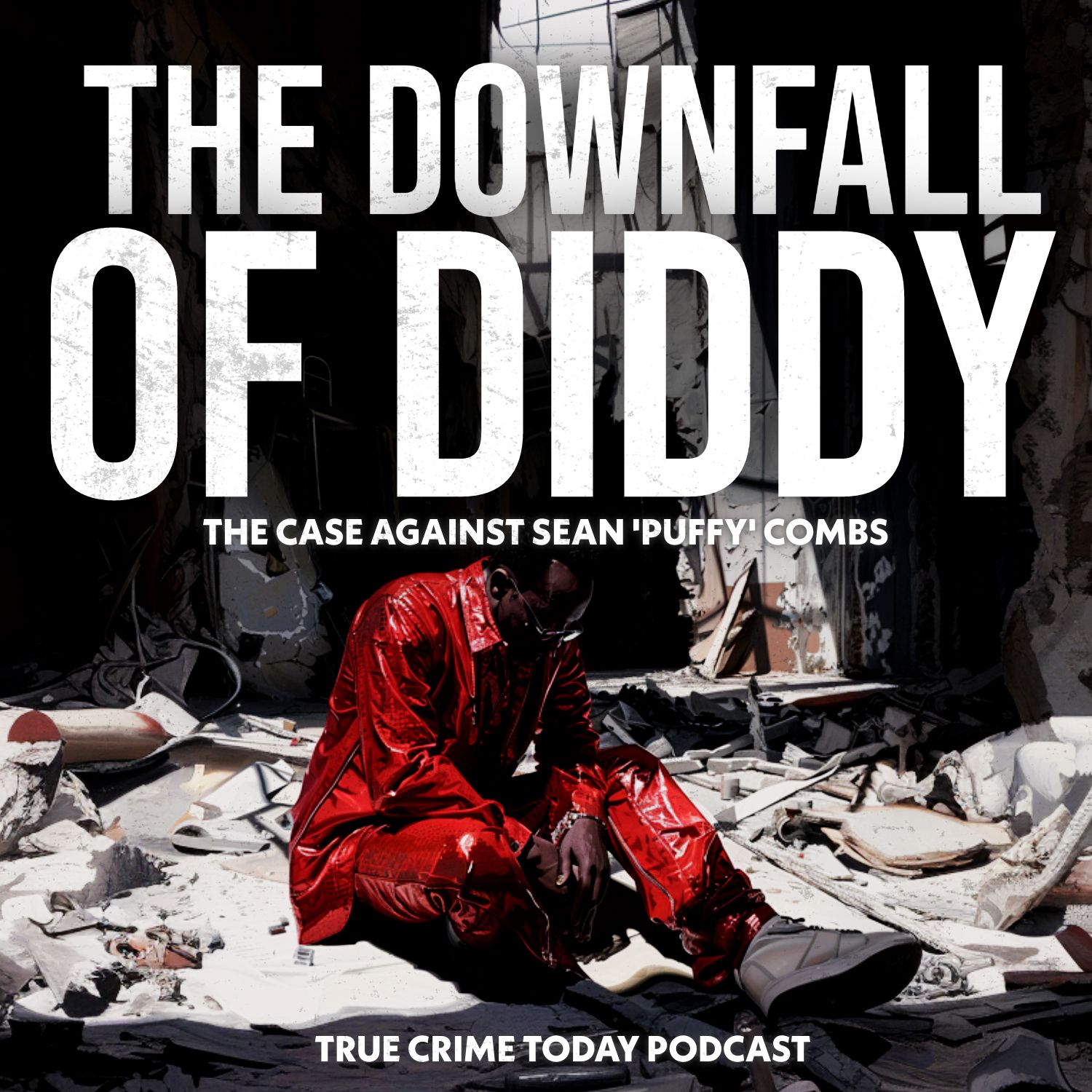
The Downfall Of Diddy | The Case Against Sean 'Puffy P Diddy' Combs
Breaking Down THE BREAK-DOWN In The Prosecution Of Sean Diddy Combs With Attorney Eric Faddis-WEEK IN REVIEW
00:16:25
Loading summary
Transcript29 lines
- [00:00]
Ryan
Hello, it is Ryan and I was on a flight the other day playing one of my favorite social spin slot games on chumbacasino.com I looked over the person sitting next to me and you know what they were doing? They were also playing Chumba Casino. Everybody's loving having fun with it. Chumba Casino is home to hundreds of casino style games that you can play for free anytime, anywhere. So sign up now@chumbacasino.com to claim your free welcome bonus. That's chumbacasino.com and live the Chumbalaya sponsored by Chumba Casino.
- [00:26]
Unknown
No purchase necessary. VGW Group void where prohibited by law 21 plus terms and conditions apply.
- [00:31]
Eric Faddis
Bubba Wallace here from 2311 Racing. Funny thing about being fast. You end up waiting a lot. First to show up, first in line, then just waiting. Me, I rev up Chumba casino with over 200 social casino games. No slow lanes here. Why sit around when you can spin? I'm already racing. Your turn Play for free@chumbacasino.com let's Chumba.
- [00:54]
Unknown
Sponsored by Chumba Casino.
- [00:55]
Eric Faddis
No purchase necessary. VGW Group voidware prohibited by law 21 terms and conditions apply. This is Hidden Killers Week in Review. A look back at the most prolific stories of the week, continuing coverage of United States vs Sean Diddy Combs from the Hidden Killers podcast and True Crime today. It's one of those verdicts that sticks in your teeth. The kind where you hear the word guilty and think finally until you realize it was only the softest, safest charges. We're not talking about Bryan Coburger today. We're talking about Diddy. Yeah, that Diddy right there. Diddy with the baby oil. The federal government spent years building a case against Sean Diddy Combs. Accusations of sex trafficking, racketeering, kidnapping, witness intimidation. They came in with a mountain of allegations and walked out with a couple of man act convictions. And for those of us paying close attention, the question isn't just what did the jury decide, it's what didn't they hear and what didn't they believe? And why? Because from the outside, this case looked like a sure thing. There was disturbing testimony. There was a video of Diddy assaulting Cassie. There were witnesses who said they were drugged, coerced and moved around like property. So how do you go from that to not guilty on trafficking and conspiracy? That's where today's conversation starts. My guest is someone who knows how these cases are built and how they fall apart. Eric Faddis is a defense attorney and former prosecutor who's worked both sides of the aisle, and together we're pulling the curtain back on what really went wrong in the courtroom. Was the prosecution too ambitious? Did the star witness ghost them at the worst possible moment? Did the jury misunderstand what trafficking actually means? Or did they just not want to believe it? We also get into the elephant in the room. Witness intimidation. Because when a critical witness vanishes right before trial and the charges she was meant to support mysteriously get cut from the case, it begs the question, what really happened here? And look, we're not here to speculate recklessly, but we're going to ask the questions that should have been asked before the verdict was read, including this one. If the federal government can't hold a man accountable even with this amount of evidence, who can? In the comments section, I want to hear your thoughts on this case. Please do check that out on YouTube search hitting killers with Tony Bruski, if you are not already there. So let's get into it. I asked Eric Faddis what he made of the government's decision to streamline their case and whether that strategy completely backfired.
- [04:25]
Unknown
You know, to me, I think that there was a lot of hype about this trial going in, a lot of sensationalism perhaps. The government did a press conference. Everyone was hyped up for it. And then they kind of. The presentation was underwhelming. It didn't meet the expectations. There were missteps that were made along the way. The defense scored some points on their own as well. And all of that culminated in this verdict that is guilty, but only on the least serious charges.
- [04:56]
Eric Faddis
Why was it so underwhelming, do you think? Because normally, you know, the precedent has been if the federal government is going after you, they got a case and they're going to take you down with it. I mean, they, you know, they did do some damage here, but the big ones, the things that were really going to take him down, they kind of, you know, they fell short a bit. Or did they? I mean, did they not present a strong enough case with the arguments that they brought?
- [05:27]
Unknown
You know, that was my appraisal of it. When you look at it, I think the government really tried to streamline their case. So, you know, there are like 100 plus accusers of Diddy saying that he did similar things that were alleged in this case. We didn't hear from hardly any of those folks. There were only really three people who alle sexual misconduct. The government also did not call as witnesses these alleged co conspirators, the people with Whom Diddy allegedly agreed to do crime. I think they really tried to narrow the focus, but maybe they narrowed it too much and the jury was just left at the end saying, hey, there's not enough here. And what is here is hotly disputed.
- [06:10]
Eric Faddis
I mean, why. Let's talk about that for a second. Why did we not see more victims? I know one of them, and that's a big point. Backed out last minute, trial started missing. We don't know exactly what is going on. Or do we? Do you have any more information as to what happened to this mystery witness?
- [06:29]
Unknown
Not more than just what is in the public realm, Just that they thought they would have her. And then lo and behold, trial comes and she's nowhere to be found. And that part of their case is nowhere to be found.
- [06:42]
Eric Faddis
Well, and that, to me, seems like kind of a big deal considering the government did not succeed in bringing their case against Diddy. And this was a. A key woman, allegedly, that was supposed to really connect a lot of those rico charges and a lot of the kidnapping stuff. And she obviously did not show. She backed out last second. And I mean, that to me, like, why were you intimidated? That seems to me like a screaming red flag on this whole damn thing as to, well, here's how we got here. But what happened there, I mean, that in itself, I think could end up being another case, unless it was just on her own recognizance and fear. And there was no threats. I mean, let's talk about that for a second because that could be the big elephant in this room that still we're not really paying attention to yet.
- [07:29]
Unknown
Yeah, and it's kind of puzzling, Tony, especially from a legal perspective, because the government has subpoena power. So, you know, as you're preparing for a trial, usually weeks or months in advance, you subpoena these people, it means they're legally required to come in and testify. And if they don't show, there are measures you can take. They're unpleasant, but you can have an arrest warrant issued for a subpoenaed witness who not show. And then you have the entire weight of the government going to track down this person, find where they are, bring them into custody, and force them to testify. And I'm not aware of the government taking any of those measures. And so kind of puzzling in that sense that they didn't do more to ensure that this witness would be present.
- [08:12]
Eric Faddis
I mean, you can take those measures only if you know where the person is, though, too, if you can find them and get to them. And I don't know the answers to any of those questions. You know, nobody does. And that's. Are we ever going to find out the answers to those questions? I mean, that's a big thing. Because to me, if that's a big chunk of your case or at least some significance to your case and it's missing and you didn't get the results you wanted, I would be looking there. I'd be wondering, was there some sort of witness intimidation going on? I would think that would be an investigation, would it not?
- [08:44]
Unknown
I would think certainly they should look into it. There are a number of reasons why this person may not have showed. Could be that she was intimidated and her harassed. You know, that's the reason the judge didn't grant bond to Diddy in the first place is because there were allegations and some evidence that he was intimidating and harassing witnesses. Is that a piece of it? Is it that, you know, she just got cold feet and didn't want to deal with the embarrassment and the public nature of all of it? You know, I think there are a number of plausible explanations, but should be looked into. And especially after Diddy, you know, kind of got off, if you will, on. On this case, I wouldn't be surprised. The federal government is looking into why this witness was not.
- [09:26]
Eric Faddis
It's a term I've been avoiding using on this case the last couple of days is the word get off.
- [09:31]
Unknown
After it came out of my mouth.
- [09:32]
Eric Faddis
I was like, no pun intended. But I've done it a few times too. It's like, oh, yeah, it's just baffling. Let's play the cards here for a second. In the what if game. What if there is something that comes out here about this witness that can be directly tied back to Diddy or his associates of whatever they said, whatever they did, if they did something that that is why that person did not testify, that would likely be. That would be witness tampering, would it not? Would that. Would that in itself be enough to go back on any of these charges and say, we're going to try you again on this because you tampered with the witness that didn't show up?
- [10:20]
Unknown
That's a tough question legally, because there are a number of doctrines that could apply. There's a doctrine called joinder, and it essentially says that if you're going to charge someone for an act or a series of acts that are all related, you got to bring it all together. You can't charge them for 90% of it and see how you do. And then later on, months down the road, charge them for the remaining 10% of it. And so I think it's unlikely that the original alleged charges could be brought. However, if there's witness intimidation and tampering, and Diddy sort of mostly prevailed in this case, you better believe the government is out to even the score, if you will. And they would pursue that fully. And I'm sure a judge would look at that and say, hey, if Diddy was convicted, say, hey, you took underhanded measures to really manipulate the court system to your advantage, and now you're gonna have to pay for that.
- [11:13]
Eric Faddis
The fact that they had their first big swing at him, though, already does this one witness that is missing, could they. Could they really potentially bring that much more than what was brought already, where it's really gonna tip the scales against Diddy? Because they did have quite a bit of stuff against him. I mean. I mean, granted. Was it enough? Clearly not. The jury did not call this trafficking. Even after weeks of detailed, consistent testimony about grooming, about drugging, about coercion, the jury rejected it and said, it's. It's like a domestic matter, basically. I mean, if you're to read the tea leaves, that. That's essentially. Even after the video. Even after the Cassie video, the 2016 video showing Cassie being beat up in the hallway of the Intercontinental Hotel, being thrown to the ground, being stomped on in her testimony, even saying how she was putting up with it, how she felt coerced, how she felt pressured, how she felt she didn't have a way out of it. So, yes, she participated, but it was more like life and death. They still said, nope, this is a domestic type thing. This is not trafficking. Do we have issues here with juries understanding the definition of these words, or do we have juries having a difficulty understanding the definition of abuse?
- [12:41]
Unknown
You know, I think that those issues certainly played a role. You look at the RICO charge, that's hard for an attorney to follow and. And understand all the requirements of, let alone some lay jurors back there, that there are a number of criminal enterprise requirements, conspiracy requirements, predicate offenses requirements, what qualifies as a predicate offense. And so I think there was some confusion there. And then I think, yeah, when we're talking about sex trafficking, you know, a lot of people think that that has to be. You know, you keep a person in a cage and you're driving them around or flying them around to different locales to be tricked out or whatever, and that's not what the law requires. The law has a lesser Threshold for a sex trafficking. And I just wonder if those terms and that, you know, the preconceived notions in the jurors minds about what these things mean maybe overshadowed some of the letter of the law that was contained in the jury instruct.
- [13:37]
Eric Faddis
Okay, so what we're left with here is not a clean win or a total loss. It's a legal gray zone. Diddy's still in custody. He's still facing sentencing for those man act convictions. But let's not get ourselves. Those weren't the charges this trial was built on. This was supposed to be the case that called out a powerful man for running an enterprise of control, coercion, and abuse. Instead, the jury landed somewhere between disbelief and disinterest. And that raises a far more uncomfortable truth. The justice system might not be built to handle predators who operate in psychological, not physical chains. Eric Fadis walked us through what happens when your star witness disappears. And not just I don't feel like testifying disappears, but gone silent, unreachable. And the government, they don't even seem to chase her. No subpoena enforcement, no bench warrant, no public explanation. You gotta find that a little weird. Who else was she gonna expose that suddenly the government said that's it's not just like that major section of the case collapsed. And just that's not just a check in the foundation. It's a structural failure. But maybe the bigger takeaway here isn't about prosecution. It's about us, about juries, about how we process trauma in the courtroom. The reality is people still expect trafficking to something out of a Liam Neeson movie. Handcuffs, back alleys, international passports. But when the abuse is quiet, emotional, buried in lavish hotel suites and private jets, it suddenly becomes easier to call it toxic instead of criminal. And let's not forget the jury saw that video. They watched Diddy beat Cassie in a hotel way, throw her down, stomp on her head. And they still didn't connect that to trafficking, to control, to fear. They're fucking idiots. I'm just gonna say it. If you saw that and did not connect those dots and you are a juror, you have failed as a human being. Don't criticize the jurors. Fuck that. You're an idiot. That's not just failure of legal understanding, that's a failure to name abuse when it's staring you in the face. So now what? Sentencing is coming. Civil cases are still alive, and the government may very well circle back if evidence of witness tampering surfaces. But in the meantime, the case is going to sit in the pit of public consciousness because we all saw the cracks and we all know something didn't add up. Thanks to Eric Faddis for helping us make sense of this mess. The law spoke, but whether it but whether it said the right thing is still up for debate. And we're not done asking questions. Not by a long shot. Be sure to press subscribe Wherever you're downloading podcasts so you don't miss any of our coverage of this case. Be sure to check us out on YouTube. Search hidden killers with Tony Brewski so you can comment on this and let me know your thoughts. Really, really do appreciate that. Until next time, I'm Tony Bruski. We will talk again real soon. Want true crime coverage all day, every day? Press subscribe now to the Hidden Killers podcast and True Crime Today and get the latest cases delivered right to your feed.
- [17:26]
Ryan
It is Ryan here and I have a question for you. What do you do when you win? Like are you a fist pumper, a woohooer, a hand clap or a high fiver? If you want to hone in on those winning moves, check out Chumba Casino. Choose from hundreds of social casino style games for your chance to redeem serious cash prizes. There are new game releases weekly plus free daily bonuses, so don't wait. Start having the most Fun ever@shumbacasino.com no purchase necessary.
- [17:52]
Unknown
VGW Group void where prohibited by law 21/ terms and conditions apply.
- [17:56]
Ryan
Hello, it is Ryan and we could all use an extra bright spot in our day, couldn't we? Just to make up for things like sitting in traffic, doing the dishes, counting your steps. You know, all the mundane stuff. That is why I'm such a big fan of Chumba Casino. Chumba Casino has all your favorite social casino style games that you can play for free anytime, anywhere with daily bonuses. So sign up now@chumbacasino.com that's chumbacasino.com no purchase necessary.
- [18:22]
Unknown
VGW Group Void where prohibited by law 21 plus terms and conditions apply.
- [18:26]
Ryan
How to have fun anytime, anywhere. Step 1 Go to chumbacasino.com chumbacasino.com Got it. Step 2 Collect your welcome bonus. Come to papa. Welcome bonus. Step 3 Play hundreds of casino style games for free. That's a lot of games all for free. Step 4 Unleash your excitement.
- [18:42]
Eric Faddis
Woo hoo.
- [18:43]
Ryan
Chumba Chumba Casino has been delivering thrills for over a decade. So claim your free welcome bonus now and live the chumba life. Visit chumbacasino.com no purchase necessary.
- [18:52]
Unknown
VGW Group void where prohibited by law. 21 terms and conditions apply.