← The Downfall Of Diddy | The Case Against Sean 'Puffy P Diddy' Combs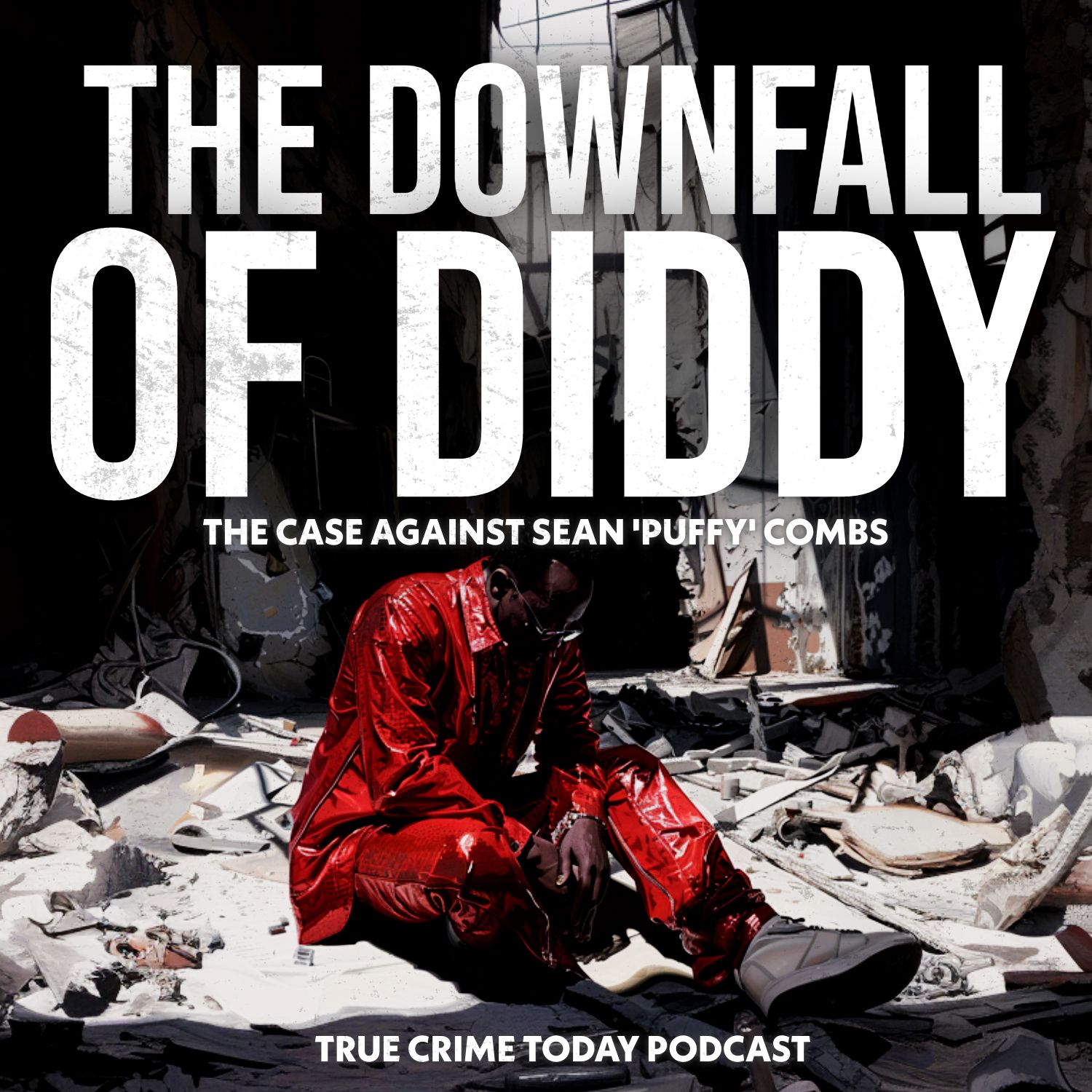
The Downfall Of Diddy | The Case Against Sean 'Puffy P Diddy' Combs
Daddy's CFO Speaks What Derek Ferguson Knew and What He Didn’t-WEEK IN REVIEW
00:16:38
Loading summary
Transcript22 lines
- [00:00]
Energy Trust Representative
At Energy Trust of Oregon, we understand that energy isn't just what happens when you flip a switch, it's what happens afterwards. It's a home that can provide both shelter and peace of mind. It's a business that can run more efficiently and keep their dream alive. And it's communities that can thrive today and flourish tomorrow. That's energy. And that's why we partner with local utility companies to help you save energy and lower costs. For cash incentives and resources that can help power your life, visit energytrust.org.
- [00:31]
Nicole Byer
We interrupt this program to bring you an important Wayfair message. Wayfair's got Style tips for Every home This is Nicole Byer helping you make those rooms Flyer Today's Style Tip when it comes to making a statement, treat bold patterns like neutrals. Go wild like an untamed animal. Print area rug under a rustic farmhouse table. From wayfair.com Ooh ears. This has been your Wayfair style tip to keep those interiors superior.
- [00:58]
Tony Bruski
Wayfair Every style, every home. This is Hidden Killers Week in review. I look back at the most prolific stories of the week.
- [01:05]
Derek Ferguson
This is continuing coverage of United States vs Sean Diddy Combs from the Hidden Killers podcast and True Crime today.
- [01:16]
Tony Bruski
He didn't yell. He didn't threaten. He smiled. That's what stuck with hotel security supervisor Eddie Garcia the most. Not the video itself, though, that was bad enough. Not the flinch worthy sight of Sean Diddy Combs allegedly attacking his then girlfriend Cassie Ventura in a hallway at the Intercontinental in Los Angeles back in 2016. What stayed with him was Diddy's reaction when Garcia told him the assault had been caught on camera. He smiled, not in fear, in what Garcia described as something closer to excitement. It wasn't the reaction of a man cornered by evidence. It was the reaction of someone who knew exactly how this would go and how to make it disappear. Garcia took the stand in Federal Court on June 3, and what he laid out wasn't rumor or secondhand gossip. It was a first person account of what looked very much like a high dollar tightly controlled cover up. According to Garcia, once he informed Combs that there was video footage of the hallway incident, things moved fast and very deliberately. The way he tells it, Combs didn't scramble or panic. He got to work. The meeting happened at a nearby apartment, not in the hotel, which already tells you how off the books this was. Garcia showed up with the USB drive that held the only copy of the assault video. It was a surveillance clip, the kind that usually gets copied, logged and archived. But this one didn't. This one was going straight to Diddy. Before anything changed hands, Garcia was handed a non disclosure agreement, a hefty one, the kind with a $1 million penalty clause. And it wasn't just Garcia. His supervisor and another colleague on duty that night were also brought in, also made to sign. They weren't just being told to shut up. They were being bought. Into the silence, Once the paperwork was squared away, Diddy left the room. When he came back, he was carrying a brown paper bag and a money counting machine that wasn't for show. It was functional. Garcia sat there and watched as Diddy ran through stack after stack of cash. $10,000 bundles run through the machine like they were casino chips. The total came out to exactly $100,000. Combs offered Garcia a chance to count it himself. Garcia declined. He said, I trusted the machine. And then, as if sealing a drug deal in a movie, Combs offered one last piece of advice. Don't make any big purchases. This wasn't some clumsy backroom panic. This was methodical. It was smooth, even ritualistic. Like this wasn't the first time. And if that's not enough to give you pause, what happened next might be. According to Garcia, somewhere in the middle of this cash and NDA exchange, Combs made a FaceTime call. On the other end of the line, Cassie Ventura herself. She was wearing a hoodie. She didn't look panicked, but she didn't exactly look free to speak either. Combs holding the phone prompted her to say it, to let Garcia know she wanted it to go away, too, that it wasn't the right time for this to come out because she had a movie releasing. She echoed the line. She told Garcia she wanted to move on, didn't want this out there. And then she was gone. Now you can interpret that moment a few different ways. Maybe it was Cassie genuinely hoping to avoid scandal. Maybe it was a performance. Maybe it was a coerced script. The court didn't speculate, and neither will we. But what's important is that it happened during the hush money exchange, on the record, with Garcia watching. And it paints a picture of someone, Combs, looking to control the optics, not just the evidence. After the handoff, Garcia didn't hear from Combs again for a while. Then, out of nowhere, a text popped up. Happy Easter, Eddie, my angel. God is good. Sweet, sentimental, if you forget that it's from the same guy who just paid you 100 grand to vanish a violent video. But the second part of the message was more pointed. Combs asked, had Anyone come asking about the footage? Garcia replied, no, no one had. And apparently that was good enough. And here's where things start to go missing. Literally. Garcia testified that when he went to check the hotel's incident report for that night, it had disappeared. So had the attached video file. Gone as if it had never existed. Whatever happened in that hallway, there was no longer any official trace of it in the system. Just the memory and the copy Combs had bought for himself. Now, let's be clear. Garcia didn't accuse Combs of threatening him. In fact, under cross examination, he confirmed the opposite. Said Combs was professional, respectful, even friendly. But no one from the defense team challenged the meat of his story. Not the payoff, not the NDA, not the FaceTime call, not the video being removed from the hotel's system. They let all of that stand. What we're left with is an unusually clean account of what looks like a very deliberate operation. A man hits a woman in a hotel hallway. Security sees the video. The man finds out. The man smiles. The video disappears. Silence is purchased. This isn't a story about emotions. It's a story about control. Not just over people, but over evidence, over narrative, over risk. And whether or not you believe every word Garcia said, you've got to admit, this wasn't sloppy. This was coordinated. And coordination like that, that doesn't happen by accident. What makes this moment so critical in the broader case isn't just the alleged assault itself. It's how it was handled afterward. If prosecutors are trying to show that Combs wasn't just someone with a bad temper, but someone who ran a closed loop system of power and protection, this testimony feeds directly into that theory. This is evidence, not gossip. This is paperwork, cash counters, real estate, NDAs, surveillance footage and timestamps. And when someone testifies to a crime being erased from the record with that much precision, it forces you to stop asking, did this happen? And start asking, how often has this happened before Eddie Garcia walked into that courtroom and laid it all out without drama, without embellishment, Just a story about a man, a video, a payoff, and a smile. What comes next is less about COVID ups and more about the infrastructure that allegedly made them possible. Because if Garcia showed us how Combs managed silence, the next witness tells us how he built the machine that made it all run. It was the kind of resume you'd expect from a guy working in the upper floors of Manhattan's music industry. Ivy League educated, corporate polish. Nearly two decades in the game. Derek Ferguson didn't roll into court to talk about sex, parties or violence. He came in to talk spreadsheets, tax filings and organizational charts. The kind of testimony that doesn't usually get headlines. But in a case like this, might be just as revealing. Ferguson was the former CFO of Bad Boy Entertainment. He worked under Sean combs for nearly 20 years. Twelve of those years, he was the one signing off on the books, tracking the flow of money in and out of Combs sprawling empire. Music, fashion, tv, booze, and whatever else Diddy had his hand in. If Combs life was a machine, Ferguson was one of the people keeping it humming behind the scenes. His testimony wasn't emotional. It wasn't dramatic. It was clean and factual, like you'd expect from someone who lived and breathed balance sheets. He explained the structure of Combs businesses, how the accounts were managed, how employees used corporate credit cards, and how reimbursements worked. There was nothing flashy about it. But that's exactly the point. The defense used Ferguson to frame Combs not as a criminal ringleader, but as a savvy high level executive running a legitimate diversified portfolio. And on paper, that image holds up. Bad Boy employed trained professionals, hired consultants, and had an HR department. Ferguson, who grew up in the Bronx, even told the court that he joined Combs team because the company made a point to lift up young black talent in a cutthroat industry. From the outside, it looked like success. Messy, maybe, but legal. But the prosecution wasn't interested in optics. They weren't trying to take down a spreadsheet. They wanted to poke holes in the firewall that separated Ferguson's clean numbers from the messier, darker allegations at the heart of the trial. So they brought receipts. Literal ones. One of the first things they showed the jury was a string of bank transfers from late 2011. Not just any transfers. These matched up almost exactly with earlier testimony from Cassie Ventura's mother, Regina. She told the court that after Combs found out Cassie had been romantically involved with rapper Kid Cudi, he became enraged. Furious enough to demand Cassie's parents repay him 20 grand, the money he claimed he'd spent supporting her. According to her, it was framed like a debt she suddenly owed. And she said Combs insisted it be paid back or else. Enter Ferguson flipping through records on the stand. On December 14, 2011, Combs transferred $20,000 from his new Jersey home account to Cassie's. Then on December 23rd, Cassie's father transferred the exact amount back to Combs account. And on December 27, another entry appeared. Return of funds, $20,000. Same amount, same direction. Ferguson didn't comment on the meaning of those transactions. That wasn't his job. But the implication was loud enough without editorializing. This wasn't just about gifts and reimbursements. It suggested Combs may have used his financial power not just to support people, but to punish them. Still, when the defense got their turn, they did exactly what you'd expect. They used Ferguson to draw a thick line between what he saw and what the government was alleging. Ferguson wasn't at any of the alleged sex parties. He wasn't in hotel rooms. He didn't witness abuse or coercion. And they made sure the jury knew it. The defense attorney rattled off questions like a human lie detector test. Did you ever see Sean Combs commit a crime? Number did you ever see anyone help him commit a crime? Number did you witness anyone threaten violence or abuse someone on his behalf? Number did anyone enhance his business through fear or intimidation? Again, no. Ferguson answered each question calmly, precisely, without hesitation. In those moments, the defense painted him as a reliable witness for the idea that none of this, none of what the prosecution had been laying out was part of Combs's actual business operation. From Ferguson's view, it looked like a regular company doing regular business. But the prosecution wasn't done on redirect. They zeroed in on what Ferguson didn't see. They asked where he physically worked. New York, he said. They asked if he ever stayed in Combs homes or hotels during trips. No, he hadn't. They clarified that his workday ended in the office. He wasn't there at night. He wasn't around the parties. He wasn't part of the inner circle. When the cameras were off and the real stories allegedly unfolded, that line of questioning was less about discrediting Ferguson and more about defining his limits. Yes, he had a front row seat to the money, but not to the behavior. Not to the alleged crimes. His window into Combs life was behind a desk, not behind the scenes. Then came one of the more human moments of the day. After a long series of technical answers, the defense decided to pivot. They asked Ferguson, point blank, do you think highly of Sean Combs? It was meant to be a character moment, a way to end on a note of loyalty or even redemption. But Ferguson didn't answer right away. He paused. The courtroom went quiet. This wasn't a man fumbling for words. It was a man calculating how honest he wanted to be. Finally he said, I don't know how to respond to that. No praise, no defense. Just a long pause and a neutral wall. That silence echoed More loudly than any denial outside of testimony, the court handled a couple of major motions. The most urgent involved preparation time. The defense was gearing up to cross examine a critical witness referred to in court only as Jane. She's expected to testify about deeply personal, highly sensitive allegations involving Combs, and her testimony is expected to stretch over several days. The issue. Combs is being held at a Brooklyn federal jail, and the defense said the environment made it almost impossible to prepare. They weren't allowed to review sensitive materials, especially nude photos and explicit texts, unless a staffer was present. And even then, the time was limited. So the defense asked for a workaround. Extra time after hours inside the courthouse to meet with Combs and go over the evidence. With U.S. marshals supervising, prosecutors pushed back, arguing they'd handed over this evidence months ago. But the judge ultimately sided with the defense, at least for the short term. Combs was allowed to stay after hours that night to prep. It wasn't a huge win, but in a trial this size, every minute of prep counts. Meanwhile, prosecutors filed a separate request focused on Jane herself. They asked the court to turn off the public video feed while she's testifying, not to hide the trial, but to protect her identity and that of her child. The concern was that some of the evidence, like screenshots or chat logs, might reveal her real name or personal details. Redacting everything in time simply wasn't realistic. The judge agreed. While the press and court observers will still be able to watch from an overflow room, the usual live courtroom feed will go dark for that portion of the trial. A balance between open court and witness protection. As the day wrapped up, the courtroom didn't feel explosive, but it did feel tighter. Less like a soap opera, more like a blueprint being slowly exposed. The prosecution showed how money flowed. When things got uncomfortable, the defense insisted it was all standard business. And sitting right between those two worlds was Derek Ferguson, calm, polished, and maybe a little more conflicted than he expected.
- [16:16]
Derek Ferguson
To be in a world where the darkest secrets lie just beneath the surface.
- [16:22]
Tony Bruski
They said it was an accident, but the evidence says otherwise.
- [16:25]
Derek Ferguson
Where hidden killers roam unnoticed in the shadows.
- [16:30]
Tony Bruski
I think you would definitely be looking at a blend of toxic, very bad, narcissistic personality traits. And they will be vengeful and possibly resort to violence.
- [16:39]
Derek Ferguson
Join Tony Bruski as he uncovers the truth behind the most chilling cases.
- [16:44]
Tony Bruski
They said it was an accident, but the evidence clearly says otherwise.
- [16:48]
Derek Ferguson
Each episode, we dig deep into the minds of those who commit the unthinkable.
- [16:52]
Tony Bruski
To your point of Narcissism he thinks.
- [16:54]
Derek Ferguson
In his own mind how witty he is. But he lost that jury.
- [16:58]
Tony Bruski
I was.
- [16:58]
Derek Ferguson
I was done with him in two minutes. From Unsolved Mysteries to information.
- [17:02]
Tony Bruski
Geez, you've just talked about how you've taught yourself how to do everything under the sun. I bet you did a YouTube video. How to best kill somebody with a knife.
- [17:11]
Derek Ferguson
Hidden Killers with Tony Bruski takes you where few dare to go.
- [17:14]
Tony Bruski
How does someone with such a dark secret go unnoticed for so long?
- [17:19]
Derek Ferguson
With multiple new episodes every single day.
- [17:22]
Tony Bruski
We'Re not just telling stories. We're seeking justice.
- [17:26]
Derek Ferguson
Listen now on Apple Podcasts or wherever you get your podcasts, just search for Hidden Killers with Tony Bruski.