← The Downfall Of Diddy | The Case Against Sean 'Puffy P Diddy' Combs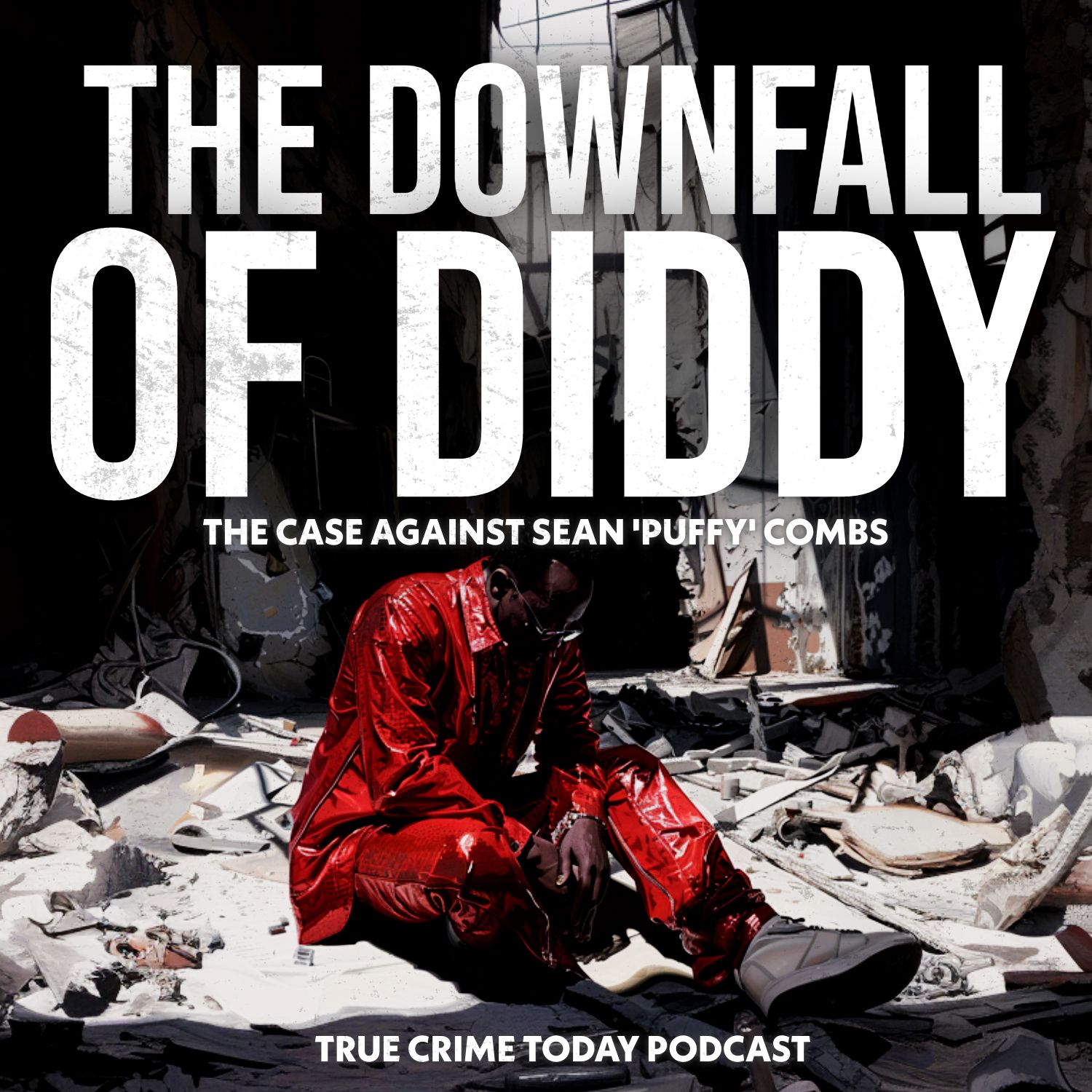
The Downfall Of Diddy | The Case Against Sean 'Puffy P Diddy' Combs
DANGLED FROM A BALCONY: Shocking Day 16 Testimony in the Diddy Trial
00:16:21
Loading summary
Transcript17 lines
- [00:00]
Tony Bruski
This is continuing coverage of United States vs Sean Diddy Combs from the Hidden Killers podcast and True crime today.
- [00:10]
Unknown Host
Picture this. You're 17 stories up in the air, dangling from a balcony, held only by someone's grip while they scream at you. Not exactly how you'd want to spend your Tuesday night, right? Well, that's exactly what one witness testified happened to her at the hands of Sean Diddy combs back in 2016. And let me tell you, day 16 of this trial just served up some absolutely wild testimony that had the courtroom looking like a scene from a psychological thriller. So grab your drink and settle in, because we need to talk about what went down today in federal court and why this particular testimony might be the prosecution's ace in in the hole. We're talking about Brianna Bongolan, who goes by Banna, and she just dropped some seriously heavy allegations that paint a picture of violence that goes way beyond what we've heard before in this case. Now, before we dive deep, let's set the stage here. This isn't just any criminal trial. We're talking about racketeering and sex trafficking charges against one of the most powerful figures in the music industry. Think of it like trying to take down a mob boss. Except instead of running numbers and shaking down pizza joints, prosecutors are alleging Combs was running what they call a criminal enterprise built around intimidation, violence, and sexual exploitation. This is day 16 of testimony, which means we're now in the fourth week of what has become one of the most closely watched criminal trials in recent memory. The trial started with jury selection and opening statements, and prosecutors have been methodically building their case, witness by witness, trying to paint a picture of systematic criminal behavior spanning years. Today, star witness Brianna Bungolen had to be given immunity to testify, which is like the legal equivalent of witness protection for your Fifth Amendment rights. She initially refused to talk because anything she said could potentially incriminate her in other crimes. But prosecutors wanted her testimony so badly, they essentially said, look, whatever you tell us about your own criminal activity, we promise not to use it against you. That's not something they do lightly. What makes this particularly significant is that Bongalan has also filed a $10 million civil lawsuit against Combs, which adds another layer of complexity to her testimony, since she has a financial stake in the outcome of these proceedings. So what did Bongalan actually say happened? According to her testimony, she was crashing at Cassie Ventura's apartment one night in September 2016. Cassie, for those keeping track, is Combs ex girlfriend and the woman at the center of Many of these allegations, Vongalon says she was literally asleep when Combs allegedly burst into the apartment and went completely ballistic on her. No warning, no explanation, just straight to violence. Here's where it gets absolutely terrifying. Bongalon testified that Combs allegedly grabbed her and held her over the edge of a 17th floor balcony for what she estimated was 10 to 15 seconds while screaming, you know what the fuck you did. Though she claims she had no idea what he was talking about. After allegedly bringing her back from the brink, Bongalun testified that Combs then threw her into the balcony furniture, leaving her with a massive purple bruise on her leg that had an actual puncture wound, plus back and neck injuries that required chiropractic treatment. Now, here's where this testimony becomes particularly crucial for the prosecution's case. Up until now, most of the alleged violence we've heard about has been against Combs romantic partners. That fits a certain pattern that defense attorneys can argue is about toxic relationships gone wrong. But Bongoulan wasn't dating Combs. She was just a friend of his girlfriend who allegedly got brutalized for reasons that remain unclear. This suggests, if true, that the alleged violence wasn't just about controlling romantic partners, but about intimidating anyone in Combs orbit who might cross him. Bongalon also described witnessing other incidents, including allegedly seeing Combs throw a knife at Cassie during a separate confrontation. She painted a picture of someone who used fear as a management tool, testifying that Combs once told her, I am the devil and I can kill you while he was allegedly using cocaine. It's the kind of statement that, if believed by a jury, transforms this from a case about someone with anger management issues into something much darker and more calculating. But here's where things get legally interesting. The defense team, led by attorney Nicole Westmoreland came out swinging during cross examination. And they landed some solid punches on Bongalon's credibility. Think of cross examination like a game of legal Jenga, where the defense tries to remove enough blocks of credibility that the whole testimony comes tumbling down. Westmoreland pointed out that Bongalan's story today was different from what she initially told investigators. Originally, she said the balcony incident happened at a party, not while she was sleeping over. That's not a small detail. It's like the difference between saying you got into a car accident in a parking lot versus on the highway. The circumstances matter, and inconsistencies like this give juries reason to question everything else, a witness says. The defense also went hard on Bangalan's extensive drug use and Dealing. We're talking about someone who admitted to using marijuana, cocaine, ketamine, something called G and acid. She also confessed to dealing drugs to Cassie. Now, being a drug user doesn't automatically make someone a liar, but it does give defense attorneys ammunition to argue that someone's memory might not be the most reliable. The cross examination revealed that Bongalan was essentially Cassie's drug supplier, which adds another dimension to their relationship and potentially explains why she might have been present at various incidents. What's particularly strategic about the defense's approach is how they're highlighting Bongalan's changing legal representation. She initially worked with attorney Tyrone Blackburn, who represents multiple accusers in various cases against Combs, but then fired him after he allegedly got details wrong in her complaint. This creates a narrative the defense can use about witnesses potentially coordinating their stories or shopping around for lawyers who will present their cases in the most advantageous light. Perhaps most damaging to Bongoan's credibility was her inability to remember key details during cross examination. She couldn't explain where Combs allegedly found the knife he supposedly threw at Cassie or even specify exactly where this knife throwing incident occurred. For a jury, these gaps can be really problematic. When you can't remember basic facts about traumatic events you're testifying about, it raises questions about whether those events so actually happened the way you're describing them. The cross examination will continue tomorrow morning for an estimated 30 to 45 minutes, giving the defense more time to probe these inconsistencies. But the prosecution didn't just rely on Bongalan's testimony today. They also brought in Frank Piazza, a forensic video expert who basically serves as a technical translator for digital evidence. His job was to authenticate the hotel surveillance footage from March 2016 that allegedly shows Combs assaulting Cassie. This video has been a cornerstone of the prosecution's case since CNN first broadcast it, and the defense has been arguing that it was edited or manipulated. Piazza's testimony was like having a mechanic explain why your car is making that weird noise, except instead of engines, he's talking about video compression and metadata. He presented what he called a corrected compilation of the footage and testified that he found no signs of tampering. This is huge for the prosecution because it directly contradicts the defense's claims about evidence manipulation. When you're trying to convince a jury that someone committed serious crimes, having your key piece of visual evidence called into question is like trying to build a house on a shaky foundation. The technical nature of Piazza's testimony might seem boring compared to balcony dangling allegations. But it's critically important. Having an expert confirm that your smoking gun video is authentic and unaltered removes one of the defense's potential escape routes. Looking ahead, the trial seems to be moving faster than anyone expected. Prosecutors originally thought they'd need until late June to present their case, but now they're talking about potentially resting by mid June. The court also announced announced that a witness identified only as Jane will be testifying soon, and she's getting special privacy protections that suggest her testimony might be particularly sensitive. The judge ruled that her exhibits won't be shown on the public video feed and there's time pressure because she needs to catch an international flight next Thursday. When courts start bending their usual procedures to accommodate a witness, it typically means that person has something really important to say. The fact that Jane is expected to testify for multiple days suggests her testimony will be substantial and potentially damaging. There are also some interesting logistical details about how the court is handling this high profile case. Tomorrow's session will start late at 11am Due to scheduling issues, and after completing Bongalan's cross examination, prosecutors plan to call Enrique Santos to briefly testify about text message formatting before Jane takes the stand. The judge also allowed Combs and his defense team extended access to the courtroom until 6pm today for trial preparation, which shows how the court is trying to accommodate the complexity of this case while maintaining security in order. These scheduling details might seem mundane, but they actually reveal a lot about how seriously the court system is taking this case. Federal courts don't typically bend their schedules or provide special accommodations unless there are compelling reasons, and the fact that they're doing so here suggests everyone involved understands the significance of what's happening. What makes this whole situation particularly fascinating from a legal strategy perspective is how the prosecution is building their case. Like a prosecutor's version of of a jigsaw puzzle, each witness provides different pieces that, when assembled, are supposed to create a complete picture of what prosecutors call a criminal enterprise. Bongalan's testimony, if believed, shows that alleged violence extended beyond romantic relationships. The video evidence provides visual proof of assault. Previous witnesses have testified about the alleged freak offs in systematic exploitation. The defense strategy, meanwhile, is classic criminal defense work. Attack the credibility of individual witnesses while arguing that whatever bad behavior occurred doesn't rise to the level of federal racketeering charges. It's like arguing that just because someone speeds, runs red lights and drives drunk doesn't make them part of an organized car theft ring. Bad behavior and organized crime are different things, legally speaking. What's particularly interesting about today's proceedings is how they illustrate the challenges both sides face in a case like this. For prosecutors, they need to convince a jury that a pattern of alleged behavior amounts to systematic criminal enterprise, which requires showing organization, hierarchy and ongoing criminal activity designed to maintain and expand power. For the defense, they're dealing with accumulating testimony that, even if partially believed, paints their client in an extremely negative light. They can't just deny everything happened. There's too much evidence and too many witnesses. Instead, they have to argue that whatever did happen doesn't meet the legal standard for the specific charges filed. As we wrap up today's coverage, it's worth stepping back and thinking about what this trial represents beyond just one celebrity's legal troubles. This case is testing whether the federal criminal justice system can successfully prosecute alleged systematic abuse by powerful entertainment industry figures. The testimony we heard today represents the kind of evidence that could potentially sway a jury if they find Bongo Lan credible. Despite the inconsistencies highlighted by the defense, what's particularly significant about her allegations is how they fit into the broader pattern prosecutors are trying to establish. If jurors believe that Combs was willing to dangle someone from a 17th floor balcony simply because they were associated with someone who had crossed him, that suggests a level of systematic intimidation that goes well beyond typical criminal behavior. The immunity deal with Bongalan also reveals something important about how federal prosecutors view this case. They were willing to give her a pass on whatever crime she might confess to in order to get her testimony about Combs. That's not a decision prosecutors make lightly, and it suggests they view Combs as representing a more significant criminal threat than whatever Bongalan might have done. Looking at the bigger picture, this trial is happening against the backdrop of increased scrutiny of powerful figures in the entertainment industry. The MeToo movement and other social changes have created an environment where allegations that might have been ignored or covered up in the past are now being taken seriously by law enforcement. This case represents a test of whether that cultural shift has translated into real legal consequences for alleged systematic abuse. Tomorrow we'll see how the defense finishes their cross examination. And then the mysterious witness Jane, takes the stand with her special privacy protections. Given how this trial has gone so far, with each day bringing new revelations and legal drama, tomorrow promises to be another day where the courtroom feels more like a crime thriller than a routine criminal proceeding. The fact that Jane needs special privacy protections and is flying internationally suggests her testimony might be even more explosive than what we heard today, if that's possible.
- [14:59]
Tony Bruski
In a world where the darkest Secrets lie just beneath the surface.
- [15:04]
Unknown Host
They said it was an accident, but the evidence says otherwise.
- [15:08]
Tony Bruski
Where hidden killers roam unnoticed in the shadows.
- [15:12]
Expert Analyst
I think you would definitely be looking at a blend of toxic, very bad, narcissistic personality traits. And they will be vengeful and possibly resort to violence.
- [15:22]
Tony Bruski
Join Tony Bruski as he uncovers the truth behind the most chilling cases.
- [15:27]
Unknown Host
They said it was an accident, but the evidence clearly says otherwise.
- [15:31]
Tony Bruski
Each episode, we dig deep into the minds of those who commit the unthinkable.
- [15:35]
Legal Expert
To your point of narcissism, he thinks in his own mind. How witty he is. Yeah, but he lost that jury. I was. I was done with him in two minutes.
- [15:42]
Tony Bruski
From unsolved mysteries to infamous crimes.
- [15:45]
Expert Analyst
Geez, you've just talked about how you've taught yourself how to do everything under the sun. I bet you did a YouTube video. How to best kill somebody with a knife.
- [15:54]
Tony Bruski
Hidden Killers with Tony Bruski takes you where few dare to go.
- [15:57]
Unknown Host
How does someone with such a dark secret go unnoticed for so long?
- [16:02]
Tony Bruski
With multiple new episodes every single day.
- [16:04]
Unknown Host
We'Re not just telling stories. We're seeking justice.
- [16:08]
Tony Bruski
Listen now on Apple Podcasts or wherever you get your podcasts, just search for Hidden Killers with Tony Bruski.