← The Downfall Of Diddy | The Case Against Sean 'Puffy P Diddy' Combs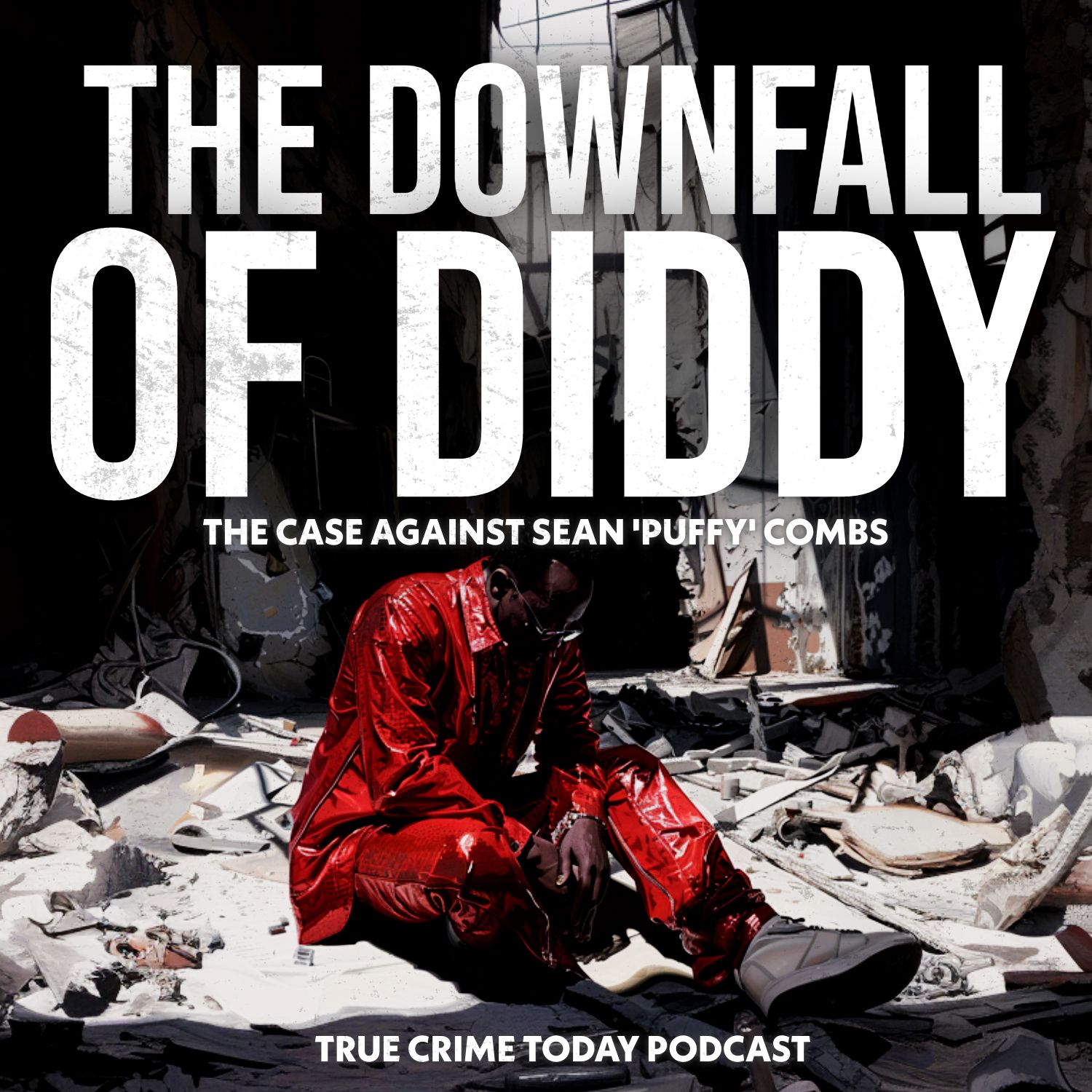
The Downfall Of Diddy | The Case Against Sean 'Puffy P Diddy' Combs
Diddy Trial Day 13: Mia’s PTSD, Night Terrors & the Life She Can’t Escape After Diddy
00:15:25
Loading summary
Transcript15 lines
- [00:00]
Tony Bruski
This is continuing coverage of United States vs Sean Diddy Combs from the Hidden Killers podcast and true crime. Today.
- [00:10]
Brian Steele
He told her, let's go to war. That's what jurors saw in a WhatsApp message from Sean Diddy Combs to his former personal assistant. No emojis, no wink. Just a cold, deliberate threat. And that was just one piece of what turned out to be one of the most emotionally devastating days in the federal trial against the music mogul. Friday, May 30, in a Manhattan courtroom packed with quiet tension and federal agents watching every detail. By this point in the trial, we were already 12 days deep. We'd heard allegations, seen headlines, watched old videos get dragged out of the vault. But nothing, nothing had landed with the raw weight of what Mia shared when she took the stand. Mia's not her real name, of course. She's testifying under a pseudonym for her safety. But that didn't make anything she said feel less real. In fact, the anonymity almost added to the gravity. This wasn't a woman looking for fame. This was someone who, by all appearances, had been dragged back into the light to face the darkest parts of her past. So let's back up a bit. Mia was more than just an assistant. She was part of the inner orbit, working for Diddy day in, day out for eight straight years. Years. She traveled with him, ran his errands, managed his chaos. She was, in her own words, always on, constantly in survival mode, never quite sure when the next verbal assault or worse might come. And then came the stories, the kind of stories that freeze a courtroom. Mia told jurors that Combs didn't just emotionally manipulate her, he raped her. Repeatedly. She said it happened during the course of her employment and that these weren't incidents he tried to cover up. Quite the opposite. According to her testimony, Diddy used those assaults as leverage. He allegedly reminded her of them later, using them to maintain control. The message was clear. Stay in line or the consequences would follow. One of those consequences, she told the jury, came in the form of an explicit death threat. Jurors were shown the message. Let's go to war. Combs texted her after she didn't respond to him fast enough. That wasn't a metaphor. That was a man, she said, reminding her who held the power. It wasn't just the language. It was the pattern. Mia painted a picture of psychological warfare that didn't rely on physical bruises every day, but on a kind of emotional scaffolding designed to keep her in a permanent state of fear and dependence. She Talked about night terrors. She told jurors she'd been diagnosed with complex ptsd. She described waking up in a cold sweat, haunted by threats and memories she couldn't shake. Now, here's where it gets even darker. Mia said it wasn't just her. She recounted an incident involving Cassie Ventura, Diddy's former long term partner. According to Mia, she witnessed Combs beat Cassie until her head was bleeding. That's not speculation. She was there. She saw it. And not only did no one intervene, she said, no one even acted surprised. This kind of violence, she testified, was just part of the atmosphere. Like bad weather, people learned to live with it, or at least pretend to. She shared a story about a trip to St. Barts on New Year's Eve. You might imagine that sounds glamorous. Private yacht, Caribbean water, champagne. But Mia said it was just another pressure cooker. She was instructed to count large stacks of cash in a safe onboard. Diddy became furious when she wasn't fast enough. That small mistake, she said, turned into a full on verbal assault, one of many over the years. She said the pattern solidified. He'd berate her, then shower her with praise. He'd humiliate her in front of others, then privately apologize in a way that made her feel like the chaos was somehow her fault. That, she explained, was the cycle. Abuse, reassurance, silence, repeat. And she stayed for eight years. Why? That's the question the defense would later lean on heavily. But from Mia's perspective, the answer was simple. She didn't think she had a choice. She was young, surrounded by enablers, and constantly reminded, either through threats or through silence, that what was happening wasn't seen as wrong in his world. She told the jury point blank. No one flinched. Not when he screamed, not when he threw things, not even when he hit someone. It was business as usual. And the consequences? They didn't end when she left the job, and she hasn't worked since. She says the trauma derailed her entire life. She can't keep a job, can't sleep through the night. She struggles to trust people. Her mental health is shattered. It wasn't just what happened in the moment. It was the long tale of emotional wreckage that came after. And here's the part that sat heavy in the courtroom. She said all of this calmly, steadily. No theatrics, no raised voice. Just a woman under oath laying out the pieces of a life she says was quietly dismantled behind closed doors. And throughout it all, Combs sat at the defense table, largely expressionless. He's pleaded not guilty to all charges, including sex trafficking and racketeering conspiracy. His lawyers say everything that happened was consensual. They don't deny he was at times aggressive, but they reject the idea that any of it was criminal. According to them, the prosecution is painting a false narrative, one built on hurt feelings and revisionist history. But on May 30, it was MIA's voice in the room. No legal motions were argued that day. No objections derailed the session. The court was laser focused on her testimony. That courtroom became a spotlight. And for once, it wasn't on the celebrity. It was on the assistant. Her words were clear, her tone was composed, but her meaning cut deep. I have not lied. Everything I've said is true. And that line, delivered with the weight of years behind it, set the stage for what came next. Because when court resumed after lunch, the defense wasn't about to let that statement go unchallenged. They were ready to come after her hard. Not with physical evidence or surveillance tapes, but with something more personal. Her own words, written during the years she now claims were the most traumatic of her life. The defense came in swinging. After a full day of gut wrenching allegations from Mia, the former assistant who told the court that Sean Diddy Combs raped her, threatened her life, and left her with lifelong psychological trauma, Combs attorney Brian Steele finally had his chance to hit back. And he didn't waste time easing in. This wasn't a soft, empathetic line of questioning. It was a surgical effort to dismantle every claim Mia had made by pulling one thread. Her own past words. Steel stood up and went straight for what he clearly believed would be his strongest weapon. Mia's own expressions of affection toward Combs during the very same years she said she was being victimized. Jurors were shown a scrapbook, Handwritten pages, carefully decorated, personal messages. One page stood out. A birthday letter Mia had written for Diddy's 45th birthday. In it, she'd called him legendary, praised his success, and wrote, I love you forever. Steele didn't read it quietly. He made sure the jury heard every word. He asked how someone could write that kind of note to a man she now claims raped her and controlled her through blackmail. There were also social media posts, photos of Mia with Combs, smiles frozen in time, captions full of admiration. She once publicly thanked him, called him a genius. He even joked about how exhausting but exciting the work was. And Steele was relentless. If you were really terrified, if he really did those things, why would you say this? Why would you give him a scrapbook it was the kind of cross examination designed to make jurors question not just the witness's story, but her entire identity. And in a different trial, or with a less prepared witness, it might have worked. But Mia didn't flinch. She didn't deny writing the messages. She didn't try to explain them away as fake or say she was forced to do it. Instead, she looked Steel dead in the eye and answered with five words that summed up the entire framework of her testimony. It's called psychological abuse. And that was the moment the temperature in the room shifted. She explained that the scrapbook wasn't some romantic gesture. It wasn't admiration. It was survival. She had learned through years of emotional manipulation that when Combs was angry, you smoothed it over. When he scared you, you praised him. When he threatened you, you got closer, not further away. That wasn't confusion. That was conditioning. The dynamic she described was eerily familiar to anyone who's ever studied coercive control. A cycle of abuse where fear and reward become inseparable. Mia said she was constantly chasing the calm between storms and that praise, gifts and loyalty became her currency of safety. She told the court she wasn't trying to win favor. She she was trying to not get destroyed. And in her world, that meant birthday letters that said I love you, even if everything behind those words was cracked. Steel wasn't buying it. Or at least he didn't pretend to. He doubled down. He said, essentially, if this man traumatized you so badly, how could you ever describe him with admiration in public? How could you not leave sooner? How could you celebrate him? Mia didn't offer long winded psychological lectures. She didn't cite textbooks. But she said what needed to be said. She told the court that her public facing loyalty to Combs didn't mean the abuse didn't happen. It meant she was still inside it. She explained that she was in her 20s, trying to make a career in an industry that revolved around him. Everyone around them either ignored the behavior or accepted it. Normal, she said. No one ever pulled her aside to say, this isn't okay. So she learned to normalize it, too. You adapt to survive, and sometimes that adaptation looks like a scrapbook. At one point, Steel asked the question as bluntly as it could be asked, isn't it true Mr. Combs never had unwanted, non consensual, forcible sexual contact with you? There was a long pause in the room, the kind that gets louder the longer it stretches. And then Mia answered, everything I've said in this courtroom is true. That was the spine of her cross examination. She didn't elaborate. She didn't fall apart. She didn't take the bait. She stuck to her story calmly and clearly, even while her own words from years prior were being used to suggest she'd invented everything. What Steele was trying to do wasn't just undermine her claims. It was to reframe the entire narrative. The implication was, you were happy. You celebrated this man. You stayed. That's not how victims behave. But what Mia demonstrated, intentionally or not, was that abuse doesn't always look the way people expect. It's not always visible bruises or screaming matches caught on camera. Sometimes it's a birthday card. Sometimes it's a fake smile at an awards show. Sometimes it's telling your abuser you love them. Because the alternative is being cut off, humiliated or worse. And even when Steele tried to challenge her on specifics, to catch her in contradictions or trip her up on dates, she didn't fold. She held her ground. She didn't over explain. She didn't embellish. She simply restated the facts as she remembered them. When asked if she'd exaggerated anything, she said no. When accused of lying, she repeated her stance. I have not lied. It was a slow, methodical pushback from the defense, but it never seemed to rattle her. At times, it felt like two people were having two completely different conversations. Steel trying to box her in with logic. Mia standing firmly in her lived experience. And then, just like that, the clock ran out. The cross examination wasn't finished. Judge Aaron Subramanian dismissed the jury for the weekend, instructing them not to discuss the case and to return fresh. On Monday morning, Mia would be back on the stand. Steele would keep pressing. But for now, her testimony stood untouched by legal rulings, with no motions interrupting the flow, no courtroom drama, no objections flying, just one woman holding the line. And whether you believed her or not, there was no denying this. She never wavered. And as the judge gaveled out for the day, it was her final words that still lingered in the air. Not the birthday cards, not the social media captions, just that one sentence. Everything I've said is true.
- [14:04]
Tony Bruski
In a world where the darkest secrets lie just beneath the surface.
- [14:08]
Brian Steele
They said it was an accident, but the evidence says otherwise.
- [14:12]
Tony Bruski
Where hidden killers roam unnoticed in the shadows.
- [14:16]
Brian Steele
I think you would definitely be looking at a blend of toxic, very bad, narcissistic personality traits. And they will be vengeful and possibly resort to violence.
- [14:26]
Tony Bruski
Join Tony Bruski as he uncovers the truth behind the most chilling cases.
- [14:31]
Brian Steele
They said it was an accident, but the evidence clearly says otherwise.
- [14:35]
Tony Bruski
Each episode, we dig deep into the minds of those who commit the unthinkable of narcissism. He thinks in his own mind how witty he is. Yeah, but he lost that jury. I was. I was done with him in two minutes. From Unsolved Mysteries to infamous crimes.
- [14:49]
Brian Steele
Geez, you've just talked about how you've taught yourself how to do everything under the sun. I bet you did a YouTube video. How to best kill somebody with a knife.
- [14:58]
Tony Bruski
Hidden Killers with Tony Bruski takes you where few dare to go.
- [15:01]
Brian Steele
How does someone with such a dark secret go unnoticed for so long?
- [15:06]
Tony Bruski
With multiple new episodes every single day.
- [15:08]
Brian Steele
We'Re not just telling stories. We're seeking justice.
- [15:12]
Tony Bruski
Listen now on Apple Podcasts or wherever you get your podcasts, just search for Hidden Killers with Tony Bruski.