← The Downfall Of Diddy | The Case Against Sean 'Puffy P Diddy' Combs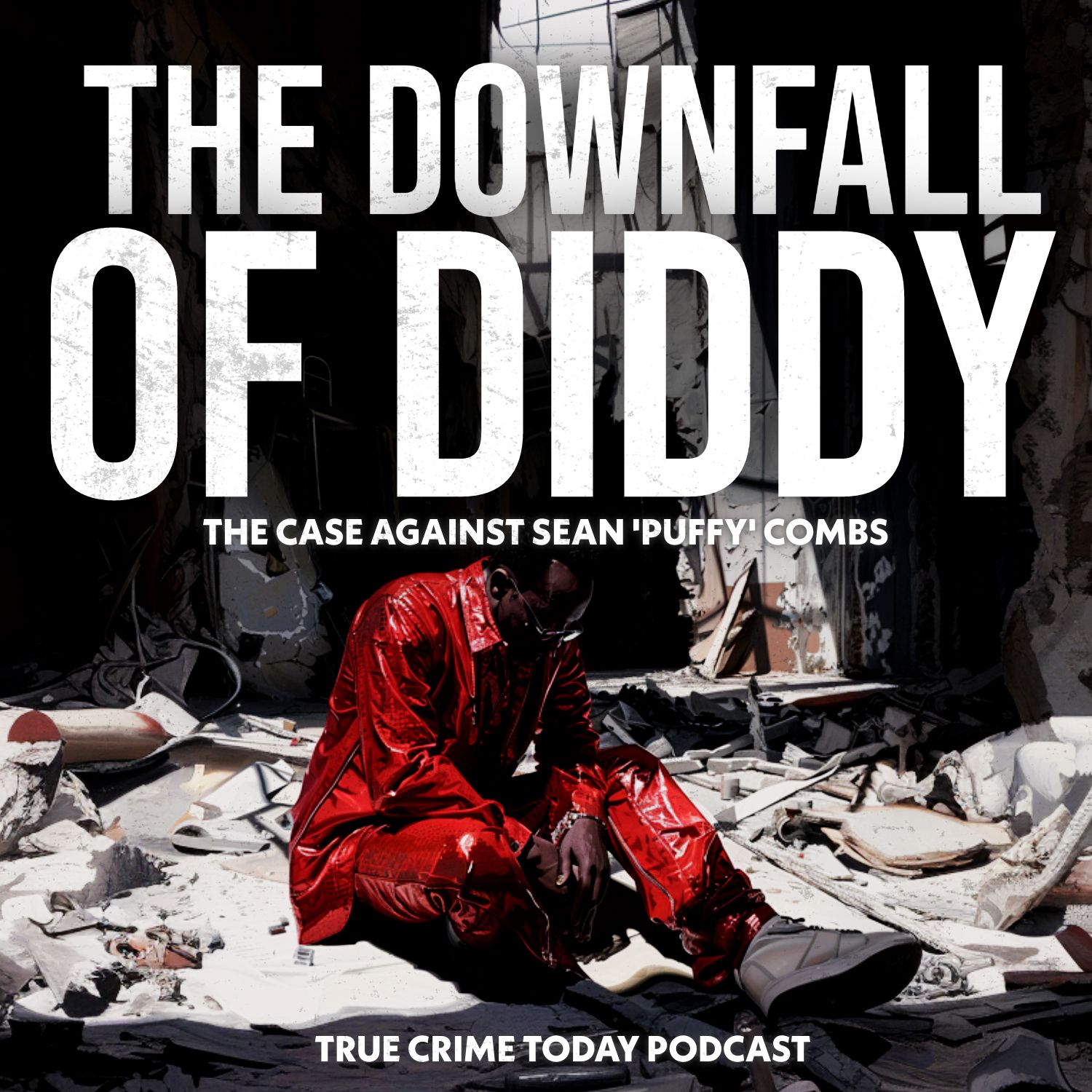
The Downfall Of Diddy | The Case Against Sean 'Puffy P Diddy' Combs
Diddy Trial Day 14: Hotel Records, Baby Oil, and Aliases: Inside the Wild Evidence Against Diddy
00:16:05
Loading summary
Transcript28 lines
- [00:02]
Lowe's Advertiser
Memorial Day deals are here at Lowe's. Get up to 40% off select major appliances, including Samsung. Plus save an extra $50 on every $500 you spend on select major appliances. $396 or more like the Samsung Bespoke AI laundry combo, the largest, capacity, fastest all in one laundry combo available that washes and dries in one machine. Lowes we help you save ballot 515 through 618. Selection varies by location. Total savings varies based on purchase amount. See Lowes.com for details. What is Daddication?
- [00:31]
Father
The thing that drives me every day as a dad is Dariona. We call him Dae Date for short. Every day he's hungry for something, whether it's attention, affection, knowledge. And there's this huge responsibility in making sure that when he's no longer under my wing that he's a good person. I want him to be able to sit back one day and go, we worked together. We did a good job.
- [00:52]
Lowe's Advertiser
That's dadication. Find out more@fatherhood.gov brought to you by the U.S. department of Health and Human Services and the Ad Council. What is daddication?
- [01:00]
Father
The thing that drives me every day as a dad is Dariona. We call him Dae Date for short. Every day he's hungry for something, whether it's attention, affection, knowledge. And there's this huge responsibility in making sure that when he's no longer under my wing that he's a good person. I want him to be able to sit back one day and go, we worked together. We did a good job.
- [01:21]
Lowe's Advertiser
That's dadication. Find out more@fatherhood.gov brought to you by the U.S. department of Health and Human Services and the Ad Council.
- [01:28]
Podcast Host
This is continuing coverage of United States versus Sean Diddy Combs from the Hidden Killers podcast and True Crime Today.
- [01:39]
Legal Analyst
You ever watch someone try to pretend a fire isn't happening while standing in front of a burning building? That's what it felt like watching the defense try to dismantle Mia's testimony today in the federal trial of Sean Diddy Combs. Only instead of smoke and flames, it was years of psychological manipulation, coercion, and if you believe the prosecution, abuse so insidious that even Mia's post employment text messages couldn't quite extinguish the truth. Day opened with defense attorney Brian Steele back at the podium, laser focused on one objective Take Mia's credibility and grind it down to dust. She'd already delivered several days of gut wrenching testimony, accusing Combs of everything from rape to violent emotional manipulation. Now it was the Defense's turn to try and convince the jury that none of it held water and steel came in swinging. First move display a curated reel of Mia's own words, the kind sent from a phone polished for public consumption. There were Instagram posts calling Combs a legend, text messages as recent as 2022, where she responded I love, love, love you to messages from him. Even a cheerful birthday video she'd once made for his 44th birthday. Grinning and gushing about how he was one of the biggest inspirations in her life, Steele tossed that one into the courtroom like a grenade. He asked her plainly, the man you're now calling a brutal abuser, was that the same person you praised on camera? Mia didn't flinch. Yes, she said. Her tone didn't waver. And so began the psychological tug of war. Steel pressed hard on the fact that Mia never called the police, never sought medical treatment, never snapped a picture or saved a voicemail. He kept returning to that gap, as if the absence of evidence erased the reality of what she claimed happened behind closed doors. At one point, he brought up a specific allegation, Combs slamming her arm in a door. No medical records, no scream, no witnesses, mia calmly explained. I was in shock. She didn't scream because she was stunned, not because it didn't happen. Steele didn't stop there. He dug into her employment record, claiming she'd been fired in 2017 for showing up late and drinking on the job. Mia again denied it flatly. According to her, the job ended under different circumstances. Still, to the jury, Steele was building a picture of someone unreliable, maybe even vengeful. The implication was clear. Could someone this inconsistent be trusted with the truth? Mia wasn't just sitting there taking punches. She explained why she had continued to message combs with love even after the alleged abuse ended. Her words were chilling. I was still psychologically under his control. She compared the relationship to a constant cycling between violent lows and euphoric highs, where affection was a reward and silence was survival. Brainwashed, she said. That was the word she used, like she was still under the influence of the man she'd finally broken away from. Then came the moments that shifted the energy in the room. Prosecutor Maureen Comey stood up and objected, not to a specific question but to the entire tone of the cross examination. She called it humiliating, harassing. She warned the court that this kind of cross could do more than just damage a witness. It could scare off other victims from ever coming forward. Eyes are on this trial, she told the judge. Victims in other cases are going to see how victims are treated. It was a bold move, almost a dare. If the justice system can't protect witnesses like Meya from being publicly gutted on the stand, who's going to come forward next? Judge Arend Subramanian listened. He didn't shut Steele down. Said he hadn't heard yelling, didn't think things had crossed a legal line. But he did issue a warning. Watch the tone, mind the form. Steel adjusted. The courtroom exhaled. When redirect began, the prosecution came back with precision. They didn't try to reinvent Mia's story. They clarified it, cleaned it up, put it in context. The affectionate posts, they were part of her job. Literally. Promoting combs on social media was written into her duties. The more flattering the post, the safer her position. If she slipped up, if she failed to praise him publicly, the punishment would come fast. Screaming humiliation, threats to her job. The cheerful Instagram clips weren't love letters. They were armor. The prosecutor guided Mia through each alleged assault, contrasting them against the curated highlight reel of her public life. Why didn't you post about the time he allegedly slammed Cassie's head into a bed frame? Because I would have been punished. Why no post about the time he allegedly threw a computer at your head? Same reason. Why didn't you post about the sexual assault? Her voice didn't crack, but the weight behind her yes, was enough. These weren't just omissions. They were survival mechanisms. Then the question of timing came back. Why did she wait until months into her cooperation with the government to disclose the rapes? Mia said it wasn't about deception. It was about fear. Even in front of prosecutors with a chance to speak safely, she was terrified to say it out loud. She had to process it, had to come to terms with it herself. The same man who'd once controlled her schedule, her public image, her perception of herself. He still loomed over her, even in absentia. And when she said it out loud, finally, in that courtroom, it wasn't with the theatricality of someone out for revenge. It was quiet. She said she didn't want to be there. She hated talking about it. This is the worst thing I've ever had to talk about in my life, she said she wasn't there for herself. She was doing it because she couldn't look her goddaughters and nieces in the eyes if she didn't. That's how she ended her time on the stand. Not with a dramatic flourish. No tears for the camera. Just a clear eyed, exhausted sense of duty. The kind of testimony that doesn't yell but echoes Judge Subramanian thanked her and dismissed her from the stand. Just like that, Mia's multi day testimony, the emotional spine of the prosecution's case so far, was done. But the prosecution wasn't done. Not by a long shot. Because what followed next moved the case from the deeply personal to something fun, far more tangible. Physical evidence, hotel records, surveillance footage waiting in the wings. If the emotional weight of Mia's testimony left the courtroom heavy, what came next was colder, cleaner. Less about feelings and more about facts. With Mia's story now in the record, the prosecution moved to show that it wasn't just her word. They were asking the jury to believe they had receipts. Literally. That's where Sylvia Okun came in. She's not a dramatic witness, not a victim, not someone with a tear soaked story. She's a records custodian for the Beverly Hills Hotel. Her job is to know who stayed where, when and what kind of mess they left behind. And when she took the stand, she brought with her a paper trail that painted a picture of excess. Excess that matched the accounts we've already heard in vivid, often disturbing detail. Okun testified that Sean Combs frequently checked into the hotel using aliases, not uncommon for celebrities. But these weren't subtle. Frank Black was one. Another was Philip Pines, which raised eyebrows in court because that name belonged to someone who used to work for Combs. It wasn't just a fake name pulled from thin air. It was borrowed identity. Why does that matter? Because prosecutors are building a case not just about abuse, but about control, about concealment, and about the machinery it takes to run the kind of lifestyle they say Combs was orchestrating. Then came the charges. Actual hotel bills. We're not talking about mini bar overages or late checkout fees. These were things like $300 for drapes so heavily soiled they needed specialized cleaning or $500 for something the hotel called oil damage to one of their private bungalows. Oken clarified that those kinds of charges only show up when the room has been damaged beyond typical use. In other words, not your average champagne and room service kind of stay. It didn't take much imagination to connect those details with what previous witnesses have described. Marathon sex parties dubbed freak offs, where baby oil was allegedly used by the gallon. Earlier testimony even mentioned investigators finding more than a thousand bottles of baby oil in Combs Residences. That number seemed cartoonish when we first heard it. But now here it was, showing up again, this time in a hotel invoice. Not alleged, not emotional. Just a receipt. A smudged fingerprint of truth. If you will on a paper trail that supports something much harder to stomach. Oken wasn't there to offer judgment or analysis. She read off dates, names, room numbers, and dollar amounts. But in doing so, she anchored the prosecution's case in a reality that even the most skeptical juror would have trouble waving away. And unlike Mia, who brought emotion and context, Oken brought neutral corroboration. There was no crying, no storytelling, just data and the implication that, yes, there's a pattern here. But even as the jury processed those ledgers, something bigger loomed in the background. A video, not yet shown, but waiting just off stage, like Chekhov's gun. The court took time before the jury arrived to debate the admissibility of what prosecutors are calling one of the most important pieces of evidence in the Entire trial, a 2016 surveillance video that allegedly shows Combs assaulting his then girlfriend, Cassie Ventura, in a hotel hallway. Now, if you've been following the case, you've already heard Cassie's name. She's been a central figure since the earliest days of the investigation. Her lawsuit was the first domino to fall, and many of the other witnesses have echoed themes that started with her allegations. But this video, if it gets in, changes everything. Because while most of the trial so far has rested on testimony, people recalling what they saw, what they felt, what they remember, this would be different. This is surveillance footage. Emotionless, unflinching, and not subject to cross examination. The judge didn't rule on it yet. Instead, he said they'd revisit once the proper foundation was laid. That's legal speak for wait until someone from the hotel gets on the stand who can authenticate it. That person, we're told, is coming tomorrow. Eddie Garcia, a security guard from the Intercontinental Hotel in Los Angeles, is expected to take the stand and confirm both the contents and the chain of custody of the video. If that happens and the video is admitted, it could be a turning point. Because there's a world of difference between hearing someone describe abuse and watching it unfold in grainy, time stamped footage. One engages the heart, the other the gut. Outside the courtroom, the story isn't slowing down either. This isn't just a trial about one man anymore. It's a broader conversation about power, celebrity, and whether people at the top are finally being held to account. On June 2, the ripple effects even reached the White House. President Donald Trump. Yes, that Donald Trump was asked about a potential pardon for Sean Combs. Trump said no one had asked yet, but if they did, he'd look into it. He claimed he hadn't been following the case closely. Whether that's true or not is anyone's guess. But the fact that the question was even raised tells you just how big this has gotten. And it wasn't just the political world chiming in from the shadows of a California prison, Suga Knight weighed into. Yes, Knight, the infamous Death Row Records co founder who once stood at the center of the East Coast west coast rap wars and is now serving time for manslaughter. Knight gave a phone interview to ABC News, where he made a pointed observation. His take? The industry itself is on trial, not just Combs. He warned that if the justice system only punishes one person, it risks missing the forest for the trees. According to Knight, the culture of trading sex for favors of unchecked exploitation has been part of the music business for decades. Combs, he said, shouldn't be the scapegoat for an entire machine. Now, you can take Knight's comments with as many grains of salt as you like. He's hardly a neutral observer, but it's telling that even from prison, he felt compelled to speak up. Because whether you believe Combs is guilty of everything alleged or not, this trial is clearly hitting a nerve across the industry. It's not just about criminal liability anymore. It's about accountability, about who knew what, who enabled what, and whether the glittering empire Combs built was constructed on the back of something much darker. And back in court, as prosecutors wrap up their emotional testimony and move toward harder evidence, cleaning fees, hotel aliases, and surveillance footage, you can feel the case shifting. It's moving from memory to record, from personal pain to provable logistics. What started with voices is now being backed by verifiable facts. And tomorrow, if that hallway video comes in, the jury won't just hear about the world Combs allegedly created.
- [16:10]
Podcast Host
They'll see it in a world where the darkest secrets lie just beneath the surface.
- [16:16]
Legal Analyst
They said it was an accident, but the evidence says otherwise.
- [16:20]
Podcast Host
Where hidden killers roam unnoticed in the shadows.
- [16:24]
Legal Analyst
I think you would definitely be looking at a blend of toxic, very bad, narcissistic personality traits, and they will be vengeful and possibly resort to violence.
- [16:34]
Podcast Host
Join Tony Bruski as he uncovers the truth behind the most chilling cases.
- [16:39]
Legal Analyst
They said it was an accident, but the evidence clearly says otherwise.
- [16:43]
Podcast Host
Each episode, we dig deep into the minds of those who commit the unthinkable. To your point of narcissism, he thinks in his own mind how witty he is. Yeah, but he lost that jury. I. I was. I was done with him in two minutes from unsolved mysteries to infamous crimes.
- [16:57]
Legal Analyst
Geez, you've just talked about how you've taught yourself how to do everything under the sun. I bet you did a YouTube video. How to best kill somebody with a knife.
- [17:06]
Podcast Host
Hidden Killers with Tony Bruski takes you where few dare to go.
- [17:09]
Legal Analyst
How does someone with such a dark secret go unnoticed for so long?
- [17:13]
Podcast Host
With multiple new episodes every single day.
- [17:16]
Legal Analyst
We'Re not just telling stories. We're seeking justice.
- [17:20]
Podcast Host
Listen now on Apple Podcasts or wherever you get your podcasts, just search for Hidden Killers with Tony Bruski.
- [17:34]
Lowe's Advertiser
What is Dedication?
- [17:35]
Father
The thing that drives me every day as a dad is Dariana. We call him Day Date for short. Every day he's hungry for something, whether it's attention, affection, knowledge. And there's this huge responsibility in making sure that when he's no longer under my wing that he's a good person. I want him to be able to sit back one day and go, we worked together. We did a good job.
- [17:56]
Lowe's Advertiser
That's dedication. Find out more@fatherhood.gov brought to you by the U.S. department of Health and Human Services and the Ad Council.
- [18:03]
Dr. Patrick McGrath
What if I told you that right now millions of people are living with a debilitating condition that that's so misunderstood many of them don't even know that they have it? That condition is Obsessive compulsive disorder, or OCD. I'm Dr. Patrick McGrath, the chief clinical officer of NOCD, and in the 25 years I've been treating OCD, I've met so many people who are suffering from the condition in silence, unaware of just what it was. OCD can create overwhelming anxiety and fear around what you value most, make you question your identity, beliefs and morals, and drive you to perform mentally and physically draining compulsions or rituals. Over my career, I've seen just how devastating OCD can be when it's left untreated. But help is available. That's where NOCD comes in. NOCD is the world's largest virtual therapy provider for obsessive compulsive disorder. Our licensed therapists are trained in exposure and response prevention therapy, a specialized treatment proven to be incredibly effective for OCD. So visit nocd.com to schedule a free 15 minute call with our team. That's nocd.com what is dedication?
- [19:04]
Father
The thing that drives me every day as a dad is Dariana. We call him Day Date for short. Every day he's hungry for something, whether attention, affection, knowledge. And there's this huge responsibility in making sure that when he's no longer under my wing that he's a good person. I want him to be able to sit back one day and go, we work together. We did a good job.
- [19:25]
Lowe's Advertiser
That's dadication. Find out more@fatherhood.gov brought to you by the U.S. department of Health and Human Services and the Ad Council. What is dadication?
- [19:33]
Father
The thing that drives me every day as a dad is Dariona. We call him Dae Date for short. Every day he's hungry for something, whether it's attention, affection, knowledge. There's this huge responsibility in making sure that when he's no longer under my wing that he's a good person. I want him to be able to sit back one day and go, we worked together. We did a good job.
- [19:54]
Lowe's Advertiser
That's dedication. Find out more@fatherhood.gov brought to you by the U.S. department of Health and Human Services and the Ad Council.