← The Downfall Of Diddy | The Case Against Sean 'Puffy P Diddy' Combs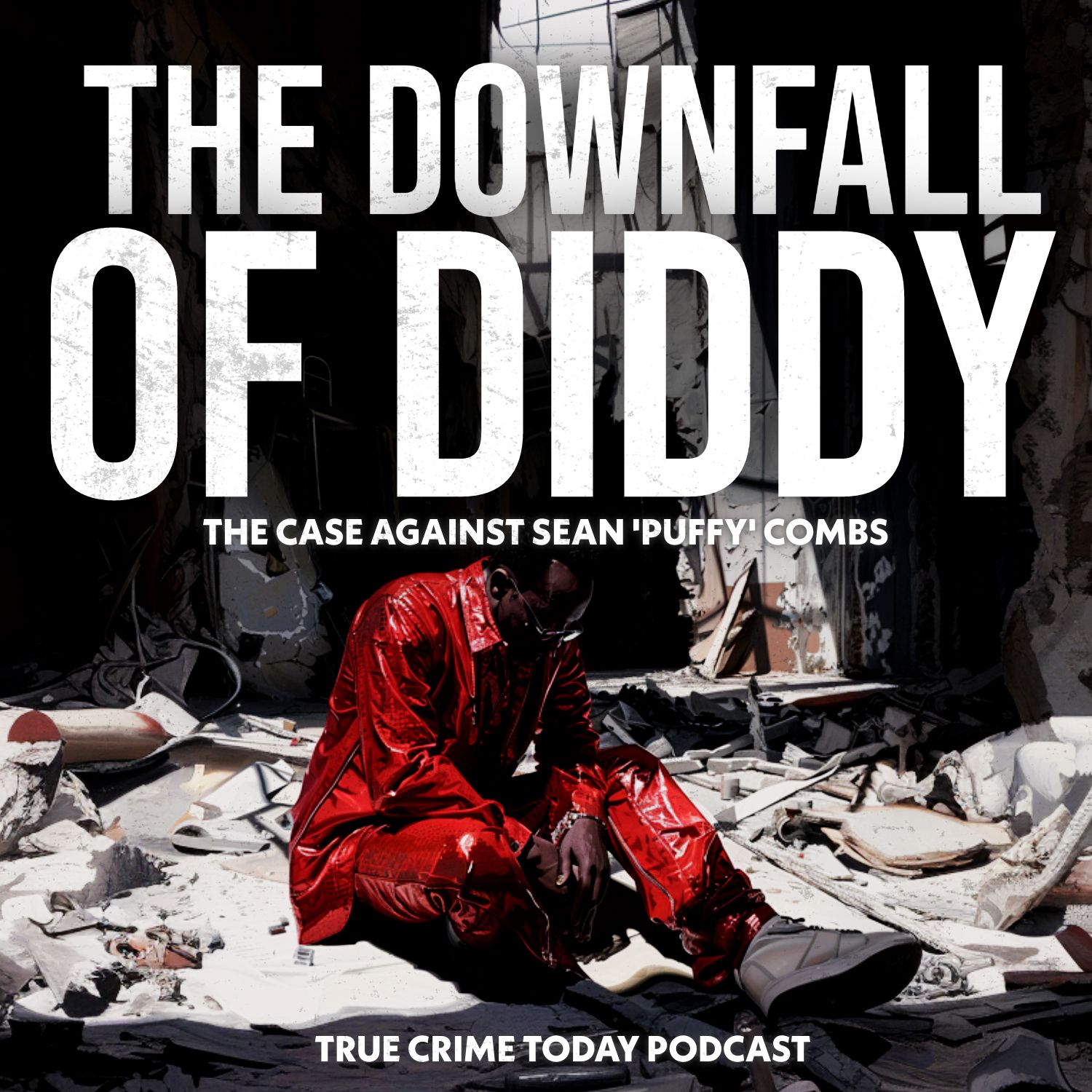
The Downfall Of Diddy | The Case Against Sean 'Puffy P Diddy' Combs
Full Breakdown Of Diddy's Closing Arguments, Will It Be Enough To Save Him
00:35:01
Loading summary
Transcript7 lines
- [00:00]
Wix Marketing Representative
You know where your business would be without you. Imagine where it could go with more of you. Well, with Wix you can create a website with more of your vision, your voice, your expertise. Wix gives you the freedom to truly own your brand and do it on your own with full customization and advanced AI tools that help turn your ideas into reality. Grow your business into your online brand because without you, the your business is just business as usual. Go to wix.com Running a business is hard work.
- [00:33]
Tony Bruski
Building your website shouldn't be. With Wix, you can express your ideas, give direction, then leave the heavy lifting to AI, from site creation to branded content and images. Have fun with the details, customize what you want the way you want, and manage your whole business from a centralized dashboard with expert AI tools. Build, scale and enjoy the incredible results. You can do it all yourself on wix.
- [01:00]
Wix Marketing Representative
If you work in quality control at a candy factory, you know strict safety regulations come with the job. It's why you partner with Grainger. Grainger helps you find the high quality and compliant products your business needs to inspect, detect and help correct issues. And the sweetest part is everyone gets a product that's as safe to eat as it is delicious. Call 1-800-GRAINGER Click grainger.com or just stop by Grainger for the ones who get it done.
- [01:30]
Dr. Dennis Black
Discover the life Changing benefits of Meow Greens for your cat Ever see your cat slowing down or having health issues and wonder what can I do to make them better? Well, my friend, add Meow Greens to your cat's food for 90 days and I guarantee you'll see changes that will amaze you. Greetings. I'm naturopathic doctor Dennis Black, inventor of Meow Greens, and I invite you to take the Meow Greens 90 day challenge. In the first 30 days, you'll see shinier coats and increased energy. By day 60, your cat will have a stronger immune system, less shedding, improved joint function, all due to the live nutrients that you've added to their diet. And at 90 days they're going to have better digestion, reduced inflammation, improved heart health, and you may even have reduced their cancer risk. Fetch a free Jumpstart trial bag for your cat today. Go to try Meow Greens.com use promo code try Meow. That's try Meow. You just cover the shipping. You don't have to change your cat's food to improve your cat's health. Just add a packet of Meow Greens.
- [02:30]
Tony Bruski
This is continuing coverage of United States vs Sean Diddy Combs from the hidden Killers podcast and True Crime Today, Sean Didcombe's defense team began their closing arguments by painting a starkly different portrait of a man on trial denial than the one presented by prosecutors. How could that be? We're gonna get into the defense's arguments, we're gonna break it all down and into their closing argument. Specifically, what did Mark Agnifolo present to the jury today? That's what we're about to get into. Before we do that though, be sure to press subscribe wherever you are downloading podcasts. You don't miss any of our coverage of this case or the many that we cover for you here at the Hidden Killers podcast and True CR. And be sure to check us out on YouTube if you're not already there. Right now, just search Hitting Killers with Tony Bruski so you can be part of our conversation about all of these cases. So lead attorney Mark Nifolo opened with the premise that the government's case is badly, badly exaggerated. Essentially a false trial, he called it, concocted by overzealous prosecutors. Instead of a predatory kingpin, Agniphilo cast Combs as a self made, successful black entrepreneur and family man who has uplifted others. Don't look at that video of him stomping on Cassie's head in the hallway. Pacing before the jury box, he highlighted Combs rise from a 24 year old upstart to a mogul who built wonderful, sophisticated real businesses. Stomps on his girlfriend's head. Oh, he didn't put that part in there. Wonderful, sophisticated real businesses that stood the test of time. I'm gonna say Bad boy records. And Sean John did not stand the test of time because, well, mainly of Sean John anyway. He noted that Sean Combs championed diversity, equity and inclusion long before it was trendy. Doing this in 1993. Not because some government told him to, the lawyer emphasized, to humanize the star. Agnivolo introduced the jury to Combs mother and six children seated in court. And I don't know if Mark was talking like that, but that's how he's talking in this video. And even pointed out one ex girlfriend in attendance, pseudonym Jane, to show how Combs supports people in his life. The man takes care of people, he declared, referencing Combs ongoing financial support for that former partner. I know she's doing okay in a house he paid for. This opening set the tone. The defense urged jurors to see Combs as generous, loving, a figure ensnared by a distorted narrative rather than the mastermind of a criminal enterprise. So how do they continue to tie these dots together? It was a lifestyle, not trafficking or consensual sex. Drugs versus criminal accusations. Central to the defense's closing was the argument that Combs wild lifestyle was not a criminal enterprise but a private realm of consensual adult activities. Agnifolo told the jury bluntly that the only crime scene is your private sex life, according to government of accusing rather the government of improperly policing Combs bedroom and personal vices. He acknowledged that Combs indulged in hedonistic lifestyle drug use freak offs days long drug fueled fueled group sex parties, but argued these acts did not amount to sex trafficking or racketeering crimes. You want to call it swingers, you want to call it threesomes. That's what it is. That's what the evidence shows, he explained, insisting that all participants were willing adults, even if the behavior was unconventional. He then removed his clothes and demonstrated it in court and had a freak and I'm kidding. That did not happen. That'd be pretty fucking weird though, wouldn't it? Anyway, the defense conceded certain unflattering facts in order to draw a clear line between immoral or ugly behavior and illegal conduct. He obviously had a drug problem, no question, Agnifolo said of his client, admitting Combs struggled with cocaine and other substances. However, he argued the drugs were for personal use among friends. Try arguing that in a drug court it was for personal use among friends, not a distribution scheme. The staff may have procured or procured drugs, but only to keep Combs parties going, not to sell on the streets. Likewise, the group sex and multiple partner relationships were described as consensual polygamy, not coercion. Agnifolo flatly rejected the idea that Combs forced anyone into these acts. In fact, he suggested the opposite, that Combs partners derived enjoyment from the sex. In a provocative flourish, he told jurors, she's a woman who actually likes sex. Good for her. She's beautiful. Jesus. Referring to Cassie Ventura, Combs ex girlfriend and accuser. After everything she testified to confer her she's beautiful. Oh, that's not tone deaf or anything. All while his kids and mom are sitting right there in the front row hearing this stuff. What kind of life is this? I mean, this is so far beyond the realm of normal or healthy, it's insane. Listen, while Daddy's attorney explains his group orgy sex parties and beating women and tries to justify it. All right, kids, everything's great, huh? Here's your allowance. $10,000 a day. I have no idea what they make. So he says to Cassie, good for her. She's beautiful. Returning to referring to Cassie, implying her active sexuality is evidence she was not a victim. By researching the lurid freak offs as consensual swinger parties rather than trafficking, the defense aimed to erode the prosecution's claim that force, fraud or coercion were invol involved in those encounters. To further his point, Agniphila reminded jurors how much love and affection predated the testimony. Despite the salacious details, he noted that according to trial transcripts, the word love was uttered nearly 900 times by prosecution witnesses. Even the government's own witnesses often spoke of caring about Combs. The defense seized on this, arguing it supports Combs narrative of consensual relationships. Agniphilo even urged jurors to read the text message exchanges between Combs and Cassie Ventura, some of which had been entered into evidence, calling them some of the most beautiful things you've ever read. If you've never truly experienced love or reciprocal love in a relationship, you will cry, he promised Jesus. Some of the most beautiful things you've ever read, you will cry. Describing the couple's intimate messages. Those texts, he argued, reveal a passionate love story. Turbulent and intense, yes, but fundamentally a great modern love story rather than the saga of cold blooded exploitation. If racketeering conspiracy had an opposite, it would be their relationship. Agnifolo proclaimed, asserting that the genuine devotation between Combs and Ventura was the antithesis of a criminal conspiracy. By emphasizing the emotions, voluntary nature and even a romance behind Combs relationships, the defense contended that the sex trafficking charges are misplaced. In their view, the government was trying to transform a complicated love life into a federal crime, an overreach the jury should soundly reject. So feels a little overplayed thus far, but okay, tell me what your thoughts on it so far. There's more to come right here. So he did acknowledge faults, but denied the crimes. We own it. That's not charged. Throughout the summation, the defense walked a careful line of acknowledging Combs personal misconduct while denying that he committed any federal crimes. This strategy was laid bare when Mark Agnipolo addressed the abuse allegations. Domestic violence is the issue, he told the jurors candidly. We own it. That's not charged. In that moment, the normally fiery defense attorney adopted a sober tone, essentially conceding that Combs had been violent or abusive in some of his intimate relationships. A remarkable admission. Agnifolo even said Combs would have pled guilty if he were charged with assault or domestic violence stemming from those incidents. But he stressed domestic violence is not what this trial is about. By owning Combs moral failings that were outside the indictment, it's sounding more and more like Trump, isn't it? Sorry. The defense aimed to build credibility with the jury. It was a way of saying, yes, Sean Combs has flaws, even serious ones, but he's not guilty of a specific federal offense. The government has piled on. After clearing the air on that point, Agniphilo pivoted back forcefully to what Combs didn't do. He didn't kidnap anybody. He didn't obstruct justice, he didn't bribe anyone, the law lawyer asserted empathetically. Combs may have did what he did, referring to things like infidelity, heated arguments or drug fueled excess, but he's going to fight to the death to defend himself against what he didn't do. This was a refrain the defense hammered. Combs refuses to be punished for crimes he insists he never committed by acknowledging what he did, like being a bad boyfriend or a heavy drug user. While separating out the charged crimes as baseless, the defense tried to position Combs as honest about his imperfections yet firmly innocent on the charges at hand. The message to the jury was clear. Do not convict Sean Combs as a proxy for being a flawed or even abusive partner. Only judge him on the actual charges and on those. The government has not proven its case, he argued. After establishing their overreaching theme, Combs attorneys dived into specific allegations underlying the racketeering and trafficking charges, systematically challenging each one. Their approach was to raise doubts about every key incident the prosecution touted, arguing that evidence was lacking or stories didn't hold up under scrutiny. Kidnapping claims One of the racketeering or one of the racketeering predicate axe alleged was kidnapping. Notably an episode where Combs former assistant Capricorn Clark testified that she was coerced into an extended five day lie detector ordeal after Combs suspected her of disloyalty. The prosecution cast this as a psychological kidnapping. Igno vehemently disagreed. Clark went home every day, he told jurors, emphasizing that he was not held in captivity. She was not held in captivity continuously. So what is the government alleging? He exclaimed, half shouting in disbelief. Yes, Clark was put through an unsettling experience. I have no doubt that she was unsettled, he conceded. But she was not kidnapped in the literal sense. The defense attorney's voice bristled with indignation as he essentially asked the jury to use common sense. If Someone goes home each night to try and sleep in their own bed. How can we say they were Kid? Similarly, Agnifolo addressed another incident in which Combs allegedly appeared at Clark's house with a firearm to force her to accompany him, purportedly on a mission to confront rapper Kid Cootie. He didn't need a gun, he didn't have a gun, ignipolo said, flatly dismissing the idea that Combs threatened Clark at gunpoint. According to the defense, this was not a violent abduction at all, but perhaps a heated confrontation blown out of proportion. By casting doubts on these stories, the defense urged jurors to reject the kidnapping allegations as unsupported by real evidence of forcible restraint. Another dramatic accusation in the case was that Combs orchestrated the firebombing of Kid Cootie's Jaguar in 2012 as revenge because Cootie had dated Cassie Ventura. Prosecutors argued basic logic pointed to Combs involvement, painting him as a vengeful mastermind. But the defense ridiculed this theory as why speculation. Agniphilo called the idea nonsense and empathetically told jurors, there is no evidence, I mean, no evidence that he had anything to do with the Porsche. Referring to Kid Cootie's sports car, he suggested the prosecution's theory required a leap of faith and reminded the jury that not a single piece of direct proof tied Combs to the car explosion. To offer an alternative narrative, Ignifolo described Combs anger over Cassie and Cootie. In simpler terms, if anything, Combs might have wanted a face to face confrontation with Cootie, not a secret arson plot. Really? Then why did he suggest that he might blow up his car earlier and allegedly apologized for it later? They were going to do what men do, they were going to have a fist fight, he said, imagining Combs mindset. You're messing with my girl, I'm coming to your house and we're going to fight. In other words, if jealousy did motivate Combs, the defense argued, it would have led to a macho scuffle. Fists, not firebombs. To reinforce the signifolo pointed to an email Ventura wrote shortly after the car explosion, which the prosecution had entered into evidence. In that email to her mother and to Capricorn Clark, Cassie recounted that Combs had threatened to release her sex tapes and to physically harm Scott, Kid Cootie's real name, Scott, during a furious rant. Notably, what wasn't in her email was any mention of Kid Cudi's car blowing up. If Combs truly ordered Cootie's car torched. Wouldn't Cassie, who was by then scared and documenting Combs threats, have mentioned that colossal act of revenge? The defense argued this omission was telling. Cassie did not connect Combs to the arson at the time, which raised doubts about whether the firebombing was really Combs doing it all. By highlighting the absence of evidence and logical inconsistencies behind the arson claim, the defense had to neutralize one of the prosecution's most sensational stories. Then there's bribery of a security guard in the hotel footage. You know that hotel footage. The racketeering charge also included an allegation that Combs bribed a security guard to hide evidence of a crime. This stemmed from a 2016 incident at the Beverly Hills Hotel where Combs allegedly assaulted Cassie in a stairwell. An assault caught on surveillance video. I don't believe there was Beverly Hills Hotel, though. I believe there was Intercontinental hotel. The. Oh, 2016. Okay. Was the. The video that we've all seen was actually the Intercontinental. I believe it's no longer that. Though. Prosecutors claim Combs team paid off a witness, a security staffer, to make the video disappear, calling it an attempt to cover up a crime and obstruct justice. In his closing, Ignifolo acknowledged something happened with that footage. Combside did not seek out the tape, but he offered a very different spin on the motive. According to the defense, Combs wasn't worrying about police. He was worrying about tmz. Money is involved and people want a payday, Agniphilo said of the hotel staff, implying that an employee might be tempted to sell a celebrity scandal video to the tabloids for profit. Combs, with a reputation on the line, knew this, knew they're not worried about the police, he added, referring to those staffers, meaning the hotel security's instinct would be to profit from the tapes, not to turn it over to law enforcement. Thus, any money Combs or his associates offered was to buy the tape for privacy reasons, not to bribe officials or impede a criminal case. Whatever way. You gotta pretzel that in your head to make it work. Go for it, Mark. Framed this way, the incident wasn't a criminal bribe. It was a celebrity trying to prevent a personal humiliation from going public. Yeah. Agnifolo argued, there was no corrupt intent to hide evidence from authorities. A tape of you beating the shit out of a woman. No corrupt intent to hide evidence from authority. This is. This wasn't a tape of you flooding the bathtub at the Intercontinental and laughing about it. Ha, ha. We're flooding the room. No, this was you brutally beating a woman in the hallway and dragging her through the hall back to your little freak off. And you don't want the authority. You're totally cool. If you were totally cool, Diddy, you would have been totally cool. If that security guard had kept the tape, made money on it. But obviously authorities would have found out about it. Either way, that man keeps that tape. It's going to be found out by authorities whether somebody profits on it or not. It's not about motive. It's what's on the tape. This is how you try and pretzel things around for a jury. If you're a defense attorney, make him see it from a different perspective. He's doing his job. The interpretation undercuts the prosecution's claim that the payout was part of a racketeering cover up. The defense asked jurors to see it as an understandable, if unseemly, active damage control, not proof of Combs was running his own obstruction squad. By meticulously countering each allegation in the manner, the defense tried to leave jurors with the impression that every pillar of the government's case was shaky. If the sex was consensual, the drugs for personal use, the kidnapping a misunderstanding, the arson unsupported and the supposed bribe a mischaracterization attempt to avoid embarrassment. Then, they argued, the grand narrative of Combs is a violent sex trafficker and racketeer falls apart. In Agniphilo's words, the prosecutors look or took personal use, drugs and threesomes and tried to apply one of the most serious, complicated statutes on the books to them. It was, the defense maintained, justice turned upside down, and then they wanted to go after the accuser's motives. It's all about the money, they say. A reoccurring refrain of the defense's closing arguments was the attack on the motives and credibility of Combs accusers. Agnifolo suggested that the woman and former employees who testified against Combs had financial incentives to distort or exaggerate their stories. He reminded the jury that many of those accusers did not initially go to the police or FBI with their allegations. Instead, their first move was often to file civil lawsuits or seek settlements. Why, in actuality, this is all about money, agnifolo argued bluntly. The defense pointed to high profile civil attorney Tony Busby's involvement, though not by name in court. And the flurry of lawsuits against Combs had sprung up around the same time as the criminal case this context, they implied, shows that suing for damages, not seeking justice, was the accuser's real priority. Even those who took the stand, Agnifolo noted, often only spoke out after years of silence and usually in tandem with monetary demands. Furthermore, the defense reminded jurors that several prosecution witnesses had enjoyed long relationships or enjoyment with Combs and once spoke of him with admiration. Agniphilo recounted how multiple former staff members testified they loved working with Combs. They loved him, they loved him. Even the ones that are suing him, he stressed, repeating the point for emphasis, this duplicity. Loving him, then suing him, was presented as reason to doubt their sincerity. Maybe these individuals were rewriting history for a payday, the defense implied, turning consensual or at least private turmoil into claims of victimization. One striking example came when Agniphilo gestured to Combs ex girlfriend known as Jane, a pseudonym for one accuser who was sitting in court. He pointed out that Combs had bought her a house. He continued to support her financially. The subtext of the jury was clear. If Combs were truly a monstrous abuser, would this person still be benefiting from his generosity? By referencing such ongoing support, the defense insinuated that at least some accusers maintained positive or dependent relationships with Combs until it became lucrative not to. In highlighting affectionate texts, gifts and long term loyalty that preceded the falling outs, the defense urged jurors to question whether Combs accusers were testifying out of genuine trauma or opportunism. Agnifolo's message was that the courtroom had been flooded with people who at one time deeply cared for Combs or profited from him, now trying to portray him as evil. Once there was money on the table, this theme cast a long shadow of doubt. If the jury believed the accusers were exaggerating or lying for money, then the prosecution's entire story would collapse under questionable credibility. Style was nearly as important as substance. In the defense's closing arguments, Mark Agnifolo delivered a fiery, freewheeling summonation that stood in stark contrast to the prosecution's cool, methodical presentation the day before, where the lead prosecutor had used slides and a calm, step by step review of evidence, Agniphalo went full bore on passion and personality. He paced in front of the jury box, rarely stood still at the podium, and at times raised his voice to a shout. In his words cracking with emotion, he spoke of the cutoff for long stretches, occasionally glancing at a notepad, but largely eschewing visual aids or a strict script. In fact, aside from a single poster board, a blown up photo of Combs grinning with his staff like one big happy family. The defense opted for words over graphics. The approach seemed calculated to make Nifolo appear more authentic and relatable to the jury, as if he were speaking from the heart rather than delivering a canned presentation. At times, his theatrics provoked drama of their own, and Luffalo's impassioned critiques of the government bordered on accusatory, leading him to imply the prosecution had charged Combs unfairly during one such rift. Or he suggested the U.S. attorney's office had overstepped in its charging decisions, a comment that triggered an immediate objection from the prosecution. The judge halted proceedings to instruct the jury to disregard that remark, agreeing that Agnipolo's comment was out of bounds and reminding the defense to stick to evidence, not prosecutors motives. Chastained but understated and undeterred, Agniphilo resumed his summation after the break, if anything, appearing even more animated once the jury returned. Observers noted that Sean Combs, who had slouched impassively through the prosecution's five hour closing, sat up attentively and watched his attorney's performance with a keen interest. Even got up and danced little bit. No, he didn't. And markedly different demeanor, indicating he was energized by the defense's vigorous stand. Agnipolo skillfully wove sarcasm and humor into his arguments to undercut the prosecution's most salacious evidence. For instance, referring to the boxes of sexual lubricant, the Astro Glide that agents seized from Combs home items the prosecution highlighted to illustrate the scope of his sex parties, Agniphilo struck a tone of mock outrage. Boxes of Astro Glide. Take him to the streets. He cried out theatrically, hands in the air as if announcing a dire threat. Laughter rippled. Even some defense team members at the table struggled to suppress grins as he lampooned the idea that possessing lubricant was proof of a crime. Thank goodness for the special response team. They found the baby oil, they found the Astro Glide, he quipped, dripping with irony. Through this ridicule, Agniphilo aimed to convince jurors that the government's case was not only wrong but absurd, that agents and prosecutors had spent seven weeks of trial harping on trivial consensual details to manufacture a criminal narrative. Every time he exaggerated the prosecution's focus on sex, the paraphernalia or private kinks, he invited the jury to see the overreach and shake their heads. Defense's tone wasn't all jokes, though, Agniphilo was equally fervent when appealing to jurors sense of justice. He often bellowed and literally mocked the government's arguments in an impassioned voice, as if he offered, or rather offended on a personal level by the charges. At one point he stepped away from the podium, paced directly in front of the jurors, and in a staccato, incredulous tone, he repeated the government's central accusation with a dismissive twist. A racketeering kingpin? Are you kidding me? Are you kidding me? He let the question hang in the air, driving home how preposterous he found that label. This visceral delivery was designed to sway the jury emotionally, not just logically. Agnifolo wanted them to feel the injustice he felt on Combs behalf, to react with the same skepticism and indignation towards the prosecution story. By the end of the closing argument, the contrast in styles was likely clear in the jurors minds. The prosecution had offered a spreadsheet of crimes. The defense offered a story, one filled with love, drama and flawed humanity, delivered with fire and conviction. Agniphalo's closing was as much a performance as it was a legal argument, but it was a performance grounded in specific counter evidence and alternative explanations for each charge. This bend of facts and flair was the defense's final gambit to win over the jury. In his concluding appeal, Mark Igniflo returned to the core narrative he began with that Sean Combs is a flawed man but not a crime boss, and that the government's case had twisted personal problems into federal offenses. He implored the jurors to see through the sensationalism and consider the actual burden of proof. The prosecution, he reminded them, must prove beyond a reasonable doubt that Combs knowingly operated a criminal enterprise and committed the specific crimes alleged. After the defendant's systematic deconstruction of those allegations, Agnifolo argued that burden has not been met. He asked the jury to remember the real people and relationships behind the lurid stories. This trial, he suggested, was never truly about interstate prostitution or racketeering. This trial is about love. This trial is about jealousy. It's about infidelity, he insists, bringing that focus back to human frailties rather than organized crime. Yes, there was infidelity. Yes, there was jealousy, and there was even cruelty at times. But none of it, he maintained, was a federal crime. The defense's view? The government had overreached trying to criminalize sinful behavior or morally dubious choices without real evidence of statutory violations, Agniphilo's final message was that the jury should not be swayed by the smoke and mirrors of a dramatic prosecution that played up salacious details. Instead, they should weigh the evidence coolly and recognize, as he put it, that the case against Combs was badly exaggerated from the start to finish. Sean Combs, he reminded them one last time, truly, truly loved Cassie Ventura and cared for those around him, however imperfectly. Ventura, for all the pain in the relationship, is no victim, he said. There's a video of him stomping on her head. I think she's a victim. Not in the legal sense that would justify a conviction, he said. The defense beseeched the jury to not let Combs celebrity or the scandalous headlines cloud their judgment. Look at the facts, agniphilo urged. Consenting adults, not sex slaves. Chaotic parties, not human trafficking. Personal grudges, not felonies. For every claim the government made, he argued, there was an alternate innocuous explanation or a glaring lack of proof. In closing, Nymphalo's voice rang with resolve, as if he portrayed Combs as a man who has owned up to his personal mistakes but will fight to the death to clear his name of crimes he did not commit. The courtroom fell silent as he likely reminded the jury of the stakes Combs life, legacy and freedom hung in the balance. It was now up to them, he said, to deliver true justice by rejecting the government's overblown case and finding Sean Diddy Combs not guilty. Throughout the defense's closing arguments, the narrative had come full circle, from a false portrayal of a hip hop mogul as a mobster back to the reality of a man with human vices and virtues. And in that final moment, Agniphiolo sought to ensure that when the jurors left the courtroom to deliberate, they carried with them a story far different different from the prosecution's one where love and consent trumped violence and fear and where exaggeration and opportunism, not proof, were at the heart of the charges. By focusing exclusively on the defense's version of events, stripped of the prosecution's framing, he aimed to leave the jury with more than reasonable doubt. He aimed to leave them with a conviction of their own that the fairest verdict would be an acquittal, restoring Sean Diddy Combs freedom and repudiating what the defense had branded as misguided prosecution. What do you think? It was quite a closing argument. I will give it that. Has the prosecution met their burden of proof? I will say they were kind of light. I was expecting more. I don't know how much more the witness who went missing was going to be adding to the mix. But her no show once it began I think put a bit of a dent. But is there enough to convict him on at least one of the charges? Curious to get your opinion. Let me know in the comments section on YouTube if you're listening to us on the podcast platform. Well hit subscribe there but also check us out on YouTube. Just search Research Hidden Killers with Tony Bruski and let me know in the comments what you think of the defensive ditty's closing arguments today. Very curious to hear your thoughts. We'll keep covering it and let you know what happens. Like I said, press subscribe so you don't miss any of it. My name is Tony Bruski and we will talk again real soon. Craving Non Stop True Crime Updates Press subscribe now and get the like latest cases, analysis and expert commentary delivered straight to your feed only from the Hidden Killers podcast and True Crime Today.
- [37:31]
Dr. Dennis Black
Discover the life changing benefits of Meow Greens for your cat Ever see your cat slowing down or having health issues and wonder what can I do to make them better? Well my friend, add Meow Greens to your cat's food for 90 days and I guarantee you'll see changes that will amaze you. You Greetings. I'm naturopathic doctor Dennis Black, inventor of Meow Greens and I invite you to take the Meow Greens 90 day challenge. In the first 30 days you'll see shinier coats and increased energy. By day 60, your cat will have a stronger immune system, less shedding, improved joint function, all due to the live nutrients that you've added to their diet. And at 90 days they're going to have better digestion, reduced inflammation, improved heart health, and you may even have reduced their cancer risk risk. Fetch a free Jumpstart trial bag for your cat today. Go to try Meow Greens.com use promo code try Meow. That's try Meow. You Discover the shipping. You don't have to change your cat's food to improve your cat's health. Just add a packet of Meow Greens. Discover the life changing benefits of Meow Greens for your cat. Ever see your cat slowing down or having health issues and wonder what can I do to make them better? Well, my friend, add Meow Greens to your cat's food for 90 days and I guarantee you'll see changes that will amaze you. You Greetings. I'm naturopathic doctor Dennis Black, inventor of Meow Greens and I invite you to take the Meow Greens 90 day challenge in the first 30 days, you'll see shinier coats and increased energy. By day 60, your cat will have a stronger immune system, less shedding, improved joint function, all due to the live nutrients that you've added to their diet. And at 90 days, they're going to have better digestion, reduced inflammation, improved heart health health and you may even have reduced their cancer risk. Fetch a free Jumpstart trial bag for your cat today. Go to trymeowgreens.com use promo code TRY MEOW. That's TRY M E O w you just cover the shipping. You don't have to change your cat's food to improve your cat's health. Just add a packet of Meow Greens.
- [39:32]
Wix Marketing Representative
Discover a smarter way to manage your law firm with filevine no, we're not filing Vines unless Tarzan got his law degree. We're revolutionizing how legal teams operate. Filevine is your all in one solution for managing new leads business analytics, accounting, billing, and comprehensive case management. Imagine having all your firm's needs streamlined in one place, giving you more time to focus on what truly matters your clients. With filevine, you can easily track and manage your cases from start to finish, ensuring nothing slips through the cracks. Our platform offers robust tools that help you analyze business performance and optimize your operations. Whether you're handling billing or diving into detailed analytics, filevine has you covered. Ready to transform your practice. Start your free trial now by visiting filevine.com Experience the ease and efficiency of a system designed specifically for the legal industry. Filevine, where your firm's success is just a click away.