← The Downfall Of Diddy | The Case Against Sean 'Puffy P Diddy' Combs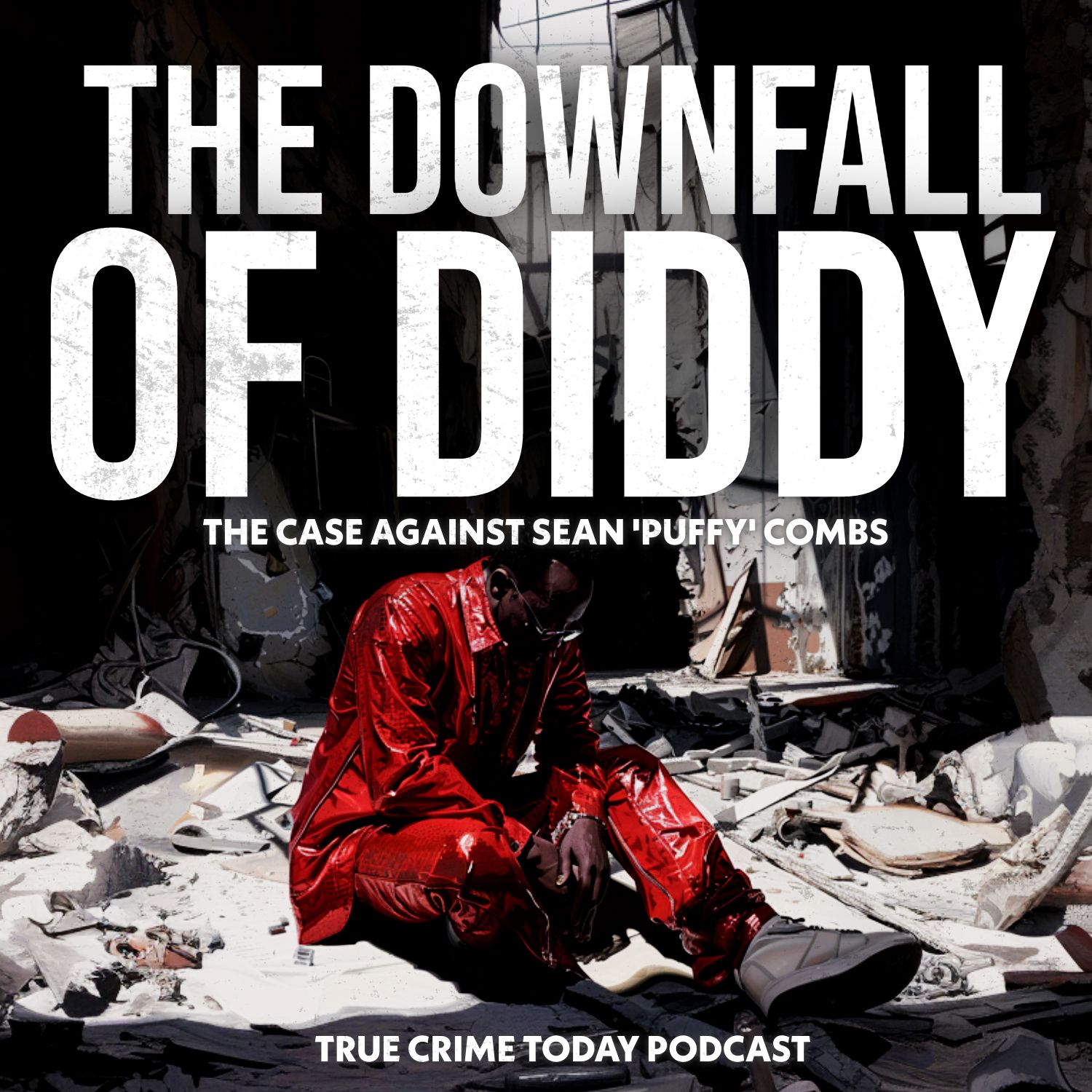
The Downfall Of Diddy | The Case Against Sean 'Puffy P Diddy' Combs
Jay-Z & Diddy Accuser Can Stay Anonymous, For Now
00:08:21
Loading summary
Transcript17 lines
- [00:00]
Sherwin Williams Advertiser
Shop the Sherwin Williams Memorial Day sale and get 30% off paints and stains May 16th through the 26th, with prices starting at $34.29. It's the perfect time to transform your space with color. Whether you're looking to revamp your bedroom, living room or home office, we have you covered with bold hues, soothing neutrals and everything in between. Shop the sale online or visit your neighborhood Sherwin Williams store. Click the banner to learn more. Retail sales only some exclusions apply. See Store for details.
- [00:32]
Lowe's Advertiser
Don't miss the biggest Maytag sale of the year. At Lowe's, you'll find the Maytag appliances you need when you need them at a great price. Plus, when you buy two select laundry appliances, you'll get up to a $100 bonus via instant rebate. Shop Maytag at Lowe's. We help you save. Offer valid through 531. See store for pricing and offer details. Advertise savings on all major maytag appliances through maytag.com and participating retailers. Prices may vary. Additional terms and conditions apply.
- [01:01]
Tony Bruski
This is a true crime in real time. Update from True Crime Today and the.
- [01:05]
Legal Analyst
Hidden Killers Podcast the courtroom reverberated with tension as Judge Analisa Torres delivered a pivotal ruling that allowed Jane Doe, the woman accusing Sean Diddy Combs and Sean JZ Carter of rape, to maintain her anonymity for now. This decision, coming from the US District Court in the Southern District of New York, sets the stage for what promises to be one of the most contentious legal battles in recent memory. The gravity of this ruling resonates far beyond the immediate parties involved, casting a spotlight on the intersection of celebrity culture, legal ethics and the ongoing reckoning with sexual assault allegations in high profile cases. While Jane Doe's identity remains concealed, the allegations at the heart of this case continue to ripple through the worlds of music, law and public opinion, demanding scrutiny from every angle. The judge's decision, as reported on December 26, 2024, underscores the precarious balance between protecting a victim's privacy and ensuring a fair defense. Jane Doe's legal team argued that revealing her identity could exacerbate her fragile mental health, pointing to her diagnoses of depression, post traumatic stress disorder and a seizure disorder, all purportedly linked to the trauma of her alleged assault. Judge Torres acknowledged this, describing Jane Doe as particularly vulnerable to the possible harms of disclosure. This recognition reflects a growing awareness within the judicial system about the nuanced needs of survivors. However, the judge also noted that the decision might be revisited as the case unfolds particularly during the discovery phase, when the defendants and their formidable legal teams are likely to intensify their efforts to challenge her claims. This potential shift highlights the dynamic nature of such rulings, where the scales of justice are continually recalibrated as new evidence emerges. This ruling comes amidst an already fiery legal clash marked by sharp exchanges between Jane Doe's attorney, Tony Busby, and the high profile defense lawyers representing Jay Z and Diddy. Alex Spiro, Jay Z's lead attorney, has been particularly aggressive in his approach, filing motions described by the court as combative and replete with inflammatory language and ad hominem attacks. Judge Torres did not mince words in her criticism, calling these tactics a waste of judicial resources and cautioning against attempts to fast track the judicial process. This critique underscores a broader tension within high stakes litigation, where the zeal to protect a client's interests often collides with the procedural decorum expected in court. At the heart of the case lies a harrowing accusation. Jane Doe alleges that in 2000, at the age of 13, she was raped by both Diddy and Jay Z at an after party for the MTV Video Music Awards. The lawsuit, initially filed in October against Diddy alone, was later amended to include Jay Z. The claims have been met with vehement denials from both defendants. Jay Z, through his representatives, has called the allegations a cynical and calculated attempt to exploit his name and reputation. Diddy's camp, for its part, has dismissed the case as baseless. Their defenses, though aligned in intent, differ in tone with Jay Z's approach, characterized by an assertive dismissal, and Diddy's marked by a strategic distancing from the claims. Despite the defendant's efforts to discredit her, Jane Doe has remained steadfast in her claims. She acknowledges inconsistencies in certain details of her account but attributes them to the psychological toll of the assault and the passage of time. Her legal team has framed these discrepancies as common among trauma survivors, arguing that they do not undermine the core allegations. This framing is supported by research into trauma memory, which often shows that survivors may struggle with recalling peripheral details while retaining vivid recollections of the central traumatic event. This nuanced understanding of trauma adds a layer of complexity to the case, challenging traditional notions of credibility in the courtroom. Judge Torres's ruling is a temporary victory for Jane Doe, but it also underscores the complexities of navigating such high profile cases. The anonymity granted to her is not without consequences for the defense. As the judge herself noted, this may cause prejudice to defendants, making it more difficult for them to collect the facts necessary to mount a defense, Torres stated, adding that the balance of interests could shift as the case progresses. This acknowledgment reveals the inherent tension in balancing the rights of all parties involved, where protecting one party's privacy may inadvertently hinder another's ability to defend themselves effectively. The broader implications of this lawsuit extend beyond the courtroom. For the legal community, it highlights the challenges of adjudicating cases involving powerful public figures and historical allegations. For the entertainment industry, it raises uncomfortable questions about accountability and the legacy of some of its most iconic artists. The case has also reignited debates about the ethics of media coverage, with commentators scrutinizing the motivations and methods of all parties involved. The public's response reflects a broader cultural moment where the pursuit of justice often intersects with the court of public opinion, creating a volatile mix of advocacy, skepticism, and sensationalism. As the legal battle unfolds, the stakes are high for everyone. For Jane Doe, it is a fight for justice and validation in the face of immense scrutiny. For Diddy and Jay Z, it is a battle to protect their reputations and legacies. And for the public, it is yet another reminder of the enduring complexities of power, privilege, and accountability in the A list MeToo era. These complexities are further compounded by the high stakes of this particular case, where the convergence of celebrity, legal strategy and social movements creates a uniquely charged atmosphere. The next phase of this case will likely be pivotal discovery, where both sides will exchange evidence and depose witnesses could provide critical insights into the veracity of the allegations and the defense strategies. Judge Torres, indication that anonymity could be revisited during this phase adds another layer of uncertainty. This phase will test the resilience of both the plaintiff and the defendants, as well as the public's appetite for transparency and accountability.
- [08:00]
Tony Bruski
In a world where the darkest secrets lie just beneath the surface.
- [08:05]
Legal Analyst
They said it was an accident, but the evidence says otherwise.
- [08:08]
Tony Bruski
Where hidden killers roam unnoticed in the shadows.
- [08:13]
Legal Analyst
I think you would definitely be looking at a blend of toxic, very bad, narcissistic personality traits. And they will be vengeful and possibly resort to violence.
- [08:22]
Tony Bruski
Join Tony Bruski as he uncovers the truth behind the most chilling cases.
- [08:27]
Legal Analyst
They said it was an accident, but the evidence clearly says otherwise.
- [08:31]
Tony Bruski
Each episode, we dig deep into the minds of those who commit the unthinkable. Consider your point of narcissism. He thinks in his own mind how witty he is. But he lost that jury. I. I was. I was done with him in two minutes from unsolved mysteries to infamous crimes.
- [08:45]
Legal Analyst
Geez, you've just talked about how you're taught yourself yourself, how to do everything under the sun. I bet you did a YouTube video. How to best kill somebody with a knife.
- [08:54]
Tony Bruski
Hidden Killers with Tony Bruski takes you where few dare to go.
- [08:57]
Legal Analyst
How does someone with such a dark secret go unnoticed for so long?
- [09:02]
Tony Bruski
With multiple new episodes every single day.
- [09:05]
Legal Analyst
We'Re not just telling stories. We're seeking justice.
- [09:08]
Tony Bruski
Listen now on Apple Podcasts or wherever you get your podcasts, just search for Hidden Killers with Tony Bruski.