← The Downfall Of Diddy | The Case Against Sean 'Puffy P Diddy' Combs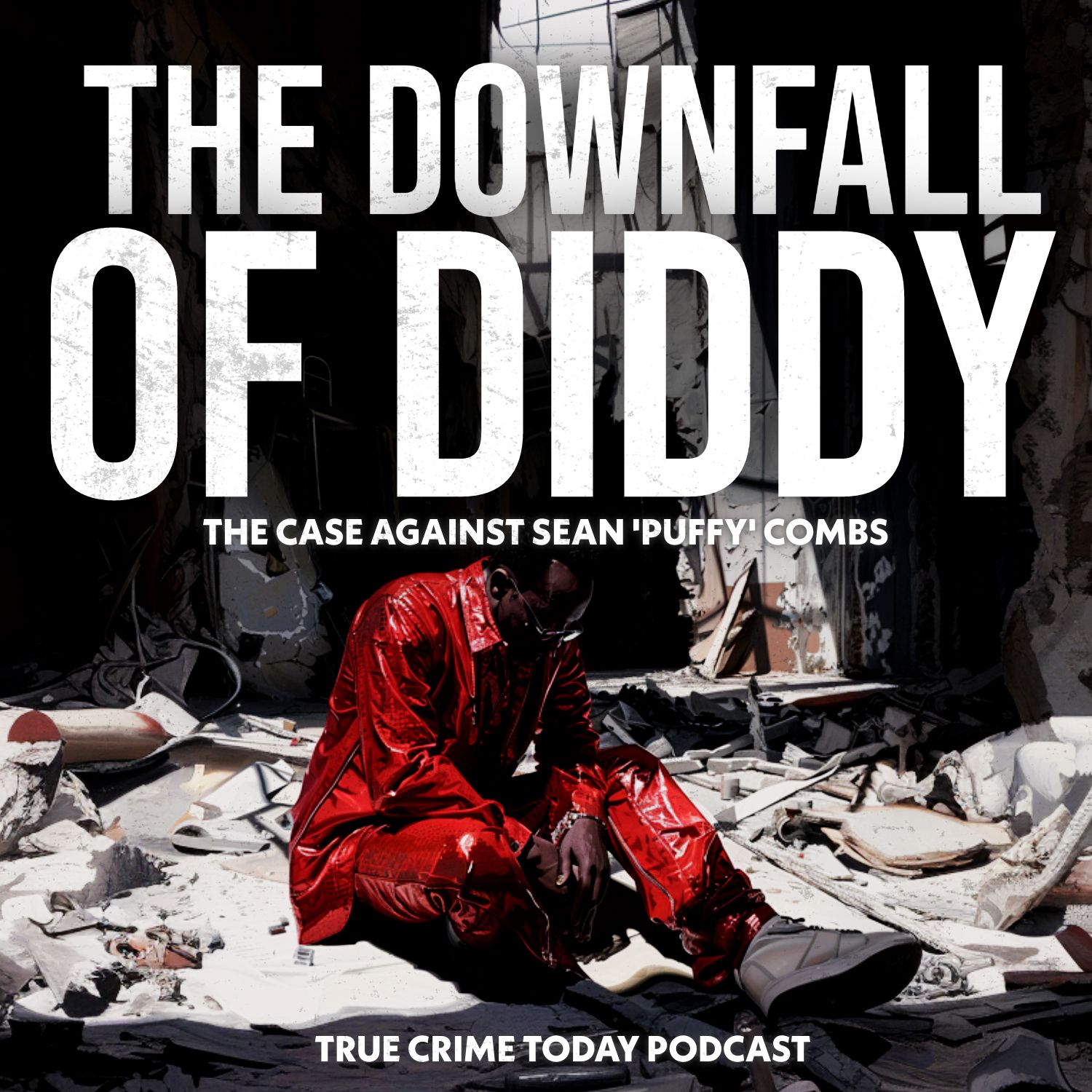
The Downfall Of Diddy | The Case Against Sean 'Puffy P Diddy' Combs
Ten Disturbing Psychological Tactics Sean Diddy Combs Allegedly Used on Cassie Ventura
00:22:23
Loading summary
Transcript35 lines
- [00:00]
A
According to Saltis Wealth, 41% of high net worth individuals report having been victims of financial crime. Are you next? High profile individuals like you need more than off the shelf solutions. You need concierge. Digital security from Reputation Defender. It's not just another app. It's a team of experts using best in class tools to protect you and your family, covering virtually every aspect of your digital life. Visit reputationdefender.com success to learn more. That's reputationdefender.com success.
- [00:32]
B
This is continuing coverage of United States versus Sean Diddy combs from the Hidden Killers podcast and True crime today. Well, Diddy's not walking away with any awards from this trial with being the nicest person on the planet. Certainly very vile behavior that has been accounted for by Cassie Ventura, her mom even backing a lot of it up. We're going to talk about the psychology behind some of this today. Siobhan Scott, psychotherapist and author. And also this is her new book, Nightbird, a Memoir. I do highly recommend checking this out at your local bookstore, Amazon or wherever you get books. Let's start with Regina Ventura. This is Cassie's mom. She was on the stand the other day. Regina Ventura ended up paying Diddy 20 grand out of her own pocket for fear that he'd leak Cassie's explicit tapes and physically harm her, her daughter. That's what came out on the stand the other day, her paying him 20 grand. Now 20 grand is like nothing to Diddy, but it certainly was to her. And to, to do this is almost like reverse extortion in a certain way. What's going on with someone like, like a Diddy, where this is the power you seem to yield, where you can ask people to pay you to not do harm to another human being. What, what, what kind of human is this that we're talking about?
- [02:09]
C
Yeah, you know, he is, is so. There's a lot of elements to him that are so cruel and sadistic. Not only the way he treats people sexually and, and with violence, but to exploit someone in this way, it's almost sadistic, isn't it? It's, it's horrifying. And it also shows the degree of trauma that not only Cassie went through, but how this affected her family and other people that were connected to her.
- [02:39]
B
And the feeling that, like, this is what we have to do, like we can't get away from this, like we have to bow down to this monster and not leave. It's. Yeah, I mean, that's the whole dynamic of abuse and relationships and all that but it is. It's quite stunning. Let's talk about something that everybody seems to be talking about in this case, and that is the fact that Diddy allegedly had a thing for watching other men have relations with his significant other, Cassie Ventura. It's an interesting one. I know it's a thing out there for some folks, but at the same point, what's the psychology of a human being who's. Who's really wanting to do that and have your partner have sex while you watch with someone else and you're enjoying that? That doesn't sound like the definition of a healthy relationship.
- [03:44]
C
No, no. And when I think of Sean Combs and what we know about him at this point, and I'm sure there's a lot we still don't know and we'll never know, but I just see a bundle of paraphilias. And a paraphil is a clinical term for abnormal, irregular sexual behavior that causes harm to other people. And this guy had so many kinks that were harmful and hurtful and dangerous. And so the specific one about the watching, you do see this. There are couples that consent to it where, I mean, it's certainly not my thing to validate, but if it doesn't cause harm and everybody's on the same page, okay, so be it. But in this case, clearly he was causing harm, and it's just one of many. From urinating on her and voyeuristic aspects of wearing a mask and forcing people and violence. I mean, it's a whole bundle of things that were wrong with him.
- [04:51]
B
Is this something you think that has existed in him forever? Like, even in his younger years, before he had the power and the money, that these were his kinks. These are the things that he was into. Really my question. Question was gonna be, are these things that came about later because he kept going to such extreme behavior that it's like, well, that's not that exciting anymore. So I gotta level up to this, and then that's not. So I gotta level up to this. And then you start getting into that really dangerous territory where you are harming other people for your own enjoyment. You think he was like this just all along? Like, this is just kind of his thing and it. Just give me your thoughts on that.
- [05:29]
C
Yeah. You know, we never know for everybody because the development of this stuff is always unique, but it's always a combination of biology, genetics, and social environment. Sometimes there's an abuse history, but certainly not always meaning a sexual abuse history. And sometimes it's exposure, particularly early in life. To weird, violent or kinky porn that contributes. But there's also, you know, some thinking that some people are more pre wired out of the shoot for being a bit off sexually different than the rest of us. So my guess is that he was a bit off from the beginning and maybe more prone to extreme sexual behavior with extreme sexual drives. And then, yes, as he became more powerful, it progressed to where it's like an addiction. I need more and more and more and more to feel satisfied. But to me, it's. You know, there are people who are into foot fetishes and shoes. And I met one guy once who was into ears. I'm like, he had to. Had to have photos of women's ears. Another one that was into women's hair. He was actually riding the city bus around and he would. I don't know how he pulled this off, but this was in all the local news here in Portland. He would masturbate in women's hair, sitting behind them on the bus. I mean, so people develop these weird, weird things. And I don't know how to explain some of this stuff. It's just. It's poorly understood. How do you research it? You get these stories and you try to go over their history, and sometimes you just can't find where did this develop from. But it does tend to develop, you know, as they become sexually motivated in their teens. That's when the weird fantasies start. But then I think a lot of people, they don't have the power to pull off what he pulled off. And yes, I agree with you, it did get more extreme over time.
- [07:37]
B
Siobhan, explain to me how someone gets off doing that into someone's hair in a city bus.
- [07:45]
C
I don't know. And there was another one. I'm giving you my stories today. We would have a very fun dinner party conversation. There was another one at my local Safeway about a mile from my house.
- [07:56]
B
The irony.
- [07:58]
C
And they. Exactly. And they caught the guy. He was having little cups of semen and he would walk around in the Safeway and throw it at women. And a lot of them, he did it from behind and they didn't know. And eventually he was caught on camera and someone saw him do it and he was arrested. And, you know, but I remember that one. It's like, where did that come from? I mean, it's just you find these. There are stories you probably don't want to hear. I've got more, but I'm morbidly curious.
- [08:30]
B
About these people because it's so insane. I mean, what's scary to me about all of these things that people are doing. A lot of these folks, they were brought up pre Internet porn age. That's true. And now, I mean, there's something for everybody out there, it seems. What I'm scared about is that type of behavior becoming more rampant, more extreme, more weird stuff out in public. More extreme things that are hurtful to other people that they think is just normal. And I think that's a big question about the Diddy situation. Was he, and doesn't make it right by any means, but was he aware of the harm he was causing other people with these sexual proclivities? I don't think there's any arguing that he knows it's not okay to kick somebody in the face or stomp on their head. There's no question knowing you can't, that that's wrong. But the sexual stuff, when you know, you have someone who seems to be kind of there under duress and it's like, yeah, this is great Diddy, he seems to be taking that at face value without ever quite recognizing, oh shit, like I'm really harming these people that I supposedly care about.
- [09:44]
C
I, I put that one down to his psychopathy, which I don't think there's any question that this guy's a psychopath at this point. He's sadistic, psychopathic, manipulative, all what we call the dark tetrad, you know, of qualities that are very bad mix. And psychopathic people see other people as objects they don't love in the way that, you know, the rest of us feel kind of a romantic attachment or a loving attachment even to our children. Other people are objects to be used. And so even though they may intellectually see that, yeah, this person is not happy with what's going on. I can see that. But they, they really do not care. And that's what makes them so dangerous. There's just no empathic attunement there.
- [10:35]
B
But they can act like it. They can fake it pretty good, right?
- [10:38]
C
Very much. Very much, yes. And that's how, that's what makes them scary. The smart ones fake it very well.
- [10:45]
B
How do they know to do that? Is it just emulating other people that they've seen showing love and showing care, and you just get really good at faking it till you make it? Or. I mean, are they able to turn on those emotions for a slight period of time, but then flip them right off when they need to to not feel the accountability of their actions?
- [11:07]
C
I think it's an acting job. And A lot of people develop it. You know, people with this personality style develop, develop in childhood and they learn. You know, empathy develops. Age 3, 4, 5, 6 is when kids are supposed to develop it. And for whatever reason, combination of genetics and folks don't have it, but they see what gets them attention and praise. And when they can act loving toward other people, oh, you know, I get something beneficial back for doing that. And so it's again, a style that develops in childhood and they get really good at it.
- [11:44]
B
Let's talk about one thing that he is alleged to have done and that just came out in court is basically blowing up a car. Blowing up Kid Cootie's car. Kid Cootie was a. Or is a rapper who was dating Cassie Ventura for a short period of time while they were kind of having a downspout. Diddy recklessly sleeping with everybody that he wanted to. But if she did it, that's a big no, no. He found out about it, made a threat that he would blow up his car, and then what do you know, a little while later his car blows up. Is, I mean, when we're trying to figure out what the hell's going on with the person, is that a prime example of a narcissistic injury or is this just a psychopath on a rampage?
- [12:34]
C
I think you've got the psychopathic lack of concern for somebody else's life. And then, yeah, the narcissistic rage at how dare you? Because she's my object. You know, she's not a person, but she belongs to me. And how dare you.
- [12:48]
B
Yeah, and that's just. There's a lot of that with Diddy, it seems, where we've seen videos of Diddy, where he gets into these rages and people looked at that and go, look how passionate he is. Look how dedicated he is to what he's doing. There's a lot of folks in high places of power that have reactions like that. And it could be narcissistic rage. And sometimes it's. It's looked at or used as well. This is what makes them who they are. Without that sort of passion, and I'm saying that in air quotes, everybody listening to this, they wouldn't be where they are. Is that, I mean, not blowing up other people's cars, but I mean, is that more of a common thing with really high level individuals in their fields or in their crafts where they've reached such a level? But maybe they wouldn't have gotten there without the intimidation, without that rage, without basically people telling them no at Some point because are fearing what is going to happen to them if they were.
- [13:51]
C
To speak up now. It's appalling to me that we make awful people famous and how other famous people will validate, justify, and go along with this kind of extreme behavior. And this would be another topic for a book on all the awful people that have become celebrities. And then contrast that with. With the benevolent people that have used their wealth and fame for good. The one that pops into my head is Keanu Reeves, who's known as a humanitarian and always doing wonderful things. And I'm sure there are many other examples, but there's this dark side to the entertainment industry, and I think as a culture, we need to think about that and look at it. It's like, who do we make famous? And what does that say about us?
- [14:48]
B
What? The preoccupation with guns and weapons that Diddy seemed to have. He was always, according to many witnesses, not necessarily in the music videos, but in his home, pulling out big guns quite a bit. And we've learned not all of them were registered, not all of them were legal, but he had quite a few. I mean, I get, you know, he's someone who had personal security. It wasn't like he was sitting there by himself. And should, you know, Suge Knight come knocking on the door, the ghost of Tupac, he's not gonna have to sit there and pull out the AR to defend himself. He's got people for that. But there seems to be almost like a security blanket that he looked at these weapons as having the way he would display them and brag about them to his friends and even his enemies. What does that say? Does that show, like, a really. A huge level of insecurity that I have to go look at all these big weapons ultimately, at the end of. I mean, what does that say about someone who's. Who's really into that? I'm not talking about hunters. I'm not talking. I'm just talking about somebody who's, you know, has a small army arsenal in their, you know, in their coat closet.
- [16:01]
C
Yeah. You know, a couple things could be. Could be somebody who's got paranoia. I don't know that that was true in his case. It could also be this almost like getting high over the sense of domination and power. And I think firearms can. When somebody is, you know, collecting this many big guns and they clearly don't have a security need for guns, it's a sense of, look what I can do and look how powerful I am, you know, and he may have had Fantasies about what he would like to do with all those guns, which puts him again in the category of a very disturbed person.
- [16:41]
B
Like it's there. What else would have happened? It makes me want. I mean, had he not not be going down for this, I wonder what would have brought him down. I mean, obviously he hasn't been found guilty yet, but I think we know where this is going. I mean, if it wasn't this, would it be something you think? Something maybe even worse? I mean, this is pretty bad, but. So I hesitate to say maybe even worse, but I mean, maybe. I mean, maybe like people dying, you know, I mean, and there are rumors that that is a possibility.
- [17:12]
C
Yeah, I think so. I think eventually something horrendous would have happened. Even worse than what we've heard about thus far. But it really shocks me that he got away with all this for as many years as he did. That's just crazy.
- [17:26]
B
His family, his kids, his sons, his daughters, a lot of them have been in court and some out of court on certain days. His mother's been there. How the hell are they processing something like this? I mean, do they just believe he didn't do any of these things? Even though it's on video of him horribly abusing Cassie? We know that much. With all the other allegations are these folks who are just gonna put the rest aside and go, none of it else can be true. We know that happened, but nothing else can be true about this. As they sit behind him, this monster that's having all these people finally let their floodgates open and share the horrors of what life was like with this man and still sit there and, I guess, support him. That always, to me, is very shocking, especially when it gets this raw and this real, where there really is no question about the behav. We know who he is. We know what he did. Why on earth would you still be there behind them? I don't care if you're mom, I don't care if you're a son, I don't care if you're daughter, whatever. Why are you there?
- [18:25]
C
Yeah, it doesn't speak well of the family culture that this kind of behavior could be. Even if a tenth of it is true, you know, you would think the family would be having serious concerns at this point. And the fact that they can remain supportive and as you say, just sit there and witness this stuff and it doesn't waver, makes me wonder how many qualities of his that they share. You know, this disregard for other people, it just doesn't smack of a normal Human reaction.
- [18:59]
B
If you were to give advice to his sons, who there's other charges that are out there on them or accusations against them of engaging in very similar type acts that he did before they continue to ruin their lives further or have their lives ruined? I maybe should say, because if you were brought up in this, and this is all, you know, I do have some sympathy for you. You're an adult now, you should know what's right and wrong. So that's on you. But, you know, you can't change necessarily who you were brought up around and what was normalized. What would you say to them to maybe try and have some semblance of a normal life or a healthy life now that daddy's gonna be behind bars for the rest of his life?
- [19:43]
C
Yeah, I would probably go in two areas. One would be, is it possible to elicit empathy for other people from them, to try to have them, you know, put yourself in the shoes of some of these people who have been victimized by your father? And do they even have the capacity to do that? If they have the capacity to do that, that would be a good sign. That if they didn't and said, you know, these other people deserved it, or it doesn't really matter, then I would have to fall back on the second one. Do you wanna spend your life in prison because it's going to work better for you if you can learn to at least play normal in the world and treat other people decently.
- [20:27]
B
Yeah. And that's the scary part about all this. Like, what are they gonna do if this was like. It just seems like this is one of those nightmares waiting to happen. You can't just like lock somebody up and put them in a padded room because they've been raised by the devil incarnate. So they're gonna go out there, they're gonna do their own things in life. If they're incapable of having that empathy because it's just kind of part of who they are, it's part of how they were brought up. Is there any. I mean, can they learn empathy? Can that be something that they. They tap into? Maybe it's just like really on low volume in their lives or in their minds, but they need to take a stronger listen to that and try to learn how to turn the volume up on that.
- [21:13]
C
That's sure a wonderful goal, how often it's successful. You know, there's a movement in people who work in the prison system. They go in as volunteers called restorative justice. And that's the goal, is to try to help people who are incarcerated have some kind of personal growth and develop a sense of empathy for the people that they hurt and for other people. I don't have data on how successful that is, and it may be hard to measure because when they're in prison, you don't know what they're gonna do until they get out of prison. But we certainly know that for people who are hardcore psychopaths, they have a very high recidivism rate. When they get out of prison, they just go back and commit more violent crimes. So it's a wonderful goal. How successful we can he is yet to be determined.
- [22:09]
B
I have a great idea for them and it's kind of tongue in cheek, but I could see it actually happening. Mega church preachers. There's nothing that could possibly go wrong with that. Nothing that could possibly go wrong with Diddy's kids turning into megachurch preachers.
- [22:28]
C
They would probably make more money than Diddy has made.
- [22:30]
B
Yes, they would do it. Good, they would. But at the end of the day, it's like the righteous gemstone zones. Or worse. Craving nonstop true crime updates. Press subscribe now and get the latest cases, analysis and expert commentary delivered straight.
- [22:47]
A
To your feed only from the Hidden Killers podcast and True Crime Today.