← The Dr. Hyman Show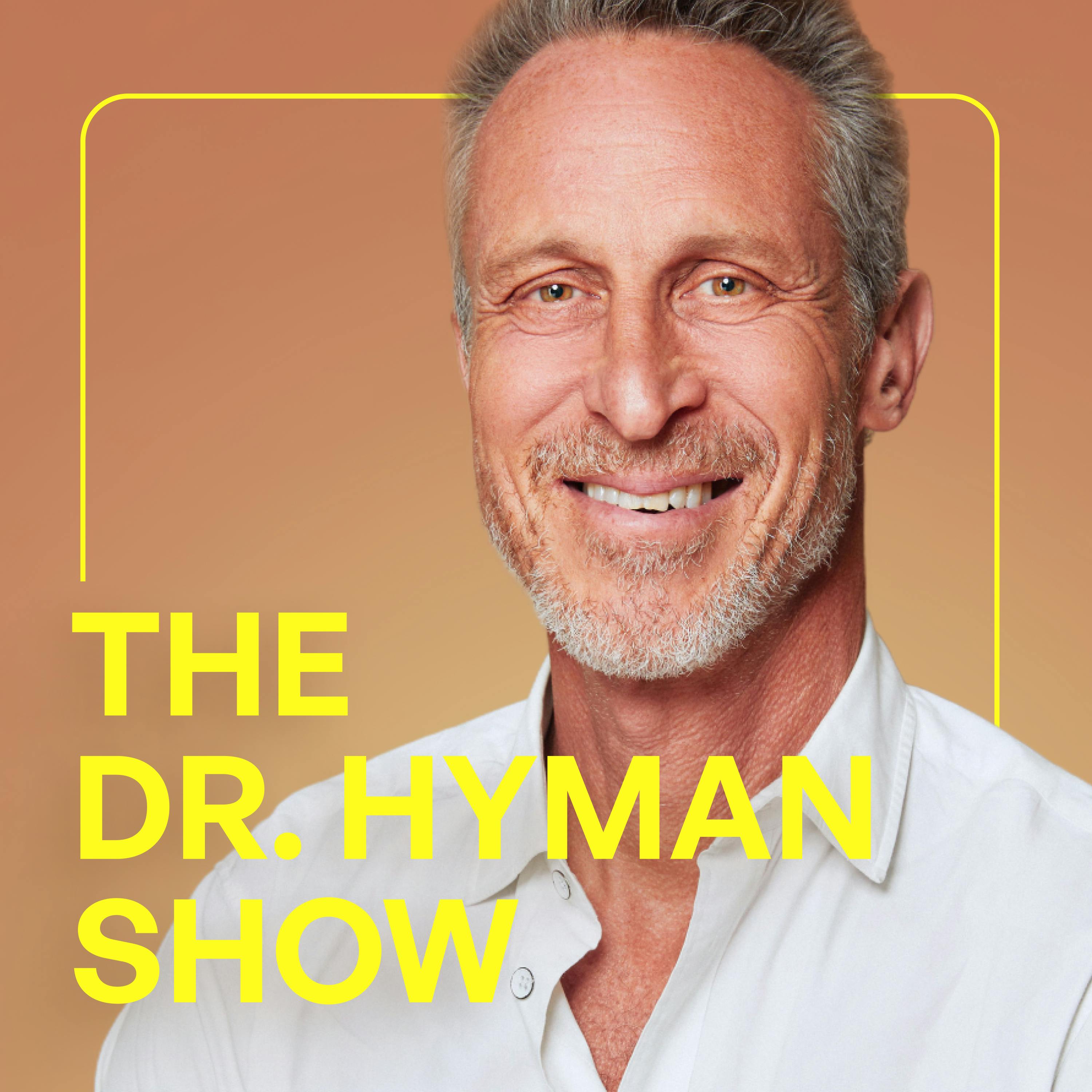
The Dr. Hyman Show
Encore: 10-Day Anti-Inflammatory Diet: Stop Feeling Tired, Achy, And Bloated!
00:29:23
Loading summary
Transcript39 lines
- [00:00]
Dr. Mark Hyman
Hey everyone, it's Dr. Mark Hyman. Thank you so much for being a loyal listener to the Doctor's Pharmacy for the holidays. I've decided to give my team a little break to rest up and prepare for more content and the new year ahead. So the Doctors Pharmacy will be replaying some older episodes for the next two weeks. But don't worry, we'll be back with more content and brand new episodes starting Tuesday, December 31st. So for now, here are some of my favorite past episodes of the Doctor's Pharmacy and see you next year. Coming up on this episode of the Doctor's Pharmacy.
- [00:33]
Unknown Speaker
Let me ask you this. Would you rather be made of Doritos or maybe grass fed steak? Would you rather be made of Coca Cola or wild blueberries? It's not too hard to figure that out.
- [00:45]
Dr. Mark Hyman
Starting the day with AG1 feels like a boost of pure energy, but without the caffeine crash. Just one scoop and and I'm getting a powerful blend of vitamins, minerals, prebiotics, probiotics and adaptogens. I love that AG1 combines prebiotics and probiotics to support a healthy gut. And studies actually show that 97% of people notice better digestion after 90 days. Plus, AG1's made with bioavailable ingredients, which means my body can actually absorb the nutrients. No fillers, no added sugar, just pure, effective ingredients that help me feel my best each day. So this new year, make AG1 part of your daily routine and see the difference it can make. Right now, AG1 is offering new subscribers a free $76 gift. When you sign up, you'll get a welcome kit, a bottle of D3K2, and five free travel packs in your first box. Just go to drinkag1.comhymen to get started. That's drinkag1.comhymen to kick off your new year on a healthier note, let's talk about something we often take for granted. Our feet. Did you know that the human foot is an evolutionary masterpiece that has over a hundred muscles, ten and ligaments, and is packed with thousands of nerve endings? They're built to keep a strong balance and moving naturally, but we're cramming them into stiff, narrow shoes that mess with this perfect design for far too long. That's where Vivo Barefoot comes in. These shoes are all about bringing your feet back to life. Wide, thin, flexible, so your feet can move the way nature intended. Plus, they've got Vivo Health, a platform loaded with corset to help you maximize your foot health and overall wellness. And here's the kicker. Vivo Barefoot is committed to sustainability and regeneration. Astoundingly, 22 billion pairs of shoes are made every year on complex, complex, most toxic supply chains, and they're all ending up in landfills. Vivo makes its shoes with either natural or poly circular materials that have the Revivo platform where they repair, recycle and recondition shoes to keep them out of landfills. It's time to let your feet feel the ground again. So head to vivobarefoot.com drhaiman to get 20% off. That's V I B O B A R E f o o t.com d r h Y M a n and use a code HYMAN20 and feel the difference Today.
- [02:49]
Unknown Speaker
This episode is brought to you by United Airlines. When you want to make the most of your vacation, book with United. They're an airline that cares about your travels as much as you do. United is transforming the flying experience with Bluetooth connectivity, screens, power at every seat, and bigger overhead bins to help fit everyone's bag. And with their app, you can skip the bag check line, get live updates and more. Change the way you fly. Book your next trip today@united.com now before.
- [03:18]
We jump into today's episode, I'd like to note that while I wish I.
- [03:21]
Dr. Mark Hyman
Could help everyone by my personal practice, there's simply not enough time for me.
- [03:26]
Unknown Speaker
To do this at scale.
- [03:27]
Dr. Mark Hyman
And that's why I've been busy building.
- [03:28]
Unknown Speaker
Several passion projects to help you better understand.
- [03:31]
Dr. Mark Hyman
Well, you if you're looking for data about your biology, check out Function Health for Real time lab insights. And if you're in need of deepening your knowledge around your health journey, well.
- [03:41]
Unknown Speaker
Check out my membership community, Dr. Hyman Plus.
- [03:44]
Dr. Mark Hyman
And if you're looking for curated trusted supplements and health products for your health journey, Visit my website drhyman.com for my.
- [03:51]
Unknown Speaker
Website store and a summary of my.
- [03:53]
Dr. Mark Hyman
Favorite and thoroughly tested products.
- [03:56]
Unknown Speaker
Welcome to the Doctor's Pharmacy. I'm Dr. Mark Hyman, and welcome again to another juicy episode of Health Bites. Now, before we begin, I want to ask, do any of these symptoms sound familiar to you? Chronic fatigue, joint pain, muscle aches, bloating, constipation, diarrhea, irritable bowel syndrome, and acid reflux. You got any of those? How about congestion, allergies, asthma and sinus issues? Brain frog headaches, insomnia, depression, anxiety and mood swings? Or maybe you get weight gain cravings or trouble losing weight? Or maybe your skin's not great and you got acne or eczema or psoriasis? How about canker sores, frequent colds, feeling sick and run down a lot? Maybe you got low libido or pms or pcos or menopause. If you answered yes to any of these, you might have something called FLC syndrome. Now, what the heck is FLC syndrome? Well, it means you feel like crap, and you know what I'm talking about. And people walk around feeling like this, and they don't have to. I coined this term FLC syndrome after seeing thousands of patients in my clinical practice. Now, these are these low level insidious symptoms that hold you back from feeling great and living your best life. They're our body's way of saying, ouch. Something is going on beneath the surface and you need to deal with it. It's not normal to have these things. It's not part of the human condition. It really isn't. I prob promise you. And when you leave these problems untreated, they often can spiral into more serious and more chronic diseases. Now, the worst part about this is that FLC syndrome is just so common, it's become normalized. But just because something is common doesn't mean that it's normal. In fact, it's anything but normal. Now, what's really good to know, and this is the important part to listen to, is that we have way more control over how we feel than we realize. And we have way more control over our health then we've been led to believe. You just have to understand that what you eat and how you live is deeply connected to how you feel and your risk for chronic disease. Now, we're never taught how to make this connection between what we eat and what we feel. So we're leading this lifestyle that doesn't make us feel good. And it's not our fault, because nobody ever taught us how our bodies work. I mean, who got the operating manual for the human body when you were born, did it come out of the birth canal with you? Probably not right now. Today's episode is all about giving you the tools you need to make better food choices to serve your health. So you can start feeling better now. Now, I mean, I always say I want you to help turn your body back to its original factory settings. Most of us don't realize we're just a few days away from feeling better. And I want you to feel better now. In my treatment of my patients, I discovered that these issues stem from one common root cause. Can you guess what it is? That's right. Chronic, low level systemic inflammation. You don't really notice it, but it's there and it's causing all these symptoms. And what's the main way we can get rid of this food? Getting rid of the bad stuff, adding in the good stuff, because you literally are what you eat. New cells, organs, tissues, brain cells, skin, muscles, bone. Not just manufactured out of thin air. The raw materials all come from what we eat. The structure of our cells, which determines our function and how good or bad we feel also depends on what we eat. The proteins, the fats, the minerals and more are the building blocks of who we are. Now let me ask you this. Would you rather be made of Doritos or maybe grass fed steak? Would you rather be made of Coca Cola or wild blueberries? It's not too hard to figure that out. Now this relationship between what we eat and how we feel comes down to the impact that food has on our DNA and something called gene expression. We can't change our genes, but we can change how our genes are expressed, whether we turn on or off health genes or disease genes. Now, this whole new field is emerging that's shedding light on this. It's called nutrigenomics or nutrigenetics. Different people call it different things. Now, Nutrigenomics is a study of how food interacts with our bodies to create health or disease. Simply put, food is code. And you can literally upgrade or downgrade your biological software with every single bite. It's information that talks to your genes and controls the expression of those genes, which then impacts your hormones, your metabolism, your immune system, your microbiome, your brain chemistry, and lots more. With every bite. The food we eat sends messages to our genes, instructing them to express health or disease. Is a calorie a calorie a calorie? Well, in the lab it is, yes. If you burn a thousand calories of Coca Cola or a thousand calories of broccoli in a lab, it releases the same amount of energy, which is essentially a calorie is how much energy it requires to raise the temperature of 1 liter of water 1 degree centigrade. That's just a scientific definition, but when you eat those calories, it's different. If you drink a thousand calories of Coca Cola or eat a thousand calories of broccoli, it has profoundly different effects on your body. So they're not really identical when you eat them. So most of us understand that food provides energy in the form of calories. The food you eat gets digested into vitamins, minerals, fatty acids, amino acids, carbohydrates, sugars, which combine with oxygen that we breathe to make energy in the form of something called ATP that's inside our cells in these little energy factories called mitochondria. Now, the APD produced by our mitochondria powers each and every one of the trillions of biological processes that take place in our bodies every second. And so when we gum up our engine with junk and junk food, our energy declines, our inflammation goes up, our oxidative stress goes up, disease goes up, symptoms go up, and we have FLC syndrome. Now there's a more serious version, we don't see that as much. It's called fls. We have treatments for that too. So why does the quality of our fuel matter? Well, think of the food you eat, like loading fuel into a car. Whole foods are premium clean burning, whereas ultra processed foods are like dirty diesel running on fuel made from starch, sugar, refined grains, additives, preservative gums, emulsifiers, contaminated food with toxins like bpa, pfas, phthalates. Not good for you, right? And all that. Junk food also doesn't contain the essential nutrients that the engines need to run smoothly because basically the nutrients, vitamins and minerals are the, essentially the grease that lubricates the wheels of our metabolic engine. And so we need the right nutrients, we need the right protein, fiber, micronutrients. And when we don't have that, we basically get into trouble. When we burn dirty fuel, in other words, junk food, it creates a lot of free radicals or we call reactive oxygen species like pollution or exhaust, which comes out our mitochondria. And that causes all sorts of problems like inflammation, more oxidative stress, FLC symptoms and chronic disease. Now, the body produces its own antioxidants to protect us from this damage. However, over time, a buildup of exposure to environmental toxins, infections, food sensitivities, too many calories, a poor diet, an unhealthy microbiome, a new nutrient deficiencies, all damage our energy producing centers in our cells called the mitochondria. And they do that to the point where the body's own protective mechanisms and antioxidant systems can't keep up. And then you get an energy crisis, you get mitochondrial damage and chronic disease. You see, poorly functioning mitochondria are an underlying root cause of many FLC symptoms and chronic disease, including obesity, diabetes, heart disease, GI issues, dementia, Parkinson's, chronic fatigue and fibromyalgia. In fact, a study published in the British medical journal or BMJ linked ultra processed foods to 32 adverse health outcomes. Including cancer. All cause mortality means death from anything. Insomnia, depression, anxiety, asthma, hypertension, fatty liver prediabetes, and lots more. Studies linking ultra processed foods to chronic fatigue syndrome found that 70% of people suffering from chronic fatigue ate unhealthy fats, had low fruit and vegetable intake, and 95% had a low fiber intake. A diet that's high in sugar and starch, which spikes blood sugar signals to our pancreas to release insulin to deliver those glucose molecules and energy and fuel to the cells. But sometimes the insulin overshoots and your blood sugar drops too low, and that can cause hypoglycemia or low blood sugar. And again, that's a stress to the body. And it tells the body to release fight or flight hormones like adrenaline and cortisol. And that leads to all sorts of symptoms like anxiety, palpitations, sweating, panic attacks and nervousness. And blood sugar swings like this lead to high insulin levels over time, which creates more free radicals, more inflammation, more insulin resistance. You can see it's a vicious cycle where basically we're eating all this crap, it's causing our metabolic system to become dysfunctional, it makes us gain weight, it makes us inflamed, and it just makes you have FLC syndrome. It can cause all kinds of symptoms from this kind of stuff, including headaches, lack of focus, fatigue, weight gain, imbalances in your sex hormones. Now, the key to fixing FLCA syndrome is making the connection between what we eat and how we feel. And so getting rid of those foods for a short time and then removing the most common food sensitivities, gluten, dairy, ultra processed food grains, beans for just a short time, like three weeks, and then adding them back is the best way to see how food affects you and to reset your system. Think of it like hitting the reset button on your computer or putting your body back to its original factory settings. And it happens in days, it doesn't take weeks, Literally within days. In fact, I wrote a book called the 10 Day Detox Diet about 10 years ago because I was doing so much repetition. I'll explain to you what to do. I wrote a book book to help my patients and to help the average person just implement this. And we've seen amazing results. Tell you more about them in a minute. But we've seen dramatic results with this approach in a very, very short time. So when you, when you do the opposite, right? When you load your car with clean fuel, it balances our sex hormones, it helps our energy, it reduces inflammation, and so what is really clean Fuel? Well, it's obvious, right? It's real nutrient dense whole food that has all the essential nutrients, the proteins and vitamins, minerals, fatty acids, fiber, all of which help you maintain a stable blood sugar. And they keep you full and energized for longer. And they're crucial for protecting your mitochondria and maintaining optimal health. So what is the functional medicine approach to preventing and reversing FLC syndrome or worse? First it's taking out the bad stuff and then it's putting in the good stuff. So what should you not eat? Well, over 30 years of practice, I developed a simple addition subtraction diet, or what we call an elimination reintroduction diet to help you reset your body to its original factory settings and identify how many of your FLC symptoms are related to what you're eating. So just take out the bad stuff. Don't eat ultra processed food. You shouldn't ever eat in any way, but especially for this initial period, I would say ideally 21 days, but minimum 10. Ultra processed foods are basically engineered to be hyper palatable, to be addicting, to make you crave them, to make you want to eat more. They're high in added sugars, in flour, in unhealthy fats, in sodium, refined oils, gums, artificial flavors, dyes, preservatives, and they're low in really things we need like essential nutrients. Nutrients such as vitamins, minerals, fiber. Now, certain things are worse than others. Thickeners, gums, mulcifiers like carrageenan, xanthan gum, lecithin, locust, bean gum, all can cause inflammation and dysbiosis, the overgrowth of bad bugs in the gut. And these emulsifiers, these thickeners which are in all the processed food essentially irritate the gut lining. They cause a leaky gut and they cause this low grade systemic inflammation which is the driver of FLC syndrome, right? Joint pain, fatigue, headaches, irritable bowel bloating, Gas Ultra Process is basically deconstructed foods from commodity products like cornwee and soy that are reassembled in totally different chemical structures to something that the body doesn't even know what to do with. And that's what makes it sick. Now, the center aisles of the grocery store are full of processed junk and you don't want to go down there. I mean, occasionally you want a condiment or something, fine, but just stay out of the aisles. I did a whole episode on this and I'm going to link to it in the show notes as well so you can learn more if you Want. Now, what are the big things that seem to be causing FLC syndrome? I think dairy, gluten and sugar are probably the top three. So if you don't want to do everything, you don't get rid of everything. I would say dairy, gluten and sugar. Generally, I recommend that people actually really limit their sugar and most gluten and most traditional dairy because they definitely cause inflammation, they disrupt our gut health, and they contribute to a wide range of chronic illnesses, from migraines to chronic fatigue to autoimmunity. The list goes on. That's not to say that some dairy is not fine, like sheep or goat or some forms of grains can be fine. But most of the time I would say dairy and gluten are the number one and two culprits. And this is after decades of practice and also what the literature supports. Now, this can occur even with people who don't have celiac disease. Why? Because dwarf wheat, which is the kind of wheat we're eating now, has a much higher starch and gluten content today than it used to a hundred years ago because it's basically been hybridized and has way more gluten proteins and it's more likely to cause leaky gut and more likely to cause inflammation. Now, on top of being inflammatory, today's wheat is often sprayed with the weed killer glyphosate at harvest to dry it out, which, aside from being a known carcinogen, acts like an antibiotic, wiping out our good gut bacteria and even damages the lining of the gut. So it's bad, bad for your gut. And that can lead to intestinal permeability increases or leaky gut. So you want to avoid all the starchy stuff, right? All the gluten free stuff, everything, right? Bagels, wraps, pasta, pastries, bread, even ones that say gluten free on the label, they're often worse because they're even more starchy. You want to avoid sugar in all forms, right? Everything. Syrups, nectars, honey, stevia, sucralose, xylitol, any of the sugar, alcohols, they all can drive inflammation. Just quit it cold turkey for 10 days. You can do anything for 10 days, right? Just 10 days, see how you feel. You don't want to trust me, Just trust your body. It will tell you whether it likes it or not. At the end of 10 days, you'll know if you feel good or if you feel bad, if you have your symptoms resolved or if you've still got lingering symptoms. And maybe it's something else besides food. Maybe it's heavy metals or mold or lime or something else, but most of the time it's food. So when you get to the cleaning up of your diet, you get rid of all the inflammatory foods. You'll get rid of a lot of the FLC syndrome and more serious diseases. Now I've written a lot of books about this. If you really want to learn about how to do this really well and so you don't avoid a lot of the pitfalls of getting rid of the crap from your diet, you can check my book out the 10 day detox diet. We'll put in a link in the show. Notes. Now, excess starch and sugar in the diet disrupts your hormone balance. It slows your metabolism and impairs your body's ability to burn fat. So don't eat it or just very little, right? Dairy, stay away from industrial processed milk and cheese. Conventionally raised dairy cattle are often treated with hormones and antibiotics and that messes up your hormones and can contribute to antibiotic resistance. And dairy also contains allergenic proteins and inflammatory compounds that can trigger immune responses and lots of inflammation in the body. But you also want to avoid flavored and sweetened things like yogurt or kefir, which can have upwards of 20 grams of sugar per serving, which is a lot. Now choose plain unflavored varieties. I would encourage you to have maybe even sheep or goat dairy as cheese and even yogurt heirloom sources. For example grass fed A two cows that there are out there, which are better locally sourced cheeses that are often better tolerated from regenerative farms or grass fed farms. With A2 cows, A1 casein is essentially the one that causes a lot of the inflammation. Also, don't drink liquid sugar, right? Fruit juice, sugar, sweetened beverages, all these lead to sugar spikes in the blood, increased belly fat storage, a greater chance of developing pre diabetes and type 2 diabetes. And many juices, even quote green juices or smoothie bowls, are made with really high glycemic tropical fruit like bananas, mango, pineapple, and they may have as much sugar as soda. Now there's vitamins, minerals and fiber and a few better things, but still it's a whopping load of sugar. Juicing and blending destroys fiber, which helps slow the fructose absorption and promotes satiety. So you just basically don't want to drink juice even if it's healthy. You know, juice like orange juice you think is good or apple juice, it's basically drinking liquid sugar and fructose in particular, which has some problems and we've talked about that on the podcast before. You might want to check the one I did with Dr. Robert Lustig, where we go in detail about what fructose is and what it does to the body. Also, alcohol, not a good thing to do if you want to reset your body. Just get rid of alcohol. Actually, just this amazing epigenetic test that I recently did myself. And they can actually tell how much alcohol you drink just by looking at your genome and the epigenetic marks, which will scare you off alcohol for good, I think. And basically in your body, alcohol turns to sugar, especially when mixed with sweetened mix. I mean, so many mixed drinks are so sweet, I just, I can't ever drink those. But also all the sugar and sweetened coffees and teas, not good. Diet soda. Again, diet sodas sound like they're healthier, but they actually may be associated with other issues. Gut microbiome changes. I mean, they're for sure better than soda, but not better than water for weight loss. Also, avoid drinks with more than 5 grams of sugar per serving. Four grams is about a teaspoon. And that includes flavored nut milks. Watch out for those creamers, protein drinks, green juices, kombuchas, which have a lot of sugar. So that's what not to eat. That's what you get rid of, right? Processed food, sugar starch, all the high glycemic fruit. Get rid of all the liquid sugar, calories, get rid of gluten, dairy. I would also say grains and beans. And the reason for that is that a lot of people have gut issues, a lot of people have metabolic issues, and they're just a little starchier, a little more high dose of carbohydrates that can be harder to digest. We just want to give your body a break. Let's say greens or beans or bad. It's just for the 10 days I would get off of them.
- [20:57]
Dr. Mark Hyman
Let's talk about something we often take for granted. Our feet. Did you know that the human foot is an evolutionary masterpiece that has over 100 muscles, tendons and ligaments, is packed with thousands of nerve endings. They're built to keep a strong balance and moving naturally. But. But we're cramming them into stiff, narrow shoes that mess with this perfect design.
- [21:15]
Unknown Speaker
For far too long?
- [21:16]
Dr. Mark Hyman
That's where vivobarefoot comes in. These shoes are all about bringing your feet back to life. Wide, thin, flexible, so your feet can move the way nature intended. Plus, they've got Vivo Health, a platform loaded with corsets to help you maximize your foot health and overall wellness. And here's the kicker. VivoBarefoot is committed to sustainability and regeneration. Astoundingly, 22 billion pairs of shoes are made every year on complex, most, most toxic supply chains. And they're all ending up in landfills. Vivo makes its shoes with either natural or poly circular materials that have the Re Vivo platform where they repair, recycle and recondition shoes to keep them out of landfills. It's time to let your feet feel the ground again. So head to vivobarefoot.com drhyman to get 20% off.
- [21:55]
Unknown Speaker
That's V I B o B a.
- [21:56]
Dr. Mark Hyman
R E f o o t.com d r h y M a n and use a code HYMAN20 and feel the difference today.
- [22:04]
Unknown Speaker
This episode is brought to you by United Airlines. When you want to make the most of your vacation, book with United. They're an airline that cares about your travels as much as you do. United is transforming the flying experience with Bluetooth connectivity, screens, power at every seat, and bigger overhead bins to help fit everyone's bag. And with their app, you can skip the bag check line, get live updates and more. Change the way you fly. Book your next trip today@united.com all right.
- [22:33]
What should you be eating? Well, you should be eating medicine, right? And now you might think, oh my God, Dr. Iman, that just sounds overwhelming. I don't know, is it a lot? But there's so many delicious foods that we can eat to fuel our bodies while reducing blood sugar spikes. Now if you're thinking to yourself, gee, can I have monk fruit? Can I have this? Can I have that? It probably means you're an addict, right? You're negotiating. So just be aware of that. When you eat in the right way and you add in the right foods and you take out the bad stuff, your blood sugar balances, you get less inflammation. Your cravings that are like very addictive tend to go away, usually by day two or three at the latest. And at the same time, you know you want to eat all the good foods that are going to support your optimal health, right? Nutrient dense whole foods that control blood sugar to make you feel full. Quality protein, about a gram per pound of body weight, ideal body weight. We generally raise meats like wild game, elk, venison, bison, grass fed beef, wild caught fish, the small ones like salmon, mackerel, anchovies, herring, sardines, pasture aged pulte chicken, turkey, peasant. If you can get that. I don't know you can get that, but sometimes it's okay. Duck, whole organic non GMO soy like tofu, tempeh all. It's a bean but it's processed in a way that's easier to digest and less reactive. Eggs are fine. Pasture raised eggs or omega 3 rich eggs, goat and cheap cheese I probably would stay away from for the first 10 days if you want to do ideally a full elimination to see if you really want to hit the reset button. I would just get rid of all dairy but you want to add back stuff. Add back goat and sheep which are a little bit better tolerated and a lot of healthy fats, right? Good fats don't make you fat, right? If you want to replace the bad fat with the good fat, just get rid of all the soybean oil, canola oil, safflower oil, sunflower oil, cottonseed oil, vegetable oil, hydrogen oil, margarine, palm oil. Those are all just not things to be consumed and eat. The good fats, right? Anti inflammatory omega 3s, olive oil right? From monounsaturated fats. Macadamia nuts which are like the olive oil of nuts. Lots of omega 3s from your diet. The smashed fish I just mentioned, salmon, mackerel, anchovies, sardines and herring, walnuts, chia flax, hemp seeds, lots of olives, olive oil, avocados, almonds, pecans, macadamia nuts, almond oil, macadamia nut oil that all is monounsaturated, although they are often complex mixtures of other fats as well. What about saturated fat? Well, some people can do fine and some people don't to be aware of what your body does. But coconut oil, grass fed butter, ghee, things that are rich in prebiotic fibers that help your gut, bacteria and phytochemicals like probably 30 to 50 grams to feed and grow your good gut. Bugs help your gut stay healthy, which if you haven't understood from this podcast yet, getting your leaky gut sorted is a key part of getting rid of FLC syndrome. I eat lots of veggies, non starchy veggies, unlimited refills. You know you're gonna have six to eight cups, which is not five to nine servings, it's more like 12 to 18 servings. So fill your plate with 75% veggies, kale, broccoli, lettuce, radishes, arugula, celery, bok choy, asparagus, bell peppers, watercress, cauliflower, brussels sprouts, tomatoes, dandelion greens, hearts of palm, eggplant, cucumbers. The more color the better what about fruit? Can you eat fruit? Yeah, you can have fruit, about a half a cup of berries or one piece of fruit a day. Just keep it low because again, it turns into sugar. We try and just keep the sugar really low for the detox and then you'll see how you feel, you know, like, oh my God, my FLC syndrome's gone. My joints feel better, I don't have migraines, my digestion's good, my sinus is better when I'm posting a little drip. My PMS is gone, my energy is better, I'm sleeping better. I mean, the list goes on and on and on. So make sure you, if you're going to have fruit, the citrus is fine, lemon slimes are fine. Stick with the berries. Blackberries, strawberries, raspberries, wild blueberries, the higher tropical fruit you don't want to eat, like the pineapple, bananas, mangoes. Those can spike your blood sugar. Obviously. No fruit juice, lots of spices and herbs go for it, right? Cinnamon, fenugreek, ginseng, berberine, oregano, sage, all that's great. We're going to put a link to how to do the 10 day detox in the bio. So check it out. We're going to put it in the show notes. In fact, I led a group of 600 people through this detox. They lost 4,000 pounds in 10 days, an average of 2 inches from their waist, 2 inches in just 10 days, 1.4 inches from their hips. The average blood sugar dropped 18 points, blood pressure dropped 11 points. But more importantly, it fixed their FLC syndrome. Now, here's what was remarkable. In just 10 days, all symptoms from all diseases dropped by 62%. And that included things like fatigue, migraines, irritable bowel reflux, joint muscle pain, rashes, hives, acne, depression, anxiety, binge eating, cravings, and list goes on. In other words, any symptom of FLC syndrome seemed to get better. Now, there is no drug on the planet that can produce those results, except for food. So as we wrap up, understand that this isn't about imposing some strict, arbitrary dietary limitation or fearing the occasional indulgence. It's about empowering us each to make informed choices that nourish our bodies. We need to reject the complacency of just being okay when we have all these symptoms, when we actually are just a few days away from feeling good. So good news is, you're just a few days away from getting rid of FLC syndrome.
- [27:34]
Dr. Mark Hyman
Thanks for listening today.
- [27:35]
Unknown Speaker
If you love this podcast, please share.
- [27:37]
Dr. Mark Hyman
It with your friends and family.
- [27:38]
Unknown Speaker
Leave a comment on your own best practices on how you upgrade your health.
- [27:41]
Dr. Mark Hyman
And subscribe wherever you get your podcasts.
- [27:44]
Unknown Speaker
And follow me on all social media.
- [27:46]
Dr. Mark Hyman
Channels at drmarkheiman and we'll see you next time on the Doctor's Pharmacy. For more information on today's episode, please check out my new video and audio podcast, Health Hacks. It airs every Tuesday and includes a more detailed breakdown of these Friday Health Bites episodes. I'm always getting questions about my favorite books, podcasts, gadgets, supplements, recipes and lots more. And now you can have access to.
- [28:07]
Unknown Speaker
All of this information by signing up.
- [28:09]
Dr. Mark Hyman
For my free Marks picks newsletter@Dr.hyman.com Marx.
- [28:13]
Unknown Speaker
Picks I promise I'll only email you.
- [28:15]
Dr. Mark Hyman
Once a week on Fridays and I'll never share your email address, address or send you anything else besides my recommendations. These are the things that have helped me on my health journey and I hope they'll help you too. Again, that's drhiman.com forward/markspix thank you again and we'll see you next time on the Doctor's Pharmacy.
- [28:30]
Unknown Speaker
This podcast is separate from my clinical.
- [28:32]
Dr. Mark Hyman
Practice at the Ultra Wellness center and my work at Cleveland Clinic and Function Health, where I'm the Chief Medical Officer. This podcast represents my opinions and my guest opinions, and neither myself nor the.
- [28:42]
Unknown Speaker
Podcast endorsed the views or statements of my guests. This podcast is for educational purposes only.
- [28:47]
Dr. Mark Hyman
This podcast is not a substitute for professional care by a doctor or other qualified medical professional. This podcast is provided on the understanding that it does not constitute medical or other professional advice or services. Now, if you're looking for your help in your journey, seek out a qualified medical practitioner. You can come see us at the Ultra Wellness center in Lenox, Massachusetts. Just go to ultrawellnesscenter.com if you're looking for a functional medicine practitioner near you, you can visit ifm.org and search find a practitioner database. It's important that you have someone in your corner who is trained, who is a licensed healthcare practitioner and can help you make changes, especially when it comes to your health.
- [29:21]
Unknown Speaker
Keeping this podcast free is part of.
- [29:23]
Dr. Mark Hyman
My mission to bring practical ways of improving health to the general public. In keeping with that theme, I'd like to express gratitude to the sponsors that made today's podcast possible.