
Podcast
The Dwayne Kerrigan Podcast
Hosted by Dwayne Kerrigan · EN
Welcome to The Dwayne Kerrigan Podcast. Dwayne has navigated the business world for over 35 years, owning close to 30 businesses in 12 distinct industries.
Today, entrepreneurship often seems more about glitz, glamour, and a celebrity venture. On this podcast, Dwayne collaborates with overlooked but accomplished entrepreneurs, delving into their journeys of forging exceptional enterprises.
Join them as they share their personal journeys, lessons learned, and strategies that keep them moving forward. Let’s celebrate the true essence of entrepreneurship and inspire the next wave of business trailblazers.
42episodes
Episodes
Newest firstAll episodes
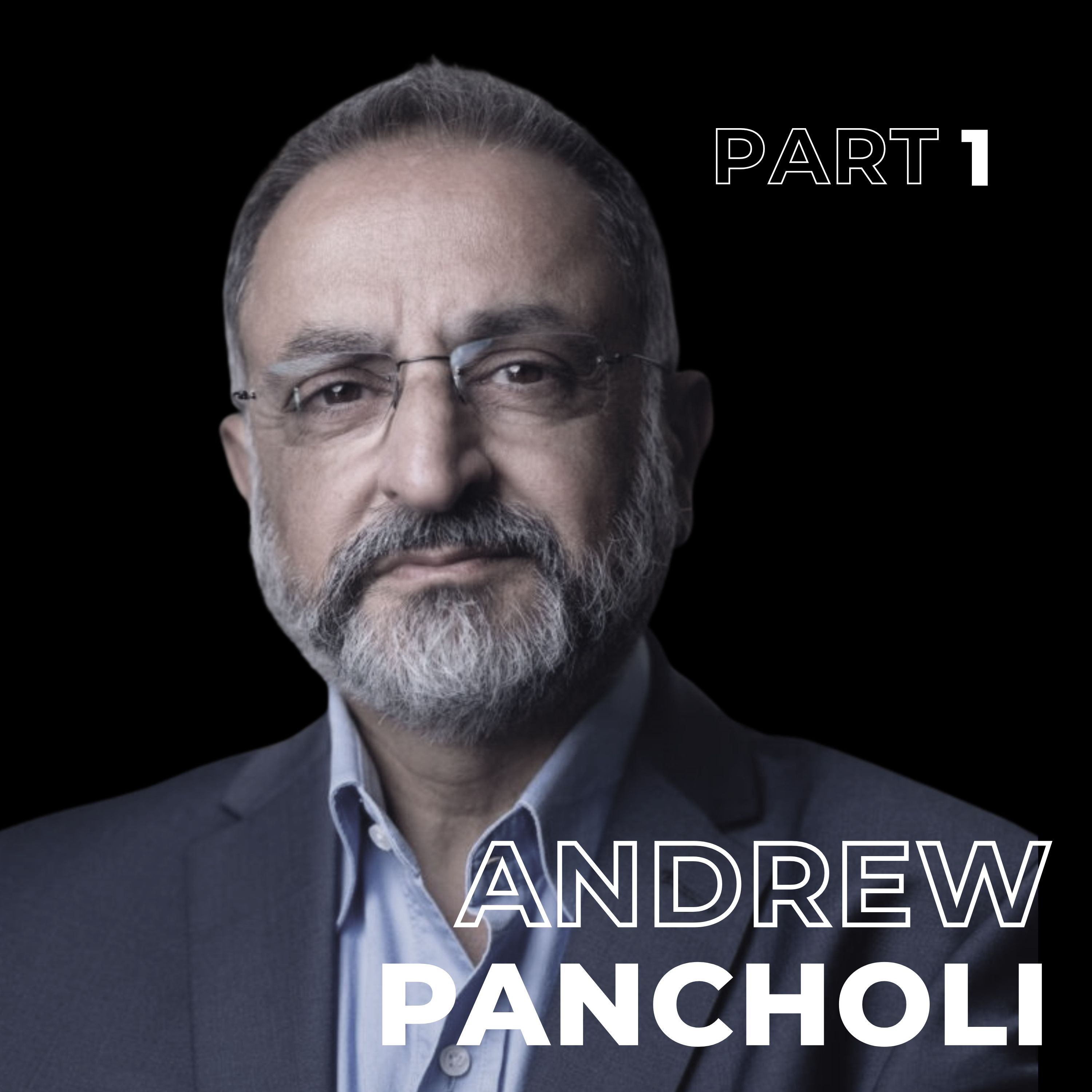
149: Andrew Pancholi: What History Tells Us About Right Now
1w ago01:19:39Tap to summarizeIn January 1981, American hostages were released from Iran within hours of Reagan's inauguration. Forty-five years later — to within 30 hours — Andrew Pancholi told his subscribers an Iran conflict was about to begin. He was right. This is not luck. It’s mathematics — and in this conversation with Dwayne Kerrigan, Andrew breaks down exactly how cycle analysis works, what it's telling us about real estate, geopolitics, and the global economy right now, and what business owners and investors should be doing with that information.In Part 1 of this episode: The 18.6-year real estate cycle: why we are currently at the same position in the cycle as 2007 — just before the Global Financial Crisis — and what the smart money did last time, and what to do nowThe 100-year pandemic cycle — how Spanish flu, cholera, and COVID all followed the same pattern, and why Andrew saw COVID comingThe 90-year geopolitical cycle: how the polarization, rise of nationalism, anti-immigration sentiment, and challenges to global order we're seeing now mirror the 1930s decade almost exactly — including the economic conditions that led to the rise of fascismThe 250-year empire cycle — America at a tipping point, the petrodollar's quiet expiry, and China's strategic expansion while the West was distractedWhy Andrew predicted the Israel-Iran conflict to within 30 hours — the convergence of a 45-year cycle, a 90-year cycle, and a 36-year cycle, and why Netanyahu's personal history from the 1976 Entebbe raid has driven his policy decisions in Gaza and LebanonThe AI boom through the lens of cycles — why every major boom is fueled by new technology, and whether the return on investment can justify what's going in.Note: This conversation is for informational and educational purposes only and does not constitute investment advice. Please consult a qualified financial professional before making any investment decisions.Episode Highlights:00:00 - Hidden Patterns Teaser00:30 - Podcast Intro Setup01:03 - Meet Andrew Pancholi04:39 - Why Cycles Matter07:06 - Real Estate Cycle08:44 - Big Cycles 2029 Risk12:15 - What Should We Do15:38 - Seven Year Life Cycles19:43 - Forecasting Iran Conflict24:25 - Pandemic Cycle Evidence29:29 - Boom Signals And Technology35:45 - Real Estate Action Steps40:09 - Timing the Property Cycle41:38 - Strategy Over FOMO43:25 - Cycle Experts and Herd Signals45:53 - Geopolitics in 90 Years48:44 - The 250 Year Empire Shift58:11 - Petrodollar and BRICS Challenge01:06:21 - China’s Resource Playbook01:11:38 - War Outlook Russia Ukraine Taiwan01:15:31 - What to Watch Next01:18:01 - Wrap Up and DisclaimersResources mentioned:Zero Hour — book by Andrew Pancholi and Harry S. Dent Jr.The Secret Life of Real Estate and Banking — book by Philip AndersonThe Secret Wealth Advantage — book by Akhil PatelThe Art of War — book by Sun TzuThe Market Timing Report — markettimingreport.comQuotes:“The minute you start a conflict, a physical conflict, you have lost the war.” - Andrew Pancholi“The markets are an indication of the psychology of the world. That's the way I've always been trained and always looked at it, is that it is gonna give you what the psychology of the world is looking at things from a economic standpoint.” - Dwayne Kerrigan“ If you don't have to buy, keep saving, 'cause the chances are the house prices will come down, and then when we get to about 2031, 2032, that might be a good time to start looking.” - Andrew Pancholi“ Religious texts, philosophical texts, they all hide mathematical patterns within them. There is something secret hidden away. I mean, it's an open secret if you go and study it, but there are some patterns and years, certain mathematical patterns that do repeat in the bigger picture.” - Andrew Pancholi“ I put the, uh, message out on the Thursday evening to our subscribers saying, "This is gonna kick off, uh, I believe on tomorrow or, or Saturday," and it actually happened on Saturday. So depending on where you are in the world, it was maximum 30 hours out.” - Andrew PancholiAndrew Pancholi is the founder and CEO of The Market Timing Report, a global macro research service used by professional investors, portfolio managers, and family offices to identify risk windows and periods of asymmetric opportunity. For over 40 years, he has forecast turning points in markets including the S&P 500, gold, oil, and Bitcoin using time cycle analysis built on the methods of W.D. Gann, Edward Dewey, and Ralph Elliott. He is co-author of the bestselling book Zero Hour with Harry S. Dent Jr. and a board member of the Foundation for the Study of Cycles. Before market timing, Andrew spent decades as a senior pilot for a major flag carrier airline, including roles as Training Captain and Training Standards Captain.Connect with Andrew Pancholi: https://andrewpancholi.com/https://www.linkedin.com/in/andrewpancholi/The Market Timing Report — markettimingreport.comConnect with Dwayne KerriganFacebookInstagramLinked InWebsiteDisclaimer: The views, information, or opinions expressed by guests during The Dwayne Kerrigan Podcast are solely those of the individuals involved and do not necessarily represent those of Dwayne Kerrigan and his affiliates. Dwayne Kerrigan or The Dwayne Kerrigan Podcast is not responsible for and does not verify the accuracy of any of the information contained in the podcast series. The primary purpose of this podcast is to educate and inform. Listeners are advised to consult with a qualified professional or specialist before making any decisions based on the content of this podcast.
Transcribe →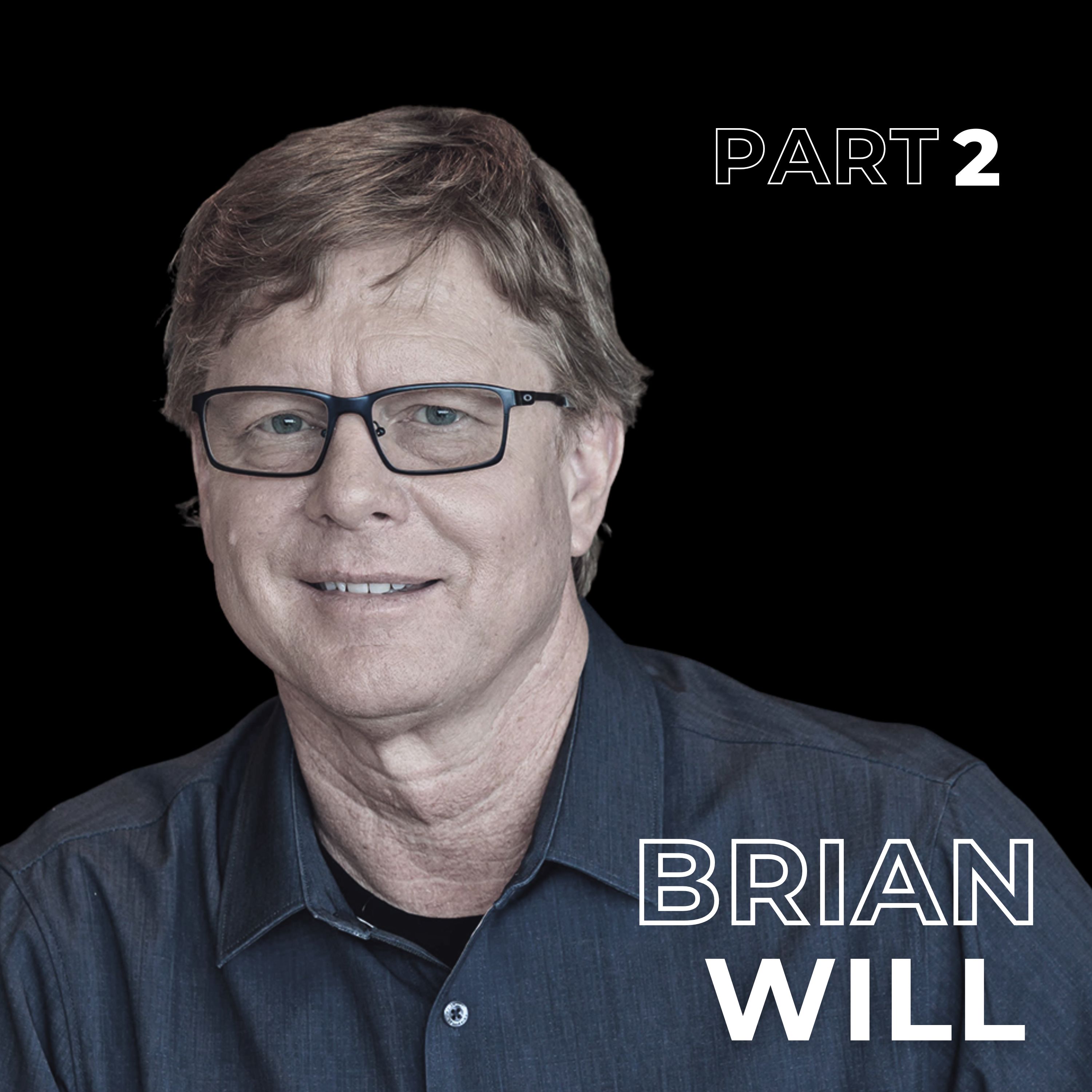
148: Brian Will: Don't Sell to Private Equity Without This
2w ago01:04:20Tap to summarizeMost business owners think getting a call from private equity is the finish line. Brian Will says that's exactly when you're most at risk. In Part 2, Brian delivers the frameworks that took him three exits and decades of hard lessons to build — from the five keys to success (which are also the five keys to failure) to what private equity firms will do to your earn-out if you're not paying attention. In this episode: The five keys to success — and why every single one is also a key to failure Why your business is not your product — it's the business inside the business: marketing, data, systems, and the ability to put any product through a machine that finds customers and converts them The private equity playbook most sellers never see coming: how an $80 million deal became $60 million, why earn-out structures based on EBITDA are almost always a trap, and why you must never let a PE firm take over your accounting Brian's AI workflow — three screens, three AI models (Gemini, ChatGPT, and Claude, which he calls Jake, Elwood, and Jeff), and the one prompt he uses to make sure they challenge him Why you should stop chasing advice from billionaires — and find someone exactly ten steps ahead of you, fresh out of the game, who's made mistakes at your level recently enough to still remember what they felt like Living Forever AI: Brian's current startup building interactive AI twins for personal legacy, professional use, and homeschooling — and why he's bootstrapping it while competitors have raised $20 million. Episode Highlights:00:00 - Escape the Commodity Trap 00:30 - Podcast Intro and Setup 01:30 - Five Keys to Success 01:50 - Key One Strong: Why 02:25 - Keys Two and Three 04:38 - Key Four: Check Ego 05:25 - Key Five: Master P&L 07:33 - KPIs and Pattern Forecasting 09:54 - Pricing and Testing 13:14 - Business Is a Data Game 14:59 - AI for Financial Analysis 16:49 - Living Forever AI Twins 20:37 - Experience Meets AI 23:56 - AI Jobs and Media Fear 29:36 - Why Start at 60 31:07 - Proving It Again 31:52 - Builder Not Manager 32:43 - Exit Strategy Reality 34:51 - Private Equity Earnouts 39:43 - How PE Rollups Work 44:02 - Structuring Safer Earnouts 45:44 - Post Acquisition Lessons 49:52 - Business Beyond Product 55:28 - Using AI As Advisors 57:52 - Stop Chasing Billionaires 01:00:49 - Final Advice And Wrap Resources mentioned: Dropout Multimillionaire, No: The Psychology of Sales and Negotiations, The Invisible Multimillionaire, I Give the Dumb Kids Hope — Brian Will's books Living Forever AI — Brian Will's current company: https://livingforeverai.com/ brianwillmedia.com — Brian Will's website ChatGPT, Gemini, and Claude — Brian's three AI models, running simultaneously for business planning and analysis The 7 Habits of Highly Effective People — Stephen Covey Quotes: “ If you are a commodity business, the only way for you to win is to chase pricing down to the bottom until you can't make money.” - Brian Will “ I did a company, literally 32 marketing channels, and when I did the analysis, nine of those channels were unprofitable. Nine. And they represented 20% of their spend, their marketing spend.” - Brian Will “ And at some point, I started questioning me. I've been doing this consulting thing and telling people what to do for 20 years. I wonder if I actually know what I'm talking about.” - Brian Will “ Wherever you feel, you know, some angst around something, and this could be anywhere in your life, I think it's really important that you lean into it and realize that that angst is, is not there for you to pull back from anything. It's actually for you to lean into something, and there's something that you don't yet know.” - Dwayne Kerrigan “ Stop chasing the advice of billionaires, because they can't help you.” - Brian Will About Brian Will: Brian Will is a serial entrepreneur, two-time Wall Street Journal bestselling author, and business consultant who has founded or co-founded ten companies across four industries, with combined valuations exceeding half a billion dollars. He is a two-time TEDx speaker and the author of four books including Dropout Multimillionaire and No: The Psychology of Sales and Negotiations. Currently, Brian is the CEO of Living Forever AI and runs a coaching and consulting practice helping entrepreneurs master the core metrics, sales systems, and processes that drive sustainable growth. Connect with Brian Will: https://brianwillmedia.com/ Connect with Dwayne Kerrigan Facebook Instagram Linked In Website Disclaimer: The views, information, or opinions expressed by guests during The Dwayne Kerrigan Podcast are solely those of the individuals involved and do not necessarily represent those of Dwayne Kerrigan and his affiliates. Dwayne Kerrigan or The Dwayne Kerrigan Podcast is not responsible for and does not verify the accuracy of any of the information contained in the podcast series. The primary purpose of this podcast is to educate and inform. Listeners are advised to consult with a qualified professional or specialist before making any decisions based on the content of this podcast.
Transcribe →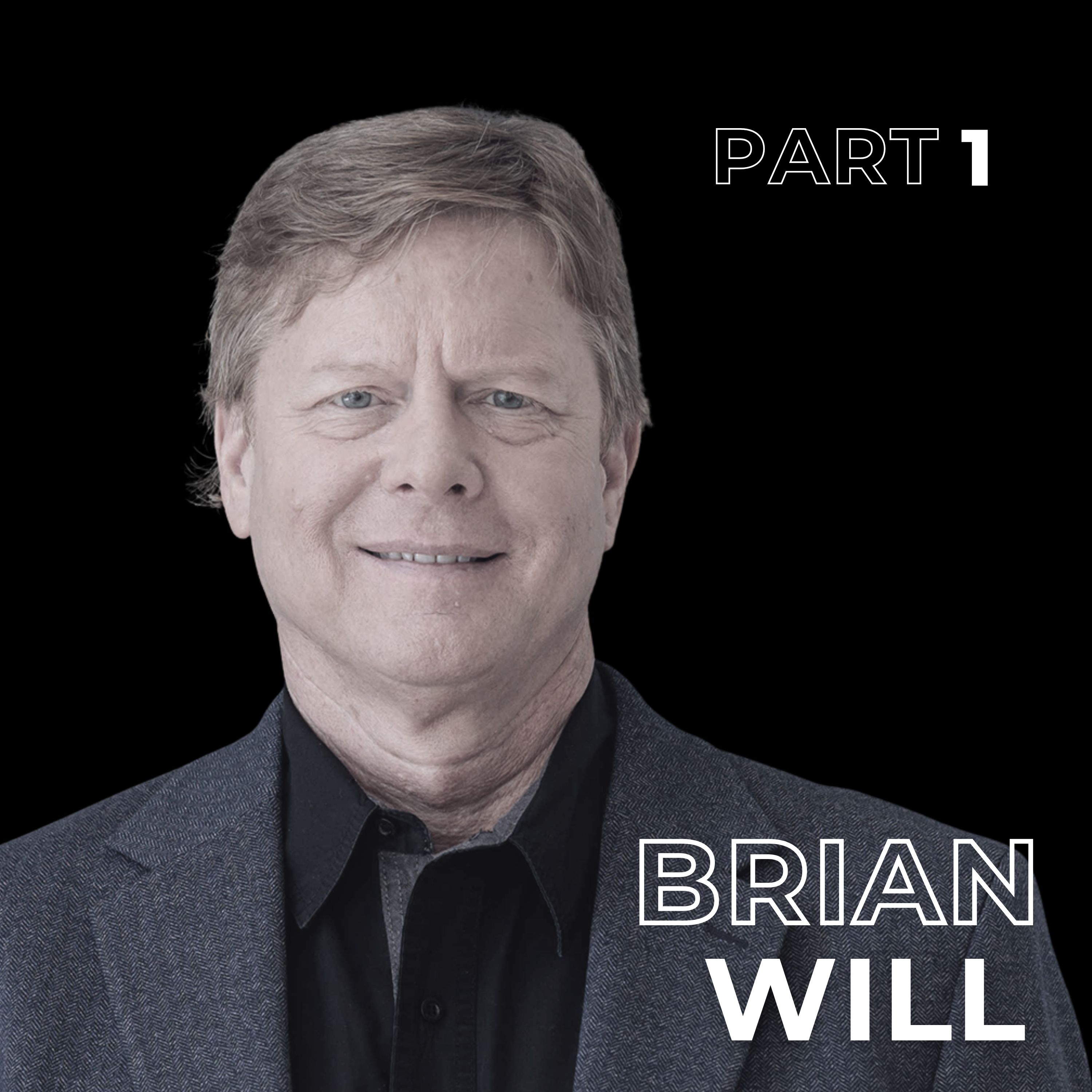
147: From Dropout to Multimillionaire: Brian Will's Success Formula
3w ago00:47:41Tap to summarizeBrian Will has owned 10 companies across five industries, made three exits worth over $500 million, and written four books — including two Wall Street Journal bestsellers. None of it was handed to him and the odds were very much against him. In this conversation with Dwayne Kerrigan, Brian unpacks the frameworks behind his success: the personal filter, the success ladder, and the $80 million decision he almost said no to. In this episode: The "I'm in" moment: Brian's business partner Steve asked him to borrow $66,000 more after nine months of zero revenue and $500,000 in losses — Brian's accountant, CMO, and COO all quit before he finally said yes, and the company sold for $80 million just 18 months later Why "failure leads to success" is a myth Brian calls out directly — it's learning from failure that leads to success, and most people skip that step entirely The success ladder framework: Brian started at step zero with no education, no backing, and no mentors — and why the only two ways to climb are to learn every painful lesson yourself or find someone who's already done it The personal filter concept: everything you've ever heard, read, and experienced creates a subconscious filter that accepts or rejects new information — and why people who seem to have the Midas touch aren't lucky, their brain just knows how to recognize success How Brian's abusive childhood created what he calls the "anger box" — and how that same fuel, once controlled, became his most powerful sales and leadership tool Why three years of counseling after his divorce was the moment he realized the only person he was still trying to prove anything to was himself Episode Highlights: 00:00 - Keep Moving Forward 00:15 - Podcast Intro 00:47 - Meet Brian Will 02:53 - Dumb Kids Hope Story 04:40 - Military Discipline Lessons 08:30 - Abuse, Anger, and Trauma 12:28 - Anger Box Control 13:35 - Learning From Failure 17:04 - Mentorship Strategy 17:59 - Steve and the Big Bet 19:40 - All In Decision 20:38 - Breakthrough and Exit 22:36 - Ego Surrender and Trust 26:46 - Vulnerability and Divorce 32:20 - Drowning Mind in Books 34:30 - Who Steve Was 35:27 - Equity Swap Origin Story 39:23 - Email Marketing Gold Rush 41:10 - Success Filter Framework 46:05 - Wrap Up and Next Episode Resources mentioned: I Give the Dumb Kids Hope, Dropout Multimillionaire, No: The Psychology of Sales and Negotiations, and The Invisible Multimillionaire — Brian Will’s books How to Win Friends and Influence People — Dale Carnegie book Master Key to Riches — Napoleon Hill book The E-Myth Revisited — Michael Gerber book Blink — Malcolm Gladwell book Rich Dad Poor Dad — Robert Kiyosaki book Living Forever AI — Brian Will's current company: https://livingforeverai.com/ Quotes: “ Failure does not lead to success, ever, never, ever, ever. Learning from failure leads to success, and that's the thing that a lot of people don't do, especially in business.” - Brian Will “ In 60 days, we hit our first offer. We did $6 million, then 20, then 30, and then sold the company for $80 million 18 months later.” - Brian Will “ The only person that still thinks, or in my case, still thought that I was that kid laying in the yard crying after I got beat up by my stepdad was me. I was the guy that I did, I had to prove something to.” - Brian Will “ Failure will be inevitable at some point, and learning is optional." - Dwayne Kerrigan “ It's your personal filter that will determine whether you succeed or fail in life.” - Brian Will “ Most of the time, they quit right before they're about to make a breakthrough. That's just a fact.” - Brian Will About Brian Will: Brian Will is a serial entrepreneur, two-time Wall Street Journal bestselling author, and business consultant who has founded or co-founded ten companies across four industries, with combined valuations exceeding half a billion dollars. He is a two-time TEDx speaker and the author of four books including Dropout Multimillionaire and No: The Psychology of Sales and Negotiations. Currently, Brian is the CEO of Living Forever AI and runs a coaching and consulting practice helping entrepreneurs master the core metrics, sales systems, and processes that drive sustainable growth. Connect with Brian Will: https://brianwillmedia.com/ Connect with Dwayne Kerrigan Facebook Instagram Linked In Website Disclaimer: The views, information, or opinions expressed by guests during The Dwayne Kerrigan Podcast are solely those of the individuals involved and do not necessarily represent those of Dwayne Kerrigan and his affiliates. Dwayne Kerrigan or The Dwayne Kerrigan Podcast is not responsible for and does not verify the accuracy of any of the information contained in the podcast series. The primary purpose of this podcast is to educate and inform. Listeners are advised to consult with a qualified professional or specialist before making any decisions based on the content of this podcast.
Transcribe →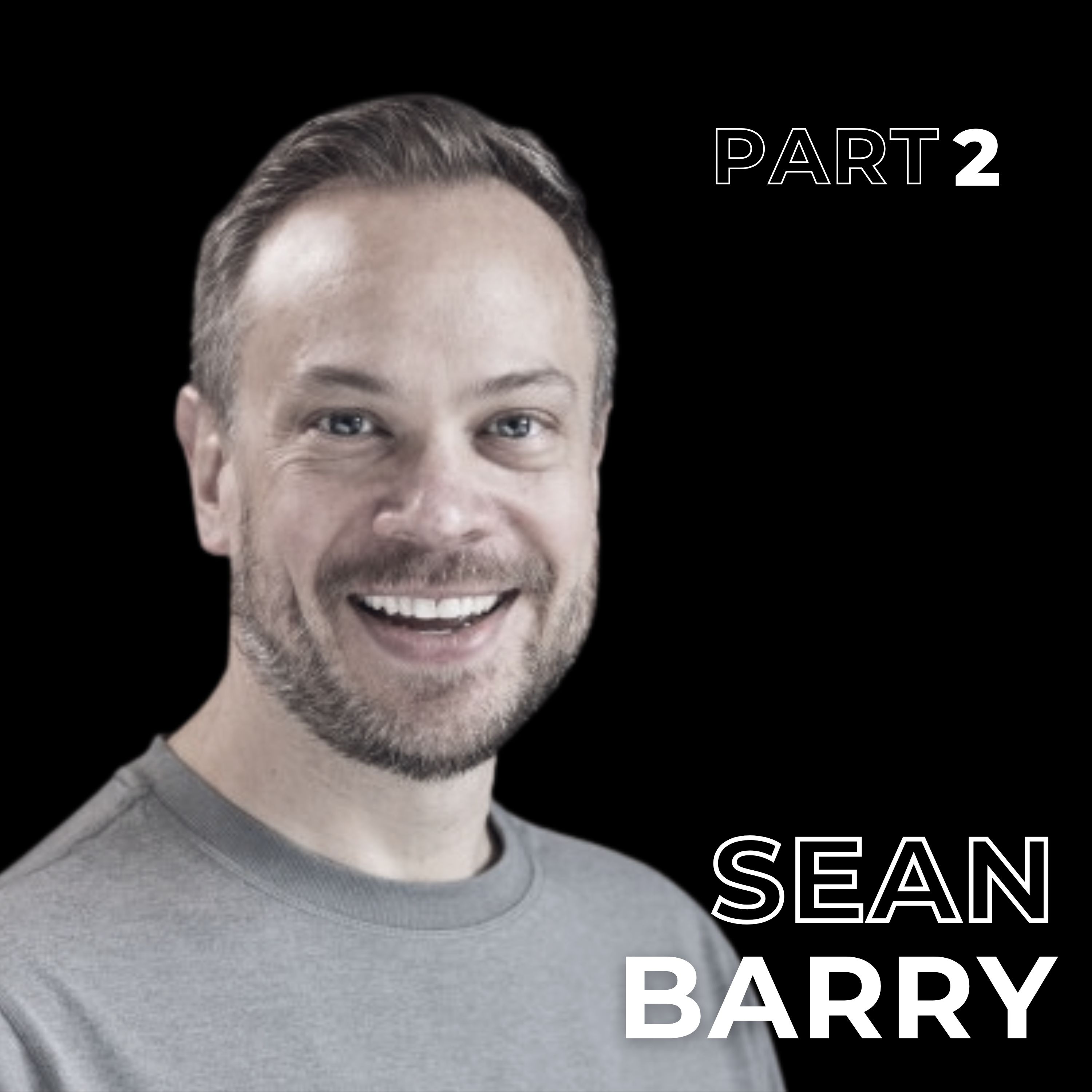
146: Why AI Empowers Entrepreneurs More Than Anyone with Sean Barry
4w ago00:52:23Tap to summarizeSean Barry's team used to spend six months building a feature. Now they build it in two to three weeks.In Part 2, Sean and Dwayne move from the AI transformation inside LeanScaper to the bigger picture: what the software industry looks like in twelve months, why autonomous cars and AI adoption are fundamentally different problems, and what it actually means to participate in this change rather than spectate. In this episode: Why the software industry is facing a potential 50-80% company turnover in the next 12-18 months — and why it's simultaneously the best time to be a consumer of technology and the most terrifying time to be building it The voice and ambient AI future that Sean sees arriving in the next 12 months: screens shrinking from 98% of the interface to 60%, then 20%, as conversational AI replaces the need to navigate software at all Why AI adoption is fundamentally different from autonomous car adoption — when the choice is 150 hours of your time versus 5 hours with AI, it's not a choice your employer gives you, it's a choice that gets made for you How AI can lift wages across entire workforces by removing waste from businesses — Sean's case that the real gift of AI isn't productivity, it's the ability to pay people more Sean's closing philosophy on AI and empathy: the sentiment is largely negative because people aren't participating, and the antidote isn't optimism — it's getting informed, then helping others do the same Start building your identity with Dwayne’s Identity Framework created for the LeanScaper Conference: https://www.dwaynekerrigan.com/identity-framework/Episode Highlights: 00:00 - Be Informed About AI 00:25 - Podcast Intro 01:26 - Shipping Faster With AI 05:55 - Producing What Was Impossible 09:52 - Keeping Pace With Change 11:01 - AI’s Growth Curve 12:11 - Voice First Interfaces 16:54 - Future Of Software SaaS 21:16 - Build Vs Buy For SMBs 25:23 - Leverage Expertise With AI 27:31 - Does It Ever Normalize 31:12 - Autonomous cars 35:35 - Removing Waste Raising Wages 37:32 - Robotics And Scarcity 42:16 - How We Treat AI 46:12 - Participate With Empathy 51:12 - Closing And Disclaimers Resources mentioned: LeanScaper — AI operating system for the landscape industry Lana — LeanScaper's AI agent Mark Bradley — founder and chairman of LeanScaper Claude Code — referenced by Dwayne as the platform he used for his planned 10-week AI course for his staff and their families Lovable — referenced as a tool enabling small business owners to build their own apps Eleven Labs / Cartesia — referenced in context of voice AI development OpenClaw agents and Jarvis — referenced by Dwayne in context of his own AI setup Tesla / Waymo — referenced in autonomous vehicle comparison Anthropic — referenced re: recursive self-improvement blog post released day of recording Paul Akers’s episode on The Dwayne Kerrigan Podcast — referenced regarding eliminating business waste: Episode 135: The Lean Maniac: Paul Akers on Eliminating Waste Quotes: “ This isn't a choice. Like, people who think this is a choice aren't paying attention. Back to what I said before, this happens either to you or with you.” - Sean Barry “ What we accomplished in that two, three weeks would have taken us six months.” - Sean Barry “ I honestly think it's normalizing already, and I have a wonderful wife who, who grounds me in these things because as well I'm like, "Man, if we're not go, go, go, like, we're gonna be left behind." And her very nuanced understanding of people, way better than I have, is like change takes time and people need time.” - Sean Barry “ Nobody likes uncertainty, but that's where all the growth lies, is in your uncomfort.” - Dwayne Kerrigan “ We can help an industry transform the lives of its entire workforce because we can take all of the waste out, and then all of a sudden there's enough money to really pay people well.” - Sean Barry About Sean Barry: Sean Barry is the Chief Product Officer at LeanScaper, an AI operating system and business community built specifically for the landscape and snow contracting industry. He brings nearly two decades of product and digital leadership experience, including almost four years at LMN (Landscape Management Network) — the landscape industry's leading business management platform — where he rose from SVP of Product to Chief Product Officer. Before entering the green industry, Sean spent 14 years at Laughlin Constable, a Milwaukee-based agency, where he built his career from Lead Engineer to SVP of Digital, Account and Innovation. He is currently at the forefront of applying AI to real-world business operations for contractors. Connect with Sean Barry: https://leanscaper.com/ https://www.linkedin.com/in/sbarry/ Connect with Dwayne Kerrigan Facebook Instagram Linked In Website Disclaimer: The views, information, or opinions expressed by guests during The Dwayne Kerrigan Podcast are solely those of the individuals involved and do not necessarily represent those of Dwayne Kerrigan and his affiliates. Dwayne Kerrigan or The Dwayne Kerrigan Podcast is not responsible for and does not verify the accuracy of any of the information contained in the podcast series. The primary purpose of this podcast is to educate and inform. Listeners are advised to consult with a qualified professional or specialist before making any decisions based on the content of this podcast.
Transcribe →
145: Sean Barry: AI Is Happening To You or With You
Jun 2401:02:25Tap to summarizeIn January, 95% of the code Sean Barry's team wrote was written by hand. Six months later, that number is 2%. Sean isn't predicting what AI will do to your industry — he's living it, building it, and losing sleep over it.In this conversation with Dwayne Kerrigan, Sean Barry - the Chief Product Officer of LeanScaper - shares what the AI transformation actually looks like from the inside: the grief, the identity crisis, the compounding flywheel effect, and the window that's closing faster than most people realize.In this episode:Why most small to mid-sized businesses can't implement AI on their own — and what LeanScaper is doing about it for the landscape industryThe compounding flywheel effect: why companies that embrace AI now may be uncatchable by competitors who wait six monthsThe emotional journey Sean's team went through when AI fundamentally changed their jobs overnight — and what's on the other sideWhy the most powerful AI asset in your business might already be sitting in a drawer somewhereThe one thing Sean tells every business owner who doesn't know where to startWhy the resistance to AI — in boardrooms, on campuses, and inside teams — all traces back to the same root causeStart building your identity with Dwayne’s Identity Framework created for the LeanScaper Conference: https://www.dwaynekerrigan.com/identity-framework/Episode Highlights:00:00 - AI Pace Shift00:27 - Podcast Intro00:59 - Meet Sean Barry03:33 - LeanScaper Explained04:33 - DIY AI Struggle08:28 - Jobs Fear vs Abundance14:46- Human Connection Premium17:08 - Mindset, Education, and Retraining25:57 - How to Start Using AI30:36 - SOPs as Superpower36:00 - Uncatchable Flywheel43:43 - Grief and Identity Shift53:26 - What Changed Since January58:14 - New Team Workflow Rebuilt01:00:51 - Wrap Up and Stay Tuned for Next EpisodeResources mentioned:LeanScaper — AI operating system for the landscape industryLMN (Landscape Management Network) — landscape industry business management softwareMark Bradley — Chairman and founder of LeanScaperLana — LeanScaper's AI agentChatGPT — referenced as starting point for AI adoptionClaude / Anthropic — cited as the inflection point in AI coding capability that changed everything in late 2024Claude Code — referenced as coding toolCodex — referenced as AI coding resourceGitHub Copilot / Microsoft Copilot — referenced in context of AI coding historyFigma — referenced as design tool being replaced by AI-assisted codingOpenClaw agents — referenced by Dwayne as agents running in his own setupQuotes:“ Your choice is not whether or not this happens, your choice is whether it happens with you or to you, and that's the choice you get to make.” - Sean Barry“ In January, ninety-five, ninety-eight percent of the code we would write was written by hand, and today, two percent. Yeah, that's six months.” - Sean Barry“ Take next week off and stop doing your day job, and then spend forty hours learning AI and diving into ChatGPT, Codex, Claude. Figure out what you want. Dive in, there's tons of education. You just ask AI how to use it. Then the next week, that time will pay back. You will have moved yourself so far in that forty hours that you will get that time back the next week.” - Sean Barry"You'll be uncatchable by people who don't." - Sean Barry“ I think 95% of small to mid-sized businesses don't have the time nor resources to go accomplish that. So I think we're at the exciting point in what we're trying to do is, is take all that power and then do all the heavy lifting for landscape contractors so they can just turn it on and use it and not need to go figure out how to put it all together.” - Sean BarryAbout Sean Barry:Sean Barry is the Chief Product Officer at LeanScaper, an AI operating system and business community built specifically for the landscape and snow contracting industry. He brings nearly two decades of product and digital leadership experience, including almost four years at LMN (Landscape Management Network) — the landscape industry's leading business management platform — where he rose from SVP of Product to Chief Product Officer. Before entering the green industry, Sean spent 14 years at Laughlin Constable, a Milwaukee-based agency, where he built his career from Lead Engineer to SVP of Digital, Account and Innovation. He is currently at the forefront of applying AI to real-world business operations for contractors.Connect with Sean Barry: https://leanscaper.com/https://www.linkedin.com/in/sbarry/Connect with Dwayne KerriganFacebookInstagramLinked InWebsiteDisclaimer: The views, information, or opinions expressed by guests during The Dwayne Kerrigan Podcast are solely those of the individuals involved and do not necessarily represent those of Dwayne Kerrigan and his affiliates. Dwayne Kerrigan or The Dwayne Kerrigan Podcast is not responsible for and does not verify the accuracy of any of the information contained in the podcast series. The primary purpose of this podcast is to educate and inform. Listeners are advised to consult with a qualified professional or specialist before making any decisions based on the content of this podcast.
Transcribe →
144: Sleep Is the Currency of Attention with Dr. Breus
Jun 1701:09:41Tap to summarizeMost people treat sleep like something that happens to them. Dr. Michael Breus, aka The Sleep Doctor, treats it like a system — one that can be built, optimized, and recovered no matter how badly you've abused it. In Part 2, Dwayne and Dr. Breus move from theory into full practice: the single morning habit that regulates your entire sleep schedule, the truth about supplements and peptides, and why a 78-year-old entrepreneur taking four different drugs to get through the day became drug-free in two weeks and now more productive than his staff can handle. In this episode: The one rule that regulates your entire sleep schedule The three-15s morning routine: 15 deep breaths, 15 ounces of water, and 15 minutes of direct sunlight within 20 minutes of waking — and why vitamin D is a circadian pacemaker The supplement framework most people get completely wrong Dr. Breus's unambiguous position on peptides: lab-use-only compounds are being injected by people who have no idea what the 10 or 20-year consequences are, and the only thing he's ever found that he cannot fix without medication or intervention is physical pain and major mental health issues How Dr. Breus accidentally became The Sleep Doctor: rejected from his first-choice sports psychology program, he sold himself into a sleep track, fell in love with clinical sleep medicine, and never looked back — "You change somebody's sleep, you change their life." Discover Your Chronotype - Take The Quiz: https://sleepdoctor.com/pages/dr-breus-podcast-dwayne-kerrigan Episode Highlights: 00:00 - Sleep Boosts Everything 00:22 - Podcast Welcome 01:24 - Wake Time Consistency 01:41 - Melatonin Timer Explained 03:12 - Minimum Sleep Safety 04:54 - Sleep Quality For Performance 06:41 - Exercise And Cooling Hacks 10:53 - Home Sleep Testing 14:51 - Sauna Timing And Cold Plunge 19:06 - Blue Light and Screen Stimulus 22:05 - Morning Sun Routine 23:51 - Supplements vs Bloodwork 27:50 - Magnesium Types And Research 30:24 - Avoid Over Supplementing 33:01 - Eight Hours Myth 34:42 - Modern Sleep Basics 35:40 - Kids and Teen Sleep 38:36 - What Good Sleep Feels Like 39:44 - Depression Meds and REM 45:29 - Entrepreneur Sleep Debt 49:39 - Peptides Sleep Shortcuts 54:36 - Sleeping Pills and Tapering 01:00:21 - Sleep Doctor Origin Story 01:04:03 - Sleep and Purpose 01:05:48 - Final Takeaways and Goodbye Resources mentioned: Take the Original Chronotype Quiz | SleepDoctor.com Sleep Doctor At Home Sleep Test (SleepDoctor.com) The Sleep Doctor At-Home Sleep Test provides clinical-level sleep analysis from the comfort of your own bed. Using two simple sensors and a connected app, users receive personalized results reviewed by a licensed provider in under a week. Orion Sleep — mattress topper for temperature regulation Eight Sleep — mattress topper referenced as comparable product ChiliPAD — referenced as comparable cooling product Full Script — Supplement Management & Lab Testing Platform Andrew Huberman — referenced in context of the apigenin/magnesium threonate sleep stack Dan Sullivan / Strategic Coach — case study referenced with permission Laird Hamilton and Gabby Reece — referenced in context of sauna/cold plunge performance camp Quotes: “ Everything you do, you do better with a good night's sleep. Everything. There's not a single biological function that you don't do better when you sleep.” - Dr. Michael Breus “ 25% of the people that show up on my doorstep, I have them go do blood work. As soon as we fix the deficiencies, they're done. They're gone. They don't need anything. But here's the funny part. Nobody has a deficiency in ashwagandha, right? Nobody has a deficiency in passionflower, right? Nobody.” - Dr. Michael Breus “ God's delays are not God's denials. You know, you thought you wanted to be this, and you were pursuing this expectation or this hope or this dream, but then what you really found was your true purpose.” - Dwayne Kerrigan “Wake up at the same time seven days a week. Notice I didn't say go to bed at the same time. I said wake up at the same time.” - Dr. Michael Breus “ Sleep is the currency of attention. You cannot pay attention to anything if you're not well-slept. ADD, ADHD gets worse when you're not well-slept. You can't focus. Everything depe- this is why sleep is so fundamental to life, is because it's, it literally dictates what you look at, what you focus on, and where you spend your time. It's all comes from whether or not you got a good night's rest.” - Dr. Michael Breus Dr. Michael Breus, Ph.D., is a double board-certified Clinical Psychologist and Clinical Sleep Specialist, and one of only 168 psychologists in the world to have passed the Sleep Medicine Boards without attending medical school. Known as The Sleep Doctor, he is the founder of sleepdoctor.com, was named the Top Sleep Specialist in California by Reader’s Digest, and one of the 10 most influential people in sleep, and is the author of several books including The Power of When and Sleep, Drink, Breathe: Wellness is Too Complicated. He has appeared on Oprah, CNN, The Today Show, and The Dr. Oz Show more than 40 times, and lectures globally for organizations including YPO and Tony Robbins' Unleash the Power Within. Connect with Dr. Michael Breus: YouTube: Sleep Doctor Instagram: Sleep Doctor (@thesleepdoctor) Take the Original Chronotype Quiz | SleepDoctor.com Sleep Doctor At Home Sleep Test (SleepDoctor.com) The Sleep Doctor At-Home Sleep Test provides clinical-level sleep analysis from the comfort of your own bed. Using two simple sensors and a connected app, users receive personalized results reviewed by a licensed provider in under a week. Connect with Dwayne Kerrigan Facebook Instagram Linked In Website Disclaimer: The views, information, or opinions expressed by guests during The Dwayne Kerrigan Podcast are solely those of the individuals involved and do not necessarily represent those of Dwayne Kerrigan and his affiliates. Dwayne Kerrigan or The Dwayne Kerrigan Podcast is not responsible for and does not verify the accuracy of any of the information contained in the podcast series. The primary purpose of this podcast is to educate and inform. Listeners are advised to consult with a qualified professional or specialist before making any decisions based on the content of this podcast.
Transcribe →
143: Sleep Smarter: The Science of When with Dr. Michael Breus
Jun 1001:14:13Tap to summarizeYou've been told to get eight hours of sleep your whole life. Dr. Michael Breus — The Sleep Doctor — says that's not only wrong, it may be making things worse. In this conversation with Dwayne Kerrigan, one of the world's foremost sleep specialists breaks down the science of when to sleep, when to drink caffeine, when to workout, and why most people's sleep problems aren't about how much they sleep — they're about when. In this episode: The four chronotypes — Lion, Bear, Wolf, and Dolphin — and why knowing yours could reduce your total sleep while dramatically improving quality; plus why 55% of the population are Bears, and what that means for your nine-to-five schedule The 90-minute caffeine rule: how adrenaline and cortisol make caffeine useless for the first 90 minutes after waking, and when to stop caffeine entirely to protect your sleep The biology of the 1:00–3:00 AM wake-up: every human on Earth wakes up in this window due to a cortisol spike — and Dr. Breus's four-step protocol for getting back to sleep, including the four-seven-eight breathing technique developed by Dr. Andrew Weil for Navy snipers Why alcohol destroys Stage 3 and 4 deep sleep — the physical restoration stage where the brain's glymphatic system flushes beta amyloid and tau proteins linked to Alzheimer's disease — and the exact wine-with-dinner timing strategy that lets you drink without wrecking your sleep Sleep tracking devices: why none of them are accurate for measuring sleep stages, why rings outperform wristbands, why you should only review your tracker data once a week, and how to use trend analysis rather than nightly numbers Dr. Breus's personal disclosure: he has moderate obstructive sleep apnea and stops breathing 26 times an hour — and why he wants every listener to stop avoiding sleep testing out of fear Discover Your Chronotype - Take The Quiz: https://sleepdoctor.com/pages/dr-breus-podcast-dwayne-kerrigan Episode Highlights: 00:00 - Entrepreneurs Sleep Differently 00:33 - Welcome and Guest Introduction 01:06 - Tony Robbins Connection 03:17 - Meet Dr Michael Breus 05:05 - Middle of Night Awakenings 07:40 - Understanding Chronotypes 11:31 - The Lion Chronotype 12:47 - The Bear Chronotype 13:18 - The Wolf Chronotype 14:23 - The Dolphin Chronotype 18:07 - Bad Sleep Habits 20:39 - Morning Workouts and Cortisol 22:27 - Perfect Time for Sex 25:20 - Understanding Cortisol 26:37 - Why We Wake at 3AM 28:57 - Don't Go Pee 30:52 - Don't Look at the Clock 31:43 - Four Seven Eight Breathing 34:59 - Getting Out of Bed 36:28 - Stay Positive 38:06 - Breathing Technique Recap 38:51 - Breathing Techniques Really Work 42:50 - Alcohol and Sleep Quality 46:47 - Caffeine Timing Guidelines 49:49 - Cannabis and Sleep 51:39 - Understanding Sleep Stages 54:29 - Sleep Cycles Explained 56:11 - Sleep Tracking Devices 01:00:08 - Choosing the Right Tracker 01:04:18 - Heart Rate Variability 01:07:17 - Quality Over Quantity 01:08:46 - Sleep Apnea and Testing 01:12:12 - Finding Your Sleep Need 01:12:36 - Closing Thoughts and Stay Tuned for Part 2 Resources mentioned: Several of Dr. Michael Breus’ books – The Power of When, Energize!, The Sleep Doctor's Diet Plan, Good Night, and Sleep, Drink, Breathe Four-seven-eight breathing technique — developed by Dr. Andrew Weil Muse headband — brainwave monitoring headband for sleep and meditation Oura Ring — sleep tracking ring Whoop Strap — activity and sleep tracker Apple Watch — sleep tracking The Happy Ring from Happy Sleep — FDA-approved ring for sleep studies Tony Robbins’s book Unleash the Power Within Quotes: “Eight hours is a myth, man. So many people try to force themselves to get... The math doesn't even work. Like, the right number of cycles doesn't even end up at eight hours.” - Dr. Michael Breus “ I really, honestly, legitimately feel like I've dumbed myself down a little bit when it comes to, when it comes to my, like, abuse of sleep over the years.” - Dwayne Kerrigan “To be clear, dude, you are your best doctor. When you wake up in the morning, if you feel good, you feel good. Like, you slept well.” - Dr. Michael Breus “ The first liquid that crosses your lips every morning should not, I repeat, not be caffeinated.” - Dr. Michael Breus “ Stop thinking about hours. This is a quality game, not a quantity game. If you get six and a half hours of good quality sleep- As a sleep doctor, I am much more interested than if you get eight hours of crappy sleep.” - Dr. Michael Breus Dr. Michael Breus, Ph.D., is a double board-certified Clinical Psychologist and Clinical Sleep Specialist, and one of only 168 psychologists in the world to have passed the Sleep Medicine Boards without attending medical school. Known as The Sleep Doctor, he is the founder of sleepdoctor.com, was named the Top Sleep Specialist in California by Reader’s Digest, and one of the 10 most influential people in sleep. He is the author of several books including The Power of When and Sleep, Drink, Breathe: Wellness is Too Complicated, and has appeared on Oprah, CNN, The Today Show, and The Dr. Oz Show more than 40 times, and lectures globally for organizations including YPO and Tony Robbins' Unleash the Power Within. Connect with Dr. Michael Breus: YouTube: Sleep Doctor Instagram: Sleep Doctor (@thesleepdoctor) Take the Original Chronotype Quiz | SleepDoctor.com Sleep Doctor At Home Sleep Test (SleepDoctor.com) The Sleep Doctor At-Home Sleep Test provides clinical-level sleep analysis from the comfort of your own bed. Using two simple sensors and a connected app, users receive personalized results reviewed by a licensed provider in under a week. Connect with Dwayne Kerrigan Facebook Instagram Linked In Website Disclaimer: The views, information, or opinions expressed by guests during The Dwayne Kerrigan Podcast are solely those of the individuals involved and do not necessarily represent those of Dwayne Kerrigan and his affiliates. Dwayne Kerrigan or The Dwayne Kerrigan Podcast is not responsible for and does not verify the accuracy of any of the information contained in the podcast series. The primary purpose of this podcast is to educate and inform. Listeners are advised to consult with a qualified professional or specialist before making any decisions based on the content of this podcast.
Transcribe →
142: Don't Mistake Being Busy for Being Productive
Jun 301:17:56Tap to summarizeNobody jumps out of bed wanting to do a bad job. So why does the day fall apart by lunch? In this episode, Dwayne Kerrigan breaks down the actual mechanics of high-performance productivity — not the philosophy, not the mindset pep talk, but the specific rituals, systems, and daily habits that determine whether your week produces results or just burns time.In this episode:The Time Management Matrix — originally developed by Franklin Covey, which Dwayne taught for 35 years — and why the only quadrant that actually moves your life forward is Q2: things that are important but not urgent, including planning, training, creative thinking, and relationship buildingWhy weekly planning and solitude is the single most important hour of the week — what Dwayne looks at during that block, how he structures it, and why if you miss it consistently, everything else breaks downHow Dwayne uses a color-coded identity calendar — each role in his life assigned a color, from Chairman to Love Slave — so that every time block is set with intention, not just task completionThe AI accountability system: Dwayne sends his planned week and his actual week to an AI agent named Jarvis, who measures his efficiency against his seven-year mission and purpose — and tells him when he's gotten sucked into operationsThe 30-to-60-second rule for managing in-the-moment interruptions: handle it now if it takes under a minute, or put it on the task list immediately and review every two to three hoursWhy perfection is a fool's game — Dwayne's case for defining "good enough" before you start, launching at that standard, and building a continuous improvement process rather than waiting for perfect.Episode Highlights: 00:00 - Progress Over Perfect00:28 - Podcast Introduction01:05 - Productivity Not Time02:44 - Roles And Identities03:44 - Mindset State And Why04:56 - Strategy Culture Habits06:47 - Health Vitality Long Game08:32 - Vision Plan Action Framework11:33 - Weekly Planning Solitude16:07 - Time Management Matrix23:18 - Plan Your Week In Practice24:41 - Daily Planning29:09 - Handle Interruptions Fast30:33 - Email Tasks34:06 - Inbox Overload Fixes35:39 - Stop Chasing Shiny Objects36:39 - Eat The Frog First37:35 - Perfection Blocks Progress38:56 - Get Resourceful Ask Help40:09 - Break Tunnel Vision41:29 - Identity Based Weekly Planning43:08 - AI Accountability Feedback45:00 - Guardrails And Honest Feedback46:42 - Daily Execution Rituals49:46 - Urgent Versus Important Explained55:51 - Stop Unneeded Meetings57:17 - Prioritize Across Roles59:59 - Why Breaks Feel Hard01:05:23 - Calendaring To Reduce Stress01:09:17 - Wrap Up And DisclaimersResources mentioned: FranklinCovey Time Matrix, Plan and software (Dwayne's current task management tool)The 7 Habits of Highly Effective People — book by Stephen CoveyExactly What to Say — book by Phil Jones2 Second Lean — book by Paul AkersByron Katie’s four questions framework — "Is it true? Is it absolutely true?"Video text messaging - Todd Hartley and Paul Akers referencedWaking Up app — Sam Harris meditation appTony Robbins — six human needs framework referencedKeith Cunningham — "Progress is not only measured by yards gained, but sometimes by yards not lost"Quotes:“Don't mistake being busy for producing results” - Dwayne Kerrigan“ Lose two hours of your day out of an eight-hour day, it adds up to a 20% of your day all of a sudden disappears. Well, factor that out over the year, you've got 20% of your year that you've not been working at directing yourself to a target.” - Dwayne Kerrigan“The difference between excitement and fear is just the label that we put on it. Physically and physiologically, it's kind of the same experience in our body, but we put a label on fear versus excitement.” - Dwayne Kerrigan“ The biggest problem that we make is we let perfect get in the way of progress. We've gotta identify what is good. And I'm not saying lower your standards, but what I am saying is we can get stuck on perfection or our need for certainty, and we have what I call failure to launch syndrome.” - Dwayne Kerrigan“ We often overestimate what we can accomplish in a year and we underestimate what we can accomplish in a decade.” - Dwayne KerriganConnect with Dwayne KerriganFacebookInstagramLinked InWebsiteDisclaimer: The views, information, or opinions expressed by guests during The Dwayne Kerrigan Podcast are solely those of the individuals involved and do not necessarily represent those of Dwayne Kerrigan and his affiliates. Dwayne Kerrigan or The Dwayne Kerrigan Podcast is not responsible for and does not verify the accuracy of any of the information contained in the podcast series. The primary purpose of this podcast is to educate and inform. Listeners are advised to consult with a qualified professional or specialist before making any decisions based on the content of this podcast.
Transcribe →
141: Kyle Scheele: The Five Things Every Idea Needs
May 2701:02:31Tap to summarizeKyle Scheele went from 17 TikTok followers to a million in 25 hours — not because he had a strategy, but because he finally stopped waiting for the right time and posted the video. In Part 2, he and Dwayne walk through the five things every idea needs to make it into the world, why AI is a sycophancy machine that will confidently tell you exactly what you want to hear, and why creativity is a team sport — and always has been. In Part 2 of this episode: The five things every idea needs — a chance, a home, a time and place, a bodyguard, and a crew — and the specific, practical way each one applies inside a business or organization Why Kyle went from 17 followers to a million on TikTok in 25 hours: a one-minute video about photoshopping his dad's tilted head in a family portrait, and the James Joyce principle that explains why the most particular stories become the most universal The chemical company story: a PhD chemist had known for years that her company's product would work perfectly in another industry — and never said anything, because no one asked Why AI is good at the "I" and the "A" of the idea cycle (inspiration and action) but can't do discovery or evolution — because those require taste, distaste, and skin in the game that no algorithm has How fear of running out of money drove Kyle's entire entrepreneurial career — and why that fear, managed well, doesn't make you play small, it makes you play smart. Episode Highlights: 00:00 - Creativity Needs Others 00:32 - Podcast Intro and Setup 01:30 - Give Ideas a Chance 04:44 - Ideas Need a Home 07:20 - Systems That Invite Ideas 11:56 - Launch Now Not Perfect 13:20 - TikTok Breakthrough Story 21:06 - Protect Ideas with Bodyguards 27:23 - Ideas Need a Crew 29:25 - Creativity Needs a Crew 30:50 - Viking Funeral Origin Story 33:03 - Fear of Regret as Fuel 35:05 - Calculated Risks Over Gambling 37:08 - Strategic Projects and Social Media 42:22 - The Idea Cycle Framework 45:35 - Where AI Helps and Misses 51:08 - AI as a Tool and Its Tradeoffs 55:02 - Creativity Beyond Business 56:44 - Applying Creativity Tools to Life 01:01:10 - Final Thanks and Wrap Up Resources mentioned: Several books (for adults and childen) referenced written by Kyle, can be found here: https://kylescheele.com/Books TED Talk: How to Find a Wonderful Idea — OK Go, on creativity and discovery Vivian Maier — street photographer whose work was discovered posthumously Tony Robbins — Business Mastery referenced by Dwayne ChatGPT / AI — referenced throughout Quotes: “ I always say creativity is a team sport because life is a team sport. You are not designed to do any of this stuff on your own, and even if you did, what would be the point of it all?” - Kyle Scheele “ On my third video, I went from 17 followers to a million followers, and that changed the course of my business, my trajectory, my life. It opened so many doors for me, and that all happened off a video that I almost didn't post because I almost didn't post any of them because I was waiting for the right time and the right place. “ - Kyle Scheele “ Give everyone notebooks on your team. Just give them a pocket notebook and go, "Hey, here's the things I want you to start looking for. This week, here's a focus.” - Kyle Scheele “ The reasonable man adapts himself to the world. The unreasonable one persists in trying to adapt the world to himself. Therefore, all progress depends on the unreasonable man." - George Bernard Shaw (quoted by Kyle Scheele) “ If you're not innovating, you're dying, and that is just the truth.” - Dwayne Kerrigan About Kyle Scheele: Kyle is an author, speaker, and creativity expert known for turning bold ideas into unforgettable results — from hosting a Viking funeral for the regrets of 21,000 people to launching the world's first fake marathon. With more than 750 keynotes delivered in all 50 states, Kyle combines humor, sharp insights, and real-world experimentation to help organizations unlock creativity and innovation at scale. He has worked with teams at Walmart, Deloitte, Fidelity, and Chick-fil-A, and his work has been featured in WIRED, The Washington Post, Fast Company, and Yahoo!. His books include We Put a Man on the Moon, How to Host a Viking Funeral, A Pizza With Everything On It, and A Sunday With Everything On It. Connect with Kyle Scheele: https://kylescheele.com/ Connect with Dwayne Kerrigan Facebook Instagram Linked In Website Disclaimer: The views, information, or opinions expressed by guests during The Dwayne Kerrigan Podcast are solely those of the individuals involved and do not necessarily represent those of Dwayne Kerrigan and his affiliates. Dwayne Kerrigan or The Dwayne Kerrigan Podcast is not responsible for and does not verify the accuracy of any of the information contained in the podcast series. The primary purpose of this podcast is to educate and inform. Listeners are advised to consult with a qualified professional or specialist before making any decisions based on the content of this podcast.
Transcribe →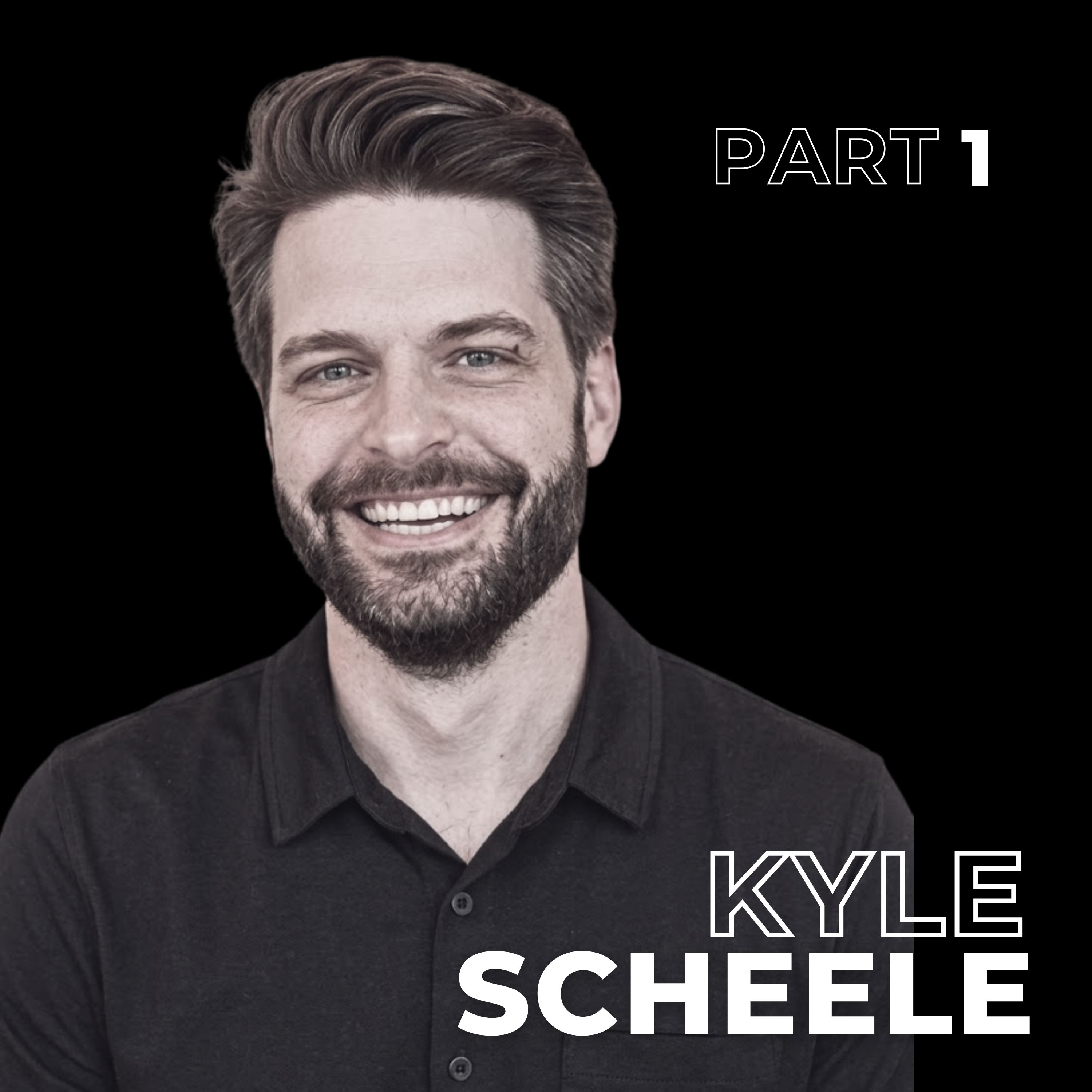
140: Why Every Person Is Creative with Kyle Scheele
May 2000:59:39Tap to summarizeMost people think creativity is something you either have or you don't — a gift, a gene, a mysterious lightning bolt that strikes a chosen few. Kyle Scheele has spent his career dismantling that belief, and in this conversation he makes the case that creativity isn't magic at all. It's problem-solving. And everyone already does it, every single day.In Part 1 of this episode: Why your brain is not a truth-seeking machine — it's a belief justification machine: give it the belief "I'm not creative" and it will spend the rest of your life finding evidence to prove you rightKyle's spontaneous ideation theory — the creativity myth he compares to the 17th century scientific belief that dirty rags and wheat kernels spontaneously generated mice, and why most people's understanding of where ideas come from is just as wrongThe coffee shop moment that defined Kyle's career: his friend Isaac told him, "most people come in here, talk about an idea, and the next time you hear about it, it's just an idea again — you come in two days later editing the footage"How Kyle went from broke high schooler selling "Osteoporosis is bad to the bone" T-shirts out of the school lunch room to getting a line into Urban Outfitters in his first year of college — and what that early experience installed in him about figuring things outWhy 70% of the time, when companies give their teams the bandwidth to explore a challenge internally, the answer is already there — it's just inside the head of someone who hasn't been asked yet (Harvard Business Review, cited on stage)Content Warning: This episode includes a brief discussion of childhood suicidal ideation. Kyle shares openly about his experience as a child feeling isolated in school and experiencing dark thoughts, before a friendship changed his perspective. The conversation is handled with care and context, but we want our listeners to be prepared.If you or someone you know is struggling, call or text 988 — the Suicide and Crisis Lifeline — available 24/7 in both the US and Canada.Episode Highlights:00:00 - Creativity as Problem Solving00:36 - Podcast Welcome and Guest Intro03:24 - Turning Ideas Into Action06:33 - Early Hustle T Shirt Business11:40 - Belief Systems Block Creativity15:27 - Ambition Versus Contentment20:59 - No Right or Wrong in Ideas25:06 - AI Limits and Skin in Game26:46 - School Struggles and Finding Belonging28:44 - It Only Takes One Person To Make An Impact29:36 - Creative Kid Origins30:12 - Student Council Confidence31:45 - Baby Steps Momentum32:15 - Window Of Possibility33:45 - Vision Into Action35:08 - Fuel Creativity Thrives Within Constraints36:49 - Recovering Curiosity39:34 - Questioning Limiting Beliefs44:15 - Everyone Is Creative45:41 - Claiming Artist Identity48:29 - Business Needs Crystal Clear Goals51:12 - Creativity As Problem Solving52:39 - Unlocking Team Innovation57:27 - Closing Remarks and Stay Tuned For Part 2Resources mentioned:Several books (for adults and childen) referenced written by Kyle, can be found here: https://kylescheele.com/BooksHarvard Business Review study on internal innovationHeather Moyse — Olympic athlete referenced by Dwayne re: chunking goalsSpontaneous generation theory / Francesco Redi experiments — referenced in context of the creativity mythOrbis Medicinae — Jan Baptist van Helmont, referenced in context of spontaneous generationSteve Jobs interview — paraphrased by Kyle re: everything in the world being made by people no smarter than youLeanScaper Operations Intensive — conference where Dwayne first saw Kyle speakQuotes:“ What you might consider might be right or wrong is really based on what's the possibility of it happening, and then it'll only be judged when you look back on it in history.” - Dwayne Kerrigan“ If you don't get clear on that goal, it's hard to know where to go.” - Kyle Scheele“ Creativity is just problem-solving. Every idea is the solution to some problem.” - Kyle Scheele"If it never gets any better than this, what a life. But I think it can get better than this." - Kyle ScheeleAbout Kyle Scheele: Kyle Scheele is an author, speaker, and creativity expert known for turning bold ideas into unforgettable results — from hosting a Viking funeral for the regrets of 21,000 people to launching the world's first fake marathon. With more than 750 keynotes delivered in all 50 states, Kyle combines humor, sharp insights, and real-world experimentation to help organizations unlock creativity and innovation at scale. He has worked with teams at Walmart, Deloitte, Fidelity, and Chick-fil-A, and his work has been featured in WIRED, The Washington Post, Fast Company, and Yahoo!. His books include We Put a Man on the Moon, How to Host a Viking Funeral, A Pizza With Everything On It, and A Sunday With Everything On It.Connect with Kyle Scheele: https://kylescheele.com/Connect with Dwayne KerriganFacebookInstagramLinked InWebsiteDisclaimer: The views, information, or opinions expressed by guests during The Dwayne Kerrigan Podcast are solely those of the individuals involved and do not necessarily represent those of Dwayne Kerrigan and his affiliates. Dwayne Kerrigan or The Dwayne Kerrigan Podcast is not responsible for and does not verify the accuracy of any of the information contained in the podcast series. The primary purpose of this podcast is to educate and inform. Listeners are advised to consult with a qualified professional or specialist before making any decisions based on the content of this podcast.
Transcribe →