
Podcast
The Energy Talk - Storytellers of Africa's Energy Transition
Hosted by CleanTech Africa · EN
We are the storytellers of Africa's energy transition, covering the perspectives of Financiers, Policymakers, and Operators dedicated to pushing the continent towards a sustainable energy future.
The podcast is hosted by Olubunmi Olajide and Chigozie Ubah.
Episodes are produced by EnergyHaus Africa
Social media and communications are handled by Sharon Boma
Audio & Video are edited by Spectral-Play Media and Thepixelgod Creatives
Together, we are The Energy Talk Podcast team. New episode every two weeks.
11episodes
Episodes
Newest firstAll episodes
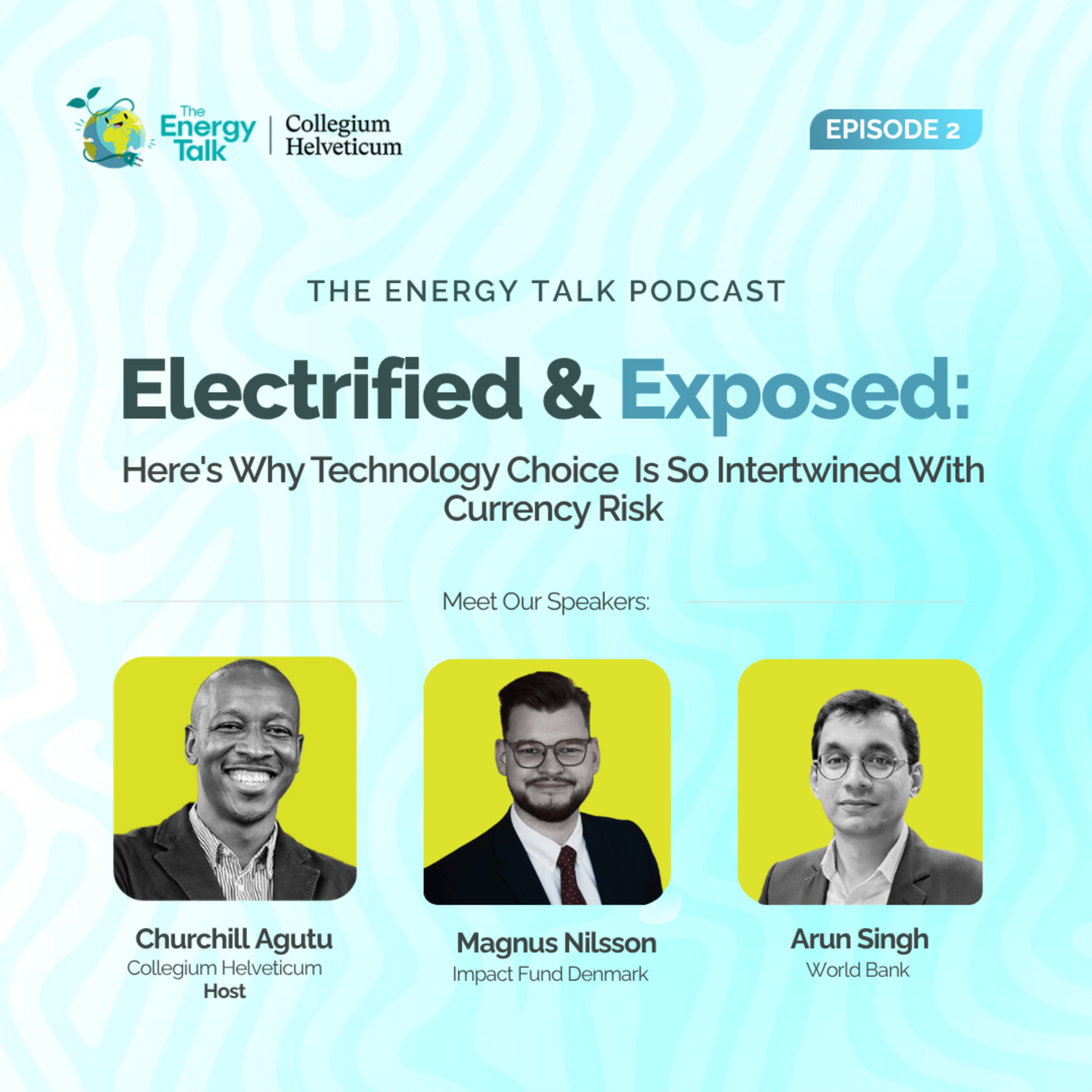
Electrified & Exposed Ep.2: Here's Why Technology Choice Is So Intertwined With Currency Risk
2w ago00:45:29Tap to summarizeIn the final episode of the Electrified & Exposed mini-series, we are pivoting from the private sector perspective to the public sector perspective. Podcast series host, Churchill spoke to two finance experts who are at the heart of the design and the implementation of currency risk solutions in Africa’s energy transition.Arun Singh (Senior Energy Specialist) & Magnus Nilsson (Impact Fund Manager) talk to us about why currency risk will significantly shape which technologies are deployed across sub-Saharan African countries, why some technologies are more likely to benefit from currency risk mitigation instruments, and of course, we touch on local currency financing touching on questions such as why institutional investors are still not in a position to invest in the energy sector in parts of the region. We also cover a lot of ground from solar home systems to geothermal, from parallel market rate distortions to pension fund investment mandates that could be the game changers for the energy transition.Views expressed are those of our guests in their personal capacities and do not represent the official positions of their organisations.Reference to IMF report: IMF (2021), Recognizing Reality: Unification of Official and Parallel Market Exchange Rates. Link: https://www.imf.org/en/publications/wp/issues/2021/02/06/recognizing-reality-unification-of-official-and-parallel-market-exchange-rates-50047 If you haven't listened to Episode 1 yet, featuring Daniel Komolafe (First Electric, Nigeria) and Bodunde Akinola (CrossBoundary) — that is a good place to start! Listen here: https://creators.spotify.com/pod/profile/the-energy-talk/episodes/Electrified--Exposed-Ep-1-Why-Currency-Risk-Matters-for-Sub-Saharan-Africas-Off-Grid-Energy-Future-e3j6mon Podcast hosted by Churchill Agutu (Collegium Helveticum Research Fellow, 2025/26)Produced and edited by (Tosin George, Churchill Agutu)Sound editing (Victor Adeolu)Learn more about:Collegium HelveticumConnect on LinkedIn with:Churchill Agutu Arun SinghMagnus Nilsson
Transcribe →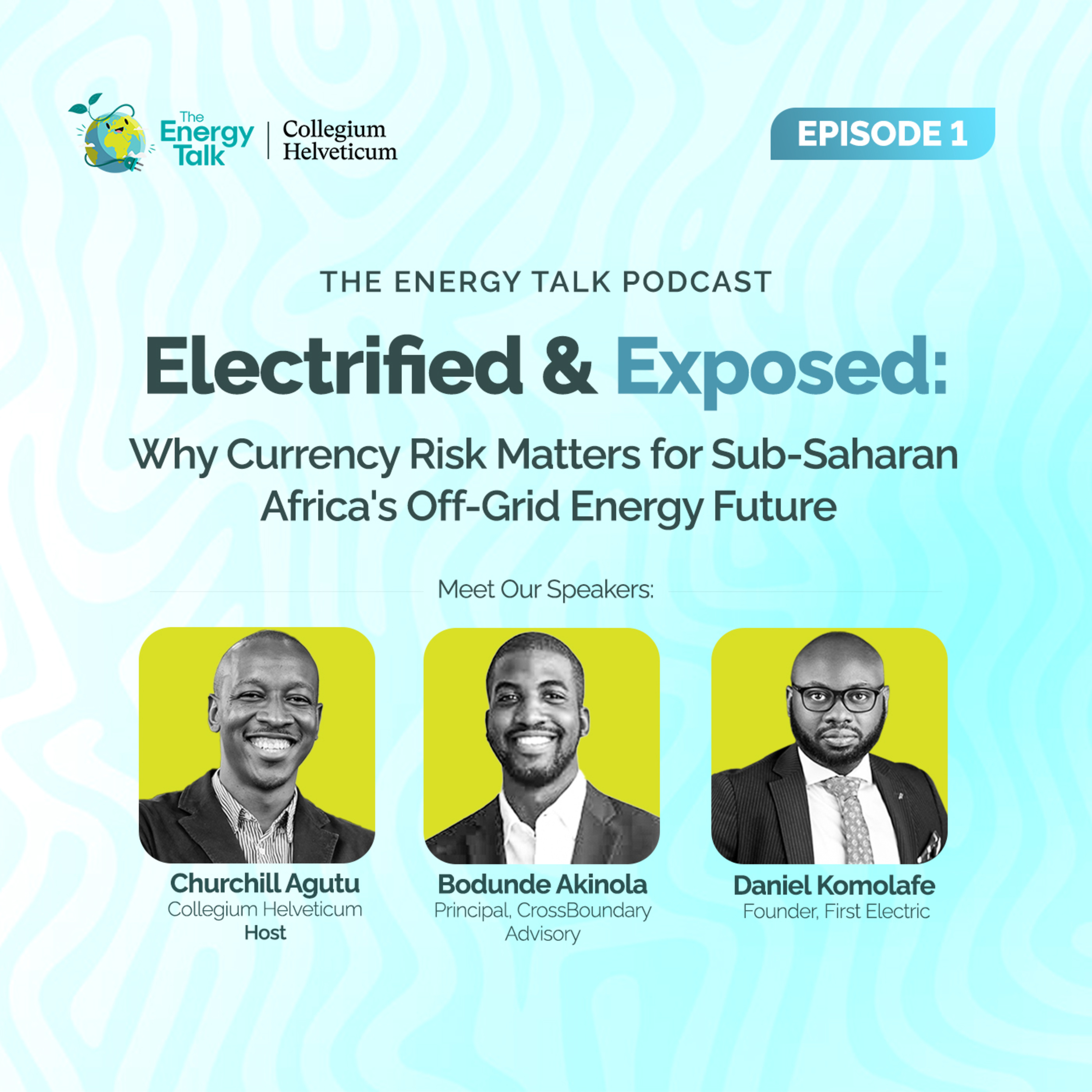
Electrified & Exposed Ep.1: Why Currency Risk Matters for Sub-Saharan Africa's Off-Grid Energy Future
May 1100:30:42Tap to summarizeCurrency risk (often referred to as FX risk) is one of the most under appreciated barriers to sub-Saharan Africa's energy transition. In many contexts it is not just a financing headache. It shapes which projects get built, which companies survive, and which communities remain without power.The Energy Talk partnered with Dr. Churchill Agutu from the Collegium Helveticum to explore this issue through the voices of the practitioners navigating it every day — developers, advisers, investors, and institutions working at the heart of the challenge. We are doing a 2 episode mini-series on the topic. In Episode 1, we zoom into the off-grid electricity sector.We speak with Daniel Komolafe, CEO and Founder of First Electric, Nigeria, and Bodunde Akinola at CrossBoundary.Daniel takes us back to First Electric's early days deploying mesh grids in rural Nigeria. He describes how the Naira moved from 300 to the dollar to 1,500 to the dollar, a fivefold depreciation, pushing his company to the verge of insolvency on a $50,000 blended debt facility. As he puts it: if they had taken a more significant loan, the company would have been totally bankrupt. It is a story many energy entrepreneurs across the continent will recognise.Bodunde brings a different lens. Drawing on his experience advising companies across frontier markets, he walks through the core solutions: hedging, tariff indexing, blended financing, and local currency financing, and is candid about where the real difficulty lies: scaling local currency financing remains the hard problem that the sector has not yet solved.Learn more about:Publication on financing costs for off-grid electrification in sub-Saharan AfricaCollegium HelveticumFirst Electric CrossBoundary Advisory Connect on LinkedIn with:Churchill Agutu Bounde AkinolaDaniel Komolafe
Transcribe →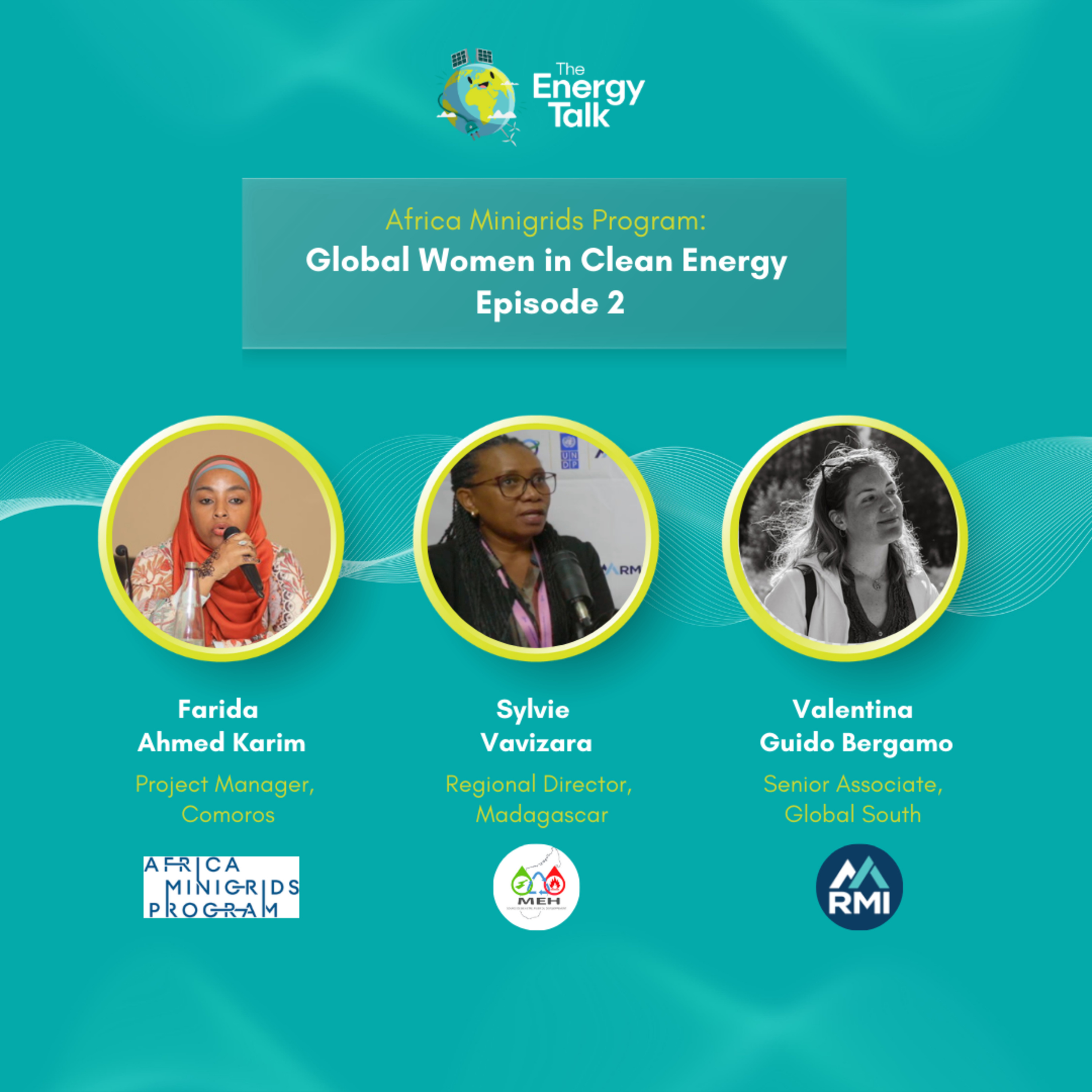
Africa Minigrids Program: Global Women in Clean Energy Episode 2
Feb 200:48:34Tap to summarizeValentina Guido Bergamo, Senior Associate at RMI, joins as guest host on this episode of The Energy Talk podcast recorded in Kampala, Uganda during the Energy Access Investment Forum (EAIF) in 2025.We discuss the role of women in Africa’s clean energy transition through the Africa Minigrids Program (AMP) and the Global Women in Clean Energy Fellowship, including the launch of its first cohort across Nigeria, Ethiopia, and Zambia. This episode also features interviews with Farida Ahmed Karim, AMP Project Manager in Comoros, and Sylvie Vavizara, Regional Director at Madagascar’s Ministry of Energy and Hydrocarbons, highlighting leadership, community impact, and efforts to advance gender equality in the minigrid sector.The Africa Minigrids Program (AMP) is funded by the Global Environment Facility (GEF), led by UNDP and implemented in partnership with RMI and the African Development Bank. Some activities are also supported by the Governments of Denmark and Luxembourg. Learn more about:African Minigrids Program (AMP)RMI Global Women in Clean Energy FellowshipEnergizing Women and Youth in Agri-Food Systems ProgramConnect with:Farida Ahmed KarimSylvie VavizaraValentina Guido Bergamo
Transcribe →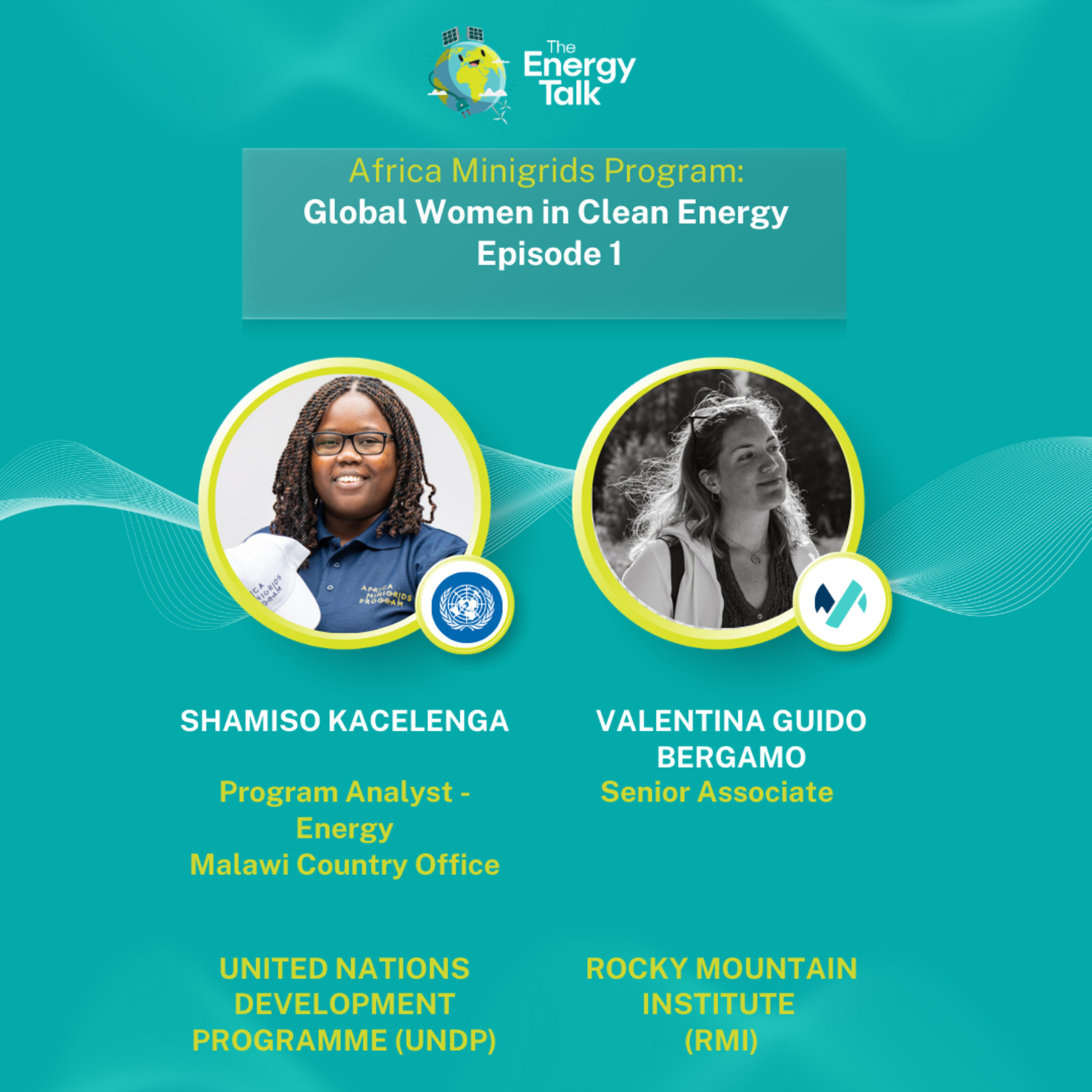
Africa Minigrids Program: Global Women in Clean Energy Episode 1
Sep 3000:36:35Tap to summarizeValentina Guido Bergamo, Senior Associate at RMI, joins as guest host on this episode of The Energy Talk podcast recorded in Kampala, Uganda during the Energy Access Investment Forum (EAIF) in 2025. We discuss the Global Women in Clean Energy Fellowship program that recently launched its first cohort in Nigeria, Ethiopia, and Zambia. This episode also includes a feature interview with Shamiso Kacelenga, Program Analyst for energy with the UNDP, Malawi Country Office.The Africa Minigrids Program (AMP) is funded by the Global Environment Facility (GEF), led by UNDP and implemented in partnership with RMI and the African Development Bank. Some activities are also supported by the Governments of Denmark and Luxembourg. Learn more about:Needs assessment findingsAfrican Minigrids Program (AMP)Global Women in Clean Energy Fellowship Connect with:Shamiso KacelengaValentina Guido
Transcribe →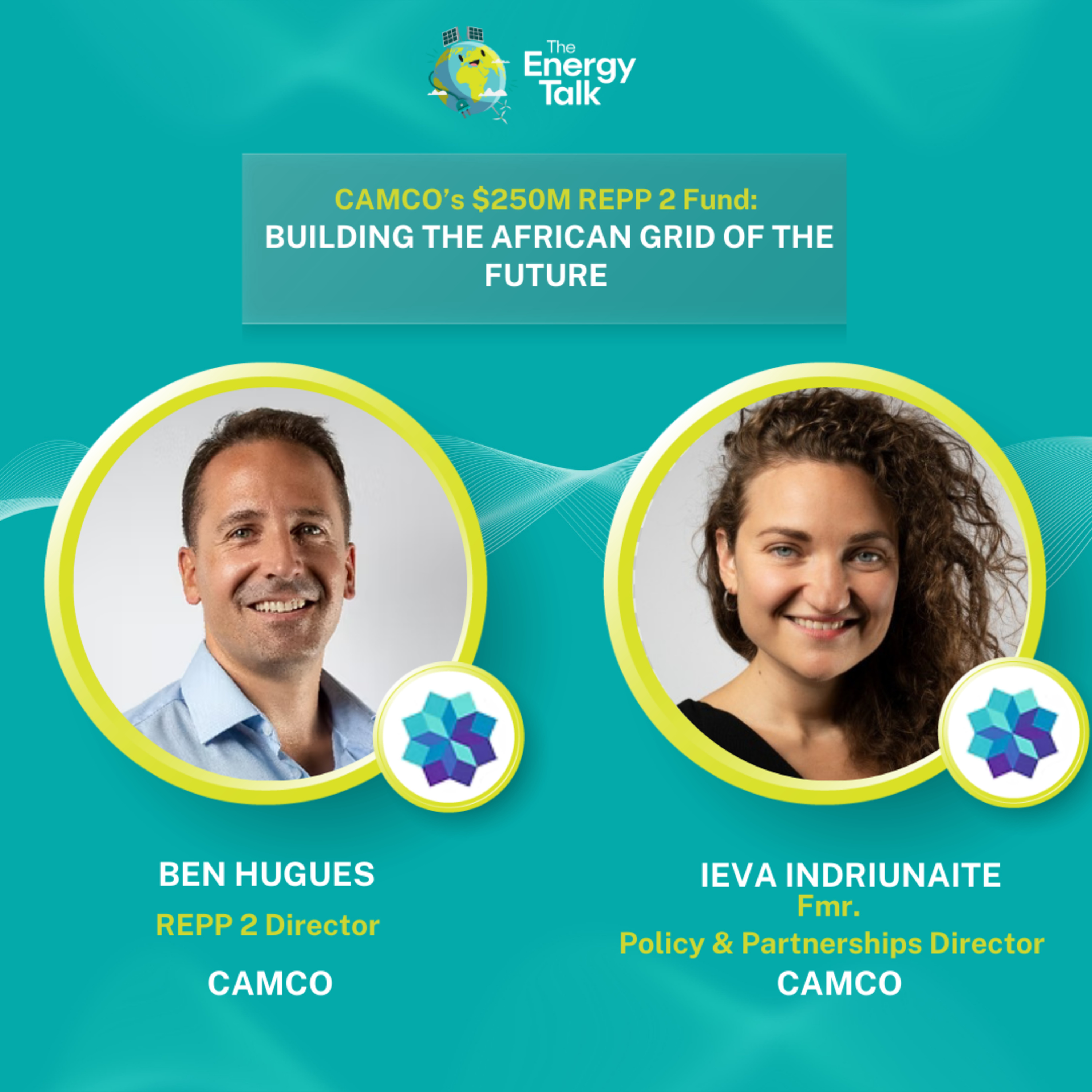
CAMCO’s $250M REPP 2 Fund: Building the African grid of the future
Aug 1900:41:52Tap to summarizeIn this episode of The Energy Talk, we delve into the inner workings of the REPP 2 fund, a groundbreaking initiative managed by Camco, aimed at transforming the renewable energy landscape in Sub-Saharan Africa. We welcome Ben Hugues (Fund manager of REPP 2) and Ieva Indriunaite (former head of REPP 2’s technical assistance facility), to share insights into the fund's blended finance structure, which not only mobilizes substantial investments but also prioritizes social impact and sustainability. The conversation covers key strategies for selecting projects, the challenges of navigating diverse regulatory environments, and the critical role of partnerships in driving success. We also explore exit strategies and how they balance financial returns with lasting community benefits. Tune in to discover how REPP 2 is poised to make a significant impact in providing clean, reliable energy access to millions across the continent.
Transcribe →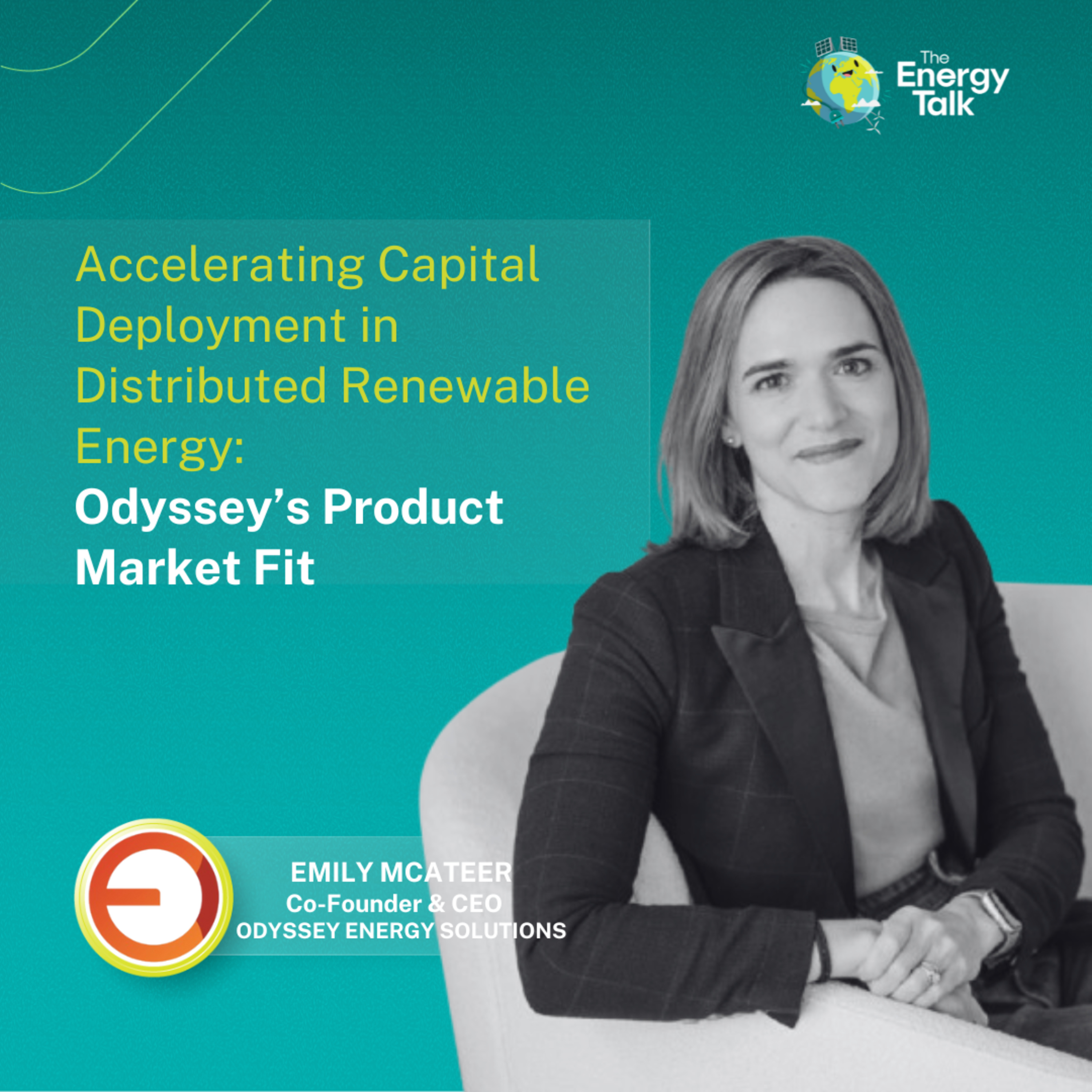
Accelerating Capital Deployment in Distributed Renewable Energy: Odyssey’s Product Market Fit
Jul 1, 202500:30:50Tap to summarizeIn this episode, we sit down with Emily McAteer, CEO and Co-founder of Odyssey Energy Solutions, one of the most influential startups in the climate tech space for emerging markets. Odyssey is transforming how Distributed Renewable Energy (DRE) projects are financed, procured, and managed—especially in emerging markets across countries in Africa, and also India, Mexico, and Brazil.What began as a platform supporting DFIs like the World Bank to deploy capital into DRE projects has evolved into a robust end-to-end solution for the entire ecosystem. Today, Odyssey powers asset monitoring, equipment procurement, and most recently direct credit financing for DRE developers.Timestamps: 00:00 Introduction to the Energy Talk Podcast01:36 Emily's Journey into the Energy Sector04:53 The Birth and Growth of Odyssey.08:41 Challenges and Evolution of Odyssey.11:11 Odyssey's Procurement and Credit Platform19:30 Global Expansion and Product Market Fit24:12 Partnerships and Future Prospects28:00 Defining Success and Failure
Transcribe →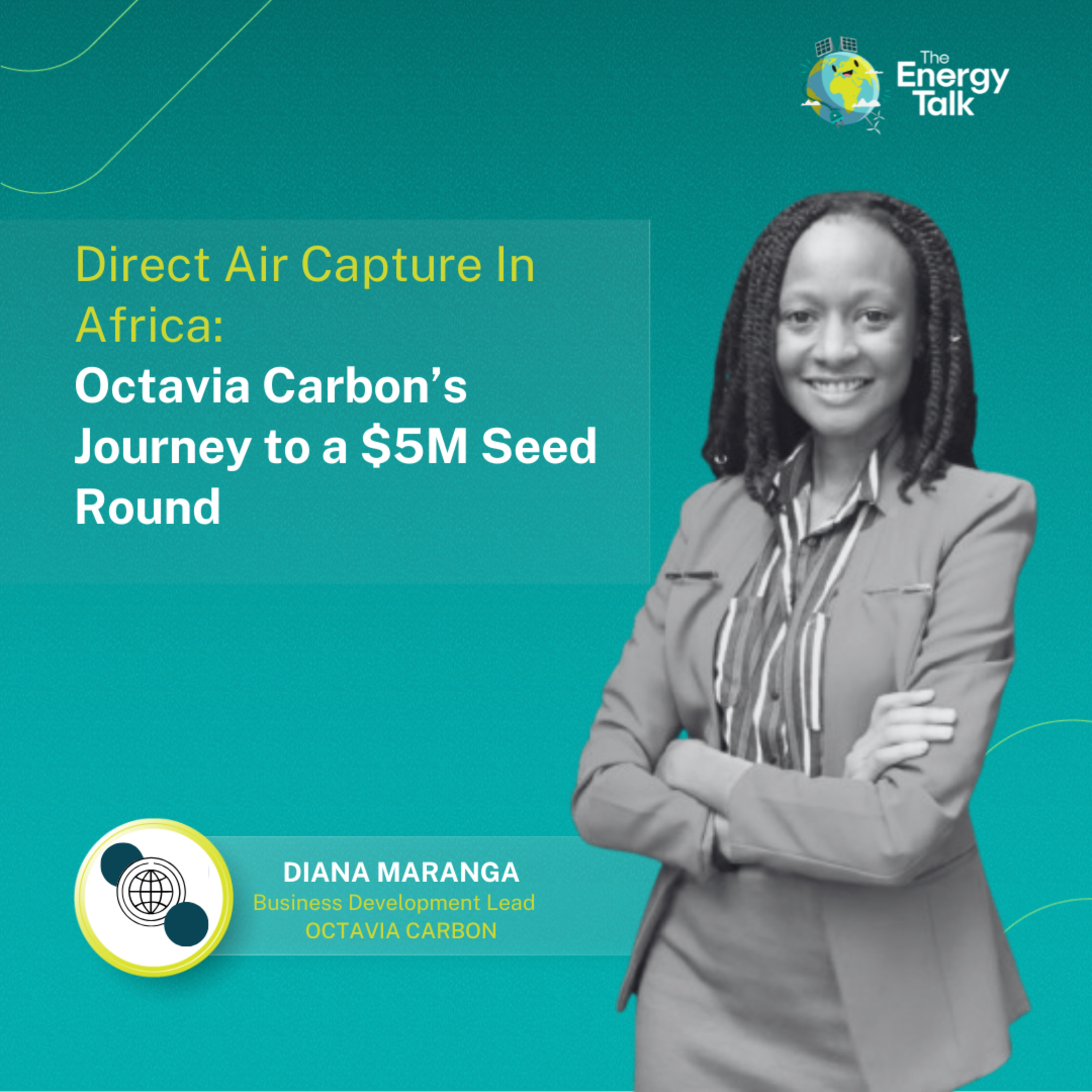
Direct Air Capture In Africa: Octavia Carbon’s Journey to a $5M Seed Round
Mar 11, 202500:42:22Tap to summarizeRegister for the Included VC Africa Reimagined: VC & Beyond SummitJoin Diana Maranga, Head of Commercialization at Octavia Carbon, as she shares her unique journey from growing up inspired by environmental hero Professor Wangari Mathai to leading a pioneering direct air capture and storage company in Kenya. In this episode, Diana discusses Octavia Carbon's early stages, key growth milestones, and the complex challenges of commercializing new technology in the climate tech sector. She also delves into Kenya's advantageous position for direct air capture, the pivotal role of community engagement, and the broader implications for Africa's green transition.00:00 Introduction to Diana Maranga and Octavia Carbon00:17 Early Inspirations and Environmental Passion01:46 Career Path and Joining Octavia Carbon03:37 What is Octavia Carbon?05:17 Challenges and Growth in Direct Air Capture07:10 Kenya as a Hub for Climate Tech12:58 Commercialization and Market Challenges32:26 Community Engagement and Impact37:03 Defining Success and Avoiding Failure
Transcribe →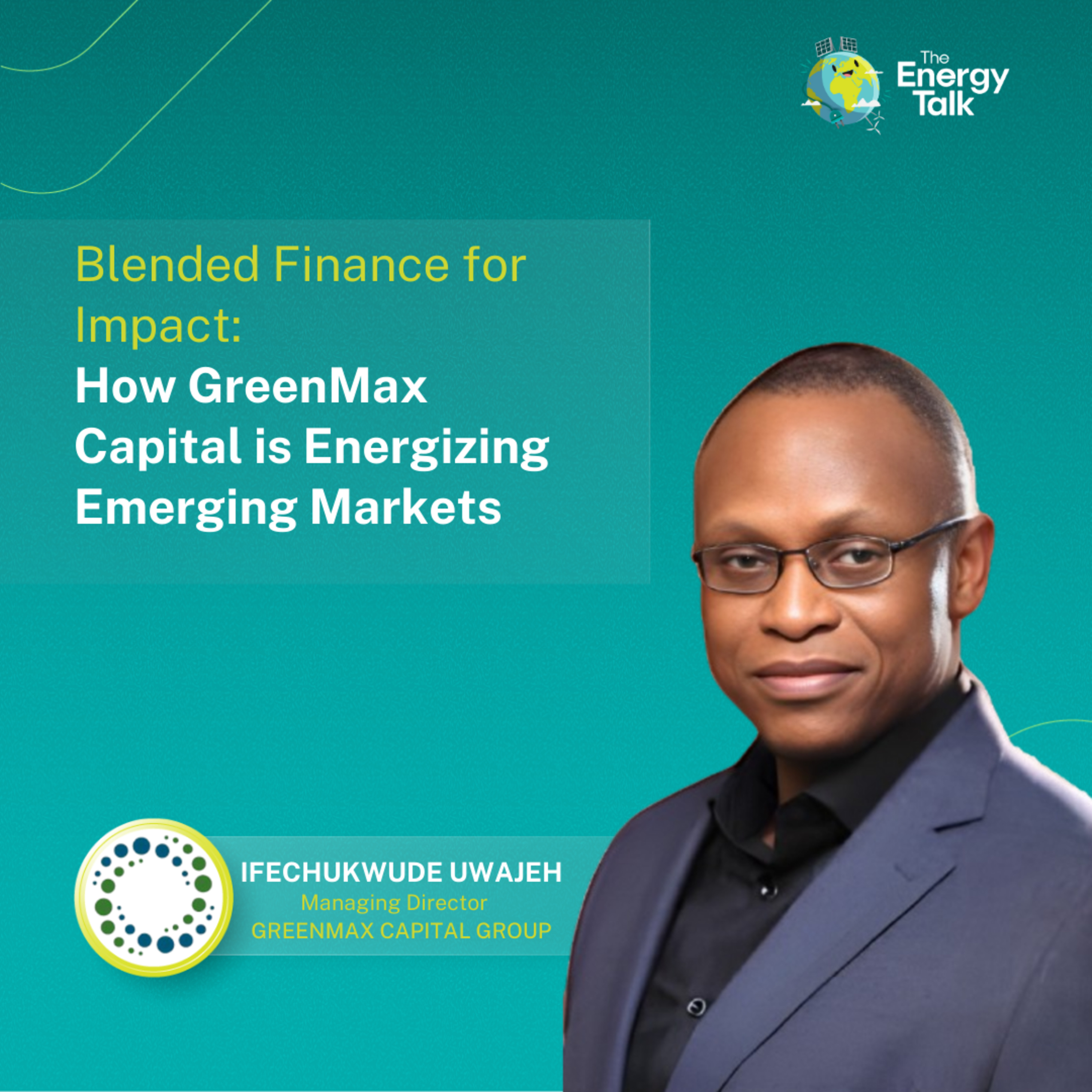
Blended Finance for Impact: How GreenMax Capital is Energizing Emerging Markets
Feb 3, 202500:43:16Tap to summarizeIn this episode, Ifechukwude 'Chude' Uwajeh, Managing Director of Blended Finance at GreenMax Capital Group, shares his professional journey from large-scale thermal power projects to clean energy advisory and fund management. He discusses the challenges of electrification in Africa, the importance of creative financing models, and the implementation of the Small Outcomes Fund aimed at energy projects in sub-Saharan Africa. Chude also highlights the necessity of blending donor and DFI capital with private capital, the pivotal role of government partnerships, and the innovative financing instruments deployed for off-grid projects. 00:00 Introduction and Background 00:29 Early Career in Project Development 01:31 Transition to Clean Energy Advisory 01:54 Role at Greenmax Capital Advisors 03:22 Challenges in Electrification 04:12 Creative Financing Solutions 04:50 Differences Between Large-Scale and Renewable Projects 11:30 Blended Finance Explained 14:08 Greenmax's Fund Management and Initiatives 34:39 Government Partnerships and Success Stories 41:09 Defining Failure and Future Goals
Transcribe →Meet The Team: Bonus Episode
Jan 29, 202500:06:55Tap to summarizeQuick and casual check with the team behind the podcast on our plans for the year. Sign up for our newsletter (we have not yet changed the name): https://mailchi.mp/dc168bd41a97/sign-up-here
Transcribe →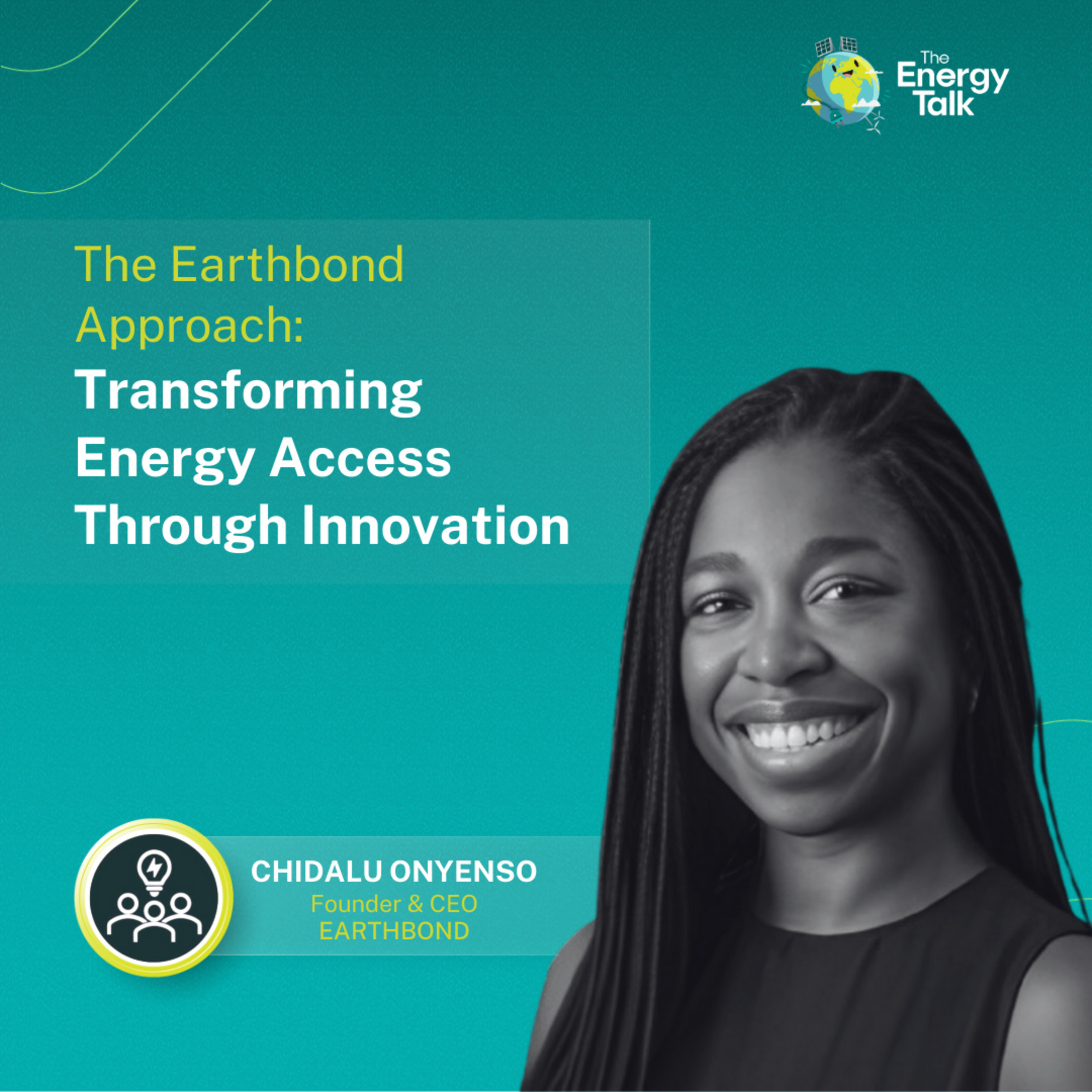
The Earthbond Approach: Transforming Energy Access Through Innovation
Jan 20, 202500:44:29Tap to summarizeIn this episode of The Energy Talk, we sit down with the CEO of Earthbond, Chidalu Onyenso, to explore the company’s innovative approach to solving Nigeria’s energy crisis through solar energy solutions tailored for SMEs. We explore Earthbond's mission, financing models, and the challenges of scaling renewable energy solutions in underserved regions. The episode also takes a detailed look at Earthbond’s potential role in the emerging African carbon market, discussing how solar energy projects can generate carbon credits and unlock new revenue streams for businesses. Listeners will gain insights into the intersections of energy access, climate finance, and sustainable growth in Africa. Learn more about Earthbond: https://earthbond.co/ Subscribe to our Clean Energy Africa newsletter: https://mailchi.mp/dc168bd41a97/sign-up-here
Transcribe →