
Podcast
The Excerpt
Hosted by USA TODAY · EN
Get context, not just headlines. Every weekday The Excerpt brings USA TODAY's award-winning journalists from across the nation together to unpack America's most pressing stories — from politics and culture to sports and entertainment — with host Dana Taylor.
94episodes
Episodes
Newest firstAll episodes

Do social media bans actually protect kids?
Jun 1700:15:26Tap to summarizeAs concerns grow over children’s mental health, addictive algorithms and age-inappropriate content online, governments around the world are considering tougher rules for social media. Australia has already enacted a ban for kids under 16, Britain is weighing a similar move and U.S. states are testing their own approaches. Cato Institute Senior Fellow David Inserra joins The Excerpt to discuss whether social media bans work, why age verification raises privacy and free speech concerns and what parents can do to help children navigate social media more safely.Let us know what you think of this episode by sending an email to podcasts@usatoday.com. Episode transcript available here. See Privacy Policy at https://art19.com/privacy and California Privacy Notice at https://art19.com/privacy#do-not-sell-my-info.
Transcribe →
Are young people locked out of power in the US?
Jun 1600:15:49Tap to summarizeAmerica spends a lot of time talking about age in politics: how old is too old to lead, whether younger candidates are getting shut out, and if members of Congress should have term limits. But Yale law and history Professor Samuel Moyn says that conversation misses the bigger picture. In his new book, “Gerontocracy in America: How the Old Are Hoarding Power and Wealth – and What to Do About It,” Samuel argues that power in the U.S. skews older not just because some politicians stay in office for decades, but because older Americans vote at higher rates, hold more wealth and remain in positions of influence longer. Samuel joins USA TODAY’s The Excerpt to talk about his new book and what studying gerontocracy might teach us.Let us know what you think of this episode by sending an email to podcasts@usatoday.com.Episode transcript available here. See Privacy Policy at https://art19.com/privacy and California Privacy Notice at https://art19.com/privacy#do-not-sell-my-info.
Transcribe →
Much of Trump’s legacy is tied up in the courts
Jun 1500:16:03Tap to summarizeFrom immigration to elections, ballrooms to tax immunity, much of President Donald Trump’s second term agenda is mired in the courts. While a Republican-controlled Congress has shown little interest in restraining the president as he seeks to execute on an expansive agenda, the courts may still decide that it’s in the country’s best interests to do so. What’s the latest status of these cases and what’s next for Trump’s complicated legal journey? USA TODAY Justice Department Correspondent Aysha Bagchi joins The Excerpt to unpack the political and legal issues.Let us know what you think of this episode by sending an email to podcasts@usatoday.com. Episode transcript available here. See Privacy Policy at https://art19.com/privacy and California Privacy Notice at https://art19.com/privacy#do-not-sell-my-info.
Transcribe →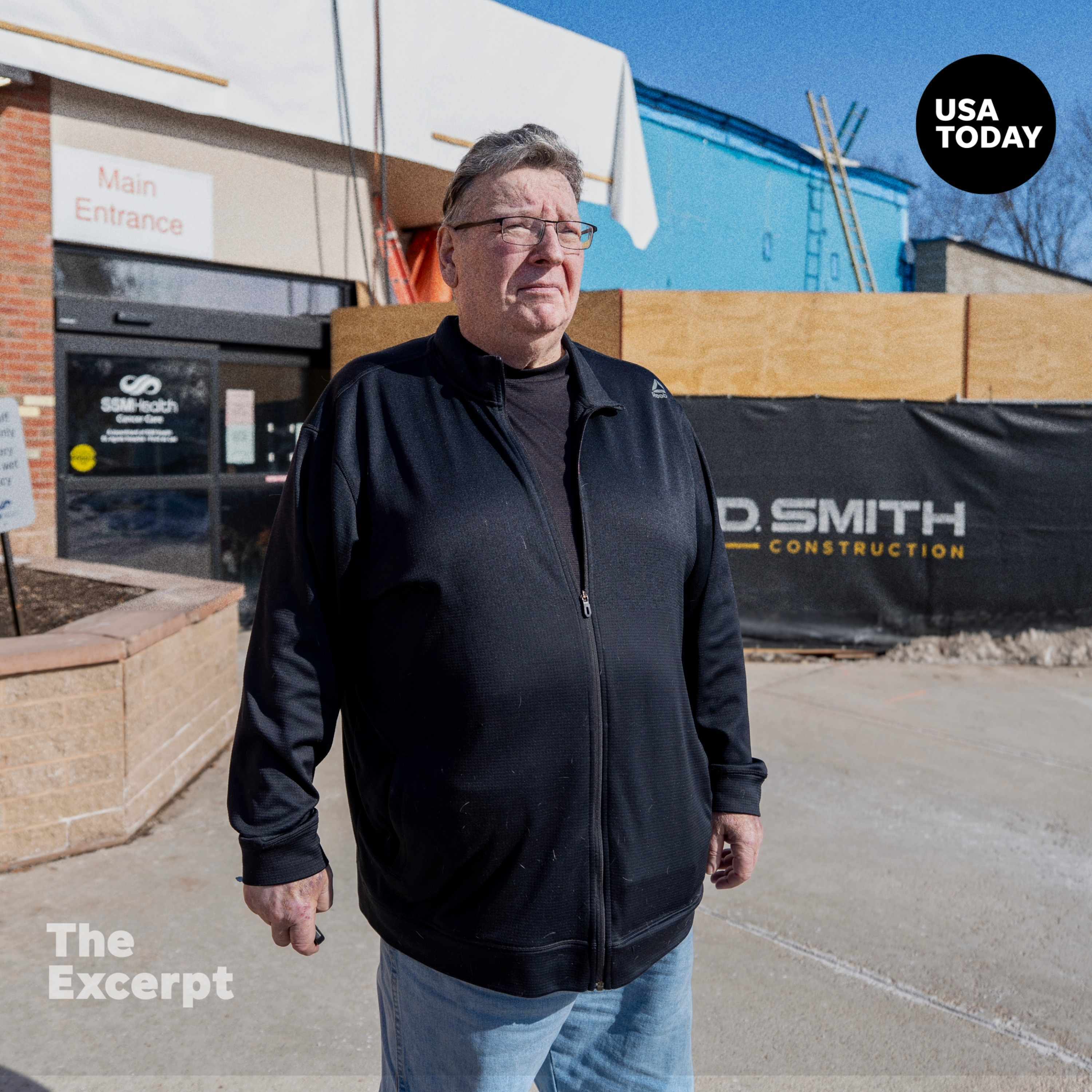
PCB cleanup workers say they weren’t protected. Now Scot has cancer.
Jun 1200:16:15Tap to summarizePCBs, or polychlorinated biphenyls, were built to last. So, beginning in the late 1920’s billions of pounds of it were produced across the country for use in construction materials, plastics and consumer goods. But over the next 50 years, evidence that PCBs were actually toxic began to mount, and the EPA eventually banned its production in 1979. That’s when the cleanup started…and when Scot Meisenheimer’s medical nightmares began. Tamia Fowlkes, a Public Investigator, and Caitlin Looby, a Great Lakes and Environment Reporter, both with The Milwaukee Journal Sentinel, have spent the last two years investigating the cleanup and the consequences for contractors like Meisenheimer. They join The Excerpt to share their exclusive reporting.Search for superfund sites in your area: https://www.epa.gov/superfund/search-superfund-sites-where-you-live For more on PCB cleanups: https://www.epa.gov/pcbs/managing-remediation-waste-polychlorinated-biphenyls-pcbs-cleanupsLet us know what you think of this episode by sending an email to podcasts@usatoday.com. Episode transcript available here. See Privacy Policy at https://art19.com/privacy and California Privacy Notice at https://art19.com/privacy#do-not-sell-my-info.
Transcribe →
Forget night clubs. Morning raves are where it's at.
Jun 1100:10:06Tap to summarizeWhat’s it like to party not TILL but AT the break of dawn? In an era when so many interactions happen through screens, a growing number of people have become more intentional about seeking connection. Morning raves, where the first stop on your morning commute is a dance floor, are gaining popularity. What is it about these early morning get-togethers that are drawing people out of bed before sunrise, and what are they really hoping to find there? USA TODAY Youth Mental Health Reporter Rachel Hale joins The Excerpt for more on what it’s like to begin the day with a healthy and deliberately designed communal experience.Let us know what you think of this episode by sending an email to podcasts@usatoday.com. Episode transcript available here. See Privacy Policy at https://art19.com/privacy and California Privacy Notice at https://art19.com/privacy#do-not-sell-my-info.
Transcribe →
Is the 2026 World Cup about to change soccer forever?
Jun 1000:15:26Tap to summarizeThe 2026 FIFA World Cup is here, and it is unlike anything the sport has staged before. Spanning three countries and expanding in size, this tournament will redefine what a World Cup looks like. While ticket costs remain a concern, host cities are preparing for massive crowds and global attention. The biggest question now is whether the U.S. can turn this moment into a breakthrough on the field. USA TODAY National Soccer Writer and Sports Seriously Soccer Podcast host Jon Arnold joins USA TODAY'S The Excerpt to break down what to expect.Let us know what you think of this episode by sending an email to podcasts@usatoday.com. Episode transcript available here. See Privacy Policy at https://art19.com/privacy and California Privacy Notice at https://art19.com/privacy#do-not-sell-my-info.
Transcribe →
They rejected Biden’s 2020 win. Now they’re running for office.
Jun 900:12:09Tap to summarizeAmong the Republicans running for governor of politically competitive states in 2026 are people like Arizona Rep. Andy Biggs, Georgia Lt. Gov. Burt Jones and U.S. Representative Tom Tiffany of Wisconsin. What they have in common is concerning to many: They all rejected President Joe Biden’s 2020 election victory. Should they win in the fall midterms, they would subsequently have power over the administration of future elections which could ultimately decide the presidency, including in 2028. USA TODAY Domestic Security Correspondent Josh Meyer joins The Excerpt to unpack this politically fraught issue. Let us know what you think of this episode by sending an email to podcasts@usatoday.com. Episode transcript available here. See Privacy Policy at https://art19.com/privacy and California Privacy Notice at https://art19.com/privacy#do-not-sell-my-info.
Transcribe →
Turmoil at ’60 Minutes’ after Pelley and two others are fired
Jun 800:14:29Tap to summarizeFor over 50 years, CBS’ legendary “60 Minutes” has been a stalwart of the investigative reporting tradition. But a recent shakeup to leadership and on-air talent may put that reputation and future at risk. Behind the changes is CBS News new Editor-in-Chief Bari Weiss, a former New York Times opinion columnist who left the grey lady to found “The Free Press,” a digital publication that is broadly described as featuring contrarian and conservative viewpoints. Last fall, CBS News, under the leadership of newly minted CEO David Ellison, acquired the Free Press for a deal estimated at $150 million. And, after the deal closed, he put Bari Weiss, a successful entrepreneur with no broadcast experience, in charge of CBS News. Will Weiss’ radical approach usher in a new age of prosperity for the storied network or will it lead to its demise? CNN’s Chief Media Analyst Brian Stelter joins The Excerpt to dig into the issues plaguing CBS News in this moment and what it means for the future of “60 Minutes.”Let us know what you think of this episode by sending an email to podcasts@usatoday.com. Episode transcript available here. See Privacy Policy at https://art19.com/privacy and California Privacy Notice at https://art19.com/privacy#do-not-sell-my-info.
Transcribe →
At Tribeca, music films are moving beyond the screen
Jun 500:15:43Tap to summarizeMusic documentaries are a major part of the festival circuit, but this year at Tribeca, they’re becoming something bigger: live events, legacy projects and cinematic extensions of the artists themselves. The festival opened with Questlove’s new Earth, Wind & Fire documentary, followed by a performance from the legendary band and The Roots. Other music films and events this year center on Alicia Keys, Madonna, Peter Frampton, Katy Perry, Daft Punk and more. USA TODAY National Music Reporter Melissa Ruggieri joins The Excerpt to talk about why music films are having a moment, what separates a great one from a celebrity vanity project and how artists are using documentaries and concert films to reach audiences in new ways.Let us know what you think of this episode by sending an email to podcasts@usatoday.com. Episode transcript available here. See Privacy Policy at https://art19.com/privacy and California Privacy Notice at https://art19.com/privacy#do-not-sell-my-info.
Transcribe →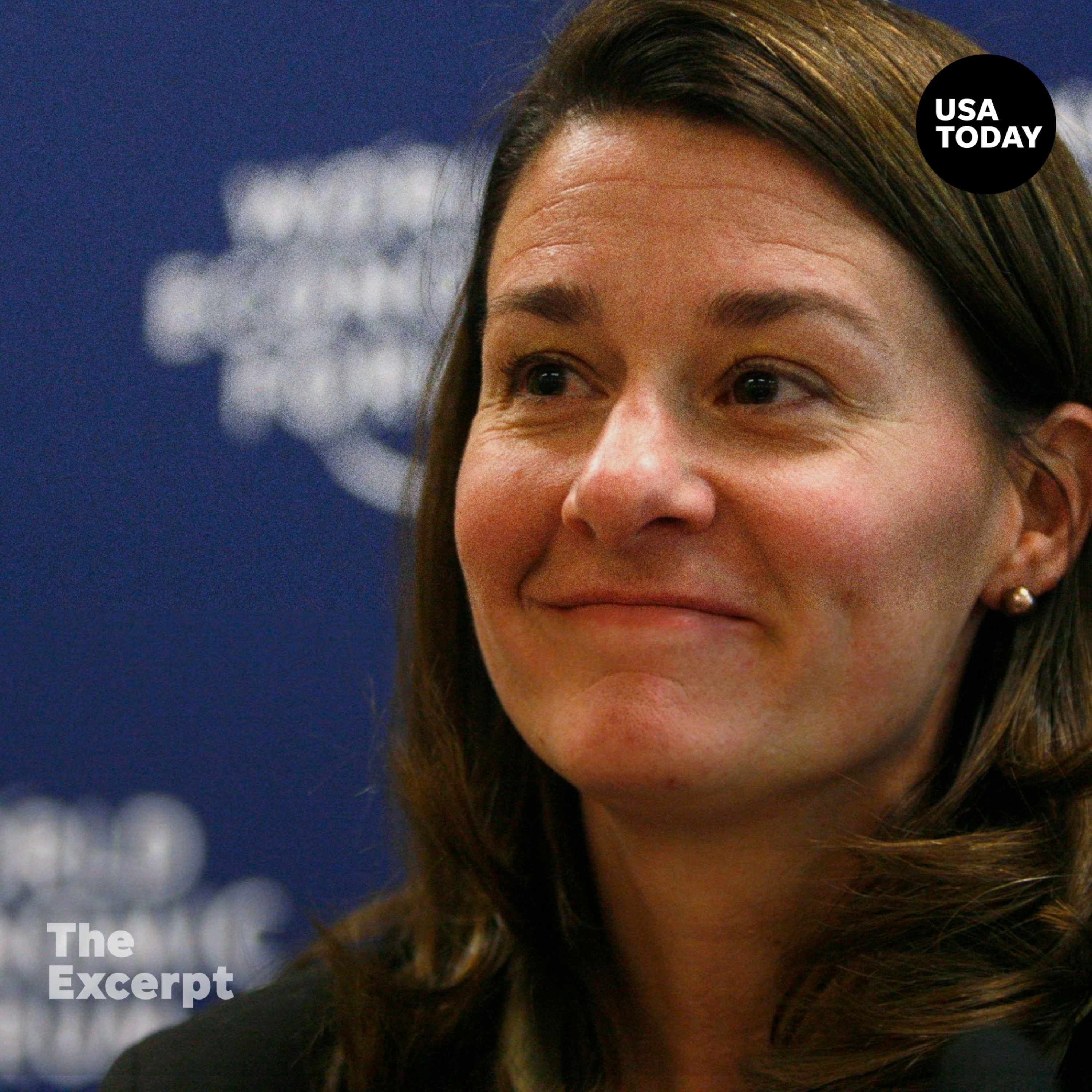
Melinda French Gates is making a $215 million bet on women's health
Jun 400:17:35Tap to summarizeMelinda French Gates is one of the biggest donors to women’s health through Pivotal, her foundation. Now she’s investing another $215 million to improve women’s health. This money will help her longtime work on contraceptive access and maternal care while expanding to a new area: midlife and menopause. With 1 in 10 women leaving the workforce because of menopause, and another 1 in 5 considering retiring early, America faces a crisis of losing our women leaders? What can we do to stop the exodus? Philanthropist and author Melinda French Gates joins The Excerpt to talk about her latest initiative to educate healthcare practitioners and expand outreach in areas where access to menopause care is most limited.Let us know what you think of this episode by sending an email to podcasts@usatoday.com. Episode transcript available here. See Privacy Policy at https://art19.com/privacy and California Privacy Notice at https://art19.com/privacy#do-not-sell-my-info.
Transcribe →