Podcast
The Excerpt
Hosted by USA TODAY · EN
Get context, not just headlines. Every weekday The Excerpt brings USA TODAY's award-winning journalists from across the nation together to unpack America's most pressing stories — from politics and culture to sports and entertainment — with host Dana Taylor.
94episodes
Episodes
Newest firstAll episodes
Why Gen Z is getting fired after being hired
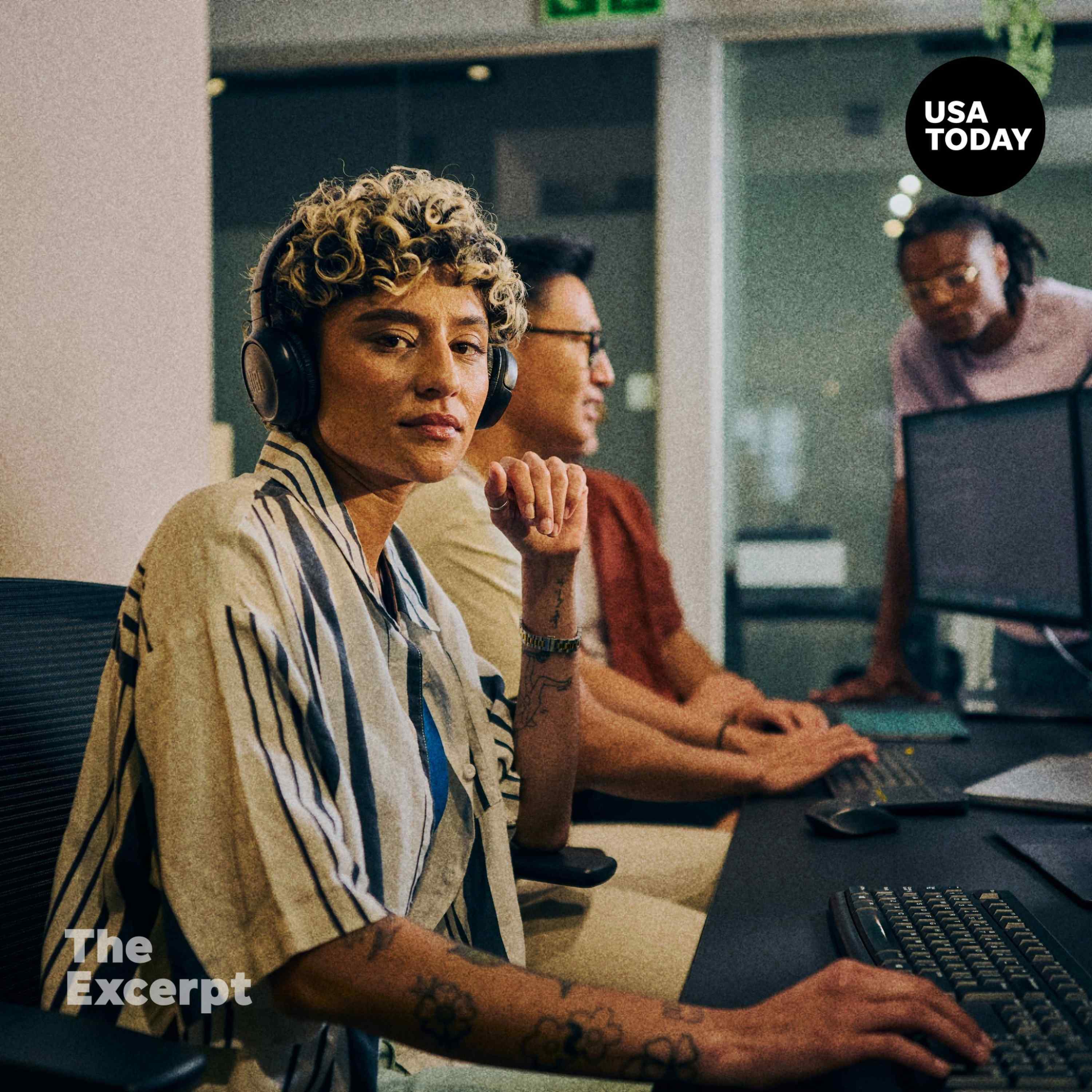
May 600:15:03Tap to summarizeGen Z workers are entering the job market, and in some cases, getting fired just as quickly. A recent survey found that many employers say they’ve let Gen Z hires go within months of their hire, citing gaps in communication, professionalism and expectations. But is this really a problem with young workers—or is it something deeper? NYU professor Suzy Welch breaks down what she sees as a fundamental mismatch between what employers want and what Gen Z values. She also explains how AI, remote work and a shifting job market are making it harder for early-career workers to find their footing.Let us know what you think of this episode by sending an email to podcasts@usatoday.com. Episode transcript available here. See Privacy Policy at https://art19.com/privacy and California Privacy Notice at https://art19.com/privacy#do-not-sell-my-info.
Transcribe →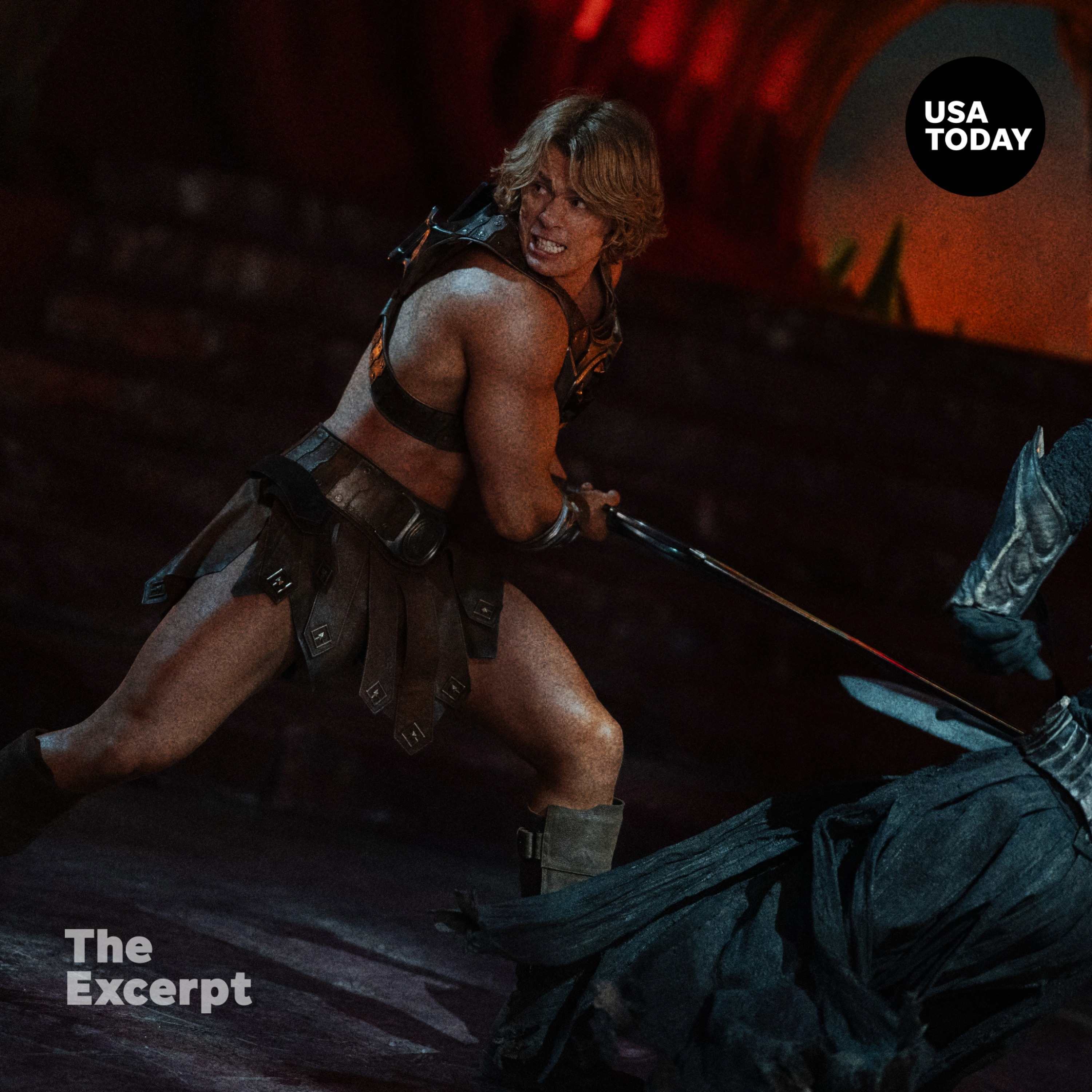
The must-see movies of summer 2026—and a surprising frontrunner
May 500:14:51Tap to summarizeHollywood’s summer movie season is here and it’s packed with big names, familiar franchises and high-stakes bets at the box office. From "Spider-Man" to "Star Wars," studios are once again leaning on proven hits to draw audiences in. But this year, one film could break through the noise: Christopher Nolan’s "The Odyssey." With a stacked cast and built-in name recognition, it’s emerging as a potential frontrunner in a season that feels more wide open than usual. In this episode of The Excerpt, USA TODAY Movie Critic Brian Truitt breaks down several of the must-see films of the summer. Let us know what you think of this episode by sending an email to podcasts@usatoday.com. Episode transcript available here. See Privacy Policy at https://art19.com/privacy and California Privacy Notice at https://art19.com/privacy#do-not-sell-my-info.
Transcribe →
Her son was taken and killed in Gaza. She still chooses humanity.
May 400:16:26Tap to summarizeIn the aftermath of the October 7, 2023, attack on Israel, 254 people were abducted. One of them was 23-year-old Hersh Goldberg-Polin. In his mother Rachel Goldberg-Polin's new book entitled, “When We See You Again,” she writes, “My family is comprised of normal people to whom an ab-normal, quite rare brand of torture happened.” The author warns us early on to strap ourselves in. And you should. Because it’s all there – day after excruciating day leading up to Day 328 when their son was murdered by Hamas. Wisdom, horror and resilience are intertwined here, but through them, you begin to understand the powerful faith, love and purpose woven throughout this family’s story. A story of two parents, two sisters and a son. Let us know what you think of this episode by sending an email to podcasts@usatoday.com. Episode transcript available here. See Privacy Policy at https://art19.com/privacy and California Privacy Notice at https://art19.com/privacy#do-not-sell-my-info.
Transcribe →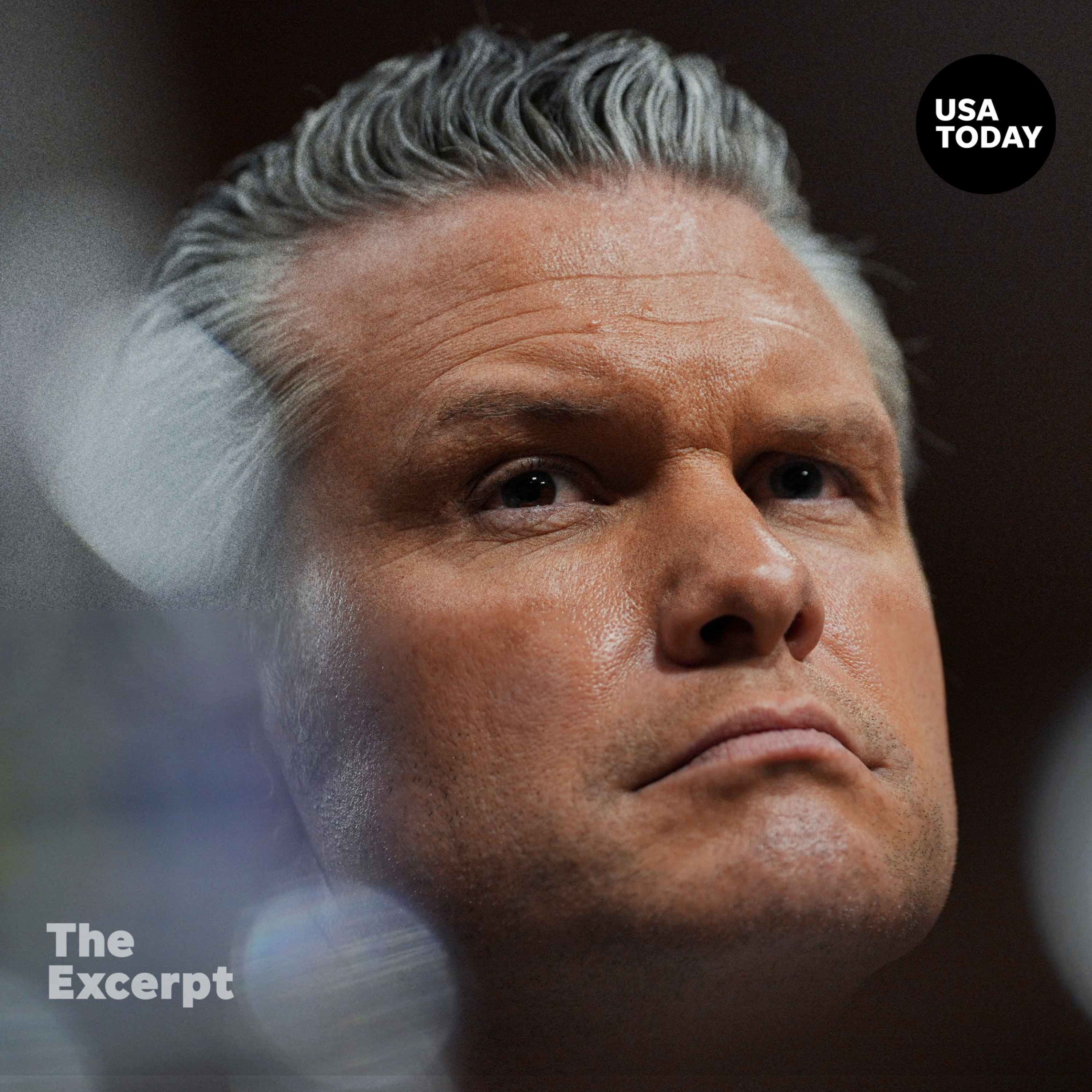
Hegseth seeks to justify $1.5T budget while defending $25B war in Iran
May 100:17:19Tap to summarizetoday marks the 60th day since the start of the U.S. war in Iran. According to the War Powers Resolution of 1973, the president must now seek congressional approval to continue military operations in the war on Iran, a war whose price tag stands at $25 billion with no clear objective or end in sight. USA TODAY Congressional Reporter Zach Schermele joins The Excerpt to break down this historic inflection point.Let us know what you think of this episode by sending a note to podcasts@usatoday.com.Episode transcript available here. See Privacy Policy at https://art19.com/privacy and California Privacy Notice at https://art19.com/privacy#do-not-sell-my-info.
Transcribe →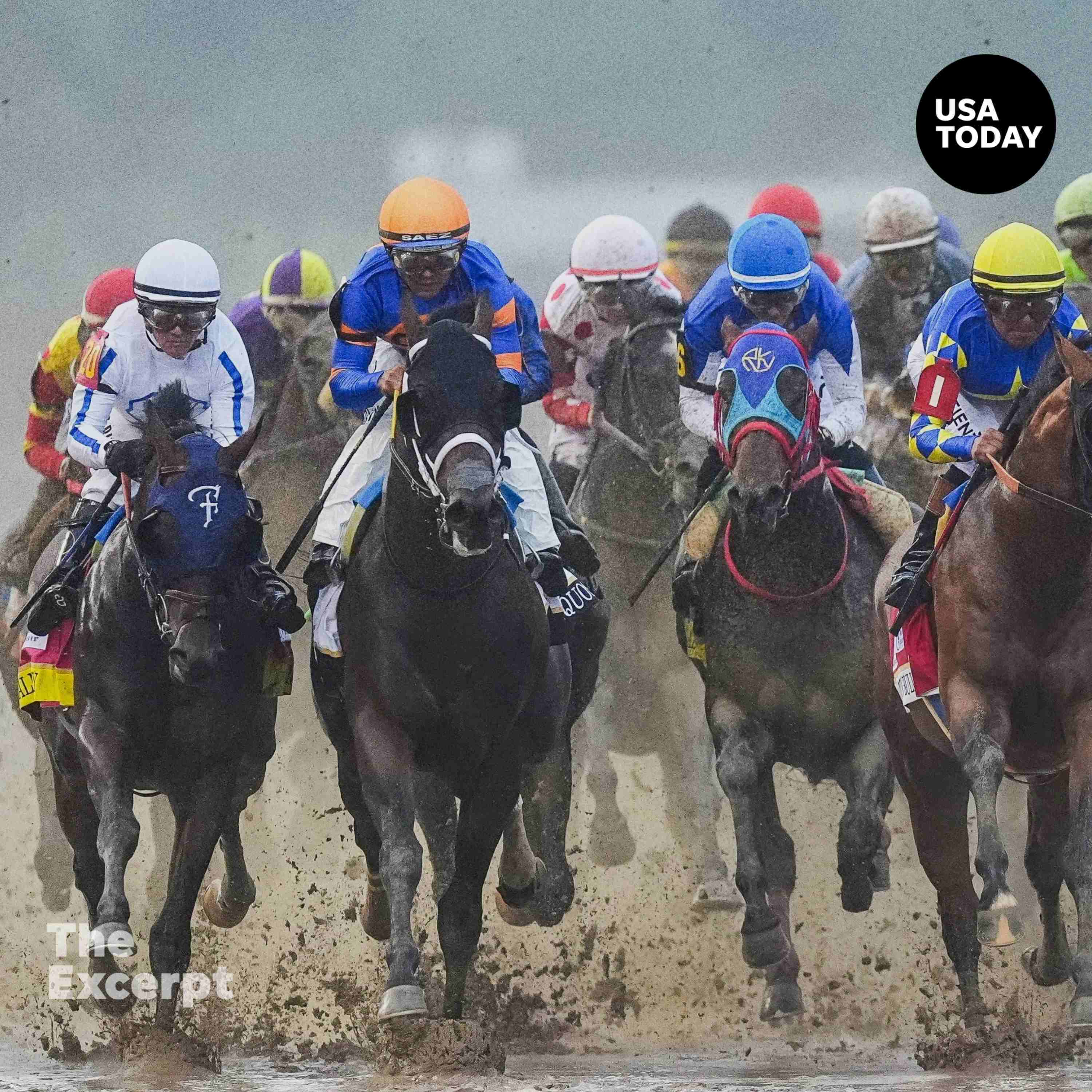
Why this year’s Kentucky Derby is wide open
Apr 3000:13:44Tap to summarizeThis year's Kentucky Derby returns with a wide open field and no clear favorite. Courier Journal reporters Jason Frakes and Kirby Adams join The Excerpt to talk about the top horses to watch, betting strategy, post position impact and ongoing horse safety concerns at Churchill Downs. They also break down Derby traditions, fashion trends, celebrity appearances and what makes this race one of the biggest events in sports.Let us know what you think of this episode by sending an email to podcasts@usatoday.com. See Privacy Policy at https://art19.com/privacy and California Privacy Notice at https://art19.com/privacy#do-not-sell-my-info.
Transcribe →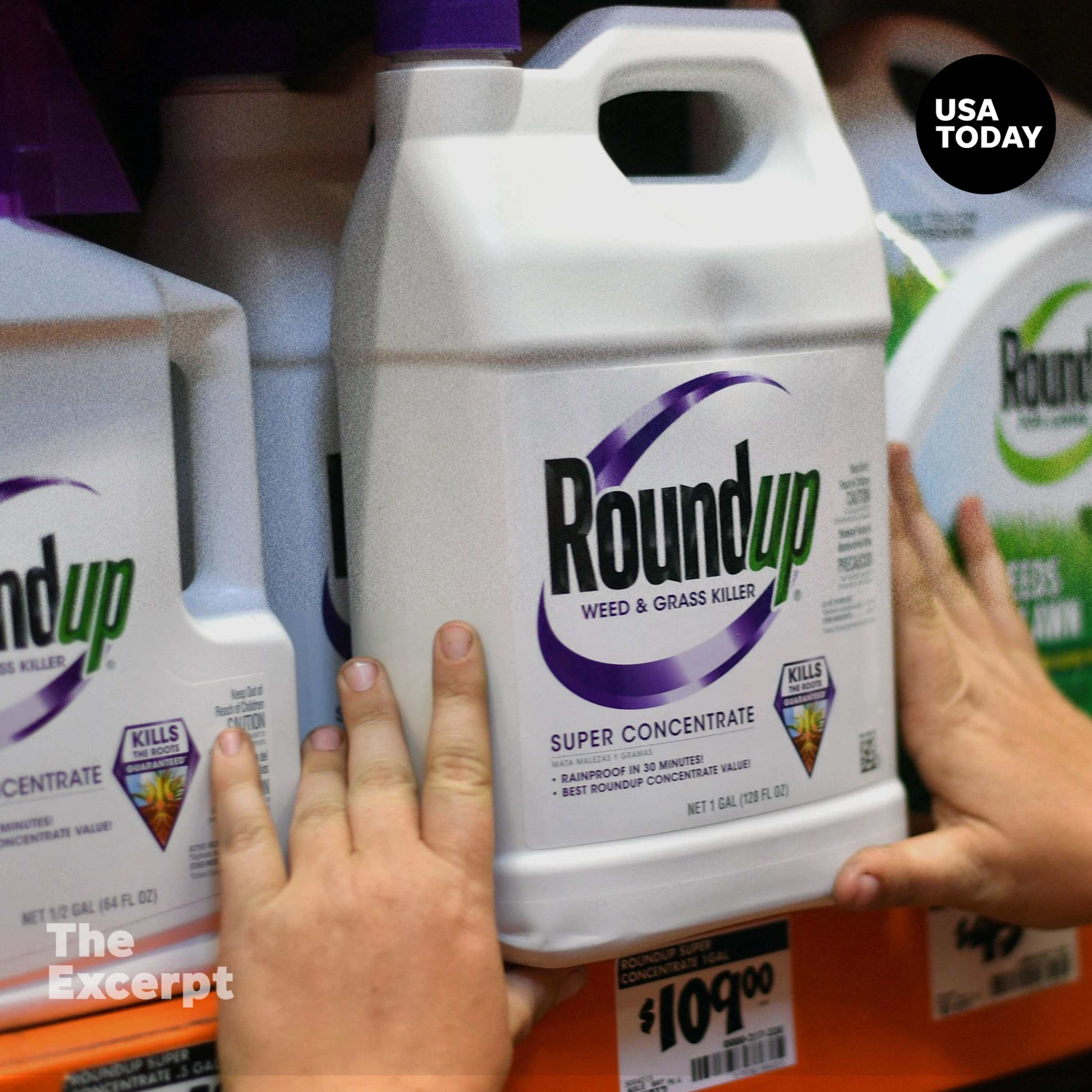
Does Monsanto’s Roundup weedkiller need a cancer warning?
Apr 2900:14:31Tap to summarizeShould companies be legally required to warn consumers that their product might cause cancer? If your company is selling tobacco, that answer has been yes since 1965. But what if your product is just for lawns and is regulated by the EPA? That’s precisely what the Supreme Court is being asked to decide. The man at the heart of a lawsuit against Monsanto says a warning or a change in marketing might have altered the course of his life. On Monday, the court heard the case of John Durnell, known as the “spray guy,” whose $1.25 million verdict against Monsanto, is being challenged. USA TODAY Supreme Court Correspondent Maureen Groppe joins The Excerpt for more on Monday's arguments.Let us know what you think of this episode by sending an email to podcasts@usatoday.com. Episode transcript available here. See Privacy Policy at https://art19.com/privacy and California Privacy Notice at https://art19.com/privacy#do-not-sell-my-info.
Transcribe →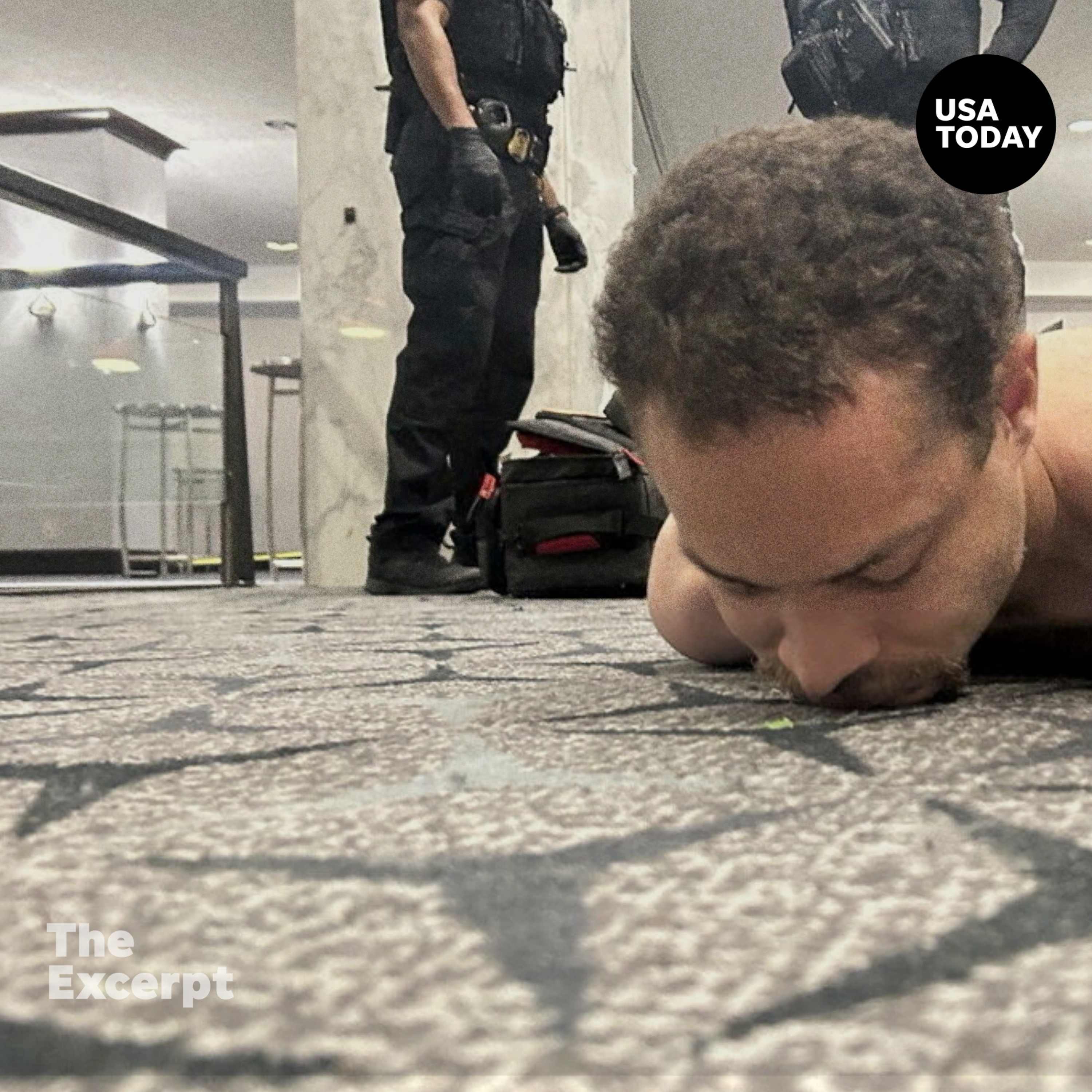
Political violence upends the White House Correspondents’ Dinner
Apr 2800:13:22Tap to summarizeThe setting was the same as it’s always been: the elegant ballroom in the basement of the Washington Hilton. There, the president, vice president and other high-ranking officials gathered with around 2500 guests to celebrate freedom of speech. But instead of being a light-hearted gala as it had been in the past, fear and pandemonium soon reigned. The White House Correspondents Association dinner on Saturday marked the third time since the summer of 2024 that a gunman was able to get dangerously close to now-president Donald Trump. Was security to blame? And what were the gunman’s motives? USA TODAY Washington Bureau Chief Susan Page joins The Excerpt to share her personal experience and insights.Let us know what you think of this episode by sending an email to podcasts@usatoday.com. Episode transcript available here. See Privacy Policy at https://art19.com/privacy and California Privacy Notice at https://art19.com/privacy#do-not-sell-my-info.
Transcribe →
AI-generated influencers are here. Can you tell who’s real?
Apr 2700:18:10Tap to summarizeGenerative AI is making it easier than ever to create influencers who don’t actually exist. These synthetic personas can build audiences, promote products and even shape political conversations — often without people realizing they aren’t real. So what happens when influence itself can be engineered at scale? We sit down with Charlie Warzel, a staff writer at The Atlantic, who explains how AI-generated influencers are fueling a “volume game” online, why authenticity may matter less than we think and how this trend could deepen misinformation and political division. Plus, what to look for if you’re trying to spot who’s real — and who’s not — in your feed.Let us know what you think of this episode by sending an email to podcasts@usatoday.com. Episode transcript available here. See Privacy Policy at https://art19.com/privacy and California Privacy Notice at https://art19.com/privacy#do-not-sell-my-info.
Transcribe →
Redistricting battle now turns to Florida and the courts
Apr 2400:17:01Tap to summarizeThe latest news in the redistricting arms race between Republicans and Democrats saw voters narrowly approve a new map in Virginia that could advantage the Dems by up to four new seats. Although there’s an injunction on that election, if it is certified, that would bring the total number of states with new district maps heading into the midterms up to seven. But Republicans may have more cards to play with a several seat advantage possible in Trump’s home state of Florida. Stepping back, could the midterm results end up being a referendum on tactics rather than politics? USA TODAY Chief Political Correspondent Phillip M. Bailey joins The Excerpt to share his insights.Let us know what you think of this episode by sending an email to podcasts@usatoday.com. Episode transcript available here. See Privacy Policy at https://art19.com/privacy and California Privacy Notice at https://art19.com/privacy#do-not-sell-my-info.
Transcribe →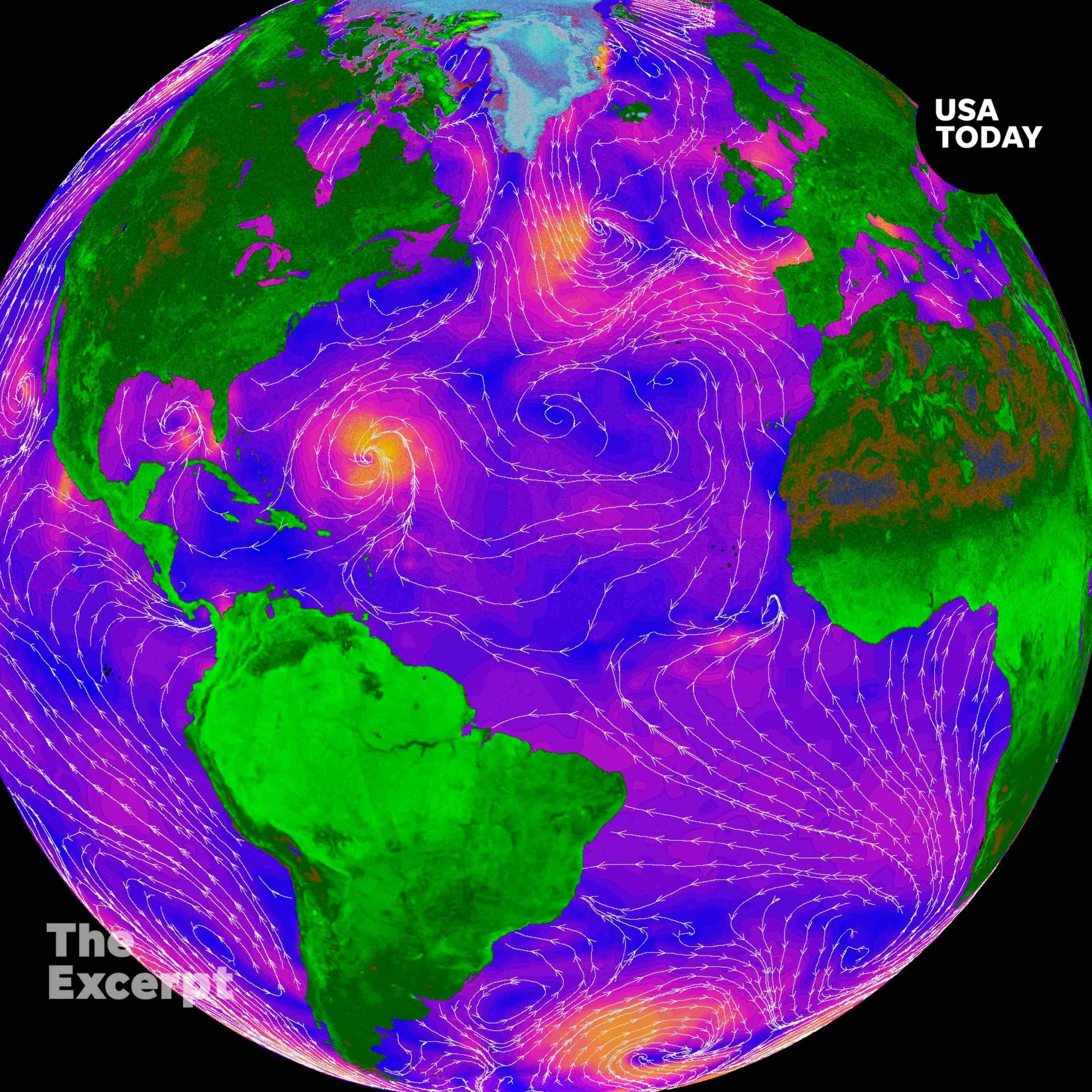
Doomscrolling alert: The Atlantic current may be headed for collapse
Apr 2300:11:05Tap to summarizeA large-scale and delicate system of ocean currents that has been active for millions of years and that’s responsible for our warm climate is in danger of collapse due to climate change. This is according to a new study published in April in the journal Science Advances. If that collapse actually happens, scientists warn, the consequences could be dire. Shane Elipot, a physical oceanographer at the University of Miami and one of the authors of the study, joins The Excerpt to share his findings.Let us know what you think of this episode by sending an email to podcasts@usatoday.com. Episode transcript available here. See Privacy Policy at https://art19.com/privacy and California Privacy Notice at https://art19.com/privacy#do-not-sell-my-info.
Transcribe →