← The Focus Group Podcast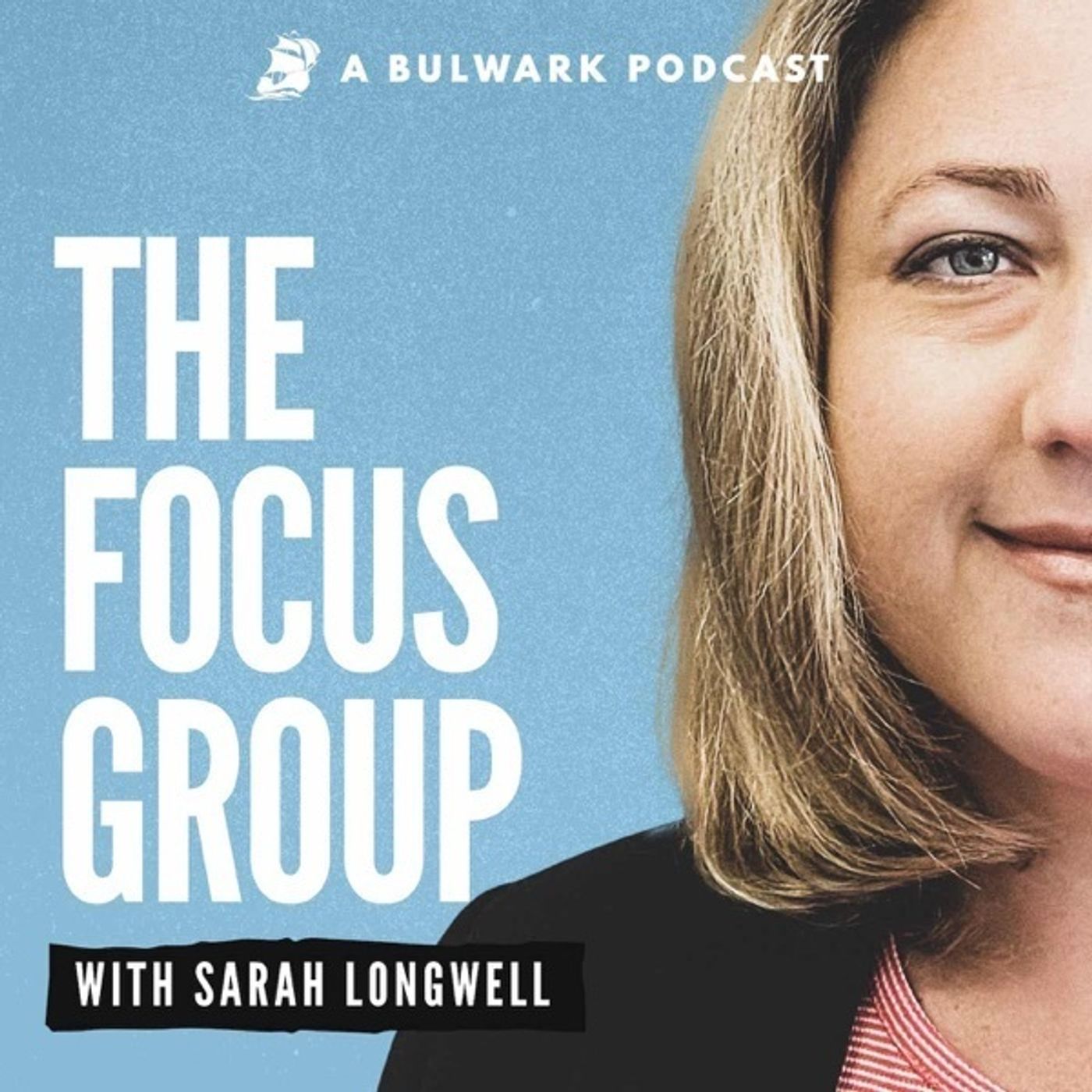
Loading summary
Transcript123 lines
- [00:00]
Sarah Longwell
The holidays are expensive. You're paying for gifts, travel, decorations, food, and before you know it, you've blown way past what you were planning to spend. Don't start the new year off with bad money vibes. Download Rocket Money to stay on top of your finances. The app pulls your income, expenses and upcoming charges into one place so you can get the clearest picture of your money. It shows how much to set aside for bills and how much is safe to spend for the month so you can spend with confidence, no guesswork needed. Get alerts before bills hit, track budgets and see every subscription you're paying for. Rocket Money also finds extra ways to save you money by canceling subscriptions you're not using and negotiating lower bills for you. On average, Rocket Money users can save up to $740 a year when using all of the app's premium features. Start the year off right by taking control of your finances. Go to rocketmoney.com cancel to get started. That's rocketmoney.com cancel rocketmoney.com cancel if you're the purchasing manager at a manufacturing plant, you know having a trusted partner makes all the difference. That's why hands down, you count on Grainger for auto reordering. With on time restocks, your team will have the cut resistant gloves they need at the start of their shift and you can end your day knowing they've got safety well in hand. Call 1-800-GRANGER and click granger.com or just stop by Granger for the ones who get it done. Guys, Tickets for the Bulwark Live shows in Texas are on sale right now. We head to the Lone Star state for a one night show in Dallas on March 18th and one in Austin on March 19th. It's me, it's Tim, it's JBL. It's the bulwark Zone Sonny Bunch. He'll be joining us there in Dallas, his hometown. If you've never been to one of these shows before, it is the best way way the BORE community gets in touch hangs out. It's the only place you'll see anyone wearing a Sarah is Always Right shirt. Sometimes they overindex a little bit on the JVL is always right but you know, not everybody can be a Sarah. Stan, head to the Bulwark.com events to get your tickets. I can't wait to see you guys out there. Hello everyone and welcome to the Focus Group Podcast. I'm Sarah Longwell, publisher of the Bull Work and Week. We're doing a couple things that are best picked over with a fellow qualitative researcher. First, we're going to check in on some of the people who are having some buyers remorse on their Trump votes. We've heard a lot from those people talking about ICE recently. This week we're pulling back to look at the full mosaic of what's fracturing Trump's coalition. It's the economy, broken promises on Maha Epstein and more ICE comes up, too. But the picture that's emerging is broader than any single issue. Trump is 15 points underwater now, which is the low point of his second term. In fact, it's sort of Joe Biden territory there at the end. We're also going to check in with the Democratic base because in the next few weeks, we're going to be talking about a few key Democratic primaries that are going to tell us an awful lot about where things are headed. We're going to get a mood check on the Democrat electorate there in Texas. My guest today is Margie o', Mearo, principal at the Democratic polling firm Gbao and frequent contributor to the New York Times America in Focus focus group series. Margie, thank you for being here.
- [03:27]
Margie O'Meara
Thank you so much for having me. My favorite topic, focus groups.
- [03:30]
Sarah Longwell
Yeah. So I'm psyched because I want to do a little like qualitative to qualitative checking in on me. Like, am I, am I getting it right? You know, because you do focus groups all the time too. And I know when people who do focus groups, we often track other people who do focus groups to be like, all right, is this person hearing what I'm hearing? Do they agree with my analysis? So tell me, do you have any critiques of me out of the gate? I would love to hear them if you're like, yeah, long while I follow your stuff. But like you talk about this like a never Trumper and this is what you miss or whatever, like, go ahead and light me up for a second.
- [04:07]
Margie O'Meara
I really appreciate that question. I think you do a great job. I love hearing from regular people. Otherwise there's so much political commentary that's just people trading one liners to each other without hearing what people think. And so bringing that to life through focus groups and where you're actually listening to real voters is essential. And so I commend you. I think it's great. I've been listening for a long time. This is not a critique of you. This is just a critique on sort of the broader question when we do focus groups for the press, for this public consumption, not for a client who's trying to figure out how Do I talk about X, Y or Z?
- [04:44]
Sarah Longwell
Is?
- [04:45]
Margie O'Meara
We have this urge to ask people about what's going on nationally. We're asking them to be commentators, Right? So what do you think about, you know, this topic or that? Why do you think voters don't want X, Y and Z? Who do you think has the blankety blank lane? Do you see it as this or that? And a lot of voters don't look at things that way. I mean, some do, or they're giving back to you what they've heard from some of your colleagues somewhere.
- [05:13]
Sarah Longwell
Right.
- [05:13]
Margie O'Meara
And it's not necessarily what they think. So in focus group intros, what I always ask people or remind people is, I want to hear what you have to think. I don't care about what somebody else thinks. I've had women in groups say, well, you should really ask my husband. He's much more knowledgeable about this. I'm like, I want to hear what you have to say. So I really want to make sure that we're listening. We're getting analysis from what people say that they think rather than what they think other people think.
- [05:40]
Sarah Longwell
We also do a thing up front where we're like, you know, if you don't know, it's okay. We just want the truth from you. What is the first question you ask a focus group when you're setting up?
- [05:52]
Margie O'Meara
The first question I ask is generally something like, what's going well in the country these days? Or how do you feel? I feel blank about how the country's going these days. Or something to kind of get them all to participate, like, get to hear from everybody. It's like another second or third check on their audio to just make sure everybody's sort of alive and, you know, with you. And we've had a client who, you know, we had. We would say, like, what? How are things going? And everyone would say, terrible, Bad, bad. This is bad. And we had a client say, can you just not do that anymore? Like, we're getting so sick of hearing everybody talk about how terrible everything is. Can you ask them what's going well? I'm like, okay. And people just say, nothing, nothing, nothing. Or we get a lot of, like, TV or sports are going well. Like, you know, the American dream, right? Tv, sports, maybe technology. Right. But it's hard for people to say that something was going well. Now sometimes we also start, how are things going in your community? So before we get into, like, how terrible people feel the country is like, how's your community doing? And then people have a lot more positive to say like, oh, they've opened up a farmer's market or you know, I love my neighbors or you know, it's great. We all sit in the cul de sac and you know, drink beer or Friday nights or whatever it is that they like about their community. So that is another way to get people warmed up in a nice way.
- [07:11]
Sarah Longwell
I also, we open every focus group with how do you think things are going in the country? And you are right, the answer is always bad. Yeah, like things are going bad. One of the reasons I like an open ended question like that though is people usually then will list their anxieties up front. Like if you just say how things are going in the country, usually in that answer, we kind of let people go for a long time on that just to get a sense of here are the things I'm looking at that I don't think because sometimes I don't do this for clients that often, although sometimes I do. A lot of times I'm doing it for me and the work that I do here. But you know, I'm trying to hear what they'll say unsolicited without us saying like, okay, now we're going to talk about abortion.
- [07:53]
Margie O'Meara
Right.
- [07:53]
Sarah Longwell
I want to know if, when they think about why things are going badly, if abortion comes up organically or if you have to bring it up right, how people do do this thing where they will often say, you know, it just, it seems so terrible. And when I'm online, everyone's mad at each other. It's like, but then I walk outside and people are nice and it's fine. And which leads you to sort of a, like everyone needs to just go touch grass more often. It's better out there. It's better out there than it is in here.
- [08:20]
Margie O'Meara
You know, the thing that I do hear that's interesting is you hear like this worry about getting canceled. You say the wrong thing and you're going to get canceled and something, you know, terrible is going to happen to you. And I say, has that happened to you or to anybody that you know? And they're like, well, no, but it could. So that's just one example of what you're talking about, which is this thing, this that I'm worried about that it's terrible actually in my own experience is not happening in any way like that.
- [08:45]
Sarah Longwell
Yeah, there is a weird negativity bias and I don't know if it was always like that, but it has been like that since I started doing these. And the only time you get like a more Optimistic outlook is right after an election when the group of people who just voted for that person are like, I think they're starting to get better. I think we're turning things around. But that dissipates.
- [09:08]
Margie O'Meara
Yeah.
- [09:08]
Sarah Longwell
Hey, let me ask you this. You've done a bunch of focus groups both for the Times and for navigator research, including recently with Trump regretters. Tell us about what you're hearing from them. Because we also listened to that cohort quite a bit.
- [09:21]
Margie O'Meara
So there weren't a lot of Trump regretters in the first term. And there was interest. Like, I remember looking at polling at the time, and there weren't that many. And it was actually kind of seen, perhaps rightly, as this condescending view, like, surely you regret your vote. And people were like, no, you know, that was what I voted for. And so it's just a minuscule percentage now. We've been asking a navigator now for a few waves, and it's about 14, 15% of Trump, Trump voters who say that they regret their choice. And they're actually more who say, well, they may not regret it, but they're disappointed. And it makes sense, given how bad his polling numbers are. His approval rating that's not coming from Democrats have already, you know, there was no lower they could go. So it's got to be coming from people who voted for him or were more agnostic toward him. So we wanted to look at, you know, those people. And actually, when we were recruiting, I was like, okay, are we gonna be able to get fine people? Like, yeah, no. My team was like, we had no problem finding people, no problem finding regretters and some disappointers. So it's a real thing that is happening. My hypothesis was that not everybody was going to actually really be open with regret and what that meant and how it happened and what they were regretful for. But actually, they were very open to talking about what happened. I mean, they would say stuff like, I've been duped. I was duped. I feel complicit. There was one woman that's like, I'm not working in a restaurant now, but I used to work in a restaurant for 15 years, and everyone in the kitchen has been deported. And I just cry thinking about it. And other people talking about family members who have been deported was just like, we did one Latino, Latina, mixed group, but other folks, too. And we had a question. I love this sort of projective technique, like, if you could send yourself a message or if you ask yourself a question, or we have. If you could ask a candidate a question and they had taken truth serum, so they had to answer. We have all these, like, fun things like this. And so one of them was like, if you could send yourself a message in 2024 before the election, what would it be? Just like, what message would you send to yourself? And a younger guy said, I would tell myself to get out of the manosphere and not listen to guys who are like, talking about workouts and getting rich and, you know, just make my own decisions. I was kind of surprised to hear how open people were about how they felt. Some people said, I think I knew this was going to be like this. And other people are like, I didn't realize how much worse this term was going to be compared to before. And it was what you said at the top. It's everything. It was like his demeanor, his bullying, his priorities, Ice the economy, tariffs. Epstein, we heard everything, all of it. And it's not like in the first term, people thought he was presidential. Now they don't. Like, they're just not tolerant of it. Right now it seems worse and he's not doing other things. And I feel really things are too chaotic.
- [12:01]
Sarah Longwell
Yeah. Okay. Well, that all jives with what we've been hearing. I want to give everyone a sample of what we've heard over the last couple of months in our own focus groups with 2024 Trump VOT who are disapproving of him. And hear this, Margie, I know you will, but I want our listeners to know because we have a couple different kinds of screens we've done as we go through these groups. Some of them specifically screened as saying they regretted their vote and then some who didn't but show up as regretters in the groups. And so there's going to be some difference here, but these are specifically people we have screened who are voted for Trump and now disapprove of the job he's doing. Let's listen to them. I would like to know when the last time anybody in Congress or anybody up in the realm there bought a loaf of bread. I mean, they all talk about economy's getting better, but even just loaf of bread, it's really not affordable anymore. The economy is not improving from the food pantry standpoint. Our need is at an all time high. I see more people coming through the pantry lines than ever before. And every month it's new people. So it just tells me that there's greater need, which the economy is not good. The, the job market's not good, cost of living is sky high.
- [13:15]
Margie O'Meara
It's really Hard to make ends meet.
- [13:17]
Sarah Longwell
For people and, and that just kind of overshadows everything else. And you couple that with health care costs and insurance costs and things like.
- [13:24]
Margie O'Meara
That and, and people just can't get ahead.
- [13:27]
Sarah Longwell
Everything that Trump was talking and, you know, pointing on, using his go tos, he's backtracked on and changed up and it's getting worse by the day. Honestly, I haven't seen a lot on the Make America Healthy Again front where he's been more relaxed on like for example, chicken processing. And I was just kind of like, it's not what I really wanted. So I've been a bit upset by that. I don't think it's the absolute worst case scenario per se. It wasn't what I expected. It kind of feels like the focus.
- [13:58]
Margie O'Meara
Isn'T exactly where it was promised to be and it's just kind of feeling like the focus is on things that are not necessarily helping Americans as much. But at the same time I'm just like, I don't know, like I always try to give everybody the benefit of the doubt and I don't know, has it not been enough time or is, is there too many voices, too much noise? And that's why certain things aren't getting done, like immigration.
- [14:27]
Sarah Longwell
I wanted American citizens to have priority over immigrants coming in. I really liked the Make America Healthy Again promise. But I feel like on all of the aspects that I originally voted for, like we're under delivering and also spiraling out of control. I feel like the Make America Healthy movement has created or come up with things with absolutely zero backing and making policy on things that make absolutely no sense. Like I just saw on the news this morning that some 5 year old kid was taken from school and they used his dad to like lure him out. And I'm like, that's crazy. That is crazy. And then also Israel, like I feel like the fact that we got away with backing an entire like genocide of people was absolutely. And like people were still behind him saying like we needed to do this and I just do not understand it whatsoever. So I don't like the fact that he's going to other country. Well, not particularly him, but you given the green light to go kidnap other presidents for absolutely no real reason. But agreed. I feel like, yeah, also the way he talks to people he doesn't agree with is horrible. Probably the worst or any of our presidents have ever dealt with anything they don't like. I feel like the longer he's in office, the more we gonna plummet to not being a good community or quality country at all. Period. Now, Margie, that sound you hear is our audience screaming at their listening devices. Like, how could you have not known? What do you mean? He sounds like a bully? Did you not, were you not there for the first part of it?
- [15:58]
Margie O'Meara
It's like the SNL sketch from a couple weeks ago. All the kids on the couch. Yeah, no, I, I, that was such.
- [16:04]
Sarah Longwell
A great sketch because that I felt seen by that sketch in terms of listening to voters.
- [16:10]
Margie O'Meara
Yeah. A goal is to bring those folks along. Right. To make those folks feel like they have the floor like the mom did in that sketch, like in these focus groups, that they have the floor to process it in the way they want to process it.
- [16:23]
Sarah Longwell
This show is sponsored by Quints, you guys. I swear by Quints. I'm consistently amazed by the sheer range of clothing and home goods you can find on this site, no matter who you are. But the women's clothing collection is especially something I love. I love their leather jackets, I love their wool coats, I love their shirts. All kinds of stuff. Quince is all about elevated essentials that feel effortless and I hate effort. Designed for layering and mixing, each piece helps build a timeless wardrobe made to last with versatile silhouettes and thoughtful details. They're the kind of styles you wear again and again. They've got the wardrobe staples with quality that's made to last 100%. Organic cotton sweaters, premium denim made with stretch for all day comfort luxe cotton cashmere blends perfect for the changing seasons. It's everything you need for a wardrobe that actually lasts. Quince works directly with safe ethical factories and cuts out the middlemen so that you're not paying for brand markup, just high quality clothing. All the young guys in my office are upgrading their apartments with Quint's home goods. And Quint uses the highest quality materials like 100% European linen and organic cotton. Everything is built for you to wear over and over again, season after season. Refresh your wardrobe with quint. Go to quint.com the Focus Group for free shipping on your order and 365 day returns now available in Canada too. That's Q-U-I-N c e.com the Focus Group to get free shipping and 365 day returns. Quince.com the Focus Group. Well, I have a thesis I want to run by you. So the economy is the thing where Trump is most underwater right now. And actually it depends on the poll because people will ask it differently because sometimes they say economy and Trump won't do well. But where they really is, if they say cost of living or they say inflation, and they break those out, like, those get really, really low. Like, he'll get worse numbers on inflation than he will overall in the economy, because some people will be like, well, the stock market's part of the economy, but if you do cost of living, which is what people are talking about in the groups, that's where you get people being the most upset. But it seems like from these groups that when people like the economy, which they did in Trump's first term, they're willing to forgive a lot of Trump's sort of bad behavior. But when it's going poorly, the economy is not going well, whatever else is irritating them gets a lot more irritating. Does that sound right to you?
- [18:56]
Margie O'Meara
Yeah, it does. I mean, we heard a lot. Maybe you heard this before, too. Like, you know, in both during Biden and during Trump. One like, well, he may be. May talk too much, he may tweet too much, but I have a lot of money in my pocket. You know, maybe you heard a line just like, oh, yeah, a lot of money in my pocket or a lot of money in my 401k. Like, we would hear it almost every single group. You don't hear that in groups now. So I think you're onto something. The other thing is also, like, the priority and the mismatched priority that people feel. So we've seen this in Navigator, you know, you've seen it, I'm sure, in groups, too, qualitatively, where people say, like, I want him to work on the economy, he's not doing that. He's focused on all these other things. And quantitatively, people say, you know, cost of living, the economy is just the number one issue. It's definitely not the top issue of what they think Trump is working on. They think is, like, immigration and then nothing else. And that's a challenge for him because the thing that people say they're feeling, and it's not, like, theoretical or academic, like, people are actually really feeling like they can't get by, and they don't feel like they have a president who really understands or is working on it.
- [20:04]
Sarah Longwell
Yeah. I have to explain this to every reporter I talk to, because I get a lot of calls from reporters who are like, is such and such breaking through. Right. Whatever their current thing they're writing about, they want to know if it's breaking through, if it's making a difference to voters. And my answer is kind of always the same on this point. Which is maybe it's breaking through, maybe it's not. The point is, is that if it is, it's not that people care about the ballroom, it's that when they hear about the ballroom, they're like, that's not what I want him doing. And so it doesn't exist in a vacuum. It is that they are more annoyed by whatever the thing is he's doing because it is not focused on the economy, which is they're like, this is the one thing I hired him to do, which is to lower my costs and prices. Now, some of this stems from a slight misunderstanding of what a president can do about the economy. And also Trump set himself up for this by being like, I'm going to fix this all on day one. And a lot of people are like, well, that's the thing I want fixed. So great. And the fact that he hasn't done it is now becomes an increased liability because people heard that as a central promise.
- [21:03]
Margie O'Meara
Well, not only that, even since then, he's like, affordability is a hoax. Our economy is going great. We're in a golden era. You know, tariffs, well, there's going to be short term pain for long term gain. And we've tested things like, do you think we're in a golden age? And people don't think that we have a question we ask pretty regularly. Do you think America's best days are ahead of us, behind us, or happening now? And nobody ever says happening now.
- [21:27]
Sarah Longwell
Sure.
- [21:28]
Margie O'Meara
And like, when I say what about happening now? Everyone like starts to laugh. I'm like, what's so funny about that? Right? So that's just another way that he's completely mismatched from people's experiences. And then the tariffs, like short term pain for long term gain. We've asked people to really break down. Like, okay, when they say that, I'm like, well, what does that mean, short term pain? Like, what's the pain that you're willing to put up with and what's the gain that you think is going to come out on the other side of tariffs? And they'll say, well, I'm willing to pay, you know, whatever they, some amount they think they're willing to pay. And the long term gain is I want, you know, universal health care and to be respected abroad. I'm like, well, that's, that's not what he's offering. Right? So even what he thinks he's offering folks, what he thinks he's asking of people is actually not what they want. And they're not able to get on board.
- [22:16]
Sarah Longwell
Yeah. And I'll just say, as somebody who also listens to a lot of Trump voters and including, like, hardcore MAGA voters who are really still on the train, they are sort of sitting around being like, well, you know, give it time. And like, either we're going to make so much money from Trump's tariffs, like, we're just waiting for it to kick in, or manufacturing's coming back, and I think it's going to come back. You just have to be patient. Like, you do get that from the diehards. But I would say that was really omnipresent eight months ago and has been dwindling as we get more into it, because a lot of people are willing to give a president time, you know, especially his own voters. Like, well, Rome wasn't built in a day is like a direct quote. And at this point, they're sort of like, I don't know if Rome's coming.
- [23:02]
Margie O'Meara
Right. Trust the process. You know, I've heard let's, you know, trust the process a little bit. Now they're like, you know, what's the plan? Is it being executed?
- [23:09]
Sarah Longwell
Yeah, that's right. And I will say, too, you're 100% right on the way that. And this was true with Biden. When people feel like the economy and affordability prices are really high and you tell them the economy is great, that makes them like, double mad because they're like, stop gaslighting me. People felt this way about Biden. They're like, these people keep saying the economy is really good, but I don't feel it. Why are they lying to us? And Trump is now in that, really in that same boat. I didn't realize I was wasting $415 a month until I downloaded Rocket Money. I thought I had my finances under control until the app laid out all my spending and categorized it for me. Takeout shopping and unused subscriptions were quietly draining my account, and as a result, my savings took a backseat. But Rocket Money doesn't just tell you what you're wasting money on. It takes action to save you money. First, the app looks at your income and monthly expenses and calculates how much you can safely spend each day to stay under budget. Rocket Money also fines and cancels unwanted subscriptions for you and even negotiates better rates on your bills so you have more money in your pocket. On average, Rocket Money members can save up to $740 a year when using all the app's premium features. Users love the app with over 186,000 five star ratings it's time to simplify your finances and take control of your Money. Go to RocketMoney.com Cancel to get started. That's RocketMoney.com Cancel RocketMoney.com Cancel support is.
- [24:37]
Margie O'Meara
Available 247 with VRBoCare. We're here day or night, ready whenever you need help. Because a great trip starts with the right support.
- [24:53]
Sarah Longwell
Okay, I want to switch gears a little bit and talk about Jeffrey Epstein because it's back in the news with Pam Bondi's hearing where she really beclowned herself in front of Congress. She sounded like, I don't know if you watched this hearing, but she was like a maniac. SNL is going to there will be a skit this weekend on how insanely she behaved during this hearing. But the handling of the Epstein files has been a long standing frustration in the focus groups. I'll just note up front that all of the people in this clip voted for Trump in 2024, but they were not screened for disapproving of him. So these clips also took place before the biggest and most recent drop of the files. So let's listen to where these voters were on Epstein.
- [25:38]
Margie O'Meara
I do agree with some of the.
- [25:39]
Sarah Longwell
Things that his administration has done in the last year, but there's also some real, I guess you'd say, moral issues that I take serious issue with. I do very much feel that the lack of transparency with the Epstein files is more serious than some people are willing to concede. So the lack of transparency on that really kind of cut credibility with some of us that were on the fence. There's a lot of people that I know that were solid Trump people that have kind of shifted because of him not pursuing the release of the Trump files or the Epstein files for whatever reason they want to go into on that. And I agree there is a list of work intelligence long enough to know there are a lot of secrets we don't know as a society. But there's a list because that's just a common tactic of somebody like Jeffrey Epstein to create that list with details, videos, pictures and whatever else to use to blackmail these politicians and whoever else.
- [26:41]
Margie O'Meara
That he can blackmail to get the.
- [26:43]
Sarah Longwell
Things that he wants, which was money and power. I don't think that Trump's involvement is so big in the Epstein files. I think that everybody's involvement so big to the point where it would just break down the American system. I think almost everybody's involved of our public figures and I think that's why they can't release it again. That's just how I feel. There's no evidence for that. But even so, that doesn't mean that Trump should just put it under the rug. I mean, he's talked about before. I mean, this is so off track, but he's talked about before, like, you know, if he would say aliens are.
- [27:16]
Margie O'Meara
Real or not, how the world would.
- [27:18]
Sarah Longwell
Respond to such a crazy thing that could totally affect the makeup of our society. And he said he would tell us. So I'm just kind of confused why he would be willing to tell us something like that. Is world breaking but not willing to release files. I think Trump's involved somehow, but it's also on a much larger scale to where we'd probably be shocked by, like, how many people were involved and to what extent. Originally, when I was voting, one of the things that Trump was so big on was being, like, forthcoming about things that have been, like, occluded to us by the government in the past. He was like, there's no more hiding. There's no more bs. There's no more, you know, you're going to get the facts of. He started talking about, like, the JFK files and all this stuff, and then, like, now that he's, like, involved or I don't know what it is that they're trying to hide, but it's like, okay, no, no, no, no more truth. We have to go get Venezuela's president right now. We need to do it right now. And it's like, oh, like the people are asking for this. Okay. Democrats have started using the term Epstein class. So first Ro Khanna, then Jon Ossoff recently, like, really leaned into this at a rally recently. So you advise clients on messaging Epstein class. Do you think that is something that lands? Is this a talking point you're giving them? Does it move voters or is it branding that plays well on social media but doesn't land in the persuasion context?
- [28:40]
Margie O'Meara
Yeah, I mean, I think it's still evolving. Right? Because clearly for Democrats are like, yeah, you know, it's no surprise to us that. And this is just one of, you know, 70,000 things that Democrats find upsetting about Trump. I mean, there are Republicans who voted for him. And it's interesting that people bring up these examples of JFK and aliens. Like, he said it was going to be transparent. These are two different people about these other things. Like, why not this? And even people who kind of want to give him the benefit of the doubt in some of those clips. Like, well, maybe it's other people or it's lots of people. Or we don't know. I wonder why. Like, they're, you know, they. They want to give him the benefit of the doubt. There is no way to give him the benefit of the doubt. Like, he's in it. He's complicit. It's disgusting. There's really not a lot of gray area here, and you see people coming to terms with it. I think it's important to highlight because that's. That is the story. It's disgusting. We need to, you know, shine a light on it. And. And so I think it makes sense for people to talk about it. Whether that's like a persuasion message in a battleground state, I think is going to be evolving, but I don't think it's going to do harm because there are even Republicans who are like, this is, you know, I'm slowly coming to the realization that this is really, really terrible. I don't think it has a backfire effect. Now, is it gonna be what ultimately moves voters as opposed to the economy? I don't know. I think. We don't know yet. But I don't think there's a harm in shining a light on it because it is upsetting a lot of people.
- [30:07]
Sarah Longwell
For people who listen to this show, they know that I, I believe strongly, and I was thrilled to see Jon Ossoff finally sort of connect these two things that Democrats seem to think that there's an either or with Epstein and the economy. And I think they can be part of the same message, which is that Donald Trump is protecting elites at the expense of regular people. That is what the Epstein files are about, but it's also what his policies economically are about. And, like, if you tie those two things together for people, you can, I think, tell a complete story about the way that Donald Trump is governing in a way that betrays sort of the average person. This kind of Marjorie Taylor Greene's critique, it's the America first critique that's happening, but it also, I think, punctures. And you can hear this in the sound. It punctures a central mythology around Trump for why some people voted for him, which was, he's like a wrecking ball against regular politicians and he's gonna tell us the truth. Where the rest of these guys allied things or spin them or whatever. Trump's our truth teller. Well, we know he lies, but he'll tell us the truth. And the fact that he is not, they're like, wait a minute. No, this is not who you're supposed to be for me. And so, like, that betrayal is starting to take root.
- [31:28]
Margie O'Meara
I mean, the other thing, too, I think, as you mention it, is, you know, we do often hear some pushback from voters who we need persuadable swing voters. Like, okay, like, it's. You know, not every sort of corporation or business person is bad. Right. It's not like, you know, executives or the. Like, you know, those are folks who worked hard and worked. We should be rewarding hard work. And it's the Epstein class or the Epstein group that Trump is protecting and himself that, you know, kind of separates out, like, hardworking folks that people look up to or aspire or want to be or hope to become someday, as opposed to, like, the out for themselves. Disgusting group. Disgusting Brothers from Succession.
- [32:10]
Sarah Longwell
Yeah. I mean, I'm not here to nitpick on word choice for people in the messaging, because I'm just glad they're going in this direction. But, like, I think calling this the Epstein administration is a way to go in large part, because there's really only two kinds of people in this administration. There's the people who are in the Epstein files, and there's the people who are covering up the Epstein files. Like, that's it. Those are the two groups.
- [32:30]
Margie O'Meara
No, I like that. That's good. I mean, you could see it from Pambanti. Like, you know, the fact that you could get angry that people want to know about something so grotesque is really just inexcusable.
- [32:43]
Sarah Longwell
I was doing someone else's podcast, and I was kind of wrestling with this question myself, which is because she's willing to go hammer and tong at Congress and, like, obfuscate and yell at them and call them failed lawyers and, you know, whatever she was saying to Thomas Massey, a failed congressman. Do you think that Trump's like, she stays forever because she is doing what I need to do, or do you think at some point Trump says, boy, I got to sacrifice someone on the altar of the Epstein stuff? And so Pam Bondi is the person that goes. Because people are really mad at her on the MAGA side. Like, lots of people think she should be fired. What do you think?
- [33:17]
Margie O'Meara
I mean, I don't know. Right. Those are the two things that motivate Trump. One, loyalty and people who just, you know, completely debase themselves for him, but also hanging out to dry someone who was loyal. He enjoys both of those things.
- [33:33]
Sarah Longwell
Does Jubilee. Yeah.
- [33:35]
Margie O'Meara
So where is she gonna go? Right? I don't know. Right. I mean, I guess she's seen as loyal for now, and then eventually get moved to the other side. You know, we don't know yet, right? It depends as anybody else.
- [33:44]
Sarah Longwell
I think she stays. That would be my 51 49. I think he. He keeps her.
- [33:49]
Margie O'Meara
It's a good question, right? I mean, because what we think is an embarrassing performance is not necessarily what he thinks is an embarrassing performance.
- [33:57]
Sarah Longwell
Oh, no, I think he loved that performance. They got nothing out of her and she yelled at everyone and talked about the stock market doing well. So like, no, that's a perfect performance for him. The number one resolution for people last year was to save more money, but nearly half gave up by February. Don't let that be you. Download Rocket Money to reach your financial goals this year, track your spending, cut waste and automate savings in one simple app. Rocket Money shows you all your expenses and categorizes them so you know exactly where your money's going and where you're overspending. From there, the app cuts waste by canceling your unused subscriptions and lowering your bills. No customer service needed. With that money freed up, the app will automatically set some cash aside for your goals. Whether it's an emergency fund, paying off debt or saving for vacation, Rocket Money's got you covered. Users love the app, with over 186,000 five star ratings, and on average, users can save up to $740 a year when using all the app's premium features. Make saving money a priority this year. Go to rocketmoney.com cancel to get started. That's rocketmoney.com cancel rocketmoney.com cancel this precedence day. Upgrade the look of your home without breaking your budget. Save up to 50% site wide on.
- [35:13]
Margie O'Meara
New window treatments@blinds.com blinds.com makes it easy.
- [35:16]
Sarah Longwell
With free virtual consultations on your schedule and samples delivered to your door fast and free. With over 25 million windows covered and a 100% satisfaction guarantee, you can count on blinds.com to deliver results you'll love. Shop up to 50% off site wide, plus a free professional measure during the the President's Day mega sale happening right now@blinds.com terms apply. Okay, I want to switch gears again and go to a group we did recently with Texas Democrats. We've got more sound on that to come in the weeks ahead on the Senate primary. Don't worry, but I want to talk about how Democratic voters are thinking differently about what time it is, as the young people like to say. So after the killing of Alex Preddy and Renee Good, both of whom are US Citizens and obviously in Minneapolis, there's some polling showing that support for abolishing ICE has surged, including now among a large majority of Democrats. But here's the other thing about Democrats. Often they can be quite pragmatic and like, got sort of different wings. But there are often pragmatic Democrats, almost too pragmatic because they get really wrapped around the axle, around, are we saying we're going to abolish ice and is that bad messaging? It was clear that Democrats are a flaming mad about ISIS abuses and B, still wrestling with what is the most practical or politically popular thing to do. So some people are also thinking differently about their personal safety in some surprising ways. And I wanted to play that for everybody. In my opinion, it needs to be abolished. If there's something that needs to be enforced, they need to start again. But the reform at this point, all.
- [37:01]
Margie O'Meara
Of it has been lost.
- [37:03]
Sarah Longwell
I just find it hard to believe.
- [37:05]
Margie O'Meara
That they would just be like, oh.
- [37:07]
Sarah Longwell
We can still reform these people that have this bias and that we've enabled the courts to be like, oh, that person has an accent. So let me go after them. And the fact that they're tackling and killing U.S. citizens, like, the trust is lost.
- [37:25]
Margie O'Meara
Rebranding is necessary.
- [37:26]
Sarah Longwell
It doesn't need to be abolished. They just need for one cup. Back to budget. They got, I think 75 billion from the big beautiful bill. They got a huge influx of cash. There's still a necessity for ice, but again, this is terrible optics for them. All right, there's going to be a major tipping point in the 2026 midterms of how bad ICE is doing.
- [37:48]
Margie O'Meara
And it's being spread all on social media.
- [37:50]
Sarah Longwell
It's going to really negatively affect Republicans chances in midterms.
- [37:54]
Margie O'Meara
And that's why you're going to most.
- [37:55]
Sarah Longwell
Likely see a blue wave come around. And for one, midterms is typically a voiced backlash at the incumbency at the president and those in power now. All of us wanted to come here.
- [38:07]
Margie O'Meara
Was all right in Africa, I'm just saying. But, you know, since we're here, they.
- [38:12]
Sarah Longwell
Trying to tell us to go back.
- [38:13]
Margie O'Meara
And so what needs to happen is a reform. I don't necessarily say get rid of it, but there was a bill when.
- [38:19]
Sarah Longwell
Joe Biden was president to reform and.
- [38:22]
Margie O'Meara
Get more judges out there for this immigration system. And the Republicans did not vote for it. So you got to know your history.
- [38:29]
Sarah Longwell
Now more than ever. Like, you can't really trust the higher ups that are supposed to protect you. And it's really scary. So I think everyone should have a gun now for protection because also, like the police, you know, like, they'll do what they can, but you can't even really rely on them for safety sometimes. Like they were going to want evidence, they're going to want proof. And Texas has a stand your own. Like, you know, I would make the most of that just so I could feel safe. Like if someone tries to, like, attack me in my home, that is sacred to me, that is my safe space. I'm not going to let anyone do that, you know. But I am nervous about having a gun. I feel like I'll accidentally shoot myself. So I'm gonna have to train and learn how to use one correctly. Cause otherwise any accidents, that would suck. But I think every Texan should have a gun. Yeah, obviously. Except for the ones that have criminal record, like domestic violence. I don't like guns.
- [39:31]
Margie O'Meara
I had police officers and military people.
- [39:33]
Sarah Longwell
My husband was in the Navy and.
- [39:35]
Margie O'Meara
I shot a gun one time in my life. Cause we was on, you know, in.
- [39:39]
Sarah Longwell
A Poconos and that little gun range.
- [39:41]
Margie O'Meara
But I'm considering having all my. My sons get a gun license, which.
- [39:46]
Sarah Longwell
In Texas, very easy for these little kids to get and go to a gun range, get it, get them trained.
- [39:52]
Margie O'Meara
And have some guns up in here.
- [39:53]
Sarah Longwell
I never would have said that ever. But now with these people coming up in here, they can roll up on you and you don't know who they are.
- [40:00]
Margie O'Meara
You know, I hate to have that mentality, you know, shoe force, ask questions later.
- [40:04]
Sarah Longwell
But I'm gonna do it the right way eventually. I just had to get the courage.
- [40:07]
Margie O'Meara
Enough to go and do the gun thing.
- [40:10]
Sarah Longwell
But yeah, I think it needs to be a serious reform, not abolishment. So something that really jumps out to me in these clips, and I am hearing these in many more of the Democratic focus groups, is people want to arm themselves, which is a real sort of partisan inversion around this. But it's interesting to me because they do sound the way Republicans do, which is like, I don't trust the government anymore and I feel the need to arm myself. As we watch Democratic primaries unfold around the country this year, what does a moment like this tell us about where the Democratic electorate is not just on guns, but on the broader question of what institutions they still trust?
- [40:49]
Margie O'Meara
Yeah, I mean, it's interesting, right, because you think of Democrats as the party of, like, trusting institutions. And they are. And you can see part of this is actually defending institutions like defending universities, medical research, your community, the community fabric, and helping each other. All of these things that people feel, you know, the courts that people want to be able to defend and Protect. And Democrats feel, like, so unbelievably angry and mobilized. And what I think is important when we think about the midterms is what is all this going to do for the composition of the electorate? It's not just one of the polls show, like, where's Trump's approval? It's who is motivated enough to show up. And Democrats are, like, unbelievably mobilized in a way that, you know, Republicans are not going to be storming the polls to make sure, you know, metaphorically speaking, to protect what ICE is doing in Minneapolis. You're not hearing that. And you can tell because you don't hear Republicans talk about it like, this is great. You don't hear Republican candidates and politicians around the country saying, like, this is great. You don't see them talking about it proactively, and it's just a sign that, that they're nervous about it. You're not seeing Republicans say, like, we need to mobilize in order to protect Donald Trump's agenda, maybe in a primary, but not in swing battleground races, because they're worried that that's not what people are supporting. And you see them say, oh, Trump's getting bad advice. Or you see them trying to find little crevices that they can perch into.
- [42:22]
Sarah Longwell
I love the bad advice alibi. So good.
- [42:25]
Margie O'Meara
Yeah. I mean, you know, the. Surrounded by yes men. And I think the President should, you know, he's got a lot of great idea. You could see them trying to find a to talk about it because they, you know, they know what he's doing is not popular and they don't want to piss him off. But Democrats don't have the consistency of saying, like, what I believe. You know, Democratic voters are like, this is what I believe. I believe that we're off in the wrong direction. So. So the mobilization piece is really a key part of why Democrats have been overperforming so much in all the elections since 2024. So we worked on the Supreme Court race in Wisconsin, you know, last year, 2025, and we were recruiting Democrats who were low propensity voters because it was like the only thing basically on the ballot. We wanted to get, you know, see what got people motivated to turn out. And so we talked to people who said they weren't almost certain to turn out, but they were Democrats and they weren't motivated. And so we have the focus group and everyone's like, I am coming to this election. And we're like, wait, hold on. And, you know, I just want to stop everyone here was recruited because they said they weren't really that excited about the selection. And now everybody seems excited. What happened? They're like, well, when you called me, Elon Musk was not spending any money. But now I see that he's putting in tens of millions of dollars. And this is my one chance to show to vote against Elon Musk. And you could see just right in front of you, people were mobilizing. That was almost a year ago. People are, you know, you can just see it across the board. Candidates who are deciding to run, people giving money, the protests and so on around the country is just a sign of this mobilization because Democrats are so angry. Yeah.
- [43:58]
Sarah Longwell
Oh, they're angry. All right. Now, because we haven't done this in a while on this show, I want to get into how these voters talked about their potential choices in 2028. I love to do a temperature check on this every now and then because I am a political nerd who can't help myself to find. I know it's too early. I do. I know that. I'm aware, but can't help it. Okay. The range of preferences we heard were all over the map, but these were the cheers we heard for what I might call the more establishment or mainstream Democrats. Let's listen. I'm really enthused about Newsom, but I wouldn't be against JB Priska. You know, I mean, I like him, too, Kamala. I love him. But I hope to God she doesn't run again, because this country is not going to elect a woman as president. Not in my lifetime, a normal lifetime. Hillary, you know, when she ran, you know, didn't elect us. So I'm not going to say it's about color. It's about the female. There's a lot of misogynist men out here that have something against women being in power. I worked with men my whole life. I heard the conversations. If anybody out there know that I come out the wooden work like Andy Bashur out of Kentucky, I like him. He's kind of folksy, but I really don't know too much about his politics yet. I've seen him on tv. I've heard him speak on other shows. He seemed like a good guy, but I'm just. I'm zoned in on Newsom. I'm also excited for Newsom.
- [45:21]
Margie O'Meara
I feel like he's fierce, and I'm hoping that he won't back down and.
- [45:25]
Sarah Longwell
Roll over like a lot of other people will. So I'm excited for him. Not too familiar with who else is.
- [45:31]
Margie O'Meara
Running, but hopefully he will get it. Kamala, I don't think our country's ready for female president, unfortunately.
- [45:39]
Sarah Longwell
I got a few. Newsom is probably the prime candidate Buttigieg would be.
- [45:44]
Margie O'Meara
But like others have mentioned, there's quite.
- [45:46]
Sarah Longwell
A bit of homophobic people in America. So him being elected is kind of flim pickings. I get why people keep saying like no one's going to pick a woman, but if we keep saying that, it won't happen. You know what I mean? It's like, when are we going to be ready? There's so many leaders in the world, other parts of the world that are women.
- [46:09]
Margie O'Meara
It could be our time if we.
- [46:11]
Sarah Longwell
Just, you know, believe. No one's mentioned Shapiro, but Shapiro as well, Gretchen Weimer and Kathy Hochschul, the governor of New York, I think are all very viable candidates. All I can say is Kamala was right.
- [46:26]
Margie O'Meara
Whatever you think of her campaign, it.
- [46:27]
Sarah Longwell
Was on 107 days. But she was right.
- [46:30]
Margie O'Meara
Everything she said that happened, it happened all right? And based on her speeches because no campaign is perfect.
- [46:39]
Sarah Longwell
But she was right. And they living in all this.
- [46:42]
Margie O'Meara
She doesn't have to remind anybody what.
- [46:44]
Sarah Longwell
Happened because hopefully we get to vote this November.
- [46:47]
Margie O'Meara
Hopefully we get to vote in 2028. You know, that's the hope I'm having because I'm sitting here making sure I get my passport, stuff like that.
- [46:58]
Sarah Longwell
So Kamala Harris, I'm interested in this. She's been stepping back into the public eye. She's on a book tour. She relaunched her campaign social media and she continues to not rule out a 2028 run. You can hear in these clips that her most passionate supporters have a like she warned us, you know, position on her. But you also hear multiple people say, unprompted, that America won't elect a woman president, which certainly post 2024 election was all I heard. It's just like this country's not going to elect a black woman, no way. But I also keep hearing people be like, it's going to be aoc. And I'm like, well, Americans elect a woman of color or not? Well, I guess what struck out to you about the sound, but then with the names that are getting thrown around, do you hear, is there like a name especially among because we're going to get into the progressives. But do you think people will think they'll elect a woman or a gay man? God, there's so many people who are like, I like this person. But you know, America's not going to do this thing.
- [47:54]
Margie O'Meara
What do you think? I mean. Well, first of all, I was struck by how well informed your Texas Democratic primary group was. I mean, I was just kind of blown away. Like, almost every respondent had, like, a real detailed awareness of the primary fee or legislation. And some of the other clips that I watched before today, like, I was just. It was just kind of amazing. And it's not always like that. I mean, you know, sometimes folks are like, I'm not really sure. I'm gonna wait to see who's running. Who's that one guy? That's not always the case because, you know, people are not paying attention yet to all these things. They're not reading sort of the. The latest, like, who's up, who's down ranking, or like, who's made a trip to New Hampshire. Like, you know, that's not necessarily a thing that most normal people, you know, are following. But this group is pretty informed, I would say. It's interesting. And it's kind of like our conversation at the top where people say, like, this is may not be what I think. This is what I think about what others think. However, it may be influencing people's primary vote. When we get there, we don't know yet. You know, if it starts to happen for somebody, then people are going to get excited and like, okay, well, if I'm excited, then somebody else is going to be excited as opposed to, I'm going to vote for someone I'm not excited about because I hope someone else is excited about them. And that's a hard conversation for voters to have with themselves because they're just making an assumption about what other people think as opposed to what they think. So it's just going to have to. We'll have to see how that plays out and how people connect with these different candidates down the road, whoever ends up deciding to run. But I was interested in how open people were to a wide variety of candidates. Progressives, folks who maybe are seen as less progressive, but just other variety of people they've heard in the news that they like because they're just, you know, kind of excited about. About anybody, you know.
- [49:42]
Sarah Longwell
God. I mean, I just. I spent so much time with groups on Kamala both before the 2024 election and after the 2024 election. Is it enough that she was right about Donald Trump? Like, do you think voters give her another shot? I think it is nuts for her to run again. My own personal opinion. But she's got high name ID and people think she's been vindicated. So, like, what do you think voters will do with her.
- [50:09]
Margie O'Meara
She's got high name id. Voters think she's been vindicated. You know, she's going to be high in polls with a whole wide range of folks that some people have, you know, sort of mixed awareness of depending on their engagement or where they live. It doesn't mean that voters aren't open to hearing from other candidates. And I know for sure that the unifying thing that will sort of galvo like single issue thing that all Democrats will support is like we need to win. The whole country is on the line, you know, and people may come to the decision in different ways, but that's where they begin as the most important thing.
- [50:43]
Sarah Longwell
Let's do the 60 Second Savings Challenge Step 1 Download Rocket Money Step 2 Link your accounts and see every subscription you're paying for. Tap one you don't use and cancel it. That's money back every month. Step 3 Create a financial goal $50 every paycheck. Or let the app automatically move small amounts of cash. When you can afford it. In a week, you'll forget you set it up. In a month, you'll see real dollars piling up. In a year, you'll be shocked at how much money you've saved. Bonus Challenge Upload an Internet or phone bill and let Rocket Money try to lower it. You only pay if they find you Savings on average, Rocket Money members can save up to $740 a year when using all of the app's premium features. Users love the app with over 186,000 five star ratings. Make saving money the resolution you actually keep. Start the 60 second savings challenge at RocketMoney.com cancel that's RocketMoney.com cancel RocketMoney.com cancel Weight Watchers now offers access to affordable GLP1s. It works for members like I'm Hailey and I've lost 100 pounds. Weight Watchers has everything I need from weight loss medications to nutrition support and help with my side effects. It's all in one place. Weight Watchers handles the insurance for you and offers affordable cash pay options. With our program, our members are losing more weight with expert nutrition and side effects support. I'm Mike and I've lost 135 pounds. Weight Watchers prescribing GLP1 medications it's been life.
- [52:14]
Margie O'Meara
I'm Sharia and I lost 80 pounds on Weight Watchers. I realized that it would take more than a prescription to lose weight and.
- [52:21]
Sarah Longwell
Feel good on a GLP1. Better results, expert support, Lose more weight, make it last. I Can't imagine doing a GLP1 without Weight Watchers. Get started for as low as $25@weightwatchers.com GLP1. For over 60 years, we've helped millions of members find what works for them. Now it's your turn, Weight Watchers.
- [52:41]
Margie O'Meara
Watch it work.
- [52:45]
Sarah Longwell
I want to go to a different group because there were some people in this group who were, like, much more on the progressive side and they talked about it a little bit differently. So let's listen to them. I would really love to have, like, a Progressive candidate for 2028 in the Democratic side. I feel like that would create more excitement for me personally, because I would like to see real change. And I feel like if we get a centrist Democrat, it would be better than a Republican, though. So I'm voting blue no matter who. But it would be really exciting to see, like, a progressive be our president because I feel like they will actually really push for change, whereas in the central side, like, they will push for change, but not as much, if that makes sense. So I love aoc. She's so badass. I love how she calls people out. She's so smart, she's brave. I like people like that. Or like, maybe someone that's younger than, like, Bernie Sanders that has some of his, like, beliefs or, like, passions. I would love something like that. My biggest hope for the presidential election is whether the Democratic Party has learned their lesson from 2016 and 2024, which is not siding with the most palatable candidate maybe is the way to say it, and not undermining the progressive movement. I think the way that the Democratic Party had undermined Bernie Sanders in the Democratic primary at every turn is just diabolical to me. That the Democratic Party has shown over and over and over again that they would prefer to, to see Trump in office than to see a progressive Democrat or a Democratic socialist in office. So I wish Democratic Party would recognize that. I think the average person is actually a lot more progressive than we give them credit for. And I think oftentimes people are voting for who they think could win, and that's already losing battle because the people who could win are the people who the establishment has told you are the only viable candidates, not actually people who represent your interests. All right, so I'd like to end the show by quoting back something that that guy said, the second progressive. He said the average person is actually a lot more progressive than we give them credit for. Now, I think one thing lots of people across the political spectrum like to tell themselves is that everyone secretly agrees with their political views. Which grains of truth do you think there might be that Democrats could be capitalizing on?
- [55:35]
Margie O'Meara
Yeah, it's such an interesting. They really get right those quotes. They really get right to the nut of all of what Democrats are discussing these days, which is, should we be getting people excited about progressive policies? And is that something that actually can get more people excited, or does that turn off some people that we need that would be open because they see what Trump is doing and they, we need them on our side, or is it something else, which is actually, it's not really the policy. It's like, do you connect and get exciting to people? And they're not necessarily going through a checklist of policies. They just want to get a sense of who you are, and if they feel that they can connect with you, then they're okay with whatever you decide to call or not call your healthcare plan. And so these are questions that, that we just don't know the answer to yet, because they're hard and people don't necessarily respond to them in an honest way because they don't actually know themselves how they're responding to it, not because they're keeping it from you. So these are the things that we're going to have to think through over the next couple years. It's true that there are policies that are progressive, that have wide support, and that even by, you know, Republican support, it doesn't mean that folks on the right who are mad with Trump because of Epstein or whatever else are going to vote for somebody who is to the left of them on a whole variety of issues. That said, like, I'm in favor of people being excited about the candidate that they are voting for. So I don't. I don't know if I have, if I have the answer, but everybody's right. Like, all the people that you, you know, quote, like, they're all right, you know, they all have a valid critique or wish for, you know, where the Democratic Party goes next.
- [57:11]
Sarah Longwell
I'm going to push on this just a little bit because it is like a central debate, certainly a very online debate, like, do we be more progressive? Do we be more moderate? Actually, forget what I think. I wanna know what you think. You listen to voters all the time, like, I do. Do you have a theory of what kind of candidate is, like, broadly uniting to Democrats and, like, has the ability to both get people excited and not alienate swing voters?
- [57:40]
Margie O'Meara
Yeah, I think, look, I think it is possible to present yourself as someone who understands what people are going through, wants to make their lives better. And that means feeling positive about where your kids, you know, the, the future that your kids are going to have. And also that you're going to be able to afford the basics and be able to take care of your parents and not use GoFundMe to pay for your hospital bills, all those things. I think like every Democrat should be able to do that and connect in a way where they are listening to people and open minded and connecting with folks in a way that they want to feel heard and seen. That is the bar that everybody needs to be able to clear in a real way. Now, you know, some of these other, you know, details about policy, and I say details, they are big policy questions, I think remain to be seen. Whether people are going to hold that against one candidate or other, whether that's in a primary or in a general. But the candidate that should emerge is one that voters feel like this is someone who's really fighting and also gets it and cares. And that is something that Trump is not offering. Like Trump is clearly not offering, but also be able to like show that they're competent. Like, we need to have someone who can like restore some sort of competency to what's going on too. So I think that's another bar to clear. But that is what voters say that they're looking for. They want to feel excited that that person really gets it. I think for a lot of voters, that's going to matter as much, if not more than one specific policy because the policies are cues. Like, do you care enough about me in this moment to fight for this? Or are you just going to wimp out at the end? And you can say, I do care. And you can be more centrist or you can be more progressive and say, still be able to communicate that. I don't think that that bar really should exclude anybody around, you know, throughout this range of candidates that we're talking about.
- [59:28]
Sarah Longwell
So I think that is 100% right. I mean, I do this, I've done this a few times where we've separated people and we've done shows on this where we're like, we separate Democrats into people who want the party to be more moderate, people who want the party to be more progressive. Voters sound exactly the same in these groups. If you didn't tell me which group they were, I'm not sure I could figure it out just by listening to them because it's not really a question for most voters. It's like the kind of thing people argue about on Twitter. But for most voters. It's not more progressive or more moderate. It's, like more aggressive. Like, are you going to take these people on? Can you do it? I mean, some reason Newsom's getting the juice that he's getting is not because people, they're not like, he's doing a great job governing California. Look at all the wonderful things happening in California. They're like, this guy's doing great performance art on Twitter, fighting back against Trump. And that's why I like him. Look, everything's a mix of, like, vibes, the personality of the candidate and the policies. But I do think this, like, weird binary fight that everybody's in is, like, pretty meaningless in the grand scheme of things to voters and can lead to some weird ways of thinking about politics that are not how average voters are.
- [60:38]
Margie O'Meara
That's right.
- [60:39]
Sarah Longwell
Okay, thank you so much for doing this. It was a lot of fun.
- [60:42]
Margie O'Meara
Thanks for having me.
- [60:44]
Sarah Longwell
And thanks to all of you for listening to another episode of the focus group podcast. We're going to be back next week, but in the meantime, remember to rate and review us on Apple podcasts. Subscribe to The Bulwark on YouTube and become a Bulwark plus member at thebullwerk.com see you guys later. Time is valuable. That's why Lowe's blueprint takeoffs turn blueprints into quotes faster. Bring us your plans and we'll generate itemized material lists to make quoting easier so you can get back to Building Plus. At the Lowe's pro desk, you get access to thousands of building materials not sold in store A, and when your order is ready, we'll deliver everything to the job site. Improving is easy at Lowe's. If you're the purchasing manager at a manufacturing plant, you know having a trusted partner makes all the difference. That's why, hands down, you count on Grainger for auto reordering. With on time restocks, your team will have the cut resistant gloves they need at the start of their shift and you can end your day knowing they've got safety well in hand. Call 1-800-granger. Click granger.com or just stop by Granger for the ones who get it done.