← The Focus Group Podcast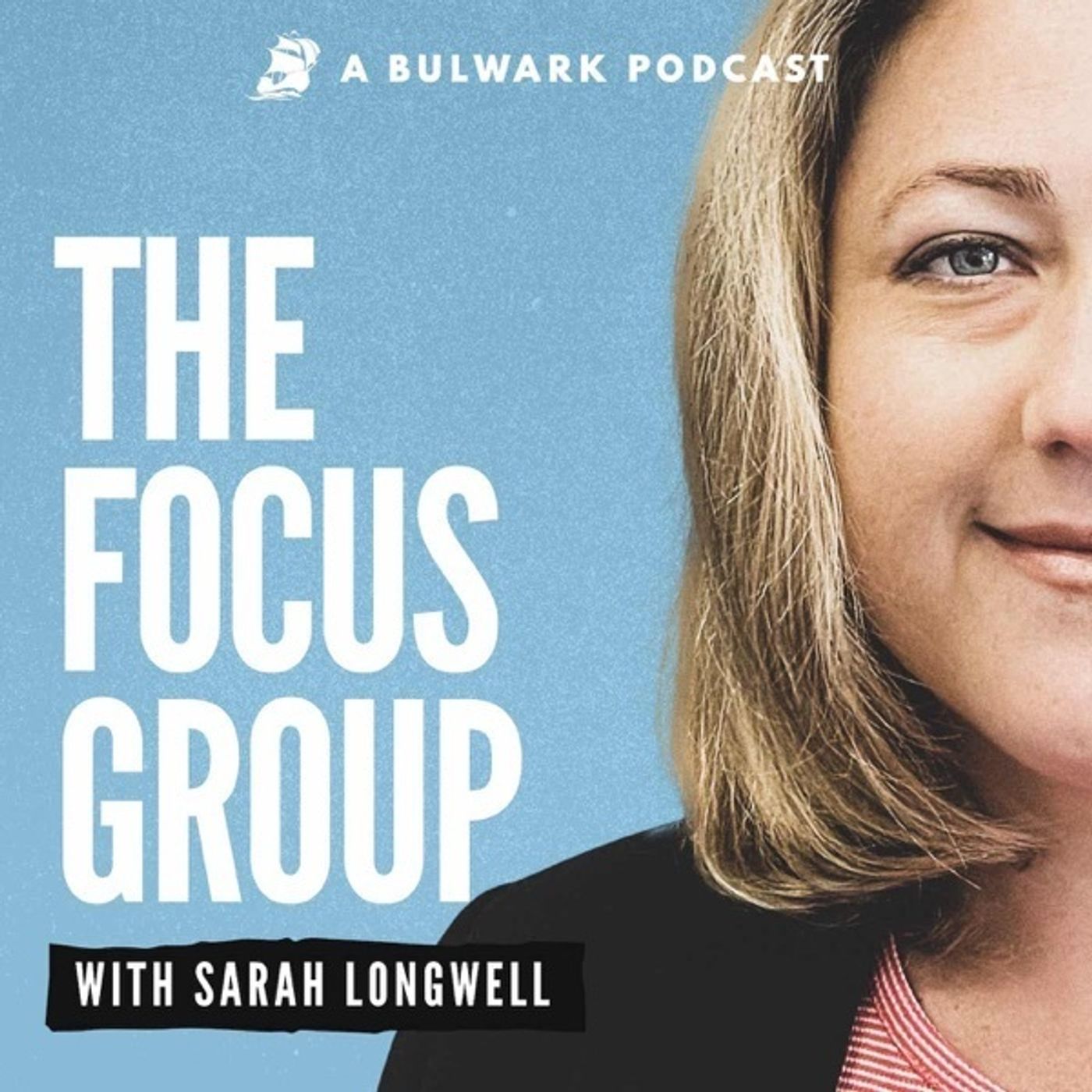
Loading summary
Transcript202 lines
- [00:01]
A
You know that big bargain detergent jug is 80% water, right? It doesn't clean as well.
- [00:05]
B
80% water. I thought I was getting a better deal because it's so big. If you want a better clean, Tide pods are only 12% water.
- [00:13]
A
The rest is pure, concentrated cleaning ingredients.
- [00:16]
B
Oh, let me make an announcement. Attention shoppers, if you want a real.
- [00:20]
A
Deal, try Tide Pods. Stop paying for watered down detergents. Pay for clean. If it's gotta be clean, it's gotta be Tide pods. Water content based on the leading bargain liquid detergent. What's that sound? That's the sound of Downy unstoppable scent beads going into your washing machine and giving your clothes freshness that lasts all day long. There it is again. It's like music to your ears. Or more like music to your nose. That freshness is irresistible. Let's get a Downy unstoppables bottle shake. And now a sniff solo. Nice. With Downy Unstoppables, you just toss. Wash, wash. Wow. For all day freshness.
- [01:06]
B
Hello, everyone, and welcome to the focus group podcast. I'm Sarah Longwell, publisher of the Bulwark, and this week we are walking through a governor's race that is as too close for comfort as the traffic on the New Jersey Turnpike. New Jersey was a shockingly close race in the 2024 presidential election. Kamala Harris only won it by six points, which might sound like a lot in our polarized country, but it was one of the largest shifts toward Donald Trump in any state in the country. Now, in their race for governor, one Democrat that I tend to like. She's one of our sort of bulwarky kind of Democrats. Mikey Sheryl is trying to hang on, but is polling underwhelmingly against Republican Jack Ciarelli.
- [01:52]
A
Cittarelli, who's running for governor with the GABA Ghoul.
- [01:57]
B
You're not allowed to talk during my introd. Who's running for governor for the third straight election after he lost pretty narrowly in 2021. Now, these off years, governor's races are hugely important for national narratives. Pundits are going to be drawing all sorts of conclusions about what the results mean for 2026 and beyond. I know I will. But the issues deciding this race are mostly pretty local, like a lot of these kinds of races. My guest today is someone that I am outing as a New Jersey resident for the first time. He does not actually live in a brownstone in manh. That is a bit that he does for all of you. Jonathan Last, jvl, my best friend and My co host on many other shows. Welcome back to the focus group jvl.
- [02:42]
A
I thought I'd never be allowed back.
- [02:44]
B
Yeah, you're here. Against my better judgment.
- [02:46]
A
I have a question.
- [02:48]
B
That's not how this works.
- [02:50]
A
I have a question for you, Sarah, but ground rules. Ground rules for this show, I have taken away from our relationship that you do not like it when I use voices meant to stereotypically categorize people.
- [03:05]
B
This is true. I do not care for it.
- [03:08]
A
Don't care for it. Could I do that during this episode to categorize some of my fellow residents in the way that Cletus is the accepted voice for a certain type of rural voter? Could I? When talking about New Jersey voters, regardless of their color, creed, sex, or national origin, may I simply all represent them as.
- [03:31]
B
Anthony, I do feel like I'm going to hear you say, like, gabagool a lot.
- [03:36]
A
Is that okay? Can I do that? I will have the gabagool.
- [03:40]
B
Here's what I want. Here's what I want. I want it to be stipulated in writing now and forevermore that I approve of the stereotyping voices that JVL uses. And so he uses many voices over the course of podcasts with him. I never am okay with it. So later, when I run for political office or something, I want it to be on the record. That being said, you knock yourself out, my friend. You're responsible for your own behavior. I am not. Okay, so you. Against my better judgment, I let you watch a bunch of these focus groups, and these were undecided. Do you believe in undecided voters as a thing? Like, when you watched them, did you believe that they were undecided?
- [04:21]
A
Some of them were. I think most of them were pretty well decided. Is that what you took from it?
- [04:26]
B
Yeah, and I would say, I'd say.
- [04:27]
A
Like, 80% of them knew who they were going to vote for if they vote.
- [04:31]
B
This is a common feature, actually, of the undecided voter, which is the undecided voter typically has a partisan lean. And so they're already inclined toward one candidate or the other. They just think they're going to do more research to be more certain at some point. I would say that research, if it ever happens, is typically around, like, well, what do they think about maybe one pet issue that I have that I haven't done this on yet? But I would say typically, wherever they are now, because we always say, all right, if you had to choose, right, elections today, what would you do? I'd say that mirrors pretty closely what they ultimately do.
- [05:10]
A
One of the people in these focus groups, Sarah, said that they, in fact, did their research that day, the day of the focus group while driving, and that they had then come to their conclusion. Sure, okay.
- [05:22]
B
That's right. It's why we don't do undecided voters that often. We do do some leading up to every big election, but it just gives us a sense of sort of where the marginal voters are in each race. But we don't do them a ton. But we did check them out here. So we did two groups for this show because the way the polls are shaping up, margins in this race could end up looking pretty similar to those in the 2024 presidential race. So we assembled a group of undecided voters who voted for Trump in 2024 and undecideds who voted for Kamala Harris in 2024. Now, as you may know, we start most groups by asking folks how they think things are going in the country. It is a standard. We do it every single group. And so for this one, we did the country. But also, how do you think things are going in New Jersey? Let's listen to how the Trump voters talked about that. In New Jersey, everything is just so expensive. So in a lot of ways, like, things aren't going well. I mean, for me as a teacher, some things, there have been some things that have been beneficial, but cost of living is like out of control. So I would say in general, probably for what I'm taking home and the money I have, my pocket, it's not going so well.
- [06:34]
A
Personally, I think things are going in the wrong direction, especially in New Jersey. I've definitely been impacted financially. I got noticed, not recently that my job getting cut. I feel the cost of living going up. And personally, I'm thinking of maybe moving to a different state or leaving the country. The cost of living in New Jersey is astronomical, especially with the utilities right now.
- [06:57]
B
I mean, that's huge jump in my.
- [07:00]
A
Utility bills that I've not seen for many years.
- [07:05]
B
But I'm hoping things would take a turn. Unfortunately, I would love to move, but.
- [07:10]
A
I don't want to move because I love living in the Tri State area, being so close to me. There's so many things to do.
- [07:17]
B
But Florida is not a bad place, so I don't blame you.
- [07:21]
A
And in New Jersey, I'm kind of up in the air, really. I mean, I think it was heading in the right direction for a while. And now with the new election coming up, it's not much unity and not much agreement. And I think it's kind of tough and the cost of living is ridiculous. But I've lived here all my life, so I'm used to it. For me, the energy costs compared to Pennsylvania I think are great. I mean, I'm paying $100 a month for electric versus three, $400 smaller house in Pennsylvania, so I did find gas for $2.45 today, so that was a plus. In Wayne, New Jersey, by the way. BJ Social Club. It feels like New Jersey is trying to become like New York. I know we take a lot from being right next to New York at times, but it's getting rough, especially North Jersey. I was born and raised here and lived here for about 34 years. So it is kind of crazy to say that I finally started thinking about the same thing as well, thinking of actually moving out of New Jersey for the first time.
- [08:13]
B
Jbl, as a New Jersey resident, Does what they're saying sound right to you?
- [08:17]
A
Well, I think the whole game was given away by the gentleman who said that the cost of living is crazy. But, you know, I've been living here for 24 years, so I'm used to it. Yes, the cost of living in New Jersey is high. It has always been high. The reason is because New Jersey is the densest state in the union. Only the District of Columbia has more population density and, and so land costs are at a premium because a lot of people want to live here. The only way for those things to go down is for people to not want to live here. You know, where land, you know, where the cost of living is really cheap. Sarah?
- [08:52]
B
Wyoming?
- [08:53]
A
No, not Wyoming, actually. West Virginia, Alabama, Mississippi. See, a lot of people are like, man, I can't wait to move to Alabama. No, you don't. New Jersey is a high cost of living state because it is desirable. That's why these people who want to leave. Don't let the door hit you on the way out. I have a whole riff on this, which we can get into if you want to. But the big driver of cost of living in New Jersey is real estate. And then on top of that, local taxes. So not even state taxes, local taxes. The reason is because unlike many states which have a lot of consolidation of services, in New Jersey the services are really, really local. So you get granular control. Your little town of 17,000 people, it's going to have its own police department, its own fire department, its own school system, and you are giving up some of the savings that you get at scale. If you live in a state where things are all done at the county level. So where you'll have like 500,000 people under the same thing. Right. But what you get then is more local control, which is a good thing. That's what conservatives tend to like, right? They want local control of things, want decisions made as close to the actual people living under the decisions as possible. And what you get because of that is by all accounts the best schools in the Nation, K to 12. That's because the local control is so tight and because so much money gets spent on it. Money which is raised through real estate taxes. And so this is just the way New Jersey is, the way New Jersey has always been. And the other part of this is New Jersey has the second highest median household income in the country, below Massachusetts. In a weird way, cost of living in New Jersey is actually only seventh highest. So it's actually a little lower than you would think it would be. Utah, believe it or not, cost of living in Utah is higher. Would you want to rather live in Utah? I don't think so. Not a lot of theater in Utah. So I'm just saying, like this is so all of these people are complaining about cost of living. And the one thing which is different is energy costs and electricity costs. And this is occurring thing that we heard through both groups and almost every single member complained about electricity costs. Let me explain something. The reason electricity costs are so high right now is because of AI, because AI is standing up data centers. It's like the only thing we're building in America right now are data centers. At some point the AI bubble is going to pop. And when it does, everybody's electrical costs will go down and so will their 401ks. Do you think they'll be happy then? Oh, well, my 401k lost 28% of its value overnight. But I guess I'm paying $180 less a month in electricity. That's no. They'll be complaining about that then. And one more thing, Sarah. 63% of people in New Jersey own their own homes. 63%. It's actually quite high percentage nationally, the people who are complaining about the high cost of real estate, which is again another recurring theme. Just by the numbers, most of these people own real estate. Do you think they will be happy if suddenly there's an economic bubble and the cost of the real estate, which is the single largest investment most people own, goes down by 40%? I think they would be deeply unhappy about this. And so what you have here is just like mass economic illiteracy from voters, which shocks me honestly. I'm so surprised.
- [12:15]
B
Are you shocked? Here's the thing.
- [12:17]
A
I told you I came to play today.
- [12:18]
B
Yeah, I know. This is why I don't like to give you access to the vote. Just rage at them about how they're all idiots, but you can say all the things you want about New Jersey and how their tax dollars are spent. The fact is, though, they sound exactly like voters from every other state. Yeah, these could just as easily. If you sort of didn't know that they were the Trump voters, you might not know in general because the complaining about the economy knows no party.
- [12:41]
A
To be very clear, I'm making a point about people generally, not just these particular voters, because as you say, very similar themes from the Harris voters who are undecided. And you know what? I have never heard once on the focus group. Never once. And I've been listening to the show for a long time. I listen to every episode, every word. Sarah, I have never heard somebody in the focus group say, yeah, things are actually going really well. And the truth is, I think government is pretty efficient and effective, and I'm happy to pay what I pay in taxes. And I think the price of gas is reasonable. And I mean, all things considered, I guess it's all right. Never heard that once.
- [13:16]
B
Oh, well, that's not true, because I'll tell you who right now says things are going pretty okay in the country, and that is hardcore MAGA supporters.
- [13:24]
A
There are, like, three of those. But it's only the economics. What they don't like is they don't. They don't like. Well, we'll get into that later. I'll tell you what the hardcore MAGA voters don't like later in the show.
- [13:33]
B
Okay. Anyway. All right, so you brought up the Kamala Harris voters and how they think things are going. So we can get back into this. But let's listen to how the Harris voters talked about how things are going in New Jersey now. It's probably one of the better states for someone like me to live in. We talk about moving out of Jersey all the time, but I don't know.
- [13:51]
A
Where I would go that it would be any better.
- [13:53]
B
Yeah, I think it's a scary time to be who I am in the states right now, but better in New.
- [13:59]
A
Jersey than most other places.
- [14:01]
B
I'm Jewish, so there's that. And I feel like I have experienced more antisemitism in the last eight years.
- [14:09]
A
That I've lived where I live, which.
- [14:10]
B
Is very close to where I also grew up. And so moving to any other part of the country might be worse.
- [14:17]
A
I'm looking to buy a house soon, but like the housing market, you know, the sun belt in some other areas is crashing, but New Jersey's still hanging on. Whether or not it holds on is unknown. But, I mean, I think New Jersey's. I wouldn't say an island, but it remains somewhat civil. Like, I know people in Texas or California, you know, they're politically fairly extreme in some areas. New Jersey obviously does still have some extreme people, but I think we've. We're still somewhat centrist and, you know, maybe slightly leaning left, but I can still see a lot of polarization here. I can point that out because I.
- [14:54]
B
Lived here for over 24 years. Things are more expensive and we find.
- [15:00]
A
Ourselves paying a lot more in higher taxes and we get nothing in return. So I hope that whoever sits in that chair is able to help Jersey and deliver what they promised, because nothing.
- [15:15]
B
That was promised by any of the.
- [15:17]
A
Candidates last go around has been accomplished. I think the one issue that's really plagued me so far this year and recently is the electric costs have been, like, absolutely insane. But from what I read, that's because we have, like a bunch of AI Farms or something here. And. Yeah, I mean, realistically, I live so close to the city and I spend about half my time in the city because I work out of there. New York City. Sorry. And it almost feels like Jersey City is New York City light, basically.
- [15:51]
B
So you asked us before the focus groups to press people in these groups about what they wanted the next governor to do about affordability. We're going to get to that later in the show, but for right now, you grew up in New Jersey. Maybe people don't realize this about you, but you grew up in New Jersey, you went to college in New Jersey, and then you. Rutgers isn't in New Jersey.
- [16:13]
A
I didn't go to Rutgers.
- [16:15]
B
Where'd you go?
- [16:15]
A
Not there's anything.
- [16:16]
B
Oh, Johns Hopkins.
- [16:18]
A
Yeah.
- [16:18]
B
That's not in New Jersey.
- [16:20]
A
Oh, my gosh. Like, this is like couples therapy. It's in Baltimore. I can't believe it. It's like a fairly prominent school.
- [16:28]
B
No, it is, but that's okay.
- [16:29]
A
That's okay. Not that there's anything wrong with Rutgers.
- [16:32]
B
But, you know, you know, not everybody can go to a tiny liberal arts school in the middle of cornfields like I did. Okay, fine, you didn't go to college there, but you did move back a few years ago. I let you do this show because I wanted you to give us the unique observations about New Jersey because every time I think of New Jersey, I just think about Miss Congeniality, where they're like, that's an underrated movie Jersey, the Garden State. And her answer is because petrochemical and refinery state was too big to fit on a license plate. Great answer. But what is unique about the political culture generally that might be key to understanding this race? Is there something that conventional wisdom's missing because they don't really understand New Jersey culturally? Explain, please.
- [17:15]
A
Okay, so what's going on in this race is you have two very stereotypical types of candidates. The Democrat, Mikey Sherrill, is just a very normal Democrat. New Jersey does not create all that many Democratic outliers. You don't wind up with Democrats who you look at like, wait a minute, that person's out of left field. You're not going to get Mandani in Jersey. Okay? And the Republican is basically a normie Republican, Jack Cittarelli. He had called Donald Trump a charlatan in 2015. He was pretty anti Trump and he switched because everybody switched. That's like what people do these days. But the truth is, like, it's pretty clear his heart isn't in it. If you go to his webpage, this is wild. You cannot find a single picture of Donald Trump on Jack Cittarelli's website. There is only one place in which the word Trump appears. He has a sub page on endorsements. And at the very, very bottom of the page, in just plain text, it says President Donald J. Trump. All the other endorsements have, like, graphics with them and stuff like that. And he's just like, oh. So it's this totally transactional thing. He did what he had to do. And he is. I'm not going to say he's a Chris Christie type, because he's not. But he is a very moderate type business guy. He's a back slapper. This guy's been in politics since 1990. He's just been working his way up the rungs. He's been like everything. He's been dog catcher, he's been an assemblyman. And so it's a very New Jersey type of race. And one of the things you notice listening to these voters is just aren't a lot of strong feelings about either candidate. And I don't think that's just because they're undecided. I see this on the ground around here with talking to people. Nobody hates either one of the candidates. Nobody loves either one of the candidates. There's nothing really inspiring. The stakes feel reasonably low to people they aren't But I'm just saying the voters feel like they're reasonably low stakes. It's funny because the campaign really has been all about cost of living with both candidates talking about, oh, we're going to do this, we're going to do that. Cittarelli talks about how he's going to cut the state government budget by 30% and then he's going to reduce the corporate tax by 1% every year for five years. And Mikey Sherrill talks about extending the real estate tax really for senior citizens and then building new homes to try to help bring down prices and more affordable energy, etc. Etc. And this kind of drives me nuts because the reality is neither of these candidates is going to be able to lower the cost of living appreciably in New Jersey because again, the base fact of New Jersey is that it's the densest population in the country. New Jersey is essentially two gigantic excerpts. One of Philadelphia, which is one of the great American cities, and the other of New York, which is the great American city. It's always going to be expensive here because we have an incredibly high concentration of well paying jobs, outstanding sort of infrastructure and great education. People move here because it's good and people are willing to pay money to live someplace with a high quality of life. I wrote a whole piece about this a couple months ago during the primary. I was like, why is Mikey Sheryl talking about lowering. You're not going to be able to do it. And you had a line in the next level the other day where you said if Democrats don't do something about cost of living, then eventually voters are going to turn to socialists. Right. What was that exactly that you said? It was so profound.
- [20:51]
B
Well, I was talking about on both sides that if Democrats won't do something about the border, like they'll elect a fascist to do it. And if Normie Republicans and Democrats won't do something about cost of living, they'll ask the socialists to do it. Yeah, because these are the things that people want done.
- [21:07]
A
Yeah. And again, this is just like base economic illiteracy. It's like the people who voted for Trump thinking he was going to lower prices when of course deflation would be terrible. If we got deflation, if prices went down, it would be a sign of economic apocalypse. And so, like, I just don't know what to tell people. What you want in New Jersey is a governor who can actually work on the supply side of this by attracting more businesses and raising wages, not by attacking and driving down the cost of Living. One of the things Mikey Sherrill talks about is she wants to build a million new housing units, which sounds great. This is what all the Yimbys do, right? They feel like, oh well, we can solve housing costs by pressing the construction button. And It'll be like SimCity housing units will just pop up everywhere. New Jersey's already in the middle of a huge construction boom. We've got housing units going up everywhere. And like there's a level at which you just can't build more because you don't have the equipment or the contractors or the suppliers. Like, we're already going as fast as we can. If you mash the button, you don't have houses sprout out faster.
- [22:07]
B
Well, I don't live in New Jersey, so I can't debate you on the finer points of New Jersey. I can tell you that supply and demand does have an effect on cost and that in many places it has become prohibitively difficult to build and you can go up pretty high in lots of places. Now granted that causes there to be cars and you need parking and stuff, but also that creates new consumer bases for businesses. Like I am a yimby, I think we should be building more.
- [22:35]
A
Agree. But I'm just saying, like we're already doing that. And so the problem New Jersey is not like, well, nobody builds anything. Like we're in the middle of building a lot of stuff.
- [22:43]
B
Well, that's good because then Mikey Sheryl can run on that. And then when it goes up, the voters are going to be like, look what Mikey Sherrill built.
- [22:51]
A
Maybe, I mean, if she gets elected, I don't know. That's the other thing. The race is closer than it should be by all understandings of it. Part of this is that Cittarelli, this is his third time running statewide. He ran once for the Republican nomination, for ground run, lost second time, won the nomination, lost a very close race to Phil Murphy and this is his third bite at the apple. So there are a whole bunch of people who've already pulled the lever for him at least once and in some cases twice. Mikey Sherrill is just a congresswoman. You know, she has been exposed statewide to voters on a very limited basis. And I gotta say I am concerned because on paper she should be doing great. Her demographic is the demographic that Republicans have traded to Democrats, which is the high propensity of educated voters who show up even in off year elections. And she's, I think the most recent Monmouth poll had her at plus. No, it's Quinnipiac Sorry. Had her a plus six, and it'd been tightening from plus eight. I look at that, and I just think she probably wins. But if you asked me to bet like 100 bucks on it, I wouldn't.
- [24:02]
B
Oh, I would. I would bet 100 bucks that she wins. I do, too.
- [24:05]
A
I'd bet a hundred. I wouldn't bet a thousand.
- [24:07]
B
Yeah. I wouldn't, like, bet the farm, but I would easily bet a hundred bucks. And I think she's odds on favorite for the reasons that you just mentioned. It has felt closer. And I want to listen to the voters. I think we can chew on sort of what they say because I think they make it pretty clear why she's not running away with it in their estimation. And I'll just say out at the top. And maybe I've already said this, but I want to make sure I do sort of lay it out there that most of the Harris voters ask them, you know, you gotta pick. They go with Mikey. Yes. The Trump voters, and most of them go for Chedorelli.
- [24:43]
A
There were a couple of the Trump voters who I thought were pretty clearly gonna vote for Mikey.
- [24:47]
B
There was one Trump Mikey voter that was definite and another one that I thought is gettable.
- [24:53]
A
Yeah. There were two that I thought were, if they vote, we'll probably vote for her.
- [24:57]
B
Yeah. So let's listen to how the Harris voters are thinking about this race. And we're gonna start with how one woman talked about Jack Cittarelli. He hasn't gotten outright banned on full on for abortion, but I think maybe he knows that that probably won't sell very well in a state like New Jersey. You kind of have to be centrist if you expect to get anywhere. And he came within striking distance at the last election of Murphy. He came pretty close. I don't necessarily think that either of them is the best candidate. I lean more towards Mikey Sherrill because I'm a teacher and our union supports the Democratic candidate. I don't fully understand how teachers support a Republican candidate, although we have had a Democrat in office for the last eight years, you know, and I can't say that anything good has happened in our school districts. I don't see anything changing as far as funding has gotten less. And not that that's necessarily a state fault. It is a state problem right now. I just don't like either of them, to be honest.
- [26:06]
A
I'm leaning more towards her. I like Jack in the sense that he. I still hold a lot of those, like, conservative and right values, but because he's Such a Trump ally. And I don't really like Trump all that much anymore. That's what's kind of pushed me away. And realistically, like, all I care about at this point is lower taxes. Taxes and lower energy costs. Those are my, like, two major concerns. Because realistically, if anything happens in the state that I really don't like, then I would just move at this point to a different state where I like the candidates more. So right now, if I was to say that I was going to go.
- [26:48]
B
For someone, I would definitely, I would.
- [26:50]
A
Go Democrat, because I do feel that it's time to kind of balance that as much as I want to be kind of even that out and say.
- [27:00]
B
I will go Republican. And I also.
- [27:02]
A
Part of me believes in.
- [27:04]
B
In having someone from the private sector.
- [27:07]
A
Come in a little bit rather than.
- [27:09]
B
Being in government all this time, which.
- [27:10]
A
Is where Jack comes from. I still have a lot of empathy for Mikey, even that she's in military before. So I have a lot of respect.
- [27:19]
B
From that perspective as well. So it's a.
- [27:21]
A
It's really hard to balance. I like Mikey is, you know, from the military, I disliked how Jackson rally. It wasn't necessarily him, but maybe someone on his team released all her military records and released her address and Social Security number. I found that quite despicable. But where they stand, I mean, in general, I prefer lowering taxes, which is in general a Republican thing, which is kind of why I like Jack. But at the same time, you know, he's a Trump supporter. He favors the Trump tariffs, which would then only increase inflation, which I think is stupid. So I disagree with Jack on that. But then, you know, for Mikey, I agree with parts of her platform. But then I saw a clip of where she basically wants forcing lbgtq. I won't say indoctrination, but, you know, in classrooms. And I disagree with that. Like, that seemed to be a little outrageous to me. So both of them have a lot of pros and cons to me. And so I'm still very undecided. I mean, if I were absolutely to pick someone, I'd pick Mickey. But I mean, right now, it's like 51:49 in my head right now.
- [28:27]
B
I am, like, leaning toward Mikey, Cheryl, even though it's almost like the lesser.
- [28:32]
A
Two evils kind of a thing.
- [28:34]
B
You know, from the research I've done, Jack Chitterelli, I don't know, pronouncing it right. You know, he is very in line with. With Trump. And I feel like if he wins, they might be working in cahoots and who knows what that's gonna do? But Mikey Shell, she seems kind of like, you know, like, those millions of dollars with the, you know, the investments. I do like that she has a military background. But then, you know, you read about, like, how her, like, two of her children got a naval academy. Like, you know, there might have been some nepotism there and some other things. So they both kind of have, like, some sketchy things going on. She has some skeletons and issues, too, like, with investments. She didn't realize she made those millions of dollars. I mean, you know, But I kind of. Again, I'm a little bit cynical. I think a lot of people in politics all of a sudden make these magic investments that you and I don't have access to, but magically, they all of a sudden have a lot of.
- [29:27]
A
Money in their pocket.
- [29:28]
B
How did they get that information to trade like that? So it's kind of a mixed bag for me, but I am also leading to Mikey. So a couple of people just referenced an incident where the national archives released more of Sheryl's military records to the Ciarelli campaign than they should should have. That included a lot of her personal information and a revelation that she didn't walk in her academy graduation because she didn't report classmates of hers that were accused of cheating.
- [29:57]
A
Yeah. Can we talk about that?
- [29:59]
B
We can actually. Do you want to talk about that now? And then I'll get into some of the investment stuff.
- [30:04]
A
Let's do that now. Because this is people who are listening to this who are not from New Jersey. Accusing somebody of not having ratted out their classmates is the least effective attack you could possibly make in this state. Like, I am sorry.
- [30:23]
B
It's a no narc state.
- [30:25]
A
Snitches get stitches in New Jersey. And this is like, they should put omerta on the license plate. And what happened to Mikey Sherrill is that she was at Annapolis and there was a major cheating scandal going on, and she was not a part of it. But she did not snitch on her fellow classmates. And her penalty for that, when the whole thing unraveled was they didn't let her walk. And there may be states in this great country of ours where people would really, really hammer somebody, and they say, well, it was her duty. She'd taken the honor code. She should have told. Not in New Jersey. And you're not going to find five people in this state who are going to care about that.
- [31:01]
B
Yeah. What do you make, though, of them releasing that information, just in general? Is that Trump's doing. Why do you think that happened?
- [31:09]
A
Who can say? I think Marco Rubio is currently the head of the national archives.
- [31:13]
B
He's the head of everything. Sure.
- [31:14]
A
Yeah. And whether that is malice or incompetence because the federal government has been just slashed and mutilated over the course of the last eight months. Who could say? Ultimately it's bad, but I don't think it has hurt her in any way. Gain super flings are here to take your laundry to the next level. Talking about Gain Super Flings super sized laundry packs. These things are huge. Super fresh, super clean. Gain super flings. Gain super flings laundry pack have four times the Oxy cleaning power and three times the Febreze. Freshness vs Gain Original liquid gain super flings for next level laundry. That's the sound of James adding long lasting gain scent boosters to his laundry this morning. Several hours later, James sniffs the irresistible scent of gain on his shirt. Ah. Gain several hours later, James has even caught the attention of his mother in law and she never gives him attention.
- [32:19]
B
Oh, you smell amazing, James.
- [32:21]
A
Oh, thanks, mom. I love you too. I never said that. Add Gain scent boosters to your laundry. Add joy to your day.
- [32:30]
B
People seem more perturbed about an appearance Cheryl made on the Breakfast Club that's become like, really what? Chitterelli is running all of his campaign ads about where she couldn't really answer questions about her stock portfolio. So let's just listen to that ad because this one's running in a high rotation.
- [32:49]
A
I'm Jack Cittarelli, born and raised right here in New Jersey, where it's never been harder for the middle class. As governor, I have a plan to fix our state in Congress. The only thing Mikey Sherrill fixed is her bank account.
- [33:00]
B
Well, did you make 7 million in stock trades at all? I. I haven't. I don't believe I did. But I'd have to go see what. What that was alluding to again.
- [33:12]
A
Come on.
- [33:13]
B
Who wouldn't know if they made $7 million?
- [33:15]
A
New Jersey needs a governor who gets it. Mikey Sherrill doesn't. I do.
- [33:20]
B
Brutal. I don't know. That seemed to be a thing that these voters that was causing them to be like, I don't understand this. Why do you think she seems to be limping across the finish line? Is it this line of attack or is it just risk aversion?
- [33:37]
A
I don't know. I mean, it could be just. She's just not connecting with voters again. It's like somebody grew a candidate in a lab to appeal to you and me. And she is an incredibly impressive woman. Went to the Naval Academy, was first class of female pilots who were allowed into combat. She, like, jumped in line to fly in combat. She got out, went to law school, wound up learning a couple languages, worked in finance. I mean, just. She's one of these people who could just do anything, Right. She's just an athlete. You know, give her a ball and she can do it. You could have made her Attorney General or put her at Goldman Sachs or send her to Congress. As a congresswoman, she's been highly effective. I would say. You even heard you had one of the Trump voters who was in her district who said, oh, yeah, no, I follow her stuff a lot and she's been really great in Congress. But I don't know that she's a back slapper. I don't know that she's a political athlete in the way that often governors tend to be. I mean, governors don't tend to be technocrats. Governors tend to be people who just feel like you're shaking hands with them and, you know, you're walking down Main street like Jack was and, you know, slapping people on the back and whatnot.
- [34:47]
B
Yeah. You trust them to pick up your trash and like, talk to the police because they're one of you. Right. So much. Governor is not like, Larry Hogan was so good at this. St. Larry.
- [34:56]
A
Oh, yeah, St. Larry. But the truth is, most like Phil Murphy, like, hasn't been a great governor, but he's very good at that stuff. Right. Chris Christie was fantastic at that stuff on the finance stuff. These attacks on her are mostly baseless. So here's the reality of the $7 million. She is married to a fellow Annapolis grad. They were classmates at the Naval Academy. After he served, he worked in finance and he was a banker, high level banking executive at ubs. He makes a lot of money at ubs, and part of his compensation package is in stock. And there's a bunch of stock trades. And that seems to be where most of that $7 million came from. What we had was in Sheryl's first year in Congress. She did do some stock trading from her own portfolio. This has been investigated at the wazoo. The New York Times eventually found that there was like. I forget how the Times words it. There was some possibility of concern that she might have traded stocks for some companies that had business before the committee she was on. But even this is like, incredibly small sliver. We're talking about just a few dollars. And one of the attacks, Cittarelli makes on her is that, you know, she was fined for her malfeasance. And this is, again, this is true. She was fined $400 for a too late disclosure. So she disclosed it, but just after the deadline about a trade of her husband.
- [36:22]
B
Okay, this is all fine to explain. It's fine.
- [36:25]
A
I do not want to know the truth. I'm just trying to lay it all out. This is why, like, there isn't a lot there there. This is like if she really made $7 million insider trading, she should. No, no, no.
- [36:34]
B
See, this is where I really think this is a misread of how the voters would interpret something like this. It's not like, oh, no, this can be explained. Banker husband. It's that. But if you are so rich that when you're asked about $7 million in trades and you're like, I don't really know, people are like, that is an insane thing for an average person. If they had.
- [36:54]
A
Well, I think she's just being too careful there, though. Charlemagne in the. God is asking, he's asking an expansive open ended question and she doesn't want to say something that winds up not being true.
- [37:06]
B
Right.
- [37:06]
A
She's going into lawyer brain.
- [37:08]
B
I know there.
- [37:08]
A
And by the way, Jack Cittarelli's worth more than she is, I think. I mean, the guy's worth like $14 million. He's, he's over 10 years.
- [37:14]
B
I'm just saying this is why this is landing with people. It's landing with people because the way they're talking about it is that she doesn't really seem to know where she got this $7 million. My only real question is, is not to explain what the ins and outs of it are, but to say is that part of the reason that people aren't connecting with her as somebody that feels like one of them, because it doesn't matter that Cittarelli is richer the same way it doesn't matter that Trump is a billionaire. Right? It's. People are kind of like, does this person feel like one of us again?
- [37:45]
A
She's highly educated. She's very, very smart. This sounds very mean. I'm sorry, but she is not an average person. She is above average in all the things and maybe that's what prevents people. I don't know. You know what I'm saying? Like, again, she's this incredibly accomplished woman who's like aced everything she's ever done in life and is powerfully smart and is expert in a lot of different areas. I think voters have become in our populist age a little bit uncomfortable with that. I don't know that voters are really interested in technocrats who understand how to pass legislation and conduct government oversight from their committees. Right. They want somebody who's entertaining. One of the people in the focus groups said, honestly, I've been paying more attention to the New York mayoral race because it's more entertaining. Yeah, There you go. Good luck, New Jersey. Right. Like, I. I don't know what to say to that.
- [38:42]
B
Well, but I do think I agree with you. That's a feature of our times, that people, when they engage with politics.
- [38:48]
A
Mikey. Sheryl's an elite.
- [38:49]
B
Yeah, but you're right that she is not. She doesn't have the Riz. Because it used to be if you were a female helicopter pilot, that would give you the Riz. Like, your paper resume was your Riz. It was cool. And now she's just another regular politician, and nobody wants a regular politician.
- [39:09]
A
I mean, she's never been an influencer. Sarah.
- [39:12]
B
It's true.
- [39:12]
A
She hasn't been on a single reality TV show. How are people supposed to vote for her for governor? Yeah.
- [39:18]
B
She doesn't have a podcast. Every now and then I rinse it out and I need tonight and I need it more.
- [39:27]
A
I can't wait. That's a bed and the smell never leave I don't know what to do I'm always in the dark the sweat.
- [39:38]
B
Smells like a dark.
- [39:42]
A
Downy rinse Fights stubborn odors in just one wash when impossible odors get stuck in it out.
- [39:51]
B
All right, let's keep going on the sound. Let's listen to how the undecided Trump voters are talking about this governor's race, the abortion rights.
- [40:01]
A
I think I read that, you know, Jack was pretty much moderate on that, which I agree. And I agree that, you know, women, you know, should have the right to decide what they want. So I was in agreement with a lot of the key points that Jack is for and against.
- [40:17]
B
I'm in education, so I feel like in New Jersey in particular, that's a topic that is, like, very divisive among people, and I feel like it's only getting worse. It's hard for someone who grew up conservative, and I have a lot of conservative values, and I have a lot of feelings that, you know, like, every time I take any of those assessments, I definitely lean that way. But the only problem is I'm concerned with some of the statements that have been made in regards to changes that would be done in education. You know, as a public employee, as someone that has Been, you know, teaching for 12 years. I do worry about, like, what that looks like for me, and it's just kind of difficult because, you know, and this is, again, just my opinion, but politics only belong in education so much, and unfortunately it becomes political on both sides. So that's very frustrating for me. Like, I'm not necessarily, like, in love with everything that NJEA does, but, like, I do want to protect my own interests. That's hard, you know, because I get nervous if we're going to have what Chris Christie did many years ago, which was not in my best interest. But, you know, so I'm conflicted because I'm torn for, you know, looking for the better interest of all. But I also, you know, feel like I need to be protecting my own livelihood.
- [41:31]
A
I used to live in West Orange, New Jersey, and Mikey Sherrill was actually our Congress lady for my district. I mean, I follow a lot of her politics. I know that she accomplished quite a few stuff. Just on a personal level, I really like who she is. On the other hand, I'm conservative, conservative leaning, and I voted for Trump. But I think for New Jersey, it might be that a Democratic governor might be better because they can get stuff done. When you have a Republican and a Democratic Senate, you're not going to get much done in New Jersey. So that's why I'm leaning towards Mikey. He has good views, but I don't think he's going to get much time. It's going to kind of be like Chris Christie. From what I remember, Chris Christie upped.
- [42:21]
B
Our property tax, cost of living went up.
- [42:24]
A
I don't think that there is a good outcome when a Republican, the governor in New Jersey. That's my personal opinion. Mickey Sherrill. All I ever see is the. The helicopter ads and then the little bit of controversy with her graduation. So aside from all the mud slinging, I'm not too clear on what exactly she's pushing. Aside from probably doing exactly what Phil Murphy's already been doing, which hasn't been working for us with Jack. I do like his approach as well. Just because he has been going around locally. Even in Todowa, New Jersey, he's come around a few times. So I do like his approach to the business owners and the businesses nearby. But again, it feels like it's just the whole kiss the babies and then once you get the position, it may feel like Chris Christie again, this whole bridge situation and pushing your agenda and then not working out too well for New Jersey. So I've been a bit too unsure on who is the, you know, the lesser of the two evils, in my opinion. The whole cheating scandal and whatever, you know, people have skeletons in their closet. You know, I've done things in my life that I'm not that proud of, and, you know, these things come out. I don't agree with the mudsling so much. I'd rather see more positive affirmation towards. Towards themselves than the mudsling towards their opponents. But it's all part of politics. I don't have a strong opinion either way.
- [43:37]
B
You know, like you said before, it was interesting that Mikey Sheryl's Naval Academy records didn't seem to move the needle at all. Like, these are the people who are predisposed toward disliking her, and they did not care.
- [43:48]
A
This is dirty Jersey. You are not going to get that thing. This is Sopranos country. I'm sorry.
- [43:53]
B
All right, so here's my question for you. A lot of the Harris voters seem to tie Ciarelli heavily to to Trump. A couple did point out their differences, but they were really like, I think he's a MAGA guy. How do you look at his campaign relative to other Republicans? Like, you already said before that he seemed like a little more Normie. Although Chris Christie does not sound like a positive reference point for any of these voters. So how would you evaluate him?
- [44:19]
A
Yeah, so, I mean, here's the thing. In the primary, Cittarelli branded himself as, like, the most dark ultra MAGA ever. And it's because he was in a pretty competitive primary with a bunch of guys who all wanted to run to the right of Trump. And Cittarelli did what he had to do, and he labeled himself like, the most ultra MAGA ever. And then the minute the primary was over, he's like, trump? I'm sorry, I don't know a Trump. Are you. Who are you talking about? Again, it is weird the degree to which he has run away from Trump. I would say more so than Glenn Youngkin did in his campaign. Do you remember that? Youngkin got the primary win, and then he was like, no, thank you, Mr. Trump. And this has been the Sheryl campaign. The Sheryl campaign has largely been trying to tie Cittarelli to Trump. And I think it's been fairly effective. I mean, you heard it with these voters, but even then, their heart's not in it. There are people both in the Harris undecided and the Trump undecided who said, oh, this is really about choosing the lesser of two evils. But they didn't really sound like they were talking about the lesser of two evils. It sounded like they were talking about the lesser of two, like, meh, meh.
- [45:35]
B
Yeah, I think that's right.
- [45:36]
A
There's just not a lot of passion on either side. How do you hate Mikey? Sheryl? Right. You might say, like, oh, I don't connect with her. Like, she's so fancy and snooty. What do I need? Or. But you can't hate her. I mean, the woman's lived an unbelievably admirable life. She's highly competent. She would probably be a really good governor. Citarelli is like a guy who has said what he had to say to live in, you know, Republican politics. But, you know, again, he's just a glad hander, you know, in a long line of Republican glad hander types in New Jersey. And so there's just in a ton of passion in this race, except for this. I think the most passion I see is on the part of real magas who don't really like Cittarelli, but who see this race as a chance to win one for Big Orange. Because if Cittarelli wins or even gets close, if he gets in within three points, four points, they'll be able to say, see, everything's going great with Trump. Trump did that. Trump is realigning New Jersey. And that's the only place I actually see any passion on the ground here.
- [46:39]
B
Yeah, I was gonna ask you this about what margin? Cuz I think she wins.
- [46:44]
A
Yeah, I do too.
- [46:45]
B
But I also think that the narrative coming out of these races, both in VI and in New Jersey, they're gonna matter, right? Politico's got nothing to talk about. It's a wide open field, and so everybody's gonna want to extrapolate a whole bunch, just like they did with Youngkin in Virginia four years ago. I mean, that guy immediately skyrocketed to, hey, this is the formula. Hey, maybe he's the president.
- [47:08]
A
Remember when Glenn Youngkin's the future?
- [47:10]
B
I do remember. Not happy.
- [47:11]
A
You know who never fell for that? You and me.
- [47:14]
B
Yeah, I know. So obviously the most disastrous results for Mikey shows her losing. But what would it say if it was a four point or three point race ultimately?
- [47:26]
A
Okay, so ultimately, I am less concerned about the overall number than I am about the demographic splits. And the two things that I will care most about are Hispanic voters and 18 to 35 voters. So in national politics, the biggest movement we've seen over the last 10 months has been the reversals for Trump with Hispanics and young voters. He did very, very well with both categories. And we don't know if that's real or not. That's just polling. The overall number here in New Jersey, whether it is Sheryl plus 2 or Cheryl plus 6, is much more about turnout, I think. Right. It's about like, well, is she able to get her numbers? Was there enough passion, et cetera, et cetera? What I really care about is looking and seeing. Do we see the Hispanic polling shift that we've seen nationally show up in the results here in New Jersey? What do we see with young voters? Does that turn out to be real? Is it bigger than it looks like nationally? And if, like the overall percentage of the electorate for those groups is smaller than people are expecting, I don't really care. Right. I mean, that would wind up making Sheryl's margins smaller. But I would be much more concerned if those numbers haven't moved the way the national numbers have suggested they are.
- [48:45]
B
Yeah, well, I mean, I do think that this is one of the big unanswered questions for those of us who look at the numbers is how many of the sort of marginal Trump voters are red pilled and how many of them have realigned into the party and how many of them are just there for Trump and are never gonna show up for any other Republican or any other candidate. Those questions are the kinds of things that I think will be in the cross tabs of this race that are going to be interesting for us.
- [49:13]
A
And I think Trump's going to declare victory no matter what. Right. I mean, if Sheryl isn't more than plus 6, if her margin is not more than Harris's margin in New Jersey, and I think it's unlikely to be more than Harris's margin, although you never know, then I think the line coming out of the White House will be winsome. Sears was a terrible candidate. She's a black woman. They probably won't say the second part, although you never know on background. Maybe Steve Miller will say it. But look at New Jersey, look at New Jersey. Like, you know, we're realigning New Jersey. New Jersey's a purple state now. And I think that's what they're going to say.
- [49:48]
B
This is important and we're going to find ourselves talking about this a lot over the next few years, which is that, look, in 2030 they're going to redo the census. And I think what we're going to be seeing then is a much tougher map over time for Democrats if they don't start winning in other places. And so what Republicans want to do right now is lay down a marker in places like New Jersey. The same way Democrats kind of a couple cycles ago were trying to make North Carolina and Texas say like, no, these are places that are going blue. But instead Republicans want to be like, you guys are never have a chance at Florida again. And we're coming for New Jersey and we're coming for New Hampshire and the map is going to get a lot harder for Democrats. And there's some truth actually like it is going to be possible that the blue wall states won't be enough for Democrats after the 2030 census. And so you need a state like New Jersey to kind of stay firmly in the D camp. That six point move in New Jersey was a real freak out for Dem. So it'll be interesting to see if that stuff holds okay as we wrap up here. It would not be a Sarah and JBL focus group pod if we didn't argue about the way people talk about the economy. We did this up at the top already some because we can't help ourselves. It is one of perennial fights. But per your request, jbl, we asked these nice people in the focus groups what they wanted to see the next governor do about the economy. The first four quotes you're going to hear are the Harris voters and the last three are the Trump voters. Let's listen.
- [51:18]
A
I think they can build more houses.
- [51:20]
B
I think building more houses will help.
- [51:23]
A
With the cost of living.
- [51:25]
B
What can they do, you know, about the economy in general? Like these people, you know, big time politicians maybe create more jobs. Like you know, a lot of times, you know, you go to the stores and there aren't that many cashiers anymore because all these self serve kiosks and.
- [51:39]
A
I understand it might be cheaper for.
- [51:41]
B
The store, but I mean people are losing like base jobs. The people that may not have the highest level of education or highest level.
- [51:49]
A
Experience and maybe new immigrants, you know, maybe they could do something like that.
- [51:53]
B
Find like low level jobs, help with homelessness, that would help with the economy, create programs and then it kind of works its way up from there.
- [52:02]
A
How much more does the mayor matter than the governor? Because based on that election it really feels like the mayor has all of the power for the city you live in. And what budget is. So realistically, what difference is the governor going to make? It almost feels like the mayor has more power than the governor. So. So realistically, do I think either one of them is going to enact major change? Probably not so much unless Jack Cittarelli does Increase the sales tax. But if increasing the sales tax brings down, for example, property tax, and then rents go down because of that, then that's the bullet I'm happy to buy because it takes me 20 minutes to get into New York City.
- [52:48]
B
If there was something that could be done, it would be to raise the taxes on the higher tax bracket, but then those people would move out of New Jersey anyway. It wouldn't matter. It has again, it has to be on a federal level to tax the 1 or 2%. For the record, my mayor is not elected. My mayor is just chosen. That would make it very interesting around here versus New York City, where, like, you know, it's, you know, the biggest city in the world.
- [53:13]
A
So I think there are big points on both sides about energy. And that's one of the things I support about Jack, is that he's for nuclear energy because one of my projects is working AI through SMR technology. So I really support clean energy and especially nuclear energy. I was just reading that there was a bill or something that Cheryl had voted on, a failed energy pan that caused electric bills to triple. So that's one of the key points with me as well. Yeah, I'd like to see him continue.
- [53:44]
B
The programs currently for the real estate taxes.
- [53:48]
A
I mean, you have the state of.
- [53:49]
B
New Jersey, the freeze, and I think.
- [53:52]
A
They'Re great programs to help cut down on the high real estate taxes.
- [53:57]
B
Commuting costs, for sure, like the tolls. I feel like the tolls are just more and more money that just takes away from the daily cost of living for my family. It's just so much money, like just. Just the cost of driving to work. It's like a small thing, but I feel like it would. I think that tributes, like all the taxes that are on that tolls. All right. You said this on TNL a few months ago. You said it again at the top that basically, you know, Mikey Schroes stop telling voters she's going to bring costs down. That people should stop telling voters they're going to do it because they can't. So what did you make of what you heard from these voters?
- [54:34]
A
So it was kind of a mixed bag. I want to be very clear. There were some voters in these groups who had pretty sophisticated views of what was going on. Specifically, there was a gentleman in the Kamala undecided group who I was shocked, was able to locate when inflation hit. He said it was between 2022 and 2023. He then knew that inflation went down. After that, the rate of inflation started decreasing. He knew that inflation has been pushing up under Trump and that unemployment is going. I was like, wow, this is a guy who remembers 10 minutes ago in American history. It's fascinating.
- [55:08]
B
He was one of us, that guy. He was like a former Republican who now votes for Democrats because he thinks Trump sucks.
- [55:15]
A
I would say one of the things that was interesting is most of these voters on both sides, they complained about the cost of living. I don't think any of them sounded as though they believed that either of these candidates could lower the cost of living. Did you get that sense?
- [55:31]
B
Yeah. I mean this is where do you.
- [55:33]
A
Think any of them believed it?
- [55:34]
B
Well, I mean many of them sort of self describe as cynical and say like I just. Yeah, but that's not cynical, that's just.
- [55:40]
A
Realistic about what drives the cost of living in New Jersey. Right. I mean, I don't know.
- [55:45]
B
And we can't do a whole secret podcast. Although if you'd like to listen to JVL and I argue about this, you can become a Bulwark plus subscriber and. And you can hear me argue that I do think there are ways to address the affordability crisis. And it's not just about bringing costs down, as one of these people said. It is also about how do you create jobs? What are we doing to hire a million more nurses and cops and home health care workers and.
- [56:11]
A
Yeah, well, I mean, all we have to do is ban checkout scanners, Sarah. That's how you create jobs. Like that woman had the answer right there. Just get rid of all those scanners and bring homeless people in and let them work the checkouts and that's how you solve it all. That's me being mean. I'm sorry.
- [56:26]
B
I know it's not an insane thing for an average voter to look at the things that have become automated and say people used to have those jobs and I feel like it's in there, but people don't articulate it as much. The fear about the incoming new technology around AI and what that's going to do to jobs is like really just starting to hit voters. But it's funny how she's looking backwards at things like the self checkout scanners and not looking forward toward AI.
- [56:56]
A
Can I talk with you about what I really wanted to get into my persistent argument with you about people's inability to perceive reality. And I went through these pretty thoroughly and there were a bunch of places where the voters weren't just wrong, they just didn't understand reality. So for instance, we just heard one guy who Said that he supports Jack because Jack, you know, is all in for clean energy and nuclear. So first of all, nuclear is a federal thing. That's all going to be decided at the federal level. New Jersey is not going to be able to start building nuclear plants. But also Cittarelli, part of his core is like making bans on wind and renewables, which I don't even think Chitterelli means. He just thinks that, like, what you're supposed to do to signal you're a good Republican anymore is pretend that you hate solar and wind. But again, this guy's perception is that, like, oh, I really like Cittarelli because he's going to do renewables when Cittarelli's actual campaign is, no, no, I'm against renewables. We had a woman who said, I live in a very conservative area. Burlington County, South Jersey. I grew up in Burlington County. Burlington county is not very conservative. It was plus 17 for Kamala Harris. I don't know what to say to that. Right. This is like she says, well, you know, I live in this super conservative county and it's not. It's actually one of the most democratic counties in the state. The same woman said that, you know, things get more expensive, we find ourselves paying a lot more in high taxes and we get nothing in return. Burlington county has some of the most elite high schools in the state. Morristown, Lenape, Shawnee, Cherokee, Cinnaminson and Mapleshade. Like, these are super duper high level blue ribbon schools. Another woman said that, you know, one of the things she was excited about, about Cittarelli was that he was a private sector guy. Guy's been in government since 1990, 35 years he spent in government. Then yet another guy who said, I feel like things aren't going great for the country based on what my friends say. That being said specifically for me, nothing really has changed. I don't know what to do with that. Right. And he just looked. This stuff is over and over and over. And then this woman who's a Trump voter, she says that she thinks the country, the country, I think the country is moving in a great direction. Things are more for the people. As for New Jersey, I also don't think it's not doing well. I'm not sure, Eve, what that means. I assume that she meant to say that she thinks everything's going great in the country, but in New Jersey, it's not doing well. But then she says, ah, Sarah, I'm not doing the voice notice, I'm not even doing my aunt me voice for this woman. I am heavily on the conservative side, but when it comes to more localized politics, I'd like to lean a little bit more on the Democratic because it's closer to home and it impacts you more directly. Are you fucking kidding me?
- [59:50]
B
That's an honest answer.
- [59:53]
A
I like voting for Republicans because it makes me feel good about getting rid of all those furries using litter boxes in their schools and all of the trans athletes who have taken over all of the girl sports. But oh, oh, oh, for where I live, I think I'd like to have a Democrat doing that because that affects me. I just, there's so much of this and when you get to that place with voters, I don't know that you can take anything they say at total face value. Right. And that's because it's a combination of justifications, but also self deceptions where they're not even being honest with themselves about the reality they see around them. And I don't know what to do with that.
- [60:42]
B
So first of all, I would say this. These people live their lives doing whatever it is they do. And every now and then someone says to them, hey, talk to me about politics. Usually somebody like me, right around election time. And what they do is they unload a series of contradictory, non linear things. And this is where I do not agree with you. That sort of policies don't matter. I think they level up over time to create a kind of vibe and a feeling. But it is true. Like their feelings don't always care about your facts, which is why you have to fight. Like in an attention economy. When Trump practices narrative dominance, that does allow him to do better with voters who are not going to do a ton of research or who no longer are news seekers but are kind of news receivers. They're just scrolling. And that just, that is part of where we are. And so your frustration notwithstanding, you may not like how they think. They do get to vote, though.
- [61:45]
A
Oh, yeah.
- [61:46]
B
So it's the job of the candidates to figure out how to get them there.
- [61:50]
A
Final two things, and then I promise I'll be done.
- [61:53]
B
Okay.
- [61:53]
A
In the Trump voters, I saw two things. One, which general one was specific. The general complaint. The Trump voters mostly thought things were going pretty good in the country except for unity. They were very upset that there isn't more unity.
- [62:07]
B
Yeah.
- [62:08]
A
I'm not sure how you could look at Donald Trump, whose entire campaign has been about wreaking vengeance on the people he hates, about delineating who is a real American and who is not a real American, who has dispatched masked agents of the state to snatch people off of the street and then say, why aren't people more unified? I don't get it, boy. Shouldn't you be more unified? The guy campaigned basically on fracturing the country, and now you wish there was more unity. But then the last guy. And this is, again, this just gets to the irrationality. There was one gentleman who was complaining about the negative ads, and he said, but, you know, there's been a lot of mud that was slung at Jack, too, because there are all of these ads linking Jack to Trump. He said, now I'm a Trump voter, and I think that Donald Trump's been great, and I think that Jack absolutely worked great with Donald Trump. But. But there are people who don't like Trump. And so it's not fair. It's dirty pool to run ads that link this guy to Trump, even though I think Trump and this guy are linked and I like Trump. That's not fair. I just thought, Good luck, America.
- [63:25]
B
And with that, good show, long show. Jbl, thanks mostly for joining us.
- [63:36]
A
Can't wait to do this with you again in 2027, the next time you have me on.
- [63:40]
B
Oh, I know. And thanks to all of you for listening to another episode of the focus group podcast. Remember to rate and review us on Apple Podcasts, subscribe to the Bulwark on YouTube and become a Bulwark plus member at the Bulwark.com and you should definitely do that, because every Friday, JBL and I do the secret podcast in which we argue and discuss and marinate on all of the things that are happening in our politics. And so if you think, boy, I liked this guy who was yelling at the voters and talking about how wrong they are. And Sarah, I know you're so, you know, tolerant and just trying to learn things from them. If you want more of that dynamic, you should go join us at Bulwark plus and you can get it.
- [64:23]
A
Boy, do we have a show for you.
- [64:25]
B
Yeah. All right. Thanks, everyone.
- [64:27]
A
Bye.
- [64:27]
B
Bye.