
Podcast
The FRONTLINE Dispatch
Hosted by GBH · EN
FRONTLINE Editor-in-Chief and Executive Producer Raney Aronson-Rath sits down with journalists and filmmakers for probing conversations about the investigative journalism that drives each FRONTLINE documentary and the stories that shape our time.
This work matters. At a time when deep-dive reporting is more vital than ever, your support ensures FRONTLINE can continue to hold power accountable. Join our community of supporters here by making a contribution to keep this work going.
Produced by Joel Patterson at FRONTLINE’s headquarters at GBH and powered by PRX.
The FRONTLINE Dispatch is made possible by the Abrams Foundation Journalism Initiative.
29episodes
Episodes
Newest firstAll episodes

Black Lung Rates Rise Among Veteran Appalachian Coal Miners
3d ago00:15:26Tap to summarizeAs many as one in three longtime miners in Appalachia have tested positive for black lung disease, according to new federal research. On this episode of The FRONTLINE Dispatch, a replay of reporter Howard Berkes' 2019 interviews with several miners experiencing varying stages of black lung disease about how it has irrevocably changed their lives.
Transcribe →
After The Flood, Episode 5: The Flood After the Flood
5d ago00:25:53Tap to summarizeA year after historic flooding killed more than 130 people in the Texas Hill Country, another flood hits the region. Was the community prepared this time around?
Transcribe →
Inside the Trump-MBS Alliance
1w ago00:24:35Tap to summarizeVeteran correspondent and filmmaker Martin Smith discusses the evolution of the Saudi-U.S. relationship and how Trump and MBS bypassed diplomatic norms to form a new kind of alliance.
Transcribe →
After The Flood: A Note on Episode 5
2w ago00:05:36Tap to summarizeAs the teams from The Texas Newsroom and FRONTLINE’s Local Journalism Initiative were putting the finishing touches on the fifth and final episode of After the Flood, another devastating flood hit the Texas Hill Country. So, we decided to pivot.How were these two floods different? Were elected officials better prepared? Did residents get timely information? That's going to take some time to figure out, so the release of the final episode will be postponed a week.In the meantime, we caught up with Bob Canales and Lorena Guillen, owners of the Blue Oak RV Park in Kerrville. You heard from them in episode one. We wanted to know how yet another historic flood hitting this part of Texas was affecting them and their community.After the Flood is a collaboration between FRONTLINE and The Texas Newsroom.
Transcribe →
After The Flood, Episode 4: Feeling Forgotten
3w ago00:37:45Tap to summarizeOn July 5th, one day after the deadly floods in Kerr County, another flood hit the community of Sandy Creek 100 miles away. Nine people died and more than 100 homes were damaged or destroyed. In the months that followed, survivors discovered what many disaster victims confront: just how complicated recovering can be.After the Flood is a collaboration between FRONTLINE and The Texas Newsroom.
Transcribe →
After The Flood, Episode 3: Who, When, Where … and Now What?
Jul 800:34:10Tap to summarizeIn this episode, Camp Mystic families head to the Capitol in Austin to fight for stronger regulations around summer camps. And the Childress family finally learns what really happened the night their 18-year-old daughter Chloe died in the flood.After the Flood is a collaboration between FRONTLINE and The Texas Newsroom.
Transcribe →
After The Flood, Episode 2: A Place Where Memories Are Made
Jul 100:33:06Tap to summarizeWhat makes the Texas Hill Country so vulnerable to flooding? And Matthew and Wendie Childress process earth-shattering news about their daughter, Chloe, a counselor at Camp Mystic.
Transcribe →
Economist Stephen Moore's Supply-Side Critique of the Fed
Jun 3000:28:55Tap to summarizeIn this episode of The FRONTLINE Dispatch, an extended interview from the documentary The President vs. the Fed. Director James Jacoby sits down with prominent conservative economist Stephen Moore, a senior economic adviser during Donald Trump’s first administration and an architect of the 2017 Trump tax cuts. Moore offers an insider’s perspective on the friction between the Trump White House and the central bank, presenting a sharp supply-side critique of the Fed's traditional economic models.
Transcribe →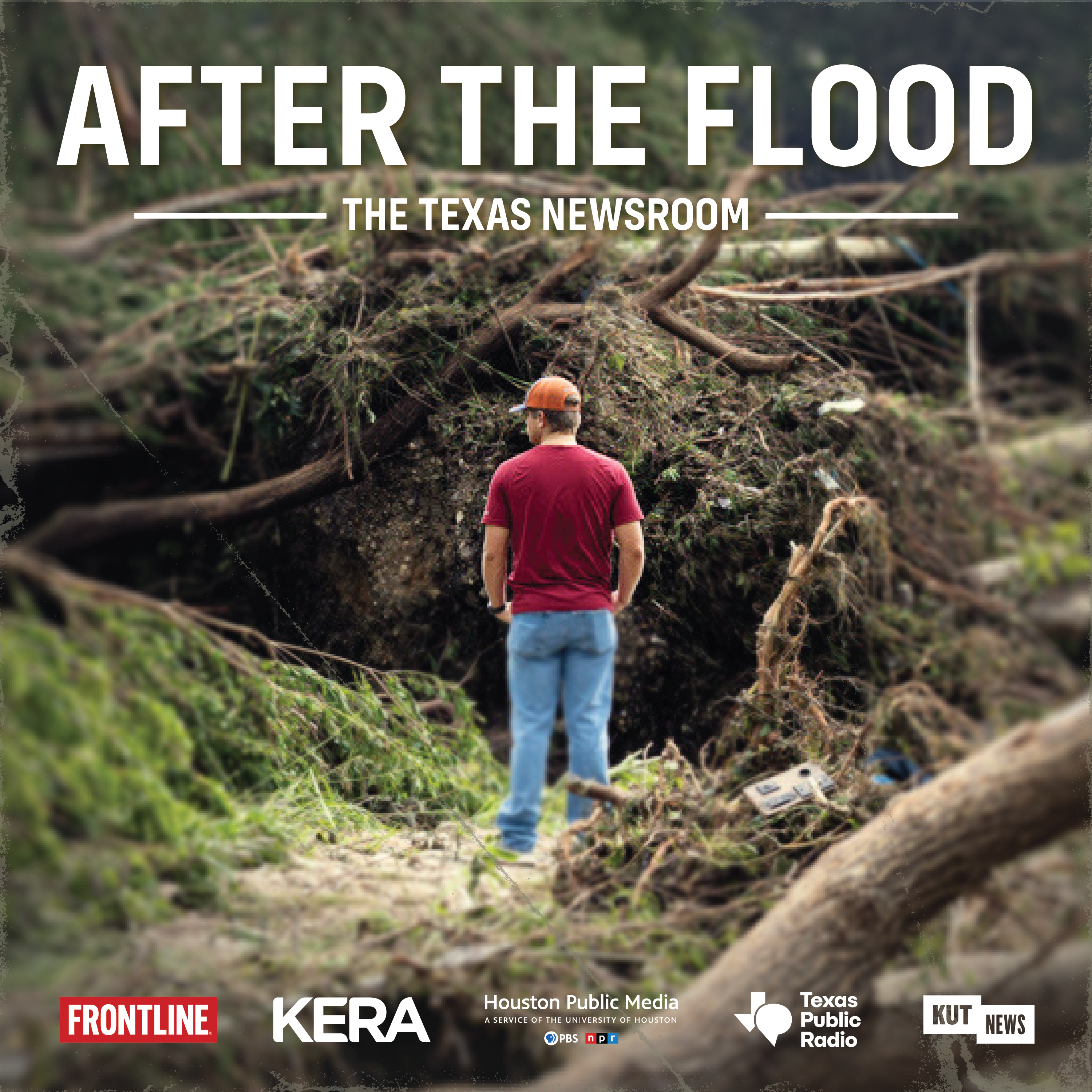
After The Flood, Episode 1: The Day Of
Jun 2400:32:35Tap to summarizeMatthew Childress and his wife, Wendie, learn that their daughter, Chloe, an 18-year-old counselor at Camp Mystic, is missing. And residents in Kerr County recount how they survived the grueling initial hours of the flood.
Transcribe →
Economist Kenneth Rogoff on the Threat to the Federal Reserve
Jun 1600:31:29Tap to summarizeFormer IMF Chief Economist Kenneth Rogoff on the importance of Fed independence.
Transcribe →