← The Fundraising Masterminds Podcast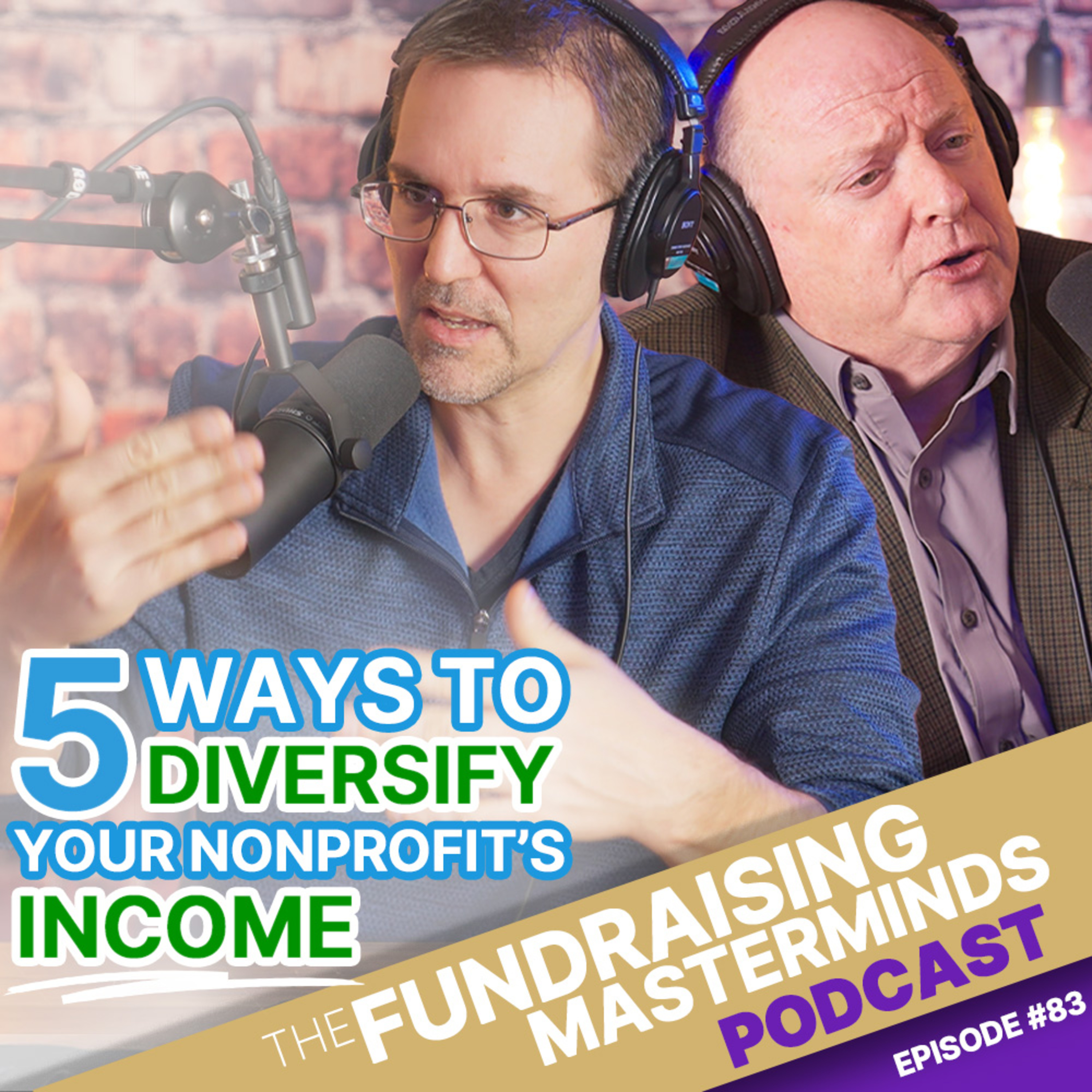
Loading summary
Transcript202 lines
- [00:00]
Jason Galasinski
You're listening to the number one podcast for nonprofit leaders getting your nonprofit fully funded. This is the Fundraising Masterminds Podcast. What people don't realize is there's been some new technologies that have come into play over the last ten years or so.
- [00:17]
Jim Dempsey
Right.
- [00:17]
Jason Galasinski
Which is this peer to peer thing.
- [00:19]
Jim Dempsey
Yes.
- [00:19]
Jason Galasinski
There is a couple of pregnancy centers that we've seen where they used to raise 30 or 40,000 at a walk for life. And they started using peer to peer and they really pushed people to utilize peer to peer and like hyping people up and actually getting people to do it.
- [00:34]
Jim Dempsey
Right.
- [00:34]
Jason Galasinski
And they went up to like 200,000. You've got 200 people raising $5,000 for you. And that really adds up. Welcome back to another episode at the Fundraising Masterminds Podcast. We are so excited that you have joined us today. We have a great episode lined up for you today. We're going to be talking about the five ways to diversify your nonprofit's income. As you know, in the principles of investing, it's always great to diversify your portfolio, and it's not any different, Right?
- [01:04]
Jim Dempsey
Absolutely. Streams of income for your nonprofit organization is essential to the success.
- [01:10]
Jason Galasinski
Yeah. Well, my name is Jason Galasinski, and this is my co host, Jim Dempsey. Hey, everybody, and thank you again for joining us today. Jim, let's just dive right in. Okay, so the first thing that we want to do in diversifying our income is utilize technology.
- [01:26]
Jim Dempsey
Absolutely. Well, technology has become a game changer, Jason, in so many ways. In fact, I was just having a conversation this morning with people that just reminded of a conversation we had about 15 or 20 years ago saying that it's unlikely that the online giving would ever replace checks that people write to our organization. And of course, that was just a terrible prediction on a consultant's part that we had. Our giving online has far surpassed those individuals writing checks. So making sure that you utilize technology and fundraising is critical from the standpoint of setting up your a proper giving platform that people can easily get online on your website, making sure that you have an app set up that people can give via their cell phones and other PDAs and online and their devices, and then also making sure that you've got an effective database. The contact relational software is just so important. So, you know, utilizing your CRM is so important. Now, I'm talking about technology, Jason, and you know a thing or two about technology. Actually, you far surpass me in understanding and knowledge of technology. Why don't you weigh in on this one?
- [02:54]
Jason Galasinski
Yeah, well, I started A company back in 2006 called Fund Easy. Back in the day it was called Ministry Sync.
- [03:00]
Jim Dempsey
Okay.
- [03:01]
Jason Galasinski
But we actually created an event management software. Back in the day, it was mostly focused on event management, but as we started kind of growing and morphing, we really started to get more of a heart for managing fundraising events specifically. So not just any old event.
- [03:17]
Jim Dempsey
Yeah. And of course, in those days, Jason, that's when you and I first came in contact with each other, because you created the platform for the perfect Vision Dinner strategy that I had. And we meshed together. And then of course, it grew from there.
- [03:30]
Jason Galasinski
Yeah. So we have a couple products with Fund Easy, we have attendance, we have peer to peer, and we have another program called crowdfunding. And we're working on some new stuff that I'm really excited about. We're actually working on a giving platform that we're going to be introducing hopefully in 2024. It's. It's all centered around fundraising and fundraising events.
- [03:52]
Jim Dempsey
Nice.
- [03:52]
Jason Galasinski
And so one thing that I've noticed specifically with online giving is there's a big difference between just a standard giving page and a giving page with a goal.
- [04:06]
Jim Dempsey
Yeah.
- [04:06]
Jason Galasinski
And that's one thing that we kind of stumbled along as we've been doing a lot of peer to peer and crowdfunding. Because the big difference between peer to peer and crowdfunding and just a standard giving page is you are raising money for a specific purpose. You have a specific goal or specific project, and there's usually a meter on the page. And as people are giving, you're seeing the names coming down and you're seeing how much they're giving, and the meter is moving in real time. And that really motivates people. Like, I just can't tell you how much more money we've raised because of those meters. And it just. I think the reason why is because it just incentivize. Like, you know, if. If you send out an email and you say, you know, we're raising 35,000 to buy a new ultrasound machine.
- [04:54]
Jim Dempsey
Right.
- [04:54]
Jason Galasinski
Click here to give.
- [04:55]
Jim Dempsey
Right.
- [04:55]
Jason Galasinski
And you just click. And it takes you to. Just some form.
- [04:58]
Jim Dempsey
Yeah.
- [04:59]
Jason Galasinski
Right. You don't. You don't get any feedback on have they done. Has anyone given to this? You know, and so you might throw in whatever you feel like giving. You might. You throw in 25 bucks or a hundred bucks or something.
- [05:12]
Jim Dempsey
Yeah.
- [05:12]
Jason Galasinski
But if you send out an email and you. Same, same email, but you click into it and it takes you to a page where you see, you know, 5,000 have already been Raised. And you can see all the people who have given. You can see, you know, you can't see their full names, but you see, like, first name. And you see, you know, Susie gave 250.
- [05:31]
Jim Dempsey
Right.
- [05:31]
Jason Galasinski
Sally gave 500, Johnny gave a thousand. You know, and you see all the amounts in there, then it kind of like, there's almost like a peer pressure thing where you're like, oh, wow, you know, these people are giving quite a bit, or, you know, it helps you to know, like, where you are. Some people like to wait to the very end because they like to see, like, the fun meter go up. So they check back. Right. And then they. They close the gap. You know, some people just jump in and say, oh, well, it seems like the average gift is about 200. I'll throw in 200. So I don't know, it just. It really is nice to have visibility on the fundraising more in real time to be able to see, like, what's actually happening.
- [06:11]
Jim Dempsey
Yeah. Jason, let's. Let's take a minute, though. You know, you've brought up a few terms. I mean, you. You've given us some great reasons, great functions for the fundraising software and some of the things we're doing. Let's take a step back. You use two terms. You introduce two terms that may be totally new to some people. Crowdfunding and also peer to peer. Tell us the advantage. What are those and what makes them so popular nowadays?
- [06:38]
Jason Galasinski
Yeah, well, first of all, just to step back even more, people think of just online giving as just one big thing.
- [06:46]
Jim Dempsey
Right, Right.
- [06:47]
Jason Galasinski
And typically what people think of is just that, you know, you just have a give button on your website and it takes you to a phone, and that's online giving for them, and that's online giving. What people don't realize is there's been some new technologies that have come into play over the last ten years or so. Right. Which is this peer to peer thing.
- [07:04]
Jim Dempsey
Yes.
- [07:04]
Jason Galasinski
And crowdfunding.
- [07:06]
Jim Dempsey
Right.
- [07:06]
Jason Galasinski
And they're similar, but they're different. The main thing with crowdfunding is that you could think of it as this. Generally the same thing as a giving page, except there's a landing page before the giving page.
- [07:19]
Jim Dempsey
Okay, so what is it?
- [07:21]
Jason Galasinski
Well, instead of taking them right to the form, it takes them to a landing page that explains the campaign. And so there's typically, like, a video or an explanation of what they're giving to. And then there's a fund meter, which is. Shows the progress. And that's the thing that's the most important.
- [07:37]
Jim Dempsey
Give us an Example of a campaign. What, what would be. What would be a campaign for an average pregnancy center, say?
- [07:43]
Jason Galasinski
Yeah, so we're talking about crowdfunding. A great example of that would be, you know, a specific project. You know, so we're not talking about just giving in general.
- [07:52]
Jim Dempsey
Okay.
- [07:52]
Jason Galasinski
But we're talking about a specific thing. So year end campaign would be great. Giving Tuesday would be great.
- [07:57]
Jim Dempsey
Purchasing an ultrasound machine.
- [07:58]
Jason Galasinski
Purchasing a specific piece of equipment like an ultrasound or even a building campaign. Okay. You might. You might be raising $100,000 to do an expansion on something.
- [08:08]
Jim Dempsey
Okay.
- [08:08]
Jason Galasinski
Just anything that has a goal, really. I mean, what we've seen is in the old way, you know, people would write an appeal and they just be like, give whatever you want towards us in general.
- [08:20]
Jim Dempsey
It could be a campaign as well too, right? Yeah, yeah.
- [08:23]
Jason Galasinski
But what we found is when you give people a specific thing to give to, like just one thing, right? And you really push that one thing, and then you. When they click in, they land on a landing page that just talks about that one thing. So you have photos, you have description, you have a video, and then you have a goal. You can see how much has been raised. And then you click into that. And when you give, it literally moves the needle. What's neat about Fund easy is when you're actually on the giving form and you're filling it out, when you put in your amount, it actually moves the needle. As soon as you put in your amount enough that you can actually see, you can actually. You can actually play with the meter and say, like, how much can. If I put in 500, how much does it move? If I put in a thousand, how much does it.
- [09:03]
Jim Dempsey
Okay, okay. Move the needle. I love it.
- [09:05]
Jason Galasinski
And so that kind of thing is really cool because you can actually see the impact in real time on what your gift can do. Now you ask, like, what's the difference between crowdfunding and peer to peer?
- [09:17]
Jim Dempsey
Oh, yeah.
- [09:17]
Jason Galasinski
And essentially peer to peer is taking crowdfunding to like a whole nother level.
- [09:22]
Jim Dempsey
Okay.
- [09:23]
Jason Galasinski
It's kind of like crowdfunding squared on steroids or whatever.
- [09:26]
Jim Dempsey
Yeah, yeah, yeah. Okay.
- [09:27]
Jason Galasinski
Because a lot of times what we do is peer to peer is we have some kind of an event like a walk for life or a bike. A thon is a perfect. Any kind of a thon event is like a perfect thing for peer to peer.
- [09:39]
Jim Dempsey
Yeah, okay, got it.
- [09:40]
Jason Galasinski
Because what we would do is we would have an event where the event has a goal.
- [09:45]
Jim Dempsey
Right, right.
- [09:46]
Jason Galasinski
And the participants who register to attend the event, each participant gets a Fundraising page.
- [09:53]
Jim Dempsey
So they've. They're essentially becoming the fundraisers for you.
- [09:56]
Jason Galasinski
Yeah. And each one of those pages has a specific, you know, photo, specific goal, specific description about the event. So instead of the organization saying, we're trying to ra $100,000, here's the page to go to. You could say, as a group of people, we're going to collectively raise $100,000 for this effort. But each person maybe is just responsible for 5,000. So as people register, they get a page that says they have a fund meter that says 5005. You know, so you might have one that says 5000. I have one that says 5000. And then you can. Each person can personalize the page to say why they feel compelled to help this organization raise 5. The beauty of this is you've got the individuals now who are appealing to their friends. So in like a. In like a bikeathon situation, you know, I might be calling my friends or knocking on doors and saying, hey, I'm doing this bikeathon, Would you sponsor me in completing this? All the proceeds go towards helping the pregnancy center, the local center, or whatever.
- [11:06]
Jim Dempsey
Okay. Okay.
- [11:07]
Jason Galasinski
And so you got people who are going to just sponsor me because they know me.
- [11:11]
Jim Dempsey
Right.
- [11:12]
Jason Galasinski
The downside of this from a fundraiser, from a development perspective, is that people are giving to me. They're not necessarily giving to the organization. Yeah.
- [11:20]
Jim Dempsey
It's tough to convert those.
- [11:22]
Jason Galasinski
Yeah. But it does raise a lot of money.
- [11:24]
Jim Dempsey
Yeah.
- [11:25]
Jason Galasinski
You know, it does get the job done.
- [11:26]
Jim Dempsey
Yeah.
- [11:27]
Jason Galasinski
And if your goal is to raise a hundred thousand, you know, through a bikeathon or something, using peer to peer is, like, the best way to do that. Wow, that's great. We've seen a lot of pregnancy centers. Like, for example, there is a couple pregnancy centers that we've seen where they used to raise 30 or 40,000 at a walk for life. And they started using peer to peer, and they went up to like 200,000 just because they were able to get people to register online. And then they really pushed people to utilize peer to peer and to actually use the fund. Easy. So they. They took the extra steps in sending out instructions, you know, explaining to people how to utilize it and like hyping people up and actually getting people do it.
- [12:12]
Jim Dempsey
Right.
- [12:12]
Jason Galasinski
And if you really push that well and you train your people on how to do it, you can raise a lot of money because you've got, you know, 200 people raising $5,000 for. For you. And that really adds up.
- [12:24]
Jim Dempsey
Right.
- [12:25]
Jason Galasinski
You know.
- [12:25]
Jim Dempsey
Right.
- [12:26]
Jason Galasinski
And so that's the difference between Crowdfunding and peer to peer. And, you know, yeah, social media is definitely a part of that, you know, because again, I'm not a big fan of social media because I feel like it doesn't work as well as what people project unless you have like 10 million followers or something. But for the average person, you know, but it, it does, it does help a bit, you know, to just be able to say, hey, I'm doing this fundraiser. Drop the link in.
- [12:56]
Jim Dempsey
Right?
- [12:56]
Jason Galasinski
And then, you know, people who do see it, you know, they can click and, and, you know, so it's maybe like more of a good reminder.
- [13:03]
Jim Dempsey
Right.
- [13:04]
Jason Galasinski
But I wouldn't rely on social media to say, like, use social media to fundraise for your campaign only, you know, I'd say definitely emails and texting and snail mail are still the number one, the three best ways to communicate, you know, your goals for your event and stuff. And instead of telling people to write a check, tell them, you know, give them a QR code that they can scan and go to the page and explain to them how it works.
- [13:28]
Jim Dempsey
Yeah, that's great. Terrific. Well, what's the second one, Jason?
- [13:31]
Jason Galasinski
The second thing we want to do to diversify our income is focus on a community of small donors. So I think the heart behind this, and I wanted to ask you what you meant by this, but I think what you're trying to get at here is that we don't want to just focus on major donors. We want to build a base.
- [13:47]
Jim Dempsey
Right, Exactly. Well, you know, I always use, actually in that way. I always use, I always say we want to go deep. That's really where we want to go. That's where you're going to see your greatest fruit, is going deeper and getting that critical few. But we don't want to do it at the sacrifice of going broadly and getting as many people, because you still have, you still get a lot of bang for your buck, so to speak, by having a lot of people give a little bit. And so there's, you know, there's that element of getting a few to give a lot. But to get a lot to give a little also works too. So the next element with that is focusing in on the smaller donors. And what we're referring to that is direct mail and direct marketing generally, that is the, that's the focus in the areas with that. The dovetail on that as well too would be what I refer to mid level, where mid level is generally categorized the 1000 to $5000. Now, for a lot of organizations, especially smaller ones, 1000 could be, in their mind, a major donor gift. But for most organizations, the whole one to about 499 is that little wave in there. We've got your direct marketing, direct mail, the most effective way to build your small donors, of course. And it's generally the entryway. So if I had to say, you picture the border and you've got a border guard allowing someone through and across the border. Our direct mail really resembles that border guard. The entryway into the, in our example, entryway into giving to our organizations, generally through direct mail. Someone watches you. You go to speak at a church or you go to speak at a, at a Kiwanis club or, you know, Knights of Columbus or whatever you do. You go out to speak and someone says, can you put me on your mailing list or can you, you know, I'd love to give, you know, $25 to your organization. Generally, you're going to immediately immerse them into your direct mail direct marketing cycle. And that includes not only fund appeals, but direct mail. Direct marketing also includes newsletters and any communication that you have that comes in writing for the most part. Now it also includes electronics, so there's paper communication, but there's also electronic communication. And of course, yes, email marketing and of course, electronic. So much more cost effective.
- [16:28]
Jason Galasinski
Yeah.
- [16:28]
Jim Dempsey
Now you don't get as many people giving to email marketing yet. I think we're, I mean, we continue to increase those numbers every year, but from a cost effective standpoint, it costs virtually nothing to put an email out there.
- [16:43]
Jason Galasinski
Yeah.
- [16:43]
Jim Dempsey
But direct mail is very expensive.
- [16:45]
Jason Galasinski
I've been to a few marketing conferences for business, and surprisingly, a lot of the marketing gurus that talk about technology, you'd think that they'd be talking about TikTok or Instagram or Facebook, but a lot of them actually say that email is the number one marketing thing for electronic. And a lot of us think email is kind of dead. To follow that up, though, the thing that's starting to pick up steam now is texting.
- [17:11]
Jim Dempsey
Yes.
- [17:11]
Jason Galasinski
There's a lot more services out there that are kind of like mailchimp for texting. And a lot of organizations now, when they're asking for information, they're asking for your email and your mobile phone.
- [17:22]
Jim Dempsey
Right.
- [17:23]
Jason Galasinski
And I predict that probably in 10 years, texting might be what we consider email.
- [17:28]
Jim Dempsey
Yes.
- [17:29]
Jason Galasinski
Today.
- [17:29]
Jim Dempsey
In this way.
- [17:30]
Jason Galasinski
Yeah. Because generally people tend to check their text more instantly. They're more engaged with texting.
- [17:36]
Jim Dempsey
Right.
- [17:36]
Jason Galasinski
Than they are with your email.
- [17:37]
Jim Dempsey
Right.
- [17:38]
Jason Galasinski
My dad even says he has this running joke that's like, hey, if you send me an email, text me and let me know that you sent me. Oh, right. So I can go look for it.
- [17:45]
Jim Dempsey
Sure.
- [17:45]
Jason Galasinski
You know, it's like buried in my.
- [17:47]
Jim Dempsey
Yeah, well, I'm going to blow you away. I know, I know. I'm going to blow away our audience, but I may even blow you away with this. Most of the studies right now is finding the Gen Z is starting to favor direct mail again. So we've come full circle in that our. The Gen Z is so used to emails, texts, social media, that the unique thing to them is actually getting something in paper.
- [18:16]
Jason Galasinski
They're like, oh, wow, something I can physically touch.
- [18:19]
Jim Dempsey
Right. Gen Z Christians, they're starting to go back to the old hard Bible again because there's something unique and special harkens back to, you know, old times for them or whatever when they were a kid. But it's funny how so many of these things are very cyclical. But you are 100% right when you talk about Gen X and Millennials. They definitely are emails and texts without question and email marketing. So be thinking about things. This definitely highlights, Jason, the importance that one size fits all doesn't. Isn't for everyone. And I've seen a lot of nonprofit organizations swing the pendulum so far. And to say our future givers are X and millennials, so we need to start creating our packages for that. And they're forgetting that the baby boomers are actually still the major giving group. And I was actually shocked recently at some studies I saw that there are still a lot from the builder generation. Now those are people born pre 1942 that are still alive and still giving significantly, especially to Christian organizations. So don't swing your pendulum too far and just say, you know, we, we're just going to do electronic and text and email. Remember that old school hard copy technology is still effective.
- [19:42]
Jason Galasinski
But I mean a lot of people just think, calling people, why would I call people, you know, or why would I have a physical appointment? That sounds so old school.
- [19:49]
Jim Dempsey
Wow.
- [19:50]
Jason Galasinski
Um, but you know, it's just really important that we include everything and try to figure out how does it all fit. So that's where the strategy of, you know, don't just go all text. Yeah, but you can utilize text. And the way that you use. The way that you use text is way different than the way that you use email. So it's not a direct replacement to email.
- [20:09]
Jim Dempsey
Yeah.
- [20:09]
Jason Galasinski
You know, and email is 500 words.
- [20:13]
Jim Dempsey
In a, in a text.
- [20:14]
Jason Galasinski
No, it's more like texting is more just like A hook. Right. The link.
- [20:17]
Jim Dempsey
That's right.
- [20:18]
Jason Galasinski
You know, and, you know, hoping that they click the link, you know, exactly. Taking you back to your email or something. One thing I wanted to mention about the small donor. Well, when you were starting to go down that road of, you know, you want to build your base.
- [20:31]
Jim Dempsey
Yes.
- [20:31]
Jason Galasinski
It reminded me of that episode we did a while ago called the myth of the multiple.
- [20:35]
Jim Dempsey
Oh, right.
- [20:36]
Jason Galasinski
And some people get stuck in to.
- [20:38]
Jim Dempsey
Get enough at the same amount. You're going to do really well.
- [20:41]
Jason Galasinski
Like. Well, you know, I don't want to. I don't want to just have everything built on, you know, two people or just whatever. So I'm going to go full into, you know, the myth of the multiples, which is, you know, say what that is, Jason. Yeah. Essentially a lot of times you see this at the grocery store where you see, you know, would you like to add a dollar to your grocery bill to, you know, cure cancer or help us research, you know, xyz, whatever, cerebral palsy. The idea is, is that, you know, you've got millions of people buying groceries every day and if just, if everybody just said, yeah, give a dollar, you know, then that would be millions of dollars that get raised. That's right. And what we've seen is we call it the myth of the multiples is like that doesn't work. Most people actually don't do that.
- [21:25]
Jim Dempsey
Right.
- [21:25]
Jason Galasinski
It's a very, very small, small percentage, like.01% of people who actually do that.
- [21:32]
Jim Dempsey
Right.
- [21:32]
Jason Galasinski
So putting all your eggs in that basket, you know. Now granted, if you do have a big enough platform, you know, like if you're Elon Musk.
- [21:40]
Jim Dempsey
Yeah.
- [21:40]
Jason Galasinski
And you have, you know, 100 million people following you.
- [21:44]
Jim Dempsey
Yeah.
- [21:44]
Jason Galasinski
You maybe could make a slight, you know, 0.1% is a decent amount of.
- [21:48]
Jim Dempsey
People, but how many of our pregnancy centers or any ministries, human trafficking.
- [21:54]
Jason Galasinski
Right.
- [21:54]
Jim Dempsey
Can get onto a grocery store, you know.
- [21:57]
Jason Galasinski
Right.
- [21:57]
Jim Dempsey
Number one thing. Or Subaru or whatever it is.
- [22:00]
Jason Galasinski
So for the average non profit to think that, oh, if I could just get my entire mailing list of 20,000 people to do this.
- [22:07]
Jim Dempsey
Yeah.
- [22:08]
Jason Galasinski
Well, that's just not realistic. Your entire mailing list isn't going to give a dollar.
- [22:11]
Jim Dempsey
Yeah.
- [22:12]
Jason Galasinski
No matter what.
- [22:13]
Jim Dempsey
That's right.
- [22:13]
Jason Galasinski
So.
- [22:13]
Jim Dempsey
Yeah. Well, Jason, I want to really highlight though and make sure we don't miss. This is this hidden gem, this best kept secret, which is your mid level donors.
- [22:23]
Jason Galasinski
Yeah.
- [22:23]
Jim Dempsey
Those individuals. Too many organizations run with direct mail and major donor. And you know, when someone gives enough, then they become a major donor. If they don't. We ignore them for the most part until they get to that point, which we find a good majority of people never get to that major donor standpoint without a bridge. So you've got. You've got a valley. Think of the Grand Canyon. On one end of the valley is direct mail, and you have on the other end, major donor. But there's no way until someone builds a bridge. And that bridge is the middle donor strata. That bridge is focusing in on those individuals who give somewhere in the middle. It's challenging people from direct mail to give to that one to $5,000 category and then bridging those people up to the 5,000 plus category we have seen in crew. Just amazing things happen. And majoring on the middle is so, so important. You don't want to neglect the middle. And I would encourage any organization. And the added step to that is adding a phone call. So you put your direct mail, you put your communication, but you add a phone call to that. So you don't just send out a direct mail letter to everybody and hope that that somebody.
- [23:46]
Jason Galasinski
Yeah. You said in the past you send out a direct mail, you might get 1 to 2% that respond.
- [23:51]
Jim Dempsey
That's right.
- [23:51]
Jason Galasinski
But you follow up with a phone call, and suddenly it goes up to like 30%.
- [23:54]
Jim Dempsey
Yeah, 25 to 30%, exactly. Yeah. So it is. It is a big deal, Jason. Absolutely. Then we take them to the next level, and that's. That's that major donor category. So number three, Jason, the third way.
- [24:07]
Jason Galasinski
To diversify your nonprofit income is to launch a foundations program.
- [24:11]
Jim Dempsey
Ah, yes.
- [24:12]
Jason Galasinski
Now I'm a little confused why this is on the list, Jim. Because we did a podcast episode of the foundations. Jim shaking his head. We did an episode about foundations, and you kind of were poo pooing foundations.
- [24:25]
Jim Dempsey
Jason, you get confused often.
- [24:27]
Jason Galasinski
I do. Well, because you say, don't use foundations. Do this, and then now we're talking about.
- [24:31]
Jim Dempsey
Did you actually say don't use foundations?
- [24:34]
Jason Galasinski
You said they're not the magic bullet that everyone does.
- [24:38]
Jim Dempsey
Well, I am. So there you go. Okay, so that's a lot different than don't use foundations. I still believe that you need to start a foundations effort and the foundations are still a tool in your tool belt. I don't use every tool in my tool belt every day. Fact, I'm pretty much. If you looked at my drawer in my kitchen, I have a big hammer and a big screwdriver. That's pretty much my tools. But there's a time that I need a Klein pliers. Or I might need a wrench to get some things done. And I'd like to look at foundations as the wrench that I don't have necessarily in my drawer handy. But it's still an effective tool, and I still need to do it. So the reason it's on this list, Jason, is that it still needs to be a program and income strategy that you need to give some attention to. Just don't see it as your magic solution. And that's what a lot of organizations.
- [25:39]
Jason Galasinski
Okay, so what would you recommend in getting started with the foundations program? Where's the starting point?
- [25:44]
Jim Dempsey
Well, first of all, you need to, you know, I always like to start with a course. You know, so there's a number of online programs, the foundation center, other areas you can take a course. Foundation understanding seminar for $49. 99. You can even go on. There's an amazing YouTube channel called fundraising Mastermind Podcast that we have some explanations on how to do foundations. But you essentially need to target what foundations have given to organizations like yours and have an interest in organizations like yours, and then find out are there programs and projects that they have funded that are similar to yours? So you're really looking for this intersection between what are the things they give to and they have an interest in and your particular projects and programs. And is that our intersection? And you need to identify those. Then you need to go to that foundation website. You need to find out what is it that they're looking for. Do they have an application process? Do they meet frequently? Will they allow you to even meet with them? Which is always the ideal is to actually talk with someone or meet with someone and then submit all the necessary paperwork, generally a proposal. And, you know, there's a lot of really good resources out there on how to put together a foundation proposal.
- [27:14]
Jason Galasinski
Yeah.
- [27:15]
Jim Dempsey
But we're essentially talking about stating the. The. The problem that exists, the resources that you have, and then what is our particular funding need that we have? What's the program or project that we would like for them to fund and unpack that and submit that proposal with that application. And that's typically the best way for you to do that.
- [27:35]
Jason Galasinski
Yeah. Like you said, we have a whole podcast episode on foundations, so we're not going to dive into that. But I wanted to talk about the last, too.
- [27:44]
Jim Dempsey
Yes.
- [27:45]
Jason Galasinski
But before we do, if you've enjoyed this podcast episode, let us know in the comments below. Just give us a quick word of encouragement. Let us know which thing that really spoke to your heart. And while you're in there, go Ahead and subscribe to our channel. If you're on YouTube, you can subscribe with that little red bell. Make sure you click the bell so you get notified when we have new episodes. But also if you're listening on Spotify or Apple podcast, go ahead and subscribe to that too. I think they do have bell notification type things as well. But we just don't want you to miss the next episode because we got some great new content coming out for nonprofit leaders and we really think it will help you grow your nonprofit organization. So, Jim, the last two are really, really important. We kind of saved the best for last.
- [28:31]
Jim Dempsey
Yes.
- [28:32]
Jason Galasinski
We've got developing a robust large dinner strategy.
- [28:37]
Jim Dempsey
Yes.
- [28:37]
Jason Galasinski
And cultivating major donors and plan giving.
- [28:40]
Jim Dempsey
Yes.
- [28:41]
Jason Galasinski
So let's get into those last two, obviously. Well, it may not be obvious, but it's really important to develop a large dinner strategy. And we actually put together a course for this called the Perfect Vision Dinner Mentorship Program.
- [28:57]
Jim Dempsey
Right.
- [28:57]
Jason Galasinski
Where we actually walk you through 20 weeks of content on how to actually put together this strategy. We show you everything you need to know as far as what's the best venue to have, what's the right table host to have, how do you actually promote this event, how do you get people there, how do you pitch the program, what are you raising money for, how do you do the appeal, how do you follow up with donors, all this stuff, everything that we need to know in the dinner program strategy is laid out to a T. In fact, there's 250 items that need to be done. And we have it all mapped out over a 20 week period. And our team actually does a weekly call where we walk people through the process of applying the course to their specific organization. So it's really, really effective way of doing it. But Jim, just explain to us like why incorporating a large dinner strategy into your organization is important.
- [29:54]
Jim Dempsey
Well, Jason, the reason you and I both lump these two together is because in a lot of ways, and people don't realize that these, these two work so well. Hand to glove, number one, nothing is more effective than a successful major donor program. But a major donor program takes time to get off the ground. If you are just starting up your nonprofit organization, it generally takes two to two and a half years or more to get your major donor program going. You're going to need some income, you're going to need a funding source to ramp up to the major donor. And there's nothing better than the Perfect vision dinner strategy that gets you that, that ready, available cash to keep your organization going until your Your major donor starts also.
- [30:41]
Jason Galasinski
It's a great way to introduce the organization to major donors.
- [30:44]
Jim Dempsey
It like opens the door and actually vice versa. It's a great way to surface potential major donors at your dinner as well too. Because yes, you're gonna have people who are gonna write checks for 100, you're gonna have people write checks for 250 and 500, but you're also gonna some people that are going to write checks for 5,000, 10,000, 25,000. And that right there is that your feeder into your major donor area? Because one of the things that I know in the perfect division dinner course is that it focuses in on the critical few. That that's ultimately what one of your goals is, is to surface that critical few. That, that every dinner has 20% of the people bringing 80% of the dollars. So you're skimming off the cream of the crop, that 20% of your dinner every year and plugging those people into the major donor area. So there's no better feeder into major donor than this. But let's get back to the effectiveness of the perfect vision dinner strategy. There is almost, and you're talking to an individual who raises a lot of money through direct mail, direct marketing, mid level and foundations and estate design and things. But there's almost nothing more effective to reach a large number of people and to bring in a hefty amount of money than through the perfect vision dinner strategy.
- [32:05]
Jason Galasinski
And when you say hefty amount of money, we're talking like minimum 100k.
- [32:09]
Jim Dempsey
Minimum 100k. And frankly, if your dinner isn't at least getting $100,000, you need to be looking at the perfect vision dinner strategy. Because that's our basement, to be honest.
- [32:21]
Jason Galasinski
That's our starting point.
- [32:22]
Jim Dempsey
That's our starting point.
- [32:23]
Jason Galasinski
And then we go up from there. I mean we've had, had people go through raising 400,000, 600,000.
- [32:29]
Jim Dempsey
That's right.
- [32:30]
Jason Galasinski
I've even seen a million be raised at a perfect. Me too, you know, so it's not, well, it's not like you're gonna do.
- [32:35]
Jim Dempsey
That first, first or second year, right?
- [32:38]
Jason Galasinski
First or second year. But the, the beauty of it is that we teach you the principles of how to grow exactly using this strategy. And that's what we're talking about. It's so important to implement a large dinner strategy into your organization because it exposes your organization to new people. It gives them an opportunity to come to a non threatening, non high pressure event where they can just sit back and enjoy and learn about the organization. But we present them opportunities for them to buy into the vision. And we find that people give to vision a lot more than they give to Trinity, things like auctions and things like that. And it's a great way for you to be introduced to major donors.
- [33:22]
Jim Dempsey
Right.
- [33:23]
Jason Galasinski
Which kind of leads me to the fifth thing, which is cultivating major donors and playing giving.
- [33:28]
Jim Dempsey
Right.
- [33:28]
Jason Galasinski
And these really kind of play off each other. They're handling as well, because when you do the perfect vision dinner, you know, you. You get a visual into who your critical few are.
- [33:39]
Jim Dempsey
Right.
- [33:39]
Jason Galasinski
And then, of course, we can use our major donor strategy to follow up with those major donors. And we have a whole course called Major Donor Mastery where we walk people through the process of finding those major donors, meeting with those major donors, how to meet with them, how to present things to them. So, Jim, maybe you could talk a little bit about how do you cultivate major donors in that context.
- [34:06]
Jim Dempsey
Well, first of all, I want to say that it's important for us to remember that 95% of people's wealth is in their assets. That people, their wealth is not from their income. Yeah, it's not liquid, but that's the starting point. That's generally where your major donor starts. So it's so important that we begin to cultivate the relationship. And I liken this so many times. In fact, if you look at almost every. Every video where we talk about major donors, I use the same analogy, but there's no perfect analogy than marriage. And you're starting your courtship, and there has to be a courtship phase with your major donors where you're introduced to this person, you have the first date, and you start a relationship with these people. You find those areas of commonality, you find those areas of connection with the people. And your organization, most of the time is a good place to start because they may have accepted an appointment with you or a phone call because they were intrigued by what you're doing or what your mission is. And I always talk about the importance of listening to people and finding out what makes them weep, what makes them pound the table, why is it important, what's important to them? And finding that intersection that I talk about so often in that what's your mission? Does that intersect where their heart and mission and passion is? And when you can find that intersection, that's your commonality. I mean, you may have a common interest in the Boston Red Sox or in hunting or in fishing. Those are other things. But generally, the first common principle is, do you have the same kind of values and desires and Grow from there. So you have that discussion about your organization. You provide them the information that they need. This always starts with research. You've got to begin to research where are the people coming from? What's their capacity? What are their areas of interest, their income, what kinds of things do you know about them? What's the value of their house? And you get somewhat of a. Of a picture. You know, maybe the. This would be like a puzzle where you're building the outside frame, but you're working inward to get that puzzle completed. And once you get the puzzle completed, then you know what that person's interested in, and then that. And as your puzzle gets tighter and tighter, you'll find the appropriate time that it's time to ask them and you present the opportunity that's out there. You know, Joe, you have shown for the last couple meetings a real strong interest in high school students or in athletes. Let me tell you about some of our programs directed to high school students or directed to athletes, and see if that's something that interests you. If it is, we've got some great opportunities for you. And then ask them, them to ask them specifically to get involved in something that's going to help fund a program or a project. And. And then from there you put together either something from them, ask them right then, or, or follow up.
- [37:13]
Jason Galasinski
Yeah. And, you know, the, the process of meeting face to face with major donors is probably the biggest hurdle that people have to overcome without. You know, most people say, you know, I'm fine sending them a letter, I'm fine emailing them, I'm fine texting them, but don't let me. I don't want to go face to face. They're terrified of that because they're afraid that they're going to mess it up or they're just intimidated. And so that's exactly what we teach you in the Major Donor Mastery course is how to master the art of going face to face, giving a presentation. What do you say? All that stuff, we go deep into that in that course. So I'm going to put a QR code on the screen and if you're interested in learning more about this, definitely check it out. It's called the Major Donor Mastery Course. And also I'm going to put a link in the description of this podcast to another podcast episode. It's episode 17. We talked about how to create a major donor development plan that actually works. And that might be helpful to some people just to get you thinking about it. It's not a replacement to the course but it's. It will get you on the topic.
- [38:21]
Jim Dempsey
Of get you started.
- [38:22]
Jason Galasinski
Get you started with major donor development. Also wanted to throw up on the screen. Just another reminder about the Perfect Vision Dinner course. If you were hearing about the Perfect Vision Dinner and you're like, I would love to raise a hundred thousand dollars or a couple hundred thousand dollars, I would love to expose my organization to new people. The Perfect Vision Dinner is the. The number one way to do that. So definitely check that out. You can scan the QR code on the screen for that.
- [38:51]
Jim Dempsey
Jason. I don't know any organization couldn't use a couple hundred thousand, huh?
- [38:55]
Jason Galasinski
Yeah.
- [38:56]
Jim Dempsey
Right. So it's a great way to start.
- [38:57]
Jason Galasinski
Yeah. This has been a great episode. And again, the five ways to diversify your nonprofit's income are, number one, utilize technology. Number two, foster a community of small donors. Number three, launch a foundations program. Number four, develop a robust large dinner strategy. And number five, cultivate a major donor and plan giving strategy.
- [39:21]
Jim Dempsey
Can't get any better than that.
- [39:22]
Jason Galasinski
Jason, thank you so much for tuning in, and we will see you again next time.
- [39:26]
Jim Dempsey
Take care.