
Podcast
The Future Of
Hosted by Curtin University · EN
The podcast where experts share their vision of the future and how their work is helping shape it for the better. Powered by Curtin University.
13episodes
Episodes
Newest firstAll episodes
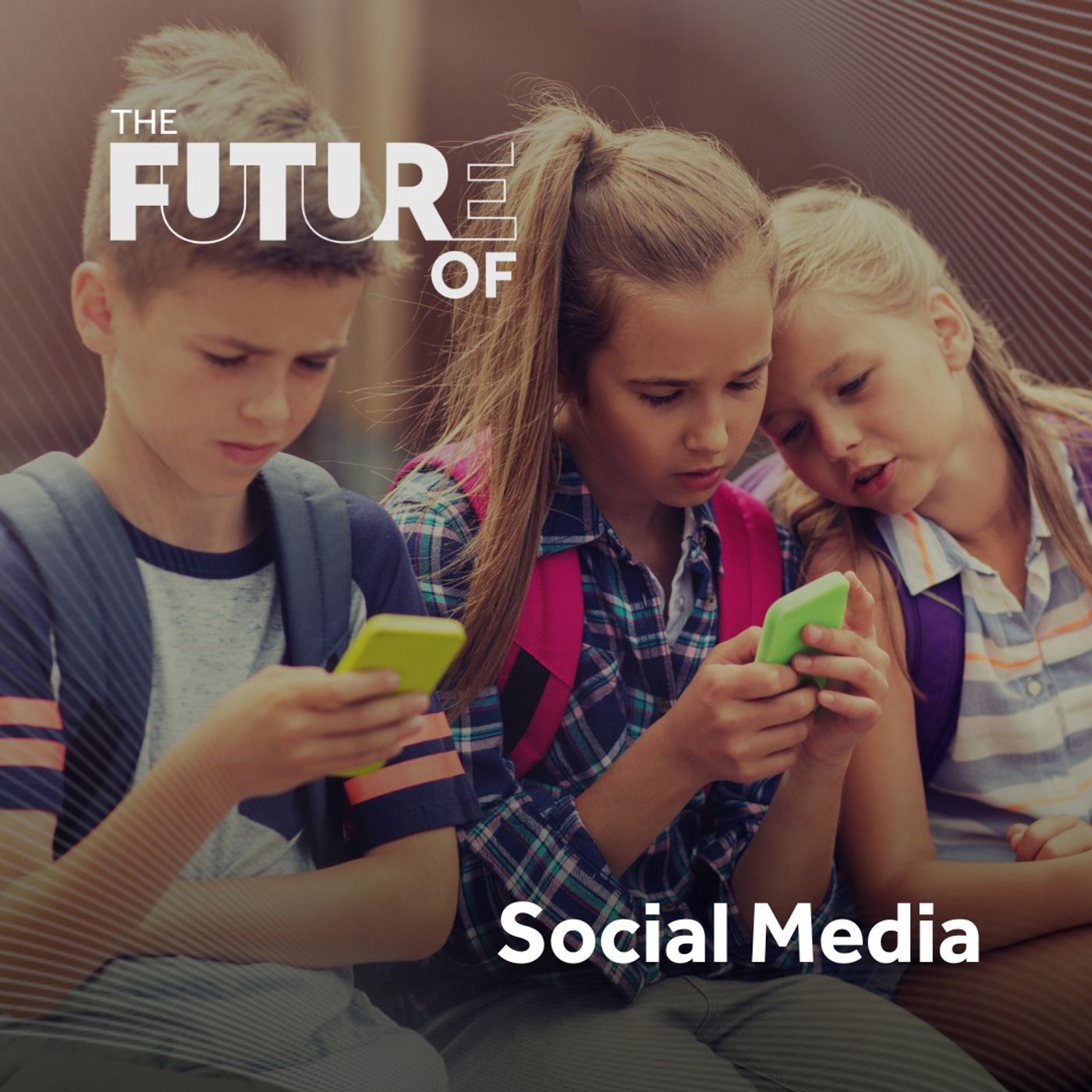
Social Media: Australia’s ban, AI and young people online
Nov 1100:35:42Tap to summarizeAustralia is banning social media for children 16 and under – but will it actually keep them safe or only spark new problems?In this episode, hosts David Karsten and Celeste Fourie are joined by Professor Tama Leaver, Professor of Internet Studies at Curtin University, to discuss Australia’s proposed ban on social media for children under 16.We explore what the Ban aims to achieve, who it will affect, and whether it could reshape the relationship between government and big tech.The discussion also ventures into what social media will look like when the ban comes into play, and how AI is creating a new internet for the next generation.The ban: Purpose, platforms and rollout [01:15]Consultation and youth input [04:40]How social platforms shape teens’ social lives [06:20]Will the ban protect young people? [11:12]Generative AI and youth [16:30]Industry and global response [22:00]Digital literacy and misinformation [16:50]The path forward: advice on supporting teens as the ban takes effect [33:10]Learn moreeSafety CommissionerDigital ChildThe social media ban: four essential insights for young people and parentsConnect with our guestsProfessor Tama Leaver, Professor of Internet Studies at Curtin UniversityTama is a regular media commentator, Chief Investigator in the ARC Centre of Excellence for the Digital Child and former president of the Association of Internet Researchers (AoIR).Follow Tama on LinkedInJoin Curtin UniversityThis podcast is brought to you by Curtin University. Curtin is a global university known for its commitment to making positive change happen through high-impact research, strong industry partnerships and practical teaching.Work with usStudy a research degreeStart postgraduate educationGot any questions, or suggestions for future topics?Email thefutureof@curtin.edu.auSocial mediaXFacebookInstagramYouTubeLinkedInTranscriptRead the transcriptBehind the scenesHosts: Celeste Fourie and David KarstenContent Creators: Zoe Taylor and Caitlin Crowley Recordist: Caitlin CrowleyProducer: Emilia JolakoskaExecutive Producers: Anita Shore and Natasha WeeksFirst Nations AcknowledgementCurtin University acknowledges Aboriginal and Torres Strait Islander people, the First Peoples of this place we call Australia, and the First Nations peoples connected with our global campuses. We are committed to working in partnership with Custodians and Owners to strengthen and embed First Nations’ voices and perspectives in our decision-making, now and into the future.Curtin University supports academic freedom of speech. The views expressed in The Future Of podcast may not reflect those of Curtin University.
Transcribe →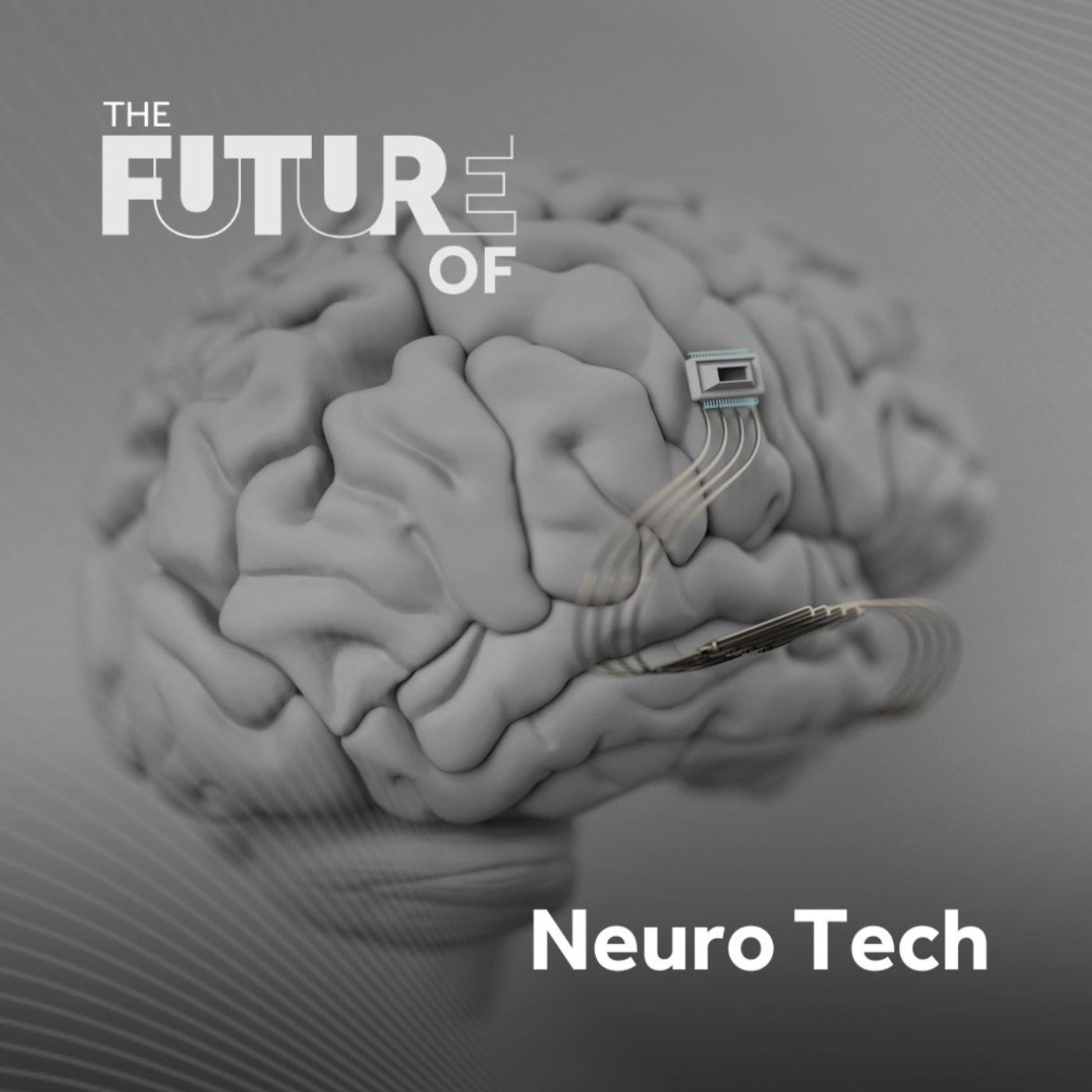
Neuro Tech: Neuralink, brain chips, human augmentation
Oct 1400:27:25Tap to summarizeInserting microchips into human brains was once the stuff of science fiction but is now reality thanks to companies like Elon Musk’s Neuralink. But what are the pros and cons of having Musk tech inside our heads? In this episode, our host David gets cerebral with Dr Sarah Hellewell, a Neurotrauma Research Fellow at Curtin University and the Perron Institute. Together, they unpack how human augmentation tech like Neuralink works, and how it can help to improve the quality of life for people with brain injuries or neurological conditions. They also explore the ethics of merging ‘mind with machine’. Understanding brain computer interfaces (BCI) [01:02]Decoding thoughts into actions [04:45]BCI can change lives [09:12]Ethical implications of BCI tech [14:15]The future of BCI in everyday life [12:36]Learn moreThe man with a mind-reading chip in his brain – thanks to Elon MuskWhy Elon Musk’s Neuralink brain implant reframes our ideas of self-identityResearchers reveal new pathway to improve traumatic brain injury outcomesThe Future Of Brain trauma and sportsConnect with our guestsDr Sarah HellewellSarah is a Senior Research Fellow in Neurotrauma at Curtin University and the Perron Institute. Her research incorporates both clinical and preclinical research programs spanning the spectrum of neurodegeneration and brain injury severity, enabling her to rapidly identify clinical problems and translate “bedside to bench” and back again.Join Curtin UniversityThis podcast is brought to you by Curtin University. Curtin is a global university known for its commitment to making positive change happen through high-impact research, strong industry partnerships and practical teaching.Work with usStudy a research degreeStart postgraduate educationGot any questions, or suggestions for future topics?Email thefutureof@curtin.edu.auSocial mediaXFacebookInstagramYouTubeLinkedInTranscriptRead the transcript: https://thefutureof.simplecast.com/episodes/neuro-tech/transcript Behind the scenesHost: David KarstenContent creators: Caitlin Crowley and Zoe TaylorProducer: Emilia JolakoskaExecutive producer: Natasha Weeks and Anita ShoreFirst Nations AcknowledgementCurtin University acknowledges Aboriginal and Torres Strait Islander people, the First Peoples of this place we call Australia, and the First Nations peoples connected with our global campuses. We are committed to working in partnership with Custodians and Owners to strengthen and embed First Nations’ voices and perspectives in our decision-making, now and into the future.MusicOKAY by 13ounce Creative Commons — Attribution-ShareAlike 3.0 Unported — CC BY-SA 3.0 Music promoted by Audio Library.Curtin University supports academic freedom of speech. The views expressed in The Future Of podcast may not reflect those of Curtin University.
Transcribe →
Oil and Gas
Feb 1, 2021Tap to summarizeWhile oil and gas continues to power most of our everyday lives – the industry’s environmental impacts are causing more countries to switch to renewable energy. But is this switch really feasible?In this episode, Amelia is joined by Professor Claus Otto and Dr Roberto Aguilera from Curtin University’s Oil and Gas Innovation Centre. They break down why countries are switching away from oil and gas, how companies are improving production and reducing their carbon footprint, and why the industry will still be relevant in the coming decades. Transitioning to renewables [00:38]Are we running out of oil and gas? [05:19]Decreasing the environmental impact [08:49]Decommissioning aged facilities [13:11]What is Curtin University doing? [16:04]Alternatives for transportation [18:09]Oil and gas in the future [21:28]Learn morecuogic.curtin.edu.aulinkedin.com/in/claus-otto-356810blinkedin.com/in/roberto-f-aguilera-7970b165amazon.com.au/Price-Roberto-Curtin-University-Aguilera/dp/1107525624.Got any questions, or suggestions for future topics?Email thefutureof@curtin.edu.au.Curtin University supports academic freedom of speech. The views expressed in The Future Of podcast may not reflect those of the university.Music: OKAY by 13ounce Creative Commons — Attribution-ShareAlike 3.0 Unported — CC BY-SA 3.0 Music promoted by Audio LibraryYou can read the full transcript for the episode athttps://thefutureof.simplecast.com/episodes/oil-and-gas/transcript
Transcribe →