Podcast
The Global Story
Hosted by BBC World Service · EN
Where the world and America meet, with episodes each weekday. The world is changing. Decisions made in the US and by the second Trump administration are accelerating that change. But they are also a symptom of it. With Asma Khalid in DC, Tristan Redman in London, and the backing of the BBC’s international newsroom, The Global Story brings clarity to politics, business and foreign policy in a time of connection and disruption.
124episodes
Episodes
Newest firstAll episodes
Is embryo selection allowing parents to ‘build-a-baby’?
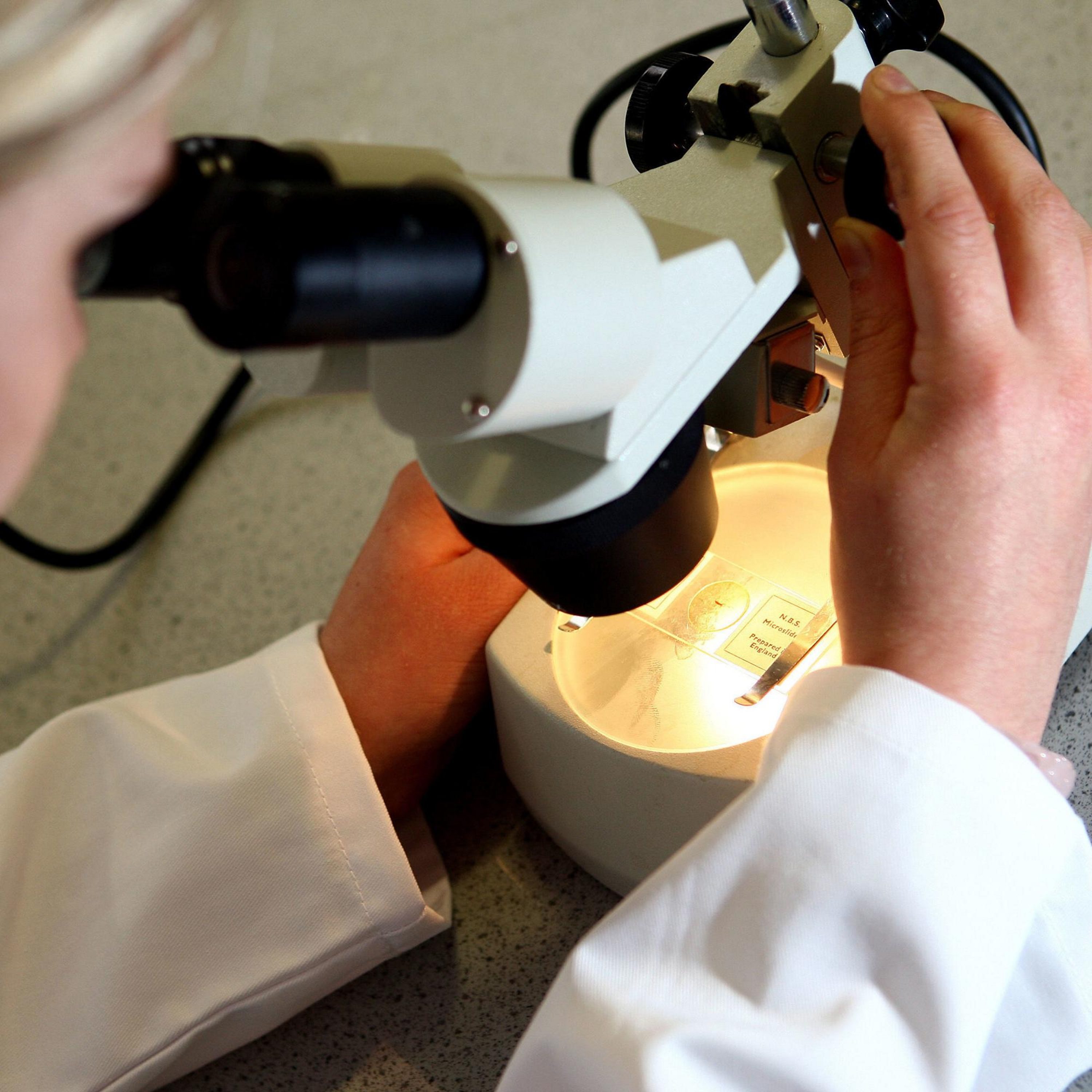
1w ago00:26:41Tap to summarizeIVF is responsible for about 2% of all births in the United States each year. The revolutionary technology has not only reshaped society's beliefs about fertility, but enabled geneticists and expectant parents to screen for certain genetic conditions and to select and implant the healthiest possible embryos. Prenatal genetic testing has been championed as a scientific marvel, allowing parents to spare their offspring from certain debilitating, untreatable, and sometimes fatal genetic conditions. But some critics warn that the selecting for genetic characteristics bears a resemblance to eugenics – a discriminatory pseudoscience popularized in the early twentieth century, focused on maximising particular characteristics in the human population. Geneticist Adam Rutherford from University College London joins us to consider the ethical complexities of genetic screening. Producer: Xandra Ellin Executive producers: Bridget Harney and James Shield Mix: Travis Evans Digital producer: Matt Pintus Studio manager: Mike Regaard Senior news editor: China CollinsPhoto: File photo dated 19/05/08 of a woman looking through a microscope. Credit: David Davies/PA Wire
Transcribe →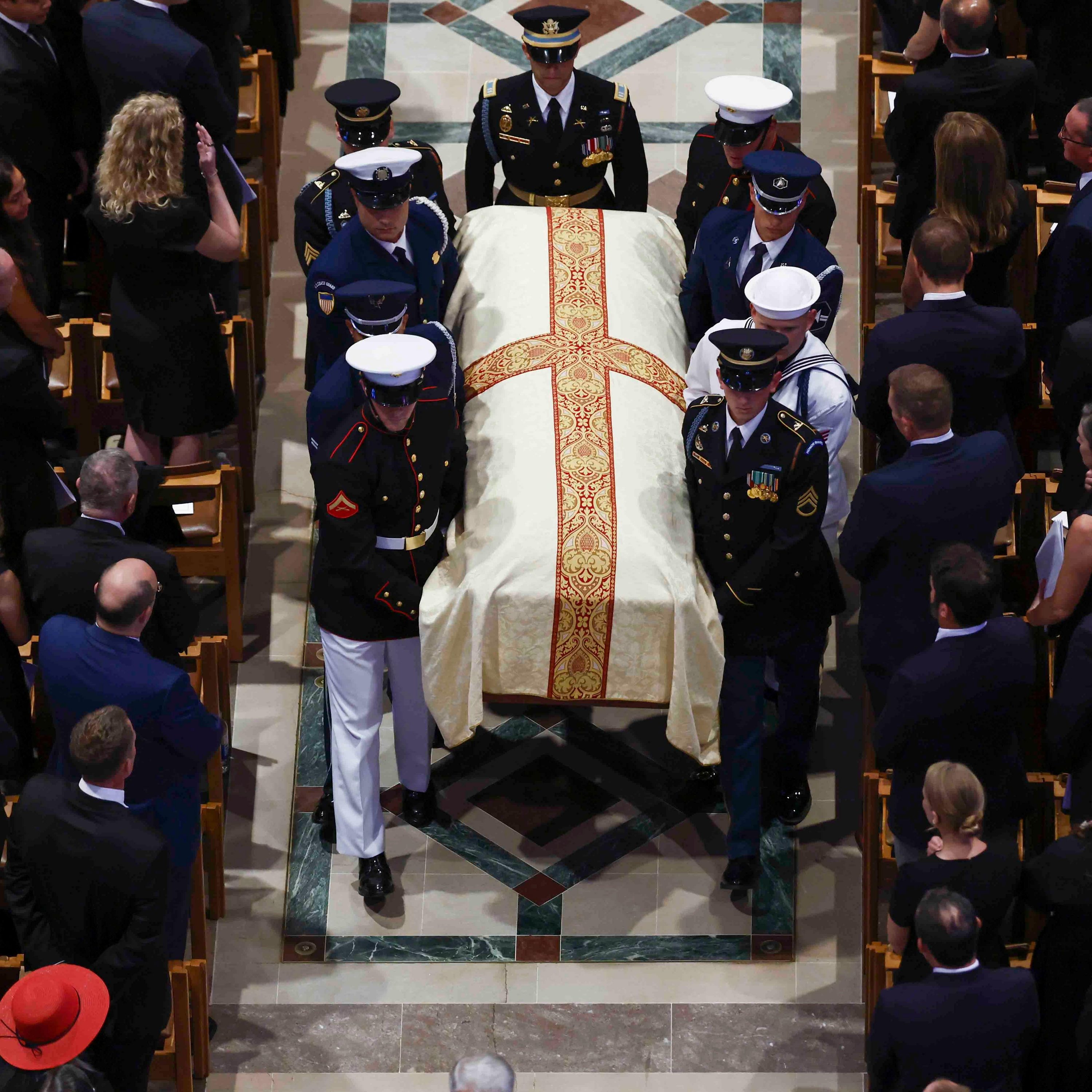
Was Lindsey Graham the last US foreign policy hawk?
1w ago00:26:44Tap to summarizeSenator Lindsey Graham spent decades as one of Washington’s most prominent foreign policy hawks - a fierce opponent of Russia, relentless advocate for Israel and supporter of Iranian regime change. Graham’s funeral this week drew the likes of Ukrainian president Volodymyr Zelensky and Israeli Prime Minister Benjamin Netanyahu, and both men took the opportunity to meet with Donald Trump in an effort to keep the president invested in the wars that both their countries are fighting.On today's episode, we speak to the BBC’s Washington Correspondent Daniel Bush and documentary filmmaker Alex Holder, who has rare access to Lindsey Graham to unpack how the late senator helped shape Trump’s foreign policy approach.Producers: Aron Keller and Xandra Ellin Executive producer: Sam BonhamMix: Travis EvansSenior news editor: China CollinsPhoto: Guests stand for during the funeral for US Senator Lindsey Graham at the Washington National Cathedral in Washington, DC USA, 28 July 2026. Credit: Will Oliver / EPA/Shutterstock
Transcribe →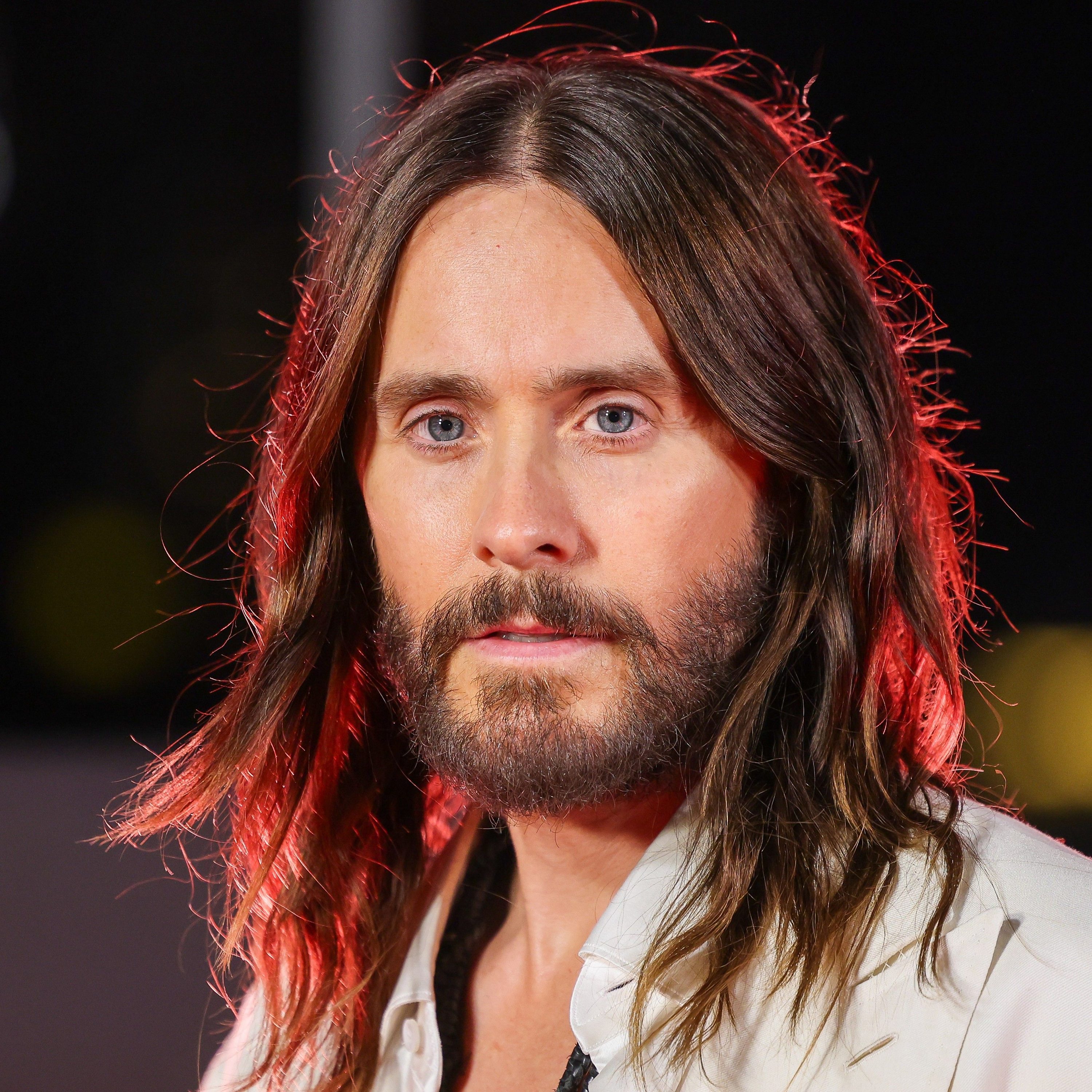
The criminal allegations against Jared Leto
2w ago00:26:31Tap to summarizeThis episode contains details of alleged sexual offences and misconduct.In an exclusive BBC investigation, four women have accused Oscar-winning actor and Thirty Seconds to Mars frontman Jared Leto of criminal sexual conduct. The woman say the alleged offences took place when they were teenagers.Despite repeated attempts to contact Jared Leto before publication, he did not respond to the allegations put to him by the BBC. After this episode was published, Leto said in a statement released by his representatives to the BBC: “I have never sexually assaulted anyone in my entire life. These claims are absolutely and categorically false”.Alice McShane, the director of the BBC documentary Jared Leto: Hollywood’s Dark Secret, tells us the stories of three of the women.Read the full investigation: bbc.com/news/articles/cd7lg2nz2x2oProducer: Sam ChantarasakExecutive producer: James ShieldMix: Travis EvansSenior news editor: China CollinsClip: Requiem For A Dream/Artisan Entertainment/Thousand Words/Protozoa Pictures/Darren AronofskyPhoto: Jared Leto attends the “Tron: Ares” premiere on September 30, 2025 in Berlin, Germany. Credit: Gerald Matzka/Getty Images.
Transcribe →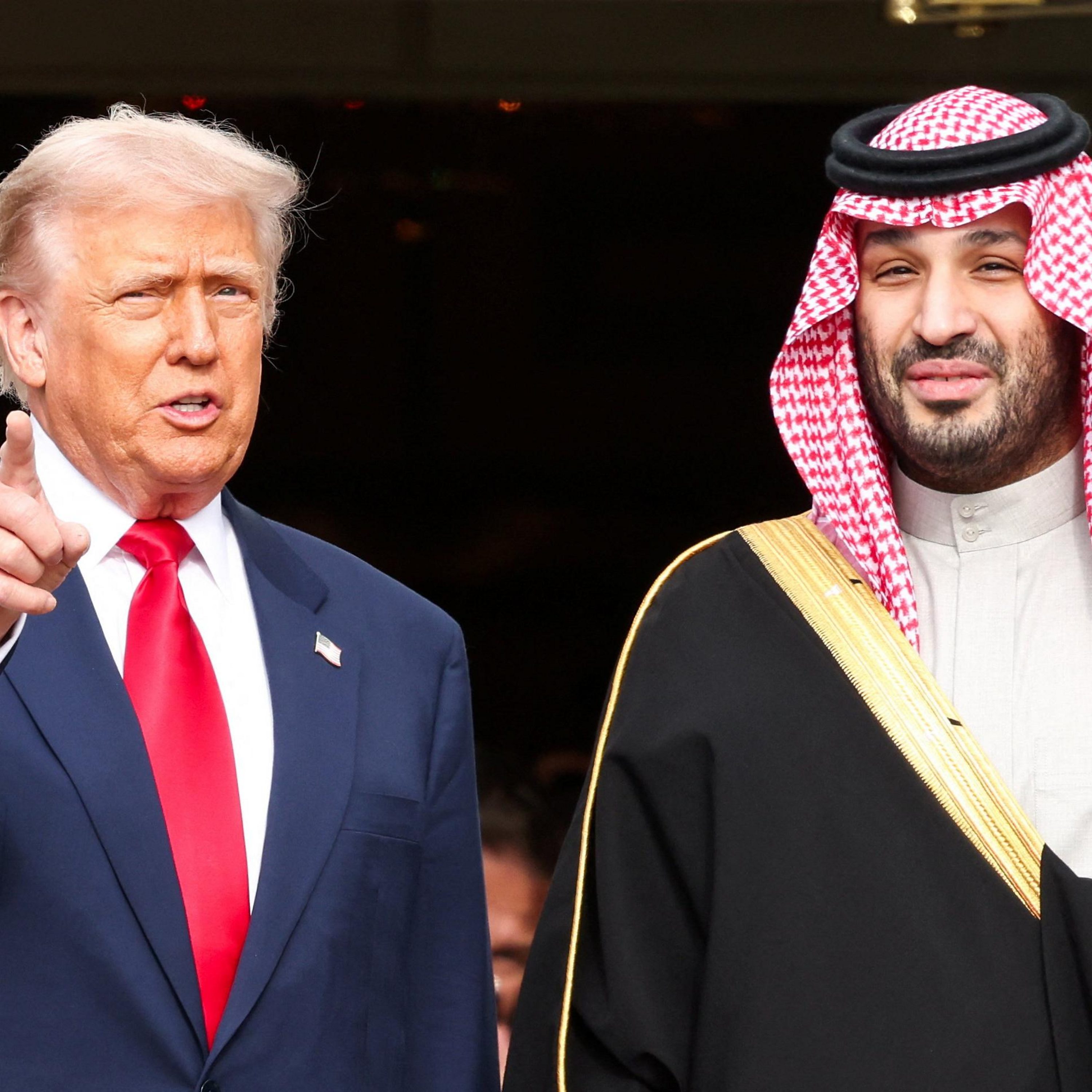
The US-Saudi Arabia nuclear deal: could it all go wrong?
2w ago00:26:33Tap to summarizeWhen the Trump administration announced last week that it had signed a nuclear deal with Saudi Arabia, the agreement was held up by US Energy Secretary Chris Wright as evidence that ”the American nuclear renaissance is underway”. Although the text of the deal has not yet been made public, US media report that it could allow Saudi Arabia to enrich uranium in the future.But shortly after the announcement, President Trump took to Truth Social to qualify the news – saying that the deal hinges on Saudi Arabia’s willingness to recognise the state of Israel.Is that likely? And could the deal derail ongoing negotiations between the US and Iran? We speak to BBC security correspondent Frank Gardner. Producers: Valerio Esposito and Xandra EllinExecutive producer: James ShieldMix: Travis EvansStudio manager: Mike RegaardDigital producer: Matt PintusSenior news editor: China CollinsPhoto: U.S. President Donald Trump meets Saudi Crown Prince Mohammed bin Salman at the White House in Washington. Credit: Kevin Lamarque / Reuters
Transcribe →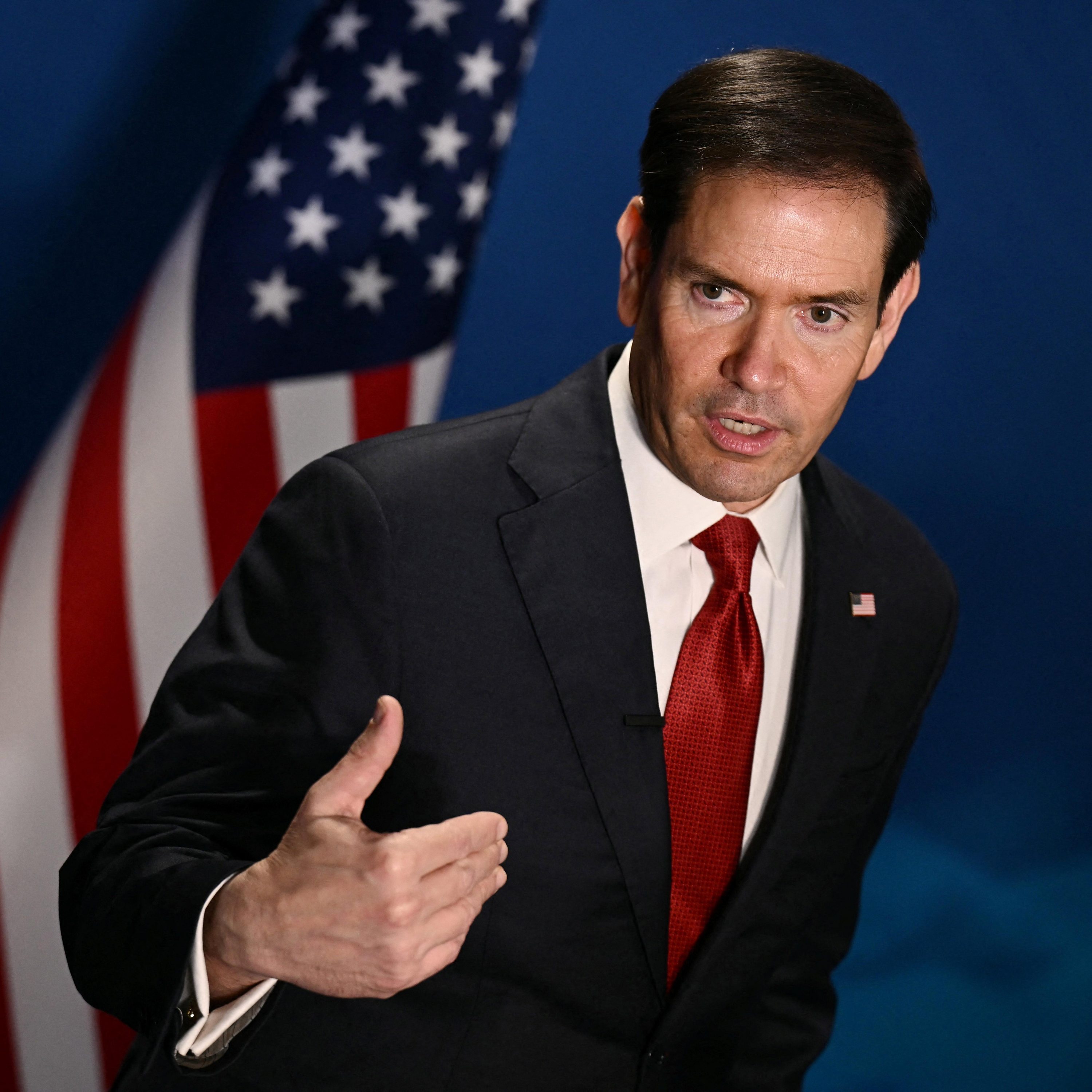
Is Cuba waging a ‘campaign of subversion’ against the US?
2w ago00:27:00Tap to summarize“Cuba’s assault on the United States was never, at root, a quarrel over economic policy or sovereignty or even ownership of a particular territory,” reads the US Department of State’s new report on the communist state 90 miles from the Florida coast. “It was a revolution against Western civilization itself”. Over the course of 100 pages, Cuba: The Capital of 21st Century Communism draws lines between Cuba and the Black Panthers, the Pan-African movement, radical feminism, Antifa and more, concluding that international sympathy for the island’s dire humanitarian crisis overlooks a sinister reality; that, “its power was always ideological, subversive, and parasitic.” The Cuban government has dismissed the report as, “a mediocre propaganda pamphlet.” How much validity is there to its arguments, and why release it now? Michael Bustamante, a professor of history at the University of Miami, joins Asma to discuss. Producers: Hannah Moore and Valerio Esposito Executive producer: James Shield Mix: Travis Evans Senior news editor: China CollinsPhoto: U.S. Secretary of State Marco Rubio, July 23, 2026. Credit: Brendan Smialowski/ Pool via Reuters.
Transcribe →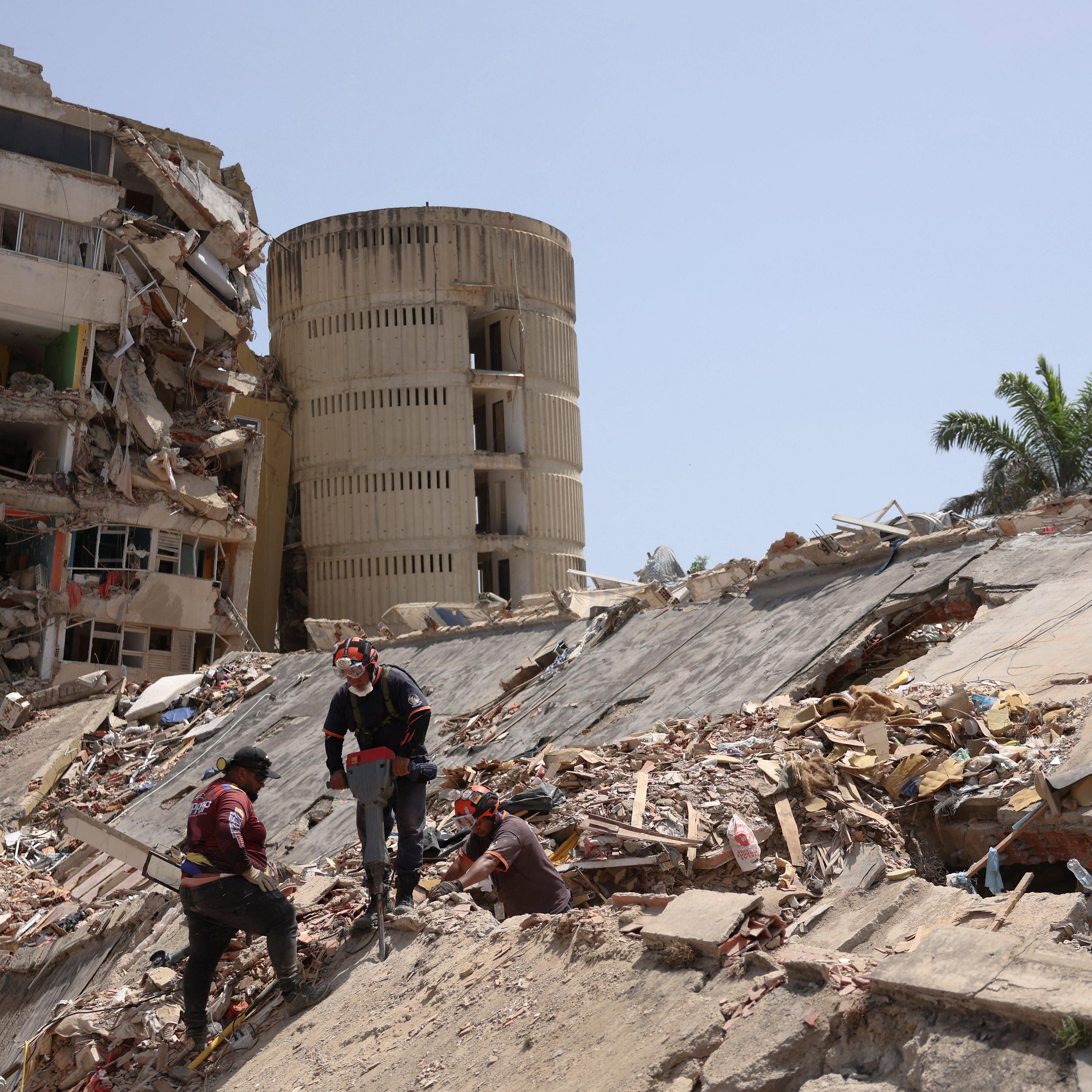
Who is really running Venezuela?
2w ago00:26:58Tap to summarizeVenezuelans are still searching through the rubble a month after two devastating earthquakes, which left thousands dead and tens of thousands more still missing. The disaster came at a moment of acute political and economic uncertainty, following the toppling of president Nicolas Maduro. The new government is led by Delcy Rodriguez, with US oversight, and the Trump administration has taken control of Venezuela’s lucrative oil industry – to the tune of billions of dollars. But where is that money now? The BBC’s Will Grant reports from Venezuela, and has spoken to survivors, grieving families, and government officials leading the response. Producers: Cat Farnsworth and Aron KellerExecutive producer: James ShieldMix: Travis EvansSenior news editor: China CollinsPhoto: Workers use a jackhammer on debris from a collapsed building, in Caraballeda, La Guaira, Venezuela. Credit: Reuters/Leonardo Fernandez Viloria.
Transcribe →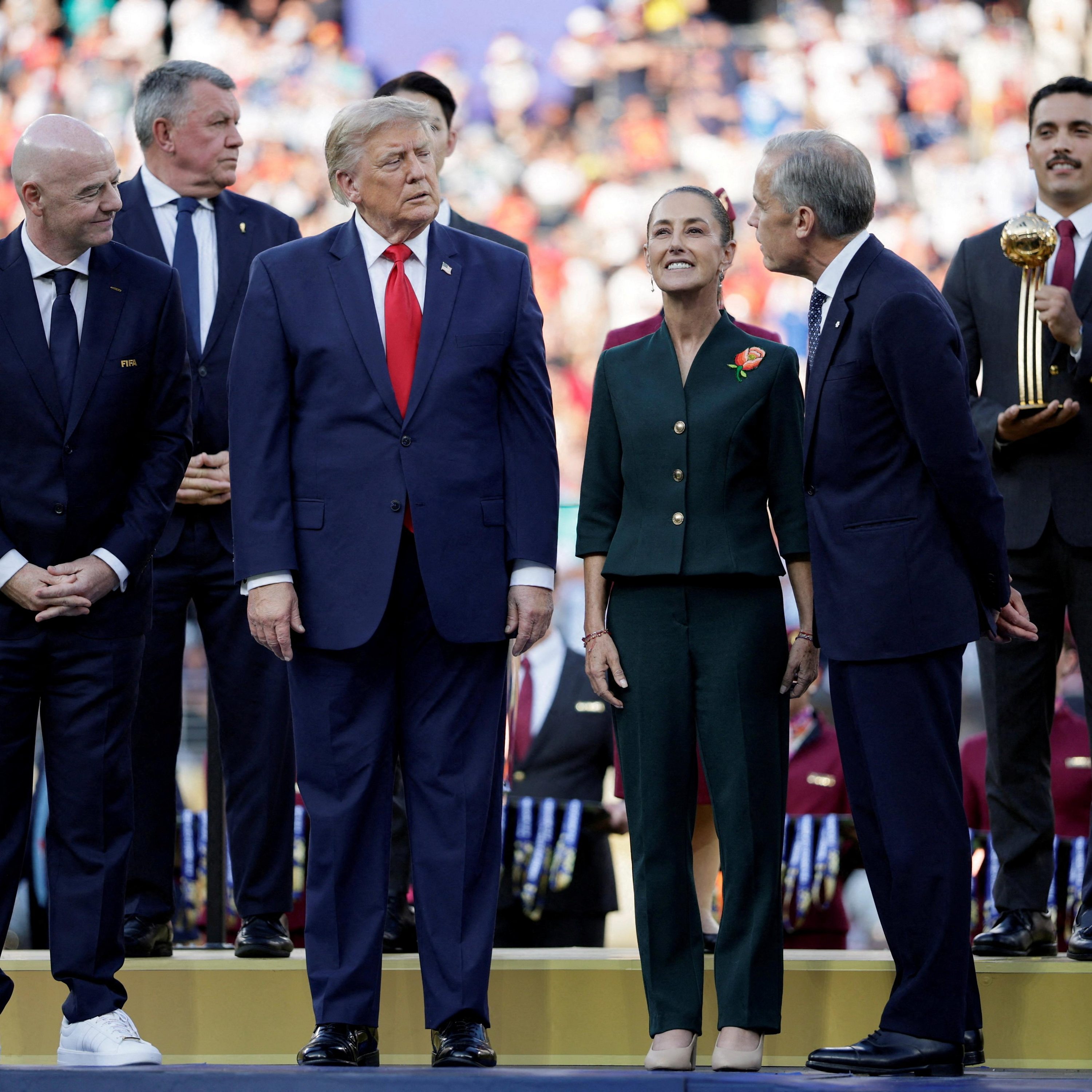
Trump v Carney round two
2w ago00:27:06Tap to summarizePresident Trump has announced a new round of tariffs against a range of Canadian goods, including hockey sticks and cement. Trump says the tariffs are in retaliation for what he called Canada’s “unequal treatment” of US cars, dairy and alcohol. But earlier in the week he also threatened retaliatory tariffs over Canada’s wildfire smoke which has been drifting into US cities. We speak to Jayme Poisson - host of the CBC podcast Frontburner - about what Trump actually wants from Canada, and whether Canadians are bracing for a world in which the US is no longer their closest ally. Listen to Frontburner: link.mgln.ai/FBxGlobalStoryProducers: Aron Keller, Xandra Ellin and Hannah MooreExecutive producer: Bridget Harney Mix: Travis EvansSenior news editor: China CollinsPhoto: U.S. President Trump, Canadian Prime Minister Mark Carney, Mexico President Claudia Sheinbaum and FIFA dignitaries at the FIFA World Cup 2026 Final between Spain and Argentina at New York New Jersey Stadium. Credit: Reuters/ Evan Vucci.
Transcribe →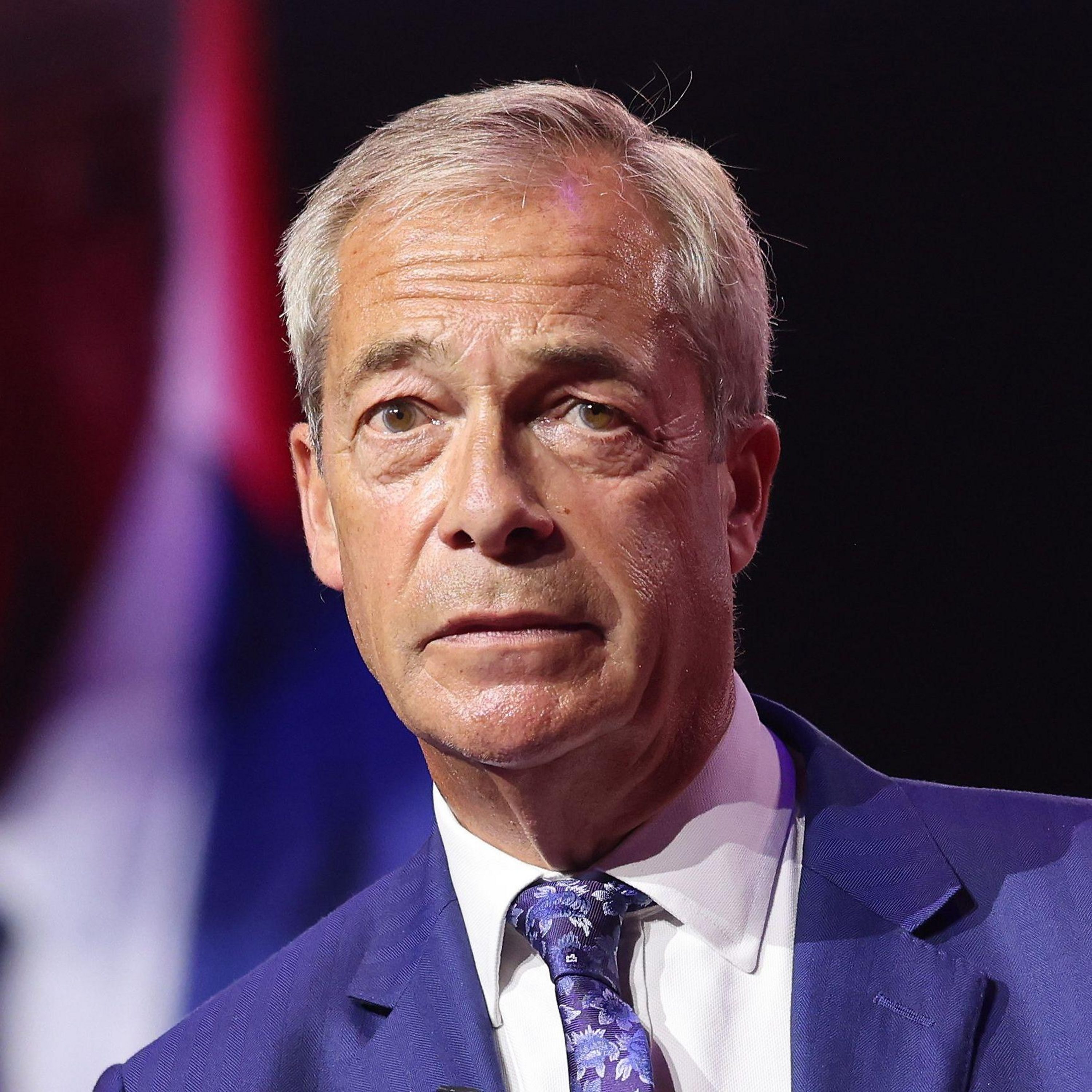
British CPAC: Can MAGA politics be exported to the UK?
3w ago00:27:35Tap to summarizeThe Conservative Political Action Conference (CPAC) is a mainstay of the US political calendar, a barometer of the Republican party mood, and has become, in recent years, a pro-Trump event, with a big budget and crowds in the thousands. Its first outing to the United Kingdom last week brought less of the bombast, but much the same flavour of politics, as figures from across the hard right assembled for debates on topics including migration, race, British identity and cryptocurrency, under the slogan ‘Save Britain. Save The West’. One of our producers, Hannah Moore, attended the conference to find a conservative movement reckoning with its identity, and divided on whether importing MAGA-style politics can unite the right. Producers: Aron Keller and Hannah Moore Executive producer: James Shield Mix: Travis Evans Senior news editor: China CollinsPhoto: Reform UK leader Nigel Farage speaks at the CPAC GB conference in London, Britain, 17 July 2026. Credit: EPA/Shutterstock
Transcribe →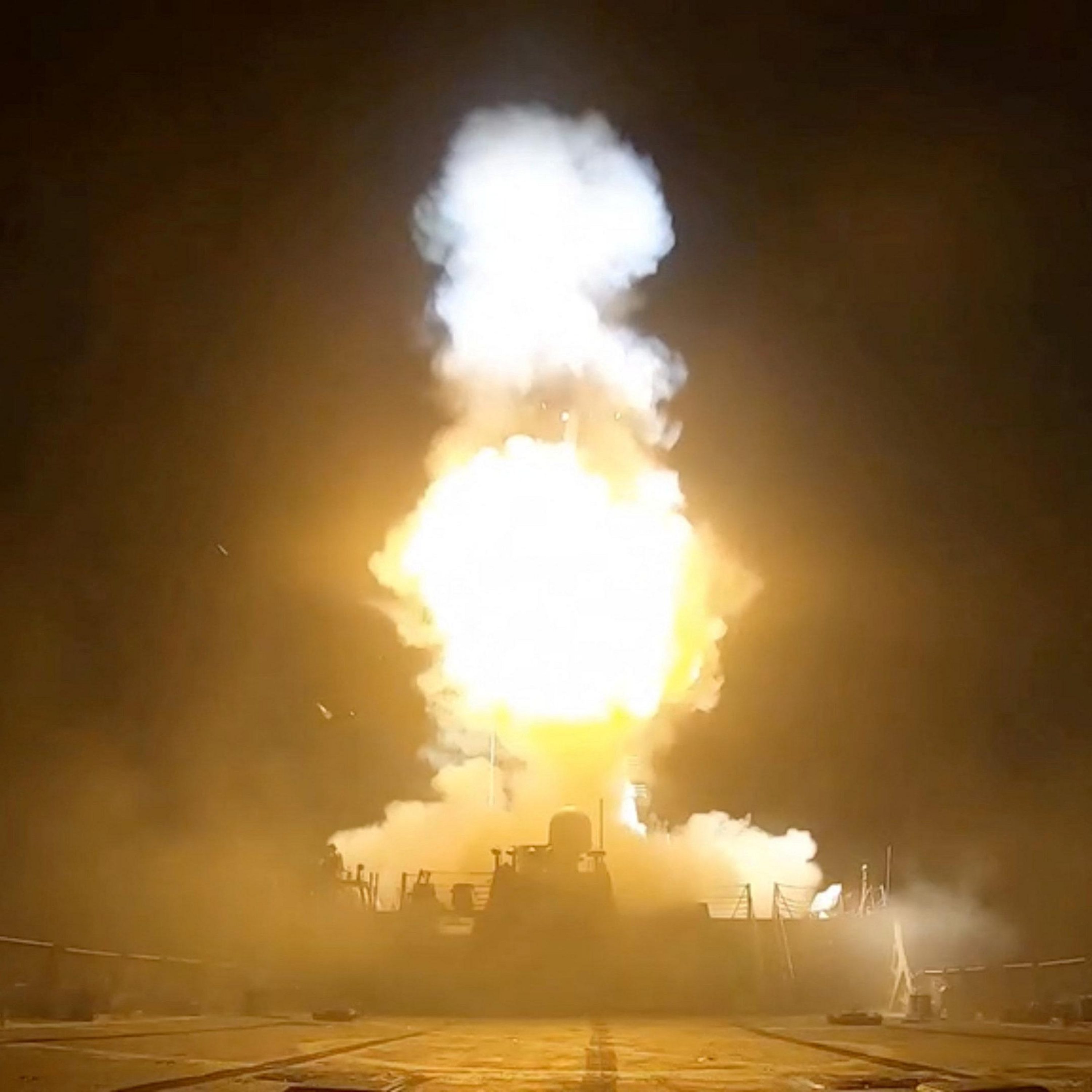
Is the Iran war back on?
3w ago00:27:07Tap to summarizeThe US Defence Secretary Pete Hegseth faced senators on Tuesday as the White House asked for tens of billions of dollars more to help fund the Iran war.It comes after over a week of consecutive US strikes, the deaths of several US service members, and the Iran-backed Houthis announcing a ‘maritime blockade’ in the region. We speak to BBC world news correspondent Joe Inwood about the trouble brewing on three fronts for the US. Producers: Sam Chantarasak and Valerio EspositoExecutive producer: James ShieldMix: Travis EvansSenior news editor: China CollinsPhoto: A projectile is fired during what the U.S. Central Command (CENTCOM) said was a round of strikes against Iran, in this screen grab taken from a handout video released on July 11, 2026. Credit: U.S. Central Command/Handout/Reuters.
Transcribe →
Is the International Criminal Court coming for Americans?
3w ago00:27:25Tap to summarizeMarco Rubio’s State Department has unveiled plans to dismantle the International Criminal Court, a tribunal that prosecutes individuals for war crimes, crimes against humanity and genocide. In a video, Rubio calls the ICC, "a global tribunal staffed by unelected globalist bureaucrats who claim their power is almost unlimited.”The United States is not, nor has it ever been, a party to the ICC, which was established during the presidency of Democrat Bill Clinton. But could the ICC investigate and indict Americans anyway? Today, we hear the view from within the world of international criminal law, with human rights lawyer, writer, and international law professor Philippe Sands.Producer: Xandra Ellin Executive producer: James Shield Mix: Travis Evans Digital producer: Matt Pintus Studio manager: Mike Regaard Senior news editor: China CollinsPhoto: U.S. Secretary of State Marco Rubio. REUTERS/Jonathan Ernst/File PhotoThis episode was updated on Monday 20 July to reflect new comments from the mayor of New York City.
Transcribe →