Podcast
The Global Story
Hosted by BBC World Service · EN
Where the world and America meet, with episodes each weekday. The world is changing. Decisions made in the US and by the second Trump administration are accelerating that change. But they are also a symptom of it. With Asma Khalid in DC, Tristan Redman in London, and the backing of the BBC’s international newsroom, The Global Story brings clarity to politics, business and foreign policy in a time of connection and disruption.
128episodes
Episodes
Newest firstAll episodes
Is a long-term peace with Iran possible?
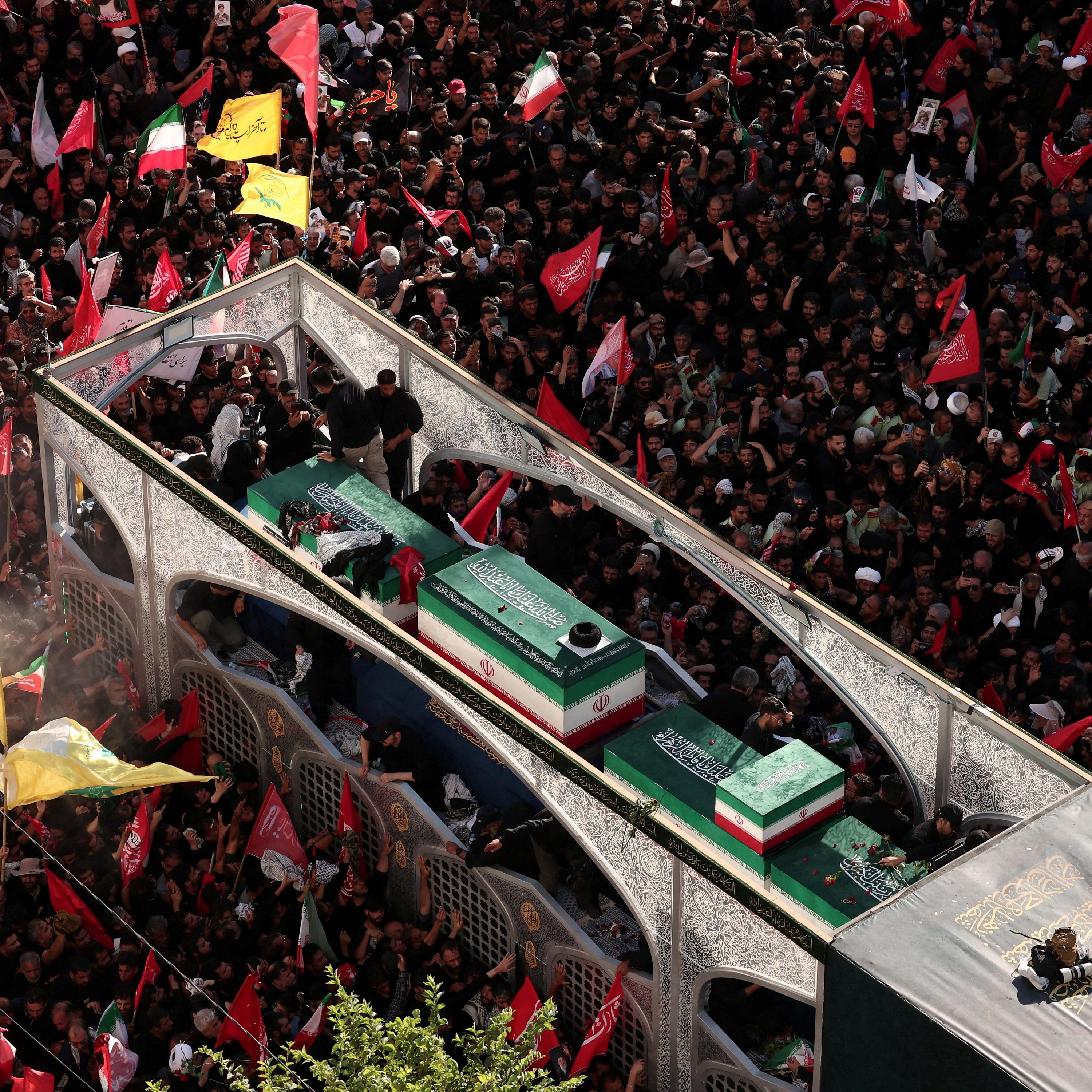
Jul 1000:26:57Tap to summarizeThe coffin of Ali Khamenei, Iran’s former supreme leader, killed by Israel in February, has been on a procession tour this week of holy sites in Iraq and Iran. Huge crowds gathered wherever it went, the coffin was passed over a sea of hands, and three of Khamenei’s sons wept over the coffin in Tehran.Meanwhile, the US and Iran have launched new strikes throughout the week. The peace between the US and Iran is fragile, at best. At worst, it could be over. We speak to Parham Ghobadi, from the BBC’s Persian Service.(Photo: Burial of Iran's late Supreme Leader, Ayatollah Ali Khamenei, in Mashhad. Credit: Alkis Konstantinidis/Reuters)Producers: Cat Farnsworth and Aron KellerSound engineer: Travis EvansSenior news editor: China Collins
Transcribe →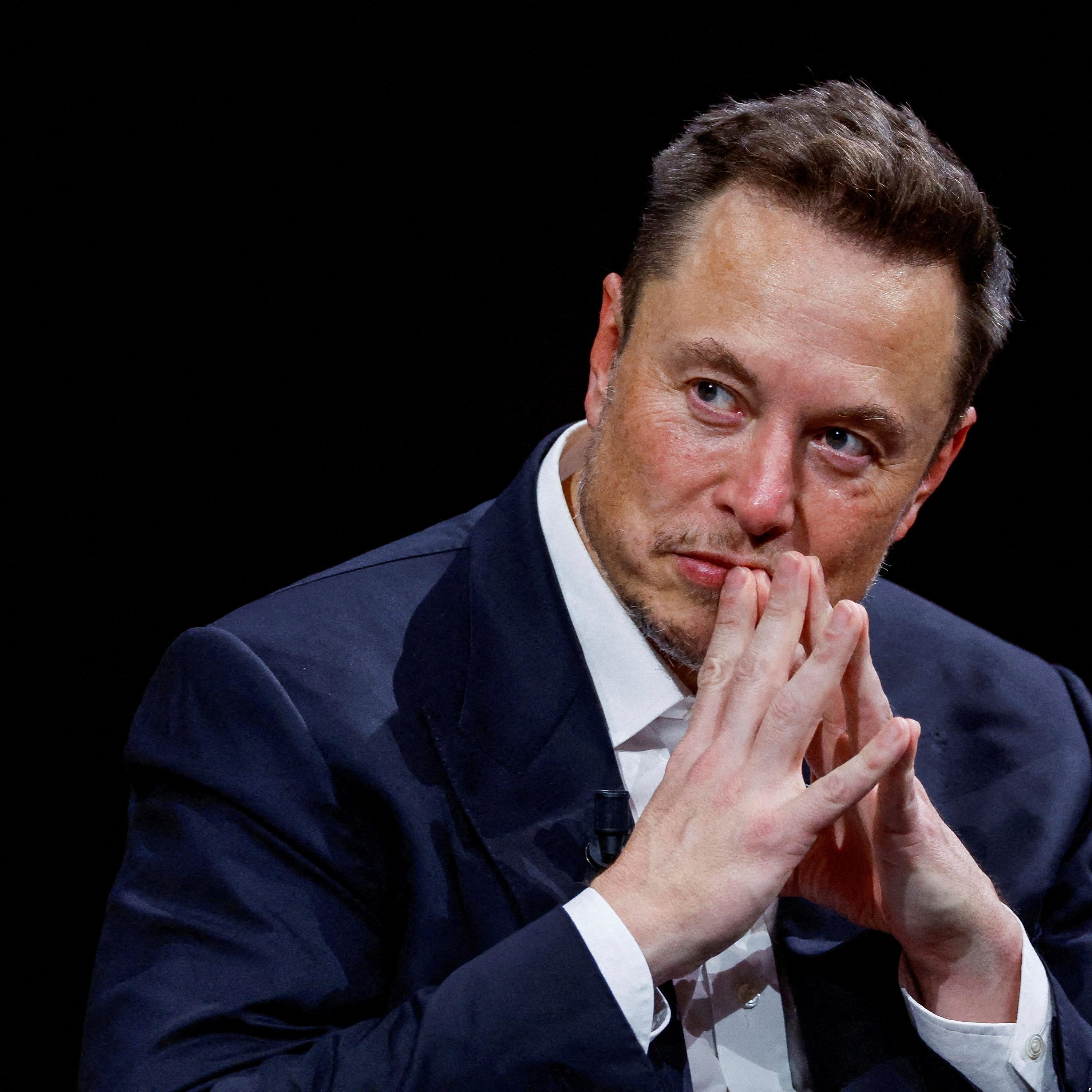
Citizen Vigilante and Elon Musk’s war on ‘woke’ films
Jul 900:26:38Tap to summarizeCitizen Vigilante is a low-budget action thriller starring actor Armie Hammer as a vigilante who hunts down migrant criminals in Europe. The movie faced a muted reception - until Elon Musk posted it to his hundreds of millions of followers on X.com. We speak to journalist Mike Wendling to understand why this film has become a lightning rod for political and cultural debate, and what its sudden rise reveals about the far-reaching influence of the world’s richest man. Producers: Aron Keller and Hannah Moore Executive producer: Bridget Harney Photo: Elon Musk at the Viva Technology conference, June 16, 2023. Credit: Reuters/Gonzalo Fuentes/File Photo. Mix: Travis Evans Video journalist: Matt Pintus Senior news editor: China Collins
Transcribe →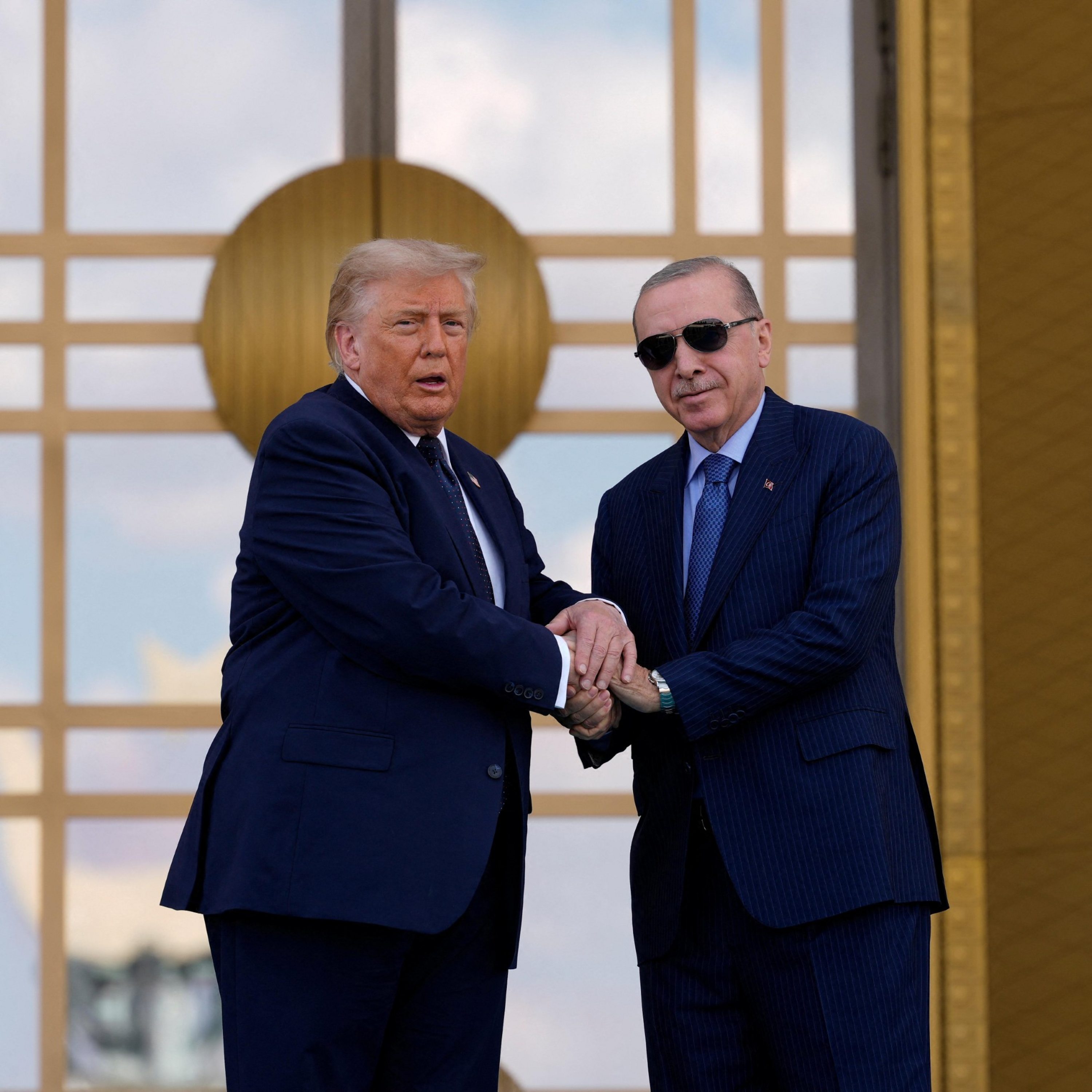
Is Turkey’s Erdogan Nato’s greatest asset?
Jul 800:26:57Tap to summarizeWorld leaders are gathering in Ankara, Turkey for a Nato summit, despite tensions between Donald Trump and Nato allies over financial contributions and the Iran war. The US president hasn’t hidden his consternation with European leaders, and has suggested he is only attending ‘out of respect to President Erdogan’. Turkey’s leader Recep Tayyip Erdogan has come under criticism for a crackdown on dissent in the country, which has led to over 200 arrests of activists, journalists and public figures in the lead up to the summit. So how has he taken on such a pivotal role within Nato?We speak to BBC correspondent and presenter, Mark Lowen, who was based in Istanbul for five years, before he was detained and banned from the country while on a reporting trip last year.Producers: Valerio Esposito and Sam ChantarasakExecutive producer: Bridget HarneyMix: Travis EvansDigital producer: Tom BageSenior news editor: China CollinsPhoto: President Trump shakes hands with Turkish President Erdogan at the NATO summit in Ankara, Turkey, July 7, 2026. Credit: Emrah Gurel/Pool via Reuters
Transcribe →
Trump, Fifa and the disappearing red card
Jul 700:26:46Tap to summarizeDonald Trump has revealed that he personally called Gianni Infantino, the head of Fifa, to ask him to review the red card given to United States' star player Folarin Balogun. The striker had been given a one-match ban after a hard tackle against Tarik Muharemovic of Bosnia-Herzegovina, but the punishment was suspended in time for the US to play their final 16 match against Belgium yesterday.The decision has been widely condemned across the football world, with European footballing organisation UEFA, calling it, "unprecedented, incomprehensible and unjustifiable", and former Fifa president Sepp Blatter writing on X, “Redcards are not overturned by political phone calls… Football must never become a playground for political power.”Infantino has insisted the decision was made independently by Fifa’s “independent judicial bodies”.On today’s show, Tristan is joined by BBC football issues correspondent Dale Johnson and New Yorker staff writer Sam Knight, to explain the scandal, and how Infantino’s governance of Fifa has brought football and politics closer together.Producers: Hannah Moore and Xandra EllinMix: Travis EvansVideo journalist: Matt PintusSenior news editor: China CollinsPhoto: Folarin Balogun of the U.S. looks dejected as he applauds fans after the match following their elimination from the World Cup, July 6, 2026. Credit: IMAGN IMAGES via Reuters/Blake Dahlin
Transcribe →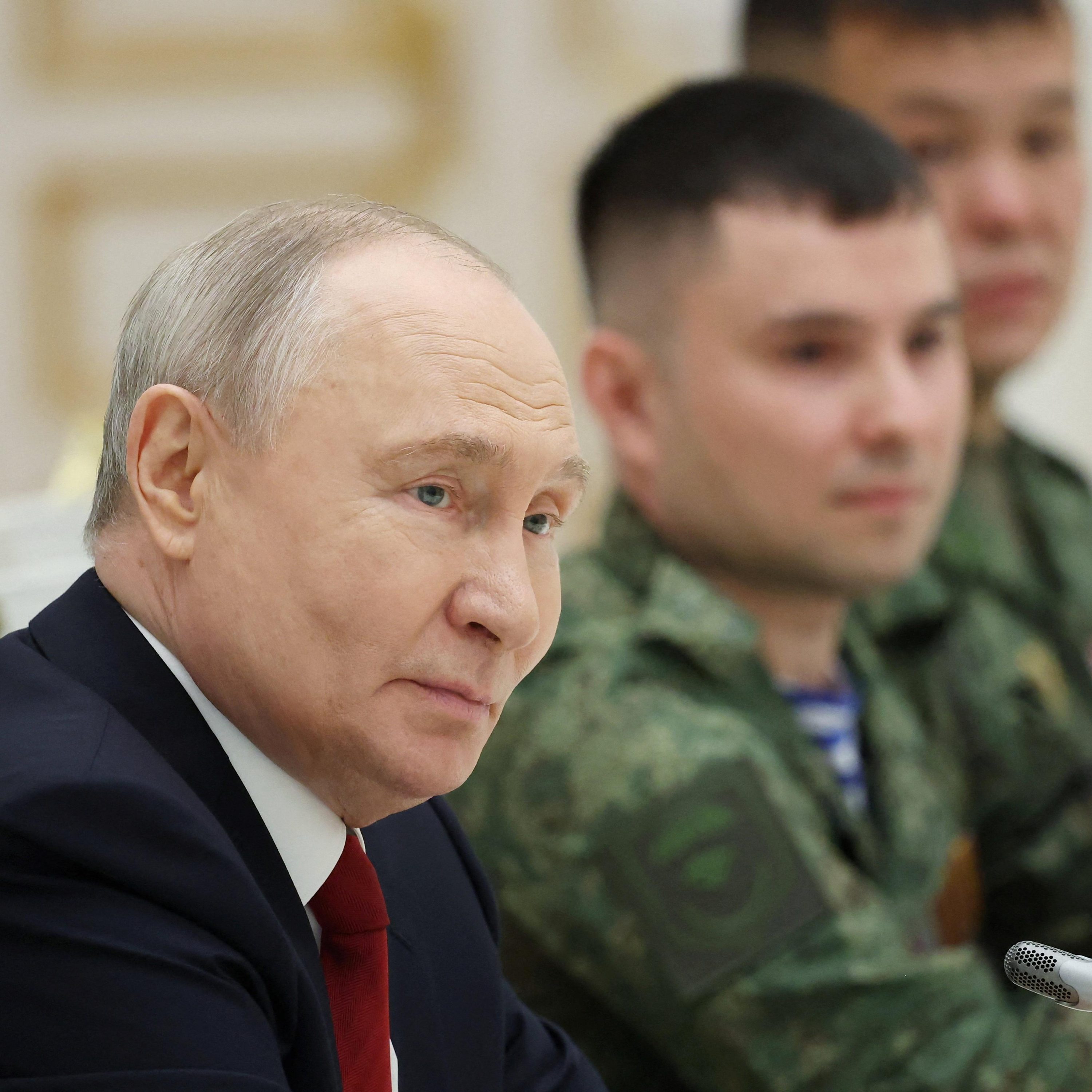
Is Putin on the backfoot in Ukraine and in Russia?
Jul 600:27:15Tap to summarizePresident Trump will be attending a NATO summit in Turkey this week, where he’s likely to hear one consistent message from European leaders: the tide is shifting against Russia in its war with Ukraine. And not just on the battlefield. Russian cities are being pounded by Ukrainian drones in ever increasing numbers. Fuel shortages have become widespread as key infrastructure has been targeted, with long lines seen at gas stations and trucks abandoned by the side of the road. Vladimir Putin recently made a rare admission; that his country is actually facing problems caused by the conflict, amid growing disquiet about Russia’s enormous economic problems. In today’s episode we speak to Simon Shuster, staff writer at The Atlantic, and veteran reporter of Russia and Ukraine. And with the war starting to hit home, we ask if Putin is now on the backfoot?Producers: Lucy Pawle and Hannah MooreExecutive producer: Bridget HarneyMix: Travis EvansVideo producer: Matt PintusSenior news editor: China CollinsPhoto: Russia's President Putin meets with service members in Moscow, June 12, 2026. Photo Credit: Sputnik/Alexander Kazakov/Pool via Reuters
Transcribe →
Is the American century over? Your questions answered
Jul 300:27:14Tap to summarizeAs the United States celebrates 250 years since its founding, this week The Global Story has been exploring the surprising and often hidden ways the US has shaped the modern world.Today, we hear from you. Asma and Tristan put your thoughts and questions about America’s impact on the world to the BBC’s international editor, Jeremy Bowen, who has reported from more than 90 countries over the past 40 years, and to Celia Hatton, who hosts the BBC’s Global News Podcast and previously spent 15 years reporting from inside China.Producers: Cat Farnsworth, Aron Keller and Hannah MooreExecutive producer: James ShieldMix: Travis EvansSenior news editor: China CollinsPhoto: An illustration of a megaphone. Credit: BBC
Transcribe →
Was ‘Made in China’ made in America?
Jul 200:27:00Tap to summarizeAs the United States approaches its 250th anniversary, all this week The Global Story is exploring the surprising and often hidden ways the US has shaped the modern world.For decades in the US, “Made in China” signified a product that was cheap, poorly made, and, in some cases, produced through exploitative labour. But today, the label signifies something quite different in many American minds - state-of-the-art tech and luxury goods that even rival America, for arguably the first time in US history. Often overlooked is the fact that China’s ascendance as an economic superpower was far from inevitable. Today we speak to historian Elizabeth Ingleson to trace the evolution of the Made in China brand and to explore what responsibility the United States had for awakening its own economic rival. Producer: Xandra Ellin and Sam ChantarasakExecutive producer: James ShieldSound engineer: Travis EvansSenior news editor: China Collins
Transcribe →
Covert power: The CIA’s hidden history
Jul 100:26:47Tap to summarizeAs the United States approaches its 250th anniversary, The Global Story is this week exploring the surprising and often hidden ways the US has shaped the modern world. President Donald Trump’s attempts at regime change in Iran and Venezuela, controversial as they are, reflect the US’s long history of using both military and covert operations to achieve its goals abroad. One of the forefathers of this approach to foreign intervention was Allen Dulles, the first civilian head of the Central Intelligence Agency, who used undercover – and often morally dubious – tactics to topple global leaders deemed unfriendly to America’s interests. On today’s show, Tim Weiner, author of Legacy of Ashes: The History of the CIA and The Mission: the CIA in the 21st Century, joins Tristan and Asma to explain how Dulles' legacy played out through the ‘War on Terror’ and how it has helped shaped today’s US foreign policy. Producers: Hannah Moore and Aron Keller Mix: Travis Evans Executive Producer: James Shield Senior news editor: China Collins Photo: An illustration similar to the CIA seal. Credit: BBC
Transcribe →
Abdi’s American Dream
Jun 3000:32:06Tap to summarizeAs the United States approaches its 250th anniversary, all this week The Global Story is exploring the surprising and often hidden ways the US has shaped the modern world.One of the most powerful and enduring American ideas is that of the American Dream. Today, we hear the story of one extraordinary American Dream seeker.The BBC first spoke to Abdi Nor Iftin in 2014, when he was living in one of Kenya's toughest neighbourhoods after fleeing conflict in Somalia. When he won the US green card lottery his problems seemed to be solved – but it turned out to be the start of a whole new struggle.Producer: Viv Jones, Aron KellerExecutive producer: James ShieldMix: Travis EvansDigital producer: Matt PintusSenior news editor: China CollinsImage: An illustration of the Statue of Liberty. Credit: BBC
Transcribe →
The soft power superpower, with Roman Mars
Jun 2900:27:03Tap to summarizeAs the United States approaches its 250th anniversary, all this week The Global Story is exploring the surprising and often hidden ways the US has shaped the modern world.Today, we are joined by Roman Mars – the host of 99% Invisible and the new BBC series A History of the United States in 100 Objects – who sets out his theory of how the US used design to shape the world in its image.Producer: Sam ChantarasakExecutive producer: James ShieldSound engineer: Travis EvansSenior news editor: China Collins(Image: An illustration of a US city rising high above the world’s surface)
Transcribe →