
Podcast
The Global Story
Hosted by BBC World Service · EN
Where the world and America meet, with episodes each weekday. The world is changing. Decisions made in the US and by the second Trump administration are accelerating that change. But they are also a symptom of it. With Asma Khalid in DC, Tristan Redman in London, and the backing of the BBC’s international newsroom, The Global Story brings clarity to politics, business and foreign policy in a time of connection and disruption.
128episodes
Episodes
Newest firstAll episodes
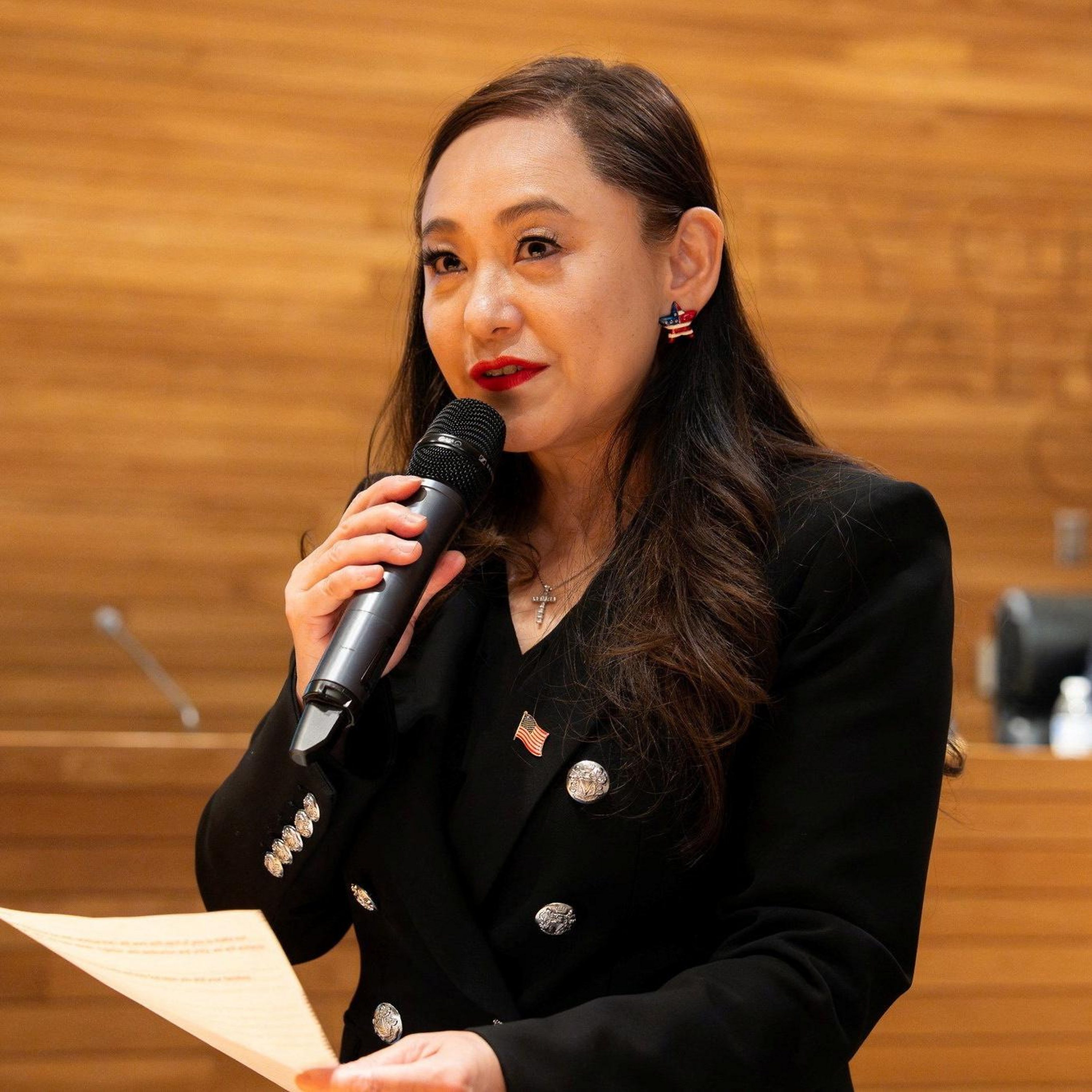
The American mayor accused of working for China
May 1800:26:56Tap to summarizeThe mayor of the Californian city of Arcadia has agreed to plead guilty to charges she acted as an illegal agent for China. Prosecutors say Eileen Wang was directly co-ordinating with a Chinese official to disseminate news stories downplaying human rights concerns in China, with the aim of trying to influence US government and public opinion.US authorities say the extent of China’s covert activity and espionage in the United States goes well beyond this case. According to the FBI, Chinese counterintelligence and espionage efforts are a “grave threat to the economic well-being and democratic values of the United States”. We speak to Andrew Badger, former CIA case officer and co-author of The Great Heist: China's Epic Campaign to Steal America's Secrets. Producer: Viv Jones and Lucy Pawle Executive producer: James Shield Sound engineer: Travis Evans Senior news editor: China Collins(Photo: Eileen Wang. Credit: City of Arcadia City Hall/ Reuters)
Transcribe →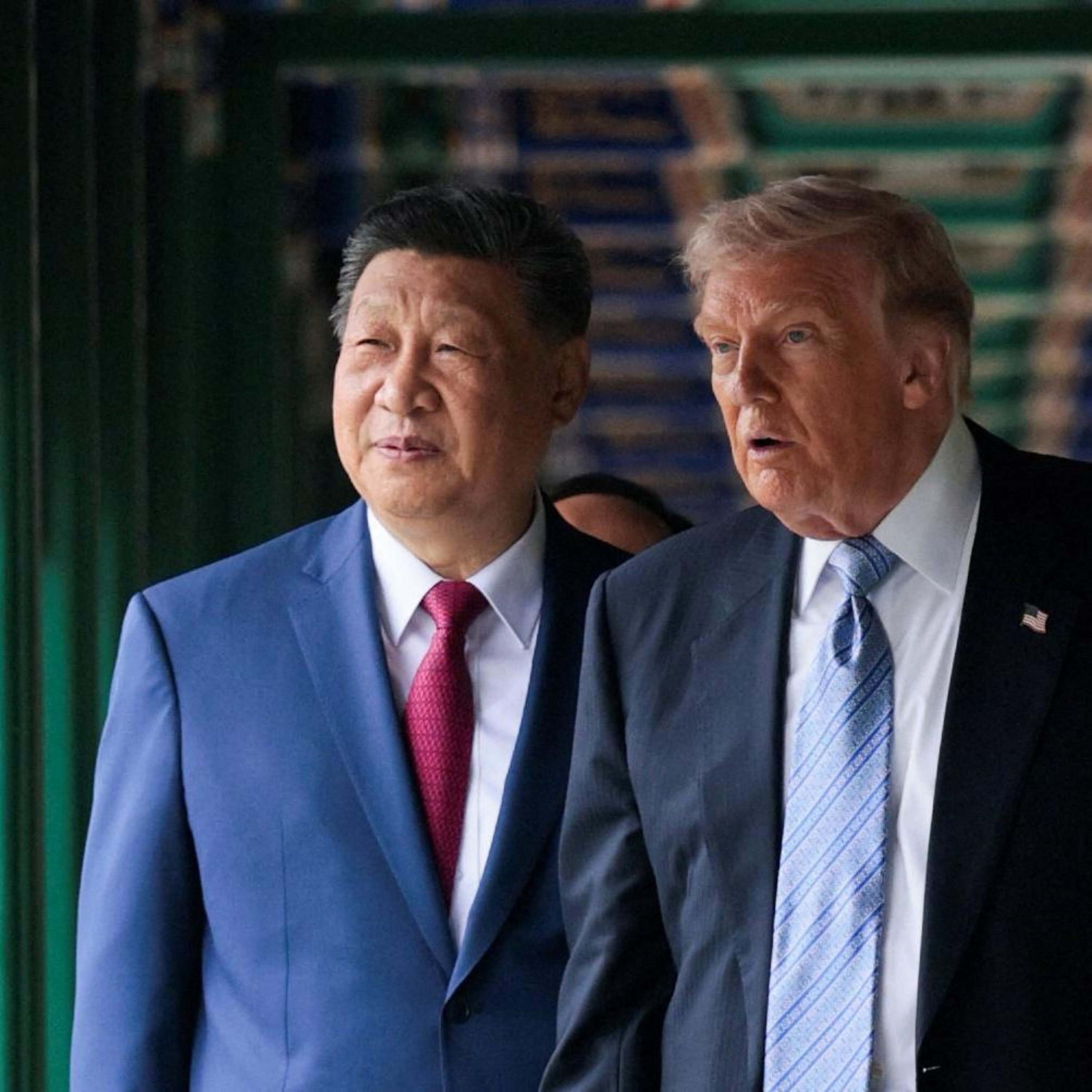
Did Trump and Xi get what they wanted?
May 1500:26:06Tap to summarizeDonald Trump has concluded his final round of talks with Xi Jinping and wrapped up his state visit to Beijing.Trade, oil, Iran and Taiwan were among the topics discussed over two days of meetings. The US president said the meeting was ‘’successful” and “unforgettable” – and said he expects the relationship will be better than ever. Does Xi Jinping see things the same way? We speak to the BBC’s senior China correspondent, Laura Bicker.Producers: Hannah Moore and Valerio Esposito Executive producer: James Shield Senior news editor: China Collins Photo: Trump and Xi. Reuters/Evan Vucci/Pool
Transcribe →
Eurovision: A song contest in turmoil
May 1400:26:59Tap to summarizeThis Saturday, the 70th edition of the Eurovision Song Contest final takes place in Vienna, and this year’s competition is again mired in controversy.A boycott over Israel’s participation by several countries, including Spain and Ireland, threatens to put the competition’s stance of political neutrality to the test. And it is part of a wider debate over which countries should be allowed to compete in prestigious international arts and sports competitions.We speak to William Lee Adams, a culture reporter at the BBC who also runs a Eurovision YouTube channel, to unpack the controversy surrounding this year’s contest and discuss whether politics and art can ever really be separated. Producer: Sam Chantarasak Sound engineer: Travis EvansExecutive producer: James Shield Senior News Editor: China Collins(Photo: Noam Bettan of Israel performs during the first semi-final of the 70th Eurovision Song Contest in Vienna, Austria, 12 May 2026. Credit: Hannibal Hanschke/EPA/Shuttershock.)
Transcribe →
President Xi’s purges
May 1300:27:43Tap to summarizeFor the first time in nearly a decade a sitting American President is travelling to China. While tensions between the US and China have been simmering for a while now, over everything from tariffs to Taiwan, Donald Trump has expressed admiration for his powerful Chinese counterpart. Meanwhile in China, President Xi has been conducting a years long “purge” on the military elite. The BBC’s Celia Hatton joins us to discuss whether this should be seen as a weakness… or a strength.Producers: Cat Farnsworth and Xandra EllinExecutive producer: Bridget HarneyMix: Travis EvansSenior News Editor: China CollinsPhoto: U.S. President Donald Trump meets with China's President Xi Jinping at a G20 summit in 2019.
Transcribe →
Russell Brand, born again
May 1200:27:20Tap to summarizeThe British comedian Russell Brand is due to stand trial in the UK this year on charges of rape and sexual assault, to which he pleads not guilty. Over the course of his decades-long career, he has had many guises; Hollywood actor, MTV presenter, radio host, author, religious sceptic, and political agitator among them, moving between mainstream and ‘alternative’ media platforms. His latest appearances, on podcasts hosted by Tucker Carlson, Megyn Kelly and Piers Morgan, have gone viral for his admissions about his past behaviour, and his conversion to Christianity. With BBC media editor Katie Razzall. Producer: Hannah Moore Mix: Travis Evans Senior news editor: China Collins Photo: British actor and comedian Russell Brand arrives at Southwark Crown Court, February 24, 2026. Credit: Reuters/Toby Melville.
Transcribe →
Operation Ajax: The CIA’s Iran coup
May 1100:27:33Tap to summarizeAt the outset of the war in Iran, US President Donald Trump suggested that regime change was one of its goals. He later said it had been had achieved, a claim that is disputed by critics who point out that the same repressive forces in Iran still hold power.American attempts at regime change in Iran have a long history. In 1953 the CIA, assisted by British intelligence, led a deadly coup that toppled Iran’s last democratically elected leader. It’s a moment in history that poisoned US-Iranian relations, and helped launch the theocratic revolution to come. But the immediate success of ‘Operation Ajax’ would convince the CIA to carry out a wave of similar plots around the world. We get the full story from Scott Anderson, author of King of Kings: The Fall of the Shah and the Revolution That Forged Modern Iran.Producers: Viv Jones and Valerio Esposito Executive producer: James Shield Mix: Travis Evans Senior news editor: China Collins Photo: Supporters of the Shah of Iran in Tehran, 1953. Credit (Getty/Bettmann)
Transcribe →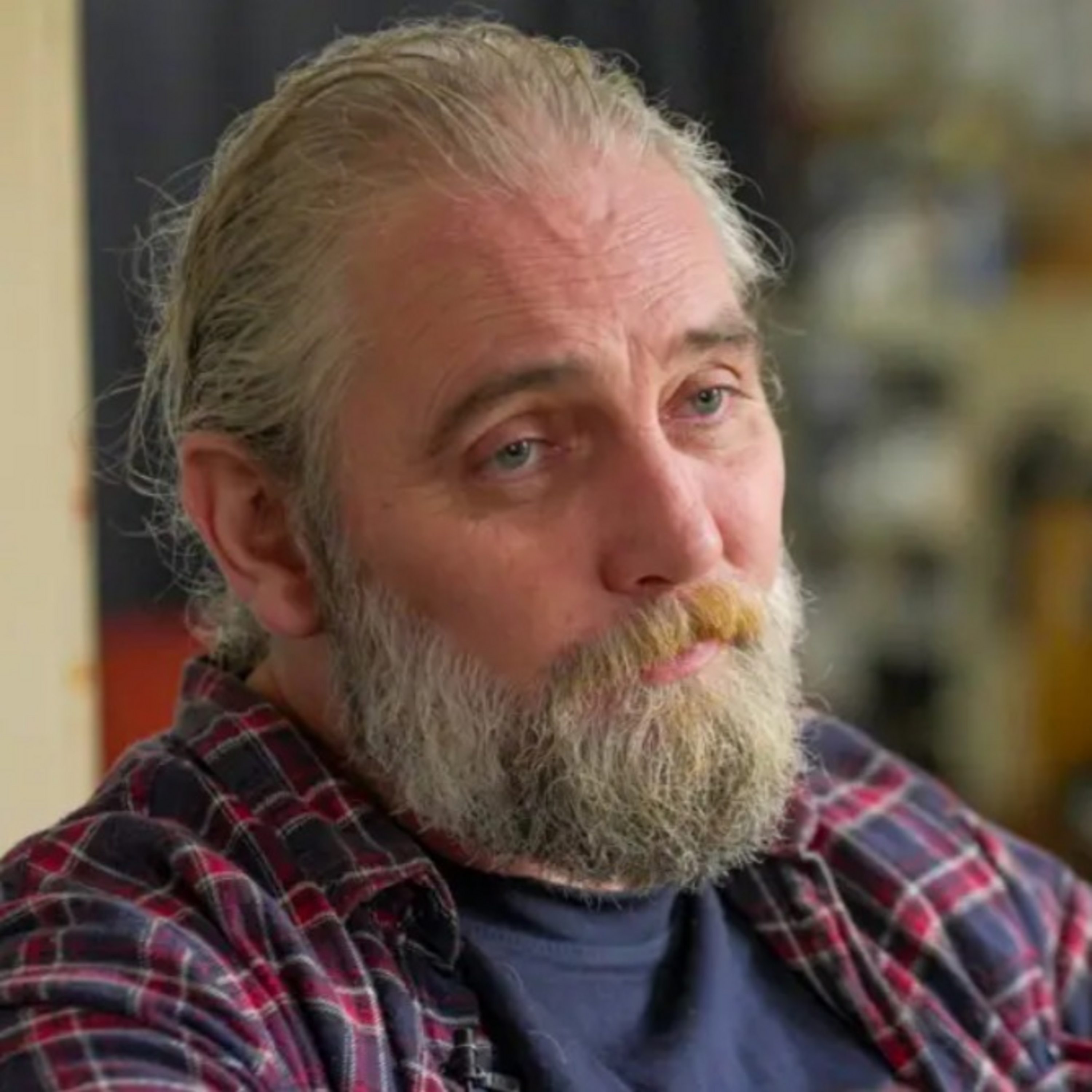
The AI chatbot users falling into delusional spirals
May 800:27:21Tap to summarize**Warning: this episode includes discussions of sexual abuse, suicide and upsetting scenes**In just the last few years, AI chatbots have become routine aspects of many people’s everyday lives. They are being used as search engines, agony aunts, and sources of companionship.In rare cases though, AI chatbots have sent users down a dark path. In a new BBC investigation, population correspondent Stephanie Hegarty speaks to people who have experienced delusions after talking to chatbots – including one man who grabbed a hammer and prepared for war after his chatbot told him it was sentient.Producers: Valerio Esposito, Viv Jones and Xandra EllinExecutive producer: James ShieldMix: Travis EvansStudio manager: Jonathan GreerSenior news editor: China CollinsPhoto: Adam Hourican. Credit: BBC.
Transcribe →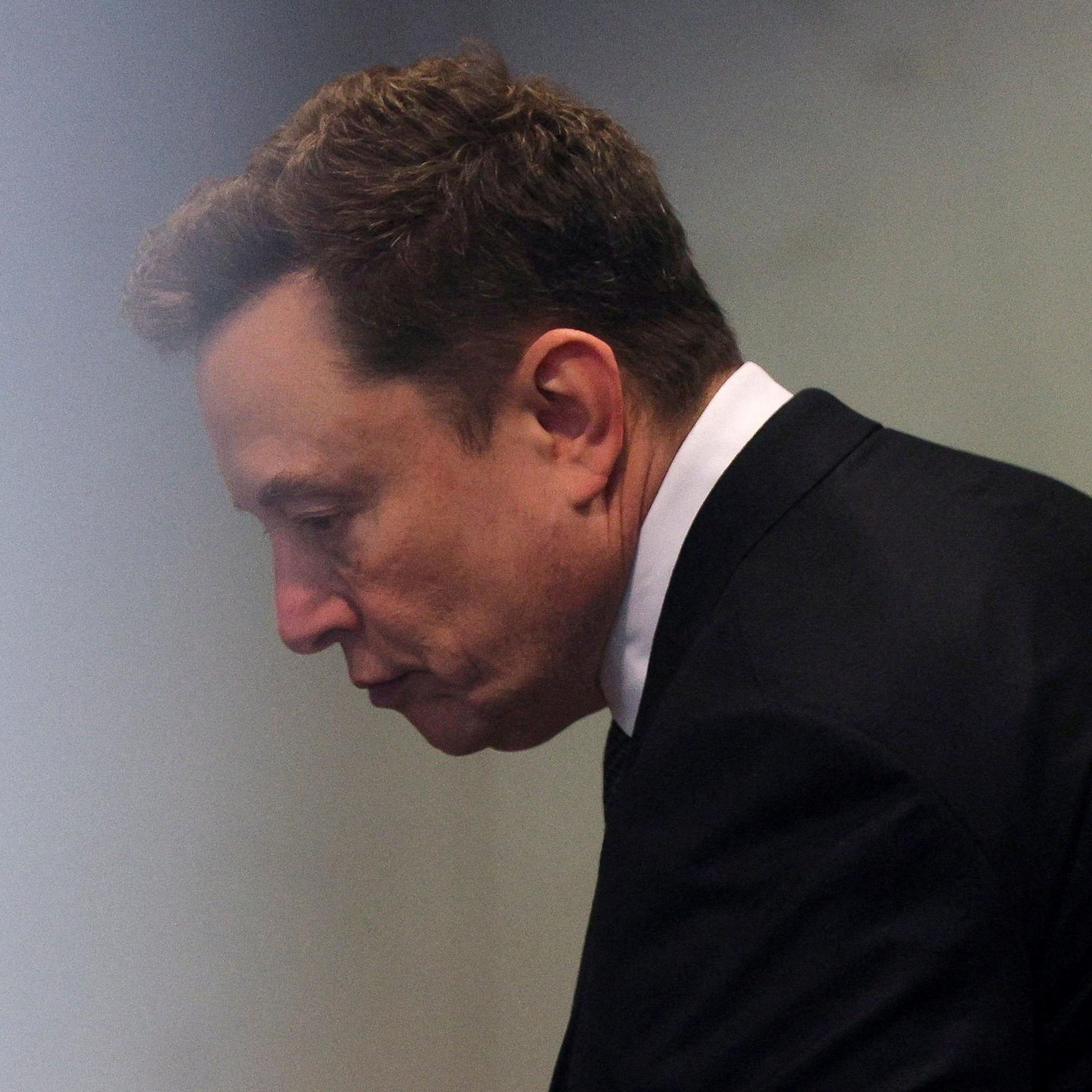
What Elon Musk did next
May 700:27:05Tap to summarizeIt’s been a year since billionaire tech entrepreneur Elon Musk left his informal position in President Trump’s White House in May 2025. But behind the scenes, Musk has been busy. Musk has spent the last few weeks in a California courtroom, where he is suing his former business partner, OpenAI CEO Sam Altman. In January, Musk applied for permission with the US government to launch a million satellites into orbit, some of which he says will serve as solar AI data centres. And he is preparing to take his company SpaceX public, with an estimated valuation of over $1 trillion.Though his political presence has waned, is it possible that Elon Musk is more powerful than ever? We speak to the BBC’s North America technology correspondent Lily Jamali about what the world’s richest man has been up to since leaving the White House.Producers: Xandra Ellin and Valerio Esposito Executive producer: James Shield Mix: Travis Evans Senior news editor: China CollinsPhoto: Elon Musk appears in the courthouse during the OpenAI trial. Credit: Reuters/Manuel Orbegozo
Transcribe →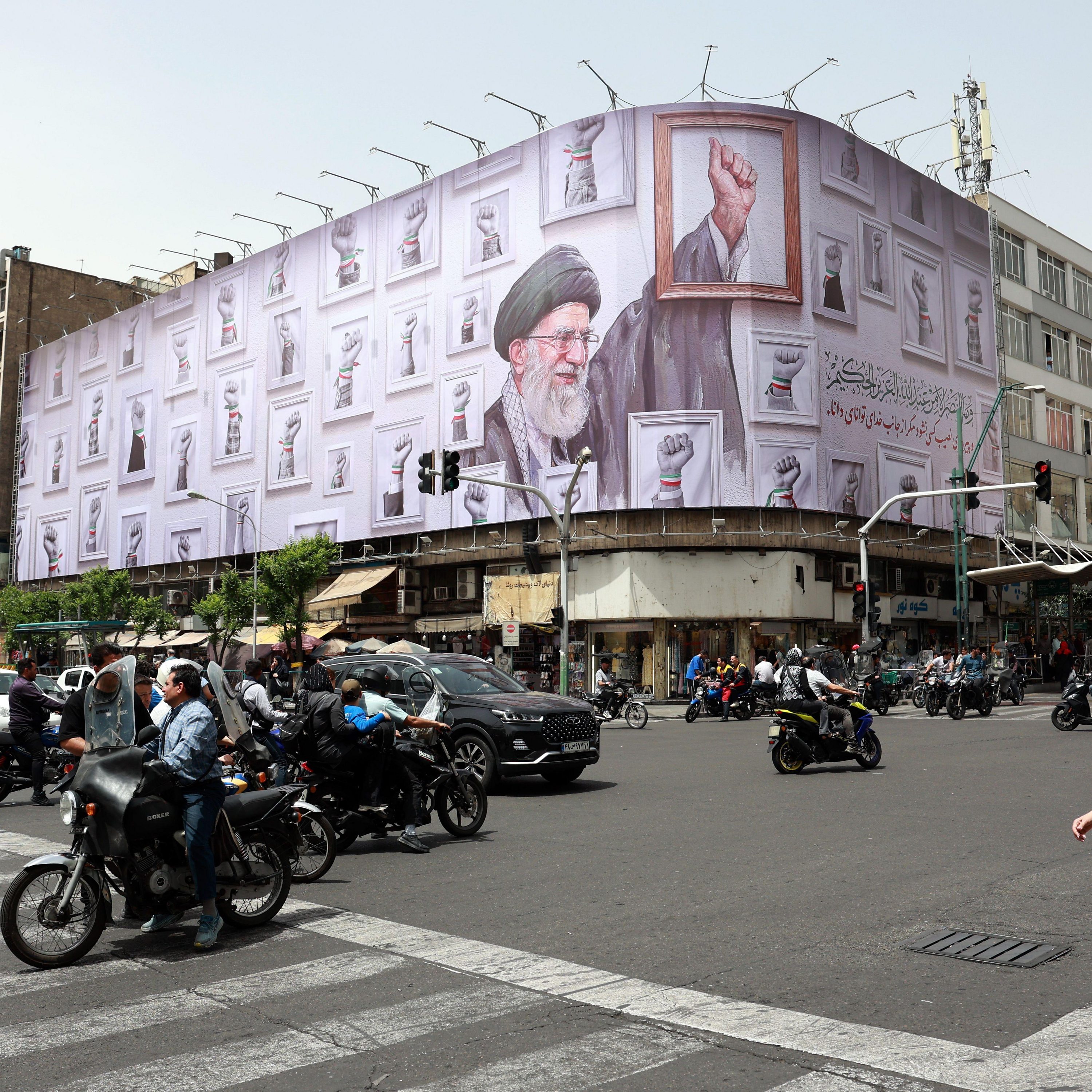
What do Iranians think of the war?
May 600:27:07Tap to summarizeIranians living in Tehran tell us what they think of the war and reveal how the conflict has affected their day to day lives. In recent days, attacks on ships in the Strait of Hormuz has raised fears that an already fragile ceasefire between the US and Iran could collapse. Donald Trump's "Project Freedom", which began on Monday, aims to use the US military to escort cargo ships out of Strait of Hormuz. Iran, however, insists that it controls the key waterway and has warned that it is “just getting started” in the Strait of Hormuz. This escalation of hostilities risks tipping the region back into full-scale war. As the conflict enters its third month with no clear end in sight, there has been mounting anxiety about what comes next. But what is the view inside Iran? In today’s episode we speak to the BBC’s Chief International Correspondent, Lyse Doucet who recently returned from a ten day trip to Tehran where she spoke to government officials and ordinary Iranians about their fears and expectations as this war continues. Producers: Cat Farnsworth and Aron Keller Executive Producer: Richard Fenton Smith Mix: Travis Evans Senior News Editor: China Collins Photo: Daily life in Tehran amid continued tensions over Strait of Hormuz. Credit: Abedin Taherkenareh/ EPA/Shutterstock.
Transcribe →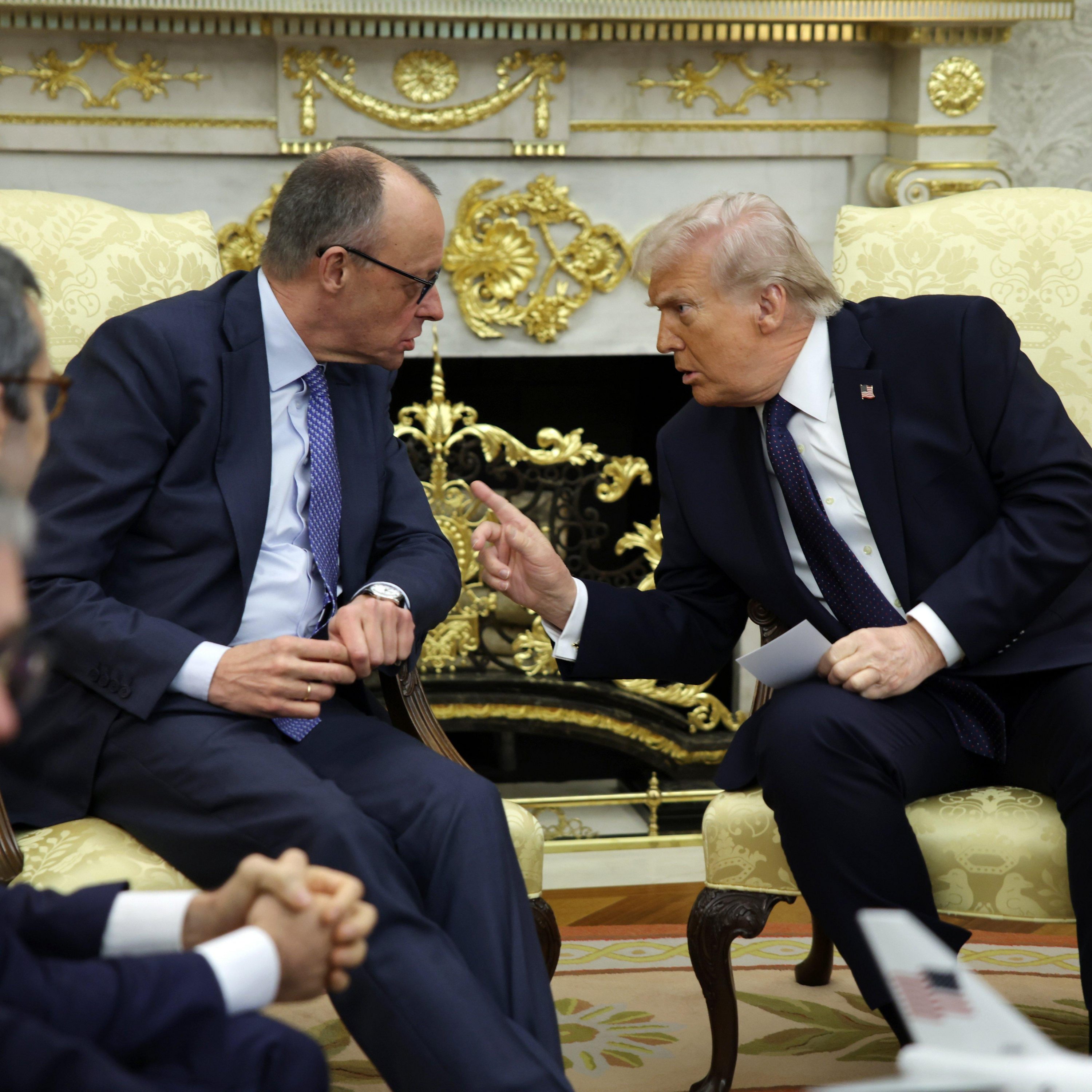
European leaders are defying Trump. At what cost?
May 500:26:59Tap to summarizeWhen Donald Trump began his second term in the White House, many European leaders chose to pursue flattery instead of a fight. Most sought to avoid public confrontation even as Trump instituted tariffs, spoke of annexing Greenland, and went to war with Iran.But lately more European leaders across the political spectrum - from longtime allies to ideological opponents - are willing to openly contradict and criticise the American president. The White House appears to be retaliating, especially against Germany, from which the Pentagon has announced it will withdraw 5,000 troops. Has Europe suddenly become more defiant? And what happens next? Asma speaks to the BBC’s Europe editor, Katya Adler.Producers: Valerio Esposito, Chris Benderev and Hannah Moore Executive Producer: James Shield Mix: Travis Evans Senior News Editor: China CollinsPhoto: US President Donald Trump and German Chancellor Friedrich Merz hold a bilateral meeting at the White House, 03 March 2026. Credit: Samuel Corum/Pool/EPA/Shutterstock
Transcribe →