← The Goal Digger Podcast | Top Business and Marketing Podcast for Creatives, Entrepreneurs, and Women in Business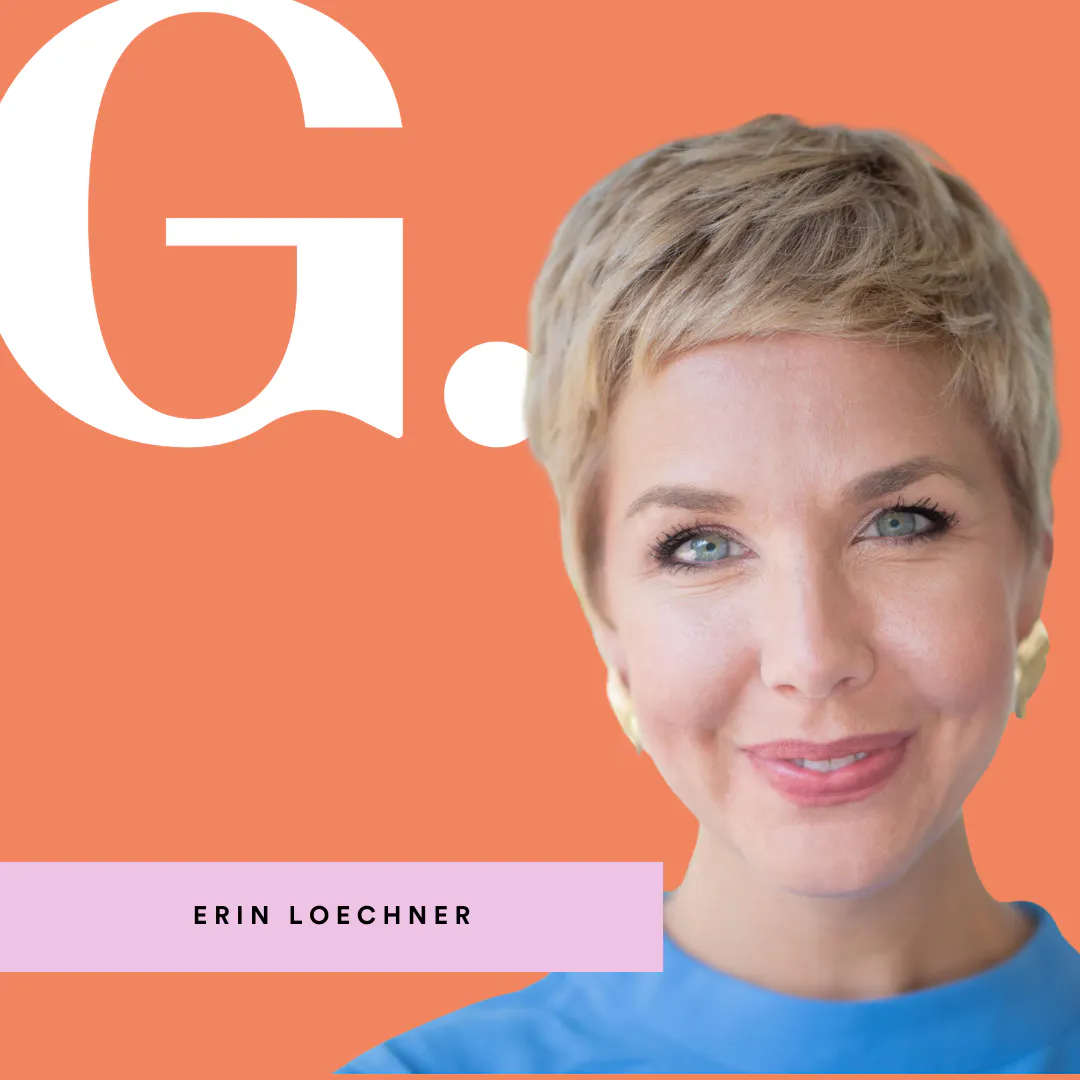
The Goal Digger Podcast | Top Business and Marketing Podcast for Creatives, Entrepreneurs, and Women in Business
827: From Screen Time to Quality Time: How to Build a Tech-Free Lifestyle
00:50:21
With Erin Loechner and Jenna Kutcher
Loading summary
Transcript109 lines
- [00:02]
Erin Lochner
One of our family mottos is be more engaging than the algorithm. And it did help me to learn how to engage. It did help me be curious enough about the people in my house that I will know them more than an Instagram ad does, which is my deepest goal in life.
- [00:16]
Jenna Kutcher
Right?
- [00:16]
Erin Lochner
I want to know the people in my life more than an Instagram ad does. And we're getting there.
- [00:21]
Jenna Kutcher
I'm Jenna Kutcher, your host of the Gold Digger Podcast. I escaped the corporate world at the age of 23 with nothing more than a $300 camera from Craigslist and a dream. Now I'm ready running a seven figure online business that feels even better than it looks. All from my house in small town Minnesota. With my family here, we value time as our currency. We mix the woo and the work and we are in the pursuit of building businesses that give us the freedom to live lives that we love. I've always loved turning big goals into reality and I'm here to help you do the same. This isn't just a peek behind the curtain. Come along with me and my guests as we tear the whole curtain down. Every week we tackle practical no fluff marketing strategies and host honest discussions on what works and what doesn't. Join me and my expert guests for actionable insights to help you grow your dream business with confidence. Pull up a seat and get ready to be challenged, inspired and empowered. This is the Gold Digger Podcast.
- [01:23]
I've done hundreds of episodes of this show.
- [01:26]
Hopefully you've listened to many of them.
- [01:28]
But I feel like today's episode, this is going to be one that you're going to point back to and say, this changed my life. In a word world where screens are practically an extension of ourselves, it is hard for us to imagine a life without them. From the moment we wake up to.
- [01:44]
The notifications buzzing in our pockets, technology has woven itself into every facet of our daily routines. But what if there was a different way to live?
- [01:53]
My guest today has taken a bold step back and she's here to share.
- [01:57]
How you could do the same.
- [01:58]
Erin Lochner is a dear friend of mine and she is the founder of the global tech free movement, the Opt Out Family. Aaron made headlines by walking from a million social media followers to embrace a low tech lifestyle.
- [02:12]
As a former influencer, Aaron's recent journey to tech free living is nothing short of inspiring.
- [02:18]
Her new book, the Opt Out Family.
- [02:19]
How to give your kids what Technology can't invites us to reconsider our relationship with technology. Not just as families, but as individuals. Looking to reclaim our time, our attention and intimacy.
- [02:32]
In our conversation, Erin shares her powerful story of transformation, the hidden costs of.
- [02:38]
Our smartphone dependence, and practical steps we.
- [02:40]
Can all take to unplug and connect more deeply with ourselves, with the world around us, and with the humans that we love. So if you are someone who has ever felt overwhelmed by your screen time or curious about what life could look like beyond the digital noise, you are going to love this conversation.
- [02:56]
Let's dive into the journey from screen time to quality time. Aaron Lochner, welcome back to the Gold Digger podcast. A lot has happened since you were.
- [03:04]
Last on this show.
- [03:06]
When all your marketing team does is put out fires, well, they burn out and they burn out fast. Can you relate? Sifting through leads, creating content for infinite channels, endlessly searching for performance KPIs. It all takes a toll on our productivity and our mental health. But with HubSpot, you can stop Burnout in its tracks. Plus, your team can achieve their best results without ever breaking a sweat. With HubSpot's collection of AI tools Breeze, you can pinpoint the best leads possible, capture prospects attention with click worthy, and access all your company's data in one place. No sifting through multiple tabs necessary. It is all waiting for your team in HubSpot. Keep your marketers cool and make your campaign results hotter than ever. Visit HubSpot.com marketers to learn more. That's HubSpot.com marketers okay, Erin, I have.
- [03:59]
Known you for a long time. You were on the Gold Digger podcast back in 2017. And so I'm curious if someone would have told you all of those years ago that you would be writing a book about tech free living, would you have believed them?
- [04:16]
Erin Lochner
Yeah. Oh man. You know, I, I probably would not have believed anybody. Although I will say my inner circle definitely would have believed. I was always the one, you know, preaching around the dining room table like, what is this way of life doing to our brains? You know, what is, what is it doing to our days and our rhythms and our lives and whatever. And so they wouldn't have batted an eye, but I would be like, no, no, no, no. I love this job. This is great. I'm doing it forever.
- [04:41]
Jenna Kutcher
Okay, so let's walk through what has happened since then and kind of where you find yourself now because there is so much more to this story.
- [04:50]
Erin Lochner
Yeah, there really is. I think probably right around the time that we chatted would have been the release of my first book. And you know, that book was really all about kind of pulling yourself back from The American dream sort of questioning, does this sort of path align with my values? Is this what I want from my life? That kind of thing? And I'm not surprised to find that this one is that same sort of questioning. But you're peeling back the idea of this online American dream, right? This online American life that we. That we kind of push as a society. And we are very quick to say that technology is the future, but we're not very quick to ask ourselves, is this the future we actually want? Is this helping us get to our goals? Right? And so that question has kind of always been lingering, and then, you know, it. I think, like most things, this really did just hit very home for me. You know, I had kids and they were home, and I recognized that I wanted my household to get the best of me, and I wanted the people that I live with and that I walk around with in my daily life to have my attention and my focus. And living a very online life and a very online presence meant that my phone was in my hand a lot more than not. And it was often in direct opposition to my goal for that. And so there were all of these questions, right? And I think that I. I think we do this as people. We chalk this up to that tension, that live tension, and we, you know, well, it's about working through that tension, kind of. And that's where life is, and that's where the magic happens. And I do really actually believe that. And yet I think there are some decisions in which we can follow our conviction and say, yeah, yeah, yeah, this is part of a live tension of digital life. But what if it didn't have to be? And what if I could build a life that supports my values without this giant piece that doesn't? And that's what I was after. And I never wanted my, personally, my children to, when they come time to purchase their own phone and when it becomes, you know, an opportunity that they want to be an entrepreneur, they want to do whatever job they want to do. I never wanted the reason that they choose what they choose because they didn't know any other way. I never wanted them to not be able to point to people that were like, well, you know, there's my mom, and she has a flip phone or whatever, and she still has this vibrant social life where she answers the front door so much more than she answers her phone. And. And I wanted them to have this wide circle of people where they're like, that person's a little odd, they're a little quirky, but it's working for them. And I wanted really that for my whole household. I wanted to see people in their everyday life that we could point to, to learn from.
- [07:28]
Jenna Kutcher
So talk to me about how tech free and like how that all came to be. And what did it look like for you personally? Because, I mean, when we think back even to your first book coming out, even though you were chasing slow and this idea of slow living, even before a lot of of us were, you also were an influencer and you shared.
- [07:48]
Your life online and you had grown the following and you had your blog.
- [07:51]
And you had, I mean, you had all of these ways basically woven through the Internet of how you had grown into this place. And so what did that look like? Because here's my hunch. My hunch is, is that a lot of people listening to this episode already feel that pang of like, shame maybe, or guilt of like, I want this, or I say I want this. But this isn't really reflected in my life. You know, I am addicted to my phone or Instagram or isn't this a part of what we have to do to be successful? And so walk us through some of that nuance that I know that you likely experienced as well.
- [08:28]
Erin Lochner
I did, yeah. And I think, you know, what it looked like for me was I just stopped going on to these places that I felt like were not serving my humanity, like my core. They were not aiding me in the kind of life that I wanted to live. And there was no grand announcement, there was no big strategy. I wasn't funneling people from Instagram to my email list, which would probably be very wise if I had. There was no kind of collection of the audience. It was just, I'm going to just see what happens if I stop going to this place. And so I just truly never went back, Jenna. I just didn't. I found that it not only was participating in social media for me a distraction from the life that I actually wanted to live, but it was in direct opposition to the life that I wanted to live. It was eating up all of that time that I really believed in building relationships and in my everyday real life. And I was just curious, you know, like, can I still, I mean, how much would it affect the bottom line? Right. I knew that leaving social media would support my top of mind goals, but would it also be at the detriment to my bottom line financially? And I ran this thought experimen, which I highly recommend for everybody. I just took a piece of paper and I put a line down the middle of it and on the left side, I wrote to everything, every part of my work, which I'm a writer by trade, so its influencer was kind of a side gig. But I had a million followers. It was a big part of my life. And so the left column was simply, what work do I do that makes me come alive? What am I good at? What am I proud of? What work do I believe is making the most impact in the world? And on the right side, I drew a line to, okay, where did that opportunity come from? Where did it stem from? Where did this particular piece start? And, Jenna, none of it came from Instagram, I will tell you that. And I would argue that most people would probably find that if they broke down, you know, that direct correlation. And so that meant something to me. And that was kind of my starting point to, all right, well, what am I going to do with my free time if I'm cutting out social media? And so I kind of just figured out a way to build all of those online relationships and to kind of use all of that time and all of that energy I was expending on circumventing my conviction, you know, kind of tiptoeing around and figuring out boundaries, which I was queen of. You know, I didn't show my kids faces online. I didn't share their names online, but I used all of that energy instead on proactively pursuing some of those opportunities that did make me come alive in work. And, man, that. That made all the difference.
- [11:10]
Jenna Kutcher
It's time to turn that big, bold idea of yours into a business. You've got the creativity, the hustle, and the passion, but there's one tool that takes it from a great idea to a thriving shop, and that's Shopify. Shopify makes it ridiculously easy to transform your dream into an online store that actually sells. Whether it's a product, a service, or a membership, Shopify's platform offers the world's number one checkout, which means more sales and fewer abandoned carts. And with shop pay, you can boost conversion rates by up to 50%. That's more cha Ching moments. Think about the small brands out there, absolutely crushing it. The secret behind so many of them is Shopify helps you sell online in person and everywhere in between, so your shop is thriving wherever your customers are. Businesses that sell more sell on Shopify. Sign up for your $1 per month trial period at shopify.com gold digger all lowercase go to shopify.com gold gold digger to upgrade your selling today. Shopify.com gold digger let's talk about Something I think most of us can relate to, which is last minute card panic. It's a holiday season and instead of scrambling to find stamps or digging through those generic store bought cards, you can actually be ahead of the game for once. That's what MoonPig is all about. MoonPig lets you create the most thoughtful, personalized cards. You can add your favorite family photos, write something that'll make your loved one smile, laugh, or even tear up a little. And they'll even give you a nudge if you need some inspiration for exactly what to say. And here's the real magic.
- [12:50]
Get this.
- [12:51]
Moon Pig mails the cards for you. No stamps. No late night trips to the post office. Just you on the couch with your cozy blanket making holiday magic. Think about how much joy you can spread this year. Whether it's grandma getting that sweet family portrait or a friend unwrapping a gift card that you've slipped inside the holiday card itself. Well, it's so easy to add that personal touch. And with MoonPig, you can send cards to everyone on your list in a few clicks so you never forget anyone again.
- [13:18]
It'll make you love sending cards all over again.
- [13:21]
And because I want for you to try it too, your first card is absolutely free. Just head to moonpig.com usgoldigger again, that's moonpig.com usgoldigger go make someone's day. Everyone deserves a Moon Pig card.
- [13:39]
Wow. Okay. I have so many thoughts and so, I mean, I just, I love this. You know, it's really interesting. I was actually talking to my therapist the other day and I said, you know, I'm, I struggle a lot lately with showing up online because for a very long time my life was content and I no longer see it that way and I don't document my life in that way anymore. And so it's like, I'll come out of like the best weekend with my family and I have nothing to show for it in terms of visually.
- [14:09]
Right.
- [14:09]
Like, I experienced it so fully and I said it, it's, it's so interesting because coming from the photography world where I, I just see content, it's just literally how my eyeballs perceive the world to shutting out that idea of like our lives, our content and vice versa, it's an interesting place to land as somebody who does show up on the Internet. And I said, you know, I think this summer I went on Instagram stories maybe three times the entire summer because I just had nothing to share the show and tell of it. Suddenly Felt tiresome. Right. And I feel like a lot of people feel that, but we also feel these, like, golden handcuffs to it in an interesting way. What would you say about that?
- [14:58]
Erin Lochner
Well, you know, I. From personal experience, I do know for a fact that the times in which I had the most content available to work from were the times in which I was living the least. I. For me to like what you said, you know, coming off of a weekend with your beloved people, whatever your inner circle looks like, coming off on a weekend with that, where you're so present and you're so focused and you're in it with them and you're also recognizing. I'm not going to capture any of the. This is their experience too. Right?
- [15:28]
Jenna Kutcher
Yeah.
- [15:28]
Erin Lochner
I'm not going to steal and capture from them and then send it out into the world. And so that was a big tension for me. And I did notice that about myself. I would be curious what you feel like, shifted in that. For me, it was like I was moving from observing to participant. You know, I was an observer in my life, mining for content. And then once I started participating in my life, I was like, well, sure, shoot. I don't want to leave the moment and snap this and then upload it. That doesn't sound fun to me. I don't know.
- [15:58]
Jenna Kutcher
It's interesting. So I've talked about this on my show a couple different times, but I think it was like, a year and a half ago, maybe even two years ago at this point. We bought this box for our phones, and it's this, like, actually aesthetically pleasing box. It's white with a beautiful wood cover.
- [16:14]
Erin Lochner
Is it aro.
- [16:15]
Jenna Kutcher
Yes, the.
- [16:16]
Erin Lochner
I know Joey. I love him.
- [16:18]
Jenna Kutcher
Okay. So I kept getting ads for it, and I was like, I'm going to buy this. And it has changed our lives so much. And we have it in our pantry and our phone. So for somebody listening that doesn't know what we're talking about, it's this box, and it basically gamifies being off of your phone. And so every time your phone is in the box, it tracks the amount of time it's off. It asks you, what did you do? Instead of being on your phone where you can track time with family or eating a meal or napping or reading or, like, whatever it is working out. And it has become just such a staple in our lives that, like, even if we leave for the weekend, we bring the box with us because it is just a piece of, like, our culture in our family now. Like, the minute the girls come home from School, like, phones are in the box. They don't see us on our phones in the morning when we wake up. Like, and it's sometimes funny because we'll stand in the pantry quick just to check to make sure we didn't, like, miss anything overnight. Like, where they're like, what are you doing in the pantry? But it has, like, created this culture where even this morning, Coco was celebrating Diwali at school today, and she asked us a question about Diwali, and we are not experts in it. And Drew is going to Google it. She's like, don't Google it, dad. Like, you don't. You don't need to Google it. You know, where it's like, you can see the rabbit hole of your phones. And so I think that was a huge change for us in that, like. Like, our phones aren't next to us for the excuse of documenting things any longer. It's a tool, and it's a tool to be used in certain times and places, but it's not a necessity. And it doesn't need to be with us at all times. It doesn't need to follow us through our home. And so I think that that was a really huge transition for us. And it's just been such a, like, way of our culture in our house now, where it's like, when we are eating or when we are, like, our phones are in the box. It's just. They're in the box. And so, you know, you and I, I think we get along so well because we are boundaries people, and we know that, like, without boundaries, it's hard to stay in our lives. And so I think that was a huge shift for us, really.
- [18:17]
Erin Lochner
I love that. I love that there's two. There's such. For me, it was. I'm such a worker bee. I love productivity. I love all of it. And it felt so productive to have something to show for these moments, right? And it felt very, very productive to be documented these moments. And I think there was just a point where I realized, but am I sacrificing the present for the sake of the future? And I was. You know, I really did need those moments. I feel like a lot of times when your kids are very young, everything feels like the pace is frenetic and you don't feel like you get a break, right? They're always touching you and asking you for snacks and everything. And so I remember that there would be moments of my day where I would check out. Even as a very boundaried person, I would check out. And when I would check out on my phone, I would come back so very much more depleted than when I would check out with like a crossword puzzle or whatever thing or knitting or whatever thing was right there. And I noticed my kids, if I was checking out on something, you know, tangible, tactile, that they could see in front of me, they felt invited to that. Right. They felt like they could come alongside and, like, string their, you know, finger knitting or whatever instead of, oh, there's something that's a direct barrier to our relationship here. And so it was so much easier to reenter into family life. And I think we see this around the, you know, the dinner table all the time with our core group. Even if we're out to dinner with our girlfriends or whatever, when one person checks the screen, it's like permission for everybody too. There's like a little break and everything. And those moments really matter. Those. Those moments you can string together and not kind of rupture right then very quickly they matter to me. And I find that I am a much more, as a whole, peaceful person as a result. It did not solve my problems. I'm always very quick to say that, like, going tech free, you're still you and you're still kind of a bit of a mess sometimes. But it did help me learn to. One of our family mottoes is be more engaging than the algorithm. And it did help me to learn how to engage. It did help me be curious enough about the people in my house house that I will know them more than an Instagram ad does, which is my deepest goal in life. Right. I want to know the people in my life more than an Instagram ad does. And we're getting there.
- [20:31]
Jenna Kutcher
Okay, so talk to me about this idea of, like, the opt out family. Like, how did this idea come up? How do you become one? Like, you basically reconsidered a lot of things, including your career. And like, what does this mean? And so tell me what, like, the opt out family means to you and like, how you kind of came to this idea.
- [20:51]
Erin Lochner
Yeah, of course. Well, so the reason I wrote the book was really, I felt very conflicted about the narrative that we were sending to kids. That social media is essential for your life. Right. Or that more, you know, technology would fast track you into STEM's research and all of it. And I didn't know that I was buying the narrative, even as for adults, that balance in moderation is a sustainable way to live, I. I felt like that was true at a point. And then we kind of tipped the scale. And I'm very grateful that the research is out there now, you know, that the research is available, that this digital way of life is actually really not sustainable in the long run. And so for many reasons. And so I was just curious, well, what would it look like if we just didn't mess with any of it, right? Like if we just totally opted out. And for us that means, you know, we don't participate in social media, we don't participate in algorithm waste, whether it's shopping anything that's going to recommend a path other than we were on already or anything that's going to. I guess I should say this in, in the course of writing the book, I interviewed over 250 experts in and out of Silicon Valley and all of them were so quick to remind me that technology is not neutral. And we say that all the time as consumers of tech. We, we say, oh, tech is neutral, right? We can use it for good or bad. And but the creators of these products and these platforms are very, very, very quick to admit, no, no, no, we have a bottom line and it's your time and your money, you know, like it's a product, right? We're not really after humanity here, we're just selling a product. And that disconnect was interesting to me. You know, I spoke with, well, one example, Jiren Lanier, he's the pioneer of virtual reality and he said social media is not biased to the left or to the right, it's biased downward, right? Like it is sending us on this spiral of lacking nuance or empathy in relationships. And we see that play out on a grand scale all the time. So that was interesting to me. And it was interesting to me that we were very okay with giving these devices and these platforms to our kids in the name of, you know, EdTech or you know, the iPad, one to one program in every backpack. And that wasn't my goal for my family, was in opposition to the goals that Silicon Valley had for my family. And that became very apparent. And so the idea of an opt out family is not somebody that just, it's not all or nothing, it's a spectrum. You know, I really encourage parents to ask themselves what do they value? And then just recognize that if you're joining sort of the assembly line of tech, you know, if you're, if you're adapting or integrating technology into your life, you're now of on this path that is not your own and you don't really know where it ends or where it leads because that information isn't available to Us yet. So it's the idea that parents, and really anyone in the household can reclaim their agency. They can ask themselves, is technology in the way that we're using it, supporting our values? And if not, what do we do with that information? And for us, we just came to the realization that we can't say no to devices without saying yes to something better. So we really. I just sat down with, okay, why do algorithms work so well? Why does technology work so well? Why, you know, what is it about Minecraft that's so addicting to a child? Is there a way to gamify, you know, talk about Robox? Is there a way to gamify that in that. In the household, to make this an engaging experience for kids? So it's not just, no, no, no, no, we're not doing this, but it's. We're doing this instead that together.
- [24:29]
Jenna Kutcher
I think that replacing thing is so important. And, you know, it's interesting because Drew and I were talking the other night, and we were laughing because I was like, babe, do you remember tgif? Like. Like, Sabrina, the teenage witch? Boy Meets world, Like, the whole arsenal, right? Like, I was like, that was like, my babysitter on Friday nights. Like, I. I watched the whole gamut of all of those things. Things. And we were just kind of laughing to each other because, you know, we watched a lot of TV as kids, and we were. We were talking about how, you know, when you know better, you do better. Right? And. And also in this zone of parenthood, I also feel like there's so much judgment and there's so many thoughts and ideas, and it's like, we feel guilt if you do one thing or you see a family doing something different, and it's like, oh, my gosh. And. And we were just having this really interesting conversation just about, like, yeah, like, what. What feels good to us and, like, as parents, like, what supports our own.
- [25:30]
Need for time and space?
- [25:32]
But how do we do it in.
- [25:33]
A way that isn't isolating or, you.
- [25:34]
Know, all these different things? And I. I feel like, Aaron, you and I are the people who, like, we ask those big questions, and we have to sit with the answers. And I feel like that is the starting place, the foundation of. Of this ideology and so many others is like, you know, for a listener, I'm thinking, like, what. Maybe just defining, what is your relationship with tech? What is your comfort level with it? What do you feel good about? What do you not feel good about? Because I feel like these are bits.
- [26:04]
And pieces are being served to us.
- [26:05]
Usually through algorithms of do this, not that, say this, not that, you know, this is the impacts of that. But a lot of times we don't sit alone with our, our own thoughts and visions of like, what does that actually mean? And how does this look in our lives? Would you agree?
- [26:20]
Erin Lochner
Oh, my gosh, yes. And you know what I would also say? Yeah, that sort. I feel like leaving social media has made me so much bolder in my conviction. I truly. Because I'm not hearing all those voices. I don't even know what people are saying about iPads. I mean, maybe they're saying they're all great. I have no idea. I don't care. Because what I do know is what's happening in my own house. I do know that I, I do see it play out that oftentimes it is easier to parent without any sort of technological influence than it is to balance it. You know, it is easier. And so there is, you know, an argument to be made that actually I'm taking the easy way out and everyone else is actually doing the hard work of the tension and living in it. But, yeah, I don't know. I don't have that ticker tape of voices in my head anymore of like, oh, well, this expert said this and this expert said this. I know only what I, what I have sought out, you know, in the research of this book and then how that has played out in the people's lives that I love. And I have many examples to point to of what is actually working on the ground level, you know, that is not easy and tidy in a sound bite or a quick Instagram story, you know, of the do this not say that or what. I feel like all of that was happening when I was exiting. And I know what you're talking about. Yeah, it's very hard to navigate.
- [27:42]
Jenna Kutcher
Yes. And that's what, like a lot of times my mom will say, like, you guys have it so hard these days because there's so many philosophies, there's so many contrarian beliefs, there's so many polarizing topics, there's so many things that make.
- [27:56]
You feel like you're doing things wrong.
- [27:59]
And that's where, like, we have to figure out how to silence a noise. And obviously opting out is one of the ways is one thing that I've been talking to my friends about. I have a really close group of mom friends in our circle and one of them is navigating with her 12 year old, where her 12 year old is like, all my friends have iPhones and, you know, and, and, and my mom friend is like, I thought we were all on the same page. Like, what happened to these parents are dropping like flies. Like, you know, what do we do it? And she sent me a little text string that her and her daughter had had through the iPad because she's like, you can use the iPad and I can help you use it wisely. And all these things.
- [28:39]
You know, running a business is a lot like growing a garden, which is something I am obsessed with. You start with an idea, you nurture it, and before you know it, things are growing and fast. But here's the thing. Just like any garden, running a business has its weeds. The payroll, the hr, the paperwork. And that's why I have to tell you about a move we just made in my own business in switching to Gustav. Gusto takes a hassle out of payroll and hr. They're like that expert gardener who steps into weed water and make sure everything's blooming just right. Like, imagine having all of your payroll taxes filed automatically, onboarding a breeze. And benefits that work with your budget because Gusto makes all of that possible. Plus, they genuinely care about small businesses like yours and mine. I mean, it's no wonder Gusto is rated the number one payroll product for small business businesses. Four out of five employers say Gusto helped them stay compliant with federal and state regulations. And with Gusto, simple guided software and user friendly interface, payroll and HR are no longer exhausting. They're rewarding. Do you want all of this and more with no hidden fees? Try it out for three months free@gusto.com gold digger that's gusto.com gold digger how.
- [29:51]
Do you navigate this when your kids are being exposed to other methods? Like, how do you make this enticing or interesting? Like, what are you coming up against battles? Are they demanding to have the same things other people? Like, what, what does this even look like in, in real life?
- [30:08]
Erin Lochner
Yeah, I mean, honestly, for us, like, we knew from. My husband worked at Apple's ad agency, so he knows how the sausage is made. We knew. And with my experience as an influencer, we knew from the get go. Like, this is not social media is not a place where we want our kids to be. And we recognize that the smartphone is the on ramp to that. And so for us from a very young age, we, I remember, you know, taking my daughter, she was probably five at the time, out to dinner and we just went and we sat out at a little booster table and we just, people watched and I was like, okay, what are you noticing about other people in the world? Like what? Like, tell me, tell me, like, your thoughts. What are you seeing? And she was like, mom, nobody's talking to each other. Everybody's on the phone. And gosh, this was seven, eight years ago now. And she is a, you know, preacher. Her friends all have phones. And we talked about it so much that she now feels this, like, personal conviction to save her friends from, you know, the demise. Because truly, like, if you. Well, one thing that we have done, I will say this has really worked really well for us is we're the low tech hangout zone. So people can come over at any time. We always say, leave your phones at home. The kids are very fine with it. The parents are like, no, no, they need the phone to be able to contact us. And we're like, well, we'll get a landline. Here's the number. Like, yeah, like it's a non negotiable, right? Just come over and play in the yard. We're gonna have a bonfire. It's gonna be fine. You know, like. And so the parents took some warming up to that idea, which was interesting to me. But the kid were like, gosh, thank you, I need a break from this. I'm so exhausted being responsible for this thing and fielding all of the messages and all of the information that I need. I cannot think of any child or teen that I spoke with that said I would rather be on my phone than hang out with my friends. And so if you let them hang out with their friends in a way where the phone isn't invited, because what does happen then is you hang out with your, your phone with your friends, or you hang out with your friends with their phones, and then you're not actually hanging out. So there is kind of something to be said for retraining people how to live without this thing. And a lot of kids just don't know how to. And if they're in school, you know, they are sort of trained to take special care of this iPad. This is really important. It's a big responsibility. Your whole life is on this thing. And so from the get go, you know, they're having to check Google Classroom every day for their grades and everything and their assignments. And they are kind of taught that over reliance on a device and resetting that is a little bit important. So I do. We have a low tech hangout zone and it's an open door policy. Whoever wants to come can come, which is really helpful because we get to know the kids that are in our Kids lives, and we get to talk to them about what's going on. And we are the family that they'll go to. And if. And I've even had a friend say, can you keep my phone over the weekend? I just don't want the distraction. And I'm like, yeah, you bet. We'll keep it for you.
- [33:07]
Jenna Kutcher
We'll set up a business where you drop your phone off and pay us 20 bucks. That's right.
- [33:14]
Erin Lochner
Yeah. It's wild. But we're not shy about it. We have always set the boundary, and we've always talked to our kids about it. And our kids get it. They really do. They're like, yeah, yeah, yeah, that doesn't seem like a great, fun way to live. And let's go for a hike in the woods instead.
- [33:27]
Jenna Kutcher
I love that. I think it's, you know, it's so interesting. I. I'm like, brought back. Even in time of years ago, whenever my girlfriends would go out, I would hold open my purse and make everyone put their phones into my purse and I would basically, like, zip it shut and like, sit at the table. Because, you know, we all know what it's like to be talking to someone who's not really there, or we know what it's like to be like, what is actually happening on your phone that is so important right now. I've even had family members get really upset with me because I'm like, if everyone's just going to sit on their phones, we can go do this at home. Like, we don't need to be out of the house to do this. Where I can get a little bold with what my words are around it because, you know, it is. It's so easy to see.
- [34:11]
Erin Lochner
And.
- [34:11]
Jenna Kutcher
And, you know, I've. I often laugh at memes that are, like, talking about, like, when. And you finally get off your phone and then you look at your partner and they're still on it. And you act all superior of like, look at me, I got off of it. And it's like, you know. But I think for a lot of people, that's the reality, right? Like, it's like their time with other people is sitting near them but not being with them. And I think that at the heart of intimacy, we crave deeper connection, but maybe we don't leverage the me means to actually get there. So I am curious. One of my favorite things was getting your new book in the mail. And then you said, like, I'm not really, like, doing this the traditional way. Like, here's a couple extra copies. Give it out to people like the grassroots style of marketing because you're like, I'm not going to go against my message to get this book out into the world. And so talk to me about what that has looked like for you especially, even from like a business standpoint. We have a lot of entrepreneurs listening, listening to this, and they're like, that sounds amazing to get off of my phone. But like, what does this look like? And so talk to me a little.
- [35:15]
Erin Lochner
Bit about that, you know, and it was really interesting. This was. I give all credit to my publisher because they were so willing to let me do this a different way because I was like, hey, here's the book idea. Take it or leave it, because I'm not doing it with social media. I recognize I have nothing to offer you, right? And the book was Amazon bestseller, hit all the chart. Like, it's still. You can sell a book without social media. It is very possible. And I know I'm preaching to the choir here because you're an email list person, you're a believer in email. And I fully agree. I don't do a great job with email marketing, but I do a very great job with email. And what I will say is the one thing that I did once I ran that kind of thought experiment was I recognized, gosh, every opportunity that I love just came from a simple email check in, saying like, hey, I like your work. I admire what you're doing. Keep going. Just even a place of encouragement. It wasn't ever like, I want to work with you. It was just the recognition that there are people in this world, in industries that need encouragement because there, you know, you only get an email when you're doing something wrong. I feel like that's the majority of our inboxes. And so I started a practice where every day, before I would even open, you know, any sort of work check, anything, if before I would even receive an email, I would just hit compose and I would write an email to somebody that was on my heart. It could be somebody I already knew. It could be somebody I didn't know yet. And I would just say, I'm grateful for your work. And let me tell you what has impacted me about your work. And just from a random stranger or.
- [36:51]
Jenna Kutcher
An old friend, I've received this email from you. So, like, there you go, recipient of what you're talking about. And it's amazing.
- [37:00]
Erin Lochner
It just, it matters. It matters. I've been on the receiving end of those and they make a big difference. And so that, to me, has made the difference in terms of still being able to have a career as a writer, you know, whether it's, you know, writing articles or writing books for other people, or writing books for myself, or writing anything at all, I credit it to just true connection, which is so interesting because that's what we want from social media anyway. That's what we want want. We want to make an impact and we want to spread goodness. You know, no one goes onto Instagram to feel bad and to create bad things or send out bad messages. We want good in the world, we want positivity and light in the world. And we can do that on a one to one basis and still make the same amount of impact. I would even argue a greater impact.
- [37:46]
Jenna Kutcher
Okay, if somebody is listening to this and they're wanting to go, go more tech free, maybe they're not willing to like log off of Instagram and never go back on. You know, maybe they're recognizing in this conversation that they want to have a different relationship. Like, where do we start? Like, what does that look like starting the application today? What's something we could do today?
- [38:09]
Erin Lochner
Where I started was I turned on all the parental controls on my own phone. So I, I was just curious, what would it be like to move through the world without Internet in your pocket? Right. And so, and, but yeah, I wasn't ready to take the plunge of the light phone or the wise phone or whatever. And I didn't want to spend the money on a new thing and learn the whole new thing. So I was like, wait a minute, I could just turn. Parental controls are not just for the kids. I can turn them on for myself and they can be for parents. And so I took Internet, I took everything off my phone except phone and text. I kept maps because I just, I would love to say I got away from that, but I didn't. And then I just didn't ever turn the settings back on. So I just do I carry around a total dumb phone. But honestly. And so that was helpful just as an experiment, what actually was I using my phone for? What do I miss? Which apps felt like a necessity. I remember having to go to the bank in person to deposit a check. And that felt like a real chore because I was able to do it like through the app or whatever. But then I'm like, oh my gosh, you still get suckers. Like, they still give you little lollipops, like the bank tellers. They're like, well, this is great. They talk about be more engaging than the algorithm. My app never did that. And So I started there and it was really helpful for me to know what. When it came time for my kids to start saying like, well, my friends will have phones or we need this app or we need this for this sort of program or for my email communication in my theater program or whatever, it was really helpful to say, yeah, I know exactly where you are, because here's what I had to do instead. And so I was able to kind of model that and walk through that and navigate the tension of what happens if you're at a diner and it's a QR code menu or how do you board a flight, you know, without the app or whatever. So lots of those little sticky points I've had to relearn all for the better. I found that there was nothing that I absolutely needed on my phone that I couldn't do in a round of about way that was maybe more enjoyable for me that felt, you know, truer to like the pace of being a human. And so I started there. But the other thing that I did that was really surprising, that helped the most, even more so than that was, you know, the cute little family photo wallpaper and sort of lock screen that you have, or like the. There's like a, you know, watercolor beautiful image and it's peaceful. I just took that off. I made the phone black and it sent this crazy signal I didn't even expect to my brain that was like, this is now a phone. It's not your phone. My life isn't on this anymore, right? My family. And it was funny talking to a product designer. He's like, aaron, do you think that we did that like on accident? Do you think we did it just for fun? Like we wanted you to get the dopamine hit from the get go, right? Like put your finger on the screen and there's all the people you love right there. It's not an accident, you know, and so I just changed it to black and it was actually, now it sits on my kitchen counter. Anybody can use it. There's nothing on it. It's. It's dead to me. It calls my dentist and it texts my aunt and what else do you need it? You know, what else do you need it for? It's kind of a lovely way to just experiment. No pressure, but just experiment and see. You know, maybe you'll find that there are apps that you really need to live, but you're going to come away with more information and you're going to know a lot more about what some of those replacement values might be. For your life.
- [41:28]
Jenna Kutcher
I love so much about this.
- [41:30]
A few things that Drew and I.
- [41:31]
Have done that have been really helpful, because I'm not to where you are yet. I'm going to say the word yet is like, we've. We haven't slept with our phones in our bedroom for decades. I mean, like, over a decade. It has been so long. So it's like, no devices in our.
- [41:46]
Bedroom, which is just so beautiful.
- [41:48]
And. And I feel like we actually talk after the kids go to bed, and we read books and we sleep. Like, what a. What a concept. And we don't wake up with it right next to us either. So it's like, there's zero scrolling happening in our bedroom. And it's so funny because people are like, well, what if there's an emergency or something happens? You know? And, like, in all of the 10 years, there's been one time that I missed a phone call, and there was. I couldn't have done anything in that phone call, right? Like, it was just a phone call. And so it's just wild in that of, like, I think that's just an excuse that we use to keep ourselves tethered. We also do, like, no devices on dates. So, like, a lot of times we used to leave our phones in our glove box. Now that we have children, one of us will bring a phone in. But it's the standard. It's just the standard of, like, it stays in the purse.
- [42:33]
If the nanny needs you, they'll call.
- [42:34]
Like, you know, it's. It's okay. Same with, like, no devices for our kids at mealtime. And I know that can be. Be a little triggering because I understand that for some families, you know, every family is different, and that experience is different, but for us, we never hand our kids a device at meal time. And it's so fun now because, like, we do brunch every weekend, and, like, our kids are three and gonna be six, and, like, it's so fun. Like, they're so good at meals, and they love it, and they love the experience of the restaurant, and we're not rushed anymore. And there were definitely years where we were just like, let's get through this. Like, get the food, get the bill. Let's get out of here before anyone combusts. And it's like they're learning the experience of dining out. And so maybe for somebody listening, those are just some ways. I know Aro released the app now where it will track your phone and the amount of time you spend off of it with or without the box. Which I think is really powerful. So I'll post the link of how you can do that. You don't need the pretty aesthetic box, although I highly recommend it in your pantry where you can track how much time you're off of your phone and you can kind of gamify that aspect as well. But you know, it's so interesting and I've just, I've loved like watching you just like brazenly do it, but also do it in the Aaron way, which is what I love, I love so much. Where can everybody find out more about your book and learn more about how to go deeper on this tech free idea? Tell me all the places.
- [44:03]
Erin Lochner
Yeah, of course. I mean the book is available anywhere books are sold. We did set up a website. Wouldn't it be funny if I'm like, you can find us on Instagram, you can download our app. But we did set up a website and it's actually really, it's just resources. Everything's free. There's no funnel, there's no like. I mean I have no stake in this game except for I did feel really compelled to write the book and then I just kind of went off grid after that and so I knew I wanted to be able to send people to a place for people to questions. And so there's a lot of Q and A, there's a ton of resources. There are, you know, screen free swaps to recommend if you're struggling with one particular area. There's like a brain detox guide from a neuroscientist. There's such cool stuff for families or households of any sort, wherever you are, like on the tech journey or on the opt out journey. And so honestly that website isopt out family.com. but if there's a resource on that's not on there that somebody needs. I love when people email and say, can you make something like this? Because that's what we're here for. It's just we're.
- [45:05]
Jenna Kutcher
We.
- [45:05]
Erin Lochner
I want to help. I do. I think that this is going to be a really. I see kind of the tides changing. I see a lot of families would say that this is probably their number one hardship in their house. And. And I do have some insight on it. Just having gone through it already and talking to so many people and so many different families are doing it so many different ways. And I will always say that there is no wrong answer except to not question it at all. So if you're in that space where you're questioning, there is absolutely no judgment, no shame, no no direct one path. That is the only way that I think will work. But you're in the right spot just questioning it, and that will never steer you wrong if you can move forward from that place.
- [45:48]
Jenna Kutcher
I love you. This was so awesome. I'm so inspired. I want to just come hang out at your house, do it. See all the craziness and all the fun. This is just such a thought provoking conversation. I have a hunch that a lot of listeners will circle back on this and that they are going to maybe ask those questions that they've been avoiding after hearing this conversation.
- [46:10]
So thank you so much for coming.
- [46:12]
Back on the show all these years later and you know this, but you have just touched my life so deeply and I'm just so grateful that you continue to follow your calling wherever is leading you.
- [46:23]
Erin Lochner
Oh, thank you, Jenna. Same, same, same. I'm glad you're in the arena and you're. You're making such wonderful work and we are all very grateful. So thank you.
- [46:33]
Jenna Kutcher
I can't speak for everyone here, but I can speak for myself.
- [46:36]
This conversation today challenges me to really.
- [46:39]
Get honest about my relationship with technology.
- [46:42]
And devices and the role that it plays not only in my life, but.
- [46:46]
In my family's lives. You know, I have always been a.
- [46:49]
Huge fan of boundaries.
- [46:51]
And the more that I put my phone away and take space from it, the more life I live and the fullness of life that I experience. And coming from a digital marketer who.
- [47:03]
Has literally grown her business on the.
- [47:05]
Internet, I recognize the nuance and just how complex this topic can really be.
- [47:11]
And so my challenge for you today is to do Erin's exercise to really.
- [47:15]
Look at, at the needle movers in your life and maybe how different relationships came into your life and how you can create more of that, but also to look at how you are feeling when you are checking in and checking your phone.
- [47:28]
And what does it feel like to be on?
- [47:30]
I feel like offline. I've been having so many of these conversations. I feel like this is a really present topic for a lot of parents and also for entrepreneurs. Like, like.
- [47:42]
And I just hope that today's conversation.
- [47:44]
Maybe puts a stake in the sand for you of where you can really.
- [47:48]
Start to set the boundaries that you've.
- [47:50]
Been desiring to set or to take a step back and to go on the tech free journey, whatever that looks like for you. I am so grateful for Aaron, I'm so grateful for you, my listener.
- [48:01]
Thank you so much for tuning into.
- [48:02]
This podcast on your technology. I see it and thank you so much for listening to this show grow.
- [48:08]
Of course.
- [48:09]
Until next time, Gold Diggers, keep on.
- [48:11]
Digging your biggest goals. And thank you so much for being.
- [48:13]
A part of this podcast.
- [48:15]
Thanks for pulling up a seat for another episode of the Gold Digger Podcast. I hope today's episode fueled you with inspiration, gave you information that you can turn into action, and realigned you with your true north in life and business. If you've enjoyed today's episode, head on over to gold diggerpodcast.com for today's show, notes, discount codes for our sponsors, freebies to fuel your results, and so much more. And if you haven't yet, make sure you're subscribed so that you never miss a future show. We'll see you next time, Gold Diggers.