Podcast
The Golden Age of Cricket Podcast
Hosted by Tom Ford · EN
Loosely defined as the twenty five years immediately preceding the outbreak of the First World War, the so called ‘Golden Age’ (1890—1914) saw some of the most legendary cricketers of all time: WG Grace, Victor Trumper, CB Fry, Monty Noble, Wilfred Rhodes, Warwick Armstrong, KS Ranjitsinhji, Hugh Trumble, Sydney Barnes, Archie MacLaren, Clem Hill, Gilbert Jessop and many, many more.
Join me, Tom Ford, as each episode I invite a guest to discuss a player, series or event from the Golden Age, in an attempt to resurrect this often forgotten chapter of cricket history. This is the antithesis of most cricket podcasts which focus on the modern game, and is for anyone interested in learning a little more about one of the most fascinating periods in the history of cricket.
Save or subscribe to the podcast now so you’ll never miss an episode.
FOLLOW ON TWITTER: @GoldenAgeCrickt
FOLLOW ON YOUTUBE: youtube.com/@goldenageofcricket
EMAIL: goldenageofcricket@gmail.com
25episodes
Episodes
Newest firstAll episodes
Archie MacLaren – Part 2 – with Giles Wilcock
2w ago00:32:02Tap to summarizeIn Part 2, Giles Wilcock and Tom Ford discuss various aspects of Archie MacLaren's personality and cricket career, including his style as a batsman, his relationship with professional cricketers, his attributes as a captain, and his association with Pelham Warner and C.B. Fry. DONATE: You can buy Tom Ford a coffee! Every donation helps with production and inspires Tom to keep the podcast going. You can donate from a little as $5. Visit: buymeacoffee.com/GoldenAgeOfCricketABOUT GILES WILCOCK: From Yorkshire, Giles has been writing on and off for around 12 years now. He started the Old Ebor blog (now on Substack) seven years ago, but had written a few things before that too. He has written three books — a biography of George Macaulay, a history of the Original English Lady Cricketers and a non-cricket book about an 1832 murder — with a fourth in the works.CREDITS: Presenter & Producer: Tom FordAll music used in podcast comes from the University of California Santa Barbara’s remarkable collection of wax cylinder’s from the late nineteenth and early twentieth centuries, which are free to download and use. You can donate to the upkeep of these recordings via their website.
Transcribe →
Archie MacLaren – Part 1 – with Giles Wilcock
4w ago00:39:48Tap to summarizeIn this first part of a series dedicated to A.C. "Archie" MacLaren, host Tom Ford is joined by eminent writer and historian Giles Wilcock, known by his pseudonym "Old Ebor", who has written extensively about the famous Lancastrian from the so-called Golden Age. Wilcock helps answer questions about MacLaren's personality and why he seemingly ruffled the feathers of so many around him. DONATE: You can buy Tom Ford a coffee! Every donation helps with production and inspires Tom to keep the podcast going. You can donate from a little as $5. Visit: buymeacoffee.com/GoldenAgeOfCricketABOUT GILES WILCOCK: From Yorkshire, Giles has been writing on and off for around 12 years now. He started the Old Ebor blog (now on Substack) seven years ago, but had written a few things before that too. He has written three books — a biography of George Macaulay, a history of the Original English Lady Cricketers and a non-cricket book about an 1832 murder — with a fourth in the works. CREDITS: Presenter & Producer: Tom FordAll music used in podcast comes from the University of California Santa Barbara’s remarkable collection of wax cylinder’s from the late nineteenth and early twentieth centuries, which are free to download and use. You can donate to the upkeep of these recordings via their website.
Transcribe →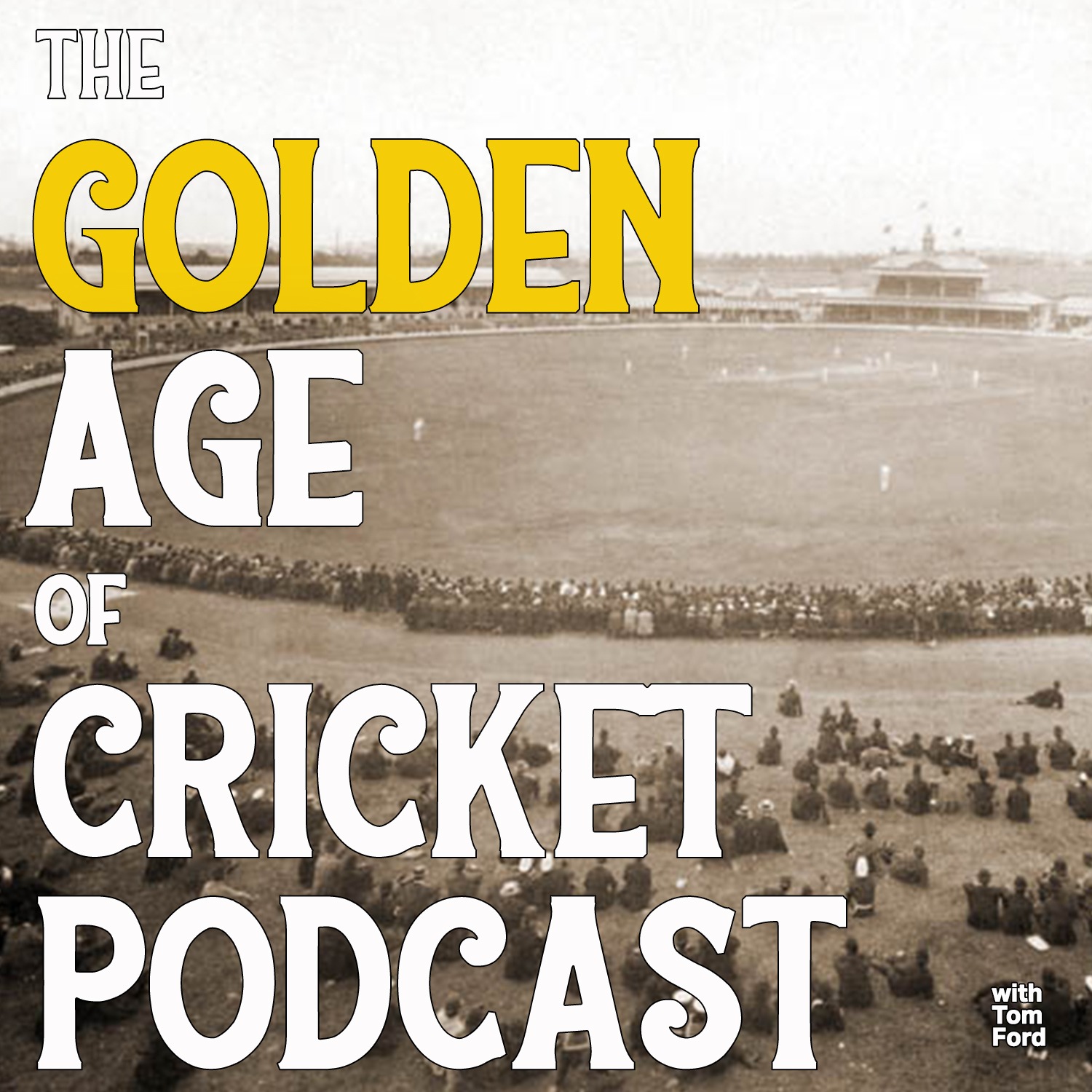
The Sydney Cricket Ground – Part 3 – with Geoff Armstrong
Jun 100:22:46Tap to summarizeIn this final episode dedicated to the evolution of the Sydney Cricket Ground in the nineteenth century, historian Geoff Armstrong discusses the building of the Ladies' Stand, the flurry of activity prior to the arrival of Andrew Stoddart's England XI in 1897-98 and what the future holds for the 'most beautiful ground in the world'. DONATE: You can buy Tom Ford a coffee! Every donation helps with production and inspires Tom to keep the podcast going. You can donate from a little as $5. Visit: buymeacoffee.com/GoldenAgeOfCricketABOUT GEOFF ARMSTRONG: Geoff is one of Australia’s leading sport writers and historians. His first book was A Century of Summers, the centenary history of the Sheffield Shield, released in 1992. Two years later, he co-authored The People’s Game, a history of Australia in international one-day cricket. He has co-written or edited several cricket titles on famous cricketers, including Steve Waugh, David Boon, Bob Simpson, Mike Whitney, Ian Healy and Ricky Ponting. His latest publication reflects the splendour of the SCG: a stunning two-volume account of the ground, titled, A Thing of Beauty: The Founding of the Sydney Cricket Ground. Copies are available in Australia via the Stoke Hill Press website (stokehillpress.com), Roger Page Cricket Books and by order from most specialist bookshops. In the UK, the books can be purchased from the cricket bookseller JW McKenzie (mckenzie-cricket.co.uk).CREDITS: Presenter & Producer: Tom FordAll music used in podcast comes from the University of California Santa Barbara’s remarkable collection of wax cylinder’s from the late nineteenth and early twentieth centuries, which are free to download and use. You can donate to the upkeep of these recordings via their website.
Transcribe →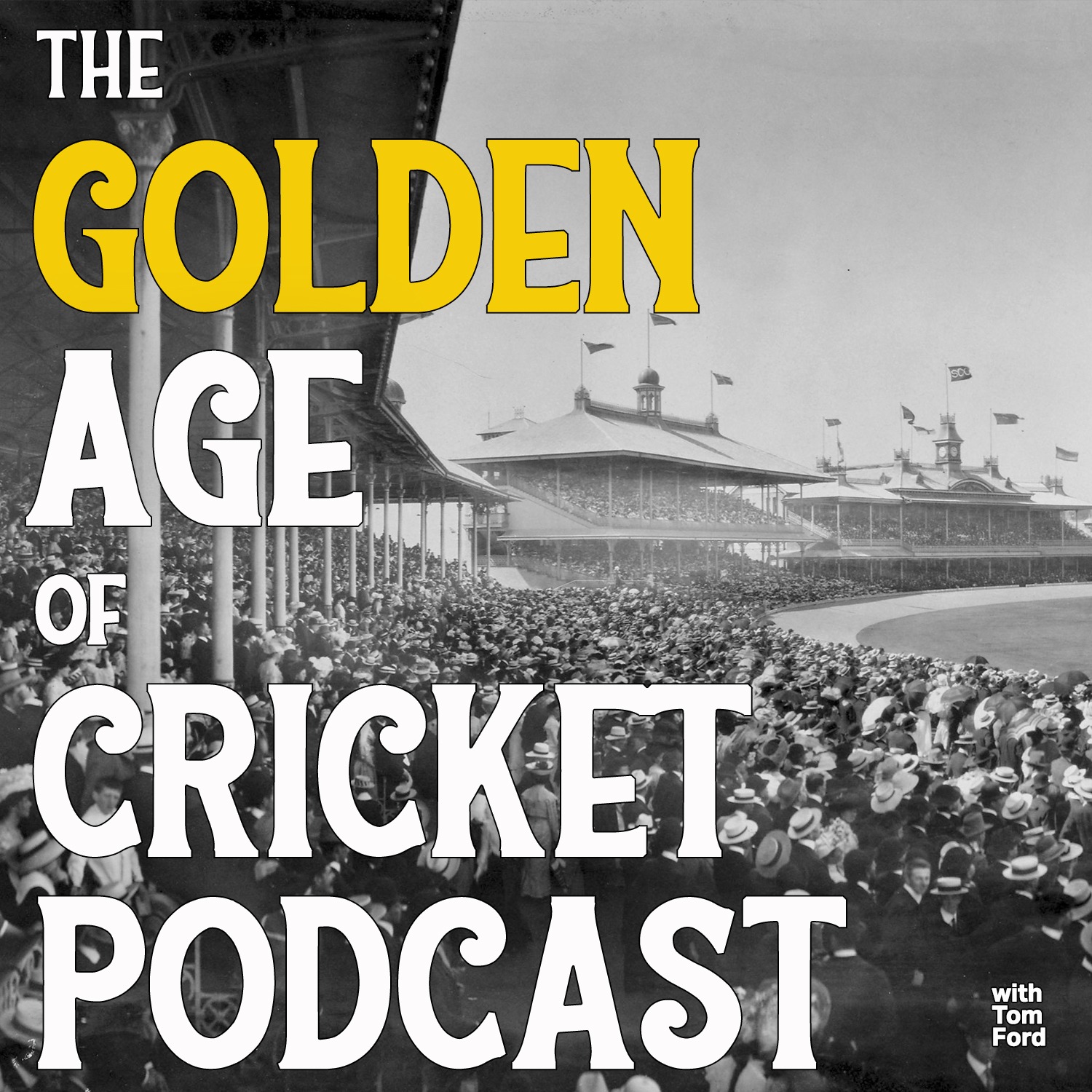
The Sydney Cricket Ground – Part 2 – with Geoff Armstrong
May 1800:32:04Tap to summarizeIn Part 2 of this exploration of the Sydney Cricket Ground's early history, Geoff Armstrong explains how the Ground came to host many other sports, the etymology of the 'Brewongle' Stand, and the curator's struggle to decide on a kind of pitch soil for the great 1894-95 Ashes series. DONATE: You can buy Tom Ford a coffee! Every donation helps with production and inspires Tom to keep the podcast going. You can donate from a little as $5. Visit: buymeacoffee.com/GoldenAgeOfCricketABOUT GEOFF ARMSTRONG: Geoff is one of Australia’s leading sport writers and historians. His first book was A Century of Summers, the centenary history of the Sheffield Shield, released in 1992. Two years later, he co-authored The People’s Game, a history of Australia in international one-day cricket. He has co-written or edited several cricket titles on famous cricketers, including Steve Waugh, David Boon, Bob Simpson, Mike Whitney, Ian Healy and Ricky Ponting. His latest publication reflects the splendour of the SCG: a stunning two-volume account of the ground, titled, A Thing of Beauty: The Founding of the Sydney Cricket Ground. Copies are available in Australia via the Stoke Hill Press website (stokehillpress.com), Roger Page Cricket Books and by order from most specialist bookshops. In the UK, the books can be purchased from the cricket bookseller JW McKenzie (mckenzie-cricket.co.uk).CREDITS: Presenter & Producer: Tom FordAll music used in podcast comes from the University of California Santa Barbara’s remarkable collection of wax cylinder’s from the late nineteenth and early twentieth centuries, which are free to download and use. You can donate to the upkeep of these recordings via their website.Show less
Transcribe →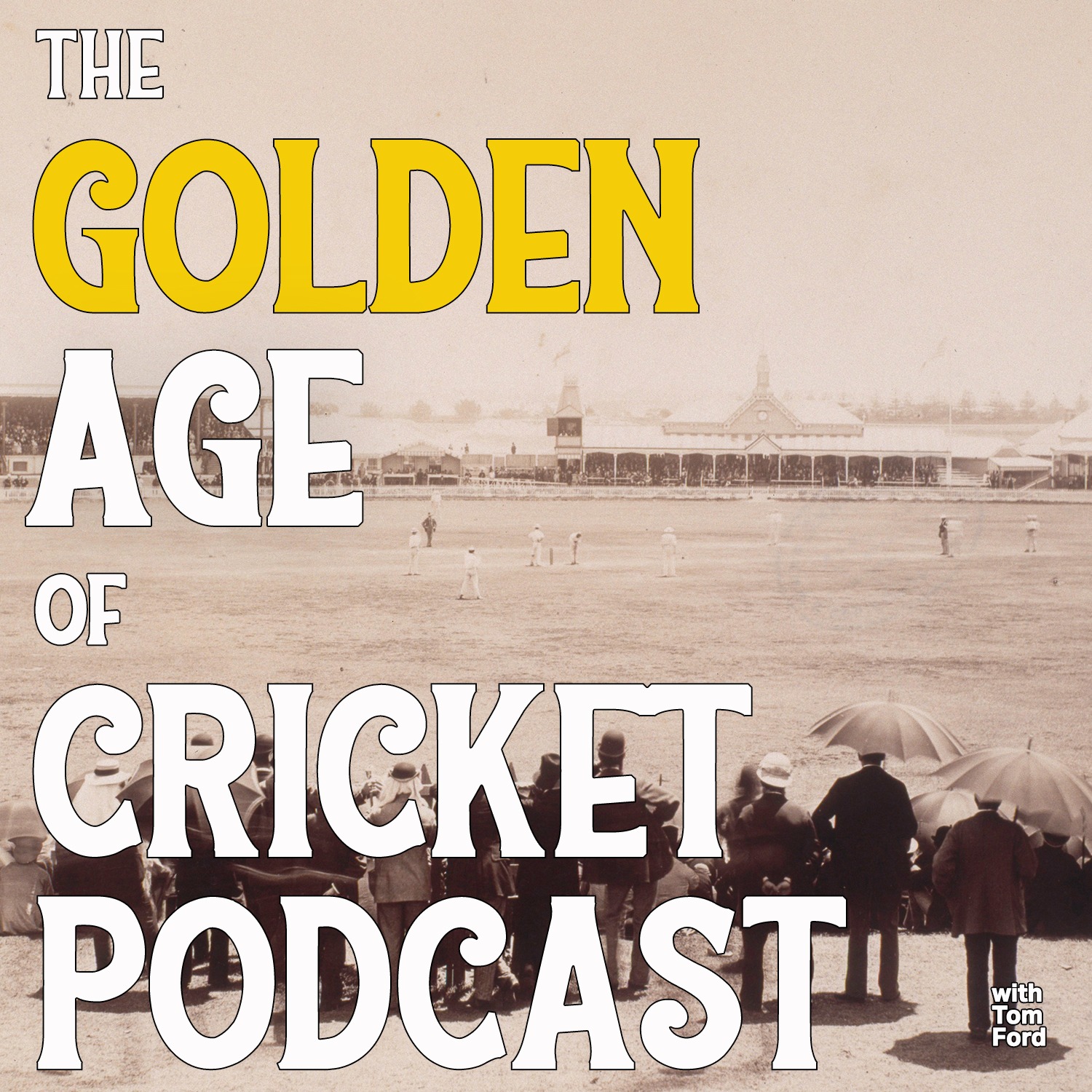
The Sydney Cricket Ground – Part 1 – with Geoff Armstrong
May 400:40:12Tap to summarizeConsistently named one of the most beautiful sport venues in the world, the Sydney Cricket Ground is a beloved gem of Australia's habour city. Yet how many of us know its full history, stretching back to the mid-nineteenth century? How did the Ground transform from a piece of recreational military land to one of the splendours of Australian sport? A fascinating discussion about an important landmark in the history of cricket.DONATE: You can buy Tom Ford a coffee! Every donation helps with production and inspires Tom to keep the podcast going. You can donate from a little as $5. Visit: buymeacoffee.com/GoldenAgeOfCricketABOUT GEOFF ARMSTRONG: Geoff is one of Australia’s leading sport writers and historians. His first book was A Century of Summers, the centenary history of the Sheffield Shield, released in 1992. Two years later, he co-authored The People’s Game, a history of Australia in international one-day cricket. He has co-written or edited several cricket titles on famous cricketers, including Steve Waugh, David Boon, Bob Simpson, Mike Whitney, Ian Healy and Ricky Ponting. His latest publication reflects the splendour of the SCG: a stunning two-volume account of the ground, titled, A Thing of Beauty: The Founding of the Sydney Cricket Ground. Copies are available in Australia via the Stoke Hill Press website (stokehillpress.com), Roger Page Cricket Books and by order from most specialist bookshops. In the UK, the books can be purchased from the cricket bookseller JW McKenzie (mckenzie-cricket.co.uk).CREDITS: Presenter & Producer: Tom FordAll music used in podcast comes from the University of California Santa Barbara’s remarkable collection of wax cylinder’s from the late nineteenth and early twentieth centuries, which are free to download and use. You can donate to the upkeep of these recordings via their website.
Transcribe →
Short Leg – Who was Bert Folkard? – Part 2
Dec 1500:25:46Tap to summarizeIn the concluding episode on Bert Folkard (1878–1937), Tom is joined by co-authors Pat Rodgers and Peter Lloyd who discuss his style as both a batsman and bowler, his selection in the Australian squad of 1914, and his life and career after The Great War. A small but fascinating chapter in the grand history of cricket. ABOUT PAT RODGERS: Pat has taught History and coached cricket at schools in Sydney for over 35 years. In 2021, The Perplexing and Tragic Life of Jack Cuffe was published and earned critical acclaim. Books on Sydney-born working-class cricketers Alex Kermode and Arthur McBeath followed.ABOUT PETER LLOYD: Peter has written extensively on cricket, winning various awards for his research and prose. Most recently, in-depth biographies of three 'Golden Age' cricketers – Warren Bardsley, Monty Noble and Charlie Macartney – have stamped him as a social historian of the highest order.DONATE: You can buy Tom Ford a coffee! Every donation helps with production and inspires Tom to keep the podcast going. You can donate from a little as $5. Visit: buymeacoffee.com/GoldenAgeOfCricketCREDITS: Presenter & Producer: Tom FordAll music used in podcast comes from the University of California Santa Barbara’s remarkable collection of wax cylinder’s from the late nineteenth and early twentieth centuries, which are free to download and use. You can donate to the upkeep of these recordings via their website.
Transcribe →
Short Leg – Who was Bert Folkard? – Part 1
Dec 100:27:50Tap to summarizeIn this episode, Tom is joined by co-authors Pat Rodgers and Peter Lloyd who have just published a gem of a biography on Bert Folkard (1878–1937), a Sydney cricketer during the Golden Age who, owing to personal and professional circumstances, never reached his full potential on the sporting field. His one chance at playing for Australia was dashed with the outbreak of the First World War in 1914. A small but fascinating chapter in the history of cricket. ABOUT PAT RODGERS: Pat has taught History and coached cricket at schools in Sydney for over 35 years. In 2021, The Perplexing and Tragic Life of Jack Cuffe was published and earned critical acclaim. Books on Sydney-born working-class cricketers Alex Kermode and Arthur McBeath followed.ABOUT PETER LLOYD: Peter has written extensively on cricket, winning various awards for his research and prose. Most recently, in-depth biographies of three 'Golden Age' cricketers – Warren Bardsley, Monty Noble and Charlie Macartney – have stamped him as a social historian of the highest order. DONATE: You can buy Tom Ford a coffee! Every donation helps with production and inspires Tom to keep the podcast going. You can donate from a little as $5. Visit: buymeacoffee.com/GoldenAgeOfCricketCREDITS: Presenter & Producer: Tom FordAll music used in podcast comes from the University of California Santa Barbara’s remarkable collection of wax cylinder’s from the late nineteenth and early twentieth centuries, which are free to download and use. You can donate to the upkeep of these recordings via their website.
Transcribe →
Gilbert Jessop – Part 3 – with Simon Wilde
Sep 300:28:34Tap to summarizeIn the third and final part to the episode dedicated to Gilbert Jessop’s legendary innings at the Oval against the Australians in 1902, author Simon Wilde discusses how he analysed the number of minutes Jessop spent at the wicket, his re-evaluation of the number of balls he faced, what Jessop achieved in the backend of his career, and whether he thinks Jessop’s great record deserves to be broken. A fascinating discussion about one the most glorified players in the history of cricket. DONATE: You can buy Tom Ford a coffee! Every donation helps with production and inspires Tom to keep the podcast going. You can donate from a little as $5. Visit: buymeacoffee.com/GoldenAgeOfCricketABOUT SIMON WILDE: Simon has been cricket correspondent of the Sunday Times since 1998. He has written 12 books, three of which were shortlisted for the William Hill Sports Book of the Year. His most recent works have been the acclaimed England: The Biography, a history of the men’s national team, and The Tour, which chronicles the England team’s travels overseas since 1877, which won the MCC/Cricket Society Book of the Year prize. His new book - Chasing Jessop: The Mystery of England Cricket's Oldest Record - has just been published, and chronicles not only Jessop’s colourful career, but forensically dissects one of the most famous individual feats in the history of the game.CREDITS: Presenter & Producer: Tom FordAll music used in podcast comes from the University of California Santa Barbara’s remarkable collection of wax cylinder’s from the late nineteenth and early twentieth centuries, which are free to download and use. You can donate to the upkeep of these recordings via their website.
Transcribe →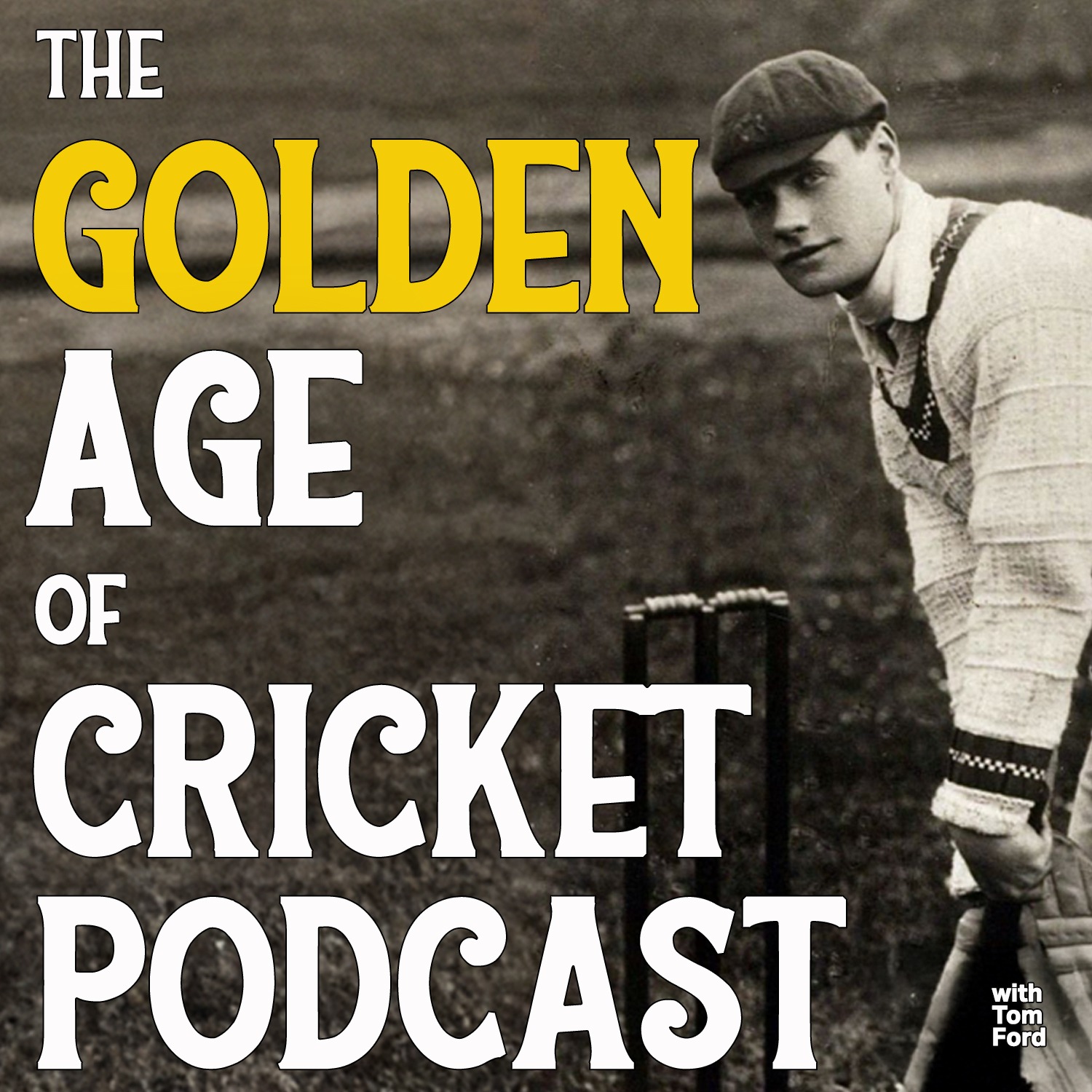
Gilbert Jessop – Part 2 – with Simon Wilde
Aug 2500:34:06Tap to summarizeIn Part 2 of my chat with historian Simon Wilde, we discuss Gilbert Jessop's form leading into the famous Oval Test match of 1902, the affect rain had on the cricket that summer, the missing scorecards from the Oval Test, and whether Jessop was shortchanged in his innings because of an English cricket Law relating to boundaries. A fascinating discussion about one the most glorified players in the history of cricket.DONATE: You can buy Tom Ford a coffee! Every donation helps with production and inspires Tom to keep the podcast going. You can donate from a little as $5. Visit: buymeacoffee.com/GoldenAgeOfCricketABOUT SIMON WILDE: Simon has been cricket correspondent of the Sunday Times since 1998. He has written 12 books, three of which were shortlisted for the William Hill Sports Book of the Year. His most recent works have been the acclaimed England: The Biography, a history of the men’s national team, and The Tour, which chronicles the England team’s travels overseas since 1877, which won the MCC/Cricket Society Book of the Year prize. His new book - Chasing Jessop: The Mystery of England Cricket's Oldest Record - has just been published, and chronicles not only Jessop’s colorful career, but forensically dissects one of the most famous individual feats in the history of the game.CREDITS: Presenter & Producer: Tom FordAll music used in podcast comes from the University of California Santa Barbara’s remarkable collection of wax cylinder’s from the late nineteenth and early twentieth centuries, which are free to download and use. You can donate to the upkeep of these recordings via their website.
Transcribe →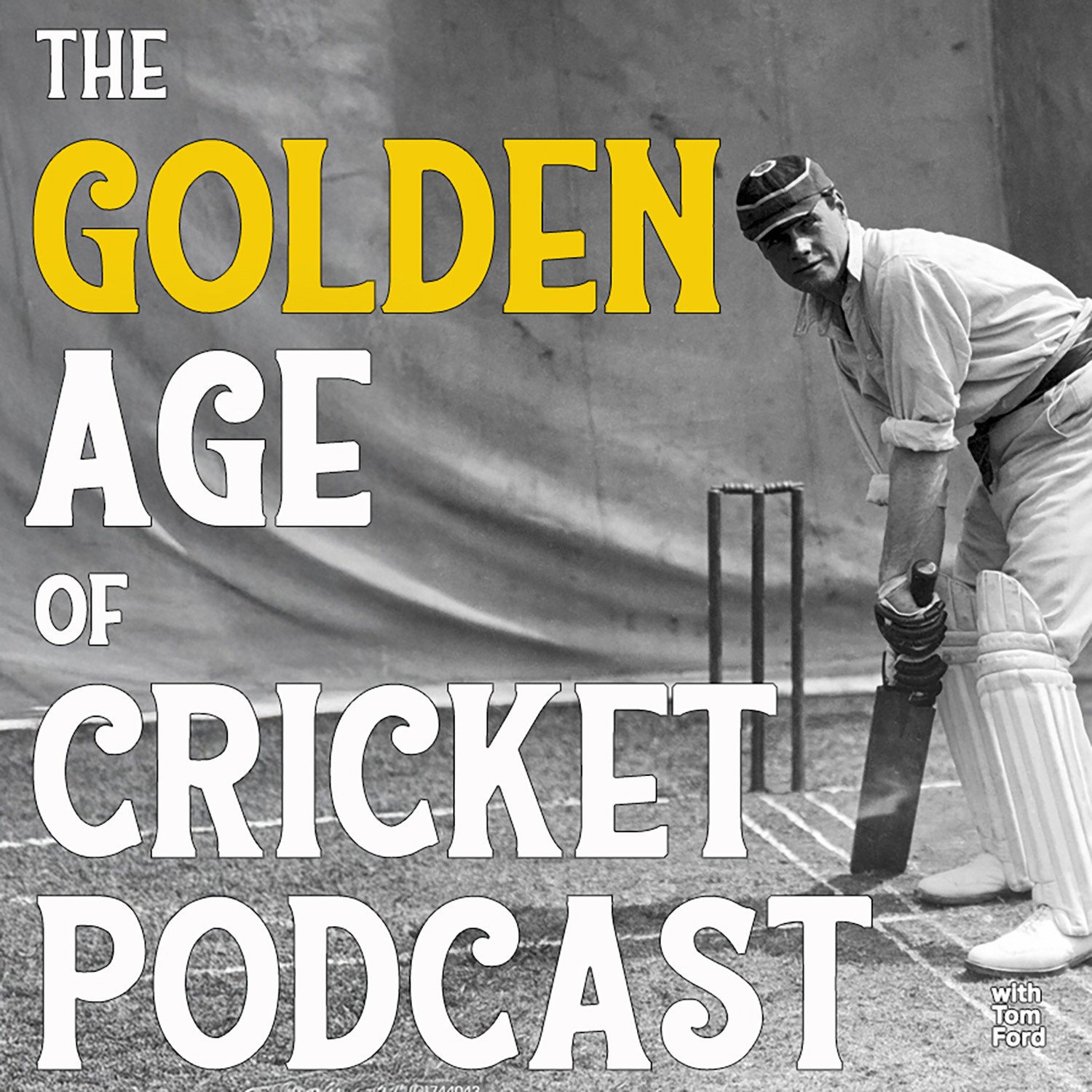
Gilbert Jessop – Part 1 – with Simon Wilde
Aug 1800:39:25Tap to summarizeThere is perhaps no English cricketer who encapsulates the spirit of The Golden Age more than Gilbert Jessop. A wildly talented all-round Amateur from Gloucestershire, whose great, improbable batting at The Oval during the Fifth Test match of the 1902 Ashes not only won the match, but established a mythical-like status for himself and the Age, which has only grown in reputation since. To this day, his match-winning century remains the quickest by an Englishman in Test cricket. In Part 1, writer Simon Wilde joins Tom to discuss Jessop's early life, his famous 'crouching' batting style, his transition from fast bowler to big-hitting batsman, and his form leading into the 1902 Ashes series. A fascinating discussion about one the most glorified players in the history of cricket.DONATE: You can buy Tom Ford a coffee! Every donation helps with production and inspires Tom to keep the podcast going. You can donate from a little as $5. Visit: buymeacoffee.com/GoldenAgeOfCricketABOUT SIMON WILDE: Simon has been cricket correspondent of the Sunday Times since 1998. He has written 12 books, three of which were shortlisted for the William Hill Sports Book of the Year. His most recent works have been the acclaimed England: The Biography, a history of the men’s national team, and The Tour, which chronicles the England team’s travels overseas since 1877, which won the MCC/Cricket Society Book of the Year prize. His new book - Chasing Jessop: The Mystery of England Cricket's Oldest Record - has just been published, and chronicles not only Jessop’s colorful career, but forensically dissects one of the most famous individual feats in the history of the game.CREDITS: Presenter & Producer: Tom FordAll music used in podcast comes from the University of California Santa Barbara’s remarkable collection of wax cylinder’s from the late nineteenth and early twentieth centuries, which are free to download and use. You can donate to the upkeep of these recordings via their website.
Transcribe →