← The Great Detectives of Old Time Radio| Daily Mystery Dramas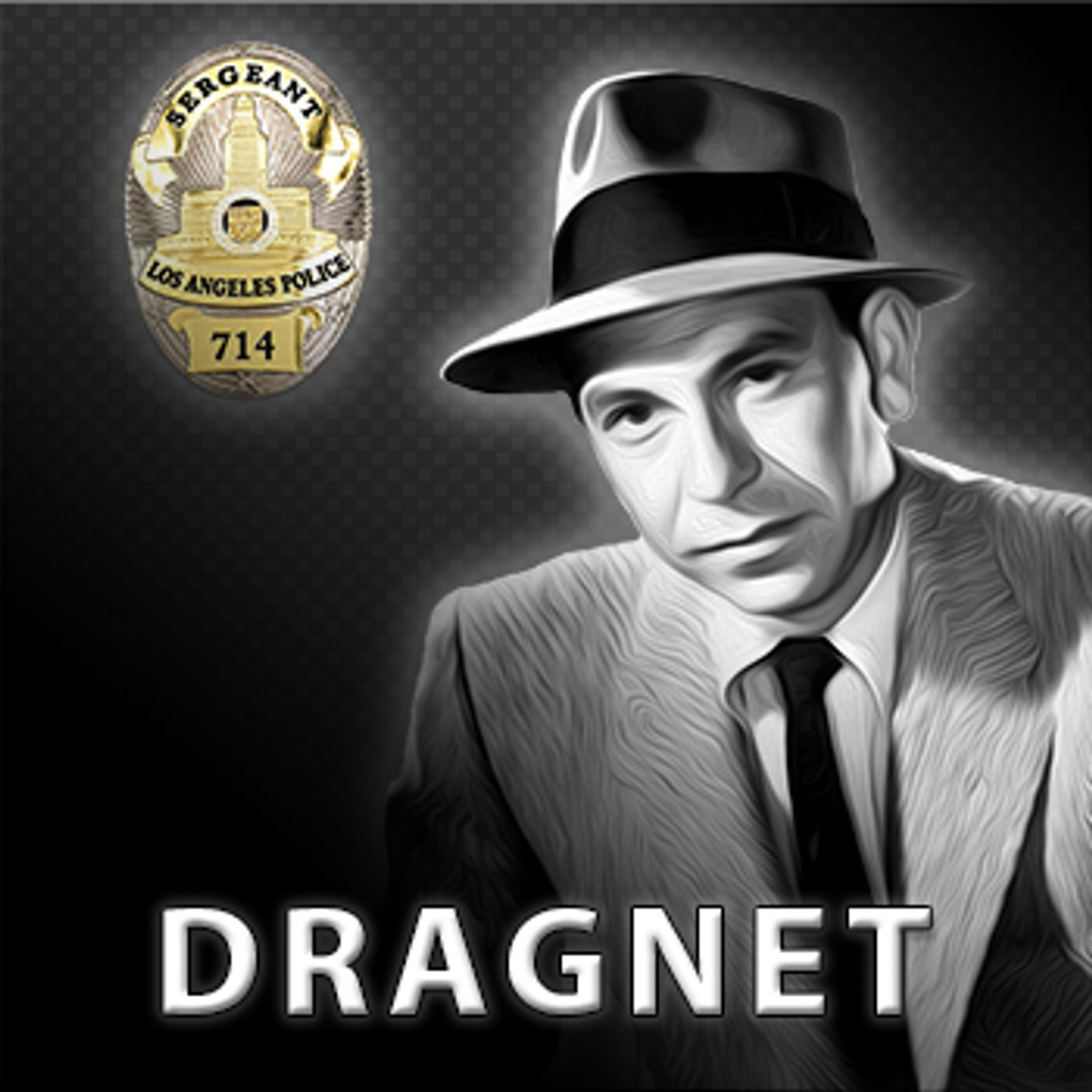
The Great Detectives of Old Time Radio| Daily Mystery Dramas
Dragnet: The Big Overtime (EP4929)
00:40:12
Todays Mystery:The daughter of a banker is kidnapped from her business school. Original Radio Broadcast Date: December 13, 1951 Originating from Hollywood Starred: Jack Webb as Sergeant Joe Friday, Barton Yarborough as Sergeant Ben Romero, Vic...
Loading summary
Transcript222 lines
- [00:00]
Grainger Procurement Manager
When you manage procurement for multiple facilities, every order matters, but when it's for a hospital system, they matter even more. Grainger gets it and knows there's no time for managing multiple suppliers and no room for shipping delays. That's why Grainger offers millions of products in fast, dependable delivery so you can keep your facility stocked, safe and running smoothly. Call 1-800-GRAINGER Click grainger.com or just stop by Grange Grainger for the ones who get it done.
- [00:30]
University Maintenance Worker
If you work in university maintenance, Grainger considers you an MVP because your playbook ensures your arena is always ready for tip off. And Grainger is your trusted partner, offering the products you need all in one place, from H VAC and plumbing supplies to lighting and more. And all delivered with plenty of time left on the clock. So your team always gets the win. Call 1-800-GRAINGER visit grainger.com or just stop by Granger for the ones who get it done.
- [01:24]
Adam Graham
Foreign. Welcome to the Great Detectives of Old Time Radio from Boise, Idaho. This is your host, Adam Graham. In a moment, we're going to bring you this week's episode of Dragnet. But first I want to encourage you. If you're enjoying the podcast, please follow us using your favorite podcast software. Our listener support and appreciation campaign continues. You can become one of our ongoing Patreon supporters for as little as $2 per month. Just go to patreon.greatdetectives.net and I want to thank our latest Patreon supporter. Thank you to Brad coming on board at the psalmist level of $4 or more per month. Thanks so much for your support, Brad. And now, from December 13, 1951, here is the big overtime.
- [02:29]
Narrator
The story you are about to hear is true. The names have been changed to protect the innocent. You're a detective sergeant.
- [02:44]
Sergeant Joe Friday
You're they're assigned a homicide detail.
- [02:46]
Detective Ben Romero
A 22 year old girl has been abducted.
- [02:49]
Narrator
Her family receives an anonymous message.
- [02:52]
Sergeant Joe Friday
The abductor demands $30,000 for the safe
- [02:55]
Detective Ben Romero
return of the girl.
- [02:56]
Sergeant Joe Friday
Your job.
- [02:58]
Detective Ben Romero
Get him.
- [03:08]
Narrator
Dragnet the documented drama of an actual crime. For the next 30 minutes in cooperation with the Los Angeles you will travel step by step on the side of the law through an actual case transcribed from official police files. From beginning to end, from crime to punishment, Dragnet is the story of your police force in action.
- [03:33]
Sergeant Joe Friday
It was Tuesday, October 18th. It was cloudy in Los Angeles. We were working the early morning watch out of homicide. My partner's Ben Romero. The boss is Thad Brown, Chief of Detectives. My name's Friday. I was on the way back from the stats office and it was 3:26am when I got to room 42. Homicide. Hi, Brian.
- [03:51]
Detective Ben Romero
Hi. Got those mug shots you wanted, Joe.
- [03:54]
Narrator
Here you go.
- [03:54]
Sergeant Joe Friday
Oh, thank you. The captain leave yet?
- [03:57]
Detective Ben Romero
They're waiting for me in the garage. You call Ben?
- [03:59]
Sergeant Joe Friday
I'm going to right now. Yeah, okay.
- [04:01]
Detective Ben Romero
I guess I better hustle it. See you out there, huh? Right. Brian. Hello?
- [04:29]
Sergeant Joe Friday
I'm sorry to wake you, Ben. This is Joe. How you feeling?
- [04:31]
Detective Ben Romero
Oh, hi, Joe. What time is it?
- [04:34]
Sergeant Joe Friday
3:30am How's a sore throat?
- [04:35]
Detective Ben Romero
Oh, it's a lot better. Ought to be back to work tomorrow.
- [04:38]
Sergeant Joe Friday
We need you now, Ben. You want to be ready in about 20 minutes, I'll pick you up.
- [04:41]
Detective Ben Romero
20 minutes. Okay. What's the matter?
- [04:44]
Sergeant Joe Friday
Man by the name of Martin Sullivan. Official down at the Third National Bank.
- [04:47]
Detective Ben Romero
What about it?
- [04:48]
Sergeant Joe Friday
He's got a 22 year old daughter. Or he had one. She's gone. Less than 14 hours before. At one o' clock the previous afternoon, Judith Sullivan was last seen driving off in a car with a man who'd represented himself as a friend of her father. At 11 o' clock that night, the Sullivan family received an anonymous letter demanding $30,000 for the safe return of the girl. It had been the only contact made thus far by the abductor. As soon as we got word of what had happened from the girl's father, a broadcast and an APB had been gotten out. The entire force throughout the city had been alerted. 3:44am I pulled up in front of Ben's house.
- [05:35]
Detective Ben Romero
Good morning.
- [05:36]
Sergeant Joe Friday
Hi.
- [05:36]
Detective Ben Romero
You made good time. Hey, where are we headed?
- [05:40]
Sergeant Joe Friday
Sullivan? Home out on Castro Boulevard. Thad Brown's out there now with Brian.
- [05:44]
Detective Ben Romero
Any leads to go on?
- [05:45]
Sergeant Joe Friday
No, not so far. The girl disappeared a little before one o' clock yesterday afternoon. Note from the abductor came through last night. They're asking 30,000.
- [05:53]
Detective Ben Romero
I don't get it. Sullivan hasn't got that kind of money.
- [05:55]
Sergeant Joe Friday
Yeah, I know. That poor guy's almost out of his mind. Mrs. Sullivan too. They're all broken up.
- [05:59]
Detective Ben Romero
He filled me in. How'd it happen?
- [06:01]
Sergeant Joe Friday
Well, the girl was taken from a business school that she goes to. Man had her called out of class. He told her father was sick. Said he was a friend of the family.
- [06:09]
Detective Ben Romero
How about the teachers? What was their story?
- [06:11]
Sergeant Joe Friday
Well, they said the girl didn't want to go with the man at first, but he finally talked her into it. Kept telling her her father was dying.
- [06:17]
Detective Ben Romero
Yeah, lousy thing. Did he use a car?
- [06:19]
Sergeant Joe Friday
Yeah, blue sedan. That's all we Know witnesses didn't get the make or the license number.
- [06:23]
Detective Ben Romero
Any description on the man?
- [06:25]
Sergeant Joe Friday
Yeah, they say about 5ft, 960, brown suit and dark hair.
- [06:30]
Detective Ben Romero
Is that all?
- [06:31]
Sergeant Joe Friday
That's it. Here's a copy of the letter that the Sullivans got. You can read it. It's the usual.
- [06:36]
Detective Ben Romero
All right, thanks. I have your daughter, Judy. Get $30,000 quick. If you want her back alive, don't call police or I'll kill her. Contact you later. Sign the Wolf. Who's he? Kid?
- [06:48]
Sergeant Joe Friday
I don't know. I could think of a better name. Here we are.
- [06:51]
Detective Ben Romero
Yeah. Who's got the original note, Joe?
- [07:00]
Sergeant Joe Friday
The Crime lab. They're checking it for prints and handwriting.
- [07:11]
Detective Ben Romero
Hi. Joe Romero in the living room. Thank you, Tom. That's the way I see it, Mr. Sullivan. You understand exactly what you have to do now?
- [07:21]
Sergeant Joe Friday
Yes.
- [07:22]
Detective Ben Romero
I'll do as you say. All right, sir. Here are the two men who help you. Sergeant Friday and Romero, Central Homicide. Hi, Mr. Sullivan. Introduced Mr. Brown. Are you sure about all this? I keep thinking he might get frightened. He might do something to her. Believe me, Mr. Sullivan, it's the only way. I know how he must feel, but we can't do anything else. All right. I want to see Mrs. Sullivan first. Will you excuse me? I'll be ready in a moment. All right, fine. What is it, Chief? Any development back here in the dining room?
- [07:55]
Sergeant Joe Friday
Yeah, that's it.
- [07:56]
Detective Ben Romero
On the table. Second note from the guy.
- [07:58]
Sergeant Joe Friday
When'd it come?
- [07:59]
Detective Ben Romero
Half an hour ago. Guy had it delivered by a special messenger. Used a plain envelope. Messenger? Kid didn't know anything about it. Doesn't remember what the guy looked like. Let's see. Joe.
- [08:08]
Sergeant Joe Friday
Yeah, I'll read. It says, meet me in Elysian Park, 5 o' clock this morning, near Balkan Drive. Come alone. Bring 30,000. We'll return. Girl. Don't tell the cops. I'll kill her if you do. It's the same signature, Wolf.
- [08:22]
Detective Ben Romero
Not much time, Chief. It's 4am Now. I know. We'll have to do as he says. There's no other way.
- [08:27]
Sergeant Joe Friday
Sullivan's going out there alone, is he?
- [08:28]
Detective Ben Romero
You're going with him. You and Romero. He'll be hidden in the trunk of his car. All right.
- [08:32]
Sergeant Joe Friday
Anything else? Any plan you want us to follow?
- [08:34]
Detective Ben Romero
Get him. That's all.
- [08:39]
Sergeant Joe Friday
4:15am Ben and I went out back to the the garage where Mr. Sullivan's car was parked. We jammed ourselves into the trunk compartment and Brian closed the door on us. The latch was rigged so that we could push open the door from the inside. A few minutes later, Mr. Sullivan came out, got in the car and we drove off. At three minutes to five, we pulled up at the designated meeting place up in Elysian Park. We waited. Nothing happened. Five minutes past 5am still nothing. Outside, it started to thunder.
- [09:11]
Detective Ben Romero
Rain starting.
- [09:12]
Sergeant Joe Friday
Man, it's windy.
- [09:16]
Detective Ben Romero
Joe, are you here? Yeah.
- [09:19]
Sergeant Joe Friday
Car coming up the road toward us. Sounds like.
- [09:23]
Detective Ben Romero
Yeah. Wait a minute.
- [09:29]
Sergeant Joe Friday
Coming over this way. Yeah. Sounds that way. Doesn't. Are you ready?
- [09:32]
Detective Ben Romero
Right.
- [09:33]
Sergeant Joe Friday
All right. Easy. Coming back here. Watch it now.
- [09:48]
Detective Ben Romero
Friday, come out. Chief, is that you? Yeah. Come on out. Meetings off. In my leg.
- [10:00]
Sergeant Joe Friday
There we go.
- [10:02]
Detective Ben Romero
Mr. Sullivan, you want to drive back home? We'll contact you there. Yes, sir. All right. Come on.
- [10:07]
Sergeant Joe Friday
Let's get over the car. What's the story? Did he scare off?
- [10:13]
Detective Ben Romero
Guy had no intention of following through with the meeting. How come? He told us he phoned a couple of minutes before 5am we tried to trace the call. He wouldn't stay on the line long enough.
- [10:22]
Sergeant Joe Friday
What do you have to say?
- [10:23]
Detective Ben Romero
A couple of things. Number one, he wants more money. Number two, he knows we're working the case. What was the reaction? Claims he doesn't care. We'll never get him anyway.
- [10:31]
Sergeant Joe Friday
Well, how's the thing stand now?
- [10:32]
Detective Ben Romero
$50,000. He wants it in the next 12 hours.
- [10:38]
Sergeant Joe Friday
More than 16 hours had passed since word of Judy Sullivan's abduction had been phoned into Homicide. During that time, an APB containing the descriptions of the suspect, his car and his victim had been dispatched to law enforcement agencies throughout the entire area. The same descriptions were being broadcast every hour. The Sullivan home had been placed under strict surveillance and Mr. Sullivan instructed not to contact the suspect without the knowledge of the police. The girl's father had raised almost $10,000 in cash to buy him off. And the serial numbers on each one of the bills had been copied by a police stenographer and rechecked by a Homicide officer. So far, the Wolf, as he called himself, had made three separate contacts. But he'd covered his tracks well. We knew he was somewhere in the city. 450 square miles of it. We knew we had to find him. 6:18am we checked back into Homicide.
- [11:32]
Detective Ben Romero
What's Dylan, Brian? Here's a copy of the letter, fellas. Special delivery came in about 25 minutes ago. Let's see, Tom.
- [11:39]
Sergeant Joe Friday
It's the same handwriting. It looks like.
- [11:40]
Detective Ben Romero
Check the postmark. Joe must have mailed it right after he grabbed a girl.
- [11:44]
Sergeant Joe Friday
Let me see. Stay away from Sullivan. If the girl's found dead, it's your fault. Stay away, Wolf.
- [11:50]
Detective Ben Romero
Can't seem to make up his mind. No.
- [11:52]
Sergeant Joe Friday
They checking the original of this for Prince? Tom?
- [11:54]
Detective Ben Romero
Yeah. No word yet. How about that second note? Anything on that? Uh huh. Stahl lifted a couple of prints. Running them through R and I. Who's watching Sullivan House now?
- [12:03]
Sergeant Joe Friday
Gomez and Thaxter. Chief's out there, too. He's still afraid the girl's father will try to make a deal with the guy.
- [12:07]
Detective Ben Romero
He tried it yet?
- [12:08]
Sergeant Joe Friday
No, not yet. Well, you couldn't blame him if he did. He's worried sick.
- [12:12]
Detective Ben Romero
I got it. Homicide. Romero. Yeah, I try. Mm. How do you spell it? Okay. Right. Yeah. Thanks a lot. Record Bureau. Those two prints Stall lifted from a letter. Ran them through the single print file.
- [12:29]
Sergeant Joe Friday
Any luck?
- [12:29]
Detective Ben Romero
They got a make.
- [12:35]
Sergeant Joe Friday
The fingerprint that was lifted from the suspect's letter was identified as belonging to a Donald Alfred Kiefer, WMA. Age 29. 5ft, 8 inches, 170 pounds. Brown eyes, dark brown hair. He had one previous arrest for forgery in Los Angeles 10 months before. the time of his arrest, Keeper's occupation was listed as bank clerk at the Third National Bank. Well, I went down the hall to the Record Bureau to pull the crime report. Brian checked by Leighton Prince to see if they'd gotten anything off the last note from the suspect. Ben went to check with Don meyer in handwriting. 7:23am Chief Thad Brown got back to the office. I showed him Kiefer's crime report.
- [13:15]
Detective Ben Romero
All right. What's the rundown on it?
- [13:16]
Sergeant Joe Friday
Well, at the time, Kiefer pulled a forgery job at the bank. Mr. Sullivan was one of the vice presidents. He was the one that preferred charges against Kiefer, and he saw that he was prosecuted.
- [13:25]
Detective Ben Romero
Where's this Kiefer now?
- [13:27]
Sergeant Joe Friday
Let me check that. He was placed on probation on May 16 this year. He returned to his home in Omaha, Nebraska. That's 1380 Mackinac Avenue.
- [13:36]
Detective Ben Romero
You call Omaha?
- [13:36]
Sergeant Joe Friday
I got the call in. Now, Ben took an exemplar of Kiefer's handwriting from the package. Don Meyer's going over it now.
- [13:42]
Narrator
Chief.
- [13:43]
Detective Ben Romero
Hi. What about that last note? I got the report right here. How's it look? Well, Stahl lifted some prints off it. Brought him out with the iodine fume gun. They match with the first. There's something else. What's that? They examine the paper for watermarks and texture. Both notes are written on the same paper. Impressions show both pieces of paper from the same tablet. Check the density of the carbon in the pencil he used. Both specimens match same pencil. Joe. Oh, hi.
- [14:08]
Narrator
Skipper.
- [14:08]
Detective Ben Romero
Hi.
- [14:09]
Sergeant Joe Friday
Did you catch up with Don Meyerbet?
- [14:10]
Detective Ben Romero
Yeah, he went over the handwriting. Looks pretty good. What's the word? It's as close as you can get. Here are the two exemplars. Mm. Slants, his crosses, double loops, His L open A's pressure on the downstroke. Donald Kiefer, the wolf. Same handwriting.
- [14:29]
Sergeant Joe Friday
By noontime, Donald Kiefer's description had been broadcast throughout the entire area. Bulletins were dispatched to all departments and a supplementary APB was gotten out. Special details were stationed at every post office in the city to watch for notes from the suspect that might come through the mail. The bus depots, railroad terminals, the airports and all main roads leading out of the city were kept under strict surveillance. The entire Los Angeles area was broken down into single square mile districts and a house to house canvas was started. A squad of men were assigned to cover each square mile. Outlying towns and cities were requested to do the same. By 4 o' clock that afternoon, one of the greatest dragnet operations in the history of the city was underway. We were sure Donald Keeper was somewhere inside. 5:12pm we got the call back from the Omaha police.
- [15:18]
Detective Ben Romero
That so? Again, please. What was that? 6X Ray 419, Nebraska plates. Right. Fine, Lieutenant. Thank you. Bye.
- [15:30]
Sergeant Joe Friday
They made the car?
- [15:31]
Detective Ben Romero
That and a lot more. The Omaha cops are looking for Kiefer too. They want him for a robbery there two months ago. He used a stolen blue sedan in the robbery. 1939 model, Nebraska plate 6X Ray 419.
- [15:42]
Sergeant Joe Friday
What about his family and friends? Have they been checked? Yeah.
- [15:44]
Detective Ben Romero
They say Kiefer left Omaha about six weeks ago. I don't know where he was headed.
- [15:48]
Sergeant Joe Friday
We better get that car. Description of communications, huh? APB and a radiogram.
- [15:51]
Detective Ben Romero
Yeah, right. Friday.
- [15:53]
Sergeant Joe Friday
Romero. Yeah.
- [15:54]
Detective Ben Romero
What are you tied up with? Just got a call back from Omaha. Macon Keefer in the car. Give it to me. You two get out to Sullivan the house fast as you can. See Harris out there.
- [16:02]
Sergeant Joe Friday
Okay. What happened?
- [16:02]
Detective Ben Romero
Mr. Sullivan? He's disappeared.
- [16:14]
Narrator
You are listening to Dragnet authentic stories of your police force in action.
- [16:26]
Sergeant Joe Friday
Wednesday, October 19, 5:48pm Ben and I drove out to the Sullivan home where we checked with Bert Harris, the man who'd been assigned to watch Mr. Sullivan. He told us that at about 3 o' clock that afternoon, the father of the missing girl had a phone call. He said he had to go down to the bank and Harris went with him. While they were at the bank, Mr. Sullivan succeeded in decoying Harris with a fake telephone call. While Harris was answering the call, Sullivan disappeared.
- [16:53]
Detective Ben Romero
Did Mr. Sullivan get any more money while he was at the bank, Burr?
- [16:56]
Adam Graham
Yeah.
- [16:56]
Sergeant Joe Friday
$5,000. Did you get the serial numbers off the bills?
- [16:59]
Detective Ben Romero
Uh huh. Shouldn't have let him get out of my sight. Forget it. Right now we gotta find out where he's gone to meet Kiefer.
- [17:04]
Sergeant Joe Friday
Did you talk to Mrs. Sullivan about it, Bert?
- [17:06]
Narrator
Yeah.
- [17:06]
Detective Ben Romero
Says she doesn't know anything about it.
- [17:08]
Sergeant Joe Friday
Where's she now?
- [17:09]
Detective Ben Romero
Back in the sitting room lying down.
- [17:10]
Sergeant Joe Friday
Now let's try her again, huh? She might be able to help.
- [17:13]
Detective Ben Romero
Okay, it's back this way. What time you got, Joe?
- [17:17]
Sergeant Joe Friday
It's five minutes past six. I'll get it.
- [17:23]
Detective Ben Romero
Hello? How's that?
- [17:25]
Sergeant Joe Friday
Yeah, where are you?
- [17:28]
Detective Ben Romero
What? Oh.
- [17:30]
Sergeant Joe Friday
Well, where are you? Where are you? All right, we'll be right out. Yeah, Mr. Sullivan, he met with Kiefer out in Laurel Canyon.
- [17:42]
Detective Ben Romero
Did he get his daughter back?
- [17:43]
Sergeant Joe Friday
Yeah, he did. Wrapped in newspaper. All units in the area were notified immediately that a contact had been made with the suspect, Donald Keefer. We got in the car and we drove out to Laurel Canyon. The entire area had been blocked off. We found Martin Sullivan standing in the middle of the road. At the end of east winding way. 500ft down the hill was a private residence where Sullivan had telephoned us. The only building in the immediate vicinity. A few yards beyond the point where East Winding Way ended back in a clump of tall grass, we found the body of 22 year old Judy Sullivan. We notified the crime lab chief, Thad Brown and the coroner. Despite the severe emotional shock, Mr. Sullivan told us the story.
- [18:28]
Detective Ben Romero
He said Judy was all right. I believed him. I wanted her back. Judy. I tricked the officer, the one watching me. Kieffer said to come alone. No police. Did you see his car, Mr. Sullivan? I wanted her back. I wanted Judy back. I did as he said. I drove out here at 6:00'.
- [18:51]
Narrator
Clock.
- [18:51]
Detective Ben Romero
I waited. I put the money on the front seat like he said.
- [18:55]
Sergeant Joe Friday
Did he get the money, sir?
- [18:57]
Detective Ben Romero
Then I got out. I left the parking lights on. I stood up there by the end of the road and I waited. And then he drove up. He took the money and then he came up to me. He had a gun. I wanted Judy back. He had a gun.
- [19:19]
Sergeant Joe Friday
Did you see his car?
- [19:20]
Detective Ben Romero
He said she was up there beyond the road. She was tied to a tree, he said. I wanted her back.
- [19:30]
Sergeant Joe Friday
Now look, Mr. Sullivan, did you see his car?
- [19:33]
Detective Ben Romero
I went to look for Judy. He drove away. She wasn't there by the tree. I couldn't find her none. Way back I saw the mum on the way.
- [19:55]
Sergeant Joe Friday
Yes, sir.
- [19:57]
Detective Ben Romero
Lord, let me find him. Oh, Lord, let me kill him.
- [20:10]
Sergeant Joe Friday
Before he collapsed completely. We showed the dead girl's father a picture of Donald Kieffer. And he identified him? Definitely. The information was immediately relayed back to Central Division and rebroadcast over our entire radio system. Teletypes were dispatched to sheriff's offices and communications sent to law enforcement agencies throughout the country. 9:52pm the house to house search was intensified. The dragnet operation in which we hoped to trap the killer was drawing slowly inward. A few minutes before midnight, Ben and I drove back downtown to the crime lab to check with Lieutenant Lee Jones.
- [20:45]
Detective Ben Romero
Hi, fellas. Come on back. Anything yet, Lee? Just checking over these tiles here. Found them wrapped around the girl's body inside the papers. Funny thing about them.
- [20:55]
Sergeant Joe Friday
What's that?
- [20:56]
Detective Ben Romero
All yesterday's papers. Every story about the girl's disappearance has been clipped out.
- [21:01]
Sergeant Joe Friday
How about the towels? Any laundry marks at all, Lee?
- [21:03]
Detective Ben Romero
Nothing so far, Joe. Every one of them clipped off. Morgue post the body yet? They're doing it now. Nasty one.
- [21:11]
Sergeant Joe Friday
Yeah, it sure is. Any footprints or tire marks out where they found the body?
- [21:15]
Detective Ben Romero
No, lots of them. Got two of the men checking them now. One thing. What is it, Lee? I don't know. Under the seam here. This towel.
- [21:25]
Sergeant Joe Friday
Wait a minute.
- [21:27]
Detective Ben Romero
Give me that pair of snippers, will you, Joan?
- [21:29]
Sergeant Joe Friday
Yeah.
- [21:30]
Detective Ben Romero
Here you go. Thanks. Press back onto the seam here. There. That's one tag he missed.
- [21:39]
Sergeant Joe Friday
Yeah. Can you read the marking?
- [21:40]
Detective Ben Romero
Greenway apartments, Los Angeles,
- [21:46]
Sergeant Joe Friday
12:34am we located the Greenway Apartments in the East Wilshire district and we checked with a manager. He identified Kiefer's mug shot, but he said he hadn't been home to the apartment since the day before. We called the crime lab and we went up to check the suspect's apartment. One look was enough. Lt. Lee Jones found specimens of the Sullivan girl's blood in the wash basin and the bathtub drains in an adjoining garage. We found the car, which Kiefer had used. A blue sedan, NE plates 6X Ray 419. A cancellation of the want order for the car was issued and a stakeout placed at the apartment in the garage in case Kiefer decided to return. All that night and into the next day, the citywide dragnet went on. Was no sign of the killer. At 10 minutes past 2 that afternoon, the first piece of ransom money showed up. It was at a used car lot on the corner of Beverly and Naylor streets. Two hours later, another piece of the money turned up at a busy Downtown department store. In both cases, the man who passed the stolen money was finally identified as Donald Kiefer. Details were strengthened in both areas where the money appeared. The search went on 6:42pm Ben and I got a call to meet Chief Thad Brown at the Hollywood Division station. Tommy Bryan from Central Homicide was with him.
- [23:00]
Detective Ben Romero
This is the way it stacks up now. This pin map over here, this is where we're concentrating to search this area here. How about the lead we had on him downtown? Didn't it work out? No. The last 20 minutes we picked up three possible leads on the man. Out in this neighborhood here. East of vine, south of Franklin, west of La Brea, north of Santa Monica.
- [23:18]
Sergeant Joe Friday
More ransom money show up.
- [23:19]
Detective Ben Romero
You got it there, Brian.
- [23:20]
Sergeant Joe Friday
Read it off.
- [23:21]
Narrator
Yeah.
- [23:23]
Detective Ben Romero
5:35 Sunset in Highland. Newsboy thought he saw a key for crossing the street. Twenty minutes later, a sales girl in a dime store up on Hollywood Boulevard thought she saw him. Ten minutes after that, he was reported seen near the intersection of Hollywood Boulevard in Las Palmas.
- [23:37]
Sergeant Joe Friday
You figure the reports are reliable?
- [23:38]
Detective Ben Romero
They were all checked out. Didn't put too much faith in them until a few minutes ago. How's that? Five dollar bill was passed at a cigar store. Hollywood Boulevard in Hawthorne. Ransom money. We've already doubled the number of men in cars in the area. Men stationed at every intersection to keep an eye on pedestrian traffic. We're covering everything. Streets, stores. Covering the whole neighborhood. For her. I'll get it. Homicide. Brian. Yeah, just a minute. You Chief? Oh, that Brian?
- [24:09]
Narrator
Yeah.
- [24:09]
Detective Ben Romero
Uh huh. Where? When was that? No, stay there. We'll be right there. Goodbye. Another piece of ransom money.
- [24:18]
Sergeant Joe Friday
Where'd it turn up?
- [24:19]
Detective Ben Romero
Theater on Hollywood Boulevard between Fairview and Hawthorne.
- [24:22]
Sergeant Joe Friday
Who passed the money? They think it was Kiefer.
- [24:24]
Detective Ben Romero
Positive. They say he's in the theater right now.
- [24:30]
Sergeant Joe Friday
The information on Kiefer was phoned into communications immediately and within a few minutes men and cars converged on the neighborhood. The 1/2 mile area around the theater was completely blockaded. Every exit and entrance to the theater was covered. 7:23pm Ben and I, along with Chief Thad Brown and Tom Bryan, met in the theater manager's office. Brown outlined our plan of operation. At 7:32pm a detail of 14 men walked down the side aisles on the main floor of the theater and took up their posts on either side of the orchestra pit. The picture was stopped and every light in the theater was turned on. Chief Brown, Brian, Gomez, Thaxter, Ben and myself went down the aisle and up onto the stage. Chief Brown made the announcement Ladies and
- [25:14]
Detective Ben Romero
gentlemen, will you hold it quiet for a minute, please? We're sorry to interrupt the picture, but this is a very important matter. We're police officers. Maybe you've read about it in the papers. A girl by the name of Judy Sullivan was abducted and murdered day before yesterday. We think we've traced the man who murdered her to this theater. We believe he's in this theater. Now, we're going to search the theater row by row. And we'd like to ask your cooperation. No need to be panicky or afraid. Those who wish to leave now may do so. Leave by the main entrance. Each one of you will be checked as you go out the door. For the benefit of the man we're looking for, don't try to escape. Every exit is covered. The entire area is blockaded. Don't place any more lives in jeopardy. All right, now. Hey, right there. There he goes. There. Outside exit.
- [26:04]
Sergeant Joe Friday
Come on, Ben.
- [26:09]
Detective Ben Romero
Backstage Joe. We can make it from here.
- [26:11]
Sergeant Joe Friday
All right, come on through here. Down here.
- [26:15]
Detective Ben Romero
Right with you.
- [26:18]
Sergeant Joe Friday
In here. Come on over here.
- [26:30]
Detective Ben Romero
Air conditioning unit for the theater?
- [26:32]
Sergeant Joe Friday
Yeah. I don't see them, do you?
- [26:34]
Detective Ben Romero
He can't get out. There's just two exits. We got them both covered.
- [26:40]
Sergeant Joe Friday
Look out.
- [26:41]
Detective Ben Romero
There he is. All right, Keeper, hold it. All right, throw your gun over here. Come on, throw it out.
- [26:53]
Sergeant Joe Friday
Okay, I got it.
- [26:54]
Adam Graham
You got it?
- [26:54]
Detective Ben Romero
Don't shoot.
- [26:56]
Sergeant Joe Friday
All right, let's take him.
- [26:57]
Detective Ben Romero
Yeah. All right.
- [26:59]
Narrator
Okay.
- [26:59]
Detective Ben Romero
You got my gun?
- [27:00]
Narrator
I didn't mean to shoot at you.
- [27:01]
Detective Ben Romero
You forced me to put the cuffs up. Yeah, right. Get your hands off of me.
- [27:06]
Sergeant Joe Friday
All right, Keeper.
- [27:07]
Detective Ben Romero
Got the same for you, too. All right, now.
- [27:10]
Sergeant Joe Friday
Hold it. All right, Ben.
- [27:12]
Detective Ben Romero
You all right? Yeah.
- [27:13]
Sergeant Joe Friday
All right, try the cuffs on him now, huh?
- [27:14]
University Maintenance Worker
Yeah.
- [27:14]
Detective Ben Romero
Huh? Got him, huh? Yeah. It's a rough one. Hey, it's starting to rain again. It's really pouring out there.
- [27:21]
Narrator
Yeah.
- [27:22]
Detective Ben Romero
Guess we better get him out the car, huh?
- [27:24]
Sergeant Joe Friday
What's the hurry?
- [27:25]
Detective Ben Romero
How do you mean?
- [27:26]
Sergeant Joe Friday
Why spoil a good rain?
- [27:35]
Narrator
The story you have just heard was true. The names were changed to protect the innocent. On January 19, trial was held in Superior Court Department 87, City and County of Los Angeles, State of California. In a moment, the results of that trial. Donald Alfred Kiefer was tried and convicted of murder in the first degree. And on the recommendation of the jury, he received the death penalty. He was executed in the lethal gas chamber at the State Penitentiary, San Quentin, California. You have just heard, Dragnet. A series of authentic cases from official files. Technical advice comes from the office of Chief of Police W.H. parker, Los Angeles Police Department. Barton Yarborough as Sergeant Ben Romero. Also heard were Whit Connor and Vic Perrin. Script by Jim Moser. Music by Walter Schumann. Hal Gibney speaking.
- [28:49]
Detective Ben Romero
Counterspy fights international intrigue Next on NBC.
- [28:59]
University Maintenance Worker
This is the story of the 1. As a maintenance tech at a university, he knows ordering from multiple suppliers takes time away from keeping their arena up and running. That's why he counts on Granger to get everything he needs, from lighting and and H vac parts to plumbing supplies all in one place. And with fast, dependable delivery, he's stocked and ready for the next tip off. Call 1-800-GRAINGER click granger.com or just stop by Grainger for the ones who get it done.
- [29:30]
Adam Graham
Welcome back. Now, this episode sounded familiar to me, and not just in the sense that I've heard it a few times already, but that it sounded like another episode. And indeed it was. And you actually have to go back to 1949 and one of the very early episodes of Dragnet. This was just when the Fatima sponsorship had started back on September 10, 1949, in the Sullivan kidnapping. Now, this wasn't so much a script reuse as you often hear on many detective programs, programs, but it took the same case. But there were some key changes that were made, and a lot of these are minor, but they add up to quite a bit. One thing is that when the ransom was paid, this was back when Raymond Burr was playing Ed Backstrand and it made the papers after she'd been killed. And he said that he hoped that it would stick in people's minds as a reminder, we don't make deals with killers. So essentially offering a bit of a condemnation of the victim's father for making the payment. In the 1949 episode, it's established that the killer had been sent to jail for forgery on the basis of the actions of the father. So this was a bit of revenge. And that's not in the 1951 version. And there's also more of the killer being like, I'm so much smarter than police. That was referenced once, but it was a much bigger element in the 1949 case. And there's a sense in which you get a lot less melodrama and a lot more just straightforward, documented case of how the crime was solved. This is kind of a testament to how Dragnet had refined itself since the beginning with these little adjustments in tone and style. Obviously, the big statement about not paying killers could come off as preachy. And Dragnet had kind of. And that was not the direction the show was going, particularly in comparison to many other programs on the air in the same genre. Now, of course, an important announcement about the launch of the Dragnet TV series. They had two episodes that were already filmed and ready for air, and Dragnet would end up on in every other week schedule for this first season, alternating with the TV version of Gangbusters, while still continuing the radio version. Well, now we turn to listener comments and feedback and we have some comments. We start on Spotify regarding the big affair, mechanic66 writes, I disagree about how to deal with the police. You politely but firmly state, I want to cooperate with you officer, but first I will need to consult with my attorney and also have him or her present at all times. That's certainly a valid approach, probably the safe approach, and again, better than sitting there trying to just snow the police with an obviously false story. And of course, there are episodes of Dragnet where with no lawyer present, the guilty person keeps giving contradictory statements to the police, which is not something that you would want brought up in court. And then Harrison adds, wow, partial cast credits is a welcome addition. It's nice when we get them. And then we have Another comment from mechanic66. This one is regarding the big Bungalow. Friday should have given the informant speech to Romero when he complained about paying for Red's lunch. I can understand the sentiment, but no, explaining it to the listener as the voice of the police is one thing, as he is informing us as people who are outside the police and have been exposed to various media myths and portraits trails what the situation with informants is with Ben Romero. He already knows. And imagine if you're a police officer and you make a complaint to your partner, he says you ought not to complain about it. The informants play this vital role in the police department. We have to respect them and we should be glad for the service they provide. That is annoying. That is not Joe Friday in the 1950s. That's Joe Friday in the 1987 movie. Plus, griping about the job is practically Romero's favorite pastime. Plus, as we'll learn later, Romero was actually the detective who helped bring Friday along on the force and really is the only partner that had an equal rank with him. You don't pull that on a mentor unless you want a very dirty look. And of course we should mention that this is Barton Yarborough's last episode that we'll hear him as Ben Romero and we'll talk more about that next week. Regarding the big hands, James says in response to one of the comments that you read. I distinctly remember an episode that took place after Miranda rights became a thing. It made for some interesting dialogue between Joe Friday and the Chief. Now, I thought of the Dragnet 1966 TV movie, but I think James was referencing an episode of the radio program which wouldn't have been referencing Miranda versus Arizona since that was decided in 1966. There was another California case in regards to the admissibility of evidence that had a big impact on Joe Friday. And it was one of the last radio episodes. The big ruling. And then the Butcher5032 asks you travel back in time to 1950. You have to produce a detective radio program and you have an unlimited budget. Give me five cast members, the theme song, the show writer, and it would be fact or fiction. Did I leave anything out? Well, no, it's tough to say because it's tough to come up with an original concept. In terms of non fiction. I don't know if there's a particular thing that stands out as a story that must be told. In terms of fiction, I think I would probably lean on a couple of adaptations. I'm not going to try to create my own noir detective. I would honestly want to make a second season of the new Adventures of Nero Wolf with Sidney Greenstreet, but I would want them to be closer to the book in terms of the tone of the story and to actually adapt stories of Rex Stout. And as I said, I'd want Greenstreet back in the main role. Honestly, I love Bob Bailey as Archie Goodwin. I think he's got a great voice for it. I love Tim Hutton in a near Wolf mystery, but the voice is very, very New York. And does it match with the profile of Archie Goodwin? As someone who comes from the Midwest, I think Bailey would evoke that better. For Inspector Kramer, I'd want Ed Begley, and for Fritz, I'd go with Hans Conrad. And if you want one that is out of this world, I would produce a Martian Manhunter radio program. Now, if you're aware of the Martian Manhunter at all, you're aware of him as a Justice League superhero from dc. However, when he was introduced in comics, he was not only a Martian, but he was a detective stranded on the planet who solved mysteries. And I think a weekly series about a Martian in mid-1950s America solving mysteries, that would be fascinating. And I think I'd have the Martian Manhunter played by Michael Rennie. Now, in terms of who would write. If you were talking about a Nero Wolf series, I'd probably pair someone who had a lot of experience with adaptation like John C. Wilson or Ernest Kanhoy with a talented mystery writer. And I'd probably want to compare samples to get just the right person. And then for Martian Manhunter, it would probably be Robert Rife and Ernest Kanhoye theme song. I would have them write an original theme tune. I would not even. Yeah, I would not pick stock music or something already existing. No, somewhere I'll find you or anything like that. We would. We would have something original, but I don't know what it would be since I wouldn't be the one writing the music. But thanks so much. Appreciate the question. Now it's time to thank our Patreon Supporter of the Day. Thank you so much to Richard, patreon supporter since October 2025, currently supporting the podcast at the Psalmist level of $4 or more per month. Thanks so much for your support, Richard. And that will do it for today. If you are enjoying the podcast, please follow us using your favorite podcast podcast software and be sure to rate and review the podcast wherever you download it from. We'll be back next Thursday with another episode of Dragnet, but join us back here tomorrow. For yours truly, Johnny Dollar, where two
- [40:21]
Detective Ben Romero
years ago, you had Curly sent up to the pen. That's right, for the Maelys department store job he pulled. Then just a few days ago, he swore that he'd get you for that, that he'd kill you, didn't he? So what happened when he escaped and came here to Hartford a few days ago? I know all about that from thanks to some quick thinking on your part, the police nabbed him instead.
- [40:38]
Sergeant Joe Friday
Plus the loot from the department store robbery.
- [40:40]
Detective Ben Romero
You know who deserves a real credit for that? The girl I had a date with tonight. Until you spoil things with your phone call. Johnny, as you know, either you or the police wounded Curly Waters, which is why he was taken to the hospital and placed under guard instead of being locked up. So, well, Mr. Wells, I see you managed to locate him. Yes, Lieutenant. You okay, Dollar? Any reason why I should shouldn't be? Howie, has Mr. Wells told you what's happened? No, but I think I can guess. Curly Waters escaped from the hospital. Yes. I had three good men there watching over him, but he managed to get by them. How? With help. One of his old cronies, Gimpy Taylor. Yes, Gimpy created a disturbance out in the hall, and when they went after him, Curly crashed out through the window. When they went back in after him, Gimpy took it on the lamb. Three good men did you say, I
- [41:26]
Adam Graham
hope you'll be with us then. In the meantime, send your comments to box13eightdetectives.net Follow us on Twitter radiodetectives. Check us out on Instagram instagram.com greatdetectives From Boise, Idaho, this is your host, Adam Graham signing off.
- [41:43]
Grainger Procurement Manager
This is the story of the One As a procurement manager for a hospital system, she keeps every facility in her network stocked and ready. That's why she counts on Grainger to be her single source for thousands of products, from disinfectants to lighting, air filters, and more. And with fast, dependable delivery, Grainger helps her keep every facility stocked, safe and running smoothly. Call 1-800-GRAINGER Click grainger.com or just stop by Grainger for the ones who get it done. When you manage procurement for multiple facilities, every order matters. But when it's for a hospital system, they matter even more. Grainger gifts and knows there's no time for managing multiple suppliers and no room for shipping delays. That's why Grainger offers millions of products in fast, dependable delivery so you can keep your facility stocked, safe and running smoothly. Call 1-800-GRAINGER Click grainger.com or just stop by Grainger for the ones who get it done. This is the story of the One As a procurement manager for a hospital system, she keeps every facility in her network stocked and ready. That's why she counts on Grainger to be her single source for thousands of products, from disinfectants to lighting, air filters, and more. And with fast, dependable delivery, Grainger helps her keep every facility stocked, safe and running smoothly. Call 1-800-GRAINGER clickranger.com or just stop by Grainger for the ones who get it done.