
Podcast
The Grind Chronicles
Hosted by UpwardAudio · EN
Introducing “The Grind Chronicles” Podcast: Stories of Struggle, Triumph, and Unyielding Determination Welcome to The Grind Chronicles, the ultimate podcast that delves into the unfiltered realities behind the success stories of the world’s most influential individuals. In a world often captivated by the glamour of success, this podcast pulls back the curtain to reveal the relentless grind, sacrifices, and resilience that underpin these achievements. (RSSVERIFY)
82episodes
Episodes
Newest firstAll episodes
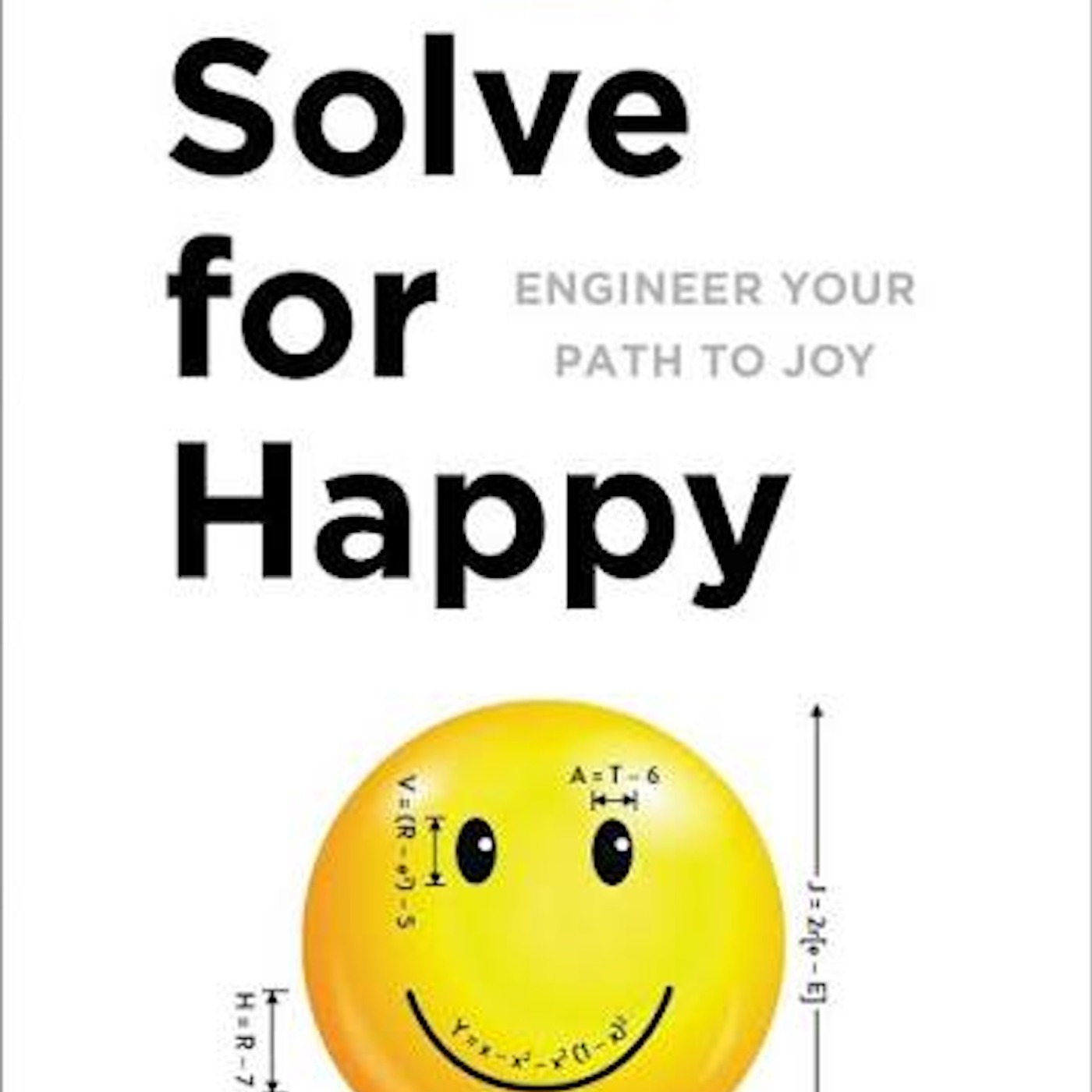
Solve for Happy by Mo Gawdat
Yesterday00:21:28Tap to summarizeThe provided text introduces Solve for Happy, a book by former Google executive Mo Gawdat that applies an engineering mindset to the pursuit of joy. Following the tragic and preventable death of his son, Ali, Gawdat codified a decade of research into a replicable Happiness Equation designed to withstand even the most profound grief. He posits that happiness is the human default state, which is frequently obscured by a "pile of rocks" consisting of societal pressures and false beliefs. Through an analytical lens, Gawdat argues that happiness is not a byproduct of material success, but rather the result of our perceptions of events meeting or exceeding our expectations. Ultimately, the author invites readers to unlearn harmful habits and restore their "factory settings" to achieve a consistent state of peace and contentment.Advertising Inquiries: https://redcircle.com/brandsPrivacy & Opt-Out: https://redcircle.com/privacy
Transcribe →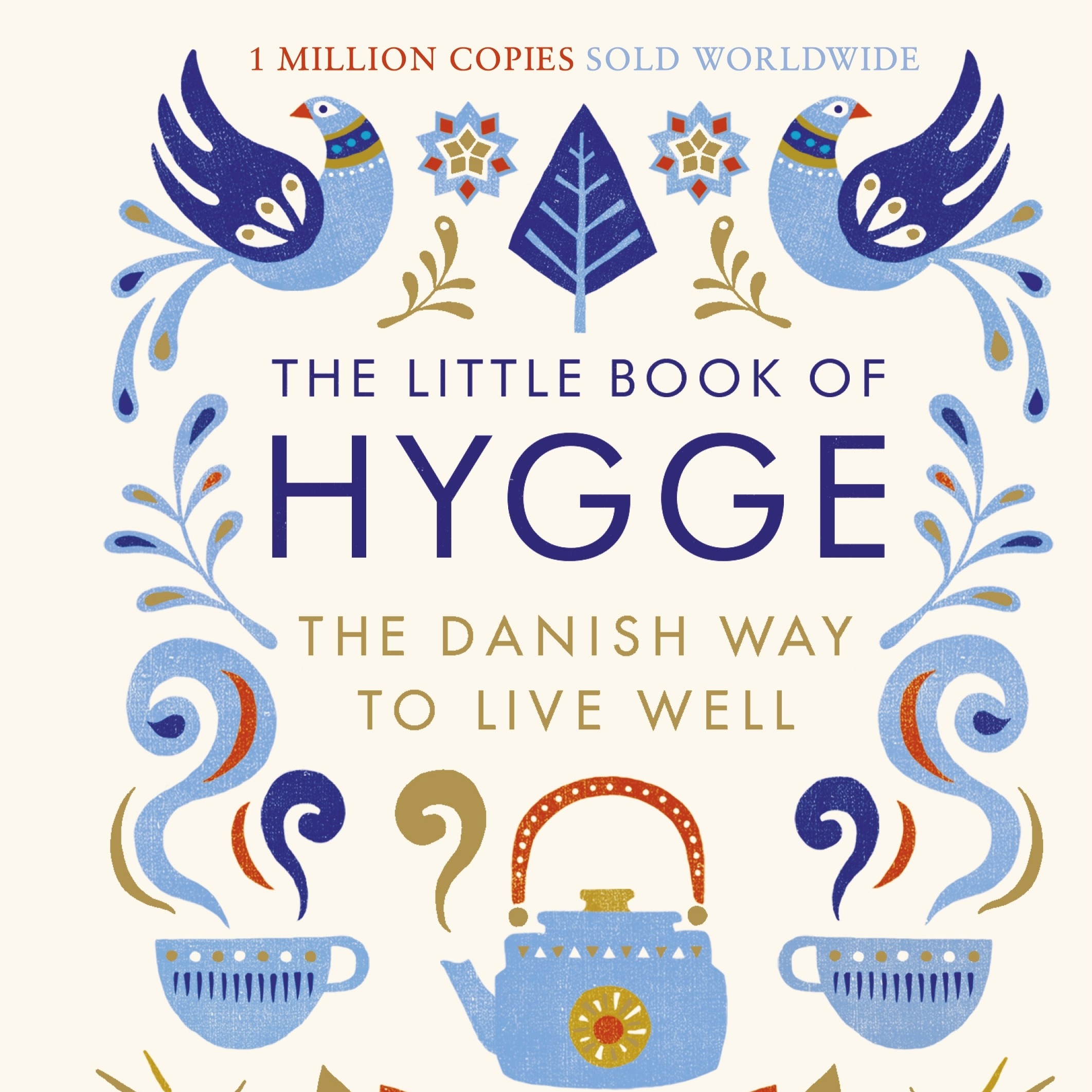
The Little Book of Hygge by Meik Wiking
3d ago00:24:07Tap to summarizeMeik Wiking’s The Little Book of Hygge explores the Danish concept of well-being through the lens of a unique cultural lifestyle. The author, who leads the Happiness Research Institute, explains that hygge is an atmosphere of comfort and safety rather than a collection of material objects. Essential elements like candles and strategic lighting serve as critical tools for creating this cozy environment, especially during the country’s dark winters. The text highlights how social connection, shared food, and a sense of togetherness are fundamental to Danish happiness. Furthermore, the source discusses how the Danish language utilizes specialized compound words to integrate this feeling into everyday life. Ultimately, the book presents this lifestyle as a survival strategy and a key reason why Denmark consistently ranks among the happiest nations globally.Advertising Inquiries: https://redcircle.com/brandsPrivacy & Opt-Out: https://redcircle.com/privacy
Transcribe →
The Little Prince by Antoine de Saint-Exupery
5d ago00:22:44Tap to summarizeThis excerpt from The Little Prince by Antoine de Saint-Exupéry explores the profound disconnect between the imaginative world of children and the rigid logic of adults. The story is told by a narrator who abandoned a painting career as a child because grown-ups could only see a mundane hat instead of a boa constrictor digesting an elephant. Years later, after crashing his plane in the Sahara Desert, the pilot encounters a mysterious little prince from another planet who immediately understands his drawings. Their meeting begins with a request to draw a sheep, leading the narrator to rediscover his creative spirit while learning about the boy’s home on Asteroid B 612. Through this interaction, the text emphasizes that understanding life requires looking beyond mere numbers and surface appearances to see with the heart.Advertising Inquiries: https://redcircle.com/brandsPrivacy & Opt-Out: https://redcircle.com/privacy
Transcribe →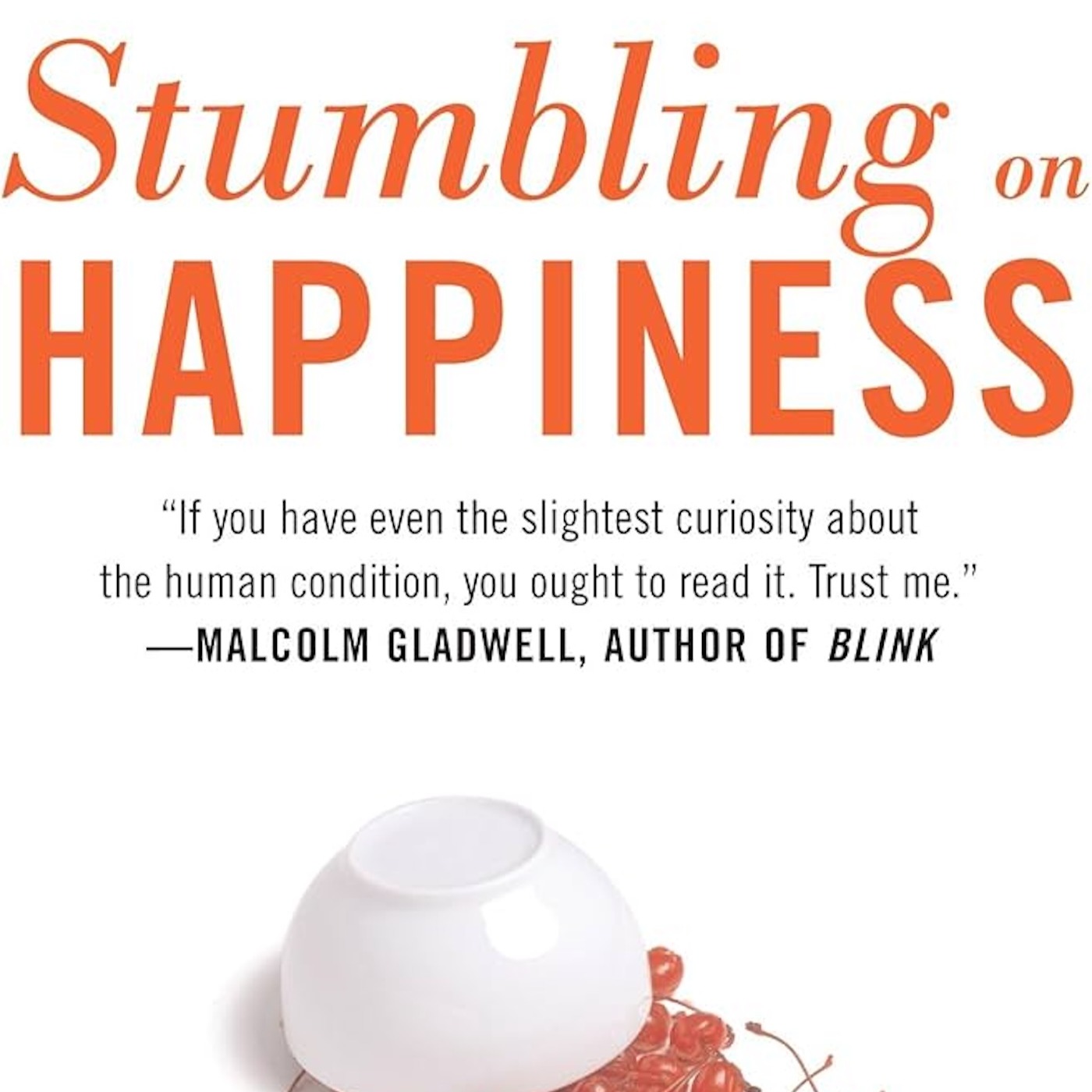
Stumbling on Happiness by Daniel Gilbert
1w ago00:21:42Tap to summarizeIn the book Stumbling on Happiness, psychologist Daniel Gilbert explores the unique human capacity for prospection, or the ability to imagine and simulate the future.He argues that while the frontal lobe acts as a biological time machine allowing us to look ahead, our internal forecasts are often flawed and systematic in their errors. These "illusions of foresight" occur because the brain relies on subjective experiences and imperfect memories that fail to accurately predict what will truly make us happy.Gilbert draws on fields like neuroscience and behavioral economics to explain why our future selves often disregard the choices we make today. Ultimately, the text suggests that we "stumble" upon happiness rather than finding it through careful planning, because we struggle to transcend our current mental state when envisioning tomorrow.Advertising Inquiries: https://redcircle.com/brandsPrivacy & Opt-Out: https://redcircle.com/privacy
Transcribe →
The Midnight Library by Matt Haig
1w ago00:22:20Tap to summarizeThe provided text consists of excerpts from Matt Haig’s novel, "The Midnight Library," which explores the life of Nora Seed, a woman overwhelmed by despair and regret. Following a series of personal failures and the death of her cat, Nora decides to end her life, only to find herself in a mystical library existing between life and death. This infinite space, overseen by a familiar librarian, contains countless books representing the alternate realities Nora could have experienced had she made different choices. The narrative follows Nora as she begins to "try on" these parallel lives, starting with one where she pursued a dream of owning a country pub with an ex-fiancé. Ultimately, the story examines the nature of regret, possibility, and the search for a life truly worth living.Advertising Inquiries: https://redcircle.com/brandsPrivacy & Opt-Out: https://redcircle.com/privacy
Transcribe →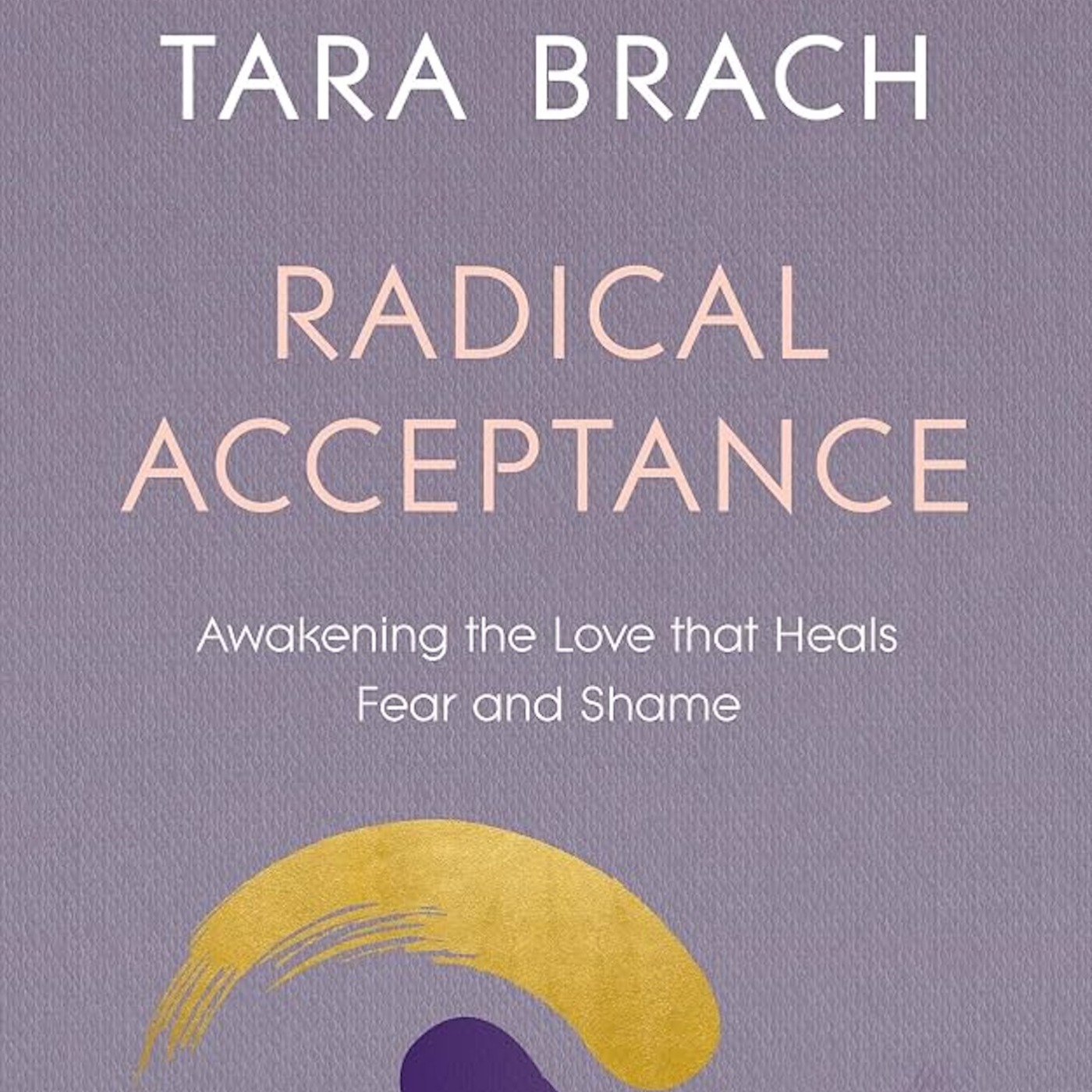
Radical Acceptance by Tara Brac
2w ago00:21:15Tap to summarizeTara Brach's Radical Acceptance explores the "trance of unworthiness," a pervasive feeling of personal deficiency that keeps individuals trapped in cycles of shame, fear, and addictive behaviors. The author argues that true healing begins by stepping out of this mental prison through Radical Acceptance, which combines mindfulness and compassion to embrace life exactly as it is. By using the "sacred pause" to interrupt habitual reactions, practitioners can face their inner "dragons" and discover their inherent Buddha nature—a source of fundamental goodness and freedom. Brach illustrates these concepts through personal narratives, clinical case studies, and Buddhist teachings, emphasizing that accepting our imperfections is the essential gateway to spiritual awakening. The text ultimately serves as a guide for transforming self-hatred into unconditional friendliness, allowing for a more authentic and connected way of living.Advertising Inquiries: https://redcircle.com/brandsPrivacy & Opt-Out: https://redcircle.com/privacy
Transcribe →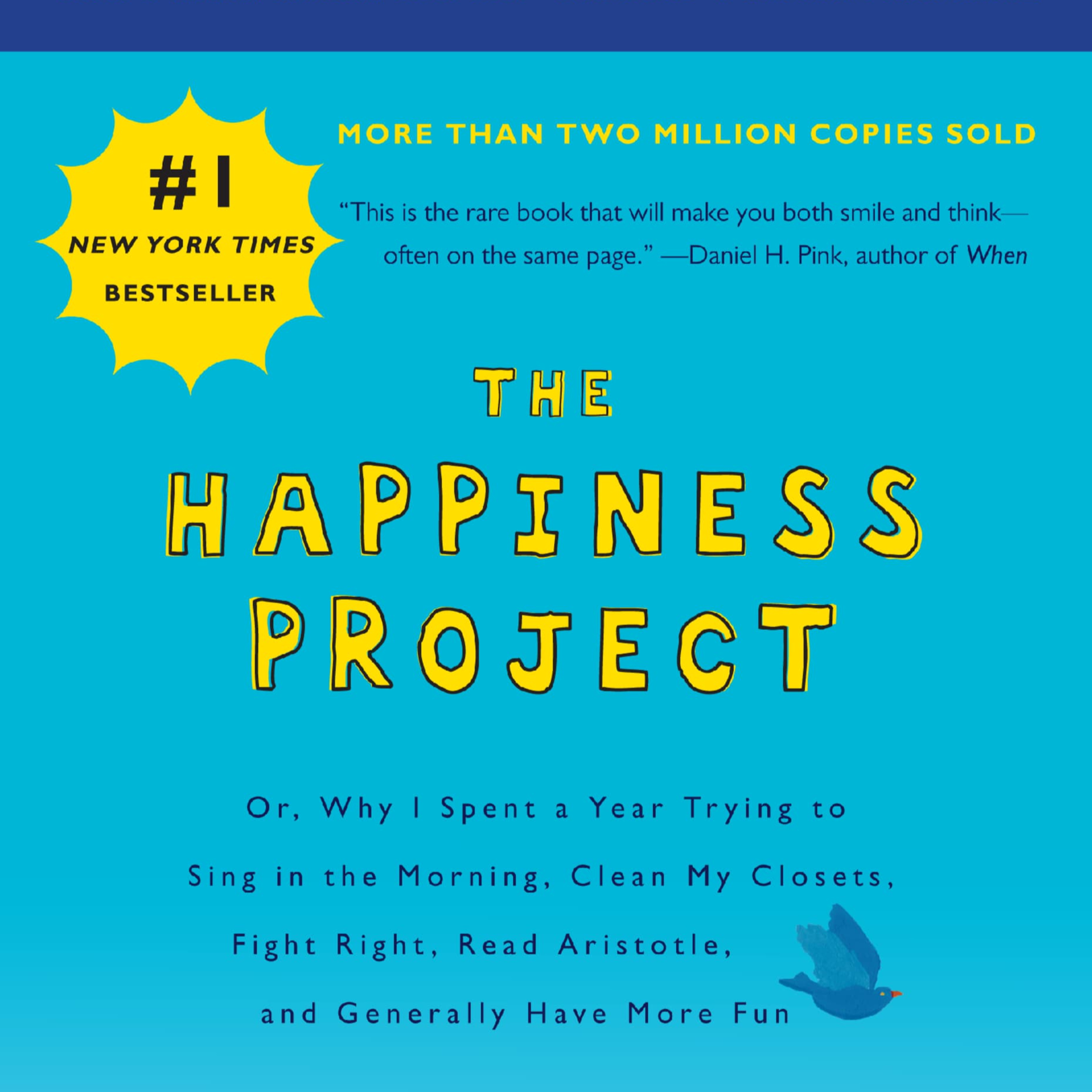
The Happiness Project by Gretchen Rubin
2w ago00:21:45Tap to summarizeThe provided text originates from "The Happiness Project" by Gretchen Rubin, offering an introspective and practical account of her year-long endeavor to increase personal happiness. Rubin outlines her methodical approach, including developing "Twelve Commandments" and "Secrets of Adulthood," and describes challenges and insights encountered through various resolutions. The excerpts touch upon diverse aspects of life, such as relationships, career changes, health habits, and managing expectations, illustrating how small, deliberate actions can contribute to overall well-being. Ultimately, the source functions as both a memoir of self-improvement and a guide for readers to embark on their own journeys toward greater happiness, emphasizing the importance of self-awareness and consistent effort. Advertising Inquiries: https://redcircle.com/brandsPrivacy & Opt-Out: https://redcircle.com/privacy
Transcribe →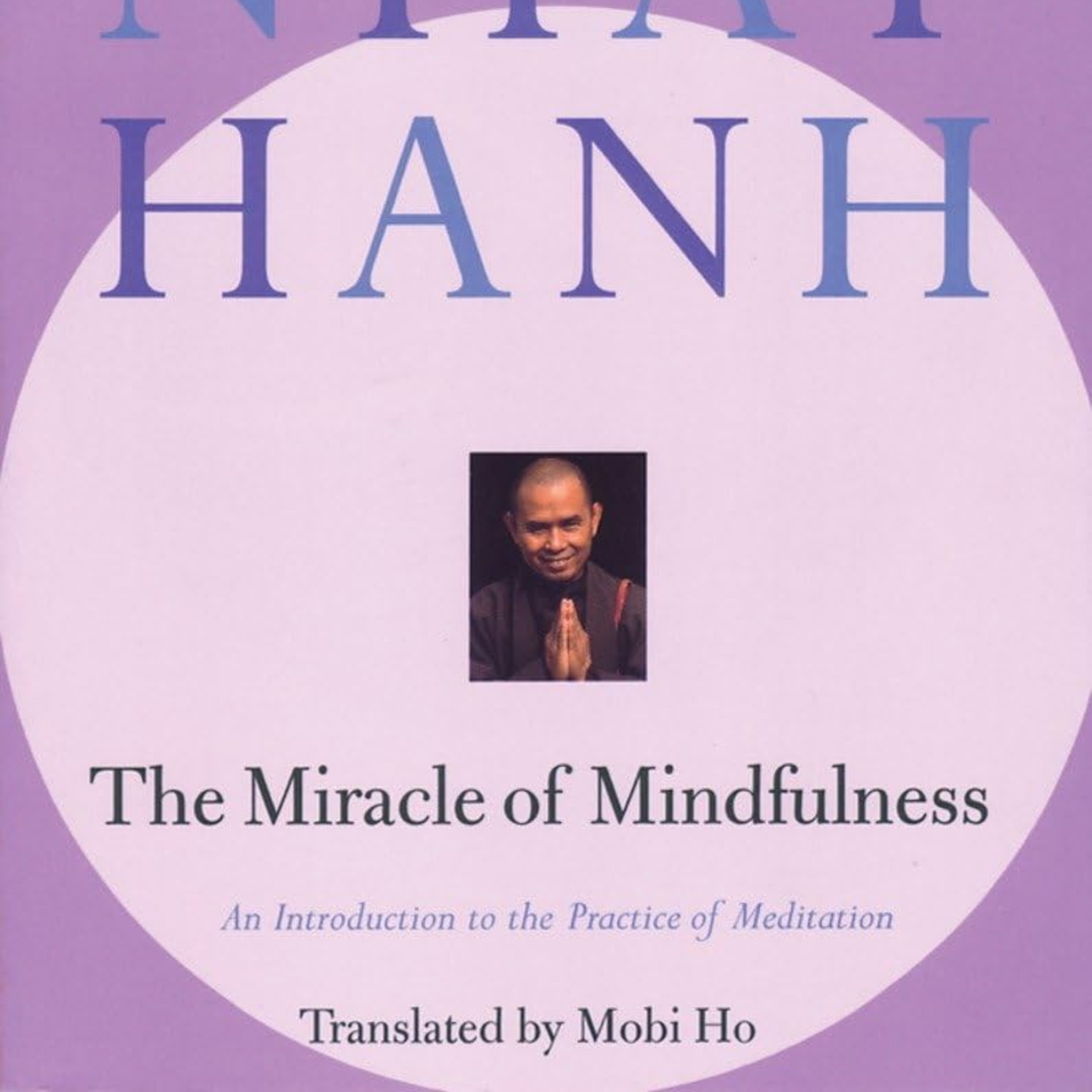
The Miracle of Mindfulness by Thich Nhat Hanh
2w ago00:31:05Tap to summarizeThis document presents Thich Nhat Hanh's "The Miracle of Mindfulness," a manual on mindfulness meditation practices. The text, translated by Mobi Ho, emphasizes integrating mindfulness into daily life through simple actions like washing dishes or drinking tea, and it includes specific exercises for cultivating awareness, such as mindful breathing and body contemplation. It also explores deeper Buddhist concepts like interdependence, impermanence, and compassion, drawing from traditional Sutras to illustrate how these principles lead to liberation from suffering and foster a non-discriminating mind. The author shares personal anecdotes and teachings to demonstrate how mindfulness can transform both individual experience and engagement with the world, promoting peace and understanding. Advertising Inquiries: https://redcircle.com/brandsPrivacy & Opt-Out: https://redcircle.com/privacy
Transcribe →
Man's Search for Meaning by Viktor Frankl
3w ago00:33:36Tap to summarizeThe provided text consists of excerpts from Viktor Frankl's "Man's Search for Meaning," a seminal work that interweaves his harrowing experiences as a prisoner in Nazi concentration camps with his therapeutic approach, Logotherapy. The book explores how individuals find meaning even in extreme suffering, asserting that a "will to meaning" is humanity's primary motivational force, contrasting with Freudian and Adlerian perspectives. Frankl illustrates, through personal anecdotes and case studies, how maintaining inner freedom and focusing on a future purpose enables survival and psychological resilience. He also introduces concepts like "existential vacuum" and "paradoxical intention," emphasizing that meaning can be discovered through work, love, or courage in the face of unchangeable suffering, advocating for a "rehumanized psychiatry" that acknowledges humanity's capacity for self-determination and transcendence beyond mere biological or psychological conditioning. Advertising Inquiries: https://redcircle.com/brandsPrivacy & Opt-Out: https://redcircle.com/privacy
Transcribe →
The Power of Meaning by Emily Esfahani Smith
3w ago00:36:34Tap to summarizeThis book explores the human quest for meaning, contrasting it with the pursuit of happiness. It investigates how meaning is found through various avenues, including close relationships and a sense of belonging, and the importance of purpose in life, often connected to helping others. The text also examines how storytelling shapes our understanding of ourselves and our experiences, particularly in transforming trauma into growth, and how transcendent experiences, whether through nature, art, or spirituality, connect individuals to something larger than themselves. Ultimately, the source suggests that cultivating these "four pillars of meaning" can lead to a richer and more fulfilling existence. Advertising Inquiries: https://redcircle.com/brandsPrivacy & Opt-Out: https://redcircle.com/privacy
Transcribe →