← The High Performance Podcast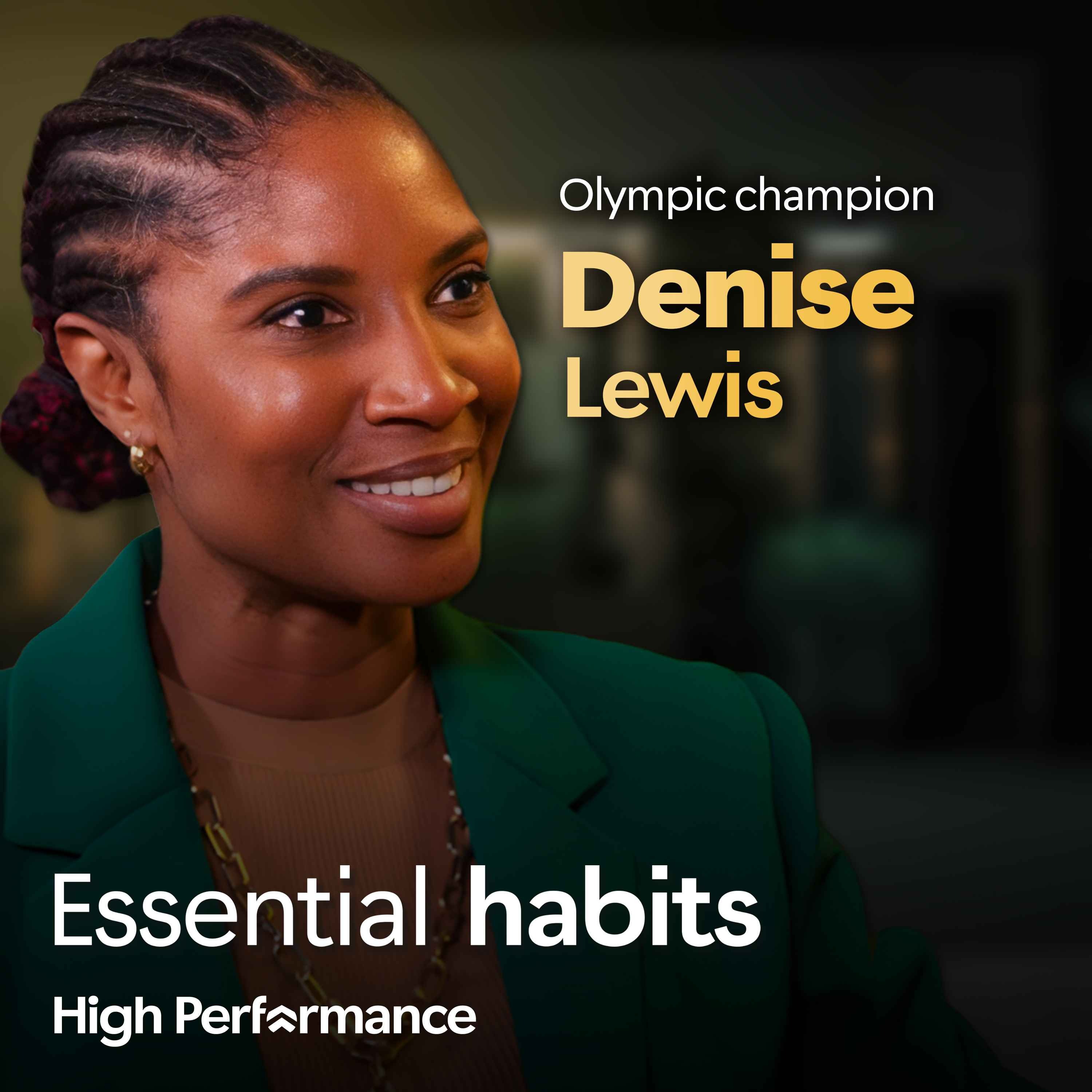
Loading summary
Transcript130 lines
- [00:00]
Verizon/Ulta Beauty/AWS Advertiser
This holiday, Verizon is helping you bundle up incredible gifts and savings. You'll get the latest phone with a new line on MyPlan and a brand new smartwatch and tablet. No trade in needed even on our lowest price plan. That's two gifts for your family and one for you. Or two for you and one for someone else. Or three gifts for you and only you. Either way, you save big on three amazing gifts at Verizon, all on the best 5G network. Visit Verizon today. Rankings based on rootmetric Truth score report dated 1 each 2025. Your results may vary. Service plan required for watch and tablet. Additional terms apply.
- [00:30]
Paige from Giggly Squad
Hey guys, it's Paige from Giggly Squad. And if you're anything like me, holiday shopping has officially started. And you know where I'm going. Ulta Beauty they have the cutest gift sets right now, like the Sol de Janeiro, Shea, Rosa and Cheer Perfume Mist trio. It smells so good. I've been misting it everywhere. On me, on the street, on my pillow. It's a whole vibe. I'm obsessed with the Tarte Kindness Cafe collector set. It's packed with everyday makeup must haves, and it's honestly too cute to wrap. And if you need a cozy little self care moment, the Moroccan Oil Hand Care Essentials kit is luxe, looks hydrating, and smells delicious. Don't worry if you can't decide right now, an Ulta Beauty gift card is the perfect gift for everyone. So whether you're gifting your bestie or yourself, make the season yours and head to Ulta Beauty. Today. Ulta Beauty gifting happens here.
- [01:19]
Land Rover Defender Narrator
Are you a trailblazer? A risk taker? Maybe someone with countless tales of epic adventure? Well, I'm not quite there yet, but I'm working on it. Even the boldest among us started off small, right? Daring themselves to reach greater goals every day. And if you're looking to take on a challenge like that, that the Defender is too. Now, I've driven a Defender for a few years. It's the best car I've ever owned. It's a vehicle built for drivers capable of great things, whether they're heading towards uncharted territory or just fancy a weekend getaway. Defender was engineered to meet challenges head on, so you can explore with confidence. It's the legendary icon of adventure, reimagined through modern design, fit for a new generation of explorers. My kids love it as much as me. It also has a tough, rigid body, tested to the extreme, a modern, functional interior built for comfort. It's a vehicle that like you is capable of great things. And with next gen technology, from 3D surround cameras to clear sight ground view, it will help you embrace the impossible. Explore the full defender lineup@land roverusa.com.
- [02:21]
Denise Lewis
I know I need a good event, so I need to be bigger, stronger, bolder, fearless in this next event. You think you see Denise Luz here, but I'm Astrid Kumbernous.
- [02:35]
Damian Thewsen
Welcome to the essential habits of high performance. Hey, I'm Damian Thewsen. In this series, I love exploring the small shifts and simple habits that help people deliver their very best when it matters the most. Today's story begins in Sydney in the year 2000. The Olympic Stadium in Homebush, where over 110,000 people are watching. And there's one British athlete facing a moment of that could have ended her.
- [03:01]
Will (Producer/Co-host)
Gold medal dreams before they'd really begun.
- [03:04]
Damian Thewsen
Her name, Denise Lewis. What she did next wasn't just about her athletic skill.
- [03:10]
Will (Producer/Co-host)
Prodigious so it was.
- [03:11]
Damian Thewsen
It was about a simple ritual that changed everything. And as we're going to discover, the science behind it can help any of us reset when things go wrong.
- [03:25]
Will (Producer/Co-host)
It's day one of the heptathlon.
- [03:27]
Damian Thewsen
Denise Lewis is Britain's great hope. She's carrying the weight of a nation on her shoulders. And in the first event, the hurdles, it went fine. Then came the high jump, the second event. As Denise approached the bar, the pressure seemed to hit. She clipped it once and then she had another go and missed it again. Every miss was brutal at this level of competition where every point matters in the heptathlon and a stumble here threatened to unravel her entire Olympic dream. Walking away, she began to feel the weight of the doubts begin to crush her.
- [04:05]
Denise Lewis
I'd had a crappy event, you know, in the high jump, and, you know, that could have really cost me the gold medal at that point, even though it was the second event. And I remember going back to my room, kicking myself and, you know, just having that moment of calm again and getting ready for the shot put, which is the third event of the heptathlon.
- [04:25]
Will (Producer/Co-host)
The weight of that mistake seemed to press down heavily on her.
- [04:28]
Damian Thewsen
But this is where something remarkable happened.
- [04:31]
Denise Lewis
For some reason, I just thought, I know I need a good event, so I need to be bigger, stronger, bolder, fearless. In this next event, which was going to be the shot put, she reached.
- [04:42]
Damian Thewsen
For her shot put shoes.
- [04:43]
Will (Producer/Co-host)
These are flat, sturdy, built for power.
- [04:46]
Damian Thewsen
And as she laced them up, she didn't just change her footwear, she changed her identity. She made a conscious decision to be Bigger, stronger, bolder and fearless for the shot put. It was like she was borrowing strength from someone else. And in that moment, Denise imagined that she was the German athlete Astrid Kumbanos, the reigning world champion shot putter.
- [05:08]
Denise Lewis
I just thought, yeah, you are Astrid. You're going to be Astrid. You're going to be strong and powerful like Astrid. I scraped my hair back. That's my power hair, you know, gelled back, strong, ready to get it. I remember my coach was gonna come and knock my door at 4pm because we had to take the bus down to the stadium.
- [05:29]
Damian Thewsen
When a coach knocked on the door, he knew he wasn't just meeting Denise, he was now meeting Astrid.
- [05:35]
Denise Lewis
I opened it with such vigour and he was like, okay. And I'm like, you think you see Denise Lewis here, but I'm Astrid Kumbernous.
- [05:46]
Damian Thewsen
He burst out laughing, but he also knew exactly what it meant.
- [05:50]
Will (Producer/Co-host)
She was ready.
- [05:52]
Damian Thewsen
Hours later, Denise strode into the stadium with a new energy source. She hurled the shot with her explosive strength, and the poor high jump performance was still part of a score, but emotionally, she put it well behind her. By the time the 800 meters came round, she crossed the line, knowing that she'd done enough. Gold, Olympic champion and all her dreams come true. Afterwards, Denise described what she called her shoe analogy. Seven events, seven pairs of shoes, and each pair offering the chance for a mental reset.
- [06:28]
Denise Lewis
I used to use my shoes when I. As soon as I put on the next pair of shoes, I become that next individual, mentally, physically, so surrounding myself with the words of that event. So let's say high jump, second event of the heptathlon. Soon, as soon as I take off the old shoes, all the baggage, all the positive or negative emotions that were wrapped around the first event of the hurdles become a past.
- [06:59]
Damian Thewsen
So why are we learning this? Well, changing shoes isn't just practical, it's a psychological trick. For Denise, it was like drawing a line in the sand, a way of saying, that moment's over, this one is now beginning. And it was a chance to let go of the past and fully step into the present, to be where her feet are. Years later, psychologists would give her ritual a name.
- [07:23]
Will (Producer/Co-host)
Enclosed cognition.
- [07:26]
Damian Thewsen
Let me paint you a picture, right? Imagine walking into a room where a plain white coat hangs on a hook. Now, to you or me, that might not look like much, but to psychologists, it became the key to unlocking a remarkable shift in human behaviour. In one famous experiment, researchers handed participants that white coat. To some, they said, this belongs to a doctor, which is obviously a profession. That's associated with precision, care and high standards. To other participants, the researchers said, it's just a painter's coat. The results were striking. Those who wore the doctor's coat suddenly performed better on attention and accuracy tests. They seemed to spot more details. They concentrated just that little bit harder. Now, the coat itself is obviously not magical, but what mattered was the meaning that people attached to it and the physical act of actually putting it on. For years, researchers have argued about whether these effects were real or whether they were just a quirk of early studies. But then, in 2025, a sweeping meta analysis of nearly 4,000 people settled the debate for good. The verdict? Well, the core idea stands. What we wear really can change how we think, how we feel and, more importantly, how we perform, especially when it carries a personal significance. Think about it. A lab coat makes us more attentive. A sports jersey primes us for competitiveness. A judge's robe signals authority. And shoes, well, shoes can anchor us to a roll, a purpose or a specific mindset. Denise Lewis had been using enclosed cognition years before the psychologist ever gave it a title. With every fresh pair of shoes, she wasn't just preparing her body for the next event, she was priming her mind. She was drawing on the symbolism and the identity and the energy which those shoes represented. And she's not alone. Serena Williams, the great tennis player, has spoken about how her outfits on court are never just about fashion. In her words, they're battle armour. When she pulls on that distinctive kit, whether it's a bold catsuit or a classic white dress at Wimbledon, she isn't just dressing to play tennis. She's stepping into the mindset of confidence, strength and intimidation. The same is true in business. Research has shown that people who wear formal business attire before negotiations don't just look more powerful to others, they feel more powerful themselves. They hold the ground longer. They make bolder offers, simply suiting up signals to their brain. I'm in charge here. So whether it's Denise's shot put shoes, Serena's battle armor or a business leader's sharp suit, the principle's always the same. What you put on the outside can transform what you feel like on the inside. This ability to reset is one of the hallmarks of resilience. And research is showing us that that it's what separates high performers from the rest. The great ones aren't those who never make mistakes. They're the ones who recover from those mistakes quickly. The golfer who can shrug off a bad shot, the footballer who can reset after missing a Penalty the speaker who can carry on after they forget a line enclosed. Cognition provides us with one tool, an extreme trigger to let go of the last chapter and begin writing the next. And Denise pairs this with acceptance.
- [10:58]
Denise Lewis
I try not to focus on the negatives too long. I recognise them, I own them. So that acceptance piece is massive. Once you accept that, okay, I feel crap, or that didn't go well, but what else can I do? What else can I own at that moment to make me feel well and better? Because as soon as you start feeling well about yourself, you have better clarity, you make better decisions for yourself.
- [11:23]
Damian Thewsen
So what can we take from Denise Lewis story then? I think there are three essential habits that any of us, whether we're Olympians or office workers, can borrow from her playbook. Number one, use symbols to reset. Now, Denise used shoes. Seven events, seven pairs, seven fresh starts.
- [11:43]
Will (Producer/Co-host)
Where each one drew a psychological line under what had happened, good or bad.
- [11:47]
Damian Thewsen
And gave her permission to move on. We could all do the same. For some people listening, it might be.
- [11:53]
Will (Producer/Co-host)
Changing your clothes when you leave work.
- [11:55]
Damian Thewsen
To signal to your brain that you're now stepping into family mode. For others, it might be closing your.
- [12:01]
Will (Producer/Co-host)
Laptop lid with the intention. It's a small but powerful act that.
- [12:04]
Damian Thewsen
Says, that's finished and I'm now present.
- [12:07]
Will (Producer/Co-host)
In what I'm doing here.
- [12:09]
Damian Thewsen
These rituals are like cues for the brain. They act like punctuation marks in your day, separating one role from another. Without them, everything just bleeds together and stress can linger. But with them, you create boundaries, and from that, it leads to clarity. Two own, then move on. What was interesting in Denise's recounting of that Olympic event wasn't that she denied her disappointment. After the high jump, she admitted to us she was kicking herself. But the key bit was she didn't wallow. She recognized it. She accepted it. And then she asked herself, what else.
- [12:48]
Will (Producer/Co-host)
Can I do now?
- [12:50]
Damian Thewsen
That habit of acknowledgment followed by release is crucial. Too many of us can spend our time trying to either bury mistakes by pretending they didn't happen, or we obsess over them endlessly. But both responses essentially keep us stuck. High performers seem to do something differently, though. They name the mistake and then they own it, and then they can move forward from it. It's not about pretending that everything's fine, but it is about refusing to let a single setback define the entire story. And then, number three, borrowed strength. This is Denise's Astrid cumbered us moment when she slipped to her back and said, I'm not Denise. I'm Astrid. She. She was borrowing the qualities she admired in another champion strength, boldness and fearlessness. Psychologists call this an alter ego effect. By stepping into a different identity, even one that we borrow in temporarily, we often find access to behaviours and mindsets that feel harder to summon up in our everyday life. Think of Beyonce creating Sasha Fierce to overcome stage fright. Or Kobe Bryant adopting the black Mamba Persona to embody ruthless competition on court. By borrowing strength from an identity bigger than ourselves, we expand the range of who we could be. So next time you face a challenge, ask yourself, who would I need to become to face this, Will? And then step into that character. You might just be a little bit surprised what you unlock. When Denise Lewis looks back on her Sydney triumph, the headlines will always focus on the medal, but for her, the true gold was in the process. The shoes, the resets and the mindset shifts. It wasn't about never faltering, it was always about refusing to let that falter define her. She put it in the box, tied the laces up on her new identity and then stepped forward. Change your shoes, change your mindset was her mantra. And that's how Denise Lewis became an Olympic champion. But that's how each of us in our own arenas can step out of a setback and step forward into strength. I'm now going to be joined by.
- [15:07]
Will (Producer/Co-host)
Our brilliant producer Will, who works with us here on the podcast since day one.
- [15:12]
Damian Thewsen
And we're going to have a listen.
- [15:13]
Will (Producer/Co-host)
To some other great lessons that Denise shared with us.
- [15:16]
Damian Thewsen
These include the power of learning to reach out when we feel a little.
- [15:19]
Will (Producer/Co-host)
Bit lost, how stillness can be a.
- [15:22]
Damian Thewsen
Superpower, and why curating an inner circle.
- [15:25]
Will (Producer/Co-host)
Of trusted people is essential for all of us on our journey to High performance.
- [15:34]
Damian Thewsen
We've just announced the latest book from High Performance Microhabits, which study the tiny changes that supercharge high Performance. Before the book's full release in January, we've got a really special opportunity for our listeners to win a behind the scenes experience here at High Performance on.
- [15:51]
Will (Producer/Co-host)
An upcoming record day.
- [15:53]
Damian Thewsen
All you've got to do is submit your proof of pre order purchase of microhabits and submit it via the link in the description. If you do that, you'll also get an extra 20% off the price of the book too. Try it. We hope to see you joining us.
- [16:07]
Will (Producer/Co-host)
Here in the studio soon. Will, you enjoyed this conversation with Denise, didn't you?
- [16:14]
Podcast Co-host
I loved it. Let's just start by saying how incredible Denise Lewis looks. I mean, she's radiant. She came in, she Got so much like confidence and personality with the team. She was wearing a beautiful green kind of suit, but she looked incredible.
- [16:32]
Will (Producer/Co-host)
The word that came to my mind when I met her, and I did say this to her, was she was just elegance personified.
- [16:37]
Podcast Co-host
Absolutely, yeah.
- [16:39]
Will (Producer/Co-host)
Yeah. In terms of nature, the way she looked, the way she interacted, just the lessons from her book she was sharing with us, I just thought she was elegant.
- [16:47]
Podcast Co-host
Yeah, she really, really was. And the Astrakumbanus identity shift thing I loved. And it was amazing seeing that in person because she just came alive and you saw her even like, do the, you know, she even like, acted it out, which I, you know, go and watch it if you get a chance. But beyond that, and what we'll get into now is that she was so open about the problems she also had after she let her, you know, retired as well. And then how she felt a little bit lost, which is pretty common, isn't it, when we've spoken to especially Olympians and it's famous, you know, the Olympian post gold kind of syndrome, post game syndrome. But when you reach an unbelievable high.
- [17:29]
Will (Producer/Co-host)
Yeah.
- [17:29]
Podcast Co-host
And have an unbelievable moment and there isn't many other more watched events than the Olympic Games, what happens afterwards?
- [17:38]
Damian Thewsen
Well, I think it's a point that everybody reaches.
- [17:40]
Will (Producer/Co-host)
I think many athletes will get there sooner than the rest of the population. That this idea of a transition, that you were once an athlete and then you're an ex athlete. And that transition, that ex does a lot of heavy lifting. You know, the ability to say, well, what am I in now that I can't compete any longer, that I don't define myself by who I am. You know, lots of people have it, maybe later in life, say, like your children flee the nest and they go off and pursue their own lives. So you're not defining yourself as a parent as much as you did when they were younger or, you know, you retire from work or you made redundant and you step away. And for many of us, learning to.
- [18:23]
Damian Thewsen
Assume a new identity can be a real challenge.
- [18:26]
Will (Producer/Co-host)
I think Denise spoke about it really eloquently, but she also spoke about how.
- [18:31]
Damian Thewsen
She got out of what her self.
- [18:33]
Will (Producer/Co-host)
Described dark period was. Let's listen to how she explains it.
- [18:37]
Denise Lewis
It's reaching out to people. I think when you're in any having setbacks or you're feeling alone or not just lost, as you call it, you know, you've got to reach out, you've got to seek help. And those are those first tentative steps of rebuilding confidence and a pathway to being a better version of yourself, or at least taking on something new, because it is quite scary. It is a lonely place when you are sort of in the doldrums and feeling miserable about yourself. And so I reached out to Baroness Sue Campbell. At the time, she was head of Youth Sports Trust, Chair at Youth Sports Trust. And she offered me that lifeline to just start working again, you know, something that I hadn't done for many years. I'd been an athlete, I'd been at the top of the world. And in that moment, I felt like I was the bottom of the food chain.
- [19:37]
Podcast Co-host
Well, firstly, Baroness Sue Campbell, who's been on Jess podcast Goldmines, she's very always referenced as being such a pivotal figure in female sport and, you know, a leader, especially of those athletes of that era. Her name has come up countless times.
- [19:56]
Damian Thewsen
I've been lucky enough to meet her.
- [19:57]
Will (Producer/Co-host)
Will, and she's almost like, emblematic of what you'd want of a leader. She's humble, she's constantly giving credit to other people. She's incredibly kind and generous. So that was my experience of her. And then I've heard Jess and obviously Denise speak about her so glowingly. But I think it's really interesting that, almost like the bit we haven't included there, but what Denise spoke about on the podcast was just by being willing to say yes, to start working again and taking on new opportunities and pushing herself out of her comfort zone while she sought a new identity, just what followed from it, she. Do you remember she spoke to us about how she was asked to do a presentation to the IOC in Singapore that eventually led to London winning the 2012 Games. And she said, last time I stood in front of a group and presented was when I was at junior school. So doing that on a global scale then allowed her to step into this new ambassadorial role that many listeners will know Denise for.
- [20:58]
Podcast Co-host
To have such an incredible high, an incredible moment, and the attention and adrenaline that comes from that and then how to. Then it's almost like a drug that you're never going to get back. In some ways, adapt into normality must be very difficult for people, but there are so many skills that you would have learned along the way. Do you remember when we spoke to Boris? I mean, that's an extreme example of, like, how someone went to prison, but I don't think I would have survived unless I had those skills that I learned as a professional tennis player.
- [21:38]
Damian Thewsen
Yeah.
- [21:39]
Podcast Co-host
For me to even get through something like this and adapt to it. So I know that does sound extreme, but You've almost got the. The yin and the yang of, like, I'll always be known for these moments. I'll always be known in everyone's eyes for doing this one thing and which is incredibly fortunate. What do I do after that? How do I get back into normal life? And then Denise, as you say, like, the. The nervousness of even presenting to people, of even, you know, standing up and talking, which I've never had to do before, where do I pull those reserves from?
- [22:09]
Will (Producer/Co-host)
I think you're tapping into something that anyone listening to this could. Adopting their own lives, that when you've.
- [22:15]
Damian Thewsen
Achieved success, so go and do an.
- [22:17]
Will (Producer/Co-host)
Almost an excavation of it and don't worry about the outcome, but worry about what did I do, what did I bring in that moment? So it might have been, I learned confidence, I learned patience, I learned to lift other people up. Whatever it is, There'll be characteristics and traits that you've learned along the way that you can take into any domain. So in Denise's case, that ability to harness nerves and channel it as excitement, she's taken that from the Olympic stage to now standing behind a podium and presenting. It's the same feeling of nerves that she'd have got before doing the high jump, but she's learned to channel it. And I think any of us can take us, our successes or achievements we're proud of and try and extract from them the values, the behaviors, the traits that are part of who we are, because that's what we can take into any domain. There was another clip that I'd like to share, which. Where Denise spoke about. We assume, like, when we think about Denise, we think about action, we think about speed, we think about power. And yet she wanted to talk about the opposite of all those things, which is stillness.
- [23:27]
Denise Lewis
You know, we haven't talked about rest and recovery and stillness of the mind, stillness of thoughts. You know, those things are equally important when you're. You're making decisions for yourself. You've got to find that stillness. It's a tool that I lean on when I'm upset or uncertain, and I can get to lie down. That's what I do just to give myself a moment to feel calm.
- [23:54]
Podcast Co-host
As you said, we focus on the action quite a lot. But actually, in a lot of the high performance chats that we have on this podcast, rest comes up quite a lot. Now, recovery, strategic rest comes up a lot. So we talk about it in performance. But you know, what I loved about how Denise talked about it is just that, you know, that wisdom that she'd learned from her grandmother. But, you know, you will find your way.
- [24:24]
Damian Thewsen
Yeah.
- [24:25]
Podcast Co-host
And that calmness and that patience, actually, is such a virtue that you will get there.
- [24:32]
Will (Producer/Co-host)
Yeah.
- [24:33]
Podcast Co-host
And, yeah, she spoke really well about that.
- [24:35]
Damian Thewsen
It's almost like the space between the.
- [24:38]
Will (Producer/Co-host)
Notes is where the music comes alive. Do you know what I mean? I think sometimes that I particularly struggle with this. I've got this idea of being addicted to busyness.
- [24:48]
Podcast Co-host
Addicted to busyness. I'm the same.
- [24:50]
Will (Producer/Co-host)
Yeah. And. And getting reminders like that from Denise of just sometimes slow down a little bit. Just stop, just. And see it as part of the process, not the opposite of the process.
- [25:01]
Podcast Co-host
Yeah. I think it's a lesson you tend to only learn later on in your life when maybe your body can't keep up at the same pace it was before. But it's something that I wish that I knew a little bit earlier.
- [25:15]
Will (Producer/Co-host)
Yeah. Well, one of them, like my. Like this will be for boxing aficionados is a guy called Archie Moore. In the 1950s, he was. He was the light heavyweight champion of the world.
- [25:27]
Podcast Co-host
I was just about to say, was he the light heavyweight champion of the world?
- [25:30]
Will (Producer/Co-host)
Exactly. Yeah. His nickname was the Mongoose. And he used to practice a technique called relaxology, and he used to do it in the ring. He'd say, just relax. So when everything feels like it's fast and furious, he would just deliberately train himself to relax so he could almost parry the punches. He could see them in slow motion and be able to respond rather than react. And I've often thought I'd like to channel a bit of Archie Moore's relaxology into my own life. I'm still learning how to do it. So Denise offers a reminder for all of us.
- [26:06]
Podcast Co-host
Yeah, it's that contrast with modern hustle culture.
- [26:11]
Will (Producer/Co-host)
I hate it. Hate this hustle culture. Constantly. Gotta be on 24 7. You never, never rest and all of that. I think it's a sickness in our society that. And we put people up on platforms that champion, that kind of thing. I think it's dangerous, and it really sort of leaves a sour taste in my mouth. So, again, I always find it reassuring that you've got these people that have scaled the heights that are telling you, you. You don't have to be constantly hustling, being patient, being still, just being silent is a superpower.
- [26:50]
Damian Thewsen
Should we listen to one more clip? I was particularly taken by Denise's story.
- [26:55]
Will (Producer/Co-host)
You know, her mother is the real heroine in her story, and I think Denise acknowledged that of. She came over from the Caribbean as a young girl herself and got pregnant and ended up sort of being thrown out of her family home and having to sort of raise Denise as a single mother when she was almost learning how to grow up herself. But that obviously meant that Denise, because her mum was working so incredibly hard to provide for her, she had to learn to make friends. And I think she was really insightful on how do you curate an inner circle that can enrich you? Let's listen to her explain that.
- [27:37]
Denise Lewis
Some people you let in and they actually don't have your best interest at heart. So, you know, you've got to lean into your gut feelings and how you feel around certain individuals. You know, I have a very hardcore nucleus of really good girlfriends, really good male friends that they just keep showing up for me when. When I need it. And it's the ability to. To give advice and not catastrophize situations. They make me think differently.
- [28:08]
Podcast Co-host
It's so important to have the right people around you. This repeatedly comes up as well. Having the right circle of people around you that you could really lean on, who will tell you maybe what you need to hear sometimes will make you think a little bit differently, but be there no matter what.
- [28:30]
Will (Producer/Co-host)
Yeah.
- [28:31]
Podcast Co-host
And I think, you know, right, if I said to you now, if you're going. If it's something like, you know, there are a couple of numbers in your phone potentially outside of your. Outside of your partner, who you would.
- [28:42]
Damian Thewsen
Who you go to 100, the 3am Club, that.
- [28:46]
Will (Producer/Co-host)
Who would you phone up at 3am and say, I'm in trouble here. And you know that they would come running for you. There's not many people in your life and nor should they be.
- [28:54]
Podcast Co-host
Yeah.
- [28:54]
Will (Producer/Co-host)
But you need to acknowledge them, recognize them and make sure you're taking care of them. Because they're the ones like you say you tell you what you need to.
- [29:03]
Damian Thewsen
Hear, not what you want to hear.
- [29:04]
Will (Producer/Co-host)
They're the ones that will have you back when you make a mistake. They're the ones that see you for who you are, not who you. Sometimes the world is convinced and I.
- [29:14]
Damian Thewsen
Think Denise was forced to curate a.
- [29:17]
Will (Producer/Co-host)
Group like that through to being a single child and growing up in. And having to be quite independent, you know, pursuing her academic studies as well as her athletics career, she had to seek out people like that. But what is interesting is how she's maintained those relationships and fostered them over.
- [29:37]
Damian Thewsen
The course of her lifetime.
- [29:38]
Podcast Co-host
Listening back to it now and how thoughtful she was in that, in those answers. And she really kind of paused in between that. You could Tell it was kind of like it was an important part of her life. And now looking through the lens of her partner and her not really being together anymore, and that had been for potentially for a while, it maybe rings a little bit more true that, you know, those people around her were really, really important.
- [30:02]
Damian Thewsen
Yeah. I mean, you know, again, if you think of Denise's story that she shared.
- [30:05]
Will (Producer/Co-host)
With us, you know, she's a mother.
- [30:07]
Damian Thewsen
Herself now, but she spoke quite powerfully.
- [30:09]
Will (Producer/Co-host)
About how one of her children is neurodiverse and how she's had to call on the support of her friendship group to help her be able to navigate some of the challenges that that inevitably brings.
- [30:25]
Damian Thewsen
So you start to see that this.
- [30:27]
Will (Producer/Co-host)
Isn'T just the domain of elite athletes that are trying to create their inner circle or their entourage.
- [30:34]
Damian Thewsen
We all need it.
- [30:35]
Will (Producer/Co-host)
We're all social creatures that needs our.
- [30:38]
Damian Thewsen
People, that we feel safe, secure, and.
- [30:41]
Will (Producer/Co-host)
That we know have got our back.
- [30:43]
Podcast Co-host
Yeah. And I love the bit when she's just, you know, when she just say those people, those friends that do make you think differently versus the people that amplify the drama of the situation. Because that rings true to certain people. Yeah, a little bit. You know, there's certain. We like, they'll amplify the drama of it and make it feel said.
- [31:03]
Denise Lewis
What?
- [31:03]
Podcast Co-host
Yeah, massive deal. Really big.
- [31:06]
Will (Producer/Co-host)
Yeah.
- [31:06]
Podcast Co-host
And then the people are like, you know, there's another side to that.
- [31:09]
Will (Producer/Co-host)
Absolutely.
- [31:10]
Damian Thewsen
And like you say, will, it's a.
- [31:11]
Will (Producer/Co-host)
Common thread that we see from so many of the guests that we're lucky enough to spend our time with. And I think it's a lesson that we should never tire of reminding ourselves of to make sure we're taking care of the people that truly matter.
- [31:25]
Damian Thewsen
Thank you for joining us here on.
- [31:27]
Will (Producer/Co-host)
The latest episode of the Essential Habits of High Performance. If there's someone in your life that you know could benefit from picking up on Denise's incredible wisdom, why not consider passing it on to them? Because understanding that changing your shoes can change your mind and changing your mind can ultimately change your life. Listen, thank you for being a part of our journey. Thanks for being part of our life. Until next time, I'm Damien Hughes. Look forward to seeing you soon.
- [31:58]
Denise Lewis
Foreign.
- [32:13]
Verizon/Ulta Beauty/AWS Advertiser
This holiday, Verizon is helping you bundle up incredible gifts and savings. You'll get the latest phone with a new line on my plan and a brand new smartwatch and tablet. No trade in needed even on our low, lowest price plan. That's two gifts for your family and one for you. Or two for you and one for someone else or three gifts for you and only you. Either way, you save big on three amazing gifts at Verizon, all on the best 5G network. Visit Verizon today. Rankings based on Root Metric Truth score report dated 1 each 2025. Your results may vary. Service plan required for watch and tablet. Additional terms apply.
- [32:43]
Paige from Giggly Squad
Hey guys, it's Paige from Giggly Squad. And if you're anything like me, holiday shopping has officially started and you know where I'm going. Ulta Beauty they have the cutest gift sets right now, like the Sol de Janeiro, Shea, Rosa and Cheer Perfume Mist Trio. It smells so good. I've been misting it everywhere on me, on the street, on my pillow. It's a whole vibe. I'm obsessed with the Tarte Kindness Cafe Collector set. It's packed with everyday makeup must haves and it's honestly too cute to wrap. And if you need a cozy little self care moment, the Moroccan Oil Hand Care Essentials Kit is luxe, hydrating and smells delicious. Don't worry if you can't decide right now. An Ulta Beauty gift card is the perfect gift for everyone. So whether you're gifting your bestie or yourself, make the season yours and head to Ulta Beauty today. Ulta Beauty gifting happens here.
- [33:31]
Verizon/Ulta Beauty/AWS Advertiser
300 sensors over a million data points per second. How does F1 update their fans with every stat in real time? AWS is how from fastest laps to strategy calls, AWS puts fans in the pit. It's not just racing, it's data driven innovation at 200 miles per hour. AWS is how leading businesses power next level innovation.