Podcast
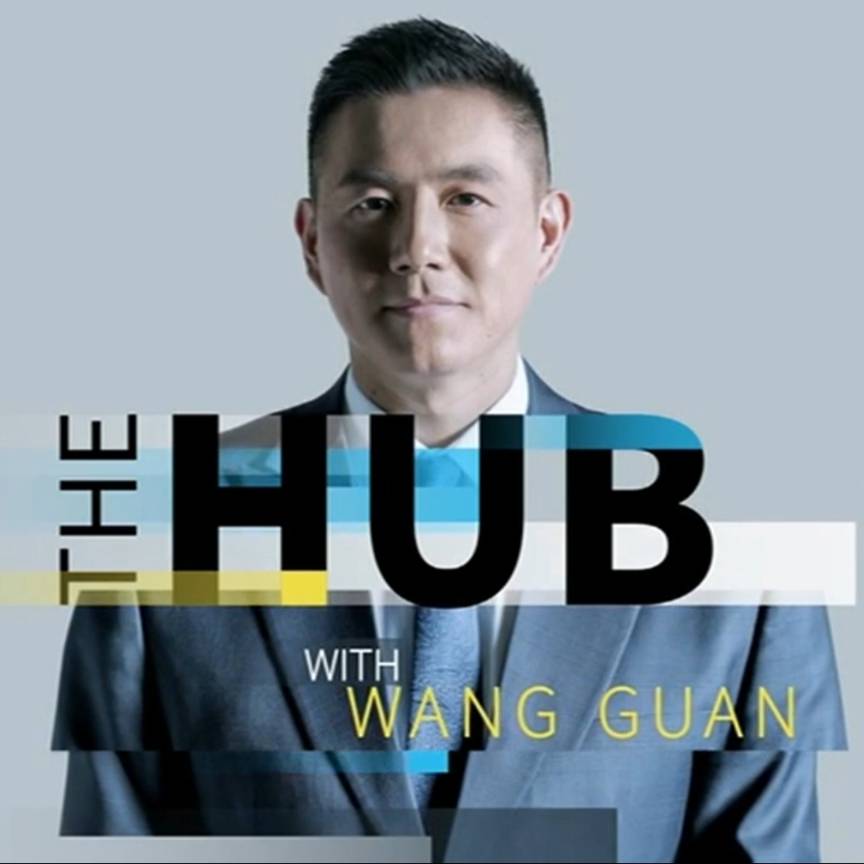
The Hub with Wang Guan
Hosted by China Plus · EN
The Hub covers hot-button geopolitical and economic issues, as well as interesting stories and trends in culture, education, technology and lifestyle. It aims to connect people, cultures and societies across the East and the West.
28episodes
Episodes
Newest firstAll episodes
Top 10 emerging technologies of 2026: AI, innovation and China's growing global role
4w ago00:26:00Tap to summarizeThe next generation of emerging technologies is reshaping science, industry, and the global economy. Which innovations are most likely to transform our lives over the next five years? How can countries harness AI and innovation at scale while strengthening international cooperation?
Transcribe →America at the crossroads
Jul 900:26:00Tap to summarizeOnce hailed as a "city upon a hill" and a "beacon of democracy," the United States has long been a nation admired, followed, and questioned. The "kill line," the ICE, and the Epstein scandal are three distinct shadows that have clouded the collective American memory in 2026. As the country marks its 250th anniversary, the world's leading power finds itself at a defining crossroads. From economic anxiety and deep identity rifts at home, to fraying alliances and eroding trust abroad, where is the country headed? And how is the world reassessing a changing America?
Transcribe →China's 15th Five-Year Plan unpacked: Growth, innovation and the global economy
Jul 700:26:00Tap to summarizeChina's 15th Five-Year Plan sets the course for the country's next stage of economic development, with a stronger focus on domestic demand, innovation, green transition, and high-quality growth. What are China's top priorities over the next five years? How will the new plan shape China's economy and influence the global economic landscape amid rising geopolitical and geoeconomic uncertainty?
Transcribe →The Ascent: How the Qinghai-Xizang Railway transformed the Roof of the World
Jul 200:26:00Tap to summarizeThe builders of the Qinghai-Xizang Railway endured extreme cold, high altitudes, and immense hardship to complete what is now the world's highest-altitude railway. Two decades later, this engineering landmark has brought communities closer together, expanded access to travel, and reshaped life across Xizang. In this special episode of The Hub, Wang Guan and South African influencer Lara Netherlands travel from Xining to Lhasa aboard the iconic railway as it marks 20 years of operation.
Transcribe →The CPC at 105: How the Party responds to social, economic, and institutional challenges
Jun 3000:26:00Tap to summarizeWhat enables a large organization to remain resilient, adaptable, and effective over the long term? As societies face rapid technological change, economic transformation, and rising governance challenges, what institutional capacities matter most? And can long-term planning and continuous innovation go hand in hand?
Transcribe →The CPC at 105: Leading through change
Jun 2500:26:00Tap to summarizeWhat enables a political organization to maintain continuity, adapt to change, and pursue long-term goals across generations? Can long-term planning and leadership development help institutions navigate uncertainty more effectively? What lessons can other organizations draw from China's experience?
Transcribe →China's economic outlook 2026: Growth, innovation, supply chains and consumer trends
Jun 2300:26:00Tap to summarizeChina's economy remains a key force in global growth, innovation, and trade. What role will China play in the next phase of the global recovery? How are technological innovation and evolving consumer trends reshaping the world's second-largest economy?
Transcribe →G7 after the Evian Summit
Jun 1800:26:00Tap to summarizeAs global power becomes more diffuse and economic growth shifts toward emerging economies, the G7 faces growing questions about its role and relevance. Does this year's summit highlight the resilience of the G7, or expose the limits of its influence? Can the G7 still shape the global agenda in an increasingly multipolar world? Are its members united by a common vision, or simply managing their differences?
Transcribe →Unit 731 and the fight for historical truth
Jun 1600:26:00Tap to summarizeMore than 80 years after World War II, why did the crimes of Unit 731 remain largely absent from global public awareness for so long? What does preserving historical truth mean for future generations and the international order? In this edition of The Hub, Wang Guan speaks with Emanuel Pastreich, president of The Asia Institute; Alexis Dudden, professor of History at the University of Connecticut, who was interviewed in the documentary; and Liu Baocheng, dean of the Center for International Business Ethics at the University of International Business and Economics. Together, they examine the renewed attention generated by the documentary "Inside Unit 731" and explore why this history continues to resonate today.
Transcribe →2026 Forum on Global Human Rights Governance
Jun 1100:26:00Tap to summarizeAs the world confronts inequality, conflict, technological disruption and sustainable development challenges, the relationship between development and human rights is drawing renewed global attention. What does the right to development mean 40 years after the adoption of the UN Declaration on the Right to Development? Can development provide a stronger foundation for advancing human rights in an increasingly complex world?
Transcribe →