← The Human Upgrade: Biohacking for Longevity & Performance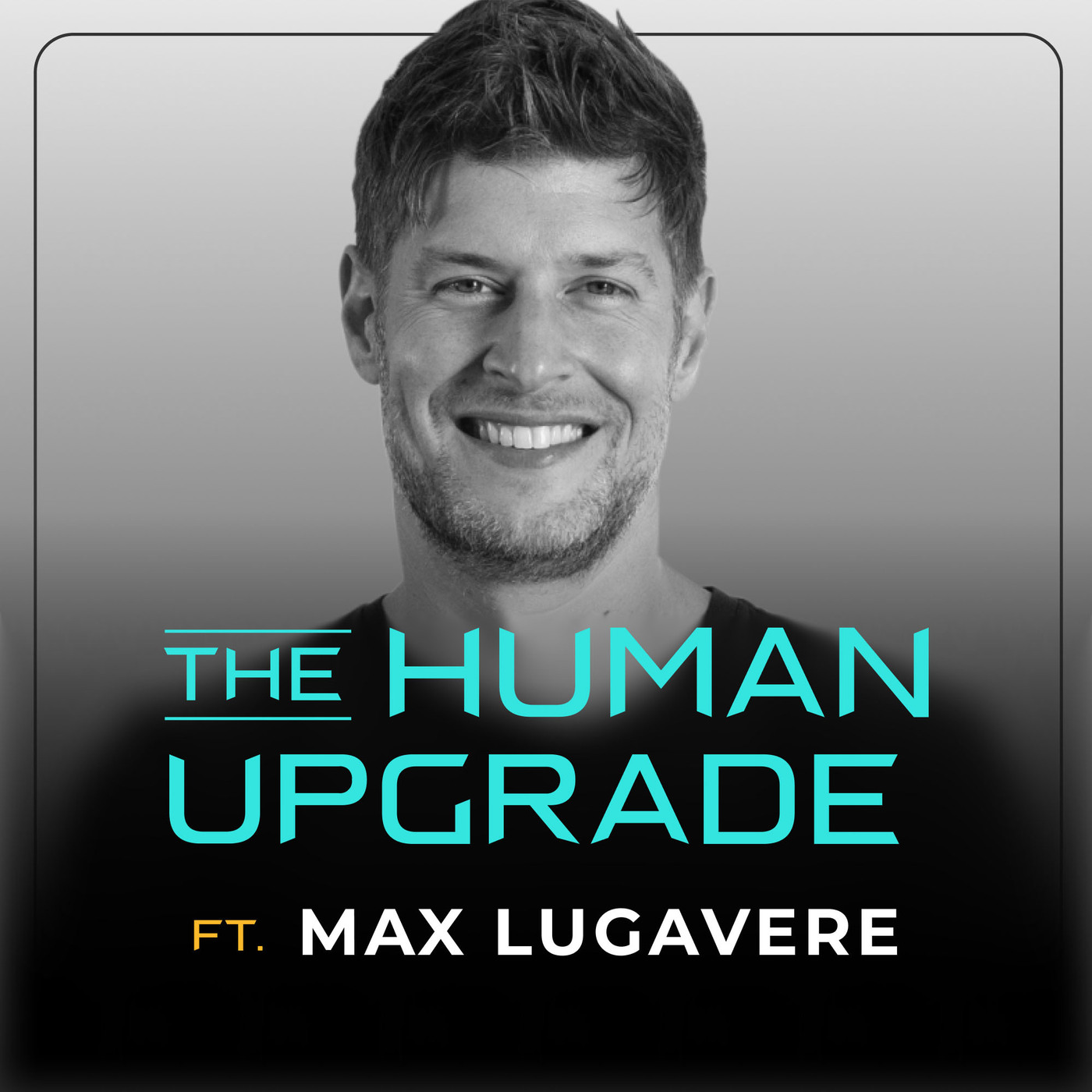
The Human Upgrade: Biohacking for Longevity & Performance
The Hidden Traps of “Healthy” Eating (Biohacking Daily Nutrition) : 1324
01:00:01
Loading summary
Transcript139 lines
- [00:00]
A
Average American adult consumes 77 grams of added sugar per day. That's almost 20 teaspoons of pure sugar.
- [00:06]
B
There are probably three times I can think of sugar being really helpful. And most people know these times because they get cravings during these times.
- [00:15]
A
Anybody who's a bodybuilder, who's a powerlifter knows that sugar is a great way to draw. Well, first of all, it stimulates insulin, which is one of the most powerful anabolic signaling hormones in the body. It's useful for explosive lift, it's important for strength. There's no downside when that's your goal. Right?
- [00:31]
B
You're saying people with if larger muscles or certain people can use sugar as a performance enhancer, and that's controversial. You called sugar a performance enhancing substance, not white death. Why the difference?
- [00:43]
A
There.
- [00:45]
B
You're listening to the Human Upgrade with Dave Asprey. Hey guys, quick reminder. If you're listening to this on your favorite audio podcast app and you haven't been over to my YouTube channel, check it out. Just search for the Human Upgrade or find me under Dave Asprey. Bpr. I post full video versions of every episode and a bunch of other cool content outside the pod. It's a great way to go deeper into the content and connect with other biohackers like you. So leave a comment for me. Yeah, I'm actually going to read them and poke around while you're there. There is a lot of stuff specifically for you. It really helps and it means a lot to me. This is my friend, Max Lugaver. Max has been on the show before. He's actually been up to my house when I first met him at the Alpha version of Upgrade Labs, where I think you lasted 12 minutes in the flotation tank before you throw an octopus that was going to eat you. Is that right, Max?
- [01:37]
A
Yeah. And I also distinctly remember you putting these electrodes on my. Both on my triceps and on my biceps. And that was one of the most painful things I think I've ever experienced in my life. Yeah, I was very impressed that you were able to do it for as long as you did it. Me, I. That was a. That was a. Uncomfortable as putting it lightly. Let's just say that it's weird when.
- [01:58]
B
You deal with all these strange inputs to the system. It's not used to until it adapts. You know, cold water is viciously evil for most people until, oh, I did it for three days and now I actually feel fine. But it's that adaptation period and I've had, you know, whatever. 15 years of adaptation to electrical currents. Sometimes when I'm bored, I'll just taser myself just for amusement. Okay, not really. But it's just like cold light or cold cold therapy. Wim Hof, our mutual friend can just go hop in the cold water in a way that you and I probably wouldn't do it. But it's adaptation.
- [02:34]
A
Yeah. You become more resilient. And I think the most exciting aspect of all of these modalities that you've listed and others that you haven't is that they provide a spillover effect where they help you become more resilient in other aspects of your life, most notably your psychological life, which is so important, especially given the current stress milieu that seems to be facing people. People are. Are increasingly stressed out under slept. And sometimes you have stress in your life that's just inevitable. And so for me, I think of the two ways that you can help mitigate stress. Either getting rid of the stressor. But in some cases, you obviously can't do that. The more viable alternative is to increase your capacity to fight it off. To become more resilient.
- [03:25]
B
Yeah. Or maybe to accept. Right. Just say, okay, this is happening, It'll stop. Right. And to just be at that state of equanimity when it happens. And you can do it with hunger. Like, that's what intermittent fasting is.
- [03:37]
A
Right.
- [03:38]
B
And you and I both practice that. The one thing, though, Max, I have not been able to reach equanimity with is kale.
- [03:47]
A
Be forewarned that you will be triggered by the 1 or 2 kale. Kale inclusive recipes. No, I mean, did you just say kale inclusive? It's kale inclusive. Yeah, my book is. It's an inclusive. You know, I think the recipes benefit from the plurality of foods that are represented, which isn't necessarily always the case, but at least in a cookbook, I feel like, you know, you did a.
- [04:18]
B
Good job in it, to be honest. I mean, you're looking at eating for performance. You're pro salt, which is really lacking in most cookbooks, like, oh, go on low Salt, because the U.S. department of whatever told you to. And they're just. They're idiots. They do not understand salt at all. And you're like, all right, salt is good. And I actually think there's a bunch of good stuff in here. And you have a very good understanding of what to do to sweet potatoes and all the different flavors and types and all that. So I think this is a very accessible cookbook. So thanks for writing The Genius Kitchen.
- [04:46]
A
Yeah, thank you, Dave, for shouting it out. It's 300 pages of recipes, but it's also a kitchen and wellness guide. I didn't want to just make a book of recipes that would have been too easy. I wanted to make something that was going to stand the test of time and serve as a resource for people, something that they could refer to not just for delicious meals to cook, but also as, I guess a compendium, a synthesis of all of my sort of ideas on food and nutrition as they currently are. Because my ideas, like yours, evolve over time. And my first book, Genius Foods, came out four years ago at this point. And so I really wanted to make it practical and, and approachable and achievable for people. And I broke apart in it each different food component, from dairy to salt to fish to meat to plants, really giving I think readers a roadmap in terms of what to, what to include more of in their diets, perhaps, and what to try to minimize. And as I mentioned, there's only two kale recipes. Rest assured that even if you're the most vehement kale haters, you're going to find lots of good stuff in the book.
- [05:54]
B
I'm here in the dessert section and the kale ice cream. What do you, what are you doing, man? Kale ice cream with anchovy cream.
- [06:01]
A
What, what, what is this really?
- [06:04]
B
This is not actually in the book. You know, flourless sugar free lemon blueberry tart with almond crust like stuff that, that's edible and it's not a zero carb kind of thing, but using swerve sweetener in it, you know, which is a sugar alcohol. So it's not high glycemic. And so you're, you're on the moderate to low carb, but not all low carb on everything. Right. Which I also think is, is really, really the right direction to go. You don't have to be keto all the time. Right.
- [06:30]
A
Yeah, I think you, I mean, you and I, Dave, are more aligned than we are divergent in terms of our. Yeah. In terms of our ideas. But yeah, I'm. It's not a, it's not an expressly keto book because I'm not in on a ketogenic diet. I eat a diet that, that, that utilizes starches and concentrated sugar sources as a performance enhancing tool for me and a way to optimize certain, certain hormones. But in general, you know, it does acknowledge, and, and I often acknowledge that we live in a time with widespread metabolic disease. Right. Nine in 10 adults has some form, some component of the metabolic syndrome. And today added sugar plays a large role in that. It's not the sole smoking gun. But today, your average American adult consumes 77 grams of added sugar per day. That's almost 20 teaspoons of pure sugar. And so I felt in writing a cookbook that I had no business adding sugar, for example, to anybody's diet.
- [07:27]
B
You said something interesting, though. You called sugar a performance enhancing substance, not white death. Why the difference there?
- [07:37]
A
Yeah, well, because I. I think it's because whether the. The place that sugar fits in your diet is based on a number of different factors, right? Your metabolic health, your activity levels, your. Your goals in terms of body composition, in terms of performance. So for people that are, for example, bodybuilders that, that are. That. That are like sponges for calories, that have huge calorie budgets and, and importantly, large vessels for glucose disposal, I. E. Muscles, they have a higher sugar tolerance than somebody who, for example, is sedentary all day, sitting at a desk for eight hours a day.
- [08:19]
B
You're saying people with larger muscles or certain people can use sugar as a performance enhancer. And, and that's controversial, and it just so happens. I completely agree with it. It's that if you don't eat sugar all the time, there are probably three times I can think of sugar being really helpful. And most people know these times because they get cravings during these times. If you eat food that has MSG in it, MSG is well documented to raise the level of synaptic firing by putting glutamate into the brain and it drops your blood sugar. Restaurants that use MSG in their food sell about 30% more average ticket because people buy more drinks full of sugar, and they buy dessert because they got a craving caused by msg. And some people have tried to tie MSG to some sort of racism, which is ridiculous because MSG is used more in western foods than in eastern foods. But MSG will give you a sugar craving. And here's the funny thing. It's a healthy sugar craving because your brain's like, I need some help here. I got to pump all this glutamate out. Could I have some glucose to pump out the glutamate? So the one time my daughter had a migraine, we at a restaurant that used msg, she starts crying and she's, I don't know, five or six or something in the backyard going, what's going.
- [09:35]
A
On in my head?
- [09:36]
B
I'm like, I know what this is. So we Went to a Starbucks. Only time she's ever had Starbucks. Got a triple shot of espresso, put in four packets of sugar, and she drank and said, this is the most horrible coffee ever. And 10 minutes later her headache was gone because she had the glucose she needed to dispose of this. And because caffeine is a great treatment for migraines. So it's okay, like you said, for workouts, you can start a marathon in keto if you want to, but you better start having some sugar real quick. Right? So it's okay to have some sugar as long as you're not having it all the time, right?
- [10:06]
A
Yeah. And also when you are in a, in, in a EU caloric state, meaning you're not consuming more calories than you're burning every day, or also in a hypocaloric state, you are protected to some degree. Right. Like if you're, if you're hypocaloric, which is, by the way, you're, it's unlikely to be the case if you are a person in America today. But, but you have a certain tolerance for, for added sugars, right? Because you're, you're probably in a, in a chronic state of, of glycogen depletion with regard to your liver. And so consuming a little bit of fructose, even from an isolated pure fructose extract probably isn't going to do the kind of harm that it's going to do to you if you were in a hypercaloric state, which by the way, most people are. Again, so, so, yeah, so sugar, I think it's like, it's a, it's, it's. The role that it plays in your health is going to be dependent on a few different variables, a few different questions that we have to ask first. But if you're regularly going to the gym and performing high intensity anaerobic exercise, then having glycogen in your muscles is really important. I mean, anybody who's a bodybuilder, who's a powerlifter knows that sugar is a great way to draw. Well, first of all, it stimulates insulin, which is one of the most powerful anabolic signaling hormones in the body. It's, it's useful for explosive lifts, it's important for strength. There's no downside when that's your goal, right? Now, conversely, if you were on a ketogenic diet, obviously sugar is contraindicated. But I think being in chronic ketosis makes as much sense from an evolutionary standpoint as being chronically out of ketosis. It doesn't it doesn't make a whole lot of sense.
- [11:47]
B
Amen. You can cycle in and out of it, but if you want metabolic flexibility, you're not in ketosis or you're not in carbohydrate mode or all the time, you should be able to do some of both. That's intermittent fasting will do it. Occasional ketogenic diets, MCT oil, there's all kinds of ways. Right, So I agree with you there, but you actually dropped an F bomb in there. Fructose. Tell me your perspective on fructose. Did you just say that you might want to have some if you've been in ketosis?
- [12:12]
A
Well, I'm not saying fructose is obviously it's a fruit sugar. So it's found naturally in whole fruit, which when bound in the fruit, in the whole food matrix with fiber and water, I think it's totally fine to consume because it absorbs more slowly. And also, again, if you're metabolically healthy and you're active and you're not over consuming calories, which again, you're probably in the minority, but no harm, no foul, right? Fructose goes preferentially to reglycogenate the liver, which has a glycogen storage capacity of about 100 grams, give or take, depending on body size. If you're active and your liver has a storage capacity where it can. It's like a closet, right? If it has the room to fit that fructose, then it's all good. But today we're chronically overfed and we're eating more fructose than ever before in human history because of whether it's high fructose corn syrup, which is about 55% fructose, or even sucrose table sugar, which is 50% fructose. Or actually the worst offender is agave syrup, which is between 70 and 80% fructose.
- [13:14]
B
It's pretty much high fructose corn syrup for hippies, right?
- [13:17]
A
It is. It's 100% high fructose corn syrup for hippies. So I feel like for that person, fructose is actually not good, because when your liver is full, that's when fructose gets exported as fat, you trigger de novo lipogenesis. And that's one of the major etiologies behind non alcoholic fatty liver liver disease, which we know is exploding in Western culture. It also is a very easy way to elevate your fasting triglycerides, which we know is related to cardiovascular disease.
- [13:51]
B
So uric acid too. Dr. Perlmutter, was talking about that as well. It elevates uric acid, which is really not good for you.
- [13:59]
A
Yeah, right. Yeah, it's not, it's associated, it's associated with all, you know, cardiovascular disease. But again, the question is like, if you're in a, if you're getting a little bit from whole fruit, is there any harm in that? Absolutely not. If you are in a calorie deficit and you're consuming a little bit of fructose from, from, we'll say agave syrup. The dreaded agave syrup. And the, and the, and it's not too extreme of a dose. Is there any problem with that? Probably not, because you've got an ability to store it. But again, nine in 10 adults today have some kind of metabolic illness. Right. Non alcoholic fatty liver disease is sky. Rates of NAFLD are skyrocketing. And so for that person, that's the really unfortunate scenario. Right. Where that person will end up at a Whole Foods and see a product marketed as healthy for diabetics made with agave syrup. They'll start consuming that. And all they're telling their liver to do in that context is to just export fat. To create and export fat.
- [15:00]
B
Yeah. And to make a ton of triglycerides to raise LDL and oxidized LDL and all the bad stuff. When I was really heavy and a doctor said, oh, maybe you have high blood sugar. This is a long time ago. I remember I went and I ordered online so you could even buy at the store crystalline fructose because, oh, it won't raise my blood sugar, because, oh, it won't raise my blood sugar. And like, now that I know what I was doing, I was pretty much punching myself in the face with fructose, thinking that I was healthy. And so a lot of these low glycemic foods that use fructose that is cut off from glucose, the. They're probably not helping you. And for listeners, normal table sugar sucrose is a glucose and a fructose glued together. And you have to be able to cleave them and then you use both molecules. But if you take either one separate, they have different effects. Um, I, I prefer to use glucose as a performance enhancer. So if I was going to do a high intensity workout and I wanted to burn carbs during it, you can take straight glucose, also known as dextrose, which means it comes from corn, but it's the same as glucose and it is a performance answer. It'll raise your insulin, which is good for putting on muscle and probably bad for longevity if you do it all the time, which is why spikes in it maybe aren't so bad and why chronically elevated insulin and chronically elevated blood sugar are really bad for you. So I appreciate that you call that out and your recipes are not high sugar, but I think I saw some fruit in there and I'm in support of eating a piece of fruit. Eating 10 pieces of fruit in a fruit salad as a vegan for breakfast will trash your biology because it does have too much fructose, even though it's packaged with water or whatever. But moderate consumption is good. Excessive is not. Right?
- [16:37]
A
Yeah, absolutely. And it's important to note that the. I mean, if you take the word. First of all, the glycemic index is just on the cusp of being retired at this point because its utility is very limited. Right. Because we don't tend to eat single foods in isolation. We eat meals. And also there are different kinds of sugars that render the glycemic index of a sugar kind of moot. Glucose, as you mentioned. First of all, glycemic and glucose, those words are related in the sense that it's really only glucose that will raise your blood sugar because it goes straight into the blood. Right? So glucose has a glycemic index of 100. So does dextrose. I'm assuming sucrose, as you mentioned, because it's half fructose and half glucose. It's somewhere in the middle because it's, it's. Again, each molecule has it's 50% glucose, 50% fructose. So it has a glycemic index of about 65%. And in fact, one slice of whole wheat bread has a higher glycemic index, meaning it contains more glucose than table sugar, which is. Which is not 100% glucose. And then you have fructose, which has a low glycemic index, which can be deceiving. And that's one of the reasons why it's always marketed as a diabetic friendly sweetener, because of the low glycemic index. But it doesn't matter. It still provides the same amount of calories. And it goes. It's probably even worse in that it goes straight to the liver. And somebody with type 2 diabetes very likely already also has fatty liver. And all you're doing is throwing fuel onto the fire in that scenario.
- [17:58]
B
Completely. Right. Staring at screens all day is wrecking your vision and your brain. You might just think it's aging, but it's not. It's a broken Eye brain connection. And it gets worse every hour you spend looking at a screen. If you plan to live to 180 and beyond, you need to protect your dominant sense. Now here's the good news. You can train your visual system just like you train your body or your brain. Screen Fit is a science backed method built by Dr. Bryce Applebaum that rebuilds how your brain and eyes work together. No eye drops, no appointments, no gimmicks, just 15 minutes a day to sharpen focus, reduce fatigue and protect your vision for the long haul. I saw real results in just a week. If you strive for peak performance or plan to live a very long time like I do, you want clear vision to match, go to screenfit.com Dave or use code Dave to get $200 off and try it for yourself. You'll see what I mean. Literally, there's a lot of nuances here and if you're listening is going, what the heck do I do? The answer is we can have sugar. Having some fruit is a great way to do it and do it after a meal. And because whatever's in the meal, if it's a normal meal, is going to blunt whatever would happen from, from the sugar. And a lot of people who have a levels meter like I do, one of the continuous glucose monitors, I've had a couple episodes on those. I know you've played with them as well. I'm an investor advisor, full disclosure, et cetera, et cetera. But when you use levels to look at your blood glucose, I could eat a meal that keeps my blood sugar totally stable and you eat it and it could spike your blood sugar and vice versa because different people respond to different foods. So the glycemic index is pretty much an act of government and industry research. Masturbation, a whole lot of motion. But nothing productive happened at the end. There was, you know, I'm sure they felt good spending whatever billion dollars on all that research and justifying a bunch of stuff. But seriously, nothing happened at the end that was meaningful. So we just got to call it out like the way it is.
- [20:09]
A
Yeah, I would agree with that. It's not, it's not very meaningful. That said, I mean, whether or not I think we've been talking about how sugar, the role that sugar can play in health and why it's not always as bad as some people say that it is. With certain caveats. Right. But still, whether or not sugar fits into your personal calorie budget, it is, I think also worthwhile to talk about the fact that sugar, especially concentrated Boluses of a moderate dose of sugar, which is not uncommon in the standard American diet, can still mess up your hormones like they've shown.
- [20:46]
B
Drop your testosterone, right?
- [20:47]
A
Drop your testosterone by 25%. This was shown in a study where that decline in testosterone persisted for two hours after ingestion. And then there was another study that found that a comparable dose of sugar led to an increase in blood pressure, systolic blood pressure, that persisted for two hours. And in both studies I believe they used both a glucose beverage, which is usually what they'll use in an oral glucose tolerance test, but they also used a sucrose beverage, which I think is more representative of how people consume sugar these days. Right. It's like half glucose, half, half fructose. So it's not good for health no matter where within your calorie budget it fits. And then of course there's, there's the dental health argument, which I think is really important and we need to start thinking about systemic health through the lens of oral health. And sugar we know plays a role in feeding Streptococcus mutans, which is one of the most prevalent cavity causing bacterium in the human oral microbiome. And yeah, so we know that sugar is not good from, from those standpoints as well. That said, when it's about, when it's found in whole fruit, I'm totally good with moderate fruit consumption. I mean I'm not like an unlimited eat, eat all fruits in unlimited quantities. I think that there's a continuum of fruit, right? Like tropical fruit has more sugar than, than non tropical fruits. In general. Fruit today is cultivated and bred to contain more sugar than ever before in human history. But that said, my personal fruit consumption is all eat zero to two whole fruits a day. In with regard to cooking, there's this saying that if food, food items that grow together go together. So typically when, when developing recipes and just looking at curating dishes and meals, generally herbs, spices, ingredients that are from the same region that grow together usually complement each other very well. There's a synergistic effect when it comes to cooking, right. But I think the same could be said for nutrition as well. That people from, from, with, with certain ancestry probably are probably more adapted to consuming the fruits or whatever the, whatever the natural fauna or foliage happens to be in that, in that, from that part of the world. But today, as you mentioned, we have lost all sense of, of time and place thanks to the double edged sword that is modern food production. Right. We've solved for food scarcity, we now have Food security, most of us, which is a, which is a wonderful thing. But it's also led to the fact that our bodies have lost touch with seasonality, which is a, I think a major, a major problem.
- [23:41]
B
Tell me about big food and your perspective on it, Max. I mean, you have a real great story about Alzheimer's, about food. Just walk me through that.
- [23:49]
A
Yeah, well, first of all, what you were talking about reminds me of this phrase that I see a lot within the real like music woke nutritional orthodoxy that food is food. But I'm, I always like to push back, at least in my own head and, and, and ask what is our definition of food? If it's just that something that provides calories and is edible is food, then what about Play doh? Play DOH is food. Play DOH is gluten. Right. Gluten is something that is, according to many in the nutritional orthodoxy, something that we are well served eating lots of. Right. There's certainly no harms gluten consumption.
- [24:25]
B
It's high protein. In fact, have keto gluten, right?
- [24:28]
A
You could have keto gluten, right? I've actually seen some, seen some keto breads and keto wraps. It's basically just pure gluten. And so if our definition of food is so broad and vague to as almost be. To almost to the point of meaninglessness, then are we really in the business of should we, should we really be in the, in the business of providing nutritional advice? And my answer to that is no. But, but I guess that's for a, for a larger conversation. I think that we, we definitely need to have black and white definitions for foods that are healthful and foods that are not. This isn't about shaming anybody or applying any kind of moral value onto food. Right. But I disagree.
- [25:10]
B
I think we have to calculate deaths per calorie, which is why a grain based vegan diet is killing more people or more people and more animals per calorie than a carnivore diet. So there is a moral equation here. If you believe that life matters, but animal rights people don't, they only believe that faces matter. It's very confusing.
- [25:29]
A
Yeah. Although, although I couldn't, I, I couldn't agree more in that I totally am with you in that the, I believe that the area under the curve for suffering is far less with the consumption of properly raised cows, for example.
- [25:44]
B
Amen, brother.
- [25:45]
A
Yeah. Than it is for plant agriculture, which kills innumerable squirrels, field field mice, rabbits. Right. Not to mention the insects and the birds and the fish that are affected by spraying and runoff. There was a research review that was published. I actually talk about it in Genius Kitchen that estimates that the cost to animal life is somewhere in the ballpark of 7 billion, which is comparable to what it is for animal agriculture.
- [26:12]
B
Yep. I, as a farmer for my animals, I don't think my animals have killed any other animals. Unless like the pigs got a hold of a mouse or something, like they would do that. Or maybe a cow stepped on a frog when no one was looking.
- [26:26]
A
Right.
- [26:27]
B
Those are kind of normal. What's your take on conventional meat or industrial meat versus grass fed?
- [26:36]
A
Yeah, such a good question. And it's a difficult question to answer because I'm certainly not in favor of the factory farm system. I think it's unsustainable. It's really doing a lot of harm to the environment. Exploits animals, it exploits workers. It really is no bueno. So I don't, with my dollar, support the factory farm system. But that being said, if you live in a food desert, if you live in the middle of the country and you are on a limited income, do I think that factory farmed red meat should be avoided? I still think it's one of the most nutrient dense products in, in any, to be found in any supermarket.
- [27:15]
B
You said red meat instead of chicken. I actually agree with you there. I, I don't think it's sustainable or kind or nice. But if it's all you got, it's a lot better than not eating it. Right. An impossible burger versus a piece of industrially raised red meat, ideally lean. In fact, lean cuts are the cheaper ones. It seems like that's probably a good trade off, right? That's what you're saying?
- [27:36]
A
Yeah, absolutely. And you can buy, even you can buy the cheapest cuts that are typically very tough and not palatable. And if you learn how to cook them slowly, which I show people how to do in ingenious kitchen, you can, you can make that beef, even the cheapest cuts of beef become butter soft, super tender and delicious. So just knowing how to cook all right, is a great way to, to help economize and to enable the purchasing of cheaper cuts of meat which otherwise wouldn't be all that, all that practical, palatable and enjoyable.
- [28:08]
B
You just made a perfect segue because something I appreciate about your perspective on things and even in your book, you talk about preparation methods. Right. And they have an effect on your health and they have an effect on what becomes affordable. And we have a kitchen literacy problem in the country now. So talk to me about like Culinary literacy. And then let's talk about the healthiest cooking techniques.
- [28:31]
A
Absolutely. I remember when I visited you, your house, Lana cooked the most amazing. It was. It was some kind of pastured heritage breed pork that you made.
- [28:41]
B
Yeah, we raised them on asprey farms. Yeah, it was our own pig.
- [28:44]
A
It was so good. And then there was some kind of vegetable thing that you made. And I, I remember it had pomegranate seeds in it, and it was just so delicious. And I was up there with the, with the film crew and we were doing that, that segment.
- [28:55]
B
That was cool.
- [28:56]
A
Yeah. So knowing how to cook, culinary literacy is, Is an art form that's been lost on modern humans because. Right. Because now we're in the era of specialization. Right. We outsource pretty much everything that we're able to outsource, from health literacy to financial literacy. And culinary literacy, I argue, is just one more aspect of what it means to be alive that we've lost touch with. And so I think knowing how to cook even basic ingredients is so important. First of all, cooking at home is a powerful leverage point for better health. That's not to be under underappreciated. Right. So cooking home as opposed to eating out. People who eat at home more, they can basically prepare if they know how. The same dishes that they'll. That, that they'll get in restaurants, but they'll have fewer fat calories. Fewer calories overall. Less sodium, which I'm not demonizing sodium, but I don't think anybody would argue that your average American isn't already getting enough sodium. Right. They're.
- [29:51]
B
I would.
- [29:52]
A
Yeah, they're. Well, they're getting, they're getting plenty of sodium because they're eating the standard American diet. But once they, but once they cut those foods out and they adopt a diet similar to, you know, the dietary recommendation recommendations that you've made over the years. That I've made over the years, then where they're getting their sodium from becomes an important concern. Right. Because sodium is a macro mineral. We need to ingest a relatively large amount of it every day for good.
- [30:17]
B
Health, in addition to the trace minerals that come in rock salt that we're not getting anymore. And that's one of the reasons that I, I put the trace minerals back in the new danger coffee because, like, where everyone's deficient in trace minerals. But if we were to eat all mined or sea salt instead of the industrial sodium that's isolated they're putting in there, it would actually change things. And a similar thing around calcium as well. Just calcium by itself, not so good for you. Calcium mixed with other minerals, probably better for you. Right, so we're over emphasizing a few nutrients, probably for no good reason.
- [30:49]
A
Yeah, that's fair. That's absolutely fair. But again, the, the majority of isolated sodium that Americans are consuming is coming from packaged, processed foods, restaurant food, fast food, shelf stable foods. Only 11% of the sodium that your average American is, is ingesting comes from their own salt shakers or from the salt that they add to recipes.
- [31:10]
B
That's a serious statistic. I had no idea. My life doesn't look like that because I live on a farm. Right. Wow, that's crazy. Okay.
- [31:18]
A
Yeah, it's a, it's a tiny minority. And just think of the irony, right? You have registered dietitians that are telling the public to limit their sodium intake. Right. Limit their salt intake. Meanwhile, the number one source of dietary sodium in the standard American diet you'd think would be processed meat, canned foods. It's bread and rolls. But when was the last time you heard a dietitian say avoid bread and rolls, right, for better cardiovascular health. No, they say avoid sodium, avoid adding salt to your food.
- [31:46]
B
It's funny, the British Dietetic Association, I actually renamed them to the British Diabetic association because all of their recommendations lead to diabetes very quickly. Like it's, it's like, guys, nutritionists, do one thing and shout out to the functional dietitians. I know there are many, Listen to the show. There's people working to make dietitians more nutritionally aware. But these are the people who give you NutraSweet Jello in the hospital with, you know, a corn oil pudding and somehow it's supposed to make you heal. So I, I appreciate your mention there that, yeah, dietitians, if they tell you to eat rolls in the first place, there's probably a problem. But if they don't tell you to watch out for salt on them, they're just not paying attention.
- [32:23]
A
Okay? Yeah, absolutely. And you're right, there are definitely some great dietitians out there. So I didn't mean to throw them all under the bus, but.
- [32:29]
B
No, but you can throw their associations under the bus all day long. And it's really funny because the bus will just drive right over them and they get up and keep saying, you know, all this ridiculous things. I can't even parrot them effectively. But yeah, I'm with you there. So more buses for the traditional old school dietitians. I'm fine with that.
- [32:45]
A
Yeah, there was this interesting study that came out a couple years ago that found that prevalence of eating disorders or having people who have had eating disorders in the past is much higher in the registered dietitian population than it is in, than the general population. No, I mean, I say this with empathy. You know, that maybe that's the reason why some people gravitate to those professions. But it's sometimes echoed in terms of. You can see it in the advice that is given by some, especially the more vocal registered dietitians in the online nutrition space.
- [33:20]
B
I actually, when I was recovering from being obese my early twenties, I worked for a network company called 3Com that doesn't exist anymore because Cisco just kicked our, our ass up and down the street and they had a dietitian come in and I was sitting there eating almonds and I'd lost £50 at the time, and I was doing something more like the zone diet. And I'm sitting there eating that and the guys up there go, there's fat in this croissant. See the fat in this bag? And it was like, Susan Powder stopped the insanity. And we kind of got into almost a fight about it. I'm like, dude, I did what you told me and I weighed 300 pounds and I stopped doing what you told me and I weigh 250 pounds. Like, how can this be? And it was, I probably wasn't that polite at the time, but my brain wasn't working well, so I'm gonna give myself a pass. But yeah, there was like, there was that energy in it. Thank you for pointing that out. I did not know the statistic. And it, it's, it sucks to have an eating disorder, whether it's orthorexia or anorexia, bulimia, any of those things. But if your relationship with food is not this is nourishing, but it's something else, or it's tied to your moral self worth and all that. Yeah, we have a problem. So I had no idea. So that's, that's kind of mind blowing to me.
- [34:26]
A
Yeah, it is a big problem. And that's why. And you know, social media is just a melting pot, right? So sometimes you'll make, you'll talk about foods and certain foods that you're better off avoiding and certain foods that maybe you want to consume more of. It's generally when we talk about foods worth avoiding, that sometimes you'll get people coming over and, and they'll leave those comments. Like I, like I alluded to earlier, food is food. Food doesn't have moral value in them. And the response is like, well, I wasn't applying morality onto food. I was just doing my part as somebody who educates about nutrition and talks about these things, that there are some absolutes when it comes to foods that we know are good for you and foods that we know are less so. I mean, a donut is an unhealthy food. And if you're not willing to acknowledge that, for the most part, there obviously are some brands now that are making donuts that are utilizing healthier ingredients. But for the most part, junk food is called junk food for a reason. And this idea that all foods fit, that's the mantra traditionally of dietetics. It's the mantra of junk food companies, right. Of the, of the food industry, because at the end of the day, you're not overweight because you've eaten our foods. You're overweight because you simply are eating too much of them and you're not moving enough. Right. And so that puts the blame on the, on, I think the, the. The patient. Right. The obese person. And it says nothing about how to steer the ship in the other direction. It says nothing about how food affects behavior. It says nothing about nutrient density. And so it's a big problem that that whole, like all foods fit. Food is food.
- [36:09]
B
What do you think of the flexitarian diet?
- [36:12]
A
Well, I'm not so sure about that, but I am familiar with this sort of intuitive eating movement, and there was a meta analysis that came out recently that showed that there's no good evidence that intuitive eating has any kind of positive effect on food quality or any other indicators of the healthiness of one's diet. So I do think that it's important that we establish absolute definitions about what it means to eat healthily and what it means to not be eating as healthily.
- [36:40]
B
There's room for intuitive eating where if you establish a universe of foods that work for your biology, and it's not exactly the same for everyone. Some people can handle lentils because they digest them well and many people just don't. But if you allow yourself to intuitive eat, well, let's see, sugar, heroin. I mean, there's all sorts of things that your body's going to want that maybe aren't good for you. So I'm with what you're saying.
- [37:05]
A
Yeah, absolutely. Our bodies have an innate knowledge of what is going to best suit them. And the way that our bodies. But you have to consider it almost like the way that our bodies communicate its need to our brains is like a whisper that can easily be out drowned by the noise made by Modern hyper palatable ultra processed foods. These also has these foods drive over consumption. They short chain, you've talked about the Labrador brain. They, they, they, they trip up our, our prefrontal cortex. Our ability to make, to make emotionally responsible decisions, to practice impulse control, to tune out distractions. A whole myriad of other cognitive abilities are basically hijacked once we crack open modern, industrially ultra processed, refined foods. The, you know, whether it's the bag of tortilla chips, it's the Dorito effect, essentially it's the, it's the ice cream, it's the, it's the pizzas, it's the lasagnas, the breaded fried chicken dishes, it's the, it's the coffee drinks that are loaded with 60 some odd grams of sugar. It basically speaks to a primordial part of our brains that drown out that intuition so that we're not truly able to intuitively eat anymore. And so that's why this whole notion of intuitive eating in the context of the standard American food environment to me is you're just setting yourself up for failure.
- [38:46]
B
There's something else we do that makes hyper palatability and it's something I want to pick your brain on and that's how you cook. So clearly salt, how much you add makes things taste better. But there's a bunch of other things. Some are good for you, some aren't. So talk to me about the hyper palatable worst cooking methods.
- [39:05]
A
That's an interesting question because we do, we do cook, right? So we are processing our food to some degree. It's, we're not, we're not processing it to the same degree as a food manufacturer with myriad industrial processing equipment at our, at their disposal. We don't actually, you know, we don't have that. But just cooking, blending food, crushing chopped garlic for example, I mean that's, that's, that is a form of processing and fermenting too.
- [39:31]
B
If you make pickles at home that's highly processed, doesn't mean it's bad for you, it's just processed, Right, Exactly.
- [39:37]
A
I mean you get the clearest illustration that I could provide for people is when you bake a potato, right? If you bake a potato and you taste the potato, you're probably not going to be inclined to eating much if any of that baked potato. But the minute you throw some melted grass fed butter on it, with salt no less, some chives, some sour cream bacon bits, you've taken single ingredients that in isolation, maybe with the exception of the bacon, wouldn't be all that palatable and you've turned it into something that is hyper palatable. It pushes your brain to a bliss point beyond which self control is impossible. And that's why studies have shown that when all we do or we eat these kinds of hyper palatable foods, we effortlessly eat ourselves into a calorie surplus of about 500 calories. Conversely, when not given access to these hyper palatable ultra processed foods, we tend to come in effortlessly at a calorie deficit. In both cases, we're eating to satiety. It's called ad libitum feeding. And so that 800 calorie swing is determined purely by food quality and the hyper palatability or lack thereof of a given food. So I'm not telling people to not make their foods hyper palatable. In fact, look, my book is full of foods that I would easily describe as being hyper palatable. But it's just being aware of the way that those kinds of foods affect your hunger this way. It's informed consent that I think is what a lot of my work is about.
- [41:06]
B
You can't be in favor of informed consent. That's so 2019. Come on man.
- [41:11]
A
You're right, it is so 2019. Well, I'm for informed consent and I think informed consent is crucially important. We talk about it usually in terms of various injectables and pharmaceuticals and treatments and things like that, surgeries. But I think informed consent is really important when it comes to the foods, the foods that we're eating. And if you're not aware of how food is affecting your behavior, then then you're going to experience the moral failure of not having your diet go as planned, right? Or your, your way of eating go as planned. Often when we can't stick to the diet plan or whatever it is that we set out to adhere to, whether it's in hopes of attaining a better body composition or better metabolic health, or better neurological health, or better mental health. When we can't stick to the plan, we often think poorly about ourselves. We think, oh, maybe I don't deserve to have that body that I've always wanted or the mental health that I've always wanted. But usually that's the case when we don't, when we fail to acknowledge, or maybe we're just ignorant to the effect that modern foods have on our behavior. And so if you're trying to moderate the quantity of food that you're ingesting without looking at the quality of the food that you're in ingesting, you're putting the cart before the horse. Because the quality of the food that you're. That you're ingesting dictates the quantity to a lot, to a significant degree that you're ingesting. So. Okay, that's why. That's why cooking. Cooking at home. Again, major leverage point.
- [42:47]
B
There's two cooking methods that I. I want to call out as being hyper palatable and probably bad for you that you can do at home. And I want you to agree or dis.
- [42:57]
A
Okay.
- [42:59]
B
One of them is char grilling.
- [43:01]
A
Okay.
- [43:02]
B
Even though it's delicious. And the other one is deep frying.
- [43:06]
A
Okay. So char grilling. Obviously we know, or maybe we, maybe we don't. Some of us don't know. But when you char grill meats, you are creating various byproducts on the surface of the meat that are not good for you if you happen to be a cell in a petri dish. Right? So heterocyclic amines, ages and things like that. Certainly ages are not good for. For you.
- [43:34]
B
They clog up your lysosomes in the cells so you can't burn other cellular toxins. And they're associated with aging. That's why I'm generally opposed to it. Plus, people tend to get cravings like, you want to have a soda and dessert or at least a beer or something when you eat char. Grilled. Char grilled stuff. But if you eat that same steak and it's say, convection roasted, but it doesn't have all the byproducts from having the fats and to a certain extent, proteins get aromatized. You actually are less hungry when you're done eating it. Like. Like there. There's a quantifiable difference in how you feel.
- [44:08]
A
Interesting.
- [44:09]
B
Do you notice that?
- [44:09]
A
I haven't observed that in. In myself, but I typically like. I mean, when I'm eating a steak, I like it to have a char. I mean, so that. So. So granted, I'm tasting good, no doubt.
- [44:18]
B
A little bit of msg, maybe some agave glaze. I mean, you could do whatever you want.
- [44:22]
A
Yeah, No, I love barbecue.
- [44:26]
B
I'm just saying it's not that good for you.
- [44:27]
A
Yes. No, no, I would. I would agree with that. However, I'll say that my take on that is that every food has a. Has. Has benefits and risks. Right? So, yeah, so, yes, when you prepare a steak, you're. When you cook a steak, you're generating certain unsavory compounds that if you were eating all the time, ingesting at every meal, probably would not do your health any favors. If you were selling a petri dish, probably you would not see a favorable result, but dose makes the poison. And in the context of a diet that has, that has antioxidants, that is supportive of the gut microbiome, which I think acts as a sort of mediator between our own physiology and some of these more unsavory ingestibles, for sure. I think that you're in the clear. Look, every food. Every food. I'll concede that there are some downsides to consuming meat, especially fatty meat, for certain populations. Right. And I enjoy a ribeye now and then, but I'm. I have a genotype that probably puts me at higher risk for hypercholesterolemia. And so I'm, you know, I. While I will enjoy fatty meat, I generally try to eat leaner meat. But overall, I think that the benefits of eating meat outweigh any risks. So that it's. You're better off eating some meat than no meat, regardless of your, of your. Of your genotype. With certain vegetables. Right. Depending on where it's grown it. It's able to suck up heavy metals from the ground. Right? Dark chocolate. You and I are both huge fans of dark chocolate. Many dark chocolates on the market have lead and cadmium contamination right in them.
- [46:00]
B
But almost all of them have some. And it turns out the, the more polyphenols, the older the tree, the more curated the species, the higher the risk of those. Right. But they tend to be less of an issue because they get bound to other things that are in the chocolate. So they're there, but they aren't bioavailable, which is an important distinction. But the levels that are allowed are different. So I find the higher the quality of the chocolate, you actually find more of those, which is weird, but you're right, they're in there because the root system goes deep. Or those nuts full of selenium. Brazil nuts. It's not just selenium in there. There's all kinds of other stuff in there because they suck it from deep in.
- [46:36]
A
Right.
- [46:36]
B
So I'm not a fan of those. Was one of the reasons I'm not a fan of Brazil nuts for that.
- [46:41]
A
Yes. But I mean, at the end of the day, like just going back to dark chocolate, I would say that the benefits outweigh the risks. Right. The benefit of, of eating dark chocolate outweigh the risks. We can look to fish consumption, right? Fish from our, from our formerly pristine, beautiful oceans. Now, most are contaminated with microplastics to some degree. Right. Our waters are becoming increasingly Polluted. But that being said, do the benefits of eating fish outweigh the risks? Abso freaking lutely eat fish.
- [47:10]
B
So that's kind of how I sure on that one. I'm starting to question that. I'm still a fan of sockeye and all that, but I look at microplastics plus just increasing, increasing mercury. Like I look at halibut. I'm not sure I want to eat halibut anymore. Just because even over the last 10 years it's gotten so much worse. I'm starting to question. I always take metal binders and all. But you're still pro all fish.
- [47:34]
A
I'm generally pro fish, yeah.
- [47:36]
B
I mean you wouldn't eat swordfish, would you?
- [47:39]
A
I mean, I would probably taste it, but no, I would not order. I would not order.
- [47:44]
B
It depends on the fish then. Okay.
- [47:45]
A
It depends on the fish, yeah. I mean salmon in general. Salmon. Salmon generally. I order, you know, for the most part more than any other fish. But there is, you know, there is some interesting thinking about mercury and fish. That the earliest, the early studies linking fish consumption to mercury toxicity have been not fish, but mammals, the pilot whale and that they have huge concentrations of mercury and they have very little selenium. But that in actual fish there's always a lot more selenium than there is mercury. And selenium has the ability to. I don't know, there is some interesting research on this. That selenium sort of has the ability to cancel out the mercury.
- [48:26]
B
It's true that having more selenium to a certain extent reduces your risk of mercury. And it's tough. I'm on the fence about fish. I eat fish, but probably less than I used to. And I'm aware just of the increasing quality issues there. So it's a tough one. And wild caught sockeye is only two year old fish that lives half his life in fresh water. That's where I go and I can. There's just a limited amount of that. So yeah, okay.
- [48:52]
A
I mean that's. But that's where like observational data, I mean we have such limited tools with, with regard to nutrition research. But that's where observational data, data really does play a role. And it shows us that people who consume more fish have reduced risk for Alzheimer's disease, reduced risk for cardiovascular disease. In my book, I use primarily salmon. I wanted to make it really easy for people. And any fish dish that I use is gonna use fish that is, that's gonna be highly accessible. And so salmon is the primary.
- [49:23]
B
Here's a Picture of land fish is that I was trying to land fish in your recipe, but that's lamb. That looks amazing. Your food photography, like you should. You should tip your food photographer. It's. It's really good. What are some of the fish recipes in here? I was just going through. We've got coconut, curried eggs. Like, what. What's your favorite fish recipe in here?
- [49:41]
A
My favorite fish recipe, I'm glad you asked, is actually a dish called bacalao, which is a Portuguese dish. I'm not Portuguese, nor is my mom, but it's actually the one dish that my mom used to regularly make for me. And. And so it's. To me, that was a special addition. It's. It's a dish using salted cod that you can find at most supermarkets. It's dehydrated, and it's packed in salt. So what you do is you soak it in water to reconstitute it. And it's this stir fry, essentially with extra virgin olive oil. You could use purple potatoes, olives. I love to throw a little bit of vinegar on there just for a nice delicious acid. And it's a. It's a really delicious dish. Very commonly found in Portugal. And in my family, I was the only. Me and my mom were the only fish eaters. My brothers never ate fish, and my dad wasn't really into it. So it was a dish that my mom would make for me, and it was sort of like our special shared thing that we would have together. And. And so I never actually got the recipe from her, but I put my own spin on it, and it came out really, really good.
- [50:47]
B
That was a dish that I did. I wasn't familiar with, and I remember seeing that when I was going through your book. It looks really intriguing. It does have, though, like, spicy peppers, bell peppers, paprika. Seemed like it was relatively high on lectins. What's your take on lectins? I'm not picking on it at all. I mean, this is a traditional food, and not everyone is sensitive to nitrate lectins. I am, but a meaningful number of people are. But some people are no lectins, ever. Your body makes a thousand different kinds of lectins every day. They can't all be bad. But what's your take on lectins in food?
- [51:20]
A
Good question. I think it's a very individual thing. Some people are sensitive to it, others are not. You can easily prepare your food. Food. You can remove the lectins, I believe, if you remove the seeds, it's not a major Area that I've done too deep a dive because for me personally, I respond really well to them. I'm not in the business of eating bell pepper seeds.
- [51:41]
B
Yeah, that's probably for the best.
- [51:43]
A
Yeah, probably for the best. So for me and most people that I know, bell peppers are a wonderful food. They're loaded with vitamin C. They contain a compound called luteolin, which has been linked to longevity. Also, Dave, all nightshade vegetables are a source of nicotine, which I know that you're a fan of.
- [52:02]
B
Just not enough to get high. I mean, I've tried smoking bell peppers and you know, all. It does make me cough now, by the way, guys, smoking is evil. Just because I like nicotine. Pharmaceutically separated nicotine. So, yeah, they are members or tobacco is a member of the nightshade family. Even cauliflower has nicotine in it. Right? It does have trace amounts. It's not a member of the nightshade family, but it just has some because it's. It keeps insects down. So anything that's trying to keep from getting eaten is going to make caffeine or nicotine or polyphenols or something.
- [52:30]
A
Maybe that's why I like cauliflower and bell peppers, but could be. But yeah, I. People that. People with active autoimmunity, I think probably, and this is all anecdotal, but probably do better without. Without lectins in their, in their diets. But, but again, I think lectins are fairly easy to find and fairly easy to. To cut around. And, and so for me, they're not, they're not a huge concern. Again, benefits versus risks. I think the benefits of eating tomatoes.
- [52:57]
B
Bell peppers, it's different for different people. I don't want to tell people not to eat the nightshade family if they work for you, but if you eat it all the time because you have cayenne pepper like I did, I used to slice up habaneros. I mean, I was eating foods that would make me cry because it just makes me happy to do that. Call me a food masochist. And then I found out it was directly causing the arthritis that I was diagnosed with when I was 14. I'm like, okay, these are not compatible with me. And it makes me angry. And one of these days I'm going to rewrite my genome with a virus so I can eat jalapenos. Like, that's on my active list of biohacks that I want to do.
- [53:32]
A
Yeah, I love. Like I said, it's okay. It's okay. I love spicy Food, people who eat spicy food have reduced risk of early mortality by 14%, which that's not nothing. So it's the herbs, it's the spices and also herbs and spices. Knowing how to master herbs and spices in the kitchen, great way to reduce the calories that typically come from sauces. So knowing how to, how to spice your food. Spices, herbs, full of powerful bioactive compounds, various polyphenols and the like, a really powerful ingredient to wield in the kitchen.
- [54:08]
B
It's funny, we talk about the French paradox, which is so multi layered and it's, well, why don't French people get fat when they eat like French people? And that's the paradox. But the real paradox would be why don't Americans eat like French people and put butter and lots of herbs and spices on their food? Because when you do that, apparently you're way healthier. And even going back to your recipe, using salted cod, we used to use rock salt to salt cod. So we're getting all of our trace minerals from salted meat and salted fish that we don't get anymore. So there's this really cool thing you brought up there, like, yeah, be spice and herb literate. And when you do that, it tastes better. Um, you, you just want to eat it. And it's got all sorts of nutritional benefits that aren't readily apparent.
- [54:50]
A
Absolutely. There was a, a, I believe it was published in the BMJ a couple years ago. But they basically quantified commonly consumed foods and they looked at which, which common. Which of the commonly consumed foods had the highest concentration of polyphenols and herbs and spices were at the top of that list along with cacao. Yep.
- [55:09]
B
So way, way higher than any of the so called health foods. Even like bell peppers or even kale, God forbid, on a per gram basis, they're nothing compared to oregano or rosemary or yarrow or any of the weird spices most people don't even use. So yeah, they pro.
- [55:30]
A
They provide potent flavors and those polyphenols have bitter flavors as a purposeful adaptation to ward off smaller animals. Right. But it's those, those bitter flavors are attributed to volatile organic compounds that give our food, especially when combined synergistically, really wonderful flavors. And it's also the reason why fresh food tastes better than preserved food because it's some of those comp. Some of those compounds are lost in the cooking process. It's not all of the, not every herb has flavors that are attributable to these volatile compounds. Like for example, most recipes that require oregano you're fine using dried oregano, but you'll seldom see a recipe. Ask for dried parsley or dried basil or dried cilantro.
- [56:21]
B
Is terrible. I don't even like it.
- [56:22]
A
Exactly, exactly. It is, it's really bad. And it's because the flavors that are characteristic of those herbs are volatile. They don't live for a very long time. Right. And so that's why you want to use a mix of fresh herbs, dried herbs and spices. With spot. With spices. Most of the time, dried is sufficient.
- [56:45]
B
I'm with you there. All right. You got 100 recipes in the Genius Kitchen Cookbook. And I almost don't want to ask you this question because I know hard it is to make a cookbook like this because I did the Bulletproof diet cookbook years ago. And it's so much work to get the flavors right and get each recipe right. And people would always say, Dave, what's your favorite recipe? I'm like, oh, my God, I don't even know. But I'm going to do it the same thing. Back to you. Favorite recipe. One recipe from the Genius Kitchen that is the one you could not live without.
- [57:16]
A
Oh, man. My favorite recipe. I don't know if you're going to like this recipe, Dave, but one of my favorite recipes is a, it's a, it's a, I do have some plant based recipes in my book. So it's a vegan Mac and cheese using spiralized carrots as the noodle.
- [57:37]
B
Oh, that's going to be delicious. Spiralized carrots. You can do so much with those. Oh, yeah.
- [57:42]
A
A lot of people who aren't former.
- [57:44]
B
Vegans like me don't know what spiralizing is. Can you talk about that for a sec?
- [57:48]
A
Yeah. So you're basically shredding the carrot into a almost like noodle like consistency almost to the, to the, to the form factor of spaghetti. And you can do this by hand. You can, you can do long, thin, more like fettuccine style strips, but if you, if you have a spiralizer, it's a lot easier to make.
- [58:08]
B
Basically like a $20 thing you buy and you stick a carrot or a zucchini or something. You just turn the handle and there's long, sometimes like 2ft long strings come out that are great for holding butter or whatever sauce you have.
- [58:20]
A
Oh, my God. Yeah, it's amazing. Cat. First of all, cooked, cooked carrots are amazing. Carrots are loaded with beta carotene. They're so sweet. They're, they're, they're just delicious. And then this vegan Mac and cheese. Not that, I mean, they're very there. There are a handful of vegan recipes in the book, but it's, it's, it's a book that obviously, you know, it's not a vegan cookbook by any stretch.
- [58:39]
B
It's okay to have a vegetable dish on a plate next to a piece of steak. It's all right. I'm not going to complain.
- [58:44]
A
Absolutely. So we have this delicious cheese sauce made using nutritional yeast, which I'm personally a huge fan of. I'm a fan of fungi in general, but nutritional yeast is one of these things. It's almost like the vegan community's best kept secret. It's so delicious. I use it on so many different things, but in this dish, it shines in particular and it's just so indulgent. It tastes like it's like one of these foods. I've got a few dishes in the book that tastes like junk food but is actually so healthy. So good for you. So I'm pumped for people to try that.
- [59:19]
B
It's one of those things where I go through any cookbook and like, okay, what in this works for you? And you try a dish and you're like, oh my God, that was amazing. And then you try another one. Like, that one didn't work. And it doesn't mean there's anything wrong with you. And it doesn't mean there's anything wrong with the recipe or the foods. It's a biocompatibility thing. And I think you're really open minded about that stuff, Max, which is what I like about the stuff you post. Well, Max, it's always fun just to chat with you and hear the latest things you're thinking about. And I love it that you have a salted fish dish in your cookbook. It's super cool and it's very unusual. So that's, that's awesome.
- [59:54]
A
Awesome, brother. Thank you for having me. It's always a pleasure. And I've loved every, I love every opportunity to have you on my podcast. So we'll have to get you back at some point.
- [60:03]
B
I'll come back on let's Talk about Danger Coffee. That'd be a lot of fun.
- [60:06]
A
Yeah, that would be a lot of fun. I'm so pumped to try it.
- [60:09]
B
By the way, I'm going to be sending you some after the show.
- [60:12]
A
Awesome. Excited.
- [60:14]
B
If you like today's episode, you know what to do. Well, learn how to cook if you don't know how. Great place to start. Try this book. The genius kitchen because it's got a lot of good stuff in it. None of it is radically keto or radically vegan or radically anything. But it's all good and it's all thought through and that's where you want to start. And if you get the book and you like it, you have a moral obligation to leave a review for Max. And if you don't leave a review for Max, it's like getting your coffee and the barista is really nice to you and does a great job and you don't put a buck in the tip jar. Like that's just what you do if you're a nice person. So leave a review for Max when you read his book, because it actually matters. See you next time on the Human Upgrade Podcast.
- [61:04]
C
A Human Upgrade, formerly Bulletproof Radio, was created and is hosted by Dave Asprey. The information contained in this podcast is provided for informational purposes only and is not intended for the purposes of diagnosing, treating, curing, or preventing any disease. Before using any products referenced on the podcast, consult with your healthcare provider carefully, read all labels and heed all directions and cautions that accompany the products. Information found or received through the podcast should not be used in place of a consultation or advice from a healthcare provider. If you suspect you have a medical problem or should you have any healthcare questions, please promptly call, call or see your healthcare provider. This podcast, including Dave Asprey and the producers, disclaim responsibility for any possible adverse effects from the use of information contained herein. Opinions of guests are their own and this podcast does not endorse or accept responsibility for statements made by guests. This podcast does not make any representations or warranties about guest qualifications or credibility. This podcast may contain paid endorsements and advertisements for products or services. Individuals on this podcast may have a direct or indirect financial interest in products or services referred to herein. This podcast is owned by Bulletproof Media.